Room Dividers for Your Home Sanctuary
Last updated August 21, 2026 · By Zach Lane ·How we choose products · Affiliate disclosure

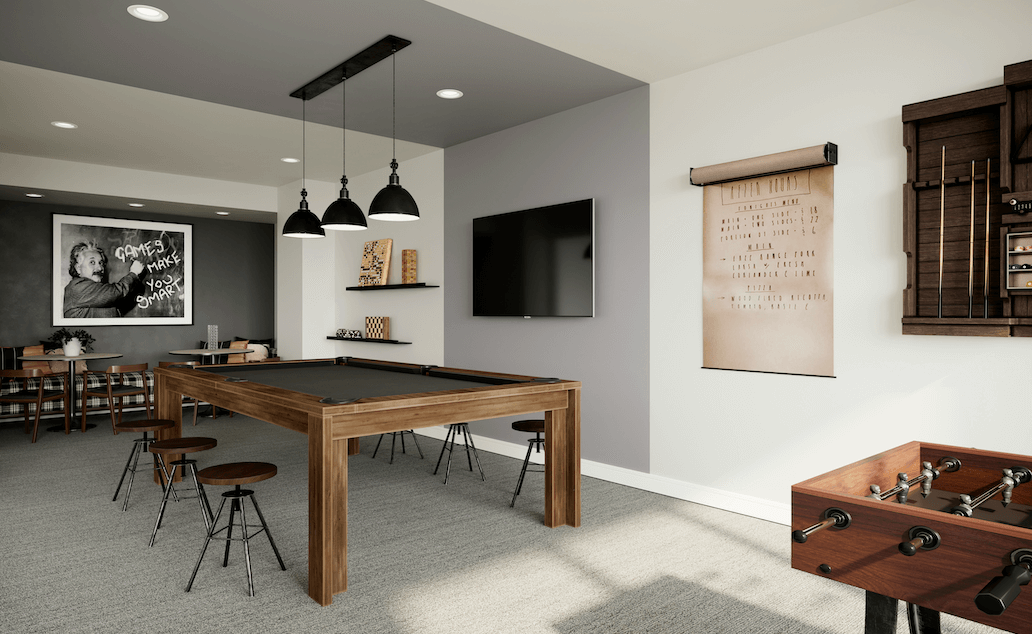
Ever notice how one simple divider can make a messy room suddenly feel planned? I do. I still remember the night I dragged a beat-up screen into my half-finished basement and, almost overnight, the whole space started to behave. I got a focused gaming nook, a chill lounge, and a tiny bar area, and I didn’t swing a single hammer. This guide is about doing that on purpose, picking materials, style and function that reshape your at-home getaway, whether you need to break up a big open plan or inject personality into a small room.
I’ll walk you through practical, stylish options that make separation feel like design, not an afterthought. You’ll learn how to pick pieces that give privacy, fold away when you want open flow, act like real dividers, and double as decor or storage. I’ll be honest about durability, looks, and versatility so you know what to prioritize. If you want your space to feel deliberately yours rather than a rearranged garage, keep reading.
Our Top Pick

Backyard Discovery Bamboo Screen, 6 Panels is my top pick for carving up an open room. The natural bamboo weave brings warmth and texture, hiding ugly walls while carving out a dedicated spot for your gear, bar, or gaming setup. Six linked panels give you the scale to cover a big span or the flexibility to use it as a backdrop behind a couch or entertainment center.
It strikes a good balance between toughness and low upkeep, so you can use it outdoors or in a covered indoor space for years. Setup is straightforward, and the panels are modular so you can move or expand them when the layout changes. If you want privacy, comfort, and a clean look that doesn’t scream DIY, this is a solid place to start.
Transform a spare corner into a crafted retreat. Privacy, style, and versatility in one modular package.
Key benefits and standout features:
- Natural bamboo finish brings authentic texture and a warm visual focal point.
- Six-panel configuration covers large areas and lets you shape the space.
- Lightweight, portable panels for easy repositioning or seasonal storage.
- Durable construction suited for outdoor or indoor sheltered use, minimal upkeep.
- Works as a privacy screen, room divider, or decorative backdrop for a bar, TV wall, or workout area.
Room Dividers That Define Your Zone
I still grin when I think about putting a divider in and finally giving my space permission to be more than one thing. Dividers do more than block sight lines. They let you define activity zones, steer foot traffic, and create cozy pockets without committing to construction. In a basement hangout, that means separating loud from quiet, work from play, host areas from private spots.
When you shop, think scale, material, and how permanent you want the change to feel. Do you want something that blends in or a statement piece that anchors the room? Check height and width to make sure it hides what you need, and pick a finish that plays nicely with your furniture and lighting. Below I’ll call out which pieces work like furniture, which are mostly decorative, and which strike the best balance for everyday use.
Privacy Screens That Keep Your Retreat Yours
One weekend I had surprise guests and was grateful for a quick privacy screen that hid the messy half of my basement. Privacy screens are underrated. They hide sleeping guests, conceal storage, and keep gaming setups or collectibles out of sight when you want a cleaner look. In tight city homes or multipurpose basements, a well-chosen screen preserves the retreat you were after without locking you into a permanent layout.
Look for opacity, stability, and portability. If you need real seclusion, denser materials that trap sight and sound are best. Louvered or woven options give filtered privacy with style. Think about how often you’ll move the screen, because if it’s a frequent shuffle, lighter panels and easy-fold mechanisms matter. I’ll flag which pieces are discreet separators and which are more decorative so you can match utility to lifestyle.
Backyard Discovery Bamboo Panels
If you’re building or reworking a man cave, these Backyard Discovery bamboo-style panels are a straightforward way to add privacy, texture, and shade without a remodel. Six 2 ft x 4 ft x 3/8 in panels arrive ready to mount horizontally or vertically. The bamboo-inspired pattern and warm brown, cedar-toned finish give you the look of natural slats without the upkeep of raw wood. They’re composite panels made to reduce wind, provide shade, and hide ugly walls or cutouts. Installation is simple with standard tools, and the panels are light enough to reposition when you tweak your patio bar, projector wall, or neon-sign backdrop.
Who this fits. Folks who want a clean, repeatable upgrade for a patio, garage-turned-lounge, or balcony.
Pros: instant curb appeal, six panels for flexible coverage, easy orientation, and climbing-plant friendly if you want living greenery.
Practical notes and minor cons: leave the required 1/16 inch gap around edges for expansion when framed, and think about adding a simple frame or extra bracing since 3/8 inch panels are slim and benefit from support on long runs. Composite resists rot, but check them periodically if you expose them to extreme weather. Overall, a practical finishing touch that turns a bare wall into an intentional setup.
Folding Screens for Rooms That Change Shape
I love folding screens. One afternoon I set one up for a headphone-only listening nook, and the next week I folded it away for a pool party. They’re the Swiss Army knives of interior separation. You get structure when you want it and open space when you don’t, which is perfect for multiuse rooms that need to adapt on the fly.
Shop for hinge quality, panel width, and base stability. Lightweight panels are easy to move, but heavier materials sit firmer and look more premium. Decide whether you want fabric, woven, or solid panels based on how much visual and acoustic separation you need. Below I’ll note which folding styles are best for frequent rearrangement, which feel more permanent, and which strike a good balance.
Deco 79 Fireplace Screen

If your space needs a quick character upgrade, this Deco 79 three-panel fireplace screen brings the look and the function. The metal scrollwork and fine mesh soften firelight and add a classic, slightly aged vibe that pairs well with leather, wood, and a decent sound system. The foldable panels sit flush on wide hearths and the center opens for easy stove access. It feels substantial, is portable when you need it, and the mesh does a solid job keeping stray embers off rugs and gear.
Where this screen wins is the weight and detail. It reads like iron in photos but is made from tin that still feels solid on delivery. Buyers praise the build and heft. Practical wins include multiple size options, three panels that fold for storage, and a visual payoff that lifts the room without shouting. Downsides? The finish can vary between deep black and bronze or greenish tones, and a few folks reported minor paint nicks or packaging scuffs. Inspect it when it arrives and plan for a return if needed.
Who should buy it. This one’s for someone who wants hearth safety and style without overpaying. Pros: sturdy look, great ambiance, easy stove access, multiple sizes. Cons: finish inconsistency and occasional QC or shipping issues. Small tip: tuck a low-voltage LED strip behind the screen for a club-like glow when the fire’s out.
Partition Walls That Feel Like Real Rooms
I once used a freestanding partition wall to make a workshop alcove, and the difference in focus was immediate. Partition walls step up from temporary screens by giving you more solidity and presence. Pick the right one and it reads like real architecture, giving the room a believable blueprint without calling a contractor. They’re great for separating a bar, a workbench, or a dedicated media area inside a larger space.
Decide how permanent you want the split to feel. Look at build material, mounting options, and whether the piece adds shelving or other features. Some partitions are light and modular, letting you reconfigure; others are heavier and truly room-defining. I’ll point out which pieces feel like furniture, which mimic walls, and which give you storage or display alongside separation.
Iris Ohyama SRK-1680R

This single-panel partition is sensible and compact. The steel frame with epoxy coating and a polyester cloth panel give you a matte, neutral beige divider that reads classy, not clinical. At roughly 31.5 inches wide and 65 inches tall and weighing about 7 lbs, it’s light enough to move with one hand yet substantial enough to block sightlines and tame TV reflections. It mounts to the floor and cleans up easily by hand washing the fabric. Assembly is straightforward if you’ve got a #2 screwdriver and gloves. The panel’s slim footprint makes it great for carving out a gaming den, hiding clutter behind a recliner, or creating a quick backdrop for a bar shelf.
This one delivers without fuss. It creates zones, reduces visual noise, and adds a textured finish that complements leather, wood, and metal decor. Pros: light portability, decent build, simple look, easy cleaning. Cons: it’s a single panel so you might need multiples to span wider areas, and some folks report stiff connectors or tight foot swaps that call for pliers or a little lubricant during assembly. Not a miracle solution, but a reliable, low-profile way to upgrade fast.
Deco 79 Wooden Screen

If you want your space to look intentional instead of thrown together, this Deco 79 four-panel screen is a strong choice. It stands about six feet tall and unfolds to cover a wide span, so it creates real separation between zones. The carved circular pattern lets light filter through while still giving privacy. The antique brown finish leans vintage and pairs nicely with leather chairs, a neon sign, or a reclaimed-wood bar.
What makes it stand out is the handmade look and weight. The panels hinge for flexible arrangements and each has a support so the unit stands freestanding and steady. It’s made from engineered wood/MDF with a varnished surface, so you get the aged look without high maintenance. It feels substantial, so it won’t skitter across the floor when bumped, but you can still move it when you want to change the layout.
This screen is best for folks who want practical style. Use it to hide a workbench or office nook, create a TV alcove, or as a backdrop behind a bar cart. Bonus: string a few LED strips along the top for a backlit shadow effect. It can even serve as a makeshift headboard or keep a curious pet off a railing, yes I’ve tried that.
Pros: sturdy presence, decorative carving, versatile placement. Cons: finish and carving can vary between units, and it’s heavier than paper screens. If you value character and real separation, give it a look.
A Divider Blocks Sight, Not Sound
This is the expectation that gets broken most often, so it is worth being blunt about it. A folding screen will not make the gaming corner quiet. Nothing you can stand on the floor and move by hand will.
The reason is physics rather than product quality. Stopping sound crossing a barrier runs on mass, damping and decoupling, and a screen has essentially none of the first and none of the other two. The number the trade uses is STC, and the scale is unforgiving: an ordinary interior wall, drywall on both sides of 2x4 studs, rates around STC 33, and the whole business of soundproofing is dragging that into the 50s. STC 50 is what the International Building Code asks for between dwellings, and STC 60 is where engineers start calling it good. A woven bamboo panel is not on that scale at all.
What a divider does do to sound is take a little of the reflection out of the room, and that is a genuinely different effect that gets confused with the first one constantly. Absorption changes how a space sounds from inside, blocking changes what leaks out, and they are separate material sets answering separate questions. A wall covered in fabric-wrapped mineral wool still lets the neighbor hear the film. If echo is the actual complaint, and in a hard-floored basement it often is, then acoustic panels are the answer and a screen is a decorative bonus.
So set the expectation correctly before you buy. A screen buys you a sight line, a sense of enclosure and somewhere for the eye to stop. Those are worth having, and in an open-plan basement they are most of what makes a zone feel like a zone. If you also need quiet, the honest answer is a door and a wall, and no amount of woven bamboo changes that.
The one exception worth knowing: a heavy, dense divider placed directly between a speaker and a listener does cut the direct path a little at high frequencies, which is why a screen in front of a games console makes the room feel calmer even though the meter barely moves. That is a psychological win rather than an acoustic one, and it is still a win.
Height, Width, and What a Screen Actually Hides
Almost every disappointing divider purchase comes down to one of two measurements, and neither is the one on the listing photo.
Height decides what gets hidden, and the reference is eye level rather than the ceiling. The framing trade puts standing eye level at 57 inches off the floor, which is why the advice for a gallery wall is to center the arrangement there, and a seated eye sits well below it. That one number explains most disappointing divider purchases. A 35 inch screen breaks the sight line from the sofa and breaks nothing at all for anyone walking past, so people buy a low decorative panel, set it beside a couch, and are surprised when it stops working the moment guests stand up. Decide which of the two sight lines you are blocking, then buy above it.
Width is the other half and it works differently, because a divider almost never has to span the gap. What it has to do is interrupt the view from the places people sit and stand. A panel two thirds the width of an opening, angled slightly, reads as a full division from most positions in the room, because the eye cannot see round it from anywhere it habitually is. Standing in the doorway and staring past it is not a normal position. Walk the room, sit in the seats, and look.
Then there is the thing that decides how permanent it feels: whether light passes through. A solid panel makes two rooms. A slatted, woven or louvered panel makes one room with a suggestion in it, which is usually what an open-plan basement wants, because a solid wall of screen in the middle of a space makes both halves feel smaller than the whole did. Filtered privacy is the safer default and it is why so many of these products are woven rather than boarded.
One practical note on folding screens specifically. A three-panel screen only stands up when it is folded into a zigzag, which means the footprint it occupies is deeper than the flat measurement and the effective width is shorter. Plan on losing roughly a quarter of the stated width once it is standing at a usable angle.
Stability, Tipping, and Where a Screen Can Stand
A freestanding divider is a tall, light, top-heavy object with a narrow base, and it lives in a room where people move around in the dark carrying drinks. It is worth thinking about for five minutes.
The zigzag is what holds a folding screen up, and the angle is load-bearing. Panels opened out towards flat lose their stability fast, and a screen set almost straight will go over from a knee or a dog. Keep a real angle between panels, and if you need a long straight run, use two screens set at angles rather than one opened out.
Floor surface matters more than people expect. On carpet a screen settles in and stays put. On tile, sealed concrete or a rug that slides, thin wooden feet skate, and a screen that skates eventually tips. Felt pads help, a rug under the feet helps more, and a screen that has to live on a hard floor in a busy room wants weight at the base or a wall tether.
Wall tethers are the answer nobody likes and everybody should use where the divider is permanent. A single small bracket into a stud at the top of one panel takes the tipping risk out entirely while leaving the screen looking freestanding. That is the right call for anything standing near where people sit, and it is not optional if there are children or a dog in the room.
Two more habits worth building. Do not hang things off a folding screen, because the load goes to the top of a panel and drags the whole thing off balance. And if a screen has to be moved often, move it folded rather than walking it open across the floor, which is how hinges get racked and feet get snapped.
What Else Divides a Room
Four screens is not the whole answer, and on a page with this few products it is worth saying what else works, because two of these options cost nothing and one of them is probably already in your room.
Furniture divides better than most screens do. A sofa with its back to the open half of a room draws a line as firmly as a panel, and it does it at seated eye height, which is usually the line that matters. Open shelving does the same job with the bonus that it stores things, and a unit with gaps reads as filtered privacy rather than a wall. If the room already has either, try moving it before you buy anything.
A ceiling-track curtain is the most underrated option here. It costs less than most of these screens, it disappears completely when you do not want it, it takes far more width than a folding panel ever will, and heavy fabric does marginally more for sound than a rigid panel does because it has mass and it absorbs. The downside is that it looks like a curtain, which suits some rooms and ruins others.
A slat wall, meaning vertical timber battens on a light frame, is the built version of what the woven screens here approximate. It is a weekend of work rather than a delivery, it is fixed once it is up, and it gives the cleanest result of anything in this list. If the zone you are dividing is never going to move, that is the option worth considering against every product on this page.
The screens still win on one thing, and it is the reason people keep buying them: they are reversible. Nothing here needs a fixing, a fabricator or a landlord's permission, and if the layout turns out wrong you fold it up and try somewhere else. For a room you are still working out, that is worth more than a better result you cannot undo.
The Four Picks Side by Side
Four products, and the honest summary is that they do three different jobs. Read the column that matches the sight line you are trying to break.
| Divider | Type | Light through it | Best at |
|---|---|---|---|
| Backyard Discovery bamboo, six panels | woven bamboo panels | filtered | warmth and texture, the widest coverage here |
| Deco 79 wooden partition screen | folding wood screen, large | mostly solid | a real visual split between two zones |
| Iris Ohyama SRK-1680R | single freestanding panel | solid | a slim movable wall you reposition often |
| Deco 79 metal scroll screen | folding metal mesh, 52 x 35 in | open mesh | a low decorative break beside seating |
The Deco 79 metal scroll is the outlier and worth being clear about: at 35 inches it sits below standing eye level, so it breaks a sight line from the sofa and not from the doorway. Bought for that, it is good. Bought as a room divider, it will disappoint.
Wrapping Up
Dividers pay back faster than almost anything else you can put in an open room, as long as you buy one for the job it can actually do. Measure the eye line you want to break, not the ceiling. Decide whether you want two rooms or one room with a suggestion in it, because solid and woven give you genuinely different results. And do not expect any of it to make the space quieter.
For the widest, warmest coverage, the Backyard Discovery bamboo panels are the pick and the reason is span: six panels give you more usable width than anything else here, and bamboo reads as deliberate rather than temporary. For a proper split between two zones, the Deco 79 wooden partition is the one, because it is solid and large enough to make the two halves feel like separate places. If the divider has to move regularly, the Iris Ohyama single panel is the sensible choice, since one flat panel is far easier to reposition than a hinged screen. And the Deco 79 metal scroll is a low decorative break for beside a sofa rather than a divider proper.
Start with one zone. Put the screen where you think it goes, then sit in every seat in the room and look at it before you commit to the position, because the right spot is almost never the first one. Tether anything permanent to a stud. Then leave it two weeks before you buy the second one, because one well-placed screen changes the room more than people expect, and the second is often unnecessary.