Wire Low-Voltage LED Accents Without Tripping Breakers
Last updated May 13, 2026 · By Chris Murphy

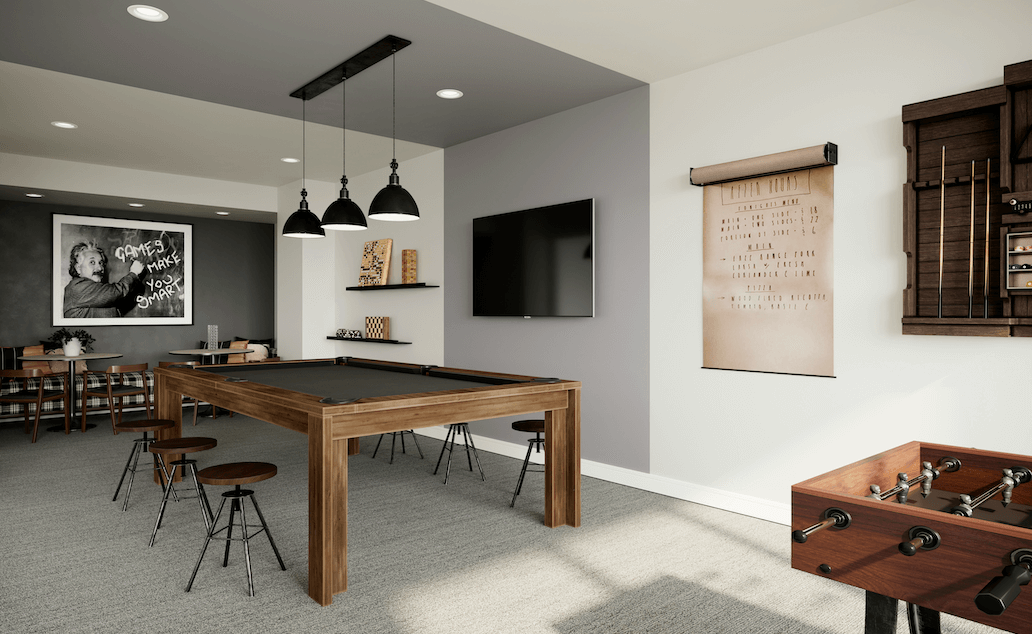
If you're anything like me, your man cave isn't just a room, it's a mood. You picture warm washes on shelves, cool neon under the bar, and that vintage sign lit up just right. The last thing you want is a breaker click every time you fire up the LEDs, or a strip that flickers and kills the vibe. This post is for the hands-on person who wants low-voltage LED accent lighting that looks great and behaves itself.
Read on and you'll learn the practical skills to avoid blown breakers and annoying flicker. We'll cover five things that actually make a difference: load calculation, picking the right transformer/driver, wire sizing and layout, installation best practices, and troubleshooting plus safety. You’ll get clear, usable steps so you can plan your layout, pick the right driver, size and route wire like someone who knows what they’re doing, and diagnose problems without calling for backup. Picture a smooth, even glow across your walls and furniture. I’ll walk you there, step by step, focusing on both performance and the mood you want.
Calculate the Load: Don’t Let Power Surprises Kill the Mood
If you’ve ever flipped on the lights and heard the breaker click, you learned the hard way: you underestimated the load. Load calculation is the base of a reliable system. It tells you how much current your LEDs want so you can choose a transformer and wire that won’t overheat or trip a breaker. Start by adding up the wattage of every LED item: strips, puck lights, modules. Advertised wattage is often per foot or per piece, so multiply by length or quantity. Convert watts to amps by dividing by the nominal voltage. For a 12V setup, Amps = Watts / 12. Do that math up front and you’ll avoid most surprises.
Also remember real-world quirks. LEDs can pull a little extra at startup (inrush). Dimmers and controllers change how current behaves. Give yourself headroom: pick components rated about 20 to 25 percent above your calculated load. That reduces stress and usually makes everything run cooler and quieter. Planning the load also tells you whether to run multiple runs from a single driver or split the system into zones. Get the load right and the lighting behaves, which keeps the mood intact.
How to think about load calculation

Count everything. Feet of strip, number of pucks, and any accent fixtures. Find the wattage per foot for strips or watts per fixture on the spec sheet. If you only have volts and amps listed, watts = volts × amps.
Keep two views in your head. One is the low-voltage side (12V or 24V) where the LEDs draw watts and amps. The other is the mains side (120V in North America) where the driver pulls power from the breaker. You need both to avoid tripping breakers and to choose the right transformer or driver.
Step-by-step calculation
- List each run with its length or count and wattage rate (for example 4.8 W per foot).
- Multiply to get each run's wattage. Add all runs to get total LED wattage.
- Convert total LED watts to secondary amps. Secondary amps = watts / voltage. For a 12V system divide by 12.
- Convert to primary amps for the breaker. Primary amps = watts / mains voltage (120V). You can also calculate primary amps = secondary amps × secondary voltage / primary voltage, and adjust for driver efficiency.
- Adjust for efficiency and safety. Drivers are not 100 percent efficient. Divide the LED wattage by 0.9 to estimate input watts (about a 10 percent loss). Finally, treat the load as continuous if the lights will be on for hours and keep expected draw to 80 percent or less of breaker capacity.
Example
Say you plan 20 feet of strip rated 4.8 W/ft and four 3 W pucks.
Strip = 20 × 4.8 = 96 W. Pucks = 4 × 3 = 12 W. Total = 108 W.
Secondary amps at 12V = 108 / 12 = 9 A. Allow 10 percent driver loss, so input watts ≈ 120 W. Primary amps on 120V = 120 / 120 = 1 A. On a 15 A breaker you’re plenty under the limit, but remember the 80 percent continuous guideline. Also keep the driver itself under about 80 percent of its rated output for best life and dimming behavior.
Practical tips
- Use the actual spec-sheet wattage, not marketing claims.
- Leave about 20 percent buffer when sizing the driver. It makes future changes painless.
- If you have several drivers on one breaker, add their primary currents. That total must respect the breaker limit and the 80 percent rule for continuous loads.
- If breakers trip at power-up, inrush current might be the culprit. Consider inrush-limited drivers or staggered startup.
Pick the Right Transformer for Smooth, Flicker-Free Glow
Choosing a transformer is more than matching VA numbers. It’s about pairing the right kind of driver with the LED tech so the lights dim smoothly and don’t buzz or flicker. These days most accent lighting uses constant-voltage LED drivers (12V or 24V DC) rather than old-school halogen transformers. Electronic drivers give steady output and better dimming. Pay attention to type (constant voltage vs constant current), dimmer compatibility, and protections like short-circuit and thermal overload. Those little extras matter when you want fast, quiet dimming.
Size the driver with margin. Pick a driver at least 20 to 25 percent larger than your load so it isn’t running at max all the time. Think about where you’ll mount it (it needs airflow), whether it needs an IP rating for damp spots, and whether it plays nice with your chosen dimmer (PWM controllers, triac dimmers, 0-10V, or smart controls). For multi-zone setups, I often prefer several smaller drivers closer to their loads rather than one huge unit with long runs. The right driver keeps colors true, dimming smooth, and your man cave feeling consistent.
Types of transformers and which to pick
You’ll find two main types. Magnetic transformers are chunky, simple, and quiet with on/off loads, but they’re heavy and less efficient. Electronic LED drivers are lighter, more efficient, and usually offer dimming and protections. For modern LED strips and pucks pick a constant-voltage electronic driver sized for 12V or 24V. If your fixtures require constant current, use a constant-current driver, but most accent lighting is constant-voltage. Don’t force a constant-current driver onto voltage-rated LEDs.
Voltage choice matters
12V is common and handy for short runs and lots of off-the-shelf accessories. 24V lets you run longer lengths with less voltage drop and thinner wire. If your layout has long runs or you want fewer feed points, favor 24V. If you’re using many standard 12V pucks or working in tight spots, stick with 12V.
How to size the driver, step by step
- Add the wattage of every LED run.
- Add 20 to 25 percent buffer for headroom and future changes. That reduces flicker and heat stress.
- Adjust for driver efficiency. If the datasheet says 90 percent, divide LED wattage by 0.9 to get input watts.
- Apply the 80 percent continuous rule. Choose a driver whose rated output is at least 125 percent of your steady calculated load so it runs below 80 percent of its max.
Example. You have 60 W of 24V strips. Add 25 percent = 75 W. Divide by 0.9 = 83 W input. Choose a 100 W driver. That gives safe headroom and good dimming.
Dimming and compatibility
Match the driver to your dimmer. Not all electronic drivers like leading-edge wall dimmers. PWM controllers at the low-voltage side are common and smooth. If you want wall-dimmer control, verify the driver supports it. For multi-zone dimming, use drivers with separate channels or multiple drivers rather than hanging many loads off one dimmer.
Practical installation tips that affect selection
Mount the driver where it can breathe and be accessed. Don’t bury it inside insulation or a sealed box. Keep it within reach if code requires an accessible disconnect. For long runs, consider powering the strip at multiple points or using 24V instead of oversizing wire. If startup trips are a problem, choose drivers with soft-start or inrush limiting, or stagger zone startup.
Quick checklist: constant-voltage for strips, 20-25 percent headroom, factor efficiency, respect the 80 percent continuous rule, confirm dimmer compatibility, and give the driver ventilation. Do that and your lights will stay steady and reliable.
Wire Gauge and Layout: Keep Voltage Drop From Killing the Ambience
The charm disappears when a distant run comes up dim or shifts color. Low-voltage systems are sensitive to voltage drop, so wire sizing and layout matter. After you know the current, use voltage drop to pick the right gauge. Longer runs and higher current need thicker wire. Aim to keep voltage drop under about 3 percent for main runs to preserve brightness and color. If a run is long, either increase gauge or move the driver closer.
Think of the layout like choreographing the light. Use a trunk-and-branch approach: a thicker main feed that splits into smaller branches feeding short runs. Parallel feeds to multiple zones reduce imbalance and color shift. Route wires along hidden seams, behind crown molding, or inside channels so they don’t spoil the look. Keep control and power wiring separate to avoid interference. Good planning keeps LEDs bright and consistent across the room.
Wire Gauge and Ampacity
Pick wire by current and distance. For short runs under 5 feet carrying 2 to 6 amps, 18 AWG copper is usually fine. For runs carrying 6 to 10 amps or lengths up to 15 feet, move up to 16 or 14 AWG. If a run carries more than 10 amps, or you want very low voltage drop, choose 12 AWG or 10 AWG. Always check ampacity tables for your local code, and remember that high temperature or bundling in conduit can reduce capacity.
Calculate Voltage Drop
Voltage drop kills brightness at the far end. Use:
Vdrop = I × R × (2 × length / 1000)
where R is ohms per 1000 feet for the wire gauge. Practical resistances:
18 AWG ≈ 6.385 Ω/1000 ft, 16 AWG ≈ 4.016 Ω/1000 ft, 14 AWG ≈ 2.525 Ω/1000 ft, 12 AWG ≈ 1.588 Ω/1000 ft, 10 AWG ≈ 0.999 Ω/1000 ft. Aim for under 3 percent drop on 12V systems (0.36 V) and under 2 to 3 percent on 24V systems.
Example. A 12V strip drawing 9 A over a 20 ft one-way run: AWG18 gives about 2.3 V drop (19 percent). AWG14 gives about 0.91 V (7.6 percent). To meet the 3 percent target you'd need AWG10 or change to 24V.
Layout and Feed Strategy
Think star feeds and multiple injection points. Instead of daisy-chaining long lengths, run a heavier main feed to a central manifold and feed shorter legs to each strip. Power strips at both ends or at multiple points when possible. For long runs prefer 24V so you can use thinner wire with acceptable voltage drop. Keep low-voltage wiring separate from AC mains unless code allows shared raceways.
Practical Tips and Examples
- Fuse every run at the driver output. A small inline fuse near the driver protects the run and simplifies troubleshooting.
- Use solid solder joints or quality-rated low-voltage connectors. Cheap clips can fail in hot or humid garages.
- Route cables with strain relief and grommets where they pass through metal. Sharp edges cut insulation over time.
- Rule of thumb: for 12V strips up to 20 ft at 6-9 A, use AWG12 for confidence. For 24V at the same length and current, AWG14 often works.
- When in doubt, upsize the conductor. Thicker wire is cheap compared to chasing color shift or resoldering joints.
Installation Best Practices for a Clean, Reliable Setup
Once the plan is set, install with craft and safety in mind so the result looks intentional and lasts. Start by mapping everything on paper and bench-testing each run. Use secure, low-resistance connections: solder pads or rated crimp connectors rather than loose splices. Keep LED strips on clean, dry surfaces and use aluminum channels or diffusers to hide adhesives and create an even wash. Protect connections with heat-shrink or adhesive-lined tubing for a tidy, durable finish.
Mount drivers in accessible, ventilated spots and label all circuits for future service. Use junction boxes where required and follow local code for mains wiring. Manage cable strain with clips or ties and leave slack at access points. Decide on dimmers and controllers early so you can wire accordingly. Careful installation reduces flicker, keeps wiring neat, and makes your man cave lighting dependable.
Mounting and mechanical protection
Use aluminum channels with diffusers whenever possible. Channels protect the strip, spread heat, and give a clean finished look. Secure runs with screws or strong channel mounts; avoid letting strips sag or peel. When sticking directly to wood or painted drywall, clean the surface with alcohol and press firmly. Leave a little slack at each end so future pulls won't rip solder joints.
Connector and joint best practices
Soldered joints with heat-shrink tubing are the most reliable low-voltage connections. If you use crimp connectors, invest in a proper crimper and ferrules for stranded wire to prevent stray strands and high resistance. Waterproof connectors belong near sinks, bars, or anywhere condensation could form. Fuse each branch at the driver output. Pick a fuse rating just above the steady current of that run (for example a 4 A fuse for a 3 A run) and use slow-blow types if the system has noticeable inrush.
Ventilation, placement, and access
Mount drivers where air can circulate and you can reach them. Don’t bury drivers in insulated cavities or behind drywall. Keep them accessible for service and label their circuits. If a driver gets hot after an hour on full brightness, move it or add ventilation. Also plan access to connectors and dimmers. You’ll thank yourself when you reconfigure the mood lighting.
Routing, strain relief, and neat runs
Route wiring in a trunk-and-branch layout. Use thicker wire for trunks and smaller gauge for short branches. Provide strain relief at every pass-through using grommets or cable clamps. Secure cables with zip ties to studs or inside channels, but don’t crush the insulation. Keep low-voltage wiring a few inches from high-voltage mains or run them in separate raceways to minimize interference and make future troubleshooting easier.
Commissioning and verification steps
- Before final mounting, power the system and measure voltage at the far end under load.
- Verify dimming across the full range and watch for flicker or audible noise.
- Run the lights for at least an hour, then check driver and connector temperatures. Use a multimeter to check any suspect joint for increased resistance.
Label every run and keep a simple wiring diagram taped near the breaker or in your toolbox. If you like tinkering, stash extra connectors, heat-shrink, and a roll of matching wire nearby. Small prep now saves a lot of fiddling later.
Troubleshooting and Safety: Diagnose Flicker and Avoid Tripped Breakers
Even with good planning, things can go sideways. Flicker, tripped breakers, or sections that won’t light are usually fixable with a methodical approach. Start by isolating the problem: check voltage under load at the far end, inspect connectors for corrosion or loose joints, and verify the driver isn’t overloaded. Swap parts to see whether the driver, dimmer, controller, or strips are at fault. Many flicker issues come from incompatible dimmers or excessive voltage drop rather than bad LEDs.
Safety first. Always de-energize mains before working on AC wiring and use a multimeter and clamp meter to diagnose while avoiding shocks. Install ground-fault protection where required, and don’t exceed breaker or driver ratings. If you hit persistent mains-side faults or you’re unsure about code compliance, call a licensed electrician. A safe, well-documented system keeps the glow steady and the room ready for long nights of relaxing and entertaining.
Quick diagnostic checklist
Look for loose wires, lifted pads, burnt insulation, or moisture at connectors. Smell for burned plastic. Note whether the problem is constant or only at startup, with dimming, or when other equipment runs. Write down symptoms before you change anything. That saves time.
Step-by-step troubleshooting workflow
- Isolate the fault. Turn off the driver and disconnect branches one at a time until the problem stops. That tells you which run to focus on.
- Bench-test the suspect run. Use a regulated DC bench supply or a known-good driver at the correct voltage to feed the strip or puck directly. If it misbehaves off the main system, the load is the issue.
- Measure under load. With the system running, measure voltage at the source and at the far end. Look for drops that change with brightness. Check continuity and resistance across joints for high-resistance spots that heat up.
- Swap to isolate components. Replace the controller, dimmer, or driver with a known-good unit to narrow down the culprit. Don’t leave temporary wiring exposed during tests.
Tools and how to use them safely
Have a digital multimeter, a clamp meter (DC-capable if possible), a non-contact voltage tester, and an infrared thermometer. Use the non-contact tester to verify mains power is off before touching wiring. When measuring DC on LED runs, set the meter to the right range and probe insulated points. If you need an oscilloscope or other advanced tools and you’re unsure, get help.
Safety rules before you touch anything
Kill mains power at the breaker and lock or tag it out if possible. Verify the circuit is dead with a non-contact tester and then with a meter. Unplug drivers and allow internal capacitors to discharge for a minute. Use insulated tools and avoid working alone if you’re handling mains. In damp areas keep mains components behind GFCI protection and use IP-rated drivers and sealed connectors.
Common symptoms and likely fixes
- Intermittent flicker. Often a loose connection, bad solder joint, or a controller with unstable PWM. Re-solder joints and try a different controller.
- Flicker only when other equipment starts. That suggests shared-circuit interference. Move the driver to a different circuit or add isolation.
- Breaker trips only at startup. Could be inrush or a short. Temporarily stagger zone power or test with an inrush-limited driver.
- Dimming causes noise or strobe. Mismatch between dimmer type and driver. Try a different dimming method or use a driver rated for your dimmer.
A methodical approach keeps you safe and gets you back to that perfect glow without guesswork.
What to Remember
You want a man cave that feels intentional, not improvised. Start with the math. Add up every strip and puck, convert watts to amps on the secondary side, and don’t forget the mains side. Give yourself 20 to 25 percent headroom on the driver and respect the 80 percent continuous-load guideline so the driver isn’t always at the edge. Account for inrush at startup.
Pick the right driver like you’d pick the right paint. For most accent work choose a constant-voltage LED driver at 12V or 24V and size it so it runs below 80 percent of its rating. Factor efficiency when converting LED watts to driver input watts, match the driver to your dimming method, and mount it where it can breathe. For long runs I often prefer a few smaller drivers near their loads rather than one giant unit feeding everything, and soft-start drivers are lifesavers if startup trips are a problem.
Wire everything with voltage drop and routing in mind so colors stay true from end to end. Aim for about 3 percent voltage drop on 12V systems and use a trunk-and-branch or star feed strategy to keep runs short. When in doubt, go thicker. Thicker wire costs little and saves headaches.
Install like you care and test like you mean it. Use channels, soldered joints or quality crimps, label circuits, leave service access, and commission the system: measure voltage at the far end under load, watch for heat, and run the dimmer across its range. Keep a DMM, clamp meter, and IR thermometer handy, and always follow the safety steps: kill mains, verify with a tester, and call an electrician for anything beyond your comfort zone.
Now go build it. Sketch your layout, do the load calc, pick a driver with 20 to 25 percent headroom, choose wire to meet the voltage drop goal, and bench-test each run before final mounting. Start with one zone if you feel cautious, then expand once the system proves itself. I’d love to see your setups and help troubleshoot, so post a photo or drop questions in the comments. Roll up your sleeves, grab your ruler and multimeter, and make that steady glow a reality.