Build a Retractable Magnetic Tool Wall with Hidden Shelving
Last updated July 18, 2026 · By Chris Murphy

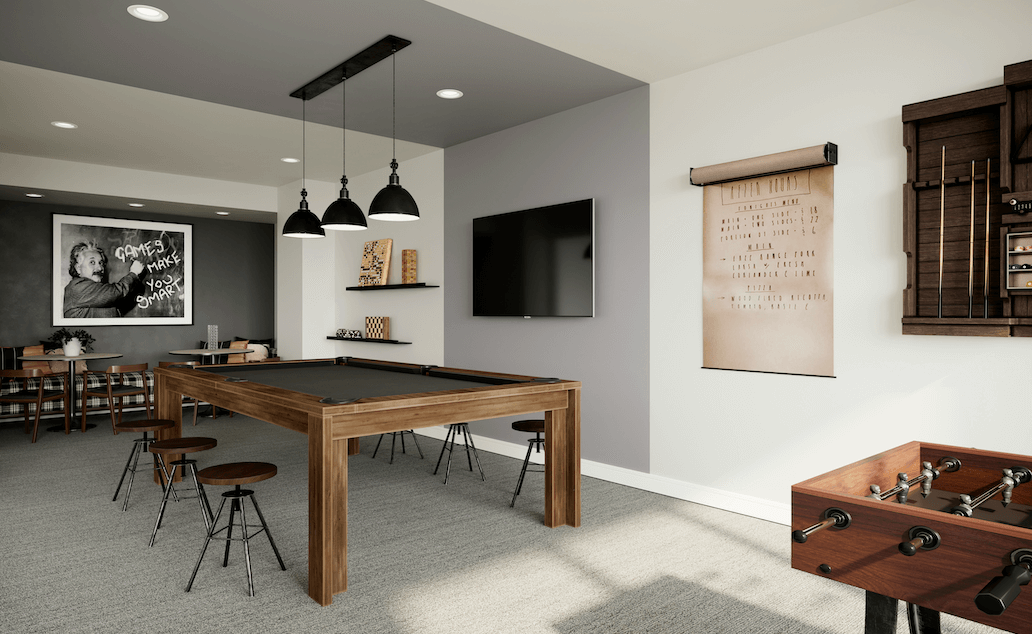
If you're like me, you want a man cave that looks effortless when people drop by: tools on display, a cold one within reach, and enough smart storage that the room still feels open. Let everything live on shelves and counters and that vibe disappears fast. A retractable tool wall with magnetic panels and hidden shelving gives you the best of both worlds, letting you show off the good stuff on game day and tuck it away when you want the room to feel like a hangout instead of a workshop.
Quick safety note: for any regulated or potentially dangerous work, call a licensed pro. That means an electrician for new wiring or motorized power, a plumber for changes to water or gas, and a structural engineer or licensed contractor for framing or load-bearing work. I won't provide step-by-step instructions for electrical, structural, or other high-risk tasks that can lead to electrocution, fire, flooding, or structural failure. Unpermitted or unlicensed work can void insurance, fail inspections, and create real safety hazards. Treat this post as what to know before you hire and how to plan the project, not as a how-to for regulated trades.
In this post you'll get a clear planning roadmap: what materials and specs to consider for magnetic panels and hidden shelving, the tools and electrical pieces you should budget for, design choices for retractable mechanisms, when to hire pros and how to plan the install, plus finishing touches and sourcing tips that make the space feel welcoming. Expect practical trade-offs, rough budget ranges, and decision points so you can sketch a plan, get quotes, and get it done right. After these sections you'll be able to tell your electrician, metal shop, or carpenter exactly what you want, and still keep the fun social vibe front and center.
Difficulty: Intermediate · Time: 1 weekend · Cost: $300-$500
Choose the Right Materials and Specs for a Magnetic Retractable Wall
What You'll Need
Tools
- Power drill with drill bits and screwdriver bits
- Tape measure and a 4-foot level
- Stud finder for locating wall anchors
- Circular saw or jigsaw for cutting plywood
- Clamps to hold pieces while fastening
- Sandpaper or a sanding block for smoothing edges
Materials
- 1 sheet of 3/4-inch plywood (4x8 feet) for the wall panel and shelves
- 4 magnetic strips (each 24 inches long) for tool holders
- 2 pairs of heavy-duty full-extension drawer slides rated for 50 pounds
- 1 box of 1-5/8-inch wood screws and 1 box of 2-inch wood screws
- 4 steel shelf brackets (12-inch) for hidden shelving support
- 1 tube of construction adhesive for bonding magnetic strips to plywood
- 1 roll of painter's tape and a pack of 1/8-inch plywood spacers for alignment
Start with what actually holds your tools: the panels. Magnetic faces run from thin magnetic sheet laminates up to full 16-gauge perforated steel. Pay attention to pull force, panel thickness, and whether the panel is ferrous or backed with steel. Rare-earth magnets will support heavy wrenches and saws, but they still need a solid backing and fasteners rated for the loads you plan to hang. Trust safe working load numbers, not optimistic marketing claims.
Hidden shelving is a different animal than the visible tool face. Shelves bear concentrated weight from cases, power tools, and boxes. Use structural substrates like Baltic birch or 3/4-inch exterior-grade plywood for shelf runs, or steel framing if you expect really heavy loads. Think about how everything mounts. If you anchor to studs, know your stud spacing and whether there's blocking. If you attach to metal studs or a hanging system, specify the right anchors and fasteners.
Environment and finishes matter. If your man cave gets damp or swings in temperature, pick rust-resistant panels and finishes, and consider powder-coated steel rather than bare metal. For a cleaner look compare powder-coat, textured finishes, or laminated faces. Also think about acoustics; a bare metal panel next to speakers can ring, and a slim acoustic backing tames noise without killing magnet performance.
Budget and sourcing will shape your specs. Ready-made magnetic boards are fast and cheap, while custom laser-cut steel or welded modular systems cost more but fit perfectly. Have a materials list and desired load ratings ready before you talk to shops. That makes conversations productive and helps you decide whether to DIY the panels or hire a fabricator.
Safety callout. Hire a licensed or qualified tradesperson (electrician, plumber, HVAC tech, or structural engineer as appropriate) for any regulated or potentially dangerous work. This section is for planning and specifying the project, not for step-by-step execution of electrical or structural tasks. Unpermitted or unlicensed work can void insurance, fail inspection, and create life-safety hazards.
Core materials and panel specs

For the magnetic face use cold-rolled steel sheet. Typical choices are 16 to 18 gauge (about 1.2-1.6 mm). 16 gauge is stiffer and better for larger panel sizes. If you need higher local pull force, bond a flexible magnetic sheet or spot-mount neodymium magnets to the steel. Flexible magnetic sheeting runs about 0.8-2 mm thick and works fine for light hand tools. For heavier tools plan discrete neodymium magnets rated 20-50 lb each, spaced according to tool size and weight.
Panel sizes. Standard wall panels 24 to 48 inches wide and 36 to 84 inches tall are manageable for weight and shipping. Break very large walls into sections for mounting and transport. Back each panel with 1/4 to 1/2 inch plywood or MDF to stabilize the metal and give you screw points.
Hidden shelving and structure
Shelf carcasses: use 3/4 inch (19 mm) cabinet-grade plywood or Baltic birch for visible load-bearing shelves. Depths: 8-12 inches for small accessories, 12-18 inches for bulkier storage. Design for distributed loads of roughly 50-150 lbs per shelf depending on support type. Use full-width dadoes or heavy-duty shelf supports if you expect higher loads.
Fasteners and anchors. Secure frames to studs with 3 inch structural screws or 1/4 inch carriage bolts through blocking. For hollow wall sections use toggle bolts rated for the anticipated load. Choose stainless or zinc-plated hardware in damp environments.
Retractable mechanism and electrical notes
Track options: heavy-duty ball-bearing linear tracks or custom sliding carriages. For motorized retraction common solutions are 12-24 V DC linear actuators or 110-120 V tubular motors. Motor sizing depends on panel weight and travel speed; lightweight manual systems avoid electrical work but limit convenience. Give your electrician the panel weight, travel distance, and desired run speed so they can size motor torque, circuit protection, and control wiring. Don't try to wire mains systems unless you're licensed.
Finishes, dampening, sourcing, and budgets
Finish panels with primer and durable paint or powder coat for a polished look. Add closed-cell foam behind panels for vibration dampening. Source metal panels from a local sheet metal shop, magnets from industrial suppliers, and tracks or actuators from motion-control distributors. Ballpark budgets: materials only $300-1,200 for a simple retractable section; motorized systems and pro fabrication $800-4,000; full professional install and wiring can push $1,500-6,000 depending on scope.
This spec sheet helps you compare quotes and choose components before you hire tradespeople.
Tools to Gather and Electrical Considerations to Plan For
Before you start cutting drywall, lay out the tools you'll need and the electrical scope. For the physical build expect a drill and driver set, circular or track saw, level, stud finder, clamps, jigsaw for notches, rivet gun for sheet metal, and shop tools like a sander and planer if you're finishing custom shelving. You can preassemble much of the system in a garage or shop before the final installation.
When it comes to electrical, tread carefully and hire an electrician for anything beyond simple plug-in lighting. Adding powered retractable hardware, motorized actuators, integrated LED lighting, or new outlets usually requires permanent wiring, proper circuit sizing, and code-compliant protection such as GFCI where appropriate. Decide early whether the motor will be low-voltage DC or mains AC, and whether you want hardwired controls, a wall switch, or a remote/phone interface. Those choices affect cost and permit needs.
Plan power distribution and safety features up front. A dedicated circuit for motorized mechanisms or multiple charging bays protects your main panel and prevents nuisance tripping. Think about limit switches, overload protection, and an easy-to-reach emergency stop if you go motorized. Also consider ventilation and heat management for enclosed shelving that will store batteries or chargers. Poor ventilation shortens battery life and can create hazards if a charger fails.
Finally, estimate costs for pros. Electrician hourly rates and permit fees vary by region. Include licensing, inspection, and possible panel upgrades in your budget. Sketch the electrical needs on a layout and share that with the electrician so you get accurate bids. Planning like this prevents surprises during the install and keeps the project safe and code-compliant.
Safety callout. Hire a licensed or qualified tradesperson (electrician, plumber, HVAC technician, or structural engineer as appropriate) for any regulated or potentially dangerous work. This section is for what to know before you hire, how to plan the job, and what specs to give your tradespeople. Don't use this as step-by-step wiring or structural instructions. Unpermitted or unlicensed work can void insurance, fail inspection, and create life-safety hazards.
What to tell your electrician (and why it matters)
Be explicit. Bring panel weight per section (lbs), travel distance (inches), desired run speed (inches per second), and expected cycle rate (how often it will move per day). Note whether you want motorized retraction, remote control, or hardwired switches. Those numbers let the electrician size motor torque, inrush current, and protection devices correctly.
Typical electrical talking points: ask about a dedicated circuit for the drive (15 A or 20 A, 120 V AC is common in garages), whether AFCI/GFCI protection is required by local code, and where the shutoff or emergency stop will go. For DC linear actuators, share expected operating current (many draw 5-20 A at 12-24 V during movement). For 120 V tubular motors, expect 1-8 A typical, with higher startup inrush. Your electrician will pick conductors, breakers, and contactors based on these loads and run length.
Include control preferences. Tell the pro if you want low-voltage control wiring (12 V or 24 V), wireless pushbuttons, or hardwired interlocks. Low-voltage controls are safer at the user interface, but still need proper transformers and fusing sized for the control circuit.
Low-voltage lighting, power and cable management
If you plan internal lighting for hidden shelves, specify LED strip voltage and wattage so the electrician can size the driver. Example: a 12 V LED strip using 14.4 W per meter will draw about 6 A for 5 meters. That matters for driver sizing and cable gauge.
Protect moving cables. Plan for a cable carrier or flexible conduit and a service loop. For any moving panel include strain reliefs at termination points and keep all wiring inside accessible junction boxes, not spliced in hidden cavities.
Tools, site prep, and quick checklist for quotes
You don't need to wire it yourself, but being prepared helps. Bring a stud map, panel dimensions and section weights, a planned control location, and a sketch of the power run to the breaker. Helpful items for site: a tape measure, level, and a small scale or load estimate for test lifting.
Ask your pro about required permits, AFCI/GFCI needs, emergency stop, limit switches or torque cutouts, and expected maintenance access. A short conversation with the electrician before quoting saves surprises and keeps your man cave both slick and safe.
Step-by-Step
Step 1: Wall measurements and layout marking
Measure the available wall space precisely. Mark the intended footprint for the retractable panel and the hidden shelving behind it. Use a level to ensure vertical and horizontal lines are accurate. Account for any electrical outlets or wall studs that intersect your layout. This initial marking guides all subsequent cuts and framing.
Step 2: Framing the retractable panel frame
Construct a rectangular frame from lumber that matches the dimensions you marked. Install a track system on the top and bottom edges of the frame to allow smooth sliding or hinged movement. Reinforce the corners with brackets to maintain rigidity. Ensure the frame is square by checking diagonal measurements before fastening.
Step 3: Attaching magnetic panels to the frame
Cut steel or ferrous metal sheets to fit each section of the frame. Secure them with countersunk screws so the surface remains flush. Space the sheets with small gaps if you plan to mount tools on rare-earth magnets later. Wipe the metal clean after installation to remove any metal shavings or oil residue.
Step 4: Building the hidden shelving unit
Construct a separate shelving unit that sits behind the retractable panel. Use plywood or MDF shelves supported by cleats or adjustable shelf pins. Size the unit so it fits within the marked wall cavity and allows the panel to close fully without interference. Sand all edges to prevent snagging on the moving panel.
Step 5: Mounting the retractable assembly to the wall
Attach the track or hinge hardware to the wall studs using heavy-duty screws. Lift the panel frame into the track or onto the hinges. Check that the panel slides or swings freely without binding. Adjust the hardware as needed to achieve smooth motion and a flush fit against the wall when closed.
Step 6: Wiring considerations and outlet relocation
If your layout blocks an existing outlet or requires new lighting inside the shelving, consult a licensed electrician. Mark any planned outlet moves or low-voltage wiring paths before closing up the wall. Run cables through conduit or behind the frame to keep them hidden and accessible for future maintenance.
Step 7: Final adjustments and hardware installation
Install soft-close dampers or stops on the track to prevent the panel from slamming. Attach handles or pulls to the front of the magnetic panel. Test the full retraction range and verify that the hidden shelving remains accessible. Apply a protective finish to the wood surfaces to resist moisture and wear.
Design Choices and Retractable Mechanisms that Fit Your Space and Style
Designing a retractable tool wall is as much theater as storage. Decide how you want the reveal to work. Do you want a single sliding panel that disappears into a cavity, a folding concertina style that collapses to the side, or a lift-and-hide panel that drops into a cabinet? Each option changes how much room you need, how accessible tools are, and how complex the hardware will be. Think about sightlines in the man cave, the mechanism should feel like part of the decor instead of an engineering project left in the open.
Hardware choice drives the experience. Heavy-duty linear bearings and ball-bearing drawer slides give silky motion for smaller panels. For larger or heavier faces, look at pocket door systems, overhead tracks, or telescoping roller assemblies. Motorized linear actuators add convenience but increase cost and code scrutiny, especially if they need hardwired power. Counterweight and pulley systems can be elegant and use less electrical power, but they require careful balancing and safe containment so they aren't a hazard.
Integrating magnetic panels with hidden shelving needs attention to offsets and clearances. Decide the reveal depth so your magnets clear trim and the shelving can be accessed without fighting awkward gaps. Include stops, soft-close dampers, and catches to control motion and avoid pinch points. Locking mechanisms are worth considering if your tools are valuable or if you want to secure the reveal when guests aren't around. Visual choices matter too, pick finishes and trim that read as intentional-raw steel, vintage signs, or painted panels can all fit the vibe.
Plan for maintenance and upgrades. Modular magnet strips let you rearrange holders seasonally, and standardized drawer slide sizes simplify replacements. If you may add chargers, speakers, or a secondary reveal later, route conduit and reserve space now. A good design balances showmanship with durability so your retractable wall stays a conversation piece for years.
Safety callout
Hire a licensed or qualified tradesperson (electrician, plumber, HVAC tech, or structural engineer as appropriate) for any regulated or dangerous work unless you are already qualified. This section is what to know before you hire, how to spec the retractable system, and how to choose products. Don't follow this as step-by-step instructions for wiring, cutting framing, or altering structure. Unpermitted or unlicensed work can void insurance, fail inspection, and create life-safety hazards.
Core mechanism choices and tradeoffs
Decide manual or motorized. Manual sliding on ball-bearing linear rails or heavy-duty drawer slides is simple, affordable, and reliable for panels under about 100 lb. Motorized systems are convenient but add cost, wiring, control logic, and permit risk. Expect an installed motorized solution to add $500-3,000 depending on motor type, controls, and labor.
Consider three common drive types. Linear actuators provide compact push/pull motion and are common for short travel. Tubular-style motors (roller tube) work well for rolling or wrap systems. Cable-and-pulley with counterweights offers low electrical load because the motor only deals with friction and imbalance.
Counterbalance, load, and speed planning
Estimate panel weight conservatively. A 48 x 72 inch metal panel with backing and magnets will often weigh 80-150 lb. Use a safety factor of 1.5 when sizing drives. Typical travel speeds are 0.5 to 4 inches per second; faster looks cool but needs higher torque and stronger mounts. Duty cycle matters. Many actuators are intermittent duty (25-50 percent). If your panel will move a lot, specify continuous-duty components.
Counterbalance options reduce motor size. Gas springs or torsion springs can offset static weight for manual or powered systems. Counterweights routed in a hidden cavity let you use a smaller motor but need more headroom and careful safety stops.
Tracks, guides, and tolerances
Use precision ball-bearing linear rails or heavy guide channels to prevent racking. Split large walls into 2-3 sections to simplify transport and lower per-section weight. Allow 1/8 to 1/4 inch clearance per side for smooth travel and thermal movement. Include anti-tilt brackets and end mechanical stops so panels cannot overtravel if controls fail.
Controls, cables, and safety interlocks
Specify limit switches, torque cutouts, and an emergency stop for motorized systems. Low-voltage controls are preferred for user interfaces but still need proper fusing and transformers sized for expected inrush. Protect moving cables with cable carrier chains or flexible conduit and add strain reliefs at terminations.
Commissioning and maintenance
Plan a commissioning checklist for the pro: verify limit switch operation, measure run current, and test the emergency stop. Maintenance: inspect fasteners and guide rails every 3 months, lubricate bearings twice yearly, and recheck electrical connections annually. These small steps keep the retractable wall reliable and safe.
Installation Planning, Timeline, and When to Hire a Pro
Real projects win on planning. Start with a measured elevation of the wall, mark studs, and note any hidden services behind the drywall. Order long-lead items like custom-cut steel early, and expect final electrical or structural inspections to add days or weeks. Factor demo and cleanup time, especially if you'll be drilling into existing walls or modifying a built-in cabinet. Having milestones keeps the job moving and helps you create a clear scope for quotes.
Bring in professionals when the risk or code requirements exceed your comfort level. Call an electrician for permanent wiring, a licensed contractor or structural engineer for cutting headers or changing load-bearing walls, and a fabricator for precision metalwork if you want custom panels. For motorized systems, a registered contractor who understands both mechanical and electrical integration is usually the safest bet. Always check licenses, insurance, and local permitting requirements before work starts.
Get at least three bids for trade work and ask for references and photos of similar builds. Ask potential hires how they'd handle debris containment, fire-stopping where cavities are created, and final inspections. Share your materials list, sketches, and desired load ratings before they quote. Build contingency into your budget for surprises like rotten blocking or an undersized electrical panel.
Decide what you'll DIY and what to subcontract. Many people assemble panels and apply finishes themselves while leaving rough-in wiring and heavy lifting to pros. That keeps costs down while ensuring code compliance and safety. Whatever route you take, clear communication and written agreements about scope, timeline, and warranty will protect the project and keep your man cave on track.
Safety callout. Hire a licensed or qualified tradesperson (electrician, plumber, HVAC technician, or structural engineer as appropriate) for any regulated or dangerous work unless you're already qualified. This section is what to know before you hire, how to plan the install, and how to choose specs. Don't use this as step-by-step instructions for electrical or structural work. Unpermitted or unlicensed work can void insurance, fail inspection, and create life-safety hazards.
When to bring in a pro
If any of these apply, stop planning a DIY solo and get a qualified quote.
- New permanent wiring, hardwired motors, or added circuits. (If motors draw over 10 A, or you want a dedicated circuit, call an electrician.)
- Any change to load-bearing walls, header work, or adding blocking that requires cutting studs or new framing. Consult a structural engineer or licensed contractor.
- Panels or subassemblies heavier than 100 to 150 pounds each. Heavy panels usually need a metal shop for fabrication and multiple installers or lifting equipment.
- Complex drive systems, counterweights, or safety interlocks. These need a motion-control or automation pro for safe limits, wiring, and fail-safes.
- Local permit triggers. If your city requires permits for electrical, structural, or mechanical alterations, hire a permit-ready contractor.
What to prepare before you hire
Pros give better quotes when you arrive with facts. Measure and note: panel size and estimated weight per section, stud layout and wall construction, desired travel distance and run speed, number of cycles per day (duty cycle), and any controls or lighting loads in amps or watts. Bring photos, a simple sketch, and your target finish (paint, powder coat, inset trim). Mention environmental factors like humidity and ventilation for battery storage.
Scheduling, permits, and budgets
Small manual installs with existing blocking and no new wiring can be a one-day job for a competent carpenter. Motorized installs that require new circuits, limit switches, and commissioning usually take 2 to 5 days with an electrician and possibly a fabricator. Permit timelines vary from a few days to several weeks depending on jurisdiction. Add 10 to 20 percent contingency for unexpected framing, electrical upgrades, or rework. Ballpark labor: $300 to $1,200 for a simple install, and $1,000 to $4,000 or more for motorized, permitted work done by licensed pros.
Acceptance and handoff
Before paying final invoices run a commissioning checklist with your contractor: verify limit switches, emergency stop, cable routing with strain relief, and that panels operate smoothly under load. Get warranty and maintenance notes in writing. Good planning now saves headaches later and keeps your man cave safe and show-ready.
Finishing Touches and Best Sources for Parts and Panels
The reveal only looks good if the finish is dialed in. Think powder-coated or painted steel for the magnetic face to prevent rust and give a durable look. Edge trim, reveal gaps, and a solid surround will make the retractable wall read as built-in furniture instead of a garage door. Lighting is what turns the display from useful to dramatic. Hidden LED strips with diffusers make tools pop and help guests appreciate the setup.
Organization makes it functional. Invest in modular magnetic tool holders, foam-lined drawers for small bits, and labeled bays for quick recovery during a party. Hide a niche for chargers so phones and battery packs tuck away. For a social twist, leave a shallow shelf or small drink rest that emerges with the panel so tools and hospitality coexist.
Sourcing can be local or online depending on your budget and timeline. Local metal shops and fabricators excel at custom panels and can advise on mounting. Online vendors sell magnetic sheets, rare-earth magnets, and modular holders at varying quality. Hardware stores carry standard slides and fasteners, while specialty suppliers and industrial surplus shops are good places to find heavy-duty slides, linear actuators, and powder-coating services. Compare lead times and get samples when the finish matters.
Finally, plan for maintenance and spares. Keep extra fasteners, a strip of matching paint, and replacement magnets in a labeled kit. Magnets rarely fail, but holders and slides wear over time, especially in heavy-use spots. With a little planning and the right sources, your retractable tool wall becomes both a practical workshop asset and a centerpiece that says you know how to entertain and maintain a great space.
Safety callout. Hire a licensed or qualified tradesperson (electrician, plumber, HVAC technician, or structural engineer as appropriate) for any regulated or dangerous work unless you are already qualified. This section is what to know before you hire, how to plan the specs, and how to source finishing items. Don't use this as step-by-step instructions for wiring, structural alterations, or other regulated trades. Unpermitted or unlicensed work can void insurance, fail inspection, and create life-safety hazards.
Finishing touches that make the wall feel built-in
Think beyond the steel face. Edge trim and reveal profiles hide gaps and protect fingers. Use closed-cell foam or neoprene strips 1/8 to 1/4 inch thick behind trim for vibration dampening and to stop metal-on-wood chafe. Add soft-close dampers or rubber bumpers at travel ends for quiet operation. For an upscale finish choose powder coat or two-stage automotive primer plus a semi-gloss enamel for better scratch resistance. Powder coating typically runs $60 to $200 per panel depending on size and prep. For wood shelving, finish with three coats of water-based polyurethane for low odor and good durability.
Lighting and user-facing details. Install low-voltage LED strips rated at 12 V or 24 V for hidden shelf illumination. Know wattage up front: 14.4 W per meter is common. Plan drivers with a 20 to 30 percent margin. Add recessed puck lights for spotlighting prized tools. I like magnetic, write-on strips so labels can move as the layout changes.
Sourcing and pragmatic procurement tips
Buy samples. Request a steel gauge swatch and a powder-coat sample before committing. Ask magnet vendors for pull-tested datasheets. For rare-earth magnets, expect 20 to 50 lb rated pull per magnet for medium-size tools; buy a few extras. Typical sources: local sheet-metal shops for custom panels, motion-control distributors for actuators and tracks, industrial fastener suppliers for high-strength screws and carriage bolts, and electrical suppliers for transformers and limit switches. Salvage yards and online marketplaces can yield hardware and trim at good prices if you inspect condition carefully.
Order spares and plan lead times. Get at least 10 percent extra plywood and 2 to 3 extra magnets, plus replacement rollers and limit switches. Custom metal panels usually take 1 to 4 weeks, powder coating adds 3 to 7 days, and actuators or motors often ship in 1 to 3 weeks. Expect seasonal delays.
Maintenance and commissioning notes
Commission with your contractor. Verify smooth travel under load, test limit switches, and check wiring strain reliefs. Inspect fasteners and guide rails every 3 months. Lubricate bearings twice a year and re-torque structural screws after the first 30 days of use. Keep a small parts kit with spare magnets, screws, and a pair of replacement rollers. These simple steps keep the retractable tool wall working and looking sharp for years.
Common Mistakes to Avoid
- The weight capacity oversight: Using weak magnets or insufficient supports causes tools to fall, damaging them or the wall; install a steel backing plate rated for your heaviest tool.
- The wiring avoidance trap: Attempting to run new circuits without a permit risks fire and code violations; hire a licensed electrician for any power or lighting changes.
- The hidden shelving alignment error: Guessing shelf positions without measuring the tool wall's retracted clearance leads to jamming; test fit the mechanism before cutting permanent shelves.
- The panel fastening shortcut: Skipping pilot holes in steel panels cracks the magnetic surface or strips threads; drill pilot holes with a sharp bit matched to screw diameter.
- The layout planning omission: Placing magnets too close to each other reduces hold strength and creates interference patterns; space magnets at least two inches apart on the panel.
Your Path Forward
Quick safety note: Hire a licensed or qualified tradesperson (electrician, plumber, HVAC technician, or structural engineer as appropriate) for any regulated or potentially dangerous work, unless you're already qualified. This post is meant to help you plan the project, choose the right specs, and prepare to hire. Don't use it as step-by-step instructions for electrical, plumbing, or structural work. Unpermitted or unlicensed work can void insurance, fail inspection, and create life-safety hazards.
Quick recap of the essentials. Pick magnetic faces and backing that match the loads you want to display (for example 16 to 18 gauge cold-rolled steel with 1/4 to 1/2 inch plywood backing, or magnetic sheeting 0.8-2 mm for lighter tools). Use strong rare-earth magnets or discrete 20-50 lb pull magnets for heavy items, and build hidden shelving from 3/4 inch cabinet-grade plywood or Baltic birch for reliable load capacity. Choose a retractable mechanism that fits your weight and duty cycle: manual ball-bearing rails for panels under about 100 lb, linear actuators or 120 V tubular motors for motorized systems, or counterweight/pulley solutions if you want lower electrical demands. Plan electrical loads (for example 12-24 V actuators and 12/24 V LED strips at around 14.4 W per meter), protective devices, and cable carriers up front. Ballpark budget ranges here will help set expectations: simple materials $300-1,200, motorized systems and fabrication $800-4,000, and full professional installs can climb into the $1,500-6,000 range depending on scope and permits.
One last bit of practical advice. Before you cut drywall or order custom panels, turn your ideas into a short spec packet for tradespeople: measured elevation, stud map, estimated weight per panel, travel distance, desired run speed, and any lighting or charging loads in amps or watts. Get at least three bids, ask about permits, warranties, and commissioning (limit switches, emergency stop, strain reliefs), and decide what you'll DIY versus what needs a pro. Order finish and magnet samples, sketch the reveal and shelf depths, then call a metal shop and an electrician with your packet. Plan, hire, and then build the parts you're comfortable with. When you're ready to move from planning to action, get those quotes and schedule the first site visit so your man cave becomes both functional and party-ready.