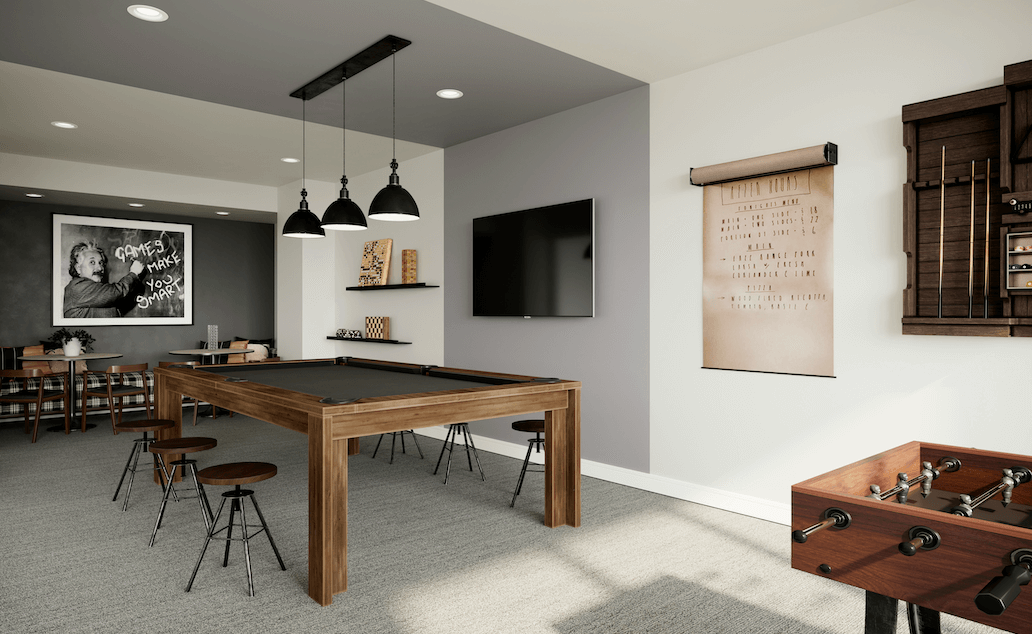
Shed-to-Man-Cave Budget Planner: Real Costs for Foundation, Utilities & Permits
Last updated July 18, 2026 · By Zach Lane

What if that weathered backyard shed could become a climate-controlled, fiber-fed entertainment bunker without blowing your renovation budget? You probably picture fresh paint and new trim. Me too, at first. Then reality shows up: utility trenching, permit headaches, or finding the floor is sitting on sponge instead of soil. Most first-time shed converts miss the big lesson: this is an infrastructure job as much as it is a makeover.
I want to walk you through the real costs of turning a detached shed into a man cave you’ll actually use. You’ll get low, mid, and high cost ranges for foundations and utilities, a checklist of the sneaky fees that pop up, realistic timelines by budget tier, and the trade-offs between hiring pros and doing it yourself. I’ll also point out where to spend early so the space is ready for automation, high-bandwidth streaming, and upgrades down the road.
We cover five planning areas: feasibility and site prep, permits and zoning fees, foundation and utilities costs, contractor vs DIY trade-offs, and budget tiers with timelines and priorities. Expect concrete numbers and decision points, not a step-by-step build guide. Use this as your pre-bid, pre-permit briefing so you lock in foundation, power, and conduit before you splurge on speakers and finishes.
Difficulty: Intermediate · Time: 1-2 months · Cost: $5,000-$15,000
Is Your Site Ready: Feasibility and Site Prep
What You'll Need
Tools
- Tape measure (25-foot minimum)
- 4-foot level
- Calculator or spreadsheet application
- Smartphone with GPS and camera
- Notebook and pen
Materials
- Graph paper (10 sheets)
- Wooden stakes (4)
- Nylon mason's line (100 feet)
- Marking flags (20)
- Soil test kit (1)
- Permit application packet from the local building department
How level is the ground and how close is the breaker panel? Feasibility is where enthusiasm meets physics. A quick site check looks at slope, drainage, tree roots, underground obstacles, setback and easement lines, soil bearing capacity, and whether a truck or excavator can reach the spot. The gap between a site that needs a quick grade and one that needs rock excavation can be thousands of dollars and weeks of delay.
Costs here vary a lot. Basic clearing and light grading might be a few hundred dollars if you do it yourself, or $500 to $3,000 with local crews. Tree removal, stump grinding, or rock excavation pushes that to $3,000 to $10,000 or more. Hidden bills include utility-locate charges, arborist reports, or an unexpected environmental assessment if you’re near a floodplain. If heavy equipment must squeeze into a tight backyard expect mobilization fees.
If you want future-proofing for cheap, site prep is the place to do it. Put a 2-inch conduit from the house to the shed while trenches are open. Reserve space for a utility-grade subpanel and a comms cabinet. Prioritize drainage and a compacted base for your future foundation so you don’t have to lift a finished floor later.
Quick feasibility check: 7 things to confirm before you spend a dime
Step-by-Step
Step 1: Assessing the shed structure and its condition
Begin with a detailed inspection of the shed's walls, roof, and floor. Look for rot, moisture, or structural damage. A thorough assessment prevents costly surprises and reveals hidden issues early. Document any compromised framing or pest activity. This baseline determines whether the shell needs full replacement or simple reinforcement.
Step 2: Researching local zoning codes and permit requirements
Contact the municipal planning department to learn setback limits, height restrictions, and allowed uses. Ask specifically about converting a detached structure into habitable space. Zoning may prohibit sleeping quarters or require minimum square footage. Permit types vary by scope: electrical, plumbing, and structural. Gather these rules before buying materials or hiring anyone.
Step 3: Evaluating the existing foundation for the conversion
Check whether the current foundation meets code for a conditioned interior space. Concrete slabs often suffice, but skids or pier blocks may need replacement. Measure for proper load-bearing capacity and moisture barriers. A licensed engineer can provide a written assessment. Foundation work is expensive to retrofit later, so confirm it now.
Step 4: Planning utility connections for power, water, and climate control
List every utility you intend to run: electrical subpanel, lighting, outlets, possibly plumbing for a sink or mini-split HVAC. Locate the main house tie-in points. Trenching distance and soil type affect labor and material costs. Coordinate with local utility providers for meter placement and disconnects. A detailed plan prevents mid-project surprises and change orders.
Step 5: Comparing contractor bids with a DIY cost estimate
Request at least three itemized bids from licensed contractors. Break down each line: foundation prep, electrical rough-in, insulation, drywall, and finishing. Separately calculate your own materials and time for each task. This comparison reveals where you save versus where professional work is mandatory, such as permits and code inspections. Write a side-by-side spreadsheet.
Step 6: Accounting for hidden fees and contingency reserves
Budget for permit application fees, impact fees, utility connection charges, and soil tests. Add a contingency fund covering unexpected issues like asbestos in old siding or underground rocks during digging. Contingency should equal fifteen to twenty percent of the total material and labor estimate. This buffer keeps the project on track when unknowns surface.
Step 7: Establishing a realistic timeline by budget tier
Map the sequence: design and permits, foundation and rough-in, insulation and drywall, then finishes. A DIY build can take three to six months; a contractor-led project may finish in eight to twelve weeks. Seasonal weather delays vary by region. Create a milestone schedule with buffer weeks. Share this timeline with your permit office and inspector to avoid lapsed approvals.
Before demolition or contractor bids, walk the site and answer these:
- Is the shed on your property and within local setbacks?
- Is the ground level or sloped?
- How close are trees, sewer lines, and power lines?
- Is the area seasonally wet or in a floodplain?
- Can a truck and excavator access the spot?
- Do you know the soil type or bearing capacity?
- Are there easements or hidden underground obstacles?
If you can’t answer two or more confidently, plan for extra prep and cost.
Typical site-prep tasks and ballpark costs
These numbers assume a common backyard shed conversion (roughly 8 x 12 to 12 x 16).
- Demolition and haul-away of old shed: $200-$1,200 depending on size and salvage.
- Stump removal: $100-$500 per stump for small-to-medium trees.
- Tree trimming or small tree removal: $150-$1,000.
- Site clearing and minor grading: $300-$2,000. Steeper slopes hit the high end.
- Gravel pad (4-6 in. compacted base): $150-$800. Good for low-cost floor systems.
- Concrete slab (4 in.; basic): $500-$2,500. Thicker or reinforced slabs cost more.
- Pier or adjustable foundation system: $500-$2,000. Useful when you want to avoid a full slab.
- Soil report or borings (if required by local code): $500-$1,500.
- Retaining walls or major regrading: $1,000-$5,000+.
Equipment rental examples: mini-excavator $200-$400/day, plate compactor $60-$150/day, stump grinder $100-$250/day. Hiring a small crew saves time but raises your labor line item.
Practical site-prep tips that save money
- Call utility locate before you dig. It’s usually free and avoids a catastrophic bill.
- Sketch a conduit plan early. Trenching for electric, data, or gas is cheapest to do once. Contractor trenching runs $10-$30 per linear foot; DIY costs are mostly rental time and sweat.
- If you avoid a slab, level and add a gravel subbase plus vapor barrier to control moisture.
- For slightly sloped yards build a compacted gravel pad and adjustable piers to save on concrete excavation.
- If water pools near the shed budget for a French drain or surface grading now. Fixing moisture later costs far more.
- If unsure about soil stability pay for a single test. One test can prevent foundation rework that doubles costs.
Timeline expectations: simple clearing and leveling 1-3 days. Gravel pad or piers 2-5 days. Concrete slab plus curing means waiting 1-2 weeks before heavy work. Permit or inspection delays can add days to weeks, so build some buffer into your schedule.
Spend a little more up front on drainage, access, and conduit routing and you’ll avoid tearing into finished walls later when you want fiber, racks, or heavyweight furniture.
Navigating Paperwork: Permits and Zoning Fees
Don’t let permits derail your plan. Zoning rules treat storage sheds differently from habitable spaces, and that changes what permits, inspections, and fees apply. You may need a building permit, electrical and plumbing permits, or even a variance if the shed encroaches on setback lines. HOA rules or historic-district requirements can add separate approvals.
Permit costs vary wildly. Simple plan reviews and permits might be $100 to $1,500 for minor upgrades. Converting to conditioned, habitable space or creating an accessory dwelling unit can push fees into the $2,000 to $10,000+ range once plan reviews, impact fees, and utility connection charges are included. Add professional drawings, engineering stamps, or third-party energy compliance reports if your municipality requires them. Reinspection fees are common if work needs corrections.
Timing matters. Permits can take a few weeks to several months. If you want wired audio, fiber, or HVAC, call the building department early to find out whether those systems must be permitted and tested. For complex conversions, spending on a permitting expediter or architect often saves money and time overall.
What permits you will probably need (and why they matter)
Most shed-to-man-cave conversions trigger a building permit because you’re changing use, adding conditioned space, or modifying structure and utilities. Expect separate trade permits for electrical, plumbing, and mechanical work if you run new circuits, add a bathroom, or install HVAC. Zoning staff will check setbacks, lot coverage, and whether your project counts as an accessory dwelling unit. Miss a required permit and you risk stop-work orders, fines, or having to undo work. Trust me, don’t let a weekend project turn into a legal headache.
Typical fees and real numbers to budget
- Small projects in friendly jurisdictions: building permit $150-$800.
- Electrical permit $50-$400.
- Plumbing or mechanical permits $50-$300 each.
- Plan review or intake fees $100-$1,000 depending on complexity.
- More complex or urban areas: $1,500-$5,000 when impact fees, sewer/water taps, or meter upgrades are required.
- Variances or public hearings commonly add $500-$3,000 plus consultant costs.
- Reinspection fees typically $50-$200 for missed appointments or failed inspections.
Practical rule of thumb: set aside 10 to 20 percent of your project budget for permits, fees, and paperwork.
Timelines and common delays
Simple permit approvals can be a few days to two weeks. Plan review for conditioned space, new services, or variances runs 2 to 8 weeks, sometimes longer if plans are incomplete. Inspections are often scheduled 24 to 72 hours after request. Factor in holidays and staff shortages. If you need a zoning variance or historic-district approval expect multiple public hearings and a timeline counted in months, not weeks.
Hidden costs and how to avoid them
- Survey or stamped site plans: $200-$1,500.
- Soil or septic evaluations: $300-$1,500.
- Utility tap or meter fees: $500-$5,000.
- Historic or HOA approvals can add administrative costs and delays.
Avoid surprises by having a pre-application meeting with planning staff, asking for a complete checklist, and budgeting for a site survey early. Pulling permits yourself saves the contractor markup, but if your contractor pulls them make sure it’s written who is responsible and how change orders are handled.
Quick, practical tips
Start with a one-page scope and take it to the permit counter. Ask whether your conversion is treated as an ADU or accessory structure. Bundle trade permits when possible to reduce separate plan reviews. Expect at least one reinspection fee and factor it into your contingency. Paperwork is cheap compared with undoing noncompliant work.
Foundation and Utilities Costs: Where the Big Dollars Live
Foundation and utility hookups are the financial spine of this project. A simple compacted gravel pad or raised piers works for light, non-habitable builds. For conditioned, year-round use you’re looking at a frost-protected shallow foundation, concrete slab, or helical piles if soils are poor. Ballpark foundation costs: minimal pier systems and gravel pads $500 to $3,000. A poured slab for a 10x16 shed often runs $2,000 to $10,000 depending on site conditions. Deep or engineered foundations can top $10,000.
Utilities are the other big cluster. Electrical service extension, trenching, and a subpanel run $800 to $6,000 depending on distance, amperage, and utility fees. Water hookups typically $500 to $4,000. Adding sewer or septic for a bathroom can be $3,000 to $15,000 or more. HVAC matters for comfort and tech. A ductless mini-split is a common mid-cost solution at $800 to $4,000 installed and pairs well with smart thermostats. Broadband and structured cabling are relatively low-cost future-proofing: a buried conduit for fiber can be $200 to $1,500, though ISP coordination may add time and fees.
Hidden costs include rock excavation, utility company make-ready charges, correction orders from inspectors, and code-required vapor barriers and insulation. Plan a contingency of 10 to 25 percent for foundation and utility work. Early priorities: conduit, subpanel capacity, and a dedicated circuit for high-draw gear.
Foundation cost tiers (low, mid, high)
Low budget. Gravel pad with compacted base, vapor barrier, and adjustable piers. Typical cost for an 8 x 12 to 12 x 16 conversion: $300-$1,200. Fast, drains well, and easy to level. Best when frost and soil conditions are mild.
Mid budget. 4-inch concrete slab with basic reinforcement and perimeter footings. Expect $1,000-$3,500. Provides a solid, level floor for tile, engineered wood, or a radiant-ready subfloor.
High budget. Thickened slab or monolithic pour with rebar, slab heating provisions, or concrete topping for heavy loads. Budget $3,500-$8,000+. Choose this when soil is poor, you’ll run heavy equipment, or you want a finished interior floor without lifting it later.
If you’re unsure about soil spend $500-$1,500 on a basic soil report before committing.
Utilities: realistic scopes and price ranges
Electrical. A new 30-60 amp circuit and subpanel typically runs $800-$3,500 installed. Meter upgrades or a separate meter add $500-$3,000. Trenching is commonly $10-$30 per linear foot by a contractor. Hire a licensed electrician for the subpanel and grounding. DIY trenching and conduit can cut costs if you follow code.
Heating and cooling. A ductless mini-split is common for man caves: $1,500-$4,500 installed depending on capacity and zones. Portable or window units are cheaper up front but limit comfort and longevity.
Plumbing. A simple sink tie-in from an existing line can be $300-$1,200. Adding a full bathroom, including sewer or septic, ranges from $2,500 to $12,000 depending on distance to sewer and septic needs.
Data and audio. Pull a 2-inch empty conduit during trenching for future fiber and low-voltage cable. Installed fiber or pro Cat6 runs range $200-$1,200. Leave a spare conduit and pull a tracer wire so future contractors can find it.
Gas. Running a gas line for a heater or grill typically costs $300-$1,200 depending on distance and permits.
Hidden fees, timelines, and practical tips
Permits, meter fees, and inspections can add 10 to 20 percent to utility costs and tack on 1-6 weeks. Concrete curing and backfill work add days to weeks. Little things add up: driveway saw-cut for conduit, reseeding landscaping, or temporary power during work.
Practical tip. When trenches are open install at least one spare empty conduit and label it. If you pull low-voltage cable now include a tracer wire and cap both ends. Leave a little extra space in the subpanel so future upgrades don’t force you into another panel swap.
Contractor vs DIY: Cost Trade-offs and When to Hire Pros
Deciding what to hire out and what to DIY is one of the biggest levers on your budget. Structural work, poured concrete foundations, major electrical service, plumbing connections to mains, and anything that requires a permit should be handled by licensed pros. Labor for those trades often represents 30 to 60 percent of the project cost, but it buys code compliance, inspections, and warranty coverage. For most people the right mix is pros for infrastructure, DIY for finishes.
DIY saves money on interior finish carpentry, paint, mounting speakers and TVs, laying flooring, and running low-voltage network cabling into preinstalled conduit. But DIY mistakes cost money: rework, failed inspections, or unsafe electrical hookups. Also value your time. A crew will finish foundation and heavy-trade work in days where a DIYer might take weeks and need rented equipment, which adds hidden cost.
If you want a tech-forward man cave hire contractors who know integrated systems. Pro electricians can install dedicated 240V runs for future gear, structured cabling, PoE lighting, proper grounding for audio, and professionally mounted racks. When you get bids ask for itemized proposals, warranty terms, and references on tech-integrated builds. A hybrid approach often gives the best ROI: contract the code-heavy core and keep the creative finish work.
Quick comparison: contractor vs DIY, at a glance
Contractor work costs more up front but buys experience, speed, permits, and warranties. Expect labor to be roughly 30 to 50 percent of a small conversion budget. Contractors commonly add overhead and profit, often 10 to 25 percent on materials plus a markup on time, and possible mobilization fees of $200 to $800. DIY saves cash but costs time, can trigger rework, and may require paid inspections or licensed sign-offs that erase some savings.
When DIY makes sense
DIY is smart for low-skill, high-effort tasks where code risk is low: site clearing, trench digging for conduit, gravel pads, painting, trim, and pulling data cable into preinstalled conduit. Example: contractor trenching might be $10 to $30 per foot. Renting an excavator for a day ($200 to $400) and doing the trench yourself can cut $500 to $2,000 on a short run. Tip: always call utility locate and get an inspector’s guidance before you dig.
When to hire a pro
Hire pros for structural, electrical, plumbing, HVAC, or any work requiring permits or engineered solutions. A licensed electrician installing a subpanel and meter tie can cost $800 to $3,500, but saves you safety risk and failed inspection costs. Foundation work, major concrete pours, and sewer ties are other non-negotiables unless you have relevant experience. Mistakes here can double repair costs or trigger legal problems.
Hybrid approach and practical numbers
A hybrid build often gives the best ROI. Do demo, grading, trenching, and finish carpentry yourself, then bring pros for slab, subpanel, HVAC, and final plumbing. Example budget split for a mid-tier conversion: DIY labor and rentals $1,000 to $3,000, contracted trades $5,000 to $12,000, contingency 10 to 20 percent. That balances cash savings with code compliance.
Tips to reduce total cost without upping risk
- Get three bids, ask for fixed-price line items, and demand subcontractor names.
- Bundle trades to reduce mobilization charges.
- If you DIY trenching or conduit leave a generous spare in the trench (2-inch conduit plus a spare 1.25-inch) and label both ends.
- Put written terms on who pulls permits and who pays reinspection fees.
- Value your time honestly. A mistake on electrical or foundation will cost far more than the upfront savings.
Budget Tiers, Timelines, and Priorities: Roadmaps for Every Wallet
Pick your lane early: low, mid, or high budget. Low-budget conversions ($3,000 to $10,000) prioritize site cleanup, basic leveling or piers, a minimal electrical drop (lighting and outlets), insulation, and DIY finishes. You’ll be limited on amenities: no bathroom, limited HVAC, and basic audio. Timeline: 2 to 6 weeks assuming quick permits or none required. Priorities here are weatherproofing, reliable power, and a solid floor.
Mid-tier projects ($10,000 to $40,000) buy a proper slab or engineered pier system, a 100A subpanel, ductless mini-split HVAC, full insulation, windows, and possibly a basic water hookup. This tier typically has pros for foundation and utilities while you handle finishes or tech installs. Timelines: commonly 6 to 14 weeks including permit reviews and inspections. Prioritize foundation and utilities first, then the envelope, then tech infrastructure like 2-inch conduits and a comms cabinet.
High-end conversions ($40,000 to $120,000+) reach ADU-level quality with full foundations, plumbing for bathrooms or kitchenettes, high-capacity electrical service, integrated AV and automation, soundproofing, and premium finishes. Expect 3 to 6 months or longer with engineering, permits, and staged subcontractors. At this level invest in future-proof specs: oversized subpanels, reserved EV charging capacity, fiber drops, structured cabling, PoE lighting backbones, and a dedicated UPS. Always build a 10 to 25 percent contingency into schedule and budget.
Low-budget tier (best for hobby conversions)
Budget range. $1,500 to $6,000.
Timeline. 2 to 6 weeks if you DIY most tasks; add 1-3 weeks for permit turnaround if required.
Practical priorities. Keep the spine simple. Lock in drainage and a stable gravel pad or piers first. Run one or two empty conduits from house to shed while you have access. Allocate most cash to weatherproofing and a safe electrical feed (even a single dedicated 20-30 amp circuit).
Where to spend. Spend on site prep, a vapor barrier, and a reliable breaker or fused disconnect.
What to DIY vs hire. DIY demolition, trenching, gravel work, and interior finishes. Hire an electrician for permanent wiring or final connections.
Contingency. 10 to 15 percent.
Mid-budget tier (most practical balance)
Budget range. $6,000 to $18,000.
Timeline. 6 to 12 weeks including trades and inspections.
Practical priorities. Upgrade the floor to a concrete slab or better piers with adjustable posts. Install a subpanel sized for future gear (60-100 amp planning capacity). Add a ductless mini-split for year-round comfort and at least one run of structured cabling or a buried conduit for fiber.
Where to spend. Spend on a proper foundation, the subpanel, and an HVAC solution. Also allocate funds for permits and one professional trade per system (electrician, HVAC tech, plumber if adding a sink).
What to DIY vs hire. DIY trim, paint, speaker install, and network cable pulls into conduit. Hire pros for slab pours, subpanel installs, and HVAC.
Contingency. 15 to 20 percent.
High-budget tier (future-proofed, near-permanent conversion)
Budget range. $18,000 to $45,000+.
Timeline. 3 to 6 months, sometimes longer with variances or complex utility work.
Practical priorities. Engineer the foundation if soil is marginal, oversize the electrical service and conduit infrastructure, prewire for audio and automation, and install modern HVAC with heat recovery if efficiency matters.
Where to spend. Invest in an engineered foundation, a dedicated meter or high-capacity feed, proper insulation to meet energy rules, and accessible tech racks or service cavities.
What to DIY vs hire. Keep creative finish work for yourself, but subcontract all structural, mechanical, and main electrical work.
Contingency. 20 to 25 percent.
Cross-tier priorities (do these no matter the budget)
- Secure drainage and a stable base first.
- Push at least one spare conduit and a tracer wire while trenches are open.
- Clarify permit requirements early to avoid schedule slips.
- Plan routing and access for future upgrades; cheap conduit now beats ripping a finished wall later.
Be honest about your limits. If a permit, slab, or service upgrade is on the table, hiring a pro usually saves time, risk, and unexpected cost.
Common Mistakes to Avoid
- The permit avoidance trap: Skipping permits to save upfront costs leads to fines, forced removal, or legal battles that far exceed the permit fee.
- The utility guesswork error: Assuming low connection costs without contacting utility companies results in budget overruns and project delays that stall the build.
- The foundation shortcut: Using a gravel pad without engineer approval for a finished space causes moisture damage and structural instability.
- The insulation oversight: Treating the shed like a storage unit with no climate control creates a space that is unusable in extreme temperatures.
- The DIY cost illusion: Valuing only material costs and ignoring lost weekends and rookie mistakes makes DIY more expensive than hiring a professional.
- The zoning blind spot: Designing a living space without checking local accessory dwelling unit rules risks a forced reversion to storage use.
Wrapping Up
Here’s the short version. This is an infrastructure project first and a man cave second. Foundation choices, utility hookups, and permits drive most of the cost and schedule, so lock in site prep, drainage, conduit, and a properly sized subpanel before you splurge on gear and finishes.
Safety and compliance are nonnegotiable. Hire licensed pros for structural work, poured slabs, main electrical service, sewer or septic ties, and any work that requires a permit. A failed inspection, reinspection fees, or a stop-work order will cost more than skimping on a pro. Call utility locate before you dig, get a pre-application meeting with planning, and consider a soil report if the site feels uncertain.
From a tech perspective small early investments unlock huge long-term value. Bury a 2-inch conduit plus a spare 1.25-inch with a tracer wire and label both ends. Reserve space for a comms cabinet and an oversized subpanel. Spec PoE-capable wiring, UPS capacity, and HVAC and electrical capacity that support automation and AV racks. A ductless mini-split and a proper vapor barrier will keep your fiber-fed bunker comfortable and reliable.
Ready to act. Start with the 7-point feasibility check, call your permit counter for classification (ADU versus accessory structure), and schedule a utility locate. Get three itemized bids for foundation and service work, budget 10 to 25 percent contingency, and decide your lane: low, mid, or high so you can sequence foundation, utilities, and tech in the right order.
Plan, hire, or build. Do the checklist and conduit work yourself if you’re confident, but put permitted trades in the core scope. When you’re ready, get the bids and lock the critical path so you can go from a weathered shed to a future-proof man cave without surprises.