Carport Conversion Guide: Structure, Drainage, Permits & Costs
Last updated June 23, 2026 · By Zach Lane

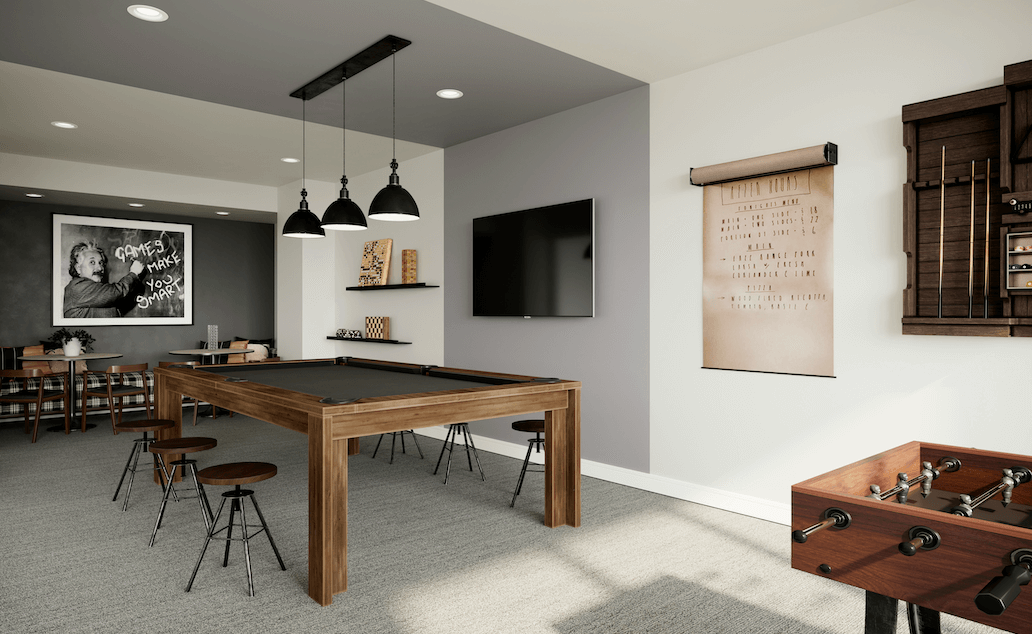
So remember that half-finished carport you keep saying would make an amazing man cave? Picture dimmable ambient lighting, a climate-controlled media wall, an AV rack hidden in a recessed closet, and a garage-door-style wall that opens to the backyard on sunny weekends. Tempting, right? Before you start sketching the floor plan or hunting for reclaimed wood bar tops, take a breath.
Safety callout: converting a carport can touch structural framing, electrical, plumbing, gas, and HVAC. If you’re not licensed, hire a pro - an electrician, structural engineer, plumber, or HVAC tech. Unpermitted or unlicensed work can void insurance, fail inspections, and create real safety hazards.
In this post I’ll walk you through what to check to see if your carport can be enclosed, which structural issues actually matter, the permits and utility upgrades you’ll probably run into, how to sequence the work and who to call, common traps I’ve seen, and a checklist you can use when you call contractors. I focus on decision points so you can budget sensibly, get accurate bids, and future-proof the space for power-hungry AV, smart-home gear, and HVAC needs. Expect practical guidance on feasibility, permits, drainage fixes, and what’s strictly a pro’s job versus what you can coordinate as the owner.
Difficulty: Advanced · Time: 2-4 weeks · Cost: $10,000-$25,000
Safety first: hiring pros and protecting yourself
What You'll Need
Tools
- Circular saw
- Framing square
- Hammer drill with masonry bits
- 4-foot level
- Shovel
- Tape measure
- Chalk line
Materials
- Pressure-treated 2x4s: 200 linear feet for wall framing
- Pressure-treated 2x6s: 100 linear feet for roof joists
- Concrete mix: 10 bags of 80-pound each for footings
- Corrugated metal roofing: 12 panels, 8 feet each
- Fiberglass insulation batts: R-13, 500 square feet
- Vapor barrier sheets: 500 square feet
- Fasteners: 5 pounds of 3-inch deck screws, 1 pound of concrete wedge anchors
Turning a carport into a conditioned living space usually looks easier than it is. The project gets interesting the moment you touch anything that affects life safety. Start with this: treat the whole job as “what to know before you hire.” Don’t improvise regulated trades.
Call a structural engineer if you’ll move or remove posts, change headers, or alter roof load paths. Hire a licensed electrician for panel changes, dedicated circuits, or any rewiring. Use a licensed plumber or HVAC tech for gas, water, condensate, and refrigerant work. Aside from keeping the build legal, these pros produce the documented plans inspectors expect.
Safety callout

Hire a licensed/qualified tradesperson (electrician, plumber, HVAC technician, or structural engineer as appropriate) for any regulated or dangerous work, unless you are already qualified. This post is about what to know before you hire and how to plan the project, not about how to perform regulated trades. Unpermitted or unlicensed work can void insurance, fail inspection, and create life-safety hazards. Treat this as planning and vetting advice, not a DIY guide for electrical, plumbing, gas, or major structural changes.
Who you will likely need and when to call them
Map your scope first so you know which pros to engage. Typical calls I make early on:
- Structural engineer: before removing posts, altering eaves, or changing roof loads.
- Electrician: for new panels, dedicated AV circuits, outdoor-rated outlets, or any rewiring.
- HVAC tech: to size and propose heating and cooling; mini-splits are a common win for conversions.
- Plumber/gas fitter: only if you add a sink, wet bar, or gas appliance.
Trigger points that almost always need pros: moving or removing support posts, upgrading service to 200A, adding ductwork, or penetrating roof or wall assemblies.
Questions to vet contractors
Vet contractors like you would a major tech purchase. Ask for license numbers, proof of insurance and bonding, three local references, and photos of similar enclosure projects. Get a written scope with milestones, a clear change-order process, and a warranty in writing. If structural work is involved, insist on stamped drawings. Confirm who will pull permits and who will attend inspections. Ask whether subs are employees or subcontractors so you know who’s responsible on-site.
Ballpark costs, timing, and sequencing to expect
- Structural engineer site review and letter: $500 to $2,000 depending on complexity.
- Building permit: $100 to $1,500 depending on jurisdiction and valuation.
- Electric service upgrade (if needed): $2,000 to $6,000; adding dedicated AV circuits typically $200 to $600 per circuit.
- Mini-split HVAC install: $2,000 to $6,000 depending on capacity and install complexity.
- Drainage fixes (regrading, gutters, French drain): $500 to $3,000.
Typical sequencing: permits and designs first, structural work and rough utilities next, then insulation, HVAC, and finishes. For a straightforward enclosure expect 4 to 12 weeks from permit approval to final; add time for big structural or utility upgrades.
Final tip: budget a contingency of 10 to 25 percent and keep communication written. A little planning now saves a lot of headaches and surprise invoices later.
Can your carport be a man cave? Feasibility and structural considerations
The big question isn’t style, it’s structure. Most carports are open-air, post-supported roofs on minimal foundations. Enclosing one for year-round use often requires new footings, continuous foundations, or engineered anchors to resist lateral loads, uplift, and snow or wind. Early things to check: column spacing and condition, how the carport ties into the house, roof span and rafter sizes, and whether the slab (if there is one) is thick enough or needs a perimeter footing. A structural engineer will tell you what’s load-bearing, what needs reinforcement, and how to detail connections so it meets code.
From a systems point of view, feasibility also depends on the building envelope and MEP capacity. How will you insulate walls and roof, control vapor, and provide HVAC? Think about electrical capacity now. If you plan a high-end AV system, server rack, electric heater, or EV charger nearby, you may need a subpanel or a 240V circuit. Run conduit for data and fiber while walls are open. Tackling structural and systems constraints early prevents expensive retrofits later.
Safety callout. This section is about what to know before you hire. For any structural work, load changes, or work that affects roof, foundations, or lateral bracing, hire a licensed structural engineer and a qualified contractor. Do not perform regulated structural, electrical, gas, or major plumbing work yourself unless you are licensed. Unpermitted or unlicensed work can void insurance, fail inspection, and create life-safety hazards.
Feasibility quick checks you can do before calling pros
Do these quick checks so the pros can give real answers instead of guesses:
- Note slab thickness and condition. Many carport slabs are thin, 3 to 4 inches.
- Measure clear spans between posts.
- Record where the carport ties into the house roof or fascia.
- Observe slope and standing water patterns around the slab.
- Photograph every post base and any visible rot, rust, or cracking.
Having these facts ready saves time and money when you ask for bids.
Structural issues that commonly drive scope and cost
- Unsupported span removal. Pulling a midspan post usually means installing a beam sized by an engineer. Replacing a support for a 12-foot span with an engineered wood beam or steel beam plus connections typically runs $2,000 to $8,000 depending on access and finish work.
- Footings and foundations. Many carports sit on minimal or no footings. Adding permanent walls or concentrated loads usually triggers new footings or piers. Expect footing work in the neighborhood of $800 to $3,000 per footing depending on depth and soil, more if you hit rock or need deep frost protection.
- Roof load path and ties. Where the carport roof ties to the house matters. Ledgers, flashing, and tie-in details need checking. You may need to reinforce rafters, add hurricane ties, or create a continuous load path for wind or seismic loads. That’s a common reason an engineer is required.
- Slab condition and floor loads. Habitable spaces use higher design loads, for example a 40 psf live load for floors. Thin slabs often need thickening, a new subfloor, or an elevated framed floor over insulation.
- Lateral bracing and shear. Closing in an open structure changes how wind loads get transferred. Adding shear walls or straps is often required to prevent racking.
What to ask your engineer or contractor
- Ask for stamped drawings and a written scope that spells out load path changes, footing sizes and depths, beam sizes, and connection details.
- Ask which existing elements can remain and which must be replaced.
- Get a line-item structural estimate that includes demolition, temporary shoring, and finish repairs.
- Confirm who will pull permits and whether additional inspections will be needed.
A clear, engineer-backed plan up front costs a little now and keeps change orders and failed inspections to a minimum.
Step-by-Step
Step 1: Obtain the necessary building permits
Check local zoning and building codes for carport enclosure requirements. Submit detailed plans to the permit office and wait for written approval before starting any construction. Skipping this step risks fines and forced removal of the work. A proper permit also triggers inspections that catch hidden problems early.
Step 2: Assess the existing slab and structure
Verify the concrete slab thickness and check for cracks or heaving. Confirm the existing roof frame and support columns can bear the added weight of new walls and a ceiling. Hire a structural engineer if the carport is older or the design seems questionable. A weak foundation compromises the entire conversion.
Step 3: Redirect site drainage away from the enclosure
Regrade the soil around the slab so surface water flows away from the new walls. Extend downspouts at least three feet from the foundation and install a perimeter drain if the area collects water. Standing moisture rots framing and attracts pests. Fix drainage before you build anything on the slab.
Step 4: Frame the walls with pressure-treated bottom plates
Secure the bottom plates to the slab using concrete anchors spaced per code. Frame standard stud walls with headers over any door or window openings. Tie the new wall top plates into the existing roof structure using joist hangers or ledger boards. This step establishes the shape and strength of the room.
Step 5: Install insulation and a vapor barrier
Fit continuous rigid foam or fiberglass batts inside the stud cavities, matching the R-value required for your climate zone. Staple a vapor barrier over the interior face of the insulation and seal all seams with tape. Gaps around electrical boxes and pipes must be caulked. Proper insulation prevents condensation and heat loss.
Step 6: Run electrical circuits for lighting and outlets
Pull wire from the main panel or install a new subpanel if the existing panel lacks spare capacity. Place outlets every twelve feet along the walls and add switches at each entry point. Schedule a rough-in inspection before covering the wiring with insulation or drywall. Code compliance here protects against fire and shock hazards.
Step 7: Finish interior surfaces and install doors
Hang drywall or fire-rated paneling on the walls and ceiling, then tape and mud the joints. Paint the surfaces after the compound dries completely. Install a moisture barrier under new flooring over the slab. Add trim around windows and doors to seal drafts. The room now functions as a finished living space.
Permits, drainage, and utilities: what the municipality and your site require
Permits aren’t optional for most enclosures. Expect building permits for framing, mechanical permits for HVAC, electrical permits for service changes and new circuits, and plumbing permits if you add fixtures. Zoning rules affect setbacks, square footage, and use classification. A quick pre-application meeting or call to your local building department will clarify what they want for plan sets, structural calcs, and inspections. Contractors should handle the filings, but as the owner confirm who is pulling the permits so you don’t end up with unpermitted work.
Site drainage is an equally important conversation. Enclosing a carport changes roof runoff and creates new opportunities for water intrusion at new walls and footings. Plan gutters, downspouts, positive grading away from new foundations, and possibly a French drain or perimeter drain. Check for HVAC condensate routing from the start. On utilities, verify service capacity and meter location, plan conduit routes or trenching, and decide whether gas or sewer connections are needed for appliances. While walls are open, plan low-voltage pathways for cable, fiber, and smart-home backbone cabling so you don’t chase wires later.
Safety callout. Hire a licensed/qualified tradesperson (electrician, plumber, HVAC technician, or structural engineer as appropriate) for any regulated or dangerous work. This section is what to know before you hire and how to plan the project, not a how-to. Unpermitted or unlicensed work can void insurance, fail inspection, and create life-safety hazards.
Permits: what typically trigger one and inspection milestones
Most jurisdictions require permits to convert an open carport into conditioned living space. Typical triggers: enclosing walls, altering foundations or roof load paths, adding or relocating electrical panels or circuits, installing plumbing or gas, and putting in permanent HVAC. Expect separate permits for structural, electrical, mechanical, and plumbing. Fees vary by jurisdiction, often $100 to $1,500 for a small project. Common inspection milestones: footing/foundation, framing/roof tie-in, rough electrical/plumbing/mechanical, insulation, and final. Confirm who will pull permits and attend inspections and get stamped drawings when structural changes are involved.
Drainage: fix problems before you close walls
Water is the most common surprise. Address site drainage before framing and finishes. Typical fixes and ballpark costs to discuss with contractors:
- Gutter/downspout installation: $500 to $1,500
- Regrading for positive slope away from slab: $500 to $2,500
- French drain/perimeter drain: $1,000 to $3,000
- Trench or channel drains at thresholds: $500 to $1,200
- Sump pump plus basin for low spots: $400 to $1,200
If the slab sits low or drains toward the house, consider a raised framed floor or an interior trench drain; interior slab remediation can run $1,000 to $4,000. Also plan for HVAC condensate routing; a condensate pump typically costs $100 to $300 installed when you can’t use gravity.
Utilities: capacity, circuits, and future-proofing
Before you commit to finishes, have an electrician do a load calculation and confirm service capacity. Service upgrades to 200A commonly run $2,000 to $6,000 depending on utility work and trenching. Typical items to budget for:
- A dedicated 20A circuit for AV gear: $200 to $600
- 240V circuit if you plan an electric heater or subpanel: $400 to $1,200
- A subpanel near the man cave: $600 to $1,500
While walls are open, ask for conduit stubs for low-voltage runs - one or two 3/4-inch conduits - and a chase for future fiber or power. Have the electrician mark required inspection points for rough-in and final sign-off.
Sequencing tip
Do drainage and foundation fixes first, get permits and stamped plans next, then rough-in utilities before insulation and drywall. That order keeps inspectors, trades, and budgets aligned and reduces rework.
Sequencing the work and defining roles on the jobsite
A clear sequence keeps costs down and reduces delays. Typical phases are planning and permitting, demolition and site prep, foundation and drainage work, structural reinforcement and framing, rough-in of electrical/plumbing/HVAC, envelope and insulation, finishes and low-voltage integration, and final inspections. Build a realistic schedule with lead times for windows, HVAC equipment, and custom millwork. Most mistakes come from trade overlaps and missed lead times, so identify critical-path items early and order them well before install.
Decide whether to hire a general contractor or manage subcontractors yourself. A GC simplifies coordination and handles permits, but an experienced owner can self-manage and save money if they’re comfortable with scheduling and contracts. No matter which route you choose, spell out responsibilities in writing: who pulls permits, who schedules inspections, how existing finishes are protected, and who tests systems. For tech-forward builds, include a low-voltage installer during rough-in so conduit, grounding, and rack space are framed in rather than chased later.
Safety callout. Hire a licensed/qualified tradesperson (structural engineer, electrician, plumber, HVAC technician) for any regulated or dangerous work. This section is about what to know before you hire and how to sequence the job. Do not perform regulated trades yourself unless you are licensed. Unpermitted or unlicensed work can void insurance, fail inspection, and create life-safety hazards.
Sequencing overview: phases, timing, and who owns each phase
From experience, break the job into clear phases so trades don’t clash and inspections happen in order. Typical timeline for a straightforward enclosure: 4 to 12 weeks from permit approval to final. Complex structural or utility work adds time.
- Pre-permit design and site checks (owner and structural engineer, 1 to 2 weeks). Get stamped drawings if posts or load paths change. Confirm drainage fixes before foundations.
- Permit submission and approval (contractor or owner, 1 to 6 weeks depending on jurisdiction). Build this into your schedule.
- Site prep, demolition, temporary weatherproofing (GC/owner, 1 day to 2 weeks). Protect the house where the carport ties in.
- Structural work and footings (structural contractor, 1 to 2 weeks). Allow concrete cure time before follow-on framing.
- Rough utilities (electrician, plumber, HVAC, low-voltage, 1 to 2 weeks). Rough-in inspections must pass before insulation.
- Insulation, HVAC set, and drywall (insulator, HVAC tech, drywall crew, 1 to 2 weeks).
- Finishes, flooring, trim, special installs (finish carpenters, flooring contractor, AV integrator, 2 to 4 weeks).
- Final inspections and punch list (contractor and inspector, 1 to 2 weeks).
Who does what: roles and practical tips
I like to map responsibilities on day one. That prevents finger-pointing later.
- Structural engineer: design, stamped drawings, approvals for any post removal. Ensure drawings are on site for inspectors.
- General contractor: schedule trades, pull permits if contracted, manage protections, and coordinate inspections.
- Electrician: perform load calculation, install service upgrades, and place conduit stubs for low-voltage. Schedule the utility company early if a 200A upgrade is needed; utility lead times are often 2 to 6 weeks.
- HVAC tech: size the system early. Mini-splits are common. Plan condensate routing before drywall.
- Plumber/gas fitter: required if you add sinks or gas appliances. Tie-ins trigger separate permits.
- Concrete/footing contractor and roofer: coordinate with the engineer and GC for sequencing and flashing details.
- Low-voltage integrator: pull conduit and plan rack space during rough-in; order long-lead components early.
Coordination tips and common traps
Schedule rough inspections before ordering finishes. Order long-lead items like big windows or a roll-up wall 4 to 8 weeks ahead. Expect overlap between trades; electrical and HVAC rough-in often happen at the same time. Hold a weekly on-site check with contractors and insist on a simple milestone schedule in writing. Budget a 10 to 25 percent contingency for unknowns that show up when walls or slabs are exposed.
Common pitfalls to avoid and a final planning checklist
People start these projects optimistic and then get surprised. The frequent mistakes I see: skipping the structural review, failing to upgrade foundations for frost or lateral loads, overlooking water management at new walls, and under-sizing electrical capacity for modern AV and heating. Other costly errors: not prewiring for networked audio and smart-home control, ignoring ventilation and dehumidification, and sloppy flashing or cladding details. Don’t forget HOA rules and neighbor sightlines when you plan windows or exterior changes.
Safety callout
This section is about what to know before you hire. For any regulated or dangerous work (structural changes, service or panel work, gas, refrigeration, or plumbing that connects to mains), hire a licensed tradesperson (structural engineer, electrician, plumber, or HVAC tech) unless you are already qualified. Do not perform regulated trades yourself. Unpermitted or unlicensed work can void insurance, fail inspection, and create life-safety hazards.
Common pitfalls to watch for
I keep seeing the same avoidable problems on enclosure projects:
- Under-provisioned electrical capacity. People plan for a couple of outlets and then realize their AV rack, mini-fridge, and heater need multiple dedicated circuits. Do the load calc early or you’ll face a panel upgrade mid-build.
- Ignoring drainage and threshold detailing. A new wall where the carport was often traps roof runoff and splashback. Small grading or gutter fixes are cheap compared to drywall repairs.
- Assuming the slab is sufficient. Many carport slabs are too thin or under-reinforced. Building a raised framed floor above the slab is a common fix, but plan it in advance.
- Overlooking lateral load and roof tie-in issues. Enclosing an open structure changes wind loads. Adding shear panels or straps late in the job creates big change orders.
- Failing to future-proof low-voltage or conduit. Skipping conduit stubs means paying 3 to 4 times more to chase wiring through finished walls later. Ask for at least one 3/4-inch conduit for data and another for power to the AV rack.
- Schedule and inspection gaps. Trades overlapping without a milestone plan causes inspection failures and rework. Utility-company lead times for service upgrades often add 2 to 6 weeks; put that on the critical path.
- Hidden costs from finishes and remediation. Expect a 10 to 25 percent contingency for rotten wood, corroded post bases, or termite damage found during demolition.
Final checklist before you call contractors
Use this checklist so bids are comparable and scopes are clear.
- Project goals summary (square footage, HVAC type, AV/load expectations).
- Who pulls permits and attends inspections (name/company).
- Structural deliverables required (stamped drawings, temporary shoring).
- Electrical scope: load calc, panel capacity, number and type of dedicated circuits, conduit stubs (size and location).
- Drainage scope: positive grading, gutters/downspouts, threshold detail, French or trench drain if needed.
- Timeline with milestones and utility lead times (service upgrade, doors/windows).
- Itemized bid with allowances and exclusions. Ask for fixed prices on critical items like beams or footings.
- Change-order process, payment schedule, lien waiver policy, final warranty length.
- Site protection and cleanup responsibilities, dumpster plan, and neighbor/HOA notification responsibilities.
Confirm these before signing. Clear expectations keep the job on budget and inspection-ready.
Common Mistakes to Avoid
- The permit skip: Ignoring local permit requirements leads to forced demolition and fines; always consult the building department before ordering any materials.
- The drainage oversight: Water pools against new walls and rots framing later; ensure the slab slopes away from the enclosure before framing begins.
- The structural shortcut: Removing support columns without engineered beams causes roof collapse; always hire a structural engineer to design new headers.
- The foundation mismatch: Building walls directly on the old slab creates moisture wicking and mold; install a capillary break or a treated sill plate.
- The vapor barrier omission: Warm interior air meets a cold uninsulated slab and produces condensation; always add a vapor barrier beneath the subfloor.
What This Means for You
Safety callout. Hire a licensed/qualified tradesperson (electrician, plumber, HVAC technician, or structural engineer as appropriate) for any regulated or dangerous work, unless you are already qualified. This post is about what to know before you hire, how to plan the project, and how to choose the right specs and pros. I won’t provide step-by-step instructions. Unpermitted or unlicensed work can void insurance, fail inspection, and create life-safety hazards. Treat this as planning and vetting advice, not a DIY how-to.
Big-picture takeaways. The conversion lives or dies on structure, water management, and MEP capacity. Start with a structural engineer if you plan to remove posts, change roof tie-ins, or load the slab. Verify slab thickness, footing needs, and roof load path so you avoid late surprises like unexpected footings or beam replacement. Enclosing the space changes lateral loads and wind behavior, so expect stamped drawings for beams, straps, and shear walls if the engineer flags them. Budget for those line items up front so bids are comparable.
Permits, drainage, and utilities are non-negotiable planning items. Most conversions trigger building, electrical, mechanical, and plumbing permits, and rough inspections must pass before insulation and finishes. Fix drainage before you close walls: gutters, positive grading, and French drains are cheap compared to drywall repair. From an electrical standpoint, get a load calculation. Plan for a 200A service upgrade if needed, a subpanel near the man cave, dedicated 20A and 240V circuits for AV and heaters, and conduit stubs (one or two 3/4-inch) for low-voltage and fiber while framing is open. Expect typical cost ranges: engineer $500 to $2,000, service upgrades $2,000 to $6,000, mini-split installs $2,000 to $6,000, drainage fixes $500 to $3,000. Carry a 10 to 25 percent contingency.
Hire and sequencing advice with a tech-forward twist. Decide early whether you want a GC or to self-manage. If you value less headache, hire a GC to coordinate permits and inspections. If you want precise, tech-accurate installations, include a low-voltage integrator or a tech-savvy electrician during rough-in so your AV rack, conduit runs, grounding, and ventilation are framed in rather than chased later. Order long-lead items like a roll-up wall, custom doors, or specialty HVAC heads early. Put utility-company lead times for service upgrades on the critical path and insist on stamped structural drawings, a written milestone schedule, and an explicit change-order process.
Actionable next step and CTA. Before you call contractors, gather the feasibility quick checks: photos of post bases, slab thickness, column spacing, and where the carport ties into the house. Then book site visits with a structural engineer and an electrician for a load calc and conduit plan. Use the final checklist in this post when requesting three written bids and require stamped drawings for any structural changes. Ready to move from idea to plan? Schedule that engineer visit, figure out your permit strategy, and hire a contractor who understands AV racks, conduit, and future-proofing so your man cave ends up safe, smart, and built to last.