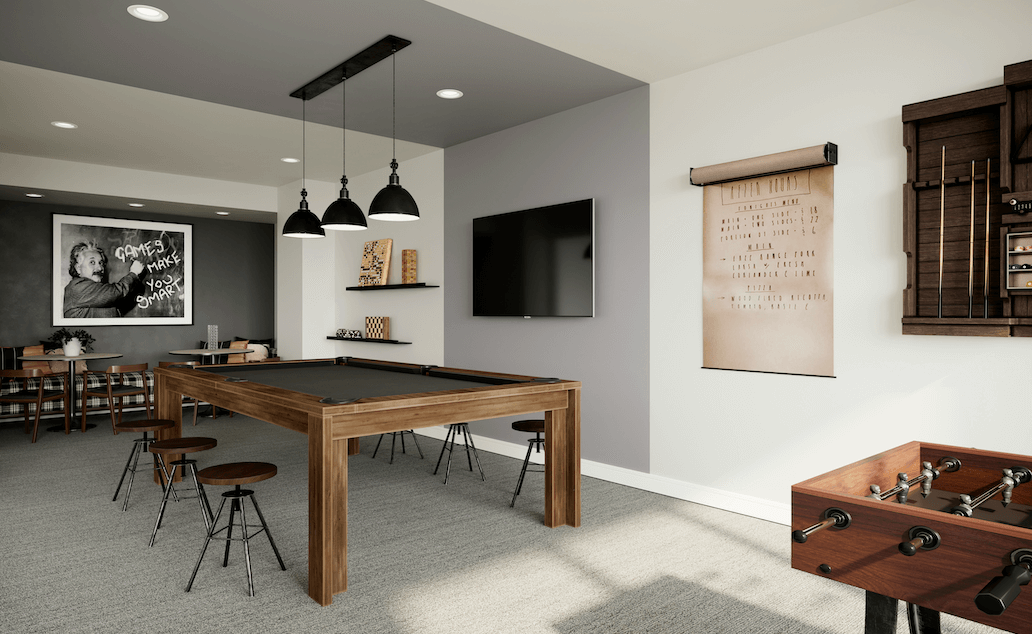
Sunroom to Year-Round Man Cave: Insulation, Windows & Permits
Last updated July 18, 2026 · By Zach Lane

I remember the first winter I sat in my sunroom, mug in hand, watching ice creep along the window trim and thinking, "This would be the perfect man cave if it wasn't basically a seasonal greenhouse." That urge-wanting the light and the view without the frostbite-sparks a lot of conversions. Turning a sunroom into a true year-round space looks easy in photos, but the win comes down to details: the thermal envelope, the windows, the mechanicals, and the paperwork that proves it's safe and legal.
SAFETY CALLOUT: If your project involves electrical, plumbing, HVAC, structural changes, or anything governed by local code, hire a licensed tradesperson (electrician, plumber, HVAC tech, or structural engineer) unless you are already qualified and permitted to do that work. This post is meant to help you know what to ask before you hire and how to plan the conversion. I won't give step-by-step instructions for regulated trades. Unpermitted or unlicensed work can void insurance, fail inspections, and create life-safety hazards, so plan to use permits when required.
Read on and you'll be able to decide if your sunroom is a realistic candidate for a full conversion, which parts you can plan and buy yourself, and where you really should hire pros. I walk through five core areas to scope the job: safety and hiring, feasibility and site assessment, permits and pro scope, insulation plus windows and HVAC, and finally sequencing with costs and a closing checklist. Expect practical trade-offs, common pitfalls, budgeting pointers, and a clear sequence so you can do the work that makes sense and bring in specialists for the risky bits.
Difficulty: Intermediate · Time: 2-3 weeks · Cost: $5,000-$10,000
Safety First: Hiring, Liability, and When to Call a Pro
What You'll Need
Tools
- Tape measure (25-foot minimum)
- Utility knife with extra blades
- Caulk gun (smooth-rod type for controlled flow)
- Drill/driver with screw-tip bits and drill bits
- Staple gun (manual or pneumatic)
- 4-foot level
- Hammer
Materials
- Fiberglass insulation batts, R-value per local code, enough to fill all wall cavities
- Foam board insulation, 1-inch thick, 4x8 sheets, quantity based on total wall area
- Vapor barrier sheeting, 6-mil polyethylene, enough to cover walls and ceiling
- Window sealant or exterior-grade caulk (three 10-ounce tubes per average window)
- 2x4 lumber for furring strips or blocking (one 8-foot board per 4 feet of wall)
- Drywall sheets, 1/2-inch thick, 4x8, one sheet per 32 square feet of wall
- Drywall screws, 1-5/8 inch, one pound per three sheets
- Expanding foam sealant (one 12-ounce can per 6 linear feet of gap)
Before swinging a hammer, pause and think about how the sunroom ties into the rest of the house. These projects often touch electrical, structural, gas, and HVAC systems. Those are the things that, if done wrong, can lead to fire, flooding, carbon-monoxide risk, or structural problems. Know the lines you shouldn't cross solo unless you have the proper license and inspections. This section explains why regulated work is regulated, who you should budget for, and how to vet trades so you end up with competent, insured help.
Make a short list of trades that might be needed: a licensed electrician for new circuits or service changes, an HVAC tech to size and install heating or cooling, a plumber if you're adding a sink or moving drains, and a structural engineer if you're changing walls or roof framing. Ask contractors for proof of licensing and insurance, references, and photos of similar jobs. A single-call estimate from a general contractor is useful for a quick budget number, but line-item bids from subcontractors make it clearer who does what and where liability lands.
Treat safety as a hiring criterion, not an afterthought. Check that the pros will pull permits or can clearly explain why a permit isn't required, and get a simple contract that spells out scope, milestones, and payments tied to inspections or deliverables. If you plan to demo, dust control and temporary shoring aren't glamorous, but they save money and grief. Be firm but fair with tradespeople. Most contractors like homeowners who know enough to ask the right questions and are realistic about what they can DIY versus what needs a licensed pro.
Safety callout. Hire a licensed pro for regulated work.

This work touches dangerous, code-governed systems. For any electrical, plumbing, HVAC, structural, or gas work, hire a licensed tradesperson (electrician, plumber, HVAC technician, or structural engineer) unless you already have the right qualifications and permits. This section exists to help you plan and hire; I won't provide step-by-step instructions for regulated trades. Unpermitted or unlicensed work can void insurance, fail inspections, and create serious safety hazards, so plan to build with permits when required.
Who to hire and when
Think in roles, not names. Typical team members for a sunroom-to-man-cave conversion:
- Structural engineer. If you're altering foundations, rooflines, or removing framing, get an engineer to sign off. A common trigger is removing a post or changing how roof loads are carried.
- Licensed electrician. Needed for new circuits, line-voltage heating, or rearranging outlets and lighting.
- HVAC contractor. They'll do the sizing (ask for a Manual J) and advise on options like a mini-split or duct extension. Many modest sunrooms fall in the 9,000 to 12,000 BTU range, but confirm with a pro.
- Plumber. Required for sinks, wet bars, or added bathroom fixtures.
- General contractor (GC) or coordinated subs. A GC can be worth it if you want a single point of contact and someone to manage permits.
Getting and comparing bids
Get at least three written bids. Each should spell out:
- Scope with line items, quantities, and materials.
- Who pulls permits and schedules inspections.
- A timeline with milestones and a cushion (add 10 to 20 percent for weather and material lead times).
- Warranty terms and whether labor and materials are covered.
Ask bidders for their license number, proof of insurance (general liability of at least $1M and workers' comp), and recent references or a portfolio of similar conversions.
Contracts, payments, and risk control
A common payment structure is a 10 to 30 percent deposit, staged progress payments, and a final 5 to 10 percent holdback until permits are closed. Never pay the full amount up front. Require lien waivers at each major payment and keep every change order written and priced.
Red flags and quick tips
- Red flags: cash-only, no license or insurance, a vague scope, a bid more than 20 percent below the others, or pressure for full payment.
- Tip: Ask who will be on-site each day and check IDs for subs. Keep communication written. I always pad my schedule and budget for surprises that show up once walls come down.
Hire the right pros and your man cave will be comfortable, legal, and insurable for years.
Feasibility and Site Assessment: Can This Sunroom Be a True Year-Round Space?
Start with a reality check. Not every sunroom is worth converting to year-round use without major changes. The fastest way to judge viability is to look at how the room attaches to the house and how it performs thermally. Is it on a slab, a framed deck, or a framed foundation? How are the walls and roof connected and insulated relative to the house? What kind of windows and doors are in place? Those answers drive scope and cost. Spend an hour on a careful walk-through and you’ll dodge dozens of surprises.
On the assessment, watch for clues about the room's behavior: condensation or mold points to poor ventilation and thermal bridging; gaps at the wall-to-floor joint reveal air leaks; sagging or stained roof elements hint at leaks or thin insulation above; and poorly sealed window seams mean drafts. Take photos, note the floor elevation versus the main house, and mark where utilities enter. Also think about how you'll actually use the space-entertaining, A/V-heavy media, a workshop-because that affects HVAC sizing and the electrical plan.
Quick technical note: the thermal envelope and the paths for moisture and air movement determine whether you need insulated walls, a conditioned floor, or special ceiling treatment. If the sunroom is a lightweight structure with lots of glazing and minimal framing, expect more work than if it was framed like a conventional room. At this stage, think in options: remodel and insulate, upgrade windows and add heating, or reconstruct elements for a full conversion. That makes it easier to decide where to spend money and when to call in a pro.
Safety callout. If your project involves electrical, plumbing, HVAC, structural, or gas work, hire a licensed tradesperson (electrician, plumber, HVAC technician, or structural engineer) unless you already have the right qualifications and permits. This section is about what to know before you hire and how to plan the job. Don't attempt regulated work yourself. Unpermitted or unlicensed work can void insurance, fail inspection, and create serious safety hazards.
Quick feasibility checklist
Take a one-page checklist to initial contractor meetings:
- Measure room footprint and ceiling height.
- Note foundation type (slab, crawlspace, or pier).
- Record window area as a percent of wall area.
- Photograph roof/wall junctions, sill plate condition, and any visible insulation or vapor barrier.
- Write down the electrical panel rating and how many circuits feed the sunroom.
These simple facts tell a contractor whether the room is a straightforward retrofit or a complex conversion.
Structural and envelope concerns to flag for a pro
Sunrooms are often built light and leaky. If the room sits on a thin slab or lacks proper footings, have a structural engineer review plans before you add heavy finishes or mechanical equipment. Check roof framing and drainage. Look for water stains, rot at headers and sills, or significant deflection. If you see rot or major sagging, stop and call an engineer or experienced GC.
Thermal performance and moisture plan
Assess insulation and glazing. As targets, consider:
- Walls: R-13 to R-20 for mild climates; R-20+ for cold zones.
- Ceilings: R-30 to R-49 in most areas.
- Windows: cold climates aim for a U-factor around 0.30 or better; temperate zones 0.30 to 0.40.
Also plan a moisture strategy: a continuous air barrier, proper flashing at window sills, and a way to control interior humidity. Tightening the envelope without adding ventilation invites condensation problems, so budget for mechanical ventilation or an HRV/ERV if the space will be very tight.
Systems and habitability checks
Ask an electrician to confirm the panel has capacity for added circuits or dedicated heating. Have an HVAC contractor perform a Manual J heat load; many modest sunrooms land in the 9,000 to 12,000 BTU range but verify for your build. If you plan a wet bar or bathroom, map existing supply and drain lines; adding plumbing often triggers permits and adds cost.
Permits and site-specific constraints
Converting to a habitable room commonly triggers permit and energy-code requirements, including egress, insulation minimums, and mechanical sizing. Before ordering windows or siding, check local code for insulation and glazing requirements and get clarity on who pulls permits. A short visit with a contractor and the building department will save surprises and help you scope realistic bids.
Permits, Code Requirements, and Defining the Pro Scope
Permits and code are the backbone of a safe, insurable conversion. Typical permits for a sunroom-to-living-space conversion include building permits for framing or structural work, mechanical permits for HVAC changes, electrical permits for new circuits or service changes, and plumbing permits if you add sinks or drains. Energy codes apply too; you may have to meet specific R-values, window performance (U-factor and SHGC), and ventilation requirements. Before any demo starts, check local permitting thresholds and be ready to clearly quantify the scope so inspectors know what they're reviewing.
Defining the pro scope means matching regulated tasks to licensed trades. If you’re enlarging openings, altering the roofline, or changing load paths, bring in a structural engineer and a contractor who will pull permits. New HVAC or major electrical upgrades should be performed or at least signed off by certified technicians. For most homeowners, the split is: you do finishes and some non-structural framing, licensed trades handle regulated systems and anything that affects life-safety. Put who pulls permits and handles inspections in your contract.
Good planning reduces change orders and inspection failures. Make a simple permit packet with site photos, a floor plan showing new partitions, proposed window and door sizes, and rough notes on mechanical work. If your building department offers a pre-submittal review, use it. When you solicit bids, ask contractors to quote labor and permit/inspection handling. That avoids the bait-and-switch where a low bid is followed by surprise permit fees or disclaimers. The goal is a clear legal path to a finished, inspected living space your insurer will accept.
Safety callout
Hire a licensed or qualified tradesperson (electrician, plumber, HVAC technician, or structural engineer as appropriate) for any regulated or dangerous work. This section is about what to know before you hire and how to plan the project. Don't attempt regulated work yourself. Unpermitted or unlicensed work can void insurance, fail inspection, and create life-safety hazards.
What typically triggers a permit
Permits usually follow changes that affect structure, services, or habitability. Common triggers for a sunroom conversion: making the room a year-round habitable space, altering or removing framing members, adding or moving circuits, installing permanent heating or cooling, adding plumbing fixtures, and changing egress. Even replacing windows sometimes needs a permit in certain jurisdictions. Always check with the local building department early and ask about "change of use" or "habitable space" rules-those often bring energy-code and egress requirements into play.
What plans and documents inspectors expect
A minimal permit submittal often includes a floor plan, exterior elevations, a brief scope of work, and structural notes if framing changes are involved. For mechanical or electrical work include equipment specs and sizing info (an HVAC contractor should provide a Manual J). Structural changes usually require an engineer’s detail or stamped drawings. Your municipality may also ask for energy compliance forms (insulation values, window U-factors, air-sealing strategies) and smoke/CO detector plans.
Tip: bring clear photos and measurements to the permit counter. It speeds up review and cuts surprises in bids.
What inspectors will verify
Inspectors typically check framing, flashing and window installation, electrical circuits and grounding, mechanical termination and condensate management, plumbing rough-ins, insulation and air-sealing, smoke and CO detectors, and final egress. Some jurisdictions require blower-door testing or documented insulation inspections to meet the energy code.
Who should pull permits and their scope
- Structural engineer. Stamp and approve any load-path changes or foundation work.
- Licensed electrician. Pulls the electrical permit and provides load calculations.
- HVAC contractor. Provides Manual J and pulls the mechanical permit for new equipment.
- Plumber. Pulls permits for any new or relocated fixtures.
- General contractor. Can coordinate and pull all permits; expect a project-management fee (commonly 8 to 20 percent of subcontracted labor).
Practical timelines and costs
Permit review often takes 2 to 8 weeks, longer for complex or rural jurisdictions. Fees range from a few hundred dollars to several thousand, depending on valuation and scope. Ask your permit technician for a checklist and inspection schedule up front. That clarity saves time and rework.
This section is about planning and choosing the right scope and spec, not doing the regulated work yourself. Use these points to brief bidders and compare apples to apples when hiring.
Insulation, Windows, and HVAC Upgrades: Choosing the Right Thermal Strategy
Glazing and lightweight framing are the main thermal challenges in a sunroom. If you want the room to be comfortable year-round, you must reduce heat loss and gain through the glass and walls, control air leakage, and provide adequate heating and cooling. The right insulation strategy depends on construction type. If the sunroom has framed walls and ceiling, cavity insulation and a continuous exterior thermal layer can work. If it sits on a concrete slab or a framed deck, you'll need to consider floor insulation or creating a conditioned underfloor. The correct approach comes from the details you uncover during the assessment.
Window upgrades often give the biggest comfort improvements. Moving to double- or triple-pane windows with low-e coatings and inert gas fills pays off. You can do retrofit sash inserts, full-frame replacements, or internal storm windows depending on budget and condition. Window U-factor and solar heat gain coefficient matter more than brand; pick performance targets suited to your climate. Remember that better glass won't fix big air leaks around the frames, so air-sealing is as important as new windows.
HVAC choices should match capacity and control to the converted room. Mini-split heat pumps are popular because they avoid ductwork and offer efficient, zoned heating and cooling. Extending existing ducts can be cheaper if the existing system has capacity and routing is simple, but resizing or rebalancing requires a pro. Don't undersize for winter or oversize for summer. Plan for ventilation too, especially if the room will host a lot of people or equipment; balanced mechanical ventilation with heat recovery may be required in a tight envelope.
Safety callout
Hire a licensed or qualified tradesperson (electrician, plumber, HVAC technician, or structural engineer as appropriate) for any regulated or dangerous work. This section is about what to know before you hire and how to choose the right spec. Don't attempt regulated work yourself. Unpermitted or unlicensed work can void insurance, fail inspection, and create life-safety hazards.
Insulation. Where to spend your dollars
Treat the sunroom like any other conditioned room: seal air leaks first, then add thermal resistance. Typical target R-values:
- Walls: R-13 to R-20 in mild climates; R-20+ in cold zones.
- Ceilings: R-30 to R-49.
- Floors over unconditioned space: R-10 to R-30.
Prioritize a continuous air barrier at wall-to-roof and wall-to-floor transitions. Common approaches:
- Add cavity insulation (fiberglass batts or mineral wool) if cavities exist and are dry.
- Use closed-cell spray foam to seal and insulate in irregular framing or where gaps are hard to reach. It reduces air leakage but costs more.
- Install rigid foam on the exterior or under a new subfloor to create a thermal break if the original construction lacks continuous insulation.
Expect to budget 10 to 25 percent of your envelope upgrade cost for professional air-sealing and diagnostic testing (blower-door and infrared). Tightening the envelope without planning ventilation invites condensation problems, so include mechanical ventilation in the spec.
Windows. Upgrade decisions that matter
Windows dominate sunrooms thermally. Choose between retrofit inserts, full-frame replacements, or internal storms based on budget and how the sills and jambs are built. Performance targets:
- Cold climates: U-factor 0.25 to 0.30, consider triple glazing.
- Temperate climates: U-factor 0.30 to 0.40, double glazing with low-e and argon is common.
- Solar control: pick SHGC based on orientation. South-facing glass can have higher SHGC in winter-dominant heating climates and lower SHGC in hot-summer zones.
Flashing, sill pans, and proper air-barrier ties are as important as the glass specs. Factor installation labor and inspection into bids; a poorly flashed window can cause water damage that costs much more than premium glass.
HVAC upgrades. Sizing, options, and practicalities
Get a Manual J heat-loss/heat-gain calculation before selecting equipment. As a rule of thumb, many modest sunrooms fall in the 9,000 to 12,000 BTU range, but glazing percentage and insulation make a big difference. Common choices:
- Mini-split heat pump. Efficient, minimal ductwork, good for retrofits.
- Extend existing ductwork if capacity allows and runs are short.
- Electric baseboard or wall heaters only as a last resort due to operating cost and code/permit issues.
Specify condensate routing, refrigerant line access, and indoor head noise limits. If you tighten the room, add mechanical ventilation (ERV/HRV or dedicated supply) to meet code and control humidity.
Quick sequencing note
Coordinate insulation and window installation with the HVAC scope and permit filings. Ask bidders for a clear sequence: demo and flashing, air barrier and insulation, window install inspection, then HVAC rough-in and final testing. That order reduces rework and keeps inspections clean.
Sequencing the Work, Typical Costs, and a Practical Final Checklist
Step-by-Step
Step 1: Permit Research and Application
Visit your local building department before any demolition or material purchase. Explain that you are adding insulation, upgrading windows, and possibly altering the roofline. The staff will specify required permits, inspections, and code requirements for altering the thermal envelope. Submit drawings if needed and wait for formal approval. Skipping this step risks fines and forced rework later.
Step 2: Structural and Moisture Assessment
Inspect the existing framing, foundation, and roof for rot, leaks, or inadequate load bearing. Check window rough openings for squareness and water damage. Identify any HVAC runs or electrical boxes that need relocation. A contractor or engineer can perform this assessment and flag issues that must be repaired before insulation goes in. This upfront check prevents surprises during later stages.
Step 3: Air Sealing and Vapor Barrier Installation
Seal all gaps at sill plates, corners, and around window rough openings with caulk or expanding foam. Staple a continuous vapor barrier on the warm side of the exterior walls. Overlap seams and seal them with tape. This prevents moisture from condensing inside the wall cavity during cold months, which would degrade insulation and promote mold growth.
Step 4: Insulation Installation for Walls, Ceiling, and Floor
Fit batt insulation or blow in loose fill for the walls, ceiling, and floor if it sits above a crawlspace. Ensure insulation fills each cavity without compression. For floors, use rigid foam panels with taped seams. For ceilings, maintain an air gap near the roof deck if local code requires it. Install a second vapor barrier if your climate demands one.
Step 5: Window Replacement or Glazing Upgrade
Remove old single-pane windows and install double or triple glazed units with low-e coatings. Ensure a proper flange and flashing to prevent water intrusion. Shim the new frames level and plumb, then insulate the gap with low-expansion foam. This step dramatically reduces heat loss and makes the space comfortable year-round without drafts.
Step 6: Electrical, HVAC, and Drywall Finish
Run dedicated circuits for lighting and entertainment devices. Extend ductwork or install a mini-split system for heating and cooling. After rough inspections pass, hang drywall, tape, and mud the joints. Prime and paint with a mold-resistant finish. Schedule a final inspection before moving furniture in to certify the conversion meets code.
Good sequencing keeps the project predictable and prevents redoing work. A reliable order for a sunroom conversion is: assessment and permitting, structural changes and openings, windows and exterior shell upgrades, rough-in of electrical/plumbing/HVAC, insulation and air-sealing, inspections, drywall and interior finish, then trim, paint, and final system commissioning. That order protects finished surfaces and ensures inspectors see systems in their rough stage. When you get bids, ask each contractor to map their work onto this sequence and identify milestones tied to inspections.
Sequencing: an efficient order that prevents rework
Start with permitting and diagnostics (site survey, photos, Manual J if HVAC changes are planned). After permits are submitted or clarified, schedule demolition and utility disconnections. Do structural fixes and framing next. Once the rough structure is stable, install windows and flashing so the envelope is weather-tight. Then rough-in electrical, HVAC, and plumbing, followed by air-sealing and insulation. After insulation inspection (if required), move to drywall and finishes, final HVAC/electrical hookups, trim and flooring, then commissioning and final inspections.
Typical durations:
- Small retrofit: 4 to 8 weeks.
- Moderate conversion with window and HVAC work: 8 to 16 weeks.
- Major rebuilds or foundation/roof changes: 3 to 6 months.
Build schedule buffers of 10 to 20 percent for lead times and weather.
Quick tip: coordinate the window install and flashing with whoever is doing the air barrier. Mismatched sequencing is the most common source of callbacks.
Costs: realistic ranges and where money matters
Common Mistakes to Avoid
- Ignoring thermal bridging in the framing: Uninsulated studs and headers leak heat and cold into the room, so add continuous rigid foam over the entire exterior before drywall.
- Installing windows before checking the rough opening: Gaps wider than a quarter inch force you to shim unevenly, which cracks the frame and voids the warranty.
- Applying the vapor barrier on the wrong side: Wet insulation inside a conditioned space breeds mold; place the barrier on the warm side of the wall for your climate zone.
- Failing to pull a permit for the electrical work: An unpermitted circuit triggers a failed home inspection later, so file the permit and schedule the rough-in inspection before closing the walls.
- Hiring a handyman instead of a licensed contractor for structural changes: A handyman cannot stamp a beam calculation, and the building department will reject your plans without an engineer’s signature.
Costs vary by region and scope. Ballpark ranges:
- Small upgrade (good insulation, window inserts, small electrical work): $4,000 to $10,000.
- Moderate conversion (full-frame window replacements, mini-split, new insulation, permits): $10,000 to $30,000.
- Major conversion (structural changes, foundation or subfloor work, multiple trades): $30,000 to $80,000+.
Item examples:
- Full-frame window replacement: $300 to $900+ per window (climate-rated units cost more).
- Insulation and air-sealing: $1,000 to $6,000 depending on method.
- Mini-split heat pump (installed): $2,500 to $7,500 for a single zone.
- Electrical upgrades or added circuits: $500 to $3,500 depending on panel work.
- Structural engineer: $800 to $4,000 for simple stamps; larger projects cost more.
- Permits: $200 to $2,000+ depending on valuation and jurisdiction.
- General contractor coordination: expect 8 to 20 percent project-management markup.
Plan a contingency of at least 15 percent of the project budget for unknowns uncovered during demo.
Final checklist before closeout
- Permits closed and final inspections signed. Don’t occupy a space that still needs final sign-off.
- Insulation/air-seal inspection passed (or blower-door report if required).
- Windows flashed correctly and exterior sealed. No visible gaps at sills.
- HVAC commissioned. Confirm Manual J matches delivered capacity and condensate routing is correct.
- Electrical final: GFCI/AFCI protection where required, circuits labeled in the panel.
- Smoke and CO detectors installed per code and powered on.
- Plumbing rough-in tested and fixtures leak-free (if applicable).
- Lien waivers and final payments collected. Keep warranties and installer manuals.
- As-built notes and photos for future owners or service techs.
- Final walk-through with contractor and a punch-list with completion dates.
A few final thoughts. Treat sequencing and permitting as the backbone of the schedule. Spend on a proper HVAC sizing and on flashing and sill pans; those choices repay you for years. And when in doubt, get a quick consult from a licensed pro-it's almost always cheaper than redoing work later.
SAFETY CALLOUT. For any electrical, plumbing, HVAC, structural, or gas work, hire a licensed, qualified tradesperson (electrician, plumber, HVAC technician, or structural engineer as appropriate) unless you already hold the proper license. This post is about what to know before you hire, how to plan the conversion, and how to choose the right spec or product. I will not provide step-by-step instructions for regulated trades. Unpermitted or unlicensed work can void insurance, fail inspection, and create life-safety hazards, so plan and build with permits when required.
Start with the practical takeaways. The conversion lives or dies on the thermal envelope, windows, HVAC sizing, and permits. That means: check your foundation and framing, measure the glazing percentage, plan continuous air sealing at wall/roof/floor junctions, and set realistic targets for insulation and windows based on your climate. Get a Manual J heat load before you spec equipment. Flashing and sill pans matter as much as glass U-factors. Tighten the envelope, but budget for ventilation (ERV/HRV or equivalent) and blower-door diagnostics so you don't trade drafts for condensation problems.
Be deliberate about who does what. Get at least three written bids with line items, proof of licensing and insurance, and a clear statement about who pulls permits. Decide whether a GC makes sense or you want line-item subcontracting. Expect permit review timelines and fees, require staged payments and lien waivers, and insist on milestones tied to inspections. I always ask contractors to lay their work against the sequencing in this post (permits, structural, windows and flashing, rough-ins, insulation and air-seal, inspections, finishes, commissioning) so there are no surprises on site.
Do one practical thing right now. Spend an hour doing a measured walk-through: photograph the wall/roof/floor junctions, note foundation type, measure window area, and check the electrical panel rating. Take that one-page checklist to the building department and to at least three contractors. Ask each for a Manual J and blower-door inclusion in their scope. Plan a 15 percent contingency and prioritize proper flashing, air-sealing, and HVAC sizing when you compare bids.
If you want to DIY parts of this and hire for the risky bits, do the non-regulated finish work and interior framing yourself, and hire licensed pros for regulated systems. Ready to move from planning to action? Put together your checklist, call the permit office for a pre-submittal chat, then schedule three walkthroughs with contractors. Plan well, hire smart, and build confidently.