Convert Your Enclosed Balcony: Load, Drainage & Code Tips for a Safe Space
Last updated May 23, 2026 · By Chris Murphy

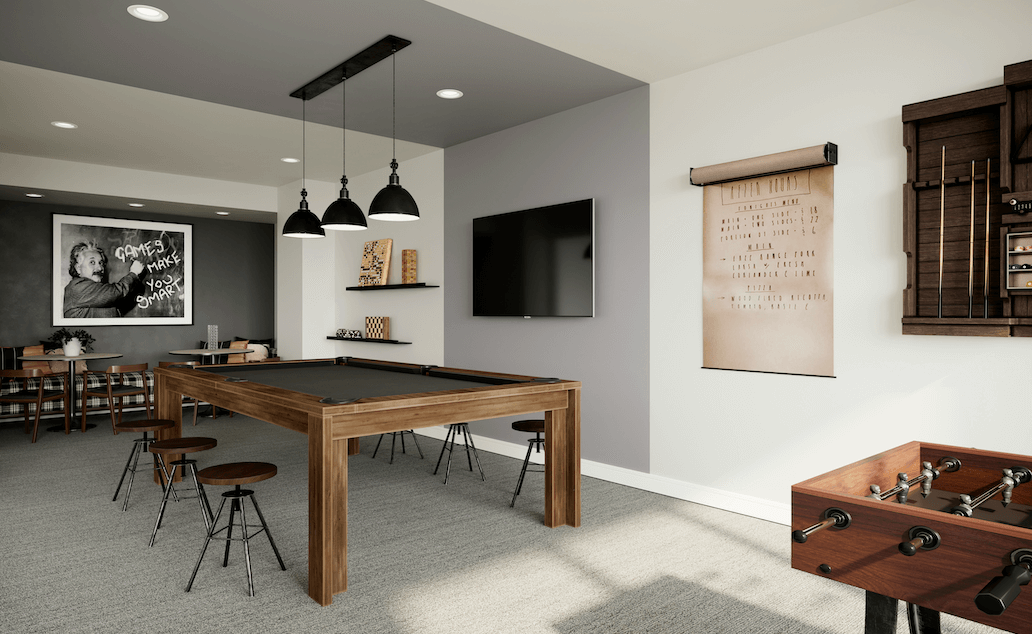
So picture this. You're standing on that enclosed balcony and suddenly it clicks. This could be it. Your spot. The man cave. Away from the kitchen noise and the hallway traffic. Then reality crashes the party. Will the floor even hold a pool table? Where's the rain gonna go once you wall it in? And how the hell do you keep it from turning into an icebox in February or an oven in July? I've been there. That mental spiral is real. This guide covers the five things you've gotta nail down before you touch a single hammer. Safety and permits. Figuring out if the structure can take it. Keeping water out. Insulation, windows, and HVAC. And the actual sequence of doing this thing plus who to hire. When you're done reading, you'll know what to ask a contractor, which permits to pull, and what you can handle yourself versus what demands a pro.
But real talk before we get rolling. Converting a balcony means dealing with structure, electrical, plumbing, and HVAC. Screw any of that up and you're not just looking at a do-over. You're looking at real danger. If you're not a licensed electrician, plumber, HVAC tech, or structural engineer, don't touch the regulated stuff. Period. This post is your homework before you hire people. It's about planning right and knowing what specs you need. Skip permits or hire unlicensed help and your insurance goes bye-bye, inspections fail, and people could get hurt. Soak that in before we keep going.
What you're getting here is straight talk. No fluff, no MBA speak. We're digging into why load calculations trip people up, why drainage still matters when it hasn't rained in weeks, how to insulate a space that was never meant to have AC in the first place, and the order of doing things so you don't rip out drywall twice. Grab some coffee. Let's do this.
Difficulty: Intermediate · Time: 2-3 weeks · Cost: $8,000-$15,000
First Things First: Safety, Permits, and Why You Shouldn't Skip Them
What You'll Need
Tools
- Laser level or a long spirit level for checking floor slope and wall plumb
- Stud finder paired with a pencil to mark framing locations before cutting into the existing wall
- Circular saw with a fine-tooth blade for cutting plywood sheathing and framing lumber
- Drill/driver with a clutch for sinking screws without stripping heads into joists and studs
- Rubber mallet to tap floor tiles or framing pieces into alignment without damage
- Moisture meter to verify that the existing balcony deck and surrounding wall are dry before you enclose them
Materials
- Rigid foam insulation boards (R-10 or higher) cut to fit between the balcony joists; measure the joist bay depth and total square footage to determine how many boards you need
- Exterior-grade plywood (5/8 inch or 3/4 inch) for the new subfloor; order enough sheets to cover the full balcony floor area plus 10 percent waste
- Self-adhesive vapor barrier membrane (6 mil poly sheeting or a peel-and-stick membrane) sized to cover the entire floor and lap up the walls by 6 inches
- Drainage mat or dimpled membrane (0.5 inch thick) placed below the new subfloor to direct any trapped moisture toward a weep outlet or the existing balcony drain
- Construction adhesive and exterior-rated screws (2 1/2 inch or longer) to secure the plywood subfloor to the existing joists
- Silicone-based sealant (one or two tubes per window or door penetration) to close gaps around new framing and against the existing building envelope
- Galvanized steel angle brackets and joist hangers for reinforcing load paths where the balcony framing meets the house wall
Look, permits suck. Nobody wakes up excited to sit at the permit office. But here's why you can't skip them. Balconies weren't built to be lived in. Throw up drywall, insulation, a couch, and four guys watching football, and you've changed the game completely. That structure was meant to handle weather and some foot traffic. Not occupancy. Local building codes exist for a reason. Fire safety. Egress. Structural integrity. Electrical that won't burn the place down. Skip the permit and you might tank a future home sale, void your insurance, or worse, watch the whole thing collapse. Not dramatic. Just true.
First thing, head down to your local building department. Or find a general contractor who knows the inspectors by name. Ask what permits you need for structural changes, electrical runs, plumbing, and HVAC. A lot of places want stamped engineered drawings for balcony conversions. You can absolutely do the brainstorming and planning yourself. But anything regulated? Licensed trades only. I don't care if your buddy rewired his garage once. He doesn't touch your panel.
And having the permit isn't the finish line. You'll need inspections at key stages. The inspector digs into load paths, waterproofing, insulation, electrical roughs. Don't cut corners here. A solid contractor will walk you through it. If you're handling the planning yourself, at least know the code before you blow money on materials that won't pass.
Safety and Permits: Don’t Skip the Paperwork

You might look at that balcony and think, "Weekend project. How hard could it be?" Hard. Really hard. That space was never meant to be a finished, climate-controlled room. The second you add drywall, power, plumbing, or even a chunky sectional, you're asking the original bones to do work they weren't built for. That's exactly why permits matter. Slow your roll here.
Why Permits Matter (And Insurance Cares)
Most towns want a building permit for anything that changes structure, adds electrical or mechanical, or switches how you use the space. Even if your balcony already has windows, interior finish work usually triggers a permit. Why? Because code makes sure the load capacity, fire separation, egress, and weatherproofing actually pass muster. Skip it and your homeowner's insurance might laugh in your face when something goes wrong. Fire. Water damage. Collapse. You're on your own. And selling someday? An unpermitted conversion can kill the deal dead or force you to rip the whole thing out.
Key permits you might need:
- Building permit (structural modifications, egress, fire blocking)
- Electrical permit (any new circuits, outlets, lighting)
- Plumbing permit (if adding a wet bar, sink, or drain)
- Mechanical permit (HVAC extension or mini split installation)
Your local building department will spell out exactly which ones you need. Call them before you buy a single 2x4.
The Inspection Reality
Permits come with inspections. Usually at least three. Rough-in (framing, electrical, plumbing before drywall goes up). Insulation and vapor barrier check. Final walkthrough. Don't try hiding stuff. Inspectors have literally seen every trick in the book. Flip the script and use them like a free second opinion. They'll spot undersized joists or missing fire blocking that saves you from a catastrophic day.
Hire the Right Pros (No Exceptions)
This is not a DIY zone. Not for structure. Not for electrical. Not for plumbing. Not for HVAC. Unless you've got the license framed on your wall, hire someone who does. Ask for their insurance card and permit history. A decent contractor pulls permits and schedules inspections without you begging. If anyone tells you "we don't need permits," run. Fast. That's code for "I cut corners and leave disasters behind."
For load calculations, you'll probably need a structural engineer's stamp. That's a few hundred bucks that buys serious peace of mind. For drainage and waterproofing, find a general contractor who's actually done balcony conversions before. They're worth every penny. For HVAC, a licensed tech will size your mini split right so you're not shivering in January or sweating through your shirt in August.
One number to keep in your head: most balconies handle about 40 to 60 pounds per square foot. A pool table alone can crush 1,000 pounds. Your engineer will tell you if you need to sister joists or add support beams. Listen to them.
Final Check Before You Start
Before you drop a dime, get a written scope of work from every pro you hire. List out every required permit. Call your insurance agent and confirm you're covered for this renovation. Only then should you move forward. Do it right and your man cave stays off the evening news.
Can Your Balcony Handle the Weight? Feasibility and Load Assessment
I'll never forget standing on my own balcony, staring at the space, wondering exactly how much a pool table weighs. When I found out, everything changed. Balconies are built for 40 to 60 pounds per square foot of live load. People. Snow. Maybe a grill. Not a thousand pounds of slate and wood concentrated in one spot. Not a heavy couch. Not a full bar. And once you enclose it? Dead loads pile on fast. Drywall. Flooring. Insulation. Windows. It all adds weight the original builder never planned for.
You need three questions answered. What was this balcony originally built to hold? What are you about to add? And can the existing structure bridge that gap? The only trustworthy way to know? Hire a structural engineer. They can pull original blueprints if you've got them, or dig into the framing, connections, and foundation. If your balcony is cantilevered, that load dumps straight into your main house structure. That might need reinforcement. No guessing.
If the math doesn't work, don't panic. Sometimes you can reinforce with steel beams, add posts, or swap heavy materials for lighter ones. The engineer lays out your options and what each one costs. This feasibility check isn't optional. Do it first. Building a room that fails inspection is bad. Building one that fails structurally while your friends are sitting in it? Unthinkable.
Feasibility and Load Assessment: Can Your Balcony Handle the Man Cave?
Before you even think about paint colors or which TV size looks right, you've got one job. Figure out if that floor can literally hold everything. A standard balcony handles weather and the occasional person walking through. It wasn't designed for a pool table, two overstuffed recliners, a full-size fridge, and four grown men jumping around during a touchdown. Those live loads stack up quicker than you'd think.
Understanding the Numbers
Most residential balconies carry a live load rating of 40 to 60 pounds per square foot. People. Furniture. Anything that moves. Dead load (the structure itself, drywall, insulation, flooring) was already baked in by the builder. But conversion means adding more dead load from new materials plus live load from your stuff. Combined, they better stay under the original capacity. If not, you reinforce. Period.
Let's get real. A regulation pool table runs about 1,000 pounds. Say your balcony is 6 by 10 feet. That's 60 square feet, giving you 2,400 to 3,600 pounds of live load capacity. Sounds like plenty, right? Then you add a sofa (call it 200 pounds), a couple people (another 400), a TV and stand (150), a bar cabinet (300). Suddenly you're pushing 2,000 pounds. Still technically fine, but throw in a ping pong table or that vintage arcade cabinet and you're bumping the ceiling. Oh, and we haven't even touched snow load yet if you live somewhere with actual winter.
The Engineer’s Role
This is why you pay a structural engineer. They crawl around, inspect the existing framing, hunt for rot or corrosion (super common on older balconies), and run the numbers on whether your joists, beams, and connections can hack it. Sometimes they'll tell you to sister the joists (bolt new ones alongside the old). Sometimes you'll need a beam and posts underneath. Cantilevered balconies (the ones hanging out past your exterior wall with no ground support) are trickier. All that load transfers into your house framing. Often that means reinforcing the joists inside your living room too.
Don't even think about skipping this. Guessing on load capacity is exactly how balconies collapse onto the driveway. Spending a few hundred bucks on an engineer's report beats a catastrophic failure every single time.
Common Red Flags
While you're waiting on the engineer, do some sleuthing yourself. Sagging floors. Bouncy spots. Cracked tiles. Water stains on the ceiling underneath. These are your warning lights. The structure is already stressed or rotting out. If you spot any of that, pump the brakes and fix it first. The conversion is only as good as the bones underneath.
Bottom line: Hire a licensed structural engineer. Let them assess the framing and specify reinforcements. Don't try crunching these numbers yourself. Professional oversight isn't optional here.
Keeping Water Out: Drainage and Waterproofing Essentials
Something weird hit me when I first mapped out my own balcony conversion. I had zero plan for where the rain would go once I sealed it all up. Balconies come with sloped floors and drains for a reason. They shed water. Wall it in, roof it over, and you still have moisture to deal with. It gets through windows. It condensates. You spill a beer. Waterproofing isn't some bonus feature. It's the difference between a cozy hideout and a moldy, rotten mess.
Your existing floor probably has some kind of waterproof membrane under the surface. When you lay down interior flooring like tile or vinyl, you can't just bury that membrane. Either keep the existing drainage plane working or install a brand new waterproof system with proper slope to a drain. If your balcony hangs over another room, any leak becomes their nightmare. That's why you need a licensed waterproofing contractor or a GC who's actually converted balconies before. Not a handyman who watched a YouTube video.
Handle drainage before you frame or insulate anything. Test that existing membrane. Replace it if it's sketchy. Make sure your new floor assembly actually lets water escape. Think about window flashing and sealants too. A tiny leak becomes massive damage over a year. Skip this step and you're asking for trouble. And don't let some handyman convince you a thick bead of caulk fixes everything. Hire a pro who understands building science for exposed decks.
Why Drainage Still Matters (Even After the Walls Go Up)
Here's something that catches a lot of guys off guard. Putting walls and windows on that balcony doesn't magically make it waterproof. You're actually building a new envelope that traps moisture in ways you never saw coming. Water finds a way. Always. Maybe it comes through the roof above if your balcony sits under a flat membrane. Maybe it seeps up through the old concrete from rain splash or snow melt. And condensation? That's the silent killer. Warm inside air hits a cold concrete floor and suddenly you've got puddles forming under your carpet. It happens constantly on uninsulated balcony floors.
Ignore drainage and you just built a mold factory. That beautiful pool table warps. Drywall bubbles and turns black. The smell makes the room unusable. Let's talk about keeping water out. And more importantly, giving any moisture that sneaks in a way to get back out.
The Hidden Culprit: Trapped Moisture
Most original balcony slabs slope away from the house. Barely. Usually a quarter inch per foot. That works great when it's open to the air. Close it in with windows and insulation, though, and that slab is now your living room floor. Lay new flooring directly on top with no drainage plane and no waterproof membrane, and any water that gets past the windows or condenses on the concrete stays trapped. Rot and rust show up fast after that. Like weeks fast.
The fix is two layers. First, a waterproof membrane right on the slab. Liquid applied or sheet membrane, either works. Then a sloped subfloor or drainage mat that channels moisture toward a weep system or your existing drain. Never skip that drainage layer. Even a slow leak under your new laminate goes unnoticed until the floor underneath is soup.
Three Critical Checkpoints
1. Existing Drainage Infrastructure Take stock of what's already there. Floor drain? Scupper? Gutters? A lot of enclosed balconies already have a drain tied into the rainwater system. That drain needs to stay working and reachable. Don't bury it. If you're adding a new floor, put in a cleanout or a sloped access panel. You need to get in there and clear it out at least once a year.
2. Flashing and Window Seals Where the balcony floor meets your new windows is leak city. That joint is the most common failure point. The window frame needs continuous pan flashing that laps over the waterproof membrane with a step up at the rough opening. This is not a weekend warrior detail. A real contractor uses metal or rubberized flashing that matches the window manufacturer's specs. If all you see is caulk filling the gap, that's a giant red flag. Caulk always fails. Always.
3. Vapor Barrier Placement In cold climates, the vapor barrier lives on the warm side of the insulation. For a balcony conversion, that's usually polyethylene or foil-faced foam against the interior side of the slab. But here's the catch. You also want the slab to dry toward the exterior if it can. That's a delicate balance. Talk to an engineer or waterproofing specialist who knows your climate. Get this wrong and moisture gets trapped in the slab. Next thing you know you've got spalling concrete and rusted rebar holding the whole thing together. Not good.
When to Call a Pro
Waterproofing your balcony is not a Saturday project with a case of beer. The stakes are way too high. Water damage. Mold. Structural rot that turns your joists into mush. Hire a roofing or waterproofing contractor who's done balcony conversions. Ask them specifically if they use liquid-applied polyurethane or a sheet membrane like PVC or TPO. Both work fine. What matters is the installation. A badly bonded liquid membrane peels up like old paint. A badly seamed sheet membrane leaks right at the joints.
Oh, and the inspector absolutely checks this. Most codes want a flood test. You fill the floor with one inch of water and let it sit for 24 hours. Look for leaks. Honestly? That's your friend. It means you know for a fact your man cave stays dry before you cover everything up.
Making It Comfortable: Insulation, Windows, and HVAC for Your Balcony Man Cave
Balconies are basically thermal disasters. Minimal insulation. Single-pane windows, if you're lucky. Zero connection to your house HVAC. To make this a room you can actually hang out in year-round, you need a complete thermal envelope. Start with the floor. Rigid foam under the subfloor or a continuous layer on top. Walls need fiberglass or spray foam. Ceiling too, if it's exposed to the outside. And vapor barriers matter. Big time. They stop condensation from forming inside your wall cavities where you can't see it.
Windows are where you bleed heat. Go double or triple pane with low-E glass and a decent U-factor. If you've got old sliding glass doors out there, swap them for efficient units or add storm windows. But here's another thing people forget. Egress. If this room becomes a sleeping room, code requires a window big enough to escape through in an emergency. Don't overlook that.
HVAC is where it gets tricky. Extending your home's ductwork might be possible, but your system needs a load calc to handle the extra space. Honestly, a mini-split heat pump is usually the smarter play. Heating and cooling, no ducts. But refrigerant handling requires a licensed HVAC tech. Period. And you'll need electrical capacity for it. Here's the thing. Insulation, windows, and HVAC have to work together. Nail one and botch the others? You'll have a room that sweats in July and freezes in January.
Insulation, Windows, and HVAC: Making the Space Comfortable Year Round
This is where good intentions go to die. The balcony was never built to trap heat or block cold. Throw up drywall and a TV, and suddenly you need a real climate strategy. Without one, your man cave is useless half the year. An icebox when winter hits. A sauna in summer. This isn't a place for guessing games. A licensed HVAC tech sizes and installs the right unit. For insulation and windows, find a contractor who knows how to treat an exterior floor that's now inside your conditioned space.
The Insulation Puzzle: Walls, Floor, and Ceiling
You've got at least one exterior wall and a floor sitting right over the outside, or maybe your neighbor's place. Heat pours out through that slab. Code minimum for an exterior floor in most places is R-19 to R-30. But you can't just stuff fiberglass batts under there and call it good. You want rigid foam or spray foam pulling double duty as insulation and vapor retarder. Walls should hit R-13 to R-21 depending on where you live. Ceiling, if there's roof above it, needs R-30 or better.
The mistake I see all the time? Skipping floor insulation. Your feet will feel that cold slab straight through the carpet. A solid layer of closed-cell spray foam or XPS foam board under your new subfloor fixes that. Plus it kills the condensation that rots your framing. Have your contractor check the local code table. Insulation is cheap compared to tearing out moldy walls because you got cheap.
Windows: Where the View Meets the Thermal Envelope
If your balcony already has windows, they're probably single pane or old sliders leaking heat like a sieve. New double-pane, low-E windows with argon are the baseline now. Look for a U-factor of 0.30 or lower. SHGC (Solar Heat Gain Coefficient) should match your climate. Cold weather? Lower U-factor, higher SHGC to grab that passive solar heat. Hot climate? Lower SHGC so you're not fighting the sun all afternoon.
Installation is just as important as the glass itself. Flash that window frame into the waterproofing system we already covered. Zero gaps. Seal the rough opening with expanding foam, not stuffed fiberglass. And double check your egress requirements. If this balcony is the only way out of that room when something's on fire, your window needs to meet specific size requirements. Local code has the exact numbers.
HVAC: Mini Splits Are Usually the Right Answer
Running ducts to an enclosed balcony is almost never worth the headache. Your existing system probably can't handle the extra load anyway, and snaking ductwork through exterior walls is miserable. A ductless mini-split heat pump is the cleanest answer. Heat and cooling in one. But sizing is everything. Too big and it short cycles, never pulling humidity out of the air. Too small and it runs 24/7 without a break. A licensed HVAC tech runs a Manual J load calc using your square footage, insulation, windows, and local weather. Trust that number.
Most mini-splits need 240 volts. That means an electrician pulls a new line from your panel. Don't try this yourself unless you've got the license. Indoor unit mounts on an exterior wall. Outdoor compressor sits on the balcony floor or a wall bracket. Either way, give it breathing room. Don't shove it behind furniture or block it with the railing. It needs airflow to work.
One more heads up. If you live somewhere that actually gets cold, grab a mini-split rated for low ambient temps. Look for units that work down to 5 or 10 degrees. Standard ones quit on you when the deep freeze hits. A good tech will point you toward the right model.
Final thought on sequencing: Waterproofing and drainage come first. Then insulation. Then windows. HVAC rough-in next. Drywall last. Get the order wrong and you're cutting open finished walls because something leaked or the wire gauge was wrong. Do it in the right order and your man cave stays comfortable, dry, and efficient for the long haul.
Putting It All Together: Sequencing Your Project and Who to Hire
If you want to avoid throwing money into a dumpster, you have to get the order right. Structure and waterproofing come first. Engineer checks the loads. Waterproofing contractor sorts the drainage and membrane. Pull permits and get inspections scheduled at each stage. After that, rough in your electrical, plumbing, and HVAC before insulation touches the walls. Then insulation and windows go in. Mechanical roughs happen there too. Then drywall, flooring, trim. Finally you finish out the electrical and plumbing, install fixtures, and haul in the furniture.
Every step needs the right person. Structural engineer for the loads. Framing crew if they need to reinforce. Electrician for the juice. Plumber if you're adding a sink or wet bar. HVAC tech for the mini-split. You can absolutely act as your own general contractor if you've got the time and know-how to keep all these people moving in the right order. But if that sounds like a second job, hire a GC who specializes in conversions. Your sanity is worth it.
Classic mistakes I see? Stuffing insulation in before the electrician runs wires. Ordering windows before knowing your rough opening size after insulation goes in. Or skipping the final inspection because you want to host the fight night. Every one of those errors costs you double. Build a checklist. Structural sign-off. Permits approved. Waterproofing passed the flood test. Rough inspections done. Inspection signed off on insulation. Drywall up. Final inspection passed. Check them off with your pros. Your man cave ends up safer, more comfortable, and completely legal.
Sequencing: The Order That Saves You From Tearing Out Drywall Twice
Step-by-Step
Step 1: Assessing the existing structure's load capacity
Hire a structural engineer to evaluate the balcony's load-bearing capacity. They check for deflection, rot, and corrosion, which determines if reinforcement is needed. A failed balcony causes serious injury, so do not skip this step.
Step 2: Verifying drainage and waterproofing
Inspect the existing drainage system and waterproofing membrane for standing water or leaks. Proper drainage prevents moisture damage and mold, so add new drains or adjust the floor pitch if the slope is insufficient. This step protects the structure from rot.
Step 3: Planning the insulation strategy
Your climate zone determines the required R-value, so choose rigid foam, spray foam, or mineral wool accordingly. Install insulation between studs and above the floor to reduce heat loss and condensation. Insulation also improves soundproofing from outside noise.
Step 4: Applying for necessary permits
Contact your local building department early and submit plans for structural, electrical, and plumbing changes. Permits ensure code compliance and pass inspections, and working without one risks fines and future resale issues. Allow several weeks for approval.
Step 5: Framing and weatherproofing the enclosure
Build a wood or metal frame against the existing railing, incorporating a sloped subfloor for drainage. Install a vapor barrier and house wrap, sealing all joints with flashing tape. This creates a dry cavity for insulation and prevents rot.
Step 6: Installing windows, doors, and finishing
Choose fixed or operable windows rated for wind load and install a door meeting egress requirements. Add interior finishes like drywall or paneling, then connect new electrical outlets and lighting. Finish with trim and paint. Test all openings for drafts and leaks.
Get the sequence wrong and you'll pay in cash and curse words. I've watched guys hang drywall before the waterproofing test. Floor leaked. They tore it all down. Or they ran electrical rough-in before HVAC and realized the mini-split line set needed a bigger hole right through the new framing. A little planning upfront saves you from demolition and keeps your wallet from crying.
Start with structural reinforcement. Sister those joists. Add beams. Pour footings if the engineer demanded them. Do this first because it's dirty, heavy work that destroys anything finished nearby. Next comes drainage and waterproofing. Test the membrane. Install a new one if needed. Flood test for 24 hours. Do not pass go until it passes. Then frame your new walls and rough in the window openings. Put the windows in before insulation so you can seal the air barrier around them correctly.
Insulation and vapor barrier go in next. Then electrical rough-in. New circuits, outlets, low-voltage for the TV and speakers. Run your HVAC rough-in at the same time (line set, drain line, power for the mini-split). Doing them together matters because they share wall cavities and chases. Once rough inspections pass, hang drywall. Tape. Mud. Paint. Then flooring and trim. Finish out the electrical with switches, outlets, and fixtures. Pop on the indoor unit trim kit for the HVAC. Then call for final inspection.
Hiring Checklist: Who Does What (And Who Does Not)
You need a structural engineer for the load assessment. Non-negotiable. A general contractor who's done balcony work can manage framing, waterproofing, and finishing. But the actual waterproof membrane? That's for a licensed roofing or waterproofing contractor. Not a handyman. Not your cousin. A licensed pro.
Electrical means a licensed electrician. Your buddy who "knows a bit" does not touch the panel. HVAC means a licensed tech who sizes and installs the mini-split. They handle refrigerant too, and that requires EPA certification. Windows can go to a reputable installer with exterior experience, but confirm they'll follow the flashing details from your waterproofing contractor. Details matter here.
Ask every single contractor for proof of insurance and their license number. Then actually call the building department to confirm it's current and clean. Get everything in writing. Scope of work. Timeline. Payment schedule. Never pay more than 30% upfront. And if anyone says "we don't need permits," show them the door. That's the express lane to invalidating your insurance.
One last piece of advice. Call in the rough inspections yourself. Don't assume your contractor will remember or prioritize it. Stay in the game. Your man cave deserves the effort.
Start Today
Common Mistakes to Avoid
- Ignoring the load limit: Overloading your balcony can cause structural failure, so verify the existing deck capacity with a licensed engineer before adding weight.
- Skipping the vapor barrier: Moisture trapped inside walls leads to mold and rot, so install a continuous vapor barrier on the warm side of insulation.
- Failing to obtain permits: Unpermitted work triggers fines and forced removal, so submit plans to the building department before starting construction.
- Using the wrong insulation: Thin insulation under the floor fails to meet energy code, so select rigid foam with the correct R-value for your climate zone.
- Overlooking drainage slope: Standing water on the balcony deck accelerates deterioration, so ensure a minimum two percent slope away from the building.
- Neglecting thermal bridging: Heat escapes through uninsulated balcony slabs, increasing energy costs, so add continuous exterior insulation over the entire structure.
You started with a vision. Your own space to watch the game, shoot pool, or just decompress away from the house noise. That vision is totally within reach. But only if you respect what this conversion actually needs. The five pillars we walked through (safety and permits, load assessment, drainage and waterproofing, insulation and windows, and sequencing) aren't gentle suggestions. They're the difference between a room that lasts decades and a moldy, dangerous money pit. That balcony was never meant to be a conditioned man cave. Every choice you make needs to respect that reality.
Let me be perfectly clear about what's non-negotiable. A structural engineer signs off on the load. Period. A licensed waterproofing contractor handles drainage and the membrane. A licensed electrician runs those new circuits. A licensed HVAC tech sizes and installs your heating and cooling. You can absolutely plan the thing, pick finishes, and manage the calendar. But you cannot touch the regulated work yourself. Unpermitted or unlicensed work kills your insurance, fails inspection, and creates real dangers. Nobody's having fun if the floor drops out or the wiring starts sparking behind the drywall.
So what's next? Take the checklist from this guide and start dialing. Call your building department about permits for enclosed balcony conversions. Book a structural engineer to inspect what you're working with. Interview at least two general contractors who've actually done this before, and ask to see their license and insurance card. While you're waiting on callbacks, measure your space. Start adding up furniture weights and looking at insulation values. The more homework you knock out now, the smoother everything goes later.
This is your shot to turn that forgotten square footage into the best room in your house. A spot to watch the game, throw some darts, or just kick back with a cold drink and the view. But it only works if it's safe, dry, and actually comfortable. Start with the hard stuff. Hire the right people. Pull every permit. Build it like it's meant to last. Then send out the invites and enjoy what you built.