Attic Conversion Budget Guide: Structural, Egress & HVAC Costs
Last updated May 22, 2026 · By Brandon Dixon

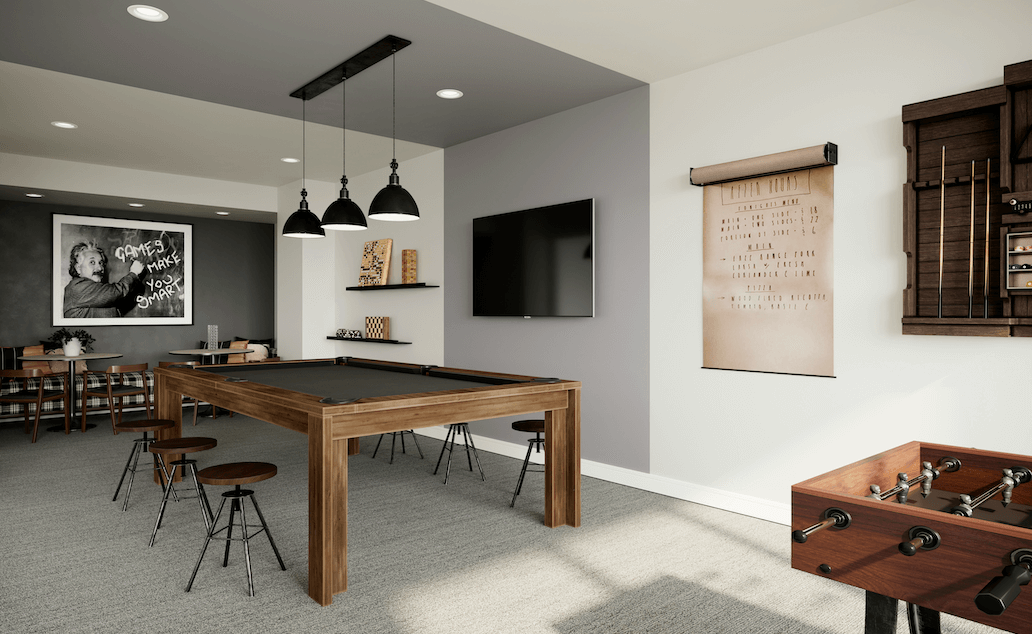
If you're anything like me, you've climbed up into the attic on a Saturday and pictured a dim leather chair, a wall-mounted screen, and a little fridge humming in the corner. Maybe you even ran a tape measure across the rafters, felt a surge of excitement, then wondered if you’d just bitten off more than you could chew. Turning an attic into a real man cave is incredibly satisfying, but it also loves to surprise you with structural fixes, code requirements, and HVAC headaches that can turn a cheap dream into a pricey project.
Think of this as your budget roadmap. I’ll walk you through what to check first, what usually costs the most, where the sneaky expenses hide, and how permits, egress choices, and HVAC decisions affect both price and timeline. I cover five essential aspects: feasibility and load check, egress and code costs, HVAC and insulation trade-offs, cost tiers and hidden costs, and permits plus contractor versus DIY timing. By the end you should have clear priorities to decide whether to DIY, call a pro, or phase the work to match your wallet.
| Difficulty | Time | Cost |
|---|---|---|
| Intermediate | 1-2 months | $5,000-$15,000 |
Can the Attic Actually Hold Your Man Cave?
What You'll Need
Tools
- Tape measure (25-foot)
- Carpenter's level (48-inch)
- Circular saw or hand saw
- Drill/driver with assorted bits
- Reciprocating saw with demolition blade
- Stud finder
- Safety glasses and work gloves
Materials
- 2x4 dimensional lumber (estimate 1 board per 3 linear feet of wall framing)
- 3-inch deck screws (5-pound box per 100 square feet of wall or floor)
- R-19 fiberglass batt insulation (covers about 90 square feet per bundle)
- Egress window kit sized to local code (one unit per sleeping area)
- 6-inch flexible HVAC duct (25-foot length per supply or return run)
- Duct sealant (one 10.3-ounce tube per three connections)
- 4x8-foot plywood sheets for subfloor (one sheet per 32 square feet of floor area)
- 6-mil polyethylene vapor barrier (one 100-square-foot roll per 80 square feet of floor)
I remember popping the attic hatch on my first try and finding a tangle of old joists, dusty insulation, and a couple of questionable knob-and-tube runs. Before you talk paint or sofas, you need to know if the floor, framing, and access will actually handle people and heavier furniture or gear. A feasibility and load check gives you that reality check.
Start with a visual inspection, measure clearances, and note joist size and spacing. From there you can tell whether the joists are likely to handle a live load of 30 to 40 psf (the typical target for habitable spaces) or if reinforcement is necessary.
Costs for making the attic structurally safe fall into recognizable tiers. At the low end you might get away with small repairs and adding a plywood subfloor over existing joists - $500 to $2,500 if you do a lot of the work yourself. Mid-range fixes often mean sistering joists or adding blocking, typically $1,500 to $6,000. High-end structural work, like installing new beams or posts and opening ceilings below, can run $6,000 to $20,000 or more once an engineer and foundation work are involved. Doable DIY tasks include clearing insulation and installing a proper subfloor if the joists are already adequate. Anything that involves new beams usually needs an engineer and a pro crew.
Also, watch for the usual time-and-money eaters: pulling old insulation, moving wiring, removing rotten wood, or fixing pest damage. These rarely show up until you open things up. If your budget is tight, focus first on joist capacity and safe access. If joists are borderline, reinforce them before spending on HVAC, windows, or finishes. If the structure checks out, you can phase in egress, insulation, and HVAC to spread the cost and get your cave usable sooner.
Quick feasibility checks you can do first

Grab a tape measure and a flashlight. Measure clear headroom from the finished attic floor to the lowest rafters or ceiling. Many places expect roughly 7 feet of usable height over at least half the proposed floor area to qualify as habitable, but check your local code. Walk the attic and feel the floor. If it bounces or you see sagging, that’s a red flag.
Look for chopped or notched joists around ducts, electrical runs, or chimneys - those weaken capacity. Rot, insect damage, or water stains change the conversation from reinforcement to repair.
What “load check” actually means
Most modern residential floors are designed for a 30 psf live load. Older attics were often built for storage only, maybe 10 to 20 psf. Converting to a man cave usually means bringing the floor to at least 30 psf, and sometimes 40 psf if you're planning heavy workout gear, a bar, or a kegerator. Engineers also check deflection limits. For living areas you'll commonly see a deflection requirement of L/360 or better, which keeps the floor from feeling springy.
Typical reinforcement options and ballpark costs
- Sistering existing joists with new lumber. Low interruption and often the cheapest structural fix. Expect $500 to $2,000 on a small attic depending on access and joist length.
- Installing a new beam or girder with posts to reduce spans. More invasive because loads must be carried to the foundation or load-bearing walls. Typical costs $2,500 to $10,000.
- Full joist replacement or installing engineered floor systems (LVLs or I-joists) for long spans. Higher cost, often $4,000 to $15,000 for moderate-size attics.
- Adding a structural subfloor (3/4 inch plywood) to spread loads. Material plus labor often $1,000 to $4,000 depending on area.
Prices shift a lot by region, access, and whether you need to open ceilings below to transfer loads.
When to call a pro
Call a structural engineer if you see long spans, big sagging, major joist cuts, or if you plan to add stair openings or heavy equipment. Expect an initial evaluation or site visit to cost roughly $300 to $1,200. If stamped drawings are required for a permit, budget $800 to $2,500 for those plans.
Get at least two contractor bids. Ask them to show load calculations or the engineer’s notes they’ll follow. That single page of math can save you thousands in surprises later.
Getting Out in an Emergency: Egress, Windows and Code Costs
I once priced a full dormer and nearly choked. Egress is where building codes tend to hit the wallet, because habitable spaces usually need a reliable emergency escape. That typically means a code-compliant window with a clear opening, a safe window well if below grade, or an interior stair that meets rise and run rules. The trick is matching the right egress solution to your attic layout without overbuilding the wrong thing.
Costs vary wildly depending on what you already have. A simple retrofit to create an egress window in an existing wall or roof plane, including a basic well and finish work, can be $1,200 to $4,500 if the opening is straightforward. Mid-tier work, such as cutting a new rough opening and installing a pre-fab dormer or larger window assembly, is usually $4,500 to $15,000. Major work that adds a full dormer or reworks the roof framing to create headroom and a stairwell moves into the $12,000 to $40,000 range or more. Window well excavation and finishing is often DIY-able, but cutting structural openings or changing roof lines typically requires a contractor and structural plans.
There are trade-offs. An egress skylight or roof hatch may be cheaper but might not meet bedroom code. An exterior staircase saves interior space but brings exterior permits and possible HOA issues. If money is tight, secure a legal egress first and push cosmetic work later. If you have room in the budget, a dormer or a well-designed stair will make the space far more usable and add resale value.
Egress basics and the numbers that matter
Egress is not optional. Typical requirements you’ll see in the International Residential Code or similar local codes: a minimum net clear opening of 5.7 square feet for egress windows (820 square inches), minimum opening height 24 inches and width 20 inches, and a maximum sill height of about 44 inches above the finished floor. Window wells that serve egress need enough horizontal clearance (commonly 36 inches) and a ladder or steps if the well is deeper than 44 inches. Stairs must meet rise and run and have proper headroom, landings, handrails, and guardrails. These numbers are common, not universal. Call your local building department before you lock in plans.
Common egress options and realistic cost ranges
- Egress window installation: $1,200 to $6,000. Low end for a simple cut into a framed wall or finished wall with minimal foundation work. High end if you need a new well, underpinning, or structural reinforcement.
- Installing a window well with ladder: $500 to $2,500 depending on materials and drainage. Add waterproofing if you find moisture issues.
- Dormer or enlarging a window opening: $8,000 to $30,000. Dormers give headroom and light, but they are structural and usually trigger framing, roofing, and flashing work.
- Interior fixed staircase (code-compliant): $3,000 to $8,000. Includes cutting the opening, framing headers, treads, risers, and handrails. More if you need to remove or alter the ceiling below.
- Spiral stairs: $1,500 to $6,000. Cheaper for tight footprints but may not meet egress requirements in some jurisdictions.
- Exterior emergency stair or balcony exit: $1,000 to $6,000. Costs vary with materials and attachment complexity.
- Structural work for stair openings and headers: $500 to $4,000 extra. Engineers and underpinning push costs up.
Permit fees and plan review commonly add $100 to $1,500. Some departments charge per inspection, often $50 to $200 each. If an engineer is required for header sizing or load transfer, budget $800 to $2,500 for stamped plans.
Practical tips to save money and avoid rework
Plan egress early and lock it into your bids so contractors price it correctly. If possible, use an existing dormer or gable wall to add a window rather than cutting rafters. Install an egress window well before finishing floors to avoid redoing waterproofing. Get a written scope that references code sections and requires final inspection sign-off. And while you’re working, use temporary smoke detectors - cheap insurance and keeps inspections calmer.
Heating, Cooling and Insulation: Comfort Choices that Drive Cost
Attics swing from oven-hot in summer to freezer-cold in winter, so HVAC and insulation choices determine how usable the man cave really is. You can go cheap and accept seasonal use, or you can invest for year-round comfort. Remember to think about total cost of ownership, not just upfront sticker shock.
Low-cost options include extending a short duct run from your main system, electric baseboard heaters, or a quality portable AC. Expect $800 to $3,500 for those approaches depending on complexity and whether ducts are nearby. A mini split heat pump is a popular mid-tier choice because it provides efficient heating and cooling with minimal ductwork; plan on $1,500 to $6,500 for one head, depending on complexity. High-end solutions include extending full-home HVAC ducts, adding balanced ventilation with heat recovery, and using closed-cell spray foam to seal and insulate; these can push $5,000 to $15,000 or more. Insulation choices matter too: batt insulation is cheap and DIY-friendly, while spray foam gives much better air sealing at a premium.
Think about headroom, noise, efficiency, and moisture control. Ductwork eats ceiling height. Mini splits keep the ceiling clear but leave a visible indoor unit and need condensate routing. Spray foam saves space and reduces air leakage but usually requires a pro. If cash is limited, prioritize air sealing and insulation first, then add HVAC that fits the thermal envelope you create.
HVAC and insulation trade-offs
This is where I learned the hard way that the cheapest heating option up front can become the most expensive over time. Start with the big choice: condition the attic, or keep it unconditioned and treat the attic floor as the thermal boundary.
Conditioning the attic. Insulate and air-seal the roof deck, and install mechanicals or a ductless system inside the room. The space then behaves like the rest of the house. Expect higher upfront insulation costs (closed-cell spray foam or thick rigid insulation), roughly $3,000 to $10,000 for a small attic conversion depending on square footage and how tight you go. Conditioning simplifies HVAC sizing since the room shares the house envelope, but you must handle moisture control and ventilation.
Keeping the attic unconditioned. Insulate the attic floor and air-seal the ceiling, and keep HVAC downstairs. This is cheaper up front. Blown-in cellulose or fiberglass to R-38 to R-49 typically costs $1 to $3 per square foot installed. Downsides are reduced headroom if you add insulation depth and a room that feels hot or cold if ducts run through the unconditioned attic. If ducts remain in the attic, budget for duct insulation and sealing, and expect 10 to 30 percent energy losses compared with conditioned duct runs.
Ducted extension versus ductless mini splits. Extending existing ducts can be $1,000 to $4,000 for a short run and basic registers. If you need new branches or a larger unit costs climb. Ductwork hides systems but steals headroom and needs careful sealing. Mini splits cost about $2,000 to $6,000 installed for a single-zone solution. They’re efficient, preserve space, and avoid duct losses, but multiple heads for zoning add cost.
Insulation type trade-offs. Closed-cell spray foam gives high R-value and air sealing in one pass (about R-6 per inch) but is the priciest. Open-cell foam and dense-pack cellulose are cheaper with good thermal performance, but you may need separate air sealing to avoid drafts. Fiberglass batts are lowest material cost but underperform if they’re not installed perfectly and don’t air-seal.
Practical tips from my projects. Phase the work: add ceiling insulation and air sealing first to get immediate comfort, then upgrade HVAC later. Get a Manual J load calculation before upsizing equipment. If you plan future plumbing or gas appliances, plan ventilation and combustion air now. And don’t forget permits and smoke/CO detectors when you convert the space.
Budget Tiers and the Costs You Don’t See Coming
If you want a quick rule of thumb, a basic attic man cave conversion can be done in the low tier from about $5,000 to $15,000 if you do much of the labor and avoid major structural, egress, or HVAC work. A comfortable mid-tier build with structural reinforcement, a code-compliant egress, a mini split, and decent finishes usually lands between $15,000 and $50,000. High-end conversions that add dormers, full HVAC integration, bathrooms, or major structural changes commonly start around $50,000 and can go well past $150,000 on tricky homes.
Hidden costs are where budgets get hammered. Electrical panel upgrades, asbestos or vermiculated insulation, rot or pest damage, trenching utilities, and extra engineering reports all show up after demolition. Permit fees and inspection rework add up, and temporary storage, dumpster rentals, and site cleanup are real expenses. Always include a contingency. For small projects 10 percent may be okay; for mid to large jobs plan 15 to 30 percent to cover unknowns and change orders.
When money is tight, prioritize. At the low level make the space safe, legal, and insulated well enough to use. Mid level adds HVAC, decent electrical, and a finished floor. At the high end invest in headroom, natural light, and mechanical solutions that pay back in comfort and resale. Phasing the project lets you enjoy parts of the space sooner while spreading costs.
Cost tiers at a glance (project total, finished attic)
Low tier. $4,000 to $12,000. Basic conversion, mostly DIY or limited contractor work, minimal structural changes, simple insulation and a single-zone heating option. You accept basic finishes and phase upgrades later.
Mid tier. $15,000 to $45,000. Professional labor for structural reinforcement, a code-compliant egress solution, a properly sized mini-split or small duct run, and mid-level finishes. Timelines are shorter and permits/engineer work are included.
High tier. $50,000 to $150,000+. Full remodel: engineered beams, dormer or major roof work, new stairs, full HVAC tie-in or heat-recovery ventilation, high-end finishes and possibly a bathroom. Older homes and complex rooflines push you to the upper end.
These buckets aren’t exact, but they set expectations for contractor bids and financing conversations.
Common hidden costs and realistic ranges
Some items rarely show up in an initial estimate but will hit your budget once walls come down:
- Asbestos or lead remediation. $2,000 to $12,000 depending on extent and testing.
- Old wiring replacement or service upgrade. $3,000 to $12,000 if knob-and-tube or a panel upgrade is needed.
- Mold, rot, pest damage. $500 to $8,000 to repair framing, insulation, or sheathing.
- Unexpected roof repair when adding dormers or cutting openings. $1,500 to $12,000.
- Temporary job-site needs: dumpster, scissor lift rental, scaffolding. $300 to $1,500.
- Permit revisions, plan resubmittals, reinspection fees. $100 to $1,500.
- Long-lead items delay. Custom windows, specialty insulation, or HVAC parts can add weeks and carry storage or expedited shipping costs ($100 to $1,000).
Small items add up too: new smoke and carbon monoxide detectors, trap primers for added plumbing vents, or replacing obstructive ductwork. Together these can tack on 5 to 15 percent to a bid.
How to avoid nasty surprises
- Budget a contingency of 15 to 25 percent. Treat it as non-negotiable.
- Do an exploratory cut early. Open a small section of ceiling or wall to reveal wiring, rot, and insulation before final bids.
- Ask contractors for line-item bids and allowances so change orders are transparent.
- Get an engineer on borderline structural issues before demolition. A stamped sketch costs money but saves costly rework.
- Order long-lead items up front and plan inspections around local schedules. Delays cost labor dollars and patience.
One last practical note. Older houses love to hide surprises like secret plumbing chases or oddly routed flues. Expect the unexpected and plan your timeline and wallet accordingly.
Step-by-Step
Step 1: Assessing the existing floor joists and load limits
Measure the attic floor span and joist spacing. Look for signs of sagging or rot. Check if the joists are sized for a live load of at least 40 pounds per square foot. An engineer’s report will tell you exactly what reinforcement is needed. This single calculation drives the structural budget.
Step 2: Evaluating egress window options and wall openings
Locate the nearest exterior wall that meets local egress height and width standards. Mark the rough opening size on the roof or wall. Consider how the framing will change: you may need to install a header and cripple studs. The window size and installation complexity directly affect the labor cost.
Step 3: Determining HVAC capacity and ductwork routing
Measure the attic volume and count the number of supply registers needed. Compare the existing system’s tonnage against the added load. If ductwork cannot reach, plan for a mini-split or an auxiliary unit. This decision separates a simple job from a major mechanical upgrade.
Step 4: Checking local building codes and permit requirements
Contact the building department to confirm which permits are required. Ask about minimum ceiling height, insulation R-value, and emergency escape rules. Permit fees vary by jurisdiction, but you must include them in your budget. Skipping this step can halt construction later.
Step 5: Comparing contractor bids against a detailed DIY material list
Request at least three quotes from licensed contractors. On the DIY side, list every item: lumber, fasteners, insulation, drywall, wiring, and fixtures. Compare the total labor savings against your skill level and available time. This comparison determines whether you hire out or do it yourself.
Step 6: Building a contingency fund for hidden fees and overruns
Allocate an extra percentage of the total estimate for surprises like mold remediation or electrical panel upgrades. Hidden costs often appear after the walls are opened. A reserve fund keeps the project moving without forcing compromises. Plan for the unexpected now, not when the checkbook is empty.
Permits, Contractors and Realistic Timelines
Trying to skip permits is a fast way to cost yourself more later. Most conversions need permits for structural changes, electrical, and HVAC, and some places require separate inspections for insulation or egress windows. Permit fees vary a lot by location, from as little as $100 for a minor alteration to $2,000 or more for full conversion reviews and plan checks. Also factor permit review time into your schedule; waiting for engineering stamps or plan approvals can add weeks.
Labor often represents 30 to 60 percent of total project costs. Hiring a general contractor buys coordination and a warranty but adds a markup typically in the 10 to 25 percent range on top of subcontractor costs. Doing demolition, insulation, painting, and finishes yourself can save big money, while leaving structural framing, major electrical, or HVAC to pros reduces risk and inspection headaches. When hiring, get at least three bids, check references, and confirm who pulls the permits and schedules inspections.
Timeline expectations depend on scope. A simple, mostly cosmetic conversion might take 4 to 8 weeks. Mid-range work with structural reinforcement, an egress window, and HVAC can run 8 to 16 weeks, especially if you need an engineer. Major projects that include dormers, roof work, or adding plumbing and full HVAC integration often take 3 to 6 months. Plan for weather delays, material lead times, and scheduling windows for specialty trades. If cash flow is an issue, consider a phased plan that secures the structure and egress first, then finishes in stages.
Permits: what to file and how to avoid delays
Start by calling your local building department with a plain description: attic conversion, new floor loading, egress, and HVAC additions. Ask which permits are required (building, electrical, mechanical, plumbing) and whether plan review is needed. Typical documents you will be asked for: a site plan, floor plan showing new stairs/windows, structural sketches, and an energy/compliance checklist. Submit a clean, consolidated packet. Incomplete submittals are the biggest cause of delays.
Turnaround varies. Small, straightforward permits might be approved in days. Anything needing structural review or zoning variances can take several weeks to months. Factor permit lead time into your schedule before you award contracts.
Hiring contractors: vetting and contracts
Get three written bids. Don’t pick only on price. Ask each bidder for:
- Proof of license and active insurance.
- Recent references and projects you can visit or photos to inspect.
- A clear scope with exclusions and line-item allowances for fixtures and finishes.
- A schedule with realistic start and finish dates and milestone descriptions.
Contract essentials. Use a written contract that includes scope, payment schedule, change-order process, warranty terms, cleanup expectations, and who pulls permits. Holdbacks protect you: consider a final retainage (5 to 10 percent) until final inspection and lien waivers are delivered. Require daily cleanup and dust containment for attic work.
Typical timelines and how to stage the project
Small DIY-friendly projects (insulation, subfloor, single-zone HVAC). Plan 2 to 6 weeks from demo to finish. Pros handling framing or electrical inspections may be faster, but permits still take time.
Mid-level contractor projects (sistering joists, egress window, mini split). Expect 6 to 12 weeks. That includes permit review, structural framing, rough inspections, HVAC install, and finishes. Schedule long-lead items - windows, glass, HVAC heads - at contract signing to avoid idle crew days.
High-complexity jobs (dormer, new stair, roof work). Plan 3 to 6 months or more. Structural changes commonly require engineering, extra inspections, and weatherproofing steps that can’t be rushed.
Timeline tips that save money and headaches
- Lock the scope before permits. Changing scope after permits often means re-submittal and extra fees.
- Schedule inspections early in the week and give 48 to 72 hours notice where required. Expect at least one re-inspection window.
- Coordinate trades. Don’t let the finish crew arrive before insulation and inspection sign-off.
- Use allowances in the contract for finish items and get written change orders for extras.
- Build time buffer. Add 25 to 50 percent contingency to contractor time estimates for weather, permit hiccups, and material delays.
A well-sequenced project that respects permit and inspection steps is usually cheaper than a rushed job that triggers rework and failed inspections. Plan, document, and communicate.
Common Mistakes to Avoid
- Ignoring structural reinforcement: Failing to check joist capacity leads to floor sag or collapse; hire a structural engineer before any framing begins.
- Overlooking egress requirements: A bedroom conversion needs a window that meets local fire code minimum size and sill height or you fail inspection.
- Sizing the HVAC system by square footage only: Attic spaces trap heat and cold differently, so you must calculate load based on insulation, roof slope, and duct runs.
- Underestimating permit fees and timelines: Pulling permits adds weeks and hundreds of dollars; factor both into your project schedule and budget from the start.
- Skipping a vapor barrier on the roof deck: Condensation can rot rafters and ruin drywall; install a continuous vapor retarder before any insulation or sheathing.
Start Today
You’ve got a playbook now. Start with a feasibility and load check: measure headroom, walk the floor, and look for notched joists. Use the budget tiers to set realistic expectations: low tier if you do most of the labor and avoid major structure, mid tier if you need sistering, egress, and a mini-split, high tier if you add dormers, beams, or a bathroom. Remember the big cost drivers: structural reinforcement, code-compliant egress, and HVAC/insulation choices. Factor in permit fees, inspection timing, and a contingency (15 to 25 percent for mid to large jobs) so surprises like panel upgrades, asbestos testing, or hidden rot don’t derail your plan.
Safety first, paperwork next. If you see large spans, sagging, or chopped joists get an engineer involved before you cut anything. Egress, electrical service upgrades, combustion appliances, and major HVAC work are regulated trades that almost always require permits and inspections. Keep a few code numbers in your head: design loads near 30 to 40 psf, typical egress window clear opening about 5.7 square feet and a sill under roughly 44 inches, and deflection limits like L/360 for living spaces. Don’t improvise headers, roof cuts, or panel upgrades. If you find suspect insulation, mold, or knob-and-tube wiring, stop and document it for a pro to evaluate.
Here’s something you can actually do this weekend. Pull out a tape, a flashlight, and your phone. Measure clear height across the most usable run, walk the attic to feel any bounce, and make a 12 by 12 inch exploratory cut in the ceiling or wall to reveal insulation, wiring, and framing conditions before you solicit bids. Call your building department with a short description so you know exactly which permits are required. If joists are borderline, ask an engineer for a stamped sketch and get three line-item contractor bids that include allowances. Do the easy DIY work yourself (clear insulation, install subfloor, paint) and leave beams, complex framing, major electrical, and HVAC installs to pros to save money and headaches.
You can get this done and actually enjoy that dimly lit leather chair sooner than you think. Sequence the work: secure structure and egress, add insulation and air sealing, then tackle HVAC and finishes. Lock the scope before permits, order long-lead items early, and keep a 15 to 25 percent contingency in your budget. Ready to move from dreaming to a plan this weekend? Grab your tape measure and start the feasibility checks.