Warm Your Basement: Electric Radiant Floor Heat Guide
Last updated July 18, 2026 · By Chris Murphy

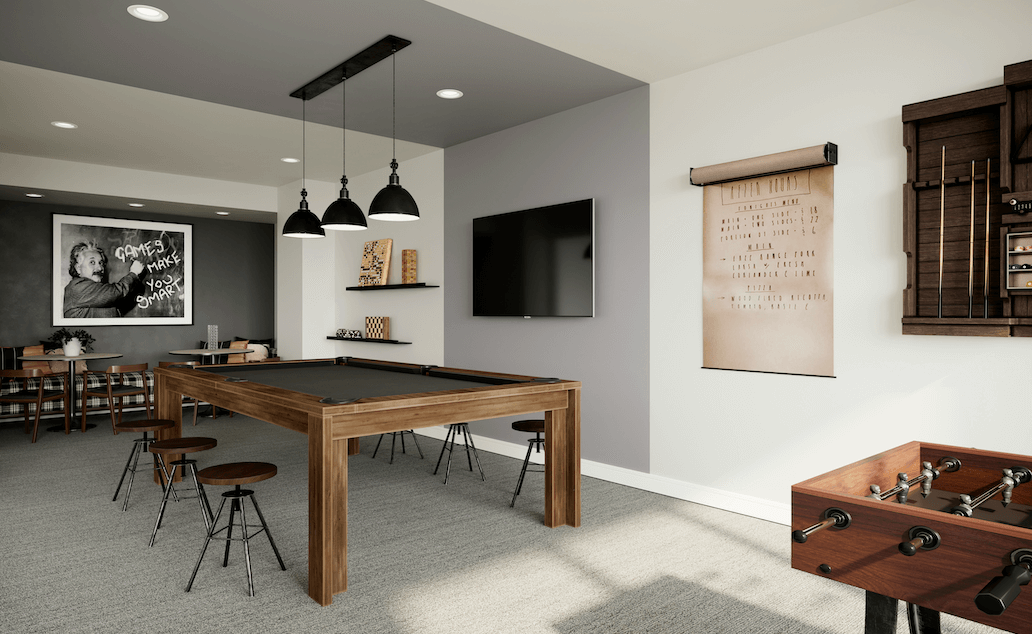
Tired of stepping into your basement man cave and feeling like you walked into a refrigerator? Imagine swapping that icy welcome mat for a surface that feels like a warm handshake the moment you step down. Before: cold concrete, bulky space heaters, and the thermostat fighting with the rest of the house. After: even, underfoot warmth that turns the basement into the go-to room for game nights, movie marathons, or a weekend project bench.
In this post you will learn how electric radiant floor heat can transform a chilly basement into a consistently comfortable, tech-forward man cave. I will walk you through why radiant is often the best fit for below-grade spaces, how to plan (permits and electrical capacity included), what materials and tools you need, a clear installation roadmap, and the real costs and maintenance to expect. I will also highlight integration and automation options so your floor doesn't just heat; it becomes part of a smart, efficient system.
Expect practical, hands-on guidance and gadget-forward recommendations. I will flag common pitfalls to avoid, point out future-proofing moves that save money later, and set you up to decide if DIY or a pro install is the right call. Stick around for detailed sections on why radiant works so well in basements, the permits and planning that keep you legal and safe, the exact kit and tools to buy, an ordered installation sequence, and a straight-shooting breakdown of costs and upkeep.
Why Electric Radiant Floor Heat Is the Best Choice for Your Basement Man Cave
If you want to convert a cold basement into a go-to hangout without bulky radiators or ductwork, electric radiant floor heat deserves serious attention. Radiant floor systems warm the mass under your feet, delivering consistent, pleasant heat that radiates upward. For basements that are often under-insulated or decoupled from the rest of the HVAC, electric radiant provides targeted comfort where you need it. The before-vs-after is immediate: the room feels more inviting and usable for longer stretches of the year.
This matters because basements have unique thermal challenges. Concrete floors draw heat away, ceilings are low, and adding ductwork is expensive and invasive. Electric systems sit below finished flooring and require minimal clearance, so they pair well with tile, engineered hardwood, luxury vinyl plank, and some laminates. They also offer near-instant on/off control compared to hydronic systems, which means faster warm-up and better compatibility with occupancy-based automation.
Beyond comfort, there is a tech angle that man cave builders will love. Electric kits integrate cleanly with smart thermostats, multi-zone controls, and energy management platforms. You can schedule floor preheat before friends arrive, tie floor control to presence sensors, or program lower setpoints during off-hours to save energy. Later sections will dig into matching the right thermostat, zoning strategies, and how to spec system wattage to your electrical service.
Why choose radiant for your basement man cave

Think of radiant floor heat as upgrading the room from "barely tolerable" to "you want to live here." It puts warmth where you feel it first, under your feet. That means no cold drafts, no noisy fans, and heat that does not rise away from the area where you hang out. For a basement, which tends to lose heat to surrounding soil and concrete, that is a game changer.
Even, comfortable warmth that lasts
Radiant heats surfaces and objects, not just the air. The result is even temperatures across the room. No hot spots near vents, no forced-air blast every time the thermostat kicks. For a space where you might be standing at a workbench, lounging on a couch, or walking barefoot, that even underfoot warmth is immediately noticeable. In my builds I get fewer complaints about cold toes and more requests to stay late for the game.
Clean, quiet, and unobtrusive
Basement man caves usually have limited wall space for radiators or baseboard units. Electric radiant hides out of sight under flooring. That frees walls for screens, gear, or shelving. It runs silently and produces no airborne dust or allergens from blower motors. For a media-heavy, workshop, or hobby room, that matters more than you might expect.
Simple zoning and smart controls
Electric systems are easy to zone. You can run the main TV area on one thermostat and the workshop side on another. Modern thermostats with floor sensors keep the surface within safe limits for vinyl or engineered wood. My tip: pick a controller that supports a floor sensor and programmable schedules. Use lower nighttime setpoints and quick warm-ups before big sessions to save energy.
Installation and performance realities
Electric radiant installs fast compared to hydronic systems. Mats or loose wires go on subfloor or thinset, then you finish with tile, vinyl, laminate, or engineered wood (check temperature limits). You will need a dedicated circuit. Depending on the area, that can mean a 20 to 30 amp breaker; confirm with an electrician. Also, insulating under the assembly and sealing perimeter gaps keeps heat in the room instead of letting it bleed into the slab or crawl space.
Quick decision checklist
- Room use: lots of standing or barefoot activity? Radiant is a top pick.
- Floor finish: compatible with tile, vinyl, laminate, etc. Check max surface temperature.
- Electrical capacity: does the panel have room for a dedicated circuit?
- Budget and timeline: electric installs are faster and often cheaper up front than hydronic.
If you want comfort that feels premium, stays out of sight, and zones easily for different man cave activities, electric radiant is often the smartest, most practical choice.
Planning, Codes, and Permits: What to Sort Out Before You Dig In
Planning a basement radiant floor install is a lot more than buying a mat and rolling it out. You need to understand electrical load, local building codes, and the permitting process before you make irreversible changes to the slab or electrical panel. Early planning prevents nasty surprises like tripping the main breaker, failing an inspection, or voiding flooring warranties. Start with a site survey: measure square footage, check subfloor condition, and note nearby mechanicals and plumbing.
Why this matters is simple: safety, compliance, and long-term performance. Electric radiant involves fixed wiring, grounding, and often new circuits. The National Electrical Code requires GFCI protection and proper circuit sizing for heating cables and mats. Local jurisdictions may mandate permits and inspections. If you plan to upgrade a subpanel or add dedicated breakers, factor in electrician time and municipal approval timelines. Good planning also includes moisture mitigation and insulation strategy to keep heat upward and prevent mold issues in a below-grade space.
In the deeper content to come, we will cover how to perform a basic load calculation, when to call an electrician, what to include on permit applications, and how to document your install for future buyers or insurers. I will also share practical checklists and red flags that mean you should stop and consult a pro rather than soldier on.
Permits: why they matter and how to start
Permits are not paperwork obstacles. They keep the installation safe and protect your home's value and insurance. Start by calling or visiting your local building department. Tell them you plan an electric radiant floor system in a basement, provide room square footage, and ask which permits are required (electrical, building, or both). Many jurisdictions treat this as an electrical permit, but rules vary. Expect to drop off a simple one-page plan showing the room layout, heater coverage, thermostat and floor sensor locations, and proposed circuit size.
Practical tip. Bring a hand-drawn floor plan with measurements and a short load calculation. That makes the conversation faster and gives inspectors what they need to pre-approve scope.
Common code items inspectors look for
- Dedicated circuit sized to the heater wattage with proper breaker type. Do the math up front. Example: a 12 x 15 foot room is 180 sq ft. At 12 W/sq ft that is about 2,160 watts. At 120 volts that draws 18 amps, so you need to match manufacturer recommendations and local code (often a 20 amp or 30 amp dedicated circuit).
- Ground-fault protection. Many jurisdictions require GFCI protection for basement and slab-mounted circuits. Confirm with your inspector.
- Proper thermostat with a floor sensor. The sensor needs to be accessible for testing and must be shown on the plan.
- Accessible wiring and junction boxes for inspection. Some inspectors require the mat or cable to be exposed for a rough-in check before final flooring is installed. Bring continuity and insulation resistance test results if you do a continuity test.
- Compliance with flooring manufacturer limits for surface temperature. Document compatibility and maximum allowed floor temperature.
Step-by-step permit workflow
- Prepare a simple plan: room dimensions, heater wattage per zone, circuit size, thermostat and sensor location.
- Visit the building department or upload plan online. Apply for permits and pay fees. Expect turnaround from same day to two weeks.
- Schedule a rough electrical inspection. The inspector may want to see wiring, sensor placement, and continuity testing before you cover the system.
- After passing, finish flooring and schedule the final inspection. Provide test results and photos if required.
DIY versus licensed electrician
Some areas allow homeowners to pull permits and do the work. Other places require a licensed electrician to pull the permit or perform the final hookup. If your panel work is tight or you are unsure about load calculations, hire a pro for the electrical tie-in. It costs more, but it saves headaches at inspection and reduces risk. Small investment, big peace of mind.
Final tip. Keep all receipts, plans, and test reports in one folder. If you sell the house later, that organized documentation makes closing smoother and proves the job was done to code.
Materials, Tools, and Tech: What You Need on the Workbench
Choosing the right materials and tools is where smart planning turns into a smooth install. Electric radiant products commonly come as thin mats, loose cables, or foil-based systems. You will need the heating element itself, an appropriate thermostat (line-voltage or low-voltage with relay), a floor temperature sensor, insulation board or thermal break, thinset or self-leveling underlayment, and compatible flooring. On the tools side expect to use a multimeter, torque-rated screwdrivers, trowels, a notched float, tape measure, utility knife, and possibly a concrete grinder if you need to level the slab.
This matters because each component affects performance and longevity. Insulation beneath the heating element reduces heat loss into the slab and lowers energy use. The thermostat and sensor determine control precision and integration with smart home systems. Choosing wrong, like pairing a high-watt-density mat with a sensitive wood floor or using the wrong thinset, can lead to hotspots, premature flooring failure, or inefficient operation. You should also consider future-proofing items: run conduit for sensor replacement, use a thermostat with API or cloud integration, and label circuits for remote management.
Later I will provide a shopping list matched to common floor types, recommended specs (watts per square foot, sensor placement), and pro tips on which tools are optional versus mission-critical. If you like specs and gadgetry, I will also suggest thermostat models that offer local control, Wi-Fi, schedule profiles, and energy monitoring features.
Materials you will need
Start with the heating kit. Choose between pre-spaced mats or loose cable kits sized to your room. Note the watt density (commonly 10 to 15 W/sq ft) so you can size the dedicated circuit. Other materials: a programmable thermostat with a floor sensor, thermostat floor probe conduit, electrical cable and breaker sized for the heater load, GFCI protection if required, and an accessible junction box or thermostat subpanel. For underlayment and bonding: insulation board or foil-faced insulation to reduce downward heat loss, a vapor barrier if the slab is damp, thinset mortar for tile, a self-leveling compound for uneven slabs, and an uncoupling membrane if you plan tile. For floating floors, use the manufacturer-recommended underlayment rated for radiant heat and verify maximum surface temperature for your flooring.
Practical quantities. Example: a 12 x 15 ft room is 180 sq ft. At 12 W/sq ft that is 2,160 W. At 120 V that draws about 18 amps, so plan for a 20 A dedicated circuit and appropriate wire size. If you plan 240 V, amperage is lower but verify code and manufacturer requirements.
Tools and test gear
You will need basic hand tools: tape measure, chalk line, utility knife, notched trowel (for thinset), margin trowel, bucket, mixing paddle, and a tile float if tiling. For securing mats or cable use fiberglass tape and nylon cable clips. Power tools: circular saw (with dust control), drill and right-sized bits, hammer drill if anchoring insulation boards, and a tile saw if cutting tile. Electrical tools: multimeter, clamp meter, wire strippers, insulated screwdrivers, and a digital insulation resistance tester (megohmmeter) to confirm cable insulation before covering. Safety gear: gloves, eye protection, dust mask, and knee pads.
Installation tips from the field
Always test and record resistance and continuity before and after laying the mat. Calculate expected resistance with R = V^2 / W and compare to the manufacturer tolerance. Run the thermostat sensor in a dedicated conduit and place it between two heating runs, not under the cable. Leave sufficient slack (per instructions) to reach the junction and thermostat. Never cut or cross heating cable. Keep junctions and connections accessible for inspection. Finally, mock-lay the system and snap photos before covering. Those photos and the resistance readings will save you headaches during inspection or future troubleshooting.
Step-by-Step Installation Overview: From Prep to Warm Floors
Installing electric radiant in a basement is a sequence of logical phases: prep, insulation, layout, wiring, sensor placement, securing the heating element, testing, embedding in the floor assembly, and final thermostat hookup. The prep phase includes moisture testing the slab, removing or repairing uneven sections, and planning expansion joints. Layout is where you map cable paths or mat placement to ensure even heat distribution without crossing or overlapping elements. The wiring phase must respect circuit sizing and GFCI protection, and the sensor must be placed away from any direct heating element to accurately measure floor temperature.
The order matters because errors compound. For example, failing to test continuity and insulation resistance of heating cables before embedding can mean tearing up finished flooring later. Likewise, incorrect sensor placement or leaving out expansion gaps can cause thermal damage or unpredictable thermostat behavior. Labeling wires, taking photos for inspection, and testing resistances and heating zone loads before covering the system reduce risk and simplify troubleshooting.
In the detailed steps to follow, I will walk you through each phase with examples, typical resistances to expect, how to size and route wiring, embedding options (thinset over tile backer, pourable underlayment), and how to commission the system. You will also get checklists for pre-cover testing and inspector-ready documentation so your install is both effective and code-compliant.
Prep and layout: set the stage first
- Clear the room and mark the heating zone on the floor. Plan around cabinets, heavy fixtures, and areas where you will anchor shelving or workbenches. Leave a cold perimeter (manufacturer guidance) against walls and built-in furniture.
- Level the slab. Grind high spots and fill low spots with fast-setting patch or a thin self-leveling compound. Let it cure fully (follow product directions, typically 24 to 48 hours).
- Dry-fit the mat or cable. Roll it out without adhesive to confirm coverage and to figure the cable routing to the thermostat location and junction box. Snap photos of the layout for your records and the inspector.
Electrical rough-in and sensor conduit
- Install the conduit for the floor sensor from the thermostat location to the floor area. Run 3/4 inch conduit where possible so future replacement is easy. Terminate conduit with a pull box or knock-out at the wall.
- Pull the electrical cable to the planned junction box. Do not make final connections yet. Label the circuit at the panel so you and the inspector know what it powers.
- If a licensed electrician is required in your jurisdiction, have them pull the permit and perform the panel hookup after you pass the rough inspection.
Laying the mat or cable
- Follow the manufacturer layout exactly. Secure mats with the recommended tape and fasteners. For loose cable systems, use the provided spacing guides and nylon staples or fiberglass tape; avoid staples that penetrate insulation.
- Route the cold lead to the junction box. Do not cross or overlap heating cable. Keep the thermostat sensor between two runs of cable, roughly centered in the heating area. Leave the specified amount of slack in the cold lead for the junction.
- Before covering, test continuity and insulation resistance. Calculate expected resistance with R = V^2 / W (example: a 120 V, 1,440 W mat gives R = 14400 / 1440 = 10 ohms). Record readings and photo-document the meter screen.
Embedding, flooring, and curing
- For tile: embed mats in a bed of thinset. Use the notched trowel size the manufacturer recommends. Press tiles into the thinset without displacing the cable.
- For floating floors or LVP over a thin layer: use the approved self-leveler or underlayment. Do not exceed the flooring manufacturer’s maximum surface temperature.
- Allow adhesives and leveling compounds to cure fully. Typical cure times are 24 to 48 hours. Do not energize the system until cured and after the final resistance test.
Testing and commissioning
- Repeat the insulation resistance and continuity tests after covering. Values should match within the manufacturer tolerance. If resistance changed significantly, stop and troubleshoot.
- Schedule the electrical inspector for final sign-off. Provide the resistance records and photos.
- Program the thermostat and run a controlled warm-up. Check floor temperature in multiple spots and monitor for unusual hot spots or odors for 24 to 48 hours.
Final tip. Keep all paperwork, meter logs, and photos in one folder. If anything goes wrong in the future, that documentation will save time and money.
Costs, Running Expenses, and Maintenance: Budgeting for Comfort
Money talks, and for a man cave you need to know both upfront and ongoing costs. Electric radiant floor systems typically cost more per square foot in materials than baseboard heaters but often less than full hydronic systems when you factor labor and slab work. Expect material-only prices that vary by system type and wattage, plus labor if you hire pros. Electrical work, insulation board, thinset, and flooring compatibility can push costs up. I will break down typical price ranges, what drives higher bills, and when DIY makes sense financially.
Operational costs depend on watt density, insulation, and how you control the system. Smart thermostats with zoning reduce run time by preheating only occupied zones and lowering setpoints when the room is empty. Energy costs also change with local rates and time-of-use pricing. Because electric radiant is responsive, you can save by using schedules and presence-based automation rather than running constant low heat. Maintenance is low compared to forced-air systems, but embedded heating elements are hard to repair, so good initial installation and documentation is essential.
Coming up I will provide sample cost calculations per square foot, run-time scenarios with estimated kWh use, maintenance checklists, warranty considerations, and simple strategies to minimize operating expense. I will also explain how to plan for eventual floor replacement or repairs so you don’t get blindsided by a buried issue down the road.
Upfront costs to budget for
Expect three buckets of upfront expense: materials, electrical work, and floor prep. Materials include the heating mat or loose cable, a thermostat with a floor sensor, insulation board or underlayment, thinset or self-leveler, and the finished flooring. Electrical work covers a dedicated breaker, wire, and possibly a panel or subpanel upgrade and electrician hours for hookup and permit-ready wiring. Floor prep can range from minor leveling (a few hundred dollars) to serious slab remediation if moisture or major unevenness is present. As a ballpark, small basement zones (100 to 200 sq ft) often fall between $800 and $3,000 for DIY-friendly installs. If you need a panel upgrade or professional labor, add $500 to $2,000 more.
Estimating operating costs (with examples)
Do the math before you buy. Multiply wattage per square foot by area to get total watts. Example. A 12 W/sq ft mat in a 150 sq ft room uses 1,800 watts. That is 1.8 kW. If you run it on average 4 hours per day, that is 7.2 kWh daily. At $0.15 per kWh, daily cost is about $1.08 and monthly cost around $32. Use these variables to model other scenarios: longer preheat times, colder climates, or higher rates can double or triple those numbers. Also remember heat loss. Without insulation under the mat you will burn more electricity to reach the same surface temperature.
Maintenance and troubleshooting
Maintenance is light but important. Monthly. Check thermostat schedules and floor probe response. Quarterly during heating season. Press the GFCI test on the breaker or inline device to confirm protection. Annually. Have an electrician or qualified tech measure insulation resistance of the heating cable and confirm continuity. Record those values; they are your baseline for future troubleshooting. If resistance drifts significantly from the original measurement, stop using the circuit and call a pro. Do not attempt to cut or repair embedded cable yourself. Repairs under finished flooring are invasive and expensive.
Watch for signs of trouble. Localized hot spots, odd odors, or a thermostat that cannot control temperature are red flags. Also monitor flooring integrity. Some vinyl and engineered wood have surface temperature limits. Exceeding those will cause cupping or adhesive failure.
Practical cost-saving habits
Zone the man cave. Heat the TV and seating area, not the storage corner. Use a programmable or smart thermostat to preheat for game time instead of running continuously. Insulate below the heater to shave operating costs. Run thermostat sensor conduit to the wall so the probe can be replaced without ripping up the floor. Finally, keep all installation photos, resistance logs, and permit paperwork in a folder. That saves money if you ever sell the house, or need a warranty claim. Small diligence up front pays off every season.
Final Thoughts
Electric radiant floor heat is a practical, tech-forward solution for turning a chilly basement into a true man cave. It delivers even, underfoot warmth without noisy blowers, hides out of sight under tile or LVP, and is easy to zone for the TV area, workshop, or bar. But here's the thing. Planning matters: permits, dedicated circuits (20 to 30 amp depending on wattage), GFCI protection, and proper insulation under the mat will determine whether the system is efficient and code-compliant.
My recommendation is to treat the install like a system build, not a weekend whim. Choose the right watt density for your floor finish, run a 3/4 inch conduit for the floor sensor so future swaps are painless, and pick a thermostat that supports a floor probe plus Wi-Fi or API access for automation. Test and record continuity and insulation resistance before and after covering the mat (use R = V^2 / W to calculate expected resistance), and bring those logs to the inspector. If you are unsure about panel capacity or load calculations, hire an electrician to avoid failed inspections or unsafe wiring.
If you want a clear next move, do these three things: measure the heating area and sketch a simple plan, check your electrical panel for spare capacity and note whether a subpanel might be needed, then call your local building department to confirm permit requirements. Dry-fit your mat or cable layout and snap photos before you attach anything. These small steps save massive headaches later and make the final inspection a breeze.
Here is where it gets interesting for gearheads. Future-proof the room by zoning the mat into the most-used areas, using a smart thermostat that supports schedules and presence sensing, and enabling energy monitoring to tune run times. Small examples matter: a 12 W/sq ft layout for a 150 sq ft room is about 1.8 kW, roughly $1.08 per day at $0.15/kWh if run 4 hours daily, so smart preheat beats constant low-heat. Label circuits, keep all photos and resistance logs in a folder, and set an annual check for insulation resistance so your buried investment stays reliable.
Ready to banish cold toes and level up your man cave? Start by sketching your room, running a conduit for the sensor, and booking a short call with an electrician or your building department this week. If you want, post your room dimensions and photos in the comments or community so we can suggest kit options and a wiring plan. Take action now and make that basement the place everyone wants to hang out.