Best Couches for the Ultimate Man Cave
Last updated August 21, 2026 · By Zach Lane ·How we choose products · Affiliate disclosure

My man cave couch sabotaged the whole setup for years before I did anything about it. I lived with a sofa that looked fine but felt wrong: too shallow, cushions that sagged, no place for my phone. After swapping a few pieces and living with the winners, I learned the difference one couch makes.
This guide is the short version of those mistakes and the fixes. I’ll walk you through what really matters: cushion feel, frame strength, practical extras like storage and charging, and the small layout details that stop a couch from fighting your space. No fluff, just advice you can use the next time you shop for seating that encourages long games, movie marathons, or beers with friends.
You’ll see how form and function come together, from cushion density to hidden conveniences. I’ll call out build quality, comfort features, and the trade-offs you should accept or avoid. Stick around: your best seat in the house is closer than you think.
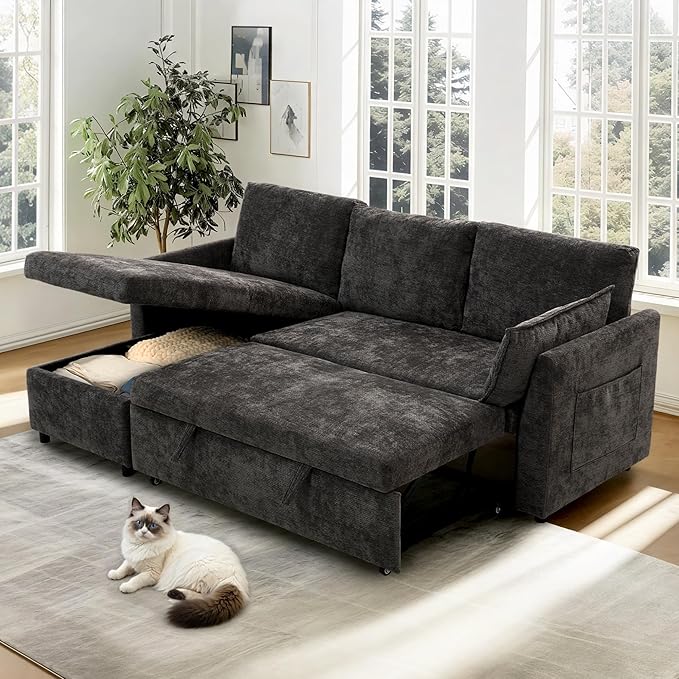
FLEXISPOT XB5 78" Pull Out Couch Bed with Storage Chaise, 2-in-1 Convertible Sofa Bed with USB Charging Ports, 3-Seater Sectional Sofa Couch for Living Room Apartment, Easy to Assemble(Dark Gray)

POLY & BARK Napa 104.5" Right-Facing Sectional Sofa – Cognac Tan Full-Grain Pure-Aniline Italian Leather, Feather-Down Cushions, Solid Wood Frame

FLEXISOPT XS4 Power Recliner Sofa Couch with Massage & Heat, Zero Gravity Electric Reclining Sofa Set with Console, Charging Ports, Cup Holder, Home Theater Seating Loveseat for Living Room, Teal

Barcalounger Kester Power Reclining Sofa w/Power Head Rests, Masen Bluegray

CHITA Modular Sectional Sofa, FSC Certified L Shaped Couch with Reversible Chaise, Modular Sectional Couch for Small Space, 78 Inch Width, 3 Seat Modular Sofa with Storage Ottoman, Moss Green
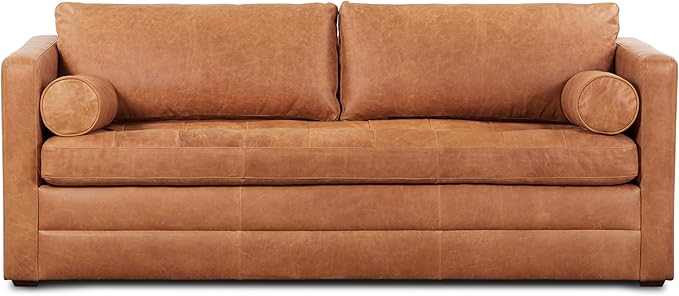
POLY & BARK Napa 82" Leather Pull‑Out Sleeper Sofa – Full‑Grain Italian Leather Upholstery,Tri‑Layer Mattress & Storage Console –Sophisticated Multi‑Functional Sofa Bed for Living Rooms & Guest Spaces

CHITA Oversized Modular Sectional Sofa, FSC Certified L Shaped Sectional Couches for Living Room, 112 inch Width,4 Seat Modular Sofa with Storage Ottoman, Linen

FLEXISPOT SF6 Modular Sectional Sofa with Storage Ottoman, 3-Seater L-Shaped Cloud Sectional Couch, 100.4" Wide Comfy Upholstered Sofa Couch for Living Room Apartment, Chenille White

Signature Design by Ashley Boyington Contemporary Leather Match Power Reclining Sofa with Adjustable Headrest, Cup Holder, USB Charging Ports, Air Massage System and LED Lighting, Black

POLY & BARK Napa 88.5" Leather Sofa – Full-Grain Italian-Tanned Aniline Leather, Feather-Down Comfort, Solid Wood Frame, Walnut Legs, Cognac Tan
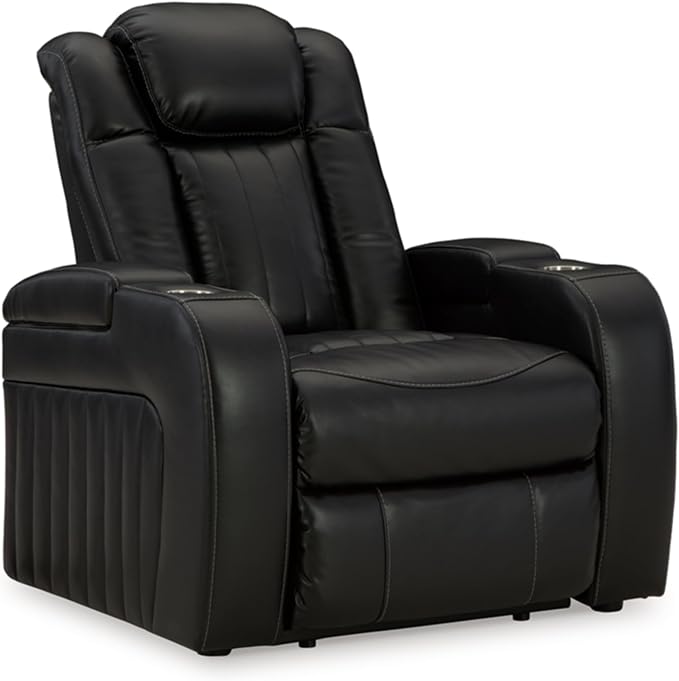
Signature Design by Ashley Caveman Den Modern Faux Leather Wall Hugger Power Recliner with Adjustable Headrest, Storage, Wireless, USB Ports and LED Lights, Black
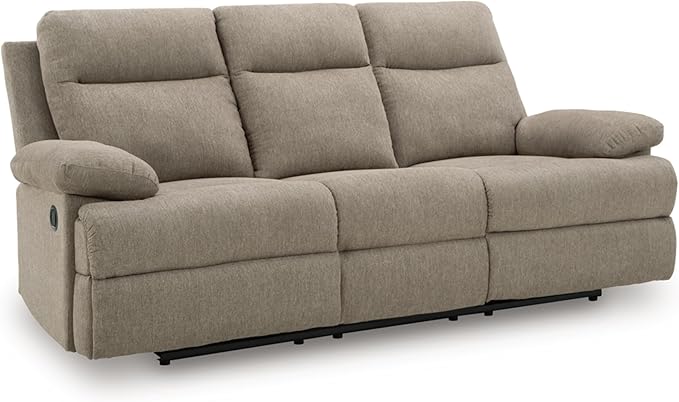
Signature Design by Ashley Yarrow Lane Classic Chenille Manual Pull Tab Reclining Sofa with Drop Down Table and USB Charging, Light Brown
Our Top Pick
The Ashley Yarrow Lane chenille reclining sofa, with its drop-down table and USB charging, is my go-to recommendation for a man cave because it nails what most people actually use: soft chenille that still wears well, quiet pull-tab reclines, a solid drop-down table for drinks and remotes, and a USB port so your phone stays charged without a scavenger hunt for an outlet.
Built for how you actually use a couch: recline, drink, charge, repeat.
Picture this: you come inside after doing yard work, sink into plush cushions, pull the tab and lean back, lower the middle table for a cold drink, and charge your phone without getting up. The light brown neutral keeps things versatile, so the couch anchors whatever style you’re running with, whether that is classic, rustic, or industrial. Reviewers call out the sturdy construction and the layout that keeps essentials within reach. It works like a command center for downtime.
If you want furniture that balances comfort, durability, and convenience, this Ashley chenille recliner is worth a look. It lifts a TV wall, pairs with a bar area, and makes solo downtime feel intentional. It's a straightforward upgrade if your current setup falls short here.
At a Glance
| Product | Best for | Rating | Why |
|---|---|---|---|
| Signature Design by Ashley Yarrow Lane | Traditional man cave | 5.0/5 | Delivers a timeless look with durable fabric cushions. |
| FLEXISPOT SF6 Modular Sectional Sofa with | Customizable layouts | 4.6/5 | Modular pieces allow you to rearrange the seating. |
| POLY & BARK Napa 104.5" Right-Facing | L-shaped corner layouts | 4.5/5 | Right-facing chaise anchors a corner without a second piece. |
| POLY & BARK Napa 82" Leather | Leather luxury | 4.5/5 | Full-grain leather develops a rich patina over time. |
| POLY & BARK Napa 88.5" Leather | Spacious seating | 4.5/5 | Extra length comfortably accommodates taller guests. |
| Barcalounger Kester Power Reclining Sofa w/Power | Power reclining comfort | 4.5/5 | Power recline and USB ports add modern convenience. |
Lounge-Ready Sofas That Make Every Seat the Best Seat in the Room
One couch feels like a hug and another like a trap. That first level of seating decides whether your man cave invites people in or sends them back out to the bar. Look for a balance between cushion softness and support, a frame that won’t creak after a few months, and upholstery that tolerates spills and heavy use. Seat depth, back support, and proper dimensions for your viewing angle matter more than fancy materials. Below I weigh comfort, construction, and practicality so you can pick a sofa you’ll actually want to live on.
Signature Design Yarrow Lane Sofa
This one punches above its weight for a man cave upgrade. The chenille is soft but tough, and the pillow-top arms make long game nights comfortable. You get two pull-tab recliners on the ends with a smooth action, and the middle seat drops down into a solid table with cup holders and a USB charger. That table removes the need for a side table and keeps remotes and phones exactly where you want them.
Construction is sensible. The corner-blocked frame with metal-reinforced seating gives a sturdy backbone, and high-density foam wrapped in poly fiber keeps the cushions from collapsing too soon. The manual pull-tab means fewer electronics to fail, and the fixed middle seat makes the drop-down table feel stable when you set a drink down. Assembly is required and the unit is heavy, so plan for two people to move it and consider delivery into the room if you want one less headache.
Who should buy this. If you want a comfy, functional centerpiece that looks classic and performs under real use, this is for you. Pros: comfortable foam cushions, integrated table and cup holders, USB ports, solid frame. Cons: middle seat does not recline, needs two people to move, fabric will show stains easier than leather. Overall, this sofa upgrades comfort and convenience without overcomplicating your man cave setup.
Sectionals That Turn a Room into a Command Center for Comfort
Sectionals create a dedicated lounging zone with room for snacks, remotes, and people, so everyone can spread out without fighting for floor space. Think about footprint first: check whether the chaise or arm placement blocks traffic, and whether the core materials resist sagging. Also consider whether pieces can be reconfigured as needs change. The sectionals below balance scale, comfort, and practicality so you can build a unified hangout area that actually works.
FLEXISPOT XB5 Sofa Bed
The FLEXISPOT XB5 is a no-nonsense sectional that doubles as a sleeper in seconds. The reversible chaise lets you flip the layout to fit different rooms, and the hidden under-chaise storage is perfect for blankets and controllers. Built-in USB ports and side pockets keep phones and remotes close while you focus on the game. The upholstery breathes, and the tufted back keeps the look clean and modern.
It ships in two boxes and goes together fairly easily. Pros: multifunctional, smart storage, reversible layout, integrated charging. Cons to consider: some buyers reported mixed long-term cushion durability and occasional quality-control issues like trouble attaching armrests. Tall sleepers may find the pullout a bit short. One honest tip: Scotch-guard the fabric if you expect heavy use or spilled beer.
POLY & BARK Napa
If you want a sectional that looks like it belongs in a gentleman’s lounge, the Napa is a strong choice. Full-grain pure-aniline Italian leather in a warm cognac tone develops a nice patina over time, so scuffs can add character instead of looking worn. The L-shaped footprint and deep seating (about 104.5 inches by 67 inches) give plenty of room to stretch out. The feather-down topper over high-density foam creates a firm but comfortable sit. It supports you rather than swallowing you.
Daily life shows the thoughtful construction. Solid kiln-dried wood frames and corner-blocked joinery feel built to last. Cushions are removable and the legs screw on, which helps with getting pieces through tighter doors. Leather cleans up well if you eat on it, and the seat height leaves room for robot vacuums. Expect the cushions to soften a bit with use; they are repairable or re-stuffable, which I prefer to hidden springs that later poke through.
Who should buy this. If you want a durable sectional that reads classic, not flashy, this is for you. Pros: premium leather, solid frame, great look, easy assembly. Cons: firmer seat that softens with time, feather topper can shed. Overall, a smart upgrade for a man cave that wants both style and usable toughness.
Reclining Sofas That Turn Game Time into a Luxury Experience
If you love the idea of reclining comfort for a shared sofa, look for smooth mechanisms, good head and lumbar support, and real conveniences like USB ports or built-in consoles. Moving parts get the most wear, so opt for robust frames and reliable motors (if powered). Below I focus on how each reclining option handles heavy use, long sessions, and which features actually add value.
FLEXISPOT XS4
This sofa brings features you’ll actually use. The center backrest folds down into a console with dual cup holders and both USB and Type-C ports. The power recline hits a zero gravity angle that lifts your legs slightly above heart level, which feels great after marathon sessions. The 28.3 inch high back and reinforced frame make it a good pick for taller guys, and it’s rated for heavy use.
The massage and lumbar heat are the real extras. Eight vibration points cover your back, thighs, and legs with three intensity settings, and the lumbar heat goes deeper for relief. The massage runs quietly so it won’t fight your soundbar. Upholstery wipes clean, and the seat construction uses pocket coils plus high-density foam so it stays supportive instead of collapsing.
If you want theater-style comfort in a man cave, this is a solid centerpiece. Pros: zero gravity comfort, massage and heat, charging ports, roomy high back, sturdy build, handy cup holders. Cons: ships in four boxes and assembly is required. A few users reported slight color mismatches between pieces, so check finishes on delivery if that matters. Overall, it makes gaming, movies, and kicking back noticeably more comfortable.
BarcaLouounger Kester Sofa
If you want something that looks sharp without giving up comfort, the BarcaLounger Kester deserves a look. The Masen Bluegray leather gives mid-century modern vibes while dark teak legs and tucked pillow arms keep the profile clean. Power features are practical: power recline and independent power headrests with USB ports built into the controls. No juggling cords when you settle in.
The seat build is thoughtful. Pocketed coil springs wrapped in foam and Dacron sit under high-res foam, so the seating supports rather than turns into a mushy lagoon. The frame uses hardwood plywood with mortise and tenon joints and corner blocking for durability.
This sofa blends style with function. Pros: premium leather look, power headrests, integrated USB charging, solid frame construction, design that looks intentional in a man cave. Cons: the power recline is smooth but not fast, and the medium firmness might not satisfy those who want ultra-plush sinking naps unless fully reclined. If you want a durable, stylish reclining sofa that keeps devices charged and looks intentional, this fits the bill.
Leather Couches That Age Like Fine Gear, Not Fast Furniture
Leather shows up in man caves for a reason. The right hide looks better with use, wipes clean, and lasts. But not all leather is equal. Look for full-grain or top-grain, solid frames, and cushions that won’t bottom out. Pay attention to finish and color so the couch hides wear. The grades matter more on a sofa than on a chair, because there is simply more surface to fail. Full-grain is the whole hide and the longest-lived option. Top-grain is the same hide sanded smooth and is what most quality sofas in this range use. Split-grain and bonded leather sit below those, and bonded is the one to avoid outright: it is leather fibre glued to a polyurethane film, and it usually starts peeling within two to five years.
Most leather sofas at mainstream prices are leather match: real hide on the seat, back, and arm tops, and a colour-matched vinyl on the outside back, sides, and base. It is a reasonable way to keep the price sane, but the vinyl panels crack on a shorter timeline than the hide, so check whether a listing names two materials rather than one.
For a basement, weigh the practical side. Leather wipes clean and shrugs off spilled beer in a way fabric does not, but it is cold to sit on in an unheated room and needs regular conditioning. If the room runs cold or there are pets, a performance fabric will outlast a mid-grade hide and cost less.
Fabric Couches That Balance Softness with Everyday Resilience
Fabric can be both cozy and tough these days. Check rub counts for durability, whether covers unzip for cleaning, and how cushion fill holds shape over time. The fabric options below focus on cleanability, comfort, and whether they maintain form under heavy lounging.
CHITA Modular Sectional Sofa
If your man cave needs to be inviting and hard-working, this CHITA modular sectional does the heavy lifting. Seats are big at 34 inches, and CertiPur-US certified, high-resilience foam gives a balanced medium-firm sit that works for long movies or competitive gaming. The reversible, zip-off back cushions and microfiber upholstery make cleanup easy. The gas-lift storage ottoman swallows blankets, controllers, and game boxes. The modular L-shape design lets you reconfigure pieces as your space evolves. Solid engineered wood frames, sinuous springs, and a 350 lb seat capacity mean it’s built for regular use. The moss green color adds a grown-up vibe.
Assembly is straightforward and mostly tool-free, though expect four boxes and staggered delivery in some cases. Seats are firmer out of the box, so if you love sinking into plush couches plan for throws or a cushion topper. Pros: roomy seats, durable fabric, storage ottoman, modular flexibility, looks more expensive than it is. Cons: firmer seating, not very deep for very tall users, possible staggered delivery. If you want a versatile, sturdy centerpiece that doubles as a hosting hub, this one is a smart pick.
Sleeper Sofas That Pull Double Duty Without Compromises
A good sleeper sofa handles both daytime lounging and overnight guests without embarrassing you. Pay attention to mattress type and thickness, ease of conversion, and whether the frame supports daytime comfort as well as sleeping. Watch for storage conflicts with chaises or consoles. The sleeper sofas below give you solid daytime seating and usable beds at night.
POLY & BARK Napa Sofa
This Napa 82 inch leather sleeper gives mid-century lines and long-lasting materials. The exterior is full-grain pure-aniline Italian leather that develops a warm patina. Inside is a corner-blocked, kiln-dried wood frame with webbing and solid wood legs, so it feels substantial. It converts to a full pull-out bed with a tri-layer mattress that includes memory foam and a dense base. The 15 inch seat height makes it a relaxed three-seater.
Day use and overnight guests are both handled well. Seat cushions use high-density foam wrapped in fiber and topped with feather-down for a plush surface, while the mattress provides firmer sleeping support. Two bolster pillows add style and extra back support. Assembly is minimal, though the heavy 220 pound unit will usually need two people to move.
Who this is for. If you want a statement piece that doubles as a guest bed, this fits. It pairs well with wood and metal decor. Practical note: some owners find the cushions firmer than expected, and leather can mark with rough use. Cushions are non-reversible, so plan periodic rotation or re-stuffing down the line.
Pros: premium leather, solid construction, usable sleeper mattress, easy assembly. Cons: heavy, firmer seating, leather shows wear if abused. If you want a handsome centerpiece that handles guests without compromise, this is a strong option.
Modular Sofas That Let Your Space Grow With You
Modular sofas are the easiest way to future-proof seating. Pieces that click together mean you can add, remove, or reshuffle as needs change. When choosing one, check connector quality, cushion consistency across modules, and whether individual sections fit through doors and staircases. The modular picks below focus on how well they click together in real life and which ones give the most long-term flexibility.
CHITA Modular Sectional Sofa
This modular sectional is built for flexible comfort and real use. Large 34 inch seats let you and a couple buddies stretch without crowding. The frame is kiln-dried engineered and hardwood, supported by high-gauge sinuous springs and CertiPur-US certified, fiber-wrapped foam in the seats. Pieces click together and can be rearranged into L, U, loveseat, or standalone armless chairs. The storage ottoman uses a smooth gas-lift and hides blankets and chargers so the cave stays tidy. Expect medium-firm seating with removable, reversible back cushions. Note: cushions zip off for cleaning, and most non-removable areas need spot cleaning with a solvent-based cleaner only.
If you want durability, flexibility, and a look that punches above its price, this hits the mark. Pros: oversized seats, sturdy construction, interchangeable modules, handy storage, looks more expensive than it is. Cons: seat depth and height are a bit shallow for very tall users, seating is firmer at first, and shipments arrive in multiple boxes. Little tip: swap in taller legs if you prefer a loftier seat height. Ready to reconfigure your space and settle in.
FLEXISPOT SF6 Sectional Sofa
If your man cave needs to work as hard as you do, the SF6 is worth a look. It blends soft chenille upholstery with double-layer high-density foam that invites long sessions. The standout is the 3-in-1 ottoman. Flip it for a tray top, stash blankets and controllers inside, or use it as extra seating. The sofa snaps together without tools and ships in three manageable boxes, so you can get it upstairs and set up quickly. Specs matter here: it measures about 100.4 inches wide, has a 20 inch seat depth and an 18.9 inch seat height, and supports roughly 300 pounds per seat.
For a man cave this sofa balances style and function. Pros: flexible modular layouts, removable machine-washable covers, solid wood frame, hidden storage, easy assembly. Cons: the white chenille shows spills more easily, cushions arrive compressed and need 24 to 48 hours to fully fluff, and a few customers noted minor zipper issues. If you want a comfortable, adaptable centerpiece under a wall-mounted TV with a mini-fridge nearby, this one performs well.
Big Couches That Give Your Man Cave a Stadium-Style Feel
Big couches seat half the neighborhood and make a room feel like a private theater. Look for strong internal frames, cushion support that resists mid-season sag, and a scale that fits the room without blocking traffic. Delivery and assembly can be a chore, so plan ahead. Below are large couches that give epic scale without regret.
Signature Design Boyington Sofa
This Boyington power reclining sofa brings serious man cave utility. It mixes genuine leather on high-contact areas with matched faux leather elsewhere, and the corner-blocked frame plus metal-reinforced seat provides a solid base. One-touch power recline and adjustable headrests make it easy to lock into your favorite viewing position. The details are where it shines: heated seats, an air massage system, LED reading lights, dual USB ports, cup holders, and a drop-down center table with storage. Assembly is light; snap the backs on and plug in the power cord. You will want two people to move the heavy base into place.
For home theater nights and long game days this sofa blends comfort with function. Pros: feature-packed (heat, massage, USB charging), handsome diamond stitching, and easy snap-together assembly. Cons: the unit is very heavy and some buyers reported isolated stitching or motor hiccups, so consider protection or an extended plan if that worries you. One small detail I like: the center console acts like a mini command center for remotes and cold ones. If you want luxury features without a showroom markup, this is a strong candidate.
POLY & BARK Napa Sofa
This Napa sofa brings high-end leather to a man cave without fuss. The full-grain Italian-tanned aniline leather softens into a rich patina, and the feather-down topper over high-density foam gives a firm but forgiving seat for long sessions. Built on a kiln-dried solid wood frame with reinforced corner-blocked joinery and walnut-finish legs, it feels solid. The 88.5 inch length gives plenty of room to sprawl.
Expect the sofa to arrive firm and soften with use. The back pillows are not leather-backed so they may not flip for even wear, and the whole unit is heavy once in place. Practical tip: keep a leather balm handy during break-in and expect a stray feather or two. If you have pets that jump on everything, consider a washable cover or protection plan.
Pros: genuine Italian leather, solid hardwood frame, feather-down comfort layer, timeless cognac tone. Cons: arrives firm, back pillows not leather-backed, heavy to move. This one's worth the swap if your current setup is falling short.
Man Cave Seating That Pulls the Whole Setup Together
Seating should feel intentional, not like an afterthought. Look beyond fabric and color and consider armrest storage, cup holders, integrated charging, and surfaces that handle spills. Comfort is king, but convenience features and solid build are what keep a couch useful year after year. The pick below crams more of that into a small footprint than anything else on this list.
Ashley Caveman Den Recliner
If you want a compact power recliner that pulls theater function into a small footprint, this one is worth a look. One-touch power controls and an adjustable headrest help you hit a gaming or movie position without fuss. The wall hugger design means you can place it close to the media wall (about 5 inches clearance recommended) and still recline fully. Built-in cup holders, flip-top arm storage, and a zero-draw USB keep remotes and phones handy. Ambient blue LED lighting is a nice late-night touch.
The faux leather cleans up easily and the frame is solid. Assembly is minimal; the back slides on and you plug in the cord. It fits through a standard 32 inch doorway, which makes basement placement less aggravating.
Tradeoffs exist. The seat runs firm, which is great for alert gaming but less ideal for naps. Taller users may find the footrest short and some owners report the seat softens after a year. The unit is heavy, so plan help when positioning it.
For a personal theater station that balances function and tech, this is a solid pick. If you value built-in storage and charging, give it a look.
Sectional Dimensions and Getting It Into the Room
The number that kills more sofa purchases than any spec-sheet feature is the overall length. Measure the wall you plan to put it against, then subtract the walkway you need to keep clear: 36 inches for a main path through the room, and around 30 where people only edge past one end. What is left is the actual length budget for the sofa, not the wall length itself.
Chaise depth is the second number that gets skipped. A sectional's chaise is described as left-arm-facing or right-arm-facing, read from sitting on the piece and looking out into the room: a left-arm-facing chaise has the chaise on your left. Get this backwards and the piece points the wrong way for your screen wall or your traffic path. Chaise depth usually runs deeper than the rest of the seat run, so check that dimension separately. It is the one most likely to hit a wall, a doorway swing, or a vent you had not accounted for.
Then there is getting it into the room at all. A standard US interior door is 32 inches wide, 30 in older houses. That is the number to check against the shipping carton, though, not the finished, assembled piece. Manufacturers list assembled dimensions prominently and bury or omit carton dimensions, and it is the carton that has to clear the doorway, the hallway turn, and the stairs. If you are going down to a basement, the doorway is usually not the hard part; a stairway with a turn at the bottom is. A straight run of stairs is forgiving. A landing with a turn eats clearance a tape measure on the door will never show you.
Modular sectionals sidestep most of this. Because each seat, corner, and chaise piece ships as its own box, a modular sectional that would never fit assembled can go in one carton at a time, each sized to clear a normal door. If your stairwell or doorway is tight, that is the category to look at before you fall for a one-piece sofa that will not make the turn.
Cushion Fill: Foam, Coils, and Down-Wrapped Tops
This guide refers to high-density foam, pocketed coils, and feather-down toppers throughout without saying what any of them mean for how a cushion feels or holds up. Here is the breakdown.
Break-in is real and not a defect. A cushion that feels stiff out of the box softens as it settles under regular use, and some arrive compressed from shipping and need a day or two just to fully loft. Give a new sofa time before deciding the firmness is wrong.
High-density foam holds its shape. It is firmer to sit on, especially in the first weeks, and softens slightly as it breaks in, but it keeps its shape for years rather than months. As a rough guide, foam under about 1.5 lb per cubic foot breaks down quickly, around 1.8 is the residential sweet spot, and 2.5 and above is high-resilience foam that can last ten years or more of daily use.
Low-density foam is the opposite, and it is the single biggest reason a cheap sofa feels wrong within a year. It starts soft, which can feel great in a showroom, but it compresses under repeated sitting and does not spring back. The seat develops a dish where you sit, the edges stay higher than the middle, and the cushion never returns to flat. Once a low-density cushion dishes, no amount of plumping fixes it. The foam has to be replaced.
Pocketed coil cores wrapped in foam are the most supportive option and also the heaviest. Individual coils flex independently under your weight, so the seat responds to where you are actually sitting rather than sagging as one flat pad. That construction adds real weight to the piece, which matters when you are the one carrying it through a doorway.
Down or fibre-wrapped toppers sit on a foam or coil core and give the softest initial feel of the three. They also need the most upkeep: the fill redistributes as you sit, so the cushion needs regular plumping to look right, and over time it flattens visibly however often you fluff it.
None of this shows up cleanly on a listing. Fill type is almost always stated somewhere in the description. Foam density almost never is. The closest proxy is how the seller describes the feel and what longer-term owners say about whether the cushions are holding their shape.
What the Frame Is Made Of, and How Long That Buys You
Nearly every product above mentions its frame. Kiln-dried hardwood, corner-blocked joinery, metal-reinforced seating. None of it means much until you know what the cheaper version looks like and what each one costs you in years.
Kiln-dried means the lumber was heat-dried to pull the moisture out of it before anything was cut. Wood that still holds moisture keeps shrinking after the sofa is built, and a frame that shrinks works its own joints loose. That is where the creak comes from on a couch that was silent for its first year and is not silent now.
Corner-blocked describes the joinery rather than the wood. At each corner where two rails meet, a triangular block is glued and screwed across the join instead of the rails being stapled into each other end on. Under a grown adult dropping into the seat, that block is what carries the load into the frame instead of into four staples.
The material underneath those two terms is where the real spread is. Hardwood frames last 15 to 25 years. Engineered plywood lasts 8 to 12, which is respectable and covers most of what sits in the middle of the market. Particleboard lasts 5 to 8, and that number describes the sofa, not the cushions: when a particleboard rail lets go there is nothing to repair, because the screw has chewed its way out of what amounts to compressed sawdust.
Read that against the price before you congratulate yourself on a bargain. Two sofas that look identical in photographs can be twenty years apart in service life, and the sectional sofa entry in our glossary carries the same bands for modular pieces.
Like foam density, frame material is usually missing from the listing. When it is stated at all it appears in the materials line rather than the marketing copy, so read that line first. When it is absent from a sofa in the budget tier, absence is its own answer.
Recline in a Multi-Seat Sofa: What Changes
A single recliner only has one thing to coordinate: itself. A multi-seat reclining sofa has to coordinate several, and that changes what you are shopping for.
The first question is whether recline is independent or linked. On an independent model, each seat has its own motor and footrest, and one person can recline while the people next to them sit upright. On a linked model, reclining one end can pull or crowd the seat beside it. Check this per model. It is not consistent across a brand or a price point.
Console models put a fixed, non-reclining seat in the middle, usually built around a drop-down table, cup holders, or storage. That centre console is also where the wiring for the two end seats typically runs, tucked behind or under it rather than through the frame of a seat that moves.
Running two or three motors off one chassis means a heavier draw on whatever outlet the sofa is plugged into, and more that can go wrong over time. The upside is that repairs are usually local: a failed mechanism on one seat is a component swap rather than a reason to replace the whole sofa, which is what a failure means on a single powered chair.
Middle seats that do not recline are the norm rather than the exception on a three-seat power sofa. Factor that into who sits where.
Clearance is the other thing that scales up. Where a single recliner needs its stated clearance behind one chair, a reclining sofa needs it behind every seat that reclines, which in practice means the whole back wall, not just the space behind one cushion.
"Leather Match" and What the Listing Is Not Telling You
Leather match is a specific construction, not a marketing phrase to be suspicious of on its own. It means genuine leather covers the seat, back, and arm tops (everywhere skin actually touches) while a matched vinyl or bonded material covers the outside back, the sides, and the base: the parts you look at but never sit on.
Manufacturers do this because hide is expensive and irregular, and covering an entire sofa in it multiplies the cost for panels nobody touches. Matching the colour and grain on the outer panels keeps the look consistent while only paying full leather price where it matters for feel. That is a legitimate cost decision rather than automatically a corner cut. The question is whether you are being told about it.
You can usually spot it on a listing without a spec sheet spelling it out. Watch for phrases like "leather match" or "leather where it counts", or a materials line that names two different coverings instead of one. If a listing simply says "leather" with no second material named, and the price sits well below what full leather normally runs, that is worth a second look.
It matters for wear because the two materials do not age the same way. The leather panels can develop a genuine patina and stay supple for years. The matched vinyl or bonded panels wear on a shorter clock: vinyl cracks along seams with use, and bonded material peels away from its backing. That means it is entirely possible to end up with a sofa whose seat still looks great years in while the sides and back have visibly failed.
How Much Floor Space a Sofa Actually Takes
The sofa's listed dimensions are only the footprint. What decides whether it fits your room is the footprint plus the space you need to move around it and use it.
Start with walkways. A main path through the room (the route from the door to the bar or the hallway) wants 36 inches of clear width, with 42 being comfortable and 30 an absolute squeeze. A secondary walkway, like edging past the end of the sofa to reach a shelf, can work at around 30. Measure these as clear floor space, not what is left over after the furniture is placed on paper.
Leave 14 to 18 inches between the front of the sofa and a coffee table. Closer and you are kicking the table when you stand up; further and you are leaning to reach a drink.
Screen size and sofa position have to be decided together rather than separately. The rule of thumb for a 4K screen is to sit 1.2 to 1.6 times the screen diagonal away: for a 65 inch screen, that puts the front row roughly 6.5 to 8.5 feet back. Pick one without the other and you can end up with a sofa that is technically in the room but wrong for the screen, either crowding it or stranded too far back to fill your field of view.
Two more additions to the listed footprint. A chaise adds depth beyond the sofa's stated dimensions on whichever side it sits. And a reclining sofa needs room in front for the footrest, not just behind for the seat back: a chair around 36 inches deep upright can reach roughly 66 inches deep fully reclined, and a reclining sofa needs that same depth in front of every seat that reclines.
Final Thoughts: Pick Your Throne
We covered a lot because seating has to do more than look good. Comfort, durability, and convenience matter every time you sit. The Ashley Yarrow Lane shows how small, sensible features like USB ports and a drop-down table change how a room functions. Sectionals and modular pieces such as the FLEXISPOT XB5 and CHITA keep a cave tidy with hidden storage and layout flexibility. For leather that improves with age, the POLY & BARK Napa keeps earning nods for materials and build. If you want cinema-level comfort, the FLEXISPOT XS4 and Boyington recliner show how power recline, heat, and massage make long sessions better.
Here’s how to decide in three simple steps.
- Measure your room and viewing distance, and measure doorways and staircases too.
- List how you use the space most often: solo lounging, hosting, overnight guests, or a mix.
- Prioritize features from that list. If spills are likely, lean toward leather or a washable fabric. If you want to charge without getting up, look for USB and built-in power. If you host often, a sectional or a sleeper with storage earns its place.
Real life includes trade-offs. Big, feature-rich sofas are heavy and may require two people or a delivery service to bring them inside. Cushions often arrive firm and need time to break in. Motors and power components are fantastic until something goes wrong, so read warranties and recent owner feedback. Practical fixes are simple: Scotch-guard fabric, keep leather balm on hand, leave clearance for recline, and add throws to tune comfort fast. Little maintenance goes a long way toward a centerpiece that looks intentional instead of neglected.
Start by shortlisting two or three models from the categories that match your priorities. Confirm return and warranty details, measure doorways, and schedule delivery so placing the couch is the final step. If you can, sit in a similar model before committing or at least compare cushion construction and frame specs. That small due diligence saves a lot of buyer remorse.
At the end of the day your man cave should invite you to stay. Whether you pick the sturdy, practical Ashley Yarrow Lane, the flexible CHITA modular sectional, the sleeper convenience of the FLEXISPOT XB5, or the old-school leather charm of the POLY & BARK Napa, choose a piece that matches how you live. Go measure, decide, and claim the best seat in your house. Your future self on game night will thank you.