Best Indoor Hammocks for Your Man Cave
Last updated August 21, 2026 · By Zach Lane ·How we choose products · Affiliate disclosure

Believe it or not, a hammock can flip the vibe of a man cave overnight. I hung one in a cramped corner of my garage once and everything changed: lazy Sunday naps suddenly had a throne, friends kept migrating to that spot with beers in hand, and brainstorming felt less like work and more like a good conversation.
I want to help you pick a hammock that actually gets used, not one that sits folded in a closet. Below I walk through what matters most for indoor hammocks: feel, footprint, installation, and how they hold up over time. I’ll point out the tradeoffs too. Some setups give you cloudlike comfort but need space and a proper anchor. Others are compact and portable but don’t deliver the full laid-back experience. Read on and you’ll find the setup that fits how you live and how you hang out.
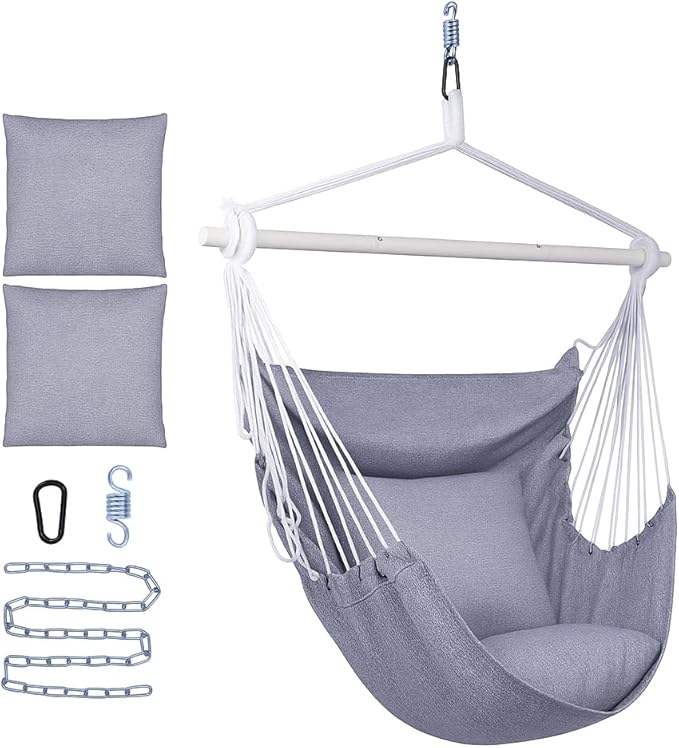
Backyard Expressions Hanging Hammock Chair Swing with Cushions & Hanging Kit – 500 lb Capacity, Cotton Blend Fabric, for Indoor/Outdoor Use – Includes Chain, Hooks & Spring – 5 Colors (Charcoal)

PNAEUT Mayan Hammock, Handwoven XL Thick Soft Rope Hammocks for Outdoor Indoor, Max 600 lbs Capacity, Tree Straps & Carabiners Included (Nature)
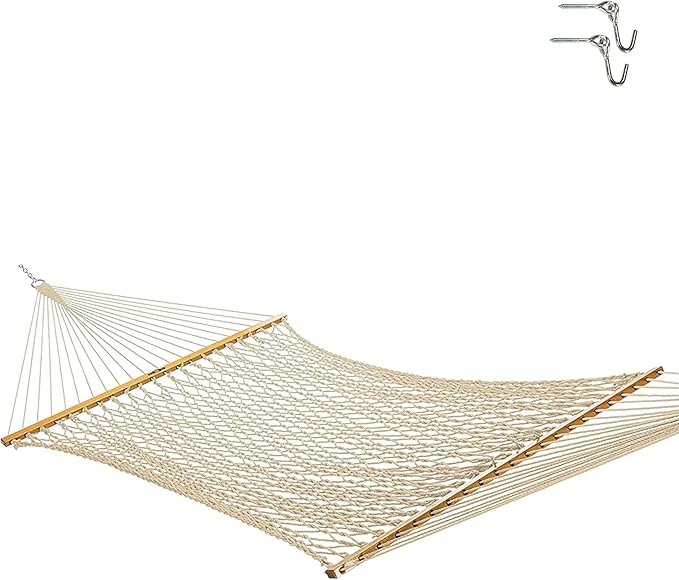
Original Pawleys Island Large Oatmeal DuraCord Rope Hammock – 13 ft. x 55 in., 2-Person, 450 lb Capacity, Oak Spreader Bar, Zinc-Plated Hardware, Handcrafted in The USA
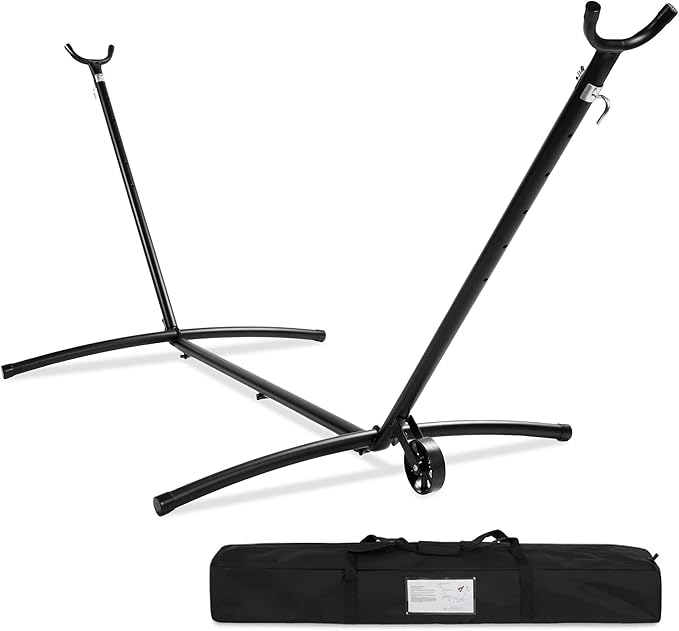
Best Choice Products Portable Heavy-Duty 9ft Steel Hammock Stand w/Built-in Wheel, Carrying Case, Weather-Resistant Finish, 450lb Capacity
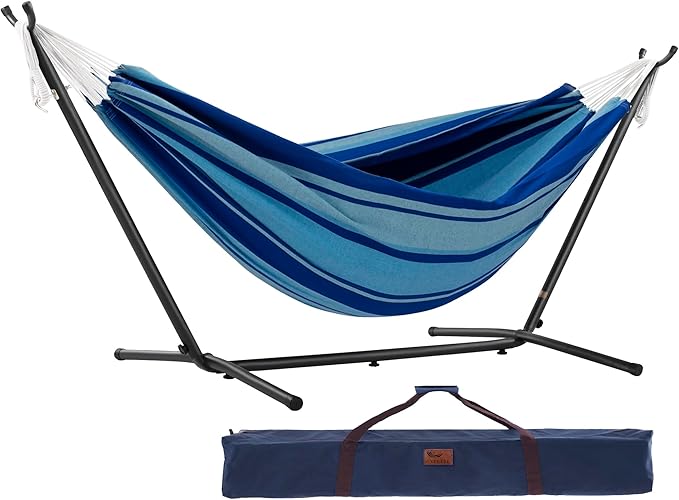
Vivere Double Cotton Hammock with Space Saving Steel Stand, Upgraded Polyester End Strings 450 lb Capacity - Premium Carry Bag Included - (Island Breeze)

ENO Eagle's Nest Outfitters - Parkway Adjustable Hammock Stand - Charcoal

Amazon Basics Double 2 Person Heavy Duty Hammock with Space Saving Steel Stand and Carrying Case, 470lb Capacity, Multi Color, 118 x 46 x 39 inches
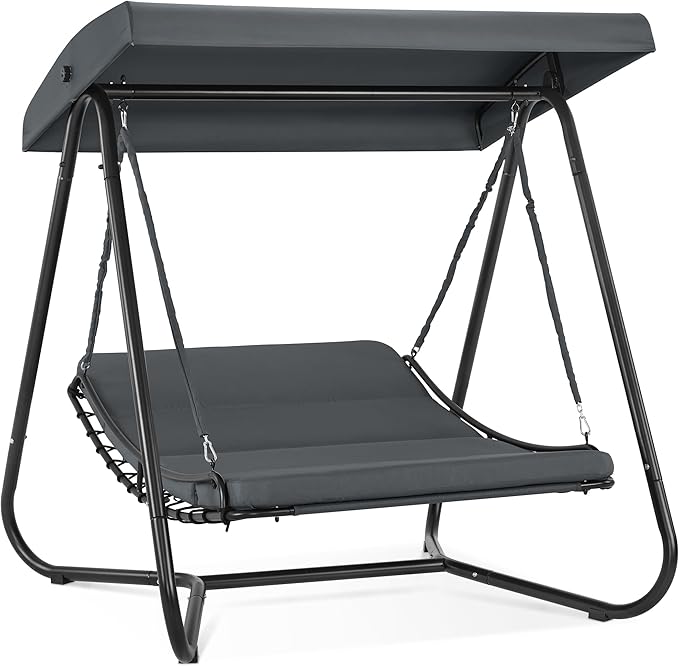
Macrout 2-Seat Hammock Swing Chair with Recliner, Outdoor Lounge Chair with Adjustable Canopy, Beach Chairs for Adults with Thickened Cushions for Backyard, Garden, SW466
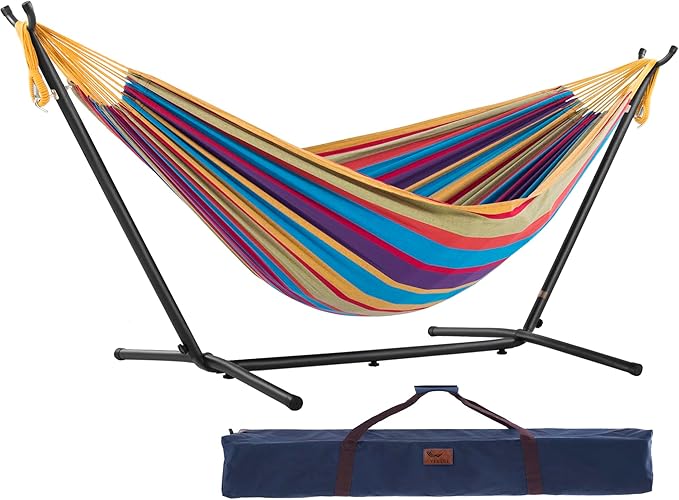
Vivere Double Cotton Hammock with Space Saving Steel Stand, Upgraded Polyester End Strings 450 lb Capacity - Premium Carry Bag Included - (Tropical)
Our Top Pick
The Vivere double cotton hammock with its space-saving steel stand is the one I would put in most rooms, and the reason is the stand rather than the hammock. Indoors, the hard part was never the hammock. It is finding two points strong enough to hang it from, and in a finished basement with a drywall ceiling and no accessible joist there usually are none. A hammock that arrives with its own frame skips that problem entirely.
The cotton weave is the comfortable one for indoor use: soft against skin, breathable, and it drapes around you instead of holding a rigid shape the way parachute nylon does. It carries 450 lb, which is genuinely two adults rather than the optimistic kind of two, and the upgraded polyester end strings matter because strings are what usually fail first on a cotton hammock.
Two honest caveats. The steel stand still wants a real footprint, so measure the floor before you order rather than the wall. And cotton suffers most if it stays damp, so this is an indoor piece that should stay indoors, which on this page is the whole point. If you want the same hammock in a different colourway, the Island Breeze version reviewed further down is the identical build.
The stand is the feature. Everything else on this page assumes you already have somewhere to hang a hammock from.
At a Glance
| Product | Best for | Rating | Why |
|---|---|---|---|
| Macrout 2-Seat Hammock Swing Chair with | couples or two kids | 5.0/5 | Spacious two-seat swing with durable fabric. |
| ENO Eagle's Nest Outfitters - Parkway | adjustable hanging length | 4.8/5 | Compact and easy to set up anywhere. |
| Vivere Double Cotton Hammock with Space | two-person indoor lounging | 4.7/5 | Extra-large cotton hammock with spreader bars. |
| Backyard Expressions Hanging Hammock Chair Swing | tight corners | 4.7/5 | Hangs from one point and needs no floor frame at all. |
| PNAEUT Mayan Hammock, Handwoven XL Thick | the highest load rating here | 4.6/5 | Handwoven rope bed rated to 600 lb, the most on this page. |
| Original Pawleys Island Large Oatmeal DuraCord | a permanent indoor centrepiece | 4.6/5 | DuraCord rope resists damp better than cotton in a basement. |
Hang Out Right: Indoor Hammocks That Make Your Space a Retreat
I keep saying this to friends: a hammock can make a small room feel bigger simply by introducing a relaxed, horizontal zone. Full-length indoor hammocks add drama without shouting for attention. Before you buy, think about actual footprint and how you’ll use it: full recline or more of a lounger. Look for clear weight ratings, solid attachment points, and breathable fabric that won’t trap heat during a long session. Also decide installation first: are you anchoring to beams, using a freestanding frame, or do you need a temporary setup? The picks below balance comfort, durability, and installation needs so the hammock actually becomes a daily go-to.
Vivere Double Cotton Hammock
If you want a dedicated chill spot in your man cave, this Vivere double cotton hammock combo is a practical upgrade. The 100% USA-sourced cotton bed (about 63" x 94") wraps you up for naps, reading, or game-day lounging, and the included 9-foot steel stand holds up to 450 lbs so you don't need trees or extra hardware. Tool-free assembly means you can set it up between garage work and a cold one. Comes with a carry bag, plastic end caps to protect floors, and multiple fabric and color choices so it fits whatever vibe you’re building.
What makes this stand out for a mancave is the total package approach. You get a roomy double hammock and a sturdy, space-saving stand that’s stable enough for two adults or one guy who likes to sprawl out. The fabric feels substantial and breathable, and many owners report it holds up under heavy use. Practical notes: the frame is heavier than a camping setup (it’s built to last), some parts fit tight during assembly, and getting out can be a bit of a wrestling match if you’re not used to cocoon-style hammocks. Zipper tabs on the bag and occasional imperfect holes have been mentioned, but none seem widespread.
Best for guys building a relaxed hangout zone who value comfort and durability over ultra-compact portability. Pros: comfortable, solid build, easy setup, versatile placement. Cons: heavier frame, initial stiffness, getting out can be tricky for some, minor quality quirks reported. If you want a centerpiece that invites naps, guests, and low-effort lounging, this is worth a look.
Take a Seat: Hammock Chairs That Up Your Chill Factor
Here’s a simple truth: hammock chairs give you the hammock vibe without dedicating a whole wall. They’re perfect when floor space is tight but you still want personality and a real place to sit. When choosing one, watch the seat shape and padding, the hardware that comes with it, and how the chair spreads your weight. Some are made for long lazy sits, others for quick swings. Think about whether you want a cocooning seat or something more open for airflow. Below are the chairs that actually feel good and stand up to regular use.
Backyard Expressions Hammock Chair
If you want a dedicated chill spot for your man cave, this Backyard Expressions hammock chair is an easy upgrade that actually delivers. The cotton-blend fabric feels soft but substantial, the extra-wide seat and two plush pillows make it a legit place to read, nap, or watch the game. The included steel chain, carabiner, spring hook and anti-slip bar give you a secure setup right away, and the advertised 500 lb capacity means it holds up to bigger guys without worry. It also looks good: the charcoal (and other color options) fits nicely into darker, low-key man cave palettes.
Practical to own. The stainless-steel chain makes height adjustment simple so you can tune the swing to sit level with your recliner or low coffee table. Assembly is straightforward. A couple of real-world notes: the kit is complete for hanging to an existing loop or tree, but many indoor ceilings need a proper eye-bolt or mount (not always included), so plan to add a ceiling anchor if you’re hanging it permanently in a basement or rafters. Pillows are comfy but not weatherproof, and some buyers mentioned the ropes could wear faster outdoors, so bring it inside during storms.
Bottom line. For anyone building a man cave nook, a spot to decompress between projects or during halftime, this chair is a high-value comfort upgrade. Pros: sturdy capacity, included hanging hardware, adjustable height, great comfort and compact storage. Cons: may require a ceiling anchor for indoor mounting, cushions need protection from the elements. If you want a cozy, space-saving swing that adds character and a real lounging spot to your cave, this is worth a look.
Sculptural Seats: Hanging Chairs That Double as Decor
Hanging sculptural seats look like art and work like a real chair, the kind of piece that makes a corner feel curated while still being a place you want to park for an hour. Pick based on mounting type, how much sway you like, and whether the cushions are made for indoor softness or outdoor durability. Some are airy and light, others are solid and demand their own zone.
Mounting is the decision that comes first, and for a hanging chair it is the same decision as for a hammock: a ceiling fixing has to reach a structural joist or beam, with hardware rated for the load, following the manufacturer’s instructions to the letter. Drywall will not do it. In a finished basement with no accessible joist, a floor stand is the realistic answer, and most sculptural hanging chairs are sold with one for exactly that reason.
Footprint is the second. A hanging chair on a stand needs clearance for the swing on every side, well beyond the width of the seat, and the cantilever arm on an egg-chair stand pushes the base out past the seat itself. Measure the stand, not the chair.
On materials, a wicker or rattan shell is structural rather than upholstered. It cleans with a wipe, but it creaks as it swings, and the comfort lives entirely in the cushion. Check whether the cushion is rated for indoor softness or outdoor durability, because the outdoor versions are firmer and far less pleasant for a long sit.
The Classic Weave: Rope Hammocks That Bring Texture and Strength
Rope hammocks have personality. They breathe, they age into their look, and they bring texture that pairs well with leather, reclaimed wood, and industrial decor. With rope hammocks check weave density, material, and any finishes that prevent fray or mildew if moisture is a possibility. If you want a flatter lie, pay attention to the spreader bars. Rope styles are forgiving in shape, but expect less padding than a fabric sling. The picks below help you find a rope option that balances durability, comfort, and the look you want.
PNAEUT Mayan Hammock
This handwoven Mayan-style hammock stands out for real-world durability and comfort. The 70/30 cotton-nylon blend and tight rope micro-weave feel breathable and supportive, and the XL bed (about 126" x 60") gives you room to stretch out or curl up burrito-style. Thick end cords, nylon arms, and a 600 lb capacity mean it handles two people or a couple of buddies passing a cold one. It comes with tree straps and carabiners so you can hang it between studs, rafters, or trees without extra hardware.
For a man cave this is an instant lifestyle upgrade. It makes a garage corner, screened porch, or basement hangout into a proper chill zone for naps, reading, or watching the game. Colors are vibrant so you can match your setup. It is heavier and bulkier than ultralight camping hammocks, but that weight translates to a sturdier, more traditional feel. Setup is straightforward but you will need stable anchors or a stand if you cannot use beams or trees.
Pros: roomy, authentic handwoven look, heavy-duty 600 lb capacity, straps and carabiners included. Cons: can feel a bit stiff at first and some users report mixed longevity with heavy use, and it is not as packable as nylon camping hammocks. If you want a comfortable, visually striking hammock to anchor a man cave relaxation spot, this one is worth considering.
Original Pawleys Island DuraCord Hammock
If you want a focal piece for a man cave porch or a rugged screened room, this Pawleys Island DuraCord hammock is a solid pick. The DuraCord rope balances cotton-like softness with polyester-level durability, so it softens with use but stands up to sun, rain, mold and abrasion. Oak spreader bars are hand-dipped in marine varnish for a rich finish that complements reclaimed wood, leather seating and an ice-cold beverage on a side table. The double-latch weave evens weight across the bed which reduces pressure points, and the included zinc-plated rings, chains and hooks let you fine tune hanging length without running to the hardware store. It supports up to 450 pounds and fits two adults, so it’s great for solo lounging, a nap during game day, or sharing the view with a buddy.
Practical notes for the cave builder: plan for a 13 to 15 foot hanging span or a compatible 15 ft stand, and hang about 4 to 4.5 ft high. Pros include long-term durability, handcrafted build quality, classic look and easy maintenance with mild detergent. Cons: the price leans premium and spreader bars can weather over many seasons if left exposed. Some buyers swap or lengthen the chains for custom stands. Bottom line. If you value a long-lasting, handsome hammock that upgrades the comfort and style of a man cave or patio, this one deserves serious consideration.
Soft and Supportive: Fabric Hammocks Built for Lounging
Fabric hammocks cradle your body better than rope and spread the load instead of concentrating it, which is why nobody gets the woven imprint on their arms from one. The comparison table further down covers how each fabric behaves. What matters when you are looking at a specific hammock is the construction around the fabric.
Look at the end cords and the loops first, because that is where fabric hammocks fail. The bed itself is rarely the weak point; the gathered cords that funnel the whole width of the fabric down to a single loop are, and they carry the entire load through a few inches of material. Polyester end strings hold up better than cotton ones for exactly this reason, and a hammock that upgrades its strings is telling you the maker knows where the stress goes.
Layer count is the other thing worth knowing and it is rarely stated plainly. A single-layer fabric hammock is lighter and breathes better. A double-layer one is two panels sewn together at the edges, which roughly doubles the effective strength and lets you slide a pad between the layers, and it is noticeably warmer to lie in. For indoor use, where you are not trying to keep a sleeping pad from sliding around, single layer is usually the more comfortable choice.
Then the seam and stitch quality, which you can partly judge from photographs. Look for a rolled or bound hem along the long edges rather than a raw overlocked edge, and for stitching that runs in more than one line where the fabric meets the end cords. A single row of stitching there is the cheapest possible construction and the first thing that goes.
One point about where these live. A fabric hammock is comfortable enough that people genuinely fall asleep in them, which is fine occasionally and hard on your back as a habit, because a gathered-end hammock holds your spine in a curve all night. If the room needs somewhere people can properly sleep, that is a job for a couch with a pull-out rather than for the hammock, and the hammock is better for it.
Anchor It Right: Hammock Stands That Keep Things Stable
A good stand turns a hammock into a practical, moveable installation. Pick one that’s sturdy, easy to assemble, and the right length so your hammock gets the intended hang and sag. Decide if you want a heavy-duty fixed base for maximum stability or a portable stand with wheels for flexibility. Materials matter; look for corrosion-resistant finishes and robust tubing. Some stands allow height and angle adjustment, which is handy when you’re fine-tuning comfort. The reviews below highlight stands that pair well with the hammock types covered earlier.
Best Choice Hammock Stand
If you want a centerpiece for your man cave that actually gets used, this 9ft Best Choice hammock stand is a no-nonsense pick. Heavy-gauge steel and a weather-resistant powder coat mean it holds up whether you set it in the garage, on the patio, or inside by the big-screen. The built-in wheel is a small detail with big payoff. Roll it out to catch the afternoon sun, then tuck it away without wrestling the whole frame.
Assembly is genuinely simple. Tool-free setup and clearly labeled pieces (even the carrying case has the instructions) get you from box to hammock in minutes. It accepts a variety of hammock styles up to about 9ft, and the 450 lb capacity gives real confidence for solo naps or two-person lounging. For a guy building a chill zone, it turns a corner into a lounging station fast.
What stands out is practical durability. Thick tubing, solid spring pins, and rubber end caps protect floors and keep things steady. A few users note the stand can sit low with certain 10ft or woven hammocks, and the frame is not featherlight for backpacking. Expect some wiggle at joints during the break-in period. Still, for backyard reliability and indoor comfort it’s hard to beat.
Who should buy this. If you want a sturdy, moveable hammock setup for a man cave, garage hangout, or small patio this is tailored for you. Pros: heavy-duty build, easy setup, built-in wheel, good weight capacity. Cons: can be bulky to carry long distances, some hammocks may need trial-and-error to get perfect hang height. Give your man cave a real relaxation upgrade.
Vivere Double Cotton Hammock
This Vivere double cotton hammock with its space-saving steel stand is a simple upgrade that instantly changes a man cave from "room with a couch" to "personal retreat." The cotton bed is wide and soft (63" x 94" sleeping area, 130" total length), so it swallows you in comfort whether you're napping after the game or hosting a buddy for a post-match beer. The 9-foot steel stand feels solid underfoot and is rated to 450 pounds, so it handles two people or a single large, enthusiastic sleeper without drama. Setup is tool-free and fast. The stand's plastic end caps keep your floor and the metal protected. It packs into a carry bag for storage or moving between garage, porch, and basement. For a man cave that needs a focal point for lazy afternoons, this combo adds both function and vibe.
Who should buy it. If you want a roomy, durable lounging spot that does not require trees or wall mounts, this is a great fit. Pros include comfortable 100% cotton, heavy-duty stand, portability, and easy assembly. Cons to note: the enveloping hammock style can sag toward the center, making it a bit harder to get out for older guests. Cotton will also hold moisture and is less weatherproof than the Sunbrella or polyester options, so keep it covered if you leave it outside. Minor fit issues with tight tubing have been reported but are not typical. Overall, practical, comfortable, and an easy way to level up your cave.
ENO Parkway Stand
If you want to add a real hangout spot to your man cave, the ENO Parkway Stand makes it simple. The no-tools-needed assembly gets a hammock set up in minutes, then holds steady thanks to heavy-gauge, powder-coated alloy steel. It’s adjustable and space-conscious, so you can dial in the length for a tighter fit in a garage, basement, or covered patio. The included carry case keeps everything organized for off-season storage or occasional trips. Customers report it feels rock-solid for daily use, and the 400 lb maximum gives you confidence to sit, nap, or use it as a full-time sleeping setup when trees aren’t an option.
This stand is built for guys who value durability and practicality over featherweight portability. Pros: extremely sturdy construction, tool-free setup, compact footprint for small spaces, and a neat travel/storage bag. Cons: it’s noticeably heavy to move around and it’s designed for a single-user hammock setup, so it’s not the best pick if you need ultralight gear for backpacking or a two-person stand. Overall it turns a man cave from chair-and-TV into a place you actually want to crash in. If you plan to hammock regularly inside your space or want a reliable, long-lasting frame for an ENO DoubleNest or similar hammock, this is a smart, practical upgrade.
Gentle Motion: Swing Chairs That Invite You to Stay a While
Swing chairs give you the slow, soothing motion without taking up the horizontal real estate of a full hammock. They sit in a corner or over a rug and ask for a fraction of the floor a full hammock and stand need, which is part of why they suit a room that is already leaning spare rather than full. What they do not do is stay still, and the motion is worth thinking about before you buy rather than after.
Start with the arc, because it is what people forget to measure. A hanging seat swings in every direction, not just forward and back, and the sway is widest at the seat rather than at the ceiling. Plan on clear space well past the width of the chair on all sides, and remember the arc grows the longer the suspension is: the same seat hung from a high ceiling swings further than one hung short, because it is a longer pendulum. A chair tucked neatly into a corner with a lamp beside it will find the lamp.
Then the suspension, which decides how the motion feels rather than just whether it holds. A chain gives a firm, direct swing. A spring between the chain and the anchor adds a soft vertical bounce that some people find pleasant and others find slightly seasick, and it is a genuine preference rather than a quality difference. Rope suspension has some stretch in it and damps the motion. If you can try one before buying, this is the thing to pay attention to, because it is not something you can read off a listing.
Motion also decides who the chair suits. Gentle, continuous movement is why people settle into these for an hour, and it is also why some people cannot read in one. If the seat is going in a room where somebody will use a laptop or watch a long film, a fixed chair beside it is worth having, because a swinging seat is a place to relax rather than a place to concentrate.
The hardware matters more here than on a hammock, and for a specific reason: a hanging chair concentrates the whole load onto a single anchor point instead of splitting it across two. Whatever that one fixing is rated for is the ceiling on the entire piece, and it should reach a joist rather than a batten.
Lay Back and Stay: Lounge Hammocks for Serious Relaxation
Lounge hammocks are for the guy who cares as much about the nap as the aesthetic. These are built for full-body comfort and sometimes two-person use. Focus on length, width, and fabric so you can stretch without feeling confined. Consider how easy it is to get in and out, and whether the design encourages a flat lie or a diagonal cocoon. Some trade portability for luxury and require a heavy stand or fixed anchors, while others favor quick setup. The options below help you weigh those tradeoffs.
Amazon Basics Double Hammock
This two-person hammock arrives as a complete kit: fabric bed, space-saving steel stand, and a carrying case. The hammock bed measures about 94" by 63" with an end-to-end length near 130". Built to hold roughly 470 pounds, the woven polyester/cotton blend feels supportive and breathes better than nylon travel hammocks. Everything snaps together without special tools, so you can go from box to chill zone in 10-20 minutes.
What sets this apart for a man cave is the frame. The steel stand gives a stable, couch-like feel rather than the sway of tree-hung models. Multiple hanging heights let you fine-tune recline or sit-up positions for gaming, reading, or an afternoon nap. The set comes in a few patterns, so it works with industrial garage decor as easily as a cozy basement den. The carrying case makes it easy to move between the patio, garage, or basement if you like changing ambiances for game nights.
Practical buyers should note the footprint. The stand is compact for a free-standing hammock but still takes floor space, so measure before you buy. It weighs around 30 pounds, so it is portable but not ideal for ultralight travel. Assembly is straightforward, though a few users report alignment or seam issues out of the box. My quick tip. Keep a throw and a small side table with a coaster nearby. It turns into the perfect “do not disturb” corner when the game is on.
Pros. Stable steel frame, roomy two-person bed, easy tool-free assembly, and a travel bag. Cons. Occasional quality-control reports on seams, takes up floor space, and the fabric texture is not ultra-soft for everyone. For a man cave upgrade that blends lounging with durable, no-fuss setup, this hammock is a solid addition. Consider storing it indoors when not in use to extend lifespan.
Macrout 2-Seat Hammock
This two-seat hammock swing brings a solid, no-nonsense upgrade to a man cave or covered patio. The curved seat and thickened cushions give real lumbar support so you can nap, read, or watch the game without feeling like you need a spine reset afterward. The adjustable canopy rotates with a knob to block sun at different angles, and the lock-in function lets you switch from gentle sway to a locked recliner in seconds. Practical touches like rust-resistant hooks and a triangular steel frame mean this is built for daily use, not weekend looks.
What sets it apart is the combination of comfort and durability. It arrives in two boxes with the hardware and tools you need, and the long chain with pear-hook makes height adjustments straightforward. The whole unit is heavy (about 81 pounds) and roomy (roughly 66 inches wide), so plan the placement ahead of time. It comfortably supports up to 450 pounds, which makes it great for two people or one person plus a cooler and a dog. Pro tip: it looks great under a string of LED lights and makes the space feel like an outdoor living room.
Best for guys building a relaxed hangout who want something that feels like an upgrade and will take daily use. Pros: solid build, ergonomic curve, adjustable height and canopy, locking option. Cons: heavy to move and needs enough clearance for the canopy and swing. If you want a focal piece that doubles as comfortable seating and a chill-out station, this is worth a close look.
Hanging Indoors: Anchor Points, Ceilings, and When to Use a Stand
Throughout this guide you'll see the same instruction: decide installation first. Here is what that actually means.
A hammock hung from the ceiling needs to anchor into something structural: a ceiling joist or an exposed beam, not drywall and not a decorative batten. Drywall and thin trim hold a picture frame; they will not hold a suspended adult swinging weight through two points. The fixing has to reach solid timber. The hardware, whether that's eye bolts, hooks, or whatever the manufacturer specifies, has to be rated to carry the load you are putting through it. This is not a place to improvise with whatever is left in the garage. Follow the manufacturer's stated fixing and rating, and if you have any doubt at all about what is inside your ceiling, get it checked by someone qualified before you hang anything from it.
Hang angle matters more than people expect. A hammock strung tight and flat looks tidy, but a tight hang multiplies the force pulling on both anchor points: you are fighting the sag instead of letting it work for you. A hammock hung with a proper sag spreads that same load more gently across the anchors. This is why manufacturers give a recommended hang height and span rather than "as tight as it will go". Treat those figures as instructions, not suggestions.
Ceiling height is the other constraint. A low ceiling does not leave room for a generous sag, which forces either a steeper hang (worse for the anchors, as above) or straps that put you close enough to the floor that the hammock stops being comfortable to get in and out of. In a lot of finished basements, the ceiling is exactly this: a low, drywalled surface with no exposed joist to work with.
Put those two problems together: no accessible structural anchor, and a ceiling too low for a good hang. That combination is what turns a freestanding stand from the fallback into the realistic option for most finished basements. It sidesteps the anchor question entirely and lets you set the hang the way the hammock wants to sit.
Weight Ratings: Suspended Loads Behave Differently
A hammock's weight rating is not the same kind of number as a chair's, even when the figures look similar. A chair's rating is a compression load: your weight pushes straight down through the legs into the floor, about as forgiving a load path as furniture gets. A hammock's rating is tension, pulling outward on two anchor points instead of down onto four legs. Getting in, shifting position, or swinging all add dynamic load on top of your standing weight, so for a moment the anchors and hardware are carrying more than you actually weigh.
That is why the rating printed on the hammock is only part of the picture. It applies to the whole system working together: the bed, the straps or chains, the hardware connecting it to the anchor, and the structure that anchor is fixed into. Whichever of those is weakest sets the real limit, not whichever number is largest on the packaging. A hammock rated for 600 lb hung from hardware rated for less, or fixed into a ceiling that cannot take it, is only as strong as the weakest link in that chain.
Capacities vary widely even within this guide. The stands reviewed above sit around 400 to 450 lb, and the hammock beds reviewed here run from 450 lb up to 600 lb depending on the style. Those are the figures those specific products publish, not a rule for the category. Treat the lowest-rated component in your setup as the number that matters, and confirm it against the manufacturer's instructions rather than assuming the highest figure in the listing applies to everything.
Fabric and Weave Compared: Rope, Cotton, Parachute Nylon, Wicker
| Type | Feel | Airflow | Indoor durability | Cleaning | Watch out for |
|---|---|---|---|---|---|
| Rope | Textured, open weave | Excellent | Good if kept dry | Wipe down, spot clean | Prints its weave on bare skin; catches buttons and jewellery |
| Woven cotton | Softest of the group | Moderate | Weakest near damp | Slow to dry once wet | Holds moisture; keep it away from damp basements |
| Parachute nylon | Light, slightly slick | Looks breathable, doesn't fully deliver | Good, resists wear | Wipes clean easily | Packs down small but runs warmer than it looks |
| Wicker / rattan chairs | Structural, not fabric | Good, open construction | Good if not exposed to damp | Wipe the frame; needs a cushion | Creaks under motion; comfort depends on the cushion |
Rope hammocks are an open weave, so they breathe well, but the weave itself presses into bare skin over a long lie and a loose weave can snag buttons, zips, and jewellery. Woven cotton is the softest option here and the one most people gravitate to for lounging, but it is also the heaviest and the slowest to dry once it picks up moisture. It's the fabric to keep furthest from a damp basement, because cotton that stays damp is what invites mildew.
Parachute nylon is the opposite trade: it packs down small, dries fast, and wipes clean, but it does not breathe as generously as its weight suggests, so a long session can run warmer than a woven fabric would.
Wicker and rattan hanging chairs are not fabric at all: they are a rigid woven shell, so cleaning means wiping the frame rather than washing anything, and comfort depends entirely on the cushion that comes with it or one you add. The trade-off is a creak in the frame as it swings, which is normal for the material but worth knowing before you buy.
Stand Footprint: Fitting a Frame Into a Room
A hammock stand does not follow the same maths as anything else in a man cave. A recliner's footprint is the chair. A stand's footprint is the bed plus a frame built to reach past both ends of it.
The number to measure against is the stand's stated overall length, not the length of the hammock bed. The rope hammock covered above calls for a 13 to 15 foot hanging span or a compatible 15 foot stand, considerably longer than the compact 9 foot steel stands paired with the shorter hammocks elsewhere in this guide. The frame has to extend beyond the bed at both ends to create the hang, so whatever the hammock measures, work from the stand's own overall footprint and leave clearance beyond that. Do not measure to the edge of the hammock and assume that is where the room needs to end.
The other dimension people miss is the swing arc at the sides. Even a stand pushed against a wall still needs room to move: a hammock or hanging chair sways sideways as well as lengthwise, and a wall or a piece of furniture too close on either side turns a relaxed swing into something that bumps and catches.
Stands are also the piece here most likely to get moved. One bought for a basement corner today is a fair candidate to end up on a covered porch or in a garage later, since most are designed to break down or roll rather than stay fixed. Measure the room you are placing it in now, but check the stand's length and clearance again if you do move it.
What "Double" Actually Means, and Two People in One Hammock
Half the hammocks on this page are sold as doubles or two-seaters, and the word promises less than most people assume.
On a gathered-end hammock, double describes width, not two seats. The bed is wider so one person can lie diagonally with more fabric to spread into, and two people can fit, but they are sharing one surface that sags to a single lowest point. Physics does the rest: you both roll toward the middle. That is fine if the two of you were planning to end up in the middle anyway, and genuinely annoying if one of you wanted to read.
The weight rating is the number that gets misread alongside it. A 450 lb bed does hold two adults, and it is a rating for the whole system rather than a promise about comfort. Two people also load the end cords and the anchors far more dynamically than one does, because you get twice the shifting and twice the getting in and out, which is the motion that works fixings loose over time.
Spreader-bar hammocks behave differently and it is the one place they clearly win: a rigid bar at each end holds the bed flat, so two people lie side by side on a level surface instead of converging. The cost is the same one that applies with a single occupant, namely that a flat bed is tippier to climb into than a bed that wraps around you.
The genuinely two-person option on this page is the seat style rather than the bed style, because a two-seat swing gives each person their own cushion and their own share of the frame. If the room's job is two people watching something together, that is the shape to look at rather than a wider hammock.
Getting In and Out: Cocoon, Spreader Bar, and Chair Styles
This shows up in owner feedback across the category more than any other complaint: getting out of a hammock is not as simple as standing up.
Gathered-end hammocks (the classic rope or fabric style with both ends pulled to a point) wrap around your body when you lie in them. That is the cocoon effect, and it is a large part of why people like them: the fabric cradles you rather than just supporting you. The trade-off shows up the moment you want to leave. The same wrap that feels good lying down works against you getting up, and it is noticeably harder for anyone less mobile or less used to the motion.
Spreader-bar hammocks (held open flat by a rigid bar at each end) solve that directly. Lying flat rather than wrapped, you get in and out much more like a bed than a sling. The trade-off runs the other way: a flat bed with less wrap is also easier to tip or roll out of if you shift your weight suddenly.
Hanging chairs and egg chairs sit you upright in a seat rather than laying you flat, which makes them the easiest of the three to get in and out of by a wide margin, closer to standing up from a normal chair than climbing out of a hammock. What you give up is the flat lie; these are built for sitting, not stretching out.
If people are up and down regularly, during a film, between innings, or refilling drinks, a chair style is the one that will not fight them every time. A cocoon hammock suits a room where people settle in and stay a while.
Wrapping Up Your Chill Zone
Here’s the short version from someone who’s spent a lot of time testing hammocks in cramped basements and loose garage setups: pick the piece that fits how you live. If you want something intentional and used every day, the Macrout 2-seat swing makes a big statement and invites real lounging. If space is tight, the Backyard Expressions hammock chair gives you the vibe without stealing the floor. Want two-person naps or a full stretch? The Vivere double or the Amazon Basics double kit deliver, and both arrive with the stand that makes them work in a room with nothing to hang from.
Measure first. Check ceiling height and clearance, confirm weight capacity, and decide freestanding stand or permanent mount based on whether you rent or like to move things around. Stands like the ENO Parkway or Best Choice are great if you need flexibility. If you want a tactile, long-term focal point and can give it space, choose a woven rope or heavy cotton lounger like the PNAEUT or the Pawleys Island DuraCord. Think about maintenance too: removable, water-repellent cushions and powder-coated frames make life easier, especially in a garage or covered patio.
Turning a corner into a “do not disturb” zone doesn't take much: order the right hardware or stand, set aside an afternoon to install and tune the hang, bring a cold drink and a playlist, and call a buddy over for the official peer review. You’ll know you did it right when nobody wants to move out of that seat.