Two-Car Garage Split: Workshop & Media Room Planning Guide
Last updated July 18, 2026 · By Chris Murphy

You stand in your two car garage, measuring tape in hand, trying to picture it split in half. One side for your woodworking bench and a media room on the other. The idea is brilliant. The execution? That is where most guys hit a wall. I have been there, staring at stacks of permits and wondering how to run HVAC without burning down the neighborhood. This post walks through every practical step: feasibility and layout, permits and code, structural HVAC and fire safety, electrical lighting and soundproofing, and finally how to sequence work plus decide what you can tackle versus what needs a pro. By the end you will know exactly what questions to ask your contractor or if you are qualified enough to do it yourself.
Safety callout: Garage conversions involve structural changes, electrical work, HVAC modifications, and fire safety requirements. If you are not a licensed electrician, plumber, HVAC technician, or structural engineer, hire one. Unpermitted or unlicensed work can void your insurance, fail inspection, and create life safety hazards. This guide helps you plan and hire well, not replace a qualified pro. Treat this as your blueprint for asking the right questions and understanding the scope before you cut a single stud.
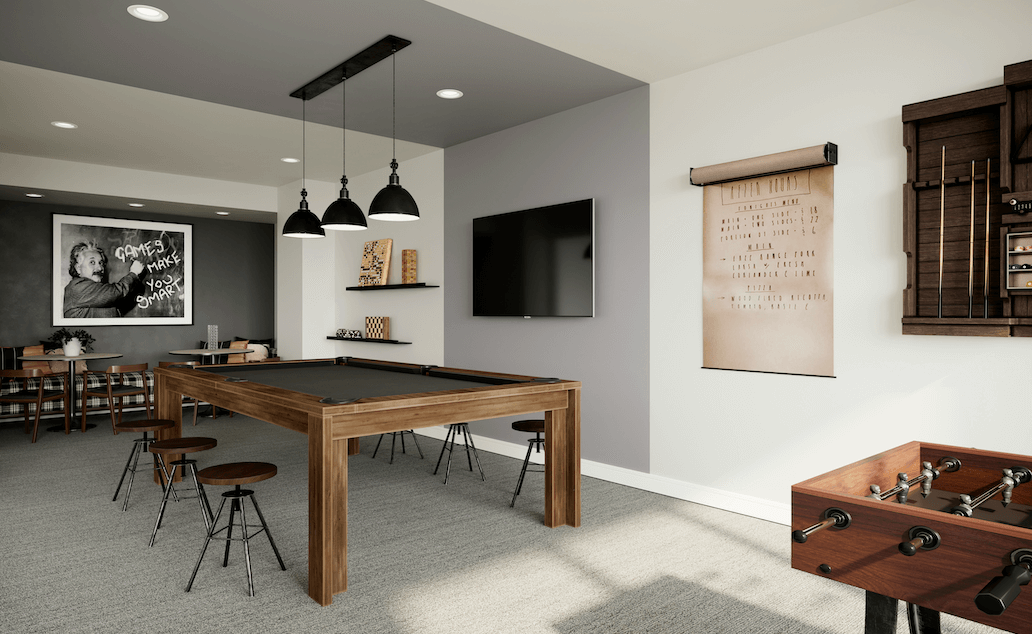
Before versus after: right now your garage is a dark cave with a garage door that rattles and insulation that might be nonexistent. You picture it transformed. A workshop with dust collection and bright task lighting. A media den with acoustic panels, a big screen, and zero echo. The transformation is dramatic, but the path is full of hidden traps. Let's map it out.
Difficulty: Advanced · Time: 2-3 months · Cost: $8,000-$15,000
Can You Really Split That Space? Feasibility and Layout
What You'll Need
Tools
- Tape measure (25ft)
- Stud finder with AC detection
- Circular saw and spare blades
- Drywall saw for cutouts
- Drill/driver with screwdriver and spade bits
- 4ft level
- Utility knife with snap-off blades
Materials
- 2x4 lumber, 8ft long: approximately 80 pieces for framing partition walls and ceiling supports
- Drywall panels, 4x8ft: 15 sheets for walls and ceiling
- Mineral wool insulation batts, R-13: 10 batts to fill wall cavities for sound control
- 12/2 NM-B electrical cable: 200ft for new circuits
- Plastic outlet boxes: 12 boxes for switches, receptacles, and lighting
- HVAC ductwork (rigid or flexible) or mini-split line set: lengths determined by your split system design
- Acoustic sealant caulk: 2 tubes to seal gaps at framing edges
- Self-adhesive soundproofing membrane: 2 rolls (50 sq ft each) for decoupling drywall layers
The first question is not how to build it. It is whether your garage can handle the split. Start with the slab. If your garage floor is sloped for drainage (typical of many two car garages), you have to level the media side and maybe raise the workshop side. Then look at the garage door opening. You will likely need to frame a wall in its place, which means removing the door and track assembly. That alone can change your foundation load path. Measure everything. Ceiling height matters. A media room needs at least 8 feet clear, and if you are adding a dropped ceiling for soundproofing, you lose several inches. Workshop side wants higher ceilings for vertical band saws or tall cabinets. Draw it to scale. Every foot counts. Plan for a partition wall that runs from slab to roof deck, fully fire rated. That wall is your biggest structural decision. Consider door placement: a man door from the workshop to the media room, or separate exterior entrances? Think about workflow. You do not want sawdust drifting into your movie cave. Layout is where you catch problems early, not after you have poured concrete.
H3: First, Measure Twice (and Then Measure Again)

You cannot wing a garage split. Grab a tape measure and a notebook. A standard two car garage measures 20 by 20 feet or 20 by 24 feet. That gives you roughly 400 to 480 square feet total. Split down the middle, you get two 10 by 20 spaces. That sounds generous until you account for the garage door track, the water heater, the stairs, or that workbench you refuse to move.
Walk the space with your spouse or a buddy. Mark every obstacle: support posts, electrical panels, gas lines, furnace closets, and any interior wall bumpouts. I once spent a weekend measuring a garage only to discover the builder had poured a 6 inch raised floor for the water heater. That changed everything.
H3: Choose Your Split Strategy
The most common layout runs a new wall straight down the center, parallel to the garage door. Workshop on one side, media room on the other. But you have options. If one side has existing windows or an exterior man door, lean the media room that way for natural ventilation and emergency egress. The workshop often prefers the side with the overhead door so you can roll out big lumber or a motorcycle.
You also need a passage between the two spaces. A standard 32 inch door works, but consider a 36 inch door if you ever plan to move large equipment between sides. And think about workflow. The workshop side needs clearance for saw infeed and outfeed. The media side needs a clear sightline to the screen. Sketch both layouts on graph paper before you call a contractor.
H3: Watch the Ceiling Height
Most garages come with 8 or 9 foot ceilings. That is tight for a workshop with a table saw and a dust collector. You need at least 9 feet for comfortable standing with a dado blade raised. For the media room, 8 feet is fine, but acoustic panels and a ceiling projector will eat into that height. Measure your actual ceiling height at the lowest point. If you have ductwork or a beam dropping to 7 feet, you just lost a third of your usable space.
H3: Don’t Forget the Floor
Garage floors slope toward the door for drainage. That is a problem for both sides. A media room needs a level floor for furniture and a rug. A workshop needs a flat surface for machines. You will need a self leveling compound or a sleeper subfloor. Budget for that now. A 20 by 10 foot room can cost 500 to 1,500 dollars to level properly.
H3: Feasibility Check List (Before You Hire)
Run through these questions before you bring in a contractor:
- Can you legally split the garage without moving the overhead door? Many codes require a separate egress door for each occupied space.
- Does your panel have spare breaker slots for new circuits? A workshop pulls 20 amps per tool. A media room pulls 15 amps for AV gear. Add it up.
- Is there room for a shared HVAC run without cutting into structural beams? This often becomes the deciding factor.
If you answer “no” to any of these, your layout may need a redesign. That is okay. Better to redraw on paper than rip out drywall later. A good contractor or a structural engineer can help you find workarounds like relocating the overhead door or adding a mini split for the media side.
Safety callout: Even in this planning phase, resist the urge to start cutting or framing anything. Layout decisions affect fire separation, load bearing walls, and egress paths. Work with a qualified contractor or engineer before you swing a hammer. Unpermitted layout changes can lead to failed inspections, voided insurance, and unsafe spaces.
Red Tape and Real Safety: Permits and Code
Permits are not optional. A garage conversion changes the occupancy of the space. Most codes treat it as a habitable room, which triggers requirements for egress windows (if the garage had none), smoke alarms interconnected to the house, and minimum ceiling heights. You also need a permit for the partition wall if it is load bearing or fire rated. The biggest headache: the garage was never designed for continuous human occupancy, so the electrical panel might be undersized or the insulation nonexistent. Pulling a permit forces you to bring everything up to current code. That sounds painful, but it protects you when you sell the house or if there is a fire. Do not skip the permit process thinking you can hide it. Insurers check, and neighbors can report you. The cost is a few hundred dollars; the risk of not doing it is losing your home. Plan on an inspection at rough in for electrical and framing, then final. Double check setback and easement rules. Some neighborhoods restrict garage conversions entirely. Call your building department before you buy a single sheet of drywall.
Safety Callout First
Before you pull out your credit card for lumber, take a hard look at your local building department. Garage conversions trigger permits almost everywhere. I have seen projects stall for months because someone framed a wall without a permit. Worse, I have seen insurance claims denied after a fire because the work was unpermitted. If you are not a licensed general contractor or structural engineer, do not skip this step. Unpermitted work can void your homeowners insurance, fail inspection, and create real life safety hazards. This section helps you plan and hire well, not replace a qualified pro.
H3: What Triggers a Permit Here
In most jurisdictions, you need at least a building permit for a garage conversion. You are changing the use of the space from vehicle storage to habitable rooms. That triggers code requirements for:
Fire rated separation. The wall between your workshop and media room needs a one hour fire rating. That means 5/8 inch Type X drywall on both sides, with all seams taped and mudded, and fire caulk at every penetration. No shortcuts.
Egress. Each side needs a way out that is not through the garage door. For the media room, a window with a minimum opening of 5.7 square feet that is no more than 44 inches off the floor. For the workshop, a man door to the exterior or a second window.
Electrical and mechanical permits. Adding circuits, moving a furnace, or installing a mini split requires separate permits. Your contractor should pull those.
H3: Fire Separation Is Not Optional
That partition wall I mentioned in the layout section? It must be fire rated from slab to roof deck. That means no gaps in the attic, no open chase for ductwork, and no skipping drywall behind cabinets. I have seen DIYers try to save money by stopping the wall at the ceiling. Do not do this. A fire in the workshop side will spread into the attic and drop down into your media room.
Your contractor should install fire blocking at every floor and ceiling penetration. If you run electrical or plumbing through that wall, every hole gets fire caulk. It takes time and costs money, but it is non negotiable.
H3: What Your Local Code Office Wants
Call your local building department before you hire anyone. Ask three questions:
What is the minimum ceiling height for a habitable room? Most codes say 7 feet 6 inches, but some require 8 feet.
Do I need a separate HVAC system for each side? Some codes allow a single system with zoning. Others demand independent units.
Are there setback requirements if I add a window or man door? You may need to stay a certain distance from property lines.
Write down the answers. Your contractor will need them. And ask if they require stamped engineered plans. Many jurisdictions do for a wall that is load bearing or fire rated.
A final tip: Get your permit before you demo anything. I have watched guys pull down drywall and then discover the electrical panel needs to be moved. That adds weeks and thousands of dollars. A permit application forces you to think through the whole project first. That is a good thing, even if it feels like paperwork.
Stay Cool, Stay Safe: Structural, HVAC, and Fire Safety
Your garage slab is probably not insulated. Add a vapor barrier and rigid foam before you lay any flooring for the media room. For the workshop, you might want a sealed concrete floor with epoxy. Structurally, the partition wall needs to be fire rated. Use 5/8 inch Type X drywall both sides, with fire caulk at every penetration. Do not forget the ceiling. If the garage shares a roof with the house, the ceiling below the living space above must be fire rated too. HVAC is tricky. A standard garage has no heat or AC. You are adding a conditioned space, so you need to tap into your home's system or install a mini split. The workshop side might tolerate less precise climate control, but the media room needs stable temperature and humidity for electronics. Ductwork from the main house might be possible if there is capacity, but expect a load calculation. If you go mini split, plan for a condensate drain line and an outdoor unit location. Fire safety: install smoke detectors in both rooms, interconnected with the house. Consider a fire rated door between the garage and the house. Some codes require a self closing door. Also, if the workshop contains flammable materials (paints, solvents), you need proper storage and ventilation. Think about a spark resistant exhaust fan for the workshop.
Safety callout: HVAC and fire safety work in a garage conversion is not a DIY project unless you are a licensed HVAC technician or general contractor experienced with fire-rated assemblies. Unpermitted or incorrectly installed systems can lead to carbon monoxide leaks, fire spread, or failed inspections. Hire a qualified pro for ductwork, gas line modifications, and fire-rated framing. Your insurance and your family’s safety depend on it.
HVAC: Two Rooms, One System or Two?
Here is where most garage split plans hit a snag. Your original garage likely had a single supply register from the house HVAC or a simple space heater. Now you need conditioned air for two separate spaces with very different demands. The workshop generates heat from tools and dust that can clog filters. The media room wants quiet, steady temperature for electronics and comfort.
You have three main strategies. Option one is to extend your home’s existing HVAC system into both sides. That seems cheap, but it often overloads the furnace or AC unit. A typical 2.5 ton system serves about 1,500 square feet. Adding 400 more square feet plus the extra heat load from tools and AV gear can push it past capacity. Also, running ductwork through that fire-rated partition wall requires special fire dampers and fire caulk at every penetration. That adds hundreds of dollars and requires coordination with your HVAC contractor.
Option two is a mini split heat pump for each side. This is my go-to recommendation. A 12,000 BTU mini split costs $1,500 to $2,500 installed per zone and gives you independent temperature control. The workshop side can stay cool in summer while you run a table saw. The media room can be quiet and comfortable. No ductwork means no holes through your fire wall. Mini splits are also efficient and easy to install if you have an exterior wall for the condenser.
Option three is a single ducted system with zoning dampers. This works if your home system has enough capacity and you can run ducts in the attic or under the slab. But zoning controls add complexity and cost. And you still need that fire damper where ducts cross the partition.
Whichever route you choose, do not forget makeup air. If your workshop has a dust collector or a powerful exhaust fan, you need an intak. A bypass damper or louvered vent on the exterior wall can handle it. Have your HVAC contractor calculate the net cubic feet per minute so you don’t depressurize the space and suck in exhaust fumes.
Fire Safety: The Wall is Your Lifeline
The partition wall between your workshop and media room is the most critical fire safety element. It must be a one-hour fire-resistance-rated assembly. That means 5/8 inch Type X drywall on both sides, all seams taped and mudded, and fire-resistant caulk at every electrical box, pipe, or duct penetration. Do not let anyone talk you into using regular drywall or leaving gaps behind cabinets.
Fire blocking is non-negotiable. Any vertical chase, like the space between studs, needs fire blocking at the top and bottom of each floor. In the attic, the wall must go all the way to the underside of the roof deck. I have seen inspectors fail a job because a homeowner stopped the drywall at the ceiling joist, leaving an open path for fire to jump from one side to the other.
Egress requirements also tie into fire safety. Each side needs a secondary exit. The media room can use a window with a minimum 5.7 square foot opening, no more than 44 inches off the floor. The workshop side needs either a man door to the outside or a second egress window. Your local code might also require interconnected smoke alarms in both rooms and in the main house. Add a carbon monoxide detector if you have any fuel-burning equipment in the garage.
A final detail: if you are keeping the garage door on the workshop side for loading, that big panel does not count as an egress. You still need that man door or window. Plan for it now so you don’t have to cut through your new fire-rated wall later.
Power, Light, and Quiet: Electrical, Lighting, and Soundproofing
Electrically, you will likely need a subpanel. A two car garage conversion with a media room plus workshop can pull 30 40 amps easily. Run separate circuits. The workshop needs dedicated outlets for tools (20 amp each). The media room needs dedicated circuits for the AV gear to avoid hum and tripping breakers. Lighting: workshop wants bright, shadow free LED strip lights or high bay fixtures. The media room wants dimmable, indirect lighting and blackout options. Wire for future needs: run conduit to the media wall for HDMI and ethernet. Soundproofing is where most DIYers mess up. Staggered stud walls or resilient channel on the partition wall helps. Add acoustic insulation (mineral wool) between the rooms. But the biggest sound leak is the garage door opening if you still have one. If you frame a wall there, you win. If you keep a garage door on the workshop side, it will leak sound. Consider a solid core door between the two rooms with weatherstripping. For the media room, double drywall with Green Glue compound between layers cuts noise transmission. Do not forget the ceiling. Sound travels through joists. You can add mass loaded vinyl or a second layer of drywall. Plan your outlets and switches before you drywall. Label everything.
Safety callout first
Electrical work in a garage conversion is not a DIY task unless you are a licensed electrician. You are adding new circuits, potentially upgrading your panel, and dealing with fire rated assemblies that require special attention. Unpermitted or incorrectly installed wiring can cause electrocution, fire, or failed inspections. Hire a qualified electrician for all new circuits, panel work, and any wiring inside fire rated walls. Your safety and your insurance depend on it.
H3: Power Up the Workshop, Protect the Media Room
The workshop and media room have completely different electrical demands. The workshop needs raw, high current capacity for table saws, dust collectors, and compressors. A 20 amp dedicated circuit for each major tool is standard. Plan for at least four to six 20 amp circuits on the workshop side. That means 12 gauge wire and maybe a sub panel if your main panel is full. The media room is the opposite. AV gear, projectors, and receivers are sensitive to power surges and noise. A dedicated 15 amp circuit with surge protection is ideal. Keep the workshop and media room on separate panels or at least separate branch circuits so a tripped breaker in the workshop doesn’t kill your movie night.
Your electrician should run a load calculation. A typical two car garage conversion can add 60 to 100 amps of demand. If your main panel is near capacity, you may need a 200 amp service upgrade. That costs $1,500 to $3,000 but is often required by code.
GFCI outlets are mandatory near any water source, but in a workshop they should be on every counter and near the floor for tools. The media room can use standard outlets, but consider AFCI breakers for fire protection.
H3: Light the Workshop, Dim the Media Room
Lighting is where the two sides really diverge. The workshop needs bright, shadow free task lighting. Aim for 100 to 150 lumens per square foot. That means multiple rows of LED strip lights or high bay fixtures. A 10 by 20 foot workshop needs about 20,000 to 30,000 lumens total. Choose 4000K to 5000K color temperature for daylight vision. Put lights on separate switches for each row so you can adjust.
The media room wants control. Dimmable recessed cans or track lights on a dimmer switch. Bias lighting behind the screen reduces eye strain. Keep ambient lights on a separate zone from task lights (like reading lamps). Plan for low voltage wiring for HDMI, speakers, and data runs before the drywall goes up. Run conduit to the projector location and the AV rack. That saves headaches later.
H3: Soundproofing That Actually Works
Sound travels through air, through structure, and through flanking paths. Your partition wall is your first line. Use a staggered stud or double stud wall with two layers of 5/8 inch drywall on each side, plus a layer of mass loaded vinyl between studs. That gives an STC rating of 55 or higher, enough to keep a table saw from ruining a movie scene. Seal every gap with acoustic caulk. Pay attention to electrical boxes. Use putty pads behind them. Even a tiny hole lets sound leak.
The ceiling matters too. If the room above is a living area, add resilient channels and extra insulation. For the floor, soundproofing underlayment under the media room’s carpet or vinyl plank reduces impact noise.
Don’t forget the door. A solid core door with weatherstripping and an automatic drop seal at the bottom is essential. A hollow core door is useless. Budget $300 to $600 for a good acoustic door.
Finally, think about HVAC noise. Mini splits are quieter than window units. Ductwork should have acoustic lined ducts and flexible boots. Your contractor can specify low noise grilles. A media room with a silent mini split and a solid door will feel like a theater. A workshop with a loud exhaust fan might need its own acoustic treatment, but that’s a lower priority.
Get Your Hands Dirty But Know Your Limits: Sequencing, Pros vs DIY, and Final Checklist
The order of work matters. First, pull permits and have your plans approved. Second, demolish the garage door and frame that exterior wall. Third, run all new electrical and HVAC rough in. Fourth, install the partition wall and fire rated components. Fifth, insulate and drywall. Sixth, finish electrical trim, lighting, and outlets. Seventh, flooring and trim. Eighth, install soundproofing and media equipment. Ninth, set up the workshop. Now, decide what you can do yourself. Rough framing is doable if you have basic carpentry skills. Drywall hanging and mudding is hard work but feasible. Electrical and HVAC rough in needs a licensed pro unless you are one. Fire rated drywall installation has specific requirements for screws and taping. Do not cut corners. The final checklist: have inspections done, test smoke alarms, verify HVAC works, check for air leaks, close up all penetrations with fire caulk, and get a certificate of occupancy if required. Then you can move in your workbench and your recliner. The satisfaction of building it yourself is huge, but safety and code compliance are non negotiable. Plan each step, hire where needed, and enjoy your dual purpose man cave.
Safety Callout First
Before you decide who does what, understand this: some jobs require a license for a reason. Electrical work, structural framing, gas lines, and HVAC modifications can kill you or burn down your house if done wrong. Unpermitted or unlicensed work voids insurance and fails inspection every time. This section helps you plan the sequence and pick your battles, not replace a qualified pro. If you are not a licensed electrician, HVAC tech, or structural engineer, hire one for those trades.
H3: Map Out the Order Before You Buy a Single Tool
Step-by-Step
Step 1: Assessing local codes and obtaining permits
Begin by checking your municipality’s building codes for garage conversions. Many jurisdictions require a permit when you add a dividing wall, change the occupancy, or alter electrical and HVAC systems. Call the permit office or visit its website to confirm requirements. Getting the right approvals prevents costly rework later and keeps the project legal. Skipping this step can delay your build for weeks.
Step 2: Designing the layout and partition wall location
Measure the garage’s interior dimensions precisely. Decide how much space each side needs: a workshop requires bench depth and tool clearance, while a media room needs seating and screen placement. Mark the proposed wall line on the floor with chalk. Confirm it does not block windows, doors, or existing utilities. Your layout should allow a standard door opening and leave at least one vehicle bay’s worth of room if you still need parking.
Step 3: Framing the dividing wall with fire-rated materials
Construct a stud wall on the marked line using pressure-treated bottom plates on the concrete slab. Use 2x4 or 2x6 lumber, spacing studs 16 inches on center. Install a fire-rated assembly: cover both sides with one layer of 5/8-inch Type X drywall. This meets common code requirements for separating a garage from habitable space. Stagger the seams and tape them for a continuous fire barrier. Include a solid-core fire-rated door in the opening.
Step 4: Running separate electrical circuits and a subpanel
Install a dedicated subpanel in the workshop side to handle power tools without overloading the house panel. Run a new circuit from the main panel, sized for the subpanel’s ampacity. From the subpanel, branch separate circuits for outlets and overhead lights on each side. Use GFCI protection on all garage receptacles. Place switches and outlets at comfortable heights for a workbench and for media equipment. Label each circuit clearly inside the subpanel cover.
Step 5: Installing dedicated HVAC zones and soundproofing
Add a minisplit heat pump or a ductless unit in each zone to control temperature independently. For soundproofing, fill wall cavities with rockwool insulation, then install resilient channels on the studs before hanging drywall. Seal all gaps around electrical boxes and the door frame with acoustic caulk. Cover the finished drywall with mass-loaded vinyl for extra isolation if needed. These measures keep workshop noise from bleeding into the media room and vice versa.
Step 6: Finishing walls, flooring, and doors
Prime and paint the drywall on both sides with a durable, scrubbable finish. For flooring, lay epoxy or rubber mats in the workshop area and carpet or luxury vinyl planks in the media side. Install the interior door with a sweep and weatherstripping to maintain sound and fire separation. Add trim around the door and baseboards. Caulk any remaining gaps around penetrations. Your split garage now functions as two distinct, safe spaces.
The temptation is to dive into demolition. Resist it. The right sequence saves you from ripping out work you just finished. Start with permits and structural work. Then rough in electrical, plumbing, and HVAC. Then insulate and drywall. Then trim, flooring, and paint. Finally, the finishes like cabinets, workbenches, and AV gear.
In a garage split, the fire-rated partition wall goes in first. That wall dictates everything else. Don’t frame it until you have your approved permit and you’ve confirmed the floor slope and ceiling height. Then run your electrical and low voltage through the studs before the drywall goes up. It’s a lot easier to pull wire through open studs than after the walls are sealed.
Make sure your HVAC contractor roughs in the ductwork or mini split lines before the drywall as well. Same for any plumbing. Once the drywall is up, you are patching and cutting. That adds time and cost.
H3: What You Can Tackle Yourself (If You Are Confident)
Plenty of tasks in this conversion are safe and smart to DIY. Painting, installing shelving, mounting acoustic panels, assembling workbenches, and laying floor tiles or epoxy. You can also handle the insulation if you follow the manufacturer’s instructions and wear proper gear. Fiberglass or mineral wool batts are straightforward for a straight wall.
You could also build the workshop workbench or the media room’s screen wall. Those are finish projects that don’t affect fire safety or structure.
But here’s the rule: if the task requires a permit, a stamp, or a safety rating, hand it to a pro. That includes running new circuits, moving the electrical panel, installing a mini split, cutting into the fire-rated wall for ducts, or framing a load-bearing partition. The license they hold is your insurance.
H3: What to Hire Out Without Hesitation
Hire a general contractor or a licensed electrician for all new wiring and panel work. Hire an HVAC pro for any ductwork, line set installation, or gas line work. Hire a structural engineer if your partition wall is load bearing or if you are removing the overhead door header. Many contractors also handle fire caulking and drywall for fire-rated assemblies. That is money well spent.
For the media room, consider hiring a low voltage specialist for the A/V wiring if you want a clean, hidden setup. Projector mounts, speaker wire runs, and HDMI cables behind the wall need careful planning. A pro can save you from drilling into a stud or running the wrong cable type.
H3: Final Checklist Before You Start
Common Mistakes to Avoid
Skipping the permit check: An unapproved split can trigger a stop-work order and fines, costing more than the permit fee to rectify later.
Ignoring vapor barriers in the wall: Moisture from the workshop side will rot drywall and insulation in the media room without a Class II vapor retarder on the warm side.
Neglecting soundproofing between zones: Workshop saws and sanders bleed into the man cave, ruining movie dialog and forcing you to tear out finished walls to add mass.
Using undersized wiring for each zone: A single 15-amp circuit for both spaces trips constantly; run separate 20-amp circuits for the workshop tools and the media equipment.
Forgetting fire-rated separation: An attached garage requires a one-hour fire-rated wall and door between the garage and living space, including a self-closing mechanism.
Run through these items before you pick up a hammer:
- Permits pulled for structural, electrical, and mechanical work
- Fire-rated partition wall planned with slab-to-roof coverage
- Fire caulk and Type X drywall specified for that wall
- Subpanel location confirmed with electrician
- Mini split or ductwork route decided
- Egress windows or doors ordered
- Soundproofing materials selected: acoustic insulation, mass loaded vinyl, resilient channel
- Solid core door with weatherstripping ordered for the connecting passage
- Low voltage conduit stubbed into the media wall
- Floor leveling compound or sleeper subfloor budgeted
- Spare breakers confirmed or service upgrade scheduled
- Insurance company notified of the conversion
One last tip: get everything in writing. Emails with your contractor, material specs from the supplier, and the permit number on your fridge. When your inspector walks through, they will ask for documentation. Have it ready. That shortens the walk down to a handshake and a pass.
Your Blueprint for the Build: What Comes Next
You started with a measuring tape and a vision. A workshop on one side, a media den on the other. Now you have a practical map through the traps: the slab slope you need to level, the fire rated partition wall that must run slab to roof, the egress window that turns a dark garage into a legal room. Permits are not optional. That wall needs Type X drywall and fire caulk at every penetration. Your HVAC plan demands a load calculation and either a mini split for each side or a careful duct run with dampers and fire stops. The electrical subpanel, separate circuits for tools and AV, and soundproofing that starts with a staggered stud wall and ends with a solid core door. The sequence matters: permits first, then demo, then rough ins, then fire rated walls, then insulation and drywall, then finishes. You have the checklist.
Safety is the thread through every step. If you are not a licensed electrician, HVAC technician, or structural engineer, hire one. Unpermitted work can void your homeowners insurance, fail inspection, and turn a dream project into a life safety hazard. The fire rated partition wall is not a suggestion. The egress window is not a nice to have. Treat this guide as your blueprint for asking the right questions and hiring well, not as a DIY manual for regulated trades. Your family’s safety and the resale value of your home depend on that distinction.
Here is your next move. Pull out the graph paper from the feasibility section and sketch your final layout with the egress door, the partition wall line, and the mini split outdoor unit location. Then call your local building department and ask the three questions from the permits section. Write down their answers. Do that before you call a single contractor. That phone call costs you twenty minutes and saves you weeks of rework.
After you have the verbal green light from the code office, gather three bids for the work you cannot do yourself. Electrical, HVAC, and fire rated framing. Ask each contractor how they handle the fire caulk and the ceiling fire block. Get those costs in writing. Then sit down with your budget and decide if you tackle the demo, insulation, and drywall yourself. Honest self assessment here. Mudding a fire rated wall to code is harder than it looks. If you have never done it, budget for a taper.
You have the plan, the checklist, and the safety rules. Now go pull that permit. Hire the pros where you need them. Tackle the finish work yourself. That is the path to a workshop that hums and a media room that whispers, both built right under one roof. The satisfaction of walking into that finished split is worth every inspection and every call to a licensed pro. Get started.