Wabi-Sabi Man Cave Design Guide
Last updated August 21, 2026 · By Zach Lane ·How we choose products · Affiliate disclosure

I'll be honest. The first time I tried to build a Wabi-Sabi Zen man cave I blew half my budget on flashy pieces that looked peaceful in photos and chaotic in real life. Learn from that mess: true Wabi-Sabi isn't about expensive antiques or cold minimalism. It's about honest materials, a thoughtful layout, practical lighting, and small imperfections that invite calm without wrecking your wallet.
This guide is everything I wish someone had told me before I started. I'm giving straightforward, budget-first advice on picking central furniture, layering textures, choosing lighting that soothes instead of blaring, and adding small handmade accents that actually make a space feel lived-in. I’ll point out what to prioritize, what to skip, and how to spot real value so your man cave becomes a relaxed, functional retreat instead of an overpriced showroom.

YESWOOD Solid Wood Tatami Tables, 47" L Low Coffee Table Japanese Floor Table Small Wooden Tables Tea Table for Sitting on The Floor Living Room

HUAWELL Japanese Style Handcrafted Eco-Friendly Breathable Padded Knitted Straw Flat Seat Cushion, Hand Woven Tatami Cushion Best for Zen, Yoga Practice or Buddha Meditation (19.7)
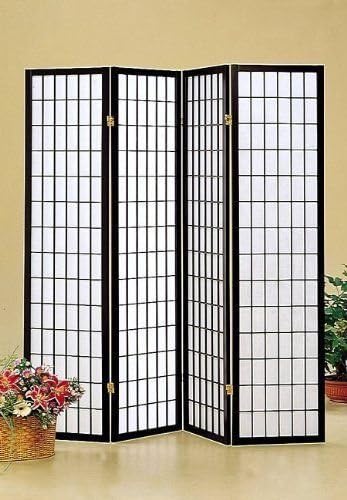
Japan Oriental Square Style - 4 Panel Black Shoji Screen/room Divider

DYNH Japanese Cherry Blossom Throw Blanket, Mountain Cherry Branches Red Sun Ink Painting Asian Nature Scenery Soft Warm Flannel Black White Grey Throw Blanket,50X60
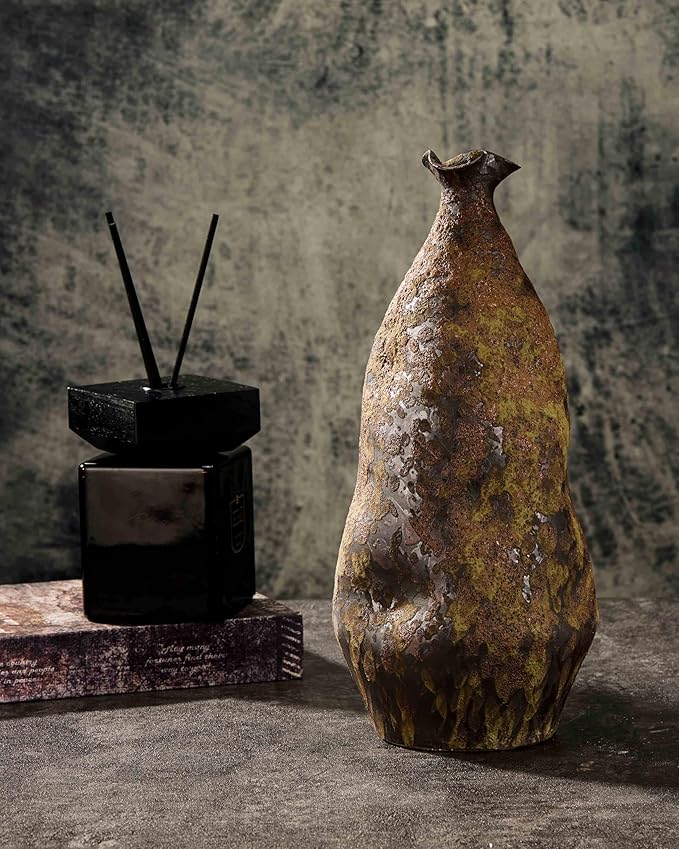
Handmade Wabi-Sabi Ceramic Vase - 13.3" Rustic Farmhouse Decor, Primitive Home Accent for Living Room, Cottagecore Gift (5.5"x5.5"x13.3")

Large 3D Textured Wall Art for Living Room, Set of 3 Wabi Sabi Abstract Sandstone Relief Artwork with Solid Catalpa Wood Frame, Minimalist Triptych Pictures for Hallway Entryway, Sand Beige, 24x36 In
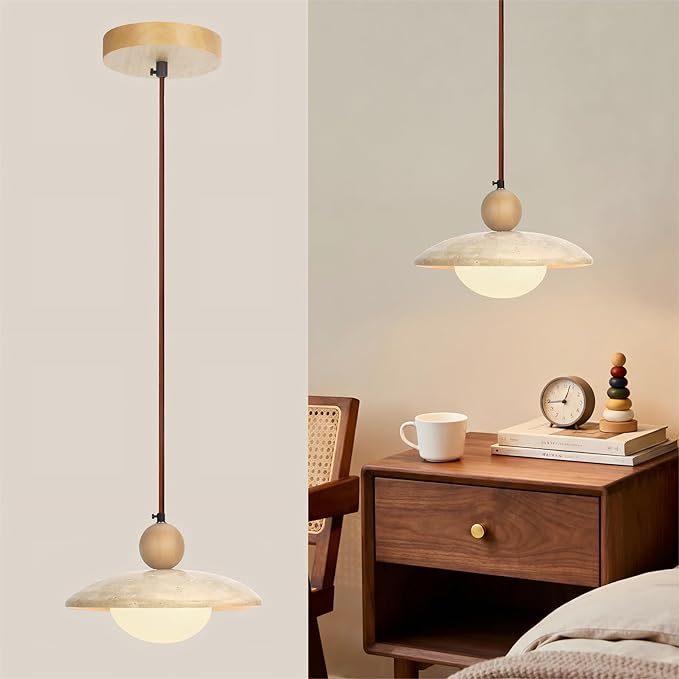
Wabi Sabi Pendant Light,Yellow Travertine Japandi Japanese Minimalist Stone Light Fixture,Adjustable Nordic Hanging Lamp for Kitchen,Bedroom,Vanity Japandi & Japanese Light Fixture(Natural wood color)

Paper Floor Lamp, White Rice Paper Lamp, 3-Lights, 3 Color Temperature LED Bulbs Included, 54.5in Wabi Sabi Japanese Lantern Standing Light, for Living Room Bedroom Office, 1 Pack
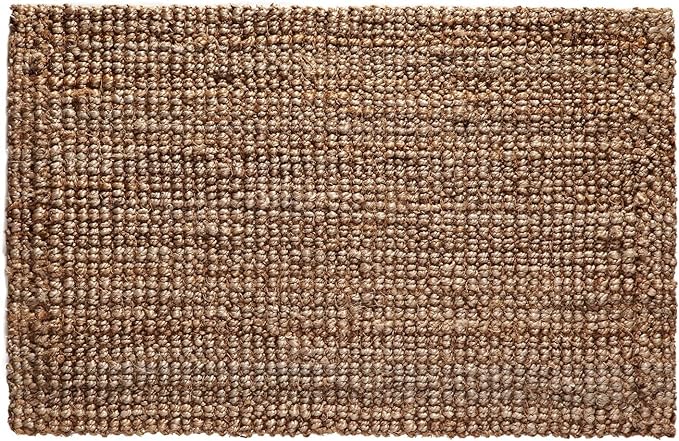
IRONGATE Jute Handspun Area Rug - Premium Jute Handwoven Reversible Chunky Textured Tan Beige Neutral Throw Accent Rug Carpet - Rustic Farmhouse Living Room Bedroom Den Study Décor - 5' x 8' Natural
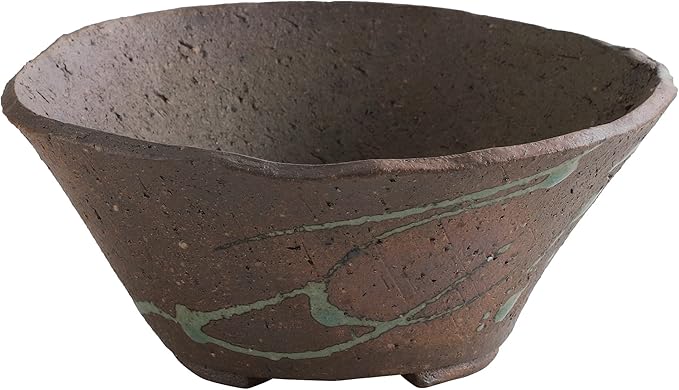
Wazakura Tokoname Series Handmade Ceramic Rustic Tatara Style Bonsai Pot with Drainage Hole 6.3 in (160mm) Made in Japan, Garden Planter, Flower Vase, Houseplant Centerpiece

Coffee Table for Living Room - Mid Century Modern Coffee Tables with Triangle Top, Unique Small Round Coffee Table, Wood Oval Tea Table with Solid Legs for Bedroom, 35.8"x 22.5" x 16.2" Walnut
A Rustic Centerpiece: Choosing the Right Coffee Table for a Wabi-Sabi Man Cave
Have you ever sat in a room and felt like the centerpiece was shouting rather than whispering? The right coffee table anchors a Wabi-Sabi space by bringing warmth, history, and a surface that earns its keep. Keep it low-profile, let the finish be honest or weathered, and make sure it can handle a tray, books, or your nightly tea without fuss.
When shopping, look for solid construction and materials that age well, like reclaimed wood or matte solid timber. Hunt for imperfections that tell a story rather than pieces that fake age with gimmicks. Size matters. Pick a footprint that leaves breathing room around seating so the room feels balanced.
In the product reviews ahead I’ll focus on tables that deliver durability and character for the price. I’ll call out which designs handle foot traffic, which double as storage, and which expensive-looking options are overkill. Expect real-world pros and cons so you can pick a table that looks lived-in and survives everyday life.
Curlaky Mid-Century Coffee Table
This table brings a warm walnut tone and an offbeat triangular/oval profile that actually works in a Wabi-Sabi Zen man cave. Rounded edges and a simple silhouette keep visual noise down, while the wood grain offers that lived-in, imperfect character the style celebrates. It feels intentional, not fussy.
Practically speaking it's built for everyday use. The X-shaped solid base feels rock-solid and the top supports up to 130 pounds, so it handles a record player, a stack of books, or a few beers without wobbling. The water-resistant finish makes spills easy to wipe. At 35.8" by 22.5" and 16" high it gives enough surface for a lamp, ashtray, and controller while leaving legroom for lounging. Assembly is quick, and if you’d rather be arranging cushions than wrestling with hardware, this one’s a relief.
If your man cave is compact or oddly laid out, this is a smart pick. It fits corners and in front of small sofas without dominating the room. Best for guys who want a practical centerpiece with mid-century charm. Side benefit: those rounded corners mean fewer midnight stubbed toes when you stumble out of the recliner for snacks.
Pros: sturdy build, tasteful walnut grain, easy assembly, compact footprint. Cons: not a huge tabletop compared to rectangular tables, no built-in storage, limited color choices and the finish can show fingerprints. Overall it’s a solid, low-fuss piece that elevates a Zen man cave without stealing the show.
Low Profile, High Calm: Selecting a Wabi-Sabi Low Table
Picture a low table that invites you to sit on the floor, pour tea, or spread a board game without demanding attention. Low tables are the backbone of relaxed, Japanese-inspired spaces because they lower visual weight and encourage slow living. In a man cave they create intimacy and a different rhythm than a conventional sofa setup.
Look for sturdy joinery, a forgiving top that tolerates rings and spills, and a scale that complements tatami mats or floor cushions. Matte, natural finishes blend into the room better than glossy surfaces. Watch out for ultra-light hollow pieces that slide every time you set a mug down.
As you read the reviews, I’ll flag which low tables are best for heavy use, which balance craftsmanship and savings, and which styles actually enhance a Zen layout. You’ll learn how to pair a low table with seating and where spending a bit more pays off in longevity.
YESWOOD Tatami Table
If you want a low, honest centerpiece, this YESWOOD tatami-style table fits the bill. Solid rubber wood brings natural grain and weight that anchor a room without shouting. Its low profile encourages floor seating, slow tea nights, or a calm spot for a record player and a lamp that soothes rather than blares.
On the practical side it performs. At roughly 47 inches long and rated to hold up to 100 pounds, it’s wide enough to sit cross-legged under and sturdy enough for daily use. The eco-friendly, non-toxic finish resists heat, scratches, and dust, so upkeep stays simple. Assembly won’t eat your Saturday. Pre-coded screws and clear steps get the legs on fast, and protective pads keep your floors safe.
This piece suits someone who values tactile materials and calm layouts. It pairs naturally with floor cushions, woven rugs, and soft indirect lighting. If you like to tinker, the solid wood takes a light distress or custom stain and develops a patina that looks better with age.
Pros: authentic solid wood, low and versatile, durable finish, easy to assemble. Cons: it’s hefty to move (about 50 pounds), limited adjustability, and the single finish may not suit every shade preference. Overall, a solid, character-filled foundation for a functional, lived-in retreat.
Sit Grounded: Picking Floor Cushions That Keep You Comfortable and Centered
A good floor cushion can turn a hard floor into a cozy meditation spot or an informal lounge seat. In a Wabi-Sabi man cave, cushions add softness and texture while supporting posture for reading, music, or board games. The right cushion is practical and part of the look, so choose natural fibers and simple silhouettes that invite use.
When evaluating cushions, focus on fill density and recoverability. You want support that doesn’t flatten overnight. Breathable covers like linen or straw blends are preferable, and removable covers are a big win for cleaning. Avoid decorative-only cushions that feel like they belong in a photo shoot, not on your floor.
In the reviews I’ll separate durable, everyday options from delicate accent pieces. I’ll point out which cushions provide real value and warn against trendy floppies that don’t hold up. You’ll get guidance on sizes, shapes, and maintenance so floor seating is a feature, not a compromise.
HUAWELL Tatami Seat Cushion
If you want a simple way to add texture and low-profile seating to a Wabi-Sabi man cave, this HUAWELL tatami-style floor cushion is a solid pick. It’s hand-woven from a maize-husk straw blend and padded with silk wadding, so you get an earthy look and a breathable, slightly firm sit that works for short meditations, low-table dinners, or zoning out to a podcast. The natural beige layers well with a muted throw or a worn leather pouf.
Versatility is the standout. Folks use one as a seat, stack several for extra height, or slide them under a low coffee table when guests show up. They’re lightweight and portable, so you can move one to a sunny corner or take it outside in summer. Practical note: this isn’t an orthopedic throne. If you have chronic back issues or plan to sit on it all day gaming, add a lumbar pad or keep it for occasional seating. Because the cover is natural straw, expect some wear over time with heavy daily use, so rotate them and keep them dry to extend life.
Bottom line: honest materials and easy, low seating that reinforce a relaxed vibe. Pros: authentic handwoven texture, breathable padding, stackable. Cons: limited plushness, potential surface wear under heavy daily use. If you want affordable, authentic floor seating to ground your space (and yes, your cat will probably claim it), this is a solid add-on.
Grounding the Room: Why Tatami Mats Matter and How to Choose One
There’s a real difference when a room includes a true tatami surface. The natural rush fibers, subtle scent, and springy but firm feel underfoot create calm and structure. For a Wabi-Sabi man cave, tatami mats set a simple, functional base for low furniture, cushions, and meditative corners.
Key things to check are thickness, weave quality, and whether you want foldable or fixed mats. Thicker mats give more cushion for seating and sleeping. Authentic igusa rush breathes well and wears into a pleasing patina, but check edge bindings and construction. Remember to air them now and then because natural fibers need attention to avoid dampness.
Sizing is where most people get tatami wrong. Traditional mats are built to a fixed proportion, twice as long as they are wide, so a floor laid in tatami is really a floor laid in a repeating grid. That grid is unforgiving in a Western room. Basements and garage conversions are almost never a clean multiple of a mat, and the leftover strip along one wall is what makes a half-hearted tatami floor read as a mistake rather than a choice.
So don't fight the room. Lay one mat, or a pair, as an island under the low table and let the rest of the floor stay what it is. An island looks deliberate. A partial floor looks unfinished. The rule that governs an area rug works just as well here: leave 18 to 24 inches of bare floor showing between the edge and the wall, and the room reads framed instead of fitted. If you are layering tatami over a rug, put the rug down first and keep its border visible on at least two sides.
Care is simple and not optional. Igusa rush is a grass, and grass rots. Air the mats every few weeks, wipe along the grain rather than across it, and keep them clear of a dehumidifier's exhaust or a heat register, both of which dry the fibers until they split. A new mat gives off a strong green smell for the first month. That fades. Water damage does not, so a spilled beer gets blotted straight away instead of wiped up later.
Expect the color to move. Fresh igusa is green and settles into a warm straw yellow over a year or two of light exposure, and people who buy tatami and then keep it out of the sun to preserve the green have misunderstood what they bought. The change is the point.
Subtle Separation: Using Shoji Screens to Sculpt Your Space
Need privacy without cutting off light or character? A screen can define zones subtly and elegantly. Shoji-style screens bring a warm, diffused light quality and an architectural touch that complements natural materials. They work great in multi-use man caves where you might want a meditation nook, a reading corner, or a hobby area.
When picking a screen, check for stable frames, quality joints, and materials that mimic rice paper without being too fragile. Fold-flat panels are handy for storage, and choose a height that balances openness with privacy. Lighter frames feel airy, while darker tones add weight and a more masculine edge.
Below you’ll find reviews focused on build quality and real-world utility. I’ll call out screens that are sturdy and those that feel toy-like. Expect practical advice on placement, pairing with lighting, and creating zones without spending a fortune.
SQUARE FURNITURE Shoji Screen
This 4-panel black shoji screen brings an immediate architectural anchor to a man cave. The pine frame with black veneer and shoji paper reads clean and restrained, while the 70 by 70 inch size divides space without feeling bulky. It folds flat for storage and reconfigures quickly, so you can isolate a gaming corner, create a quiet reading alcove, or hide clutter behind softer lines. The floral grid on the visible face adds pattern without shouting.
What makes it useful is versatility more than perfection. It works as a meditation backdrop, a subtle room divider behind a couch, or a Zoom-friendly wall with a plant and warm lamp in front. Be realistic though, the lattice detail is printed on one side only, and stability depends on how you set the panels. If you need a straight, freestanding partition consider adding simple feet or a lightweight base. A few reviewers noted occasional hinge strain or panel separation after heavy use, so treat it as a decorative, mobile solution rather than a load-bearing wall.
Bottom line for a man cave upgrade. If you want a low-effort way to introduce Japanese-inspired texture and defined zones, this screen delivers a big visual payoff for modest effort. Pros: attractive, lightweight, adaptable. Cons: one-sided pattern, may need extra feet for full stability. Practical tip: place soft backlighting or a floor plant nearby to integrate it into a Wabi-Sabi Zen layout.
Layering Warmth: Choosing Throw Blankets That Age Gracefully
A throw blanket is a small buy that makes a big difference. Draped over seating or folded at a bed’s foot, it adds softness and signals the space gets used. In a Wabi-Sabi man cave, throws should look like they belong because they’re used, not staged. That means cozy, easy-to-clean textiles in muted colors.
When choosing throws, favor natural fibers or soft flannels that mellow instead of looking new forever. Size matters: a generous throw doubles as an extra layer for guests. Machine-washable is a practical must. Use pattern sparingly; modest motifs add character without competing with the room’s calm.
The reviews will point out blankets that get softer with time and those that are trend-forward fluff. I’ll call out pilling, edge finishes, and how each blanket performs in a spot that actually sees everyday use.
DYNH Cherry Blossom Throw
If you want a small, artful piece to anchor a Wabi-Sabi Zen corner, this cherry blossom flannel throw does the job quietly and well. The ink-painting style print reads from a distance like a small scroll painting, while up close the plush flannel is comfortable against skin. It comes in multiple sizes and is machine washable, so you can drape it over a low sofa, fold it on a bench, or use a larger size as a lightweight bed layer.
What stands out is how the printed design reads like a calm focal point, while the material stays breathable and soft. Note that the pattern is printed rather than woven and sizes can vary slightly because of hand finishing. It’s not the heaviest thermal option for deep winter, but it’s perfect for layering.
This throw is best for guys building a lived-in, low-fuss retreat. Pros: tactile softness, calm Japanese motif, easy care and multiple sizes. Cons: not the warmest for deep winter, printed surface may show wear faster than woven textiles, small variability in finish.
If you’re layering textures to make a Zen man cave feel intentional instead of staged, pick a size that lets you tuck and fold. Go for darker or mixed tones if you want something that hides everyday scuffs, and pair it with a linen pillow and dim, warm lighting to complete the vibe.
Quiet Vessels: Selecting a Ceramic Vase That Speaks Without Shouting
A ceramic vase can be a quiet star. It should look like it could have been made by hand, with small irregularities and a surface that invites touch. A well-chosen vase anchors arrangements, branches, or a single stem and brings a crafted element to a man cave that prizes authenticity.
Prioritize handmade or handmade-style ceramics with honest glazing and a stable base. Consider proportions so the vase doesn’t overpower the arrangement. Functional details matter: denser clay bodies and thoughtful shapes last where fragile porcelain might chip.
In the reviews I’ll separate genuinely well-made ceramics from factory-stamped imitations. I’ll point out which shapes suit minimalist displays and which finishes are forgiving of everyday knocks. You’ll get tips on pairing vases with furniture and simple care so they stay looking like quiet companions.
Objects with Story: Curating Pottery Decor That Feels Authentic
Pottery and small sculptural ceramics are the accents that give a room personality without screaming. In a Wabi-Sabi man cave these pieces should look like they belong because they bear the mark of hands and time. Use them sparingly so each object breathes and tells part of your story.
Look for tactile surfaces, muted glazes, and forms with tiny irregularities that suggest craft. Avoid overly glossy, assembly-line pieces that mimic handwork but feel cheap. Function matters too. A small bowl, a rustic plate, or a handcrafted utensil holder should be usable, not just decorative.
As you read the reviews I’ll point out small-batch items that age well and decorative filler that peels or chips. I’ll highlight pieces that offer form and function and suggest how to arrange pottery so it contributes to calm without clutter.
Generic Wabi-Sabi Vase
This 13.3-inch hand-thrown porcelain vase brings that worn, lived-in character a lot of man caves need without shouting for attention. The asymmetrical shape, bubble-glazed surface, and three-dimensional rusty finish look like an artifact rather than a manufactured prop. The 5.5" opening fits pampas, dried stems, or trimmed branches and the substantial base keeps it from tipping on a low shelf or console.
What sets it apart is the tactile, metal-like patina. Under certain light it looks like oxidized metal, which pairs perfectly with leather, raw wood, or concrete. Because each piece is handmade you get subtle variations, which is a pro if you want authenticity and a con if you expect factory consistency. If you plan to use fresh flowers, add a glass liner. Otherwise stick with dried botanicals to keep the interior dry.
If you want an understated, artisan accent that brings natural imperfection into a masculine space, this is a reliable pick. Pros: authentic wabi-sabi look, good height, stable base, versatile styling. Cons: single muted color, handmade variations, needs care around knocks and water. Solid option for anyone building a calm, textured man cave.
Calm on the Wall: Choosing Wall Art That Complements Quiet Spaces
Artwork sets the tone faster than most things. For a Wabi-Sabi environment pick pieces that amplify calm through texture, muted palettes, and subtle compositions. The right wall art should become a backdrop for conversation and reflection, not a loud declaration.
Favor tactile materials like reliefs, natural fibers, or matte finishes that reduce glare. Large-scale work can anchor a seating area, but keep composition and color restrained. Think about frames that add warmth rather than shine. Also consider proportion. Overscaled art will overwhelm a low-profile layout.
In the reviews I’ll point out which artworks deliver visual weight without breaking the calm, and which pieces are overpriced for what they are. Expect guidance on sizes, hanging height, and how to layer art with shelves and lighting to create a balanced, personal gallery.
Thalasse 3D Sandstone Triptych
This triptych makes a quietly commanding focal point for a Wabi-Sabi Zen man cave. The raised 2cm relief and sandblasted matte surface create real texture you can see from the couch and that casts subtle, shifting shadows as the day moves. Solid Catalpa wood frames give presence and durability, while the hand-finished sandstone blend prevents glare under bright lamps. It reads like a curated natural element on the wall rather than a flat print.
Practicalities are handled well. The set ships with pro-grade hanging tools including a 1:1 positioning paper, level, gloves, and hardware for different wall types. At roughly 9 kg total, plan to use anchors on drywall and measure before you commit. The panels need breathing room. Maintenance is simple: gentle dusting or a soft brush, and avoid vigorous scrubbing to keep the sand texture intact. One caveat: the sandy texture can feel delicate at close range, so handle carefully during installation and avoid high-humidity spots.
Who should buy this. If you’re building a Zen man cave and want a low-key, high-impact centerpiece that complements natural woods, leather seating, and soft lighting, this is a great fit. Pros: genuine 3D depth, non-reflective finish, solid framing, thoughtful mounting kit, hand-crafted look. Cons: needs ample wall space, the sand-beige may not suit very dark palettes, and it requires careful handling. If you want a grounded, textural piece that actually changes with light, this set delivers.
Overhead Simplicity: Picking Pendant Lighting That Sets the Mood
Pendant lighting is more than illumination. A single pendant can define a corner, highlight a tea table, or create a pool of light for tasks. In a Wabi-Sabi man cave pendants should use natural tones, simple forms, and materials that diffuse light pleasantly. The goal is warm visibility, not theatrical glare.
Focus on the quality of light and the fixture's materials. Stone, paper-like shades, and wood accents diffuse light softly. Adjustable suspension and dimmability are practical features that let you tune the mood without swapping lamps. Avoid ornate fixtures that try to impress through size rather than proportion.
The product reviews below call out pendants that balance craft and practicality. I’ll explain which fixtures deliver soft, usable light and which styles complement low furniture. Expect straightforward recommendations for sourcing effective pendants on a budget.
MIAOYUXI Wabi Sabi Pendant
This pendant is a nice fit if you want a man cave that reads calm, lived-in, and intentionally imperfect. The shade is yellow travertine paired with solid wood and frosted glass, so you get real material texture instead of plastic lookalikes. It ships with a G9 socket and supports three-color temperature bulbs when you use a compatible G9 3-color bulb. The cord adjusts up to about 180 cm, so you can hang it low over a reading chair, above a compact bar, or higher over a small island. Each piece varies slightly, which makes it feel handcrafted rather than mass-produced.
For a man cave the warm, diffused glow is ideal for creating a vinyl corner, a whiskey nook, or a minimalist gaming hideout where bright overhead lighting would ruin the mood. Pros: authentic materials, one-of-a-kind stone pattern, adjustable height, and a versatile Japandi vibe that pairs with raw wood and muted palettes. Cons: G9 bulbs are less common than standard bases, the fixture is designed for hardwired installation (no simple plug-in), and the stone/glass combo adds weight so proper ceiling support matters. Installation instructions could be clearer, so plan some extra time or a handyperson if you are not handy.
Maintenance is straightforward. Dust with a soft cloth and avoid abrasive cleaners to keep the travertine and wood looking good. For lighting control, pick a 3-color G9 bulb so you can tune from cozy warm to cooler task light. If you want a small, characterful focal light that reinforces a Wabi-Sabi Zen mood in a compact man cave, this one deserves a look.
Standing Bright Without the Noise: Choosing a Floor Lamp for Zen Corners
A floor lamp can turn a dark corner into a reading nook or meditation alcove. For Wabi-Sabi spaces, choose lamps that provide layered light while keeping a simple silhouette. The right lamp offers warm, even illumination and blends with the room’s textures instead of competing with them.
Prioritize lamps with diffusers that soften light and adjustable heads that direct illumination where you need it. Natural materials like wood bases or rice-paper shades fit the aesthetic. Also check stability and cord placement so the lamp feels like part of the room, not an afterthought. Avoid gimmicky electronics that add cost without benefit.
In the reviews I’ll highlight lamps that combine practicality and craft. I’ll separate durable, dimmable designs from flimsy options that rattle or yellow quickly. You’ll get tips on placement and bulb choices to achieve a calm, usable glow without overspending.
Fivemengo Paper Floor Lamp
This rice-paper floor lamp is the kind of light that changes a room without shouting. The triple-bulb design gives more even coverage than single-column lanterns, so corners warm up instead of staying gloomy. The rice paper shade softens glare into a gentle, enveloping glow that works perfectly for a Wabi-Sabi Zen man cave: think low-key evenings, meditative corners, and relaxed game nights. Three color temperatures (warm, neutral, cool) let you shift the mood from cozy to focused. Assembly is straightforward and the slim footprint tucks into a corner or behind a sofa without demanding real estate.
Who should consider this lamp. If you want ambient atmosphere more than task-level brightness, this is a winner. Pros: soft, diffuse light; flexible color temps; balanced output from the three sockets; simple setup and a neat, Japanese-inspired silhouette that complements natural materials. Cons: the rice paper is delicate, so keep it away from pets, kids, and crowded traffic paths. Some users note the included bulbs can run warm, so swapping in low-heat E12 LEDs is an easy safety and longevity fix. Practical tip: pair this with a small directional reading lamp for detail work, and place it low to highlight textures and handmade accents. Ready to soften your man cave?
Getting the Light Level Right Before You Buy Another Lamp
Two lamps in and most people stop thinking about light as a quantity. That is the mistake, because a calm room is not a dim room. It is a room lit to the right level from several low sources instead of one bright one, and there is a number underneath that.
Plan on roughly 20 lumens per square foot for general use. A 200 square foot cave needs about 4,000 lumens spread across its fixtures before a single accent light goes in. That sounds like a lot until you notice that a modern LED standing in for an old 60 watt bulb puts out only around 800 lumens, so four or five sources is normal rather than excessive. Adding them up is the honest way to plan a room. Guessing is how you end up with a space that photographs beautifully and feels gloomy to sit in.
Level is only half of it. Ambient lighting in a lounge usually lands between 5 and 20 footcandles, and the reason to care about that band is contrast. An accent light needs roughly three times the brightness of what surrounds it before the eye registers it as a highlight at all. Push the ambient layer too bright and every carefully placed pool of light in the room flattens out, which is precisely what kills a Wabi-Sabi space, where the whole effect depends on shadow having somewhere to sit.
Then there is color temperature, and here the advice is short. Stay between 2700K and 3000K. Warm light flatters raw wood, unglazed ceramic, linen, and stone, which is most of what this room is made of, and at 5000K those same materials go gray and the space starts reading like a supply closet.
Put the whole thing on a dimmer, then check the pairing before you blame the bulb. A dimmer built for a 60 watt incandescent load chokes on a 7 watt LED. It glows faintly when it should be off, flickers at the bottom of its range, or simply refuses to go below about a third brightness. That is two pieces of hardware disagreeing, not a defective lamp, and no amount of bulb swapping fixes it.
Honest Containers: Baskets and Open Shelving That Earn Their Keep
Storage is the quiet backbone of any functional man cave. When baskets are well chosen they organize clutter while contributing warmth and texture. For Wabi-Sabi spaces choose baskets made from natural fibers with construction that tolerates handling. They should be forgiving and humble, not fragile props.
Look for solid weaving, reinforced rims, and shapes that stack or tuck under furniture. Natural color variations add charm, and liners protect delicate items. Avoid baskets that look pretty in photos but collapse under the weight of magazines or blankets. Practical lids and handles often separate a good buy from an impulse regret.
Shelving is the other half of this job, and it is where a Wabi-Sabi room usually comes apart. Open shelves in natural wood or bamboo suit the look because they show what you own instead of hiding it, and open also means every mistake is on display. Keep roughly one shelf in three genuinely empty. A shelf packed edge to edge has stopped being a display and become storage with no doors on it.
Load is the part worth checking before you buy anything at all. A floating shelf anchored through a hidden bracket into a single stud tops out around 45 to 50 lbs, and that figure roughly doubles when the bracket catches two studs along its run. Miss the studs and rely on drywall alone and the number collapses. Standard plastic anchors are rated for 10 to 20 lbs between them, which will not hold a row of stoneware, never mind a stack of records. Find the studs first and decide what goes on the board second. That order is the difference between a shelf and a repair.
Freestanding units fail the other way. Tall, narrow, and light is the shape that slips into an alcove, and it is also the shape that tips, so anchor anything above waist height to the wall whatever the instructions imply about it being optional. If you would rather not put holes in the wall, a storage bench does the same work sitting down. Standard seat height lands right around 18 inches with a seat depth of 15 to 20 inches, so it reads as furniture, takes real weight, and swallows the blankets and cables that would otherwise be spilling out of a basket.
Underfoot Honesty: Choosing a Natural Fiber Rug That Grounds the Room
A natural fiber rug ties a Wabi-Sabi room together by adding texture and grounding furniture without stealing focus. Materials like jute, sisal, or coarse wool bring earthy tones and durability. For a man cave choose a rug that hides minor stains, masks wear, and feels substantial underfoot.
Check weave tightness and backing. Denser weaves last longer and resist slippage. Neutral palettes and subtle textures work best with rustic furniture and simple art. Low, sturdy piles are easier to clean in a high-use space.
In the review section I’ll separate rugs that offer real longevity from ones that look good for a season. I’ll highlight weave density, edge construction, and maintenance so you pick a rug that’s both affordable and built for daily life. Expect practical cleaning and storage tips too.
IRONGATE Jute Area Rug
This jute mat is a strong, uncomplicated choice if you want natural texture in a Wabi-Sabi Zen man cave. The chunky, handwoven weave gives a warm, earthy base that layers beautifully with low sofas, a leather lounger, or a simple tatami-style platform. It reads neutral in photos and in person, so it won't compete with patterned throws or a statement wall. The reversible construction doubles your wear options, which is handy for a space you use every night.
What stands out is the honest material. Jute has a tactile, slightly rough hand that signals authenticity instead of showroom polish. That roughness gives traction under chairs and survives boots and pet traffic better than many soft rugs. It also lays flat fast and stays put with a proper rug pad.
Practical notes. Expect some initial shedding and a mild “fresh grass” smell when unrolled; both fade with regular vacuuming and airing. Dirt can collect under the weave, so plan to vacuum underneath or use a thin protective pad on delicate floors. Avoid damp rooms. Clip any loose ends rather than pulling them, and use rug protectors under heavy furniture to prevent indentations.
Who this is best for: someone after low-maintenance, natural looks-someone who prefers texture over plush, appreciates handcrafted pieces, and doesn't mind a little upkeep for real materials. Pros: durable, reversible, authentic look. Cons: sheds at first, traps fine dirt, not for wet areas.
Miniature Landscapes: Selecting a Bonsai Planter That Complements Your Zen Space
A bonsai planter is a small stage for a living sculpture. In a Wabi-Sabi man cave it should feel quiet, balanced, and proportional to the plant it holds. The right planter complements the tree’s character and adds a crafted touch to a shelf, table, or windowsill.
Prioritize planters with proper drainage and a stable base. Natural clay and rough glazes are authentic choices that age well. Scale is crucial. Too large a pot overwhelms a small tree and too small a pot looks cramped. Make sure the finish will patina instead of flaking under moisture.
The product reviews will focus on planters that are practical for real bonsai care while contributing to a quiet aesthetic. I’ll note which pots handle moisture and root work well and which are mainly decorative. You’ll get straightforward advice on pairing planters with species and placement so your miniature landscape thrives without unnecessary expense.
Wazakura Tokoname Bonsai Pot
This Tokoname-made rustic Tatara bonsai pot brings genuine Japanese craft to a Wabi-Sabi man cave. At a compact 6.3 inches it becomes an easy focal point on a shelf, side table, or bar cart without dominating the room. The handmade ceramic has that uneven, tactile surface that reads as intentional. Functionally it includes a drainage hole and small wire holes, so it is ready for repotting or training a small conifer, flowering bonsai, or a cluster of succulents.
What sets this pot apart is the provenance and visible craft. Tokoname pottery has a long lineage and this piece shows subtle color shifts and a corner glaze that looks like weathered patina. That unpredictability is what sells the Wabi-Sabi vibe. It also benefits from a high-temperature firing process, which makes it more resistant to temperature-related cracking than some cheaper ceramics. Packaged carefully on arrival. Simple, but it feels honest and durable.
Best for a man cave owner who wants a quiet, lived-in accent rather than flashy decor. If you like low-profile greenery that ages nicely, this is a smart pick. Use it with a small juniper or a cactus arrangement, set on a shallow tray or a scatter of pebbles for drainage control, and pair it with warm, indirect lighting to highlight the glaze without stressing the plant.
Pros. Authentic handmade Tokoname ware, pleasing rustic texture, drainage and wire holes, compact and versatile. Cons. Size limits larger bonsai, no drain tray included, and it is ceramic so will break if dropped. I put one on a reclaimed wood shelf and it immediately grounded the space. Consider it a small, long-lasting investment in an understated Zen touch.
Leaving Room to Breathe: Layout Before Objects
Everything above is something you can buy. This part is free, and it matters more than any of it.
The defining feature of a Wabi-Sabi room is the space between the objects, which makes layout a decision that comes before the shopping list rather than after it. Draw the room first. A floor plan at the standard residential scale of 1/4 inch to 1 foot costs you an afternoon with graph paper and answers the questions a walkthrough cannot: whether the low table still leaves a path, where the door swings, how much wall is actually left once the shelving is up.
Protect the walkways before anything else. Residential codes generally expect about 36 inches of clearance for a path people walk, and that figure is worth honoring inside a room even where nothing obliges you to. A route you have to turn sideways for is a route you quietly stop using, and in a space built around floor seating you are stepping over people as well as furniture.
Then leave a wall alone. Pick the largest uninterrupted wall in the room and put nothing on it, not a shelf, not a print, not the shoji screen. That empty plane is what gives every other object somewhere to be seen against. It is also the single hardest instruction in this guide to follow, because an empty wall reads as an unfinished wall right up until the room is done, at which point it suddenly doesn't.
I got this wrong for about a year. I kept adding, every addition made the room feel busier and smaller, and I kept blaming the individual pieces instead of the count. The fix turned out to be subtraction. Take out a third of what is in there now and the remaining two thirds start looking like they were chosen.
Buyer's Guide: What to Look For
Wabi-Sabi is as much about restraint and harmony as individual pieces, so think in terms of scale, texture, and natural materials. Choose low-profile furniture (coffee tables, low tables, floor cushions) that preserves sightlines and leaves negative space; oversized items will overpower the calm. Prioritize materials that age well, such as solid wood with visible grain, linen, natural fibers, and unglazed ceramics, and look for finishes and imperfections that add character rather than uniformity. Neutral, muted tones with subtle contrast let pottery, wall art, and a bonsai become focal points without shouting.
For beginners, keep the palette and shapes simple and build gradually. Pick one or two anchor pieces, such as a low table or tatami mat and a few floor cushions, and make sure they fit the room’s dimensions and circulation paths. Measure carefully before buying shelving or a shoji screen so proportions feel intentional. Opt for easy-care linens and washable cushions if you expect frequent use, and choose multifunctional storage baskets and shelving that hide clutter while contributing texture. On a budget, prioritize tactile materials and good proportions over high-end finishes; a well-chosen natural-fiber rug or a handcrafted ceramic vase can lift the whole room.
For experienced decorators and those pursuing a curated look, focus on contrast through texture and asymmetry. Layer raw and refined surfaces, rough pottery against smooth wood and crinkled linen throws with clean-lined lighting, and play with scale by combining a modest pendant with a sculptural floor lamp. Invest in handmade pieces or custom dimensions (tatami, shelving, or a shoji screen) when proportion is critical. Consider the dialogue between pieces: a bonsai planter’s placement relative to wall art, or how shelving rhythm complements storage baskets, to create a considered, lived-in composition.
If space or budget is limited, prioritize versatility and compatibility. Choose foldable or lightweight screens, stackable baskets, and compact lamps that can be repositioned. Select linens and throws in tones that layer easily and pick rugs sized to anchor seating without covering the whole floor. Whatever your budget or skill level, aim for coherence. Unified materials, thoughtful scale, and a restrained color story will make each item feel integral to a true Wabi-Sabi man cave.
In Summary
You’ve got the playbook. The recurring thread through every category is simple: pick honest materials, favor low profiles, and choose pieces that earn their place through function. A compact centerpiece like the Curlaky Mid-Century Coffee Table or a grounded YESWOOD Tatami Table sets the room’s tone. Pair them with tactile items such as HUAWELL Tatami Seat Cushions and an IRONGATE Jute Area Rug to get layered texture without fuss. Lighting matters more than flash. The MIAOYUXI Wabi Sabi Pendant and the Fivemengo Paper Floor Lamp show how warm, diffused light completes the mood. Small crafted accents like the Generic Wabi-Sabi Vase, Wazakura Tokoname Bonsai Pot, and the Thalasse 3D Sandstone Triptych give the space personality without turning it into a showroom.
If you want practical next steps, get the anchor pieces down and then layer. Start with a low table like the YESWOOD and match your seating, HUAWELL cushions or a low sofa, so circulation still feels natural once it is all in place. Add a soft ambient source such as the Fivemengo plus a focused pendant like the MIAOYUXI over a tea spot or a bar cart. Anchor any open shelving into studs before you load it, and let honest storage baskets take the gear so the pottery and the bonsai have room to be looked at. A DYNH Cherry Blossom Throw over the seating finishes the corner and makes the room read used rather than staged. Then stop. The last decision in a Wabi-Sabi room is usually the one you decide not to make.
Choosing between options comes down to space and how you use the cave. If you’re tight on square footage or budget, go foldable and stackable: HUAWELL cushions that pile up when guests arrive, a compact Curlaky tabletop, and slim open shelving give you the most flexibility per square foot. If you want a more curated, long-term look, invest in provenance and texture: a Tokoname pot, the Thalasse triptych, and solid timber pieces that age well. Have pets or heavy traffic? Pick the IRONGATE jute rug for toughness but plan for vacuuming, and avoid fragile rice paper placements in high-traffic spots. Measure before you buy. A shoji screen like the SQUARE FURNITURE panel can define zones beautifully, but check stability and hinge quality so it won’t collapse mid-party.
Be picky about craftsmanship, not brand hype. Look for solid joinery instead of veneer, real igusa in tatami instead of thin composites, and removable covers on cushions for easy washing. Avoid pieces that fake age with superficial distressing; genuine patina comes from use. Maintain what you buy: air natural fibers, rotate cushions, use liners inside ceramic vases, and put felt pads under anything heavy enough to mark a floor. For lighting, swap to low-heat LEDs and compatible bulbs so fixtures like the MIAOYUXI pendant perform without fuss. Simple upkeep keeps honest materials looking better as they age, and that is the point of Wabi-Sabi.
Ready to start? Pick one anchor item this weekend. Buy or build the low table or tatami that fits your room, then add cushions, a rug, and a lamp in that order. If you’re feeling ambitious, find the studs, put up one shelf, and stage a small vignette on it with the Generic Wabi-Sabi Vase and a Wazakura bonsai pot. Take before-and-after photos, tweak placement, and live with it for a week before buying anything else. Quick win: hang the Thalasse triptych at eye level and switch on soft lamp light. You’ll see the room settle. When you’re ready, share a photo or ask for a layout critique. I’ll help you make sure your man cave feels like a retreat and not an expensive set.