Layered Lighting to Transform Your Space's Mood
Last updated July 18, 2026 · By Brandon Dixon

Lighting makes or breaks a man cave. Ever walk into a room and it just clicks the moment you step in, or the opposite where it feels flat no matter how much gear is stuffed inside? That instant vibe usually comes down to layered lighting done right.
I want to help you push your man cave from useful to cinematic. I’ll cover five things: why layered lighting matters, what fixtures to pick, how to zone and lay out the room, which smart controls and dimmers actually work (yes, some are dumb), and installation tips plus the mistakes you don’t want to make. Expect practical advice on color, fixture selection, and layout, with sensory touches so you can picture the mood shifts you’re creating. Each section gives you actionable steps so you can plan and execute a lighting scheme that fits your personality and how you use the space.
Why Layered Lighting Is the Secret to a Perfect Man Cave
Lighting isn’t just about brightness. It’s mood, depth, and the way a room tells a story. One overhead lamp gives you sight lines, sure, but layers turn that snapshot into a movie. Layers sculpt surfaces, create pockets of focus, and make your favorite items pop.
Layered lighting matters because it gives you control over how the room behaves during different activities and times of day. Ambient light sets the base comfort. Task light makes a workbench or gaming station usable. Accent light draws your eye to memorabilia or architectural details. When those layers play nice with color, materials, and furniture, the room feels bigger, warmer, and more intentional.
I’ll break down how to plan these layers so they support each other instead of fighting. You’ll learn how to balance intensity and color temperature, where to put each type of light, and how layering fixes headaches like glare, flatness, and eye fatigue. After this, you’ll know not just what to buy but why each layer matters for the mood and function of your cave.
Why layered lighting matters

Layered lighting is the single most effective way to make your man cave both livable and memorable. It separates function from mood. Overhead light lets you work on a project. Accent lights make trophies and jerseys pop. Task lights keep game night sharp. When those layers work together, the room adapts to whatever you’re doing, from bright daytime chores to late-night movies.
The practical benefit in plain terms
- Flexibility. Run a bright scene for tinkering, then switch to low, warm light for watching a game. No re-wiring needed.
- Comfort. Proper layers reduce glare, cut eye fatigue, and soften harsh shadows.
- Atmosphere. Accent and decorative layers give depth and personality. They make the room feel custom.
- Energy and control. Zoning lets you light only the areas you use, saving power and extending bulb life.
The four layers and how to use them
- Ambient. The base lighting for the whole room. Use dimmable fixtures or recessed cans. Aim for 10 to 20 lumens per square foot for a cozy lounge. For a 200 sq ft man cave, that’s roughly 2,000 to 4,000 lumens total.
- Task. Focused light for a workbench, bar, pool table, or reading chair. Target 50 to 70 lumens per square foot in these zones. Think pendants, under-cabinet strips, or adjustable desk lamps.
- Accent. Used to highlight art, shelves, memorabilia, or a beer tap. Accent spots should be brighter than ambient in a small area. Spot downlights, picture lights, or LED bars do this well.
- Decorative. Fixtures that add personality: neon-style tubes, vintage bulbs in a cage, or a centerpiece pendant. They also feed ambient light while giving the room character.
Quick installation and planning tips
- Map activities. Sketch the room and mark zones for TV, bar, workbench, gaming, and displays.
- Pick color temperature. Use 2700K-3000K for warm evening vibes, 3500K-4000K for daytime tasks. Keep major fixtures consistent so the lights don’t fight each other.
- Add dimmers and scenes. Dimmers are the single biggest upgrade. Group circuits so you can create scenes with one switch.
- Mind the TV. Place ambient lights to the sides or add bias lighting behind the screen to cut eye strain and boost contrast.
- Follow the spacing rule. For an 8-foot ceiling, start recessed lights about 4 feet apart and 2 feet from walls. Increase spacing for taller ceilings.
- Test and tweak. Mock it up temporarily if you can, then adjust angles and brightness before final wiring.
Layered lighting isn’t a gimmick. It’s how a room works hard and looks great doing it.
Choose Fixtures That Define Mood and Function
Fixtures are the vocabulary of your lighting design. The same lumen output feels totally different coming from a recessed can, a vintage pendant, or an LED strip. Know what each fixture does and match it to the job.
Color temperature and CRI matter. Warm light (lower kelvin) reads cozy and relaxed - perfect over a bar or for movie nights. Cooler light feels energetic and crisp, which helps at a workshop bench or when inspecting collectibles. High CRI bulbs show colors more accurately so leather, paint, and metal look true and attractive. If you want flexibility, go tunable white so you can switch from daylight clarity to warm evening tones without changing bulbs.
Below you’ll find the common fixtures and where they work best, plus practical specs to guide your shopping.
Core lighting types to mix and where they belong
Think in layers: ambient, task, accent, decorative.
Common fixtures and best uses:
- Recessed cans. Clean ambient light that disappears into the ceiling. Space them roughly equal to ceiling height in feet (8 ft ceiling = ~8 ft spacing). Use trims or baffles to cut glare.
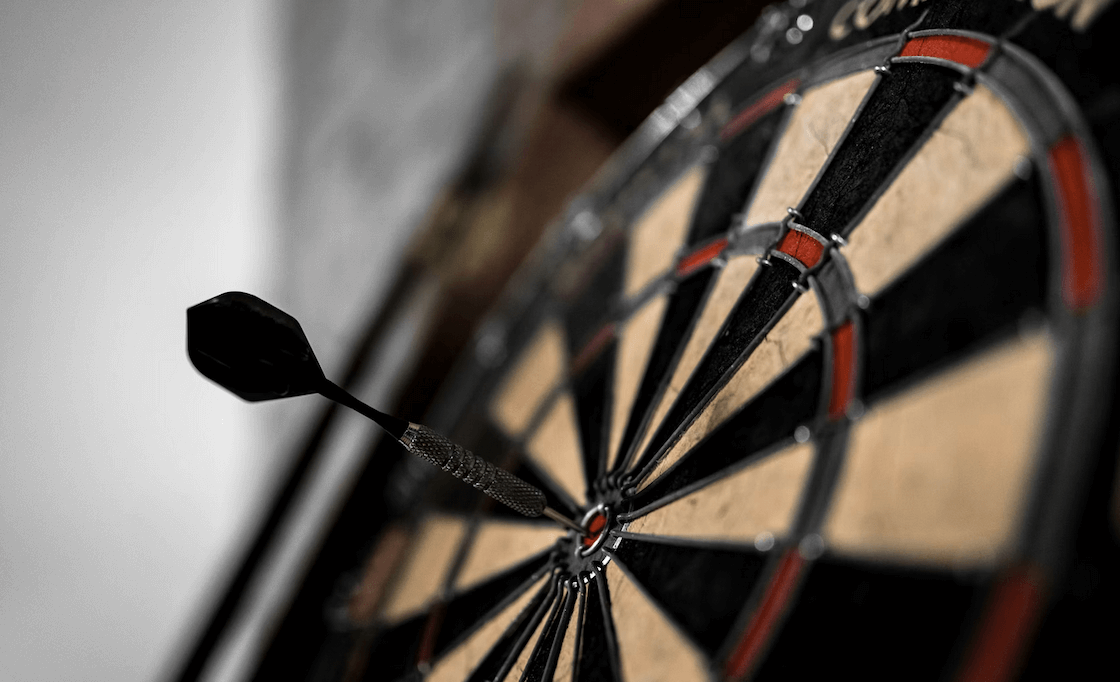
- Track lighting. Flexible for accent or task work. Aim the heads at displays, a TV wall, or a dartboard.
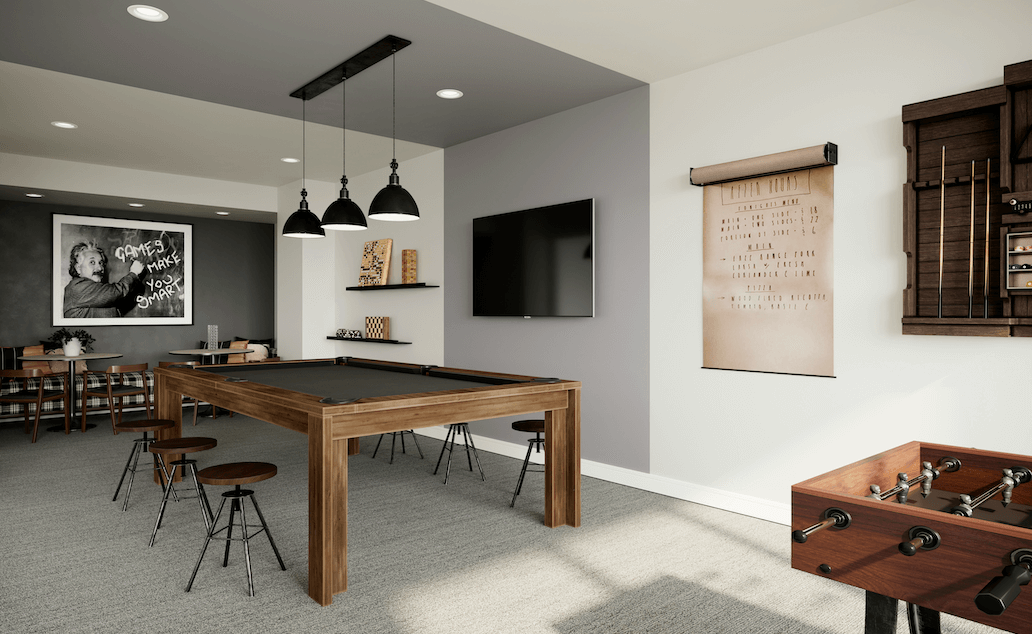
- Pendants. Perfect over a bar or high-top. Hang them 30-34 inches above a bar counter, or 30-36 inches over a pool table.
- Wall sconces. Great for side ambient and a cinematic wall wash. Mount the center about 60-66 inches from the floor for balanced eye-level light.
- Floor and table lamps. Portable and useful for layering without rewiring. Carry mood and function.
- LED strip and puck lights. Ideal for under-cabinet, shelving, and TV bias lighting. Use diffused channels so you don’t get hot spots.
- Picture and display lights. Show off jerseys, guitars, or posters. Angle them so they highlight the piece without shining in people’s eyes.
Practical fixture specs and color advice
- Think lumens, not watts. For ambient in a typical man cave aim for 1,500-3,000 lumens total depending on size and use. Add 300-1,000 lumens for task zones.
- Color temperature. For daytime clarity go 3500-4000K. For cozy evenings aim 2700-3000K. Use tunable fixtures if you want both options.
- CRI. Pick fixtures with CRI 80 or higher. If you’re showcasing collectibles or leather, shoot for CRI 90 when possible.
Installation tips, compatibility, and placement
- Use LED-compatible dimmers. Dimming changes mood more than raw lumen counts.
- Group circuits by function. Keep ambient on one dimmer, and task lights on separate switches or smart zones.
- Smart bulbs and controllers are handy, but check compatibility with your hub or app before buying.
- Hire an electrician for new circuits, recessed cans, or major rewiring. Don’t tinker past your comfort level.
- Reduce glare with baffles, frosted lenses, or indirect uplighting so screens and shiny surfaces don’t light up your eyes.
A good mix of fixtures makes the room functional by day and cinematic by night.
How to Zone Your Space for Flow and Atmosphere
A man cave rarely does just one thing. Zoning divides the room into activity areas, each with its own lighting recipe. Whether you have a theater corner, a bar, a hobby bench, and a lounging nook, zones let you control mood and function without one light ruining the other.
Zoning matters because it keeps bright workshop lights from washing out the cinematic glow over the TV. The goal is a hierarchy: ambient ties everything together, task lights serve focused activities, and accent lights create focal interest. Below are simple mapping techniques to turn furniture layout into practical lighting zones and how to prioritize circuits and switching for real convenience.
Plan your zones first
Think functions, not just furniture. I like to map out zones for TV/lounge, bar, gaming/desk, workshop bench, and entry. Sketch a floor plan on graph paper or use a room app. Mark furniture, sightlines to the TV, and traffic paths. That little upfront work saves you headaches later.
Map your lighting layout step by step
- Measure the room and draw it to scale. Note ceiling height and window positions.
- Label zones by primary activity (watching, working, socializing).
- For each zone mark three layers: ambient, task, and accent.
- Place fixtures so they serve the zone without creating glare on screens. Avoid putting bright recessed lights directly where people sit and watch.
- Group fixtures by control. Plan at least one dedicated circuit or switch group per major zone.
Zone-specific lighting recipes
- TV/lounge. Keep ambient dimmable and warm (2700-3000K). Use indirect cove lighting or wall washers to cut screen glare. Add bias lighting behind the TV or under shelves for depth.
- Bar. Use pendants or low-hung fixtures over the counter (30-36 inches above the surface) paired with under-cabinet strips for prep. A slightly cooler 3000K keeps things lively.
- Gaming/desk. Bright, flicker-free task lighting. Higher lumen counts and cooler color (4000-5000K) help alertness. Add bias lighting behind monitors to reduce eye strain.
- Workshop/hobby bench. Prioritize high CRI and daylight color for color accuracy. Multiple adjustable task lights beat one overhead every time.
Control and wiring tips
- Put dimmers on ambient circuits. Keep task and accent lights on separate switches so you can mix scenes.
- Consider smart switches or keypads for scene recall. Presets like “Movie”, “Game Night”, and “Clean-Up” make life easier.
- Put switches at entries and near seating. If you’re running new wiring, add extra low-voltage conduit for future upgrades.
- Label circuits on your plan. You’ll thank yourself when it’s time to install or tweak things.
Do the mapping up front and flipping between moods becomes effortless.
Smart Controls and Dimmers That Make Mood Switching Effortless
Smart lighting isn’t just a party trick. Done right, it becomes the conductor of your man cave. Dimmers and smart controls let you fine-tune intensity, program scenes, and shift color temperature through the day so your eyes don’t hate you by bedtime. You can automate a move from daylight chores to low, warm movie light without walking around the room flipping switches.
I’ll cover control systems from simple dimmers to full smart hubs, and point out which fit different budgets and skill levels.
Why smart controls and dimmers matter
Smart controls let you change the room’s mood with a button, voice command, or app. They take the fuss out of juggling multiple switches. That’s huge when you want to jump from a bright project scene to a low, cinematic setup. Be real though, not every smart setup is flawless. Compatibility and wiring can trip you up, so plan before you buy.
Types and where to use them
- Smart bulbs. Plug-and-play for lamps and accent fixtures, great for color and tunable white. They work best if the wall switch stays on.
- Smart switches and dimmers. Replace a wall switch to control line-voltage fixtures like recessed cans and sconces. Better for whole-room control and keeping a single app or physical switch.
- Inline dimmers and modules. Install behind the fixture or in a junction box if you want to keep the original switch.
- Remotes, keypads, and motion sensors. Useful for entryways, the bar area, or for guests who don’t use your app.
Practical setup tips and scenes
- Check compatibility. If you’re using LEDs, pick dimmers that state LED compatibility to avoid flicker and limited range.
- Decide control hierarchy. Use a smart dimmer for overheads and smart bulbs for accents to prevent accidentally killing smart bulbs with a flipped switch.
- Create simple scenes. A few ideas:
- Game day: overhead 80%, task lights 100%, LED strips on team colors.
- Movie night: overhead 10-20% warm, TV bias lighting at 30% neutral.
- Clean up: everything 100% for 15 minutes on a timer, then return to the previous scene.
- Keep a physical fallback. A smart dimmer with a normal-looking paddle or a dedicated keypad helps guests and avoids app searching.
Installation and real-world caveats
- If the switch box lacks a neutral, you may need an electrician. Some smart switches require a neutral wire.
- Flicker is common with mismatched bulbs and dimmers. Test one fixture before buying a bunch.
- Mesh hubs (Zigbee, Z-Wave) improve reliability for many devices. Wi-Fi-only setups are simpler but can get flaky if your network is busy.
Start small, learn the system, then expand. You’ll refine scenes as you live with them.
Installation Tips and Common Mistakes to Avoid
Good planning prevents awkward retrofits and wasted cash. Installation is where design meets reality, and a few technical and aesthetic traps can ruin a great concept. This section covers mounting heights, spacing, wiring basics, safety, and common mistakes to dodge.
Before you start: prep and safety first
Turn off power at the breaker. Pull permits for new circuits if needed. If wiring makes you nervous, call a licensed electrician. A few bucks now beats risking fried fixtures or a fire later. Gather a plan with fixture locations, circuit loads, and a simple lighting key so the install goes smoothly.
Placement and spacing basics
- Recessed fixtures. Space cans roughly equal to the ceiling height in feet. An eight-foot ceiling means about eight feet between fixtures for even ambient light.
- Pendants and task lights. Hang pendants 28 to 34 inches above a bar or table surface. For pool tables, center pendants so they don’t block sight lines.
- LED strips. For 12V strips, plan power injection every 4-5 meters to prevent dimming at the far end. For 24V strips you can often go twice as far, but check the specs.
- TV bias lighting. Mount a soft backlight behind the TV at about 10-15% of the screen’s peak brightness. Use a 5000-6500K bias light for neutral color balance.
Wiring, dimmers, and controls
- Match dimmers to load type. Use LED-compatible dimmers and pick one rated above the total wattage of the fixtures. Some smart switches need a neutral wire.
- Zone planning. Put ambient, task, and accent lighting on separate circuits or switch groups so you can create scenes.
- Wire gauge. Use 14 AWG for 15A circuits and 12 AWG for 20A circuits. For long low-voltage runs, step up the gauge to reduce voltage drop.
Common mistakes to avoid
- Only using overhead light. Layering matters. Mix sources for depth.
- Skimping on dimmers. Without dimming there’s no mood control.
- Ignoring glare. Place fixtures so they don’t shine into seating or screens. Use baffles and directional trims.
- Overlooking heat. Use IC-rated cans where insulation is present to prevent overheating.
- Running long LED strips without power injection. The far end will dim or color-shift.
Quick tricks installers swear by
- Mock up fixture locations with painter’s tape and a flashlight on a stick to test angles and glare. Cheap and revealing.
- Label each wire and photograph junctions before closing walls. Future you will be grateful.
- Keep spare bulbs and the original fixture spec sheets in a labeled box for quick replacements.
A little prep and a few cheap tests save a lot of headaches down the road.
Final Thoughts
Layered lighting is the quickest way to turn a functional room into a cinematic, comfortable man cave. When ambient, task, accent, and decorative layers work together you get bright daylight function for projects and warm evening atmosphere for movies and games, all while making memorabilia look great. Fixtures, color temperature, CRI, and zoning aren’t afterthoughts. They’re the tools that shape how the room feels and performs.
My advice: start with a plan and prioritize controls. Sketch zones for TV/lounge, bar, gaming, and workbench. Pick LEDs in the right kelvin range (2700-3000K for cozy evenings, 3500-4000K for daytime tasks) and invest in LED-compatible dimmers or smart switches so your scenes are reliable and flicker-free. Don’t forget bias lighting for the TV and high CRI for display areas.
If you want momentum, take small steps this weekend. Mock fixture locations with painter’s tape and a flashlight, try one smart bulb or a single smart dimmer to experiment with scenes, then commit to hardwiring. For anything beyond basic swaps, call an electrician and label circuits so your zoning stays usable and expandable.
Now make it happen. Pick one zone to upgrade, program a “Movie Night” and a “Project Day” scene, and then post a photo for the bragging rights. If you want feedback on a layout or scene, drop a sketch or description in the comments and I’ll help you tweak it.