Restore Leather & Distressed Seating: Clean, Condition, Repair
Last updated July 18, 2026 · By Brandon Dixon

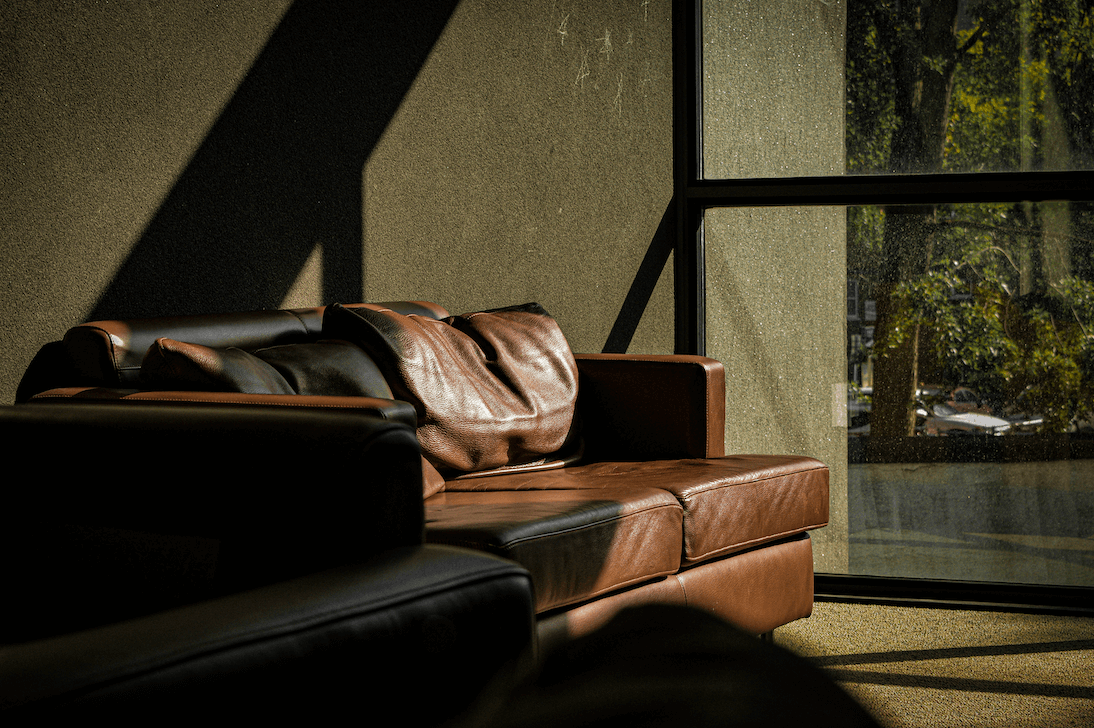
If you're like me, your man cave is more than a room. It's where every recliner, sofa, and barstool has its own story, and leather pieces usually tell the best ones. At some point you probably noticed faded patches, surface cracks, or that your distressed leather just looks tired after a season or two. This post will help you save and revive those pieces so they stay comfortable and handsome for years.
Read on and you'll get a practical, tech-forward playbook for leather and distressed seating care. I'll walk you through five key areas: why leather care matters, a daily cleaning routine, conditioning and protection, repairing scratches and tears, and a seasonal maintenance checklist. Expect actionable steps, product and gadget suggestions, automation tips for scheduling upkeep, and clear decision points for DIY versus pro help. Think hands-on tips paired with modern tools to make maintenance low-effort and long-lasting.
Why Proper Leather Care Keeps Your Man Cave Looking and Working Great
If you invested in leather seating, you already know it lifts a room in a way fabric rarely does. Leather is a natural material with oils, pores, and grain that react to light, humidity, body oils, and abrasion. If you ignore those factors, they speed up cracking, color loss, and seam failure, and a prized piece can turn into an expensive eyesore faster than you expect.
Caring for leather matters because it preserves both form and function. Regular maintenance keeps the hide supple, prevents premature fiber breakdown, and protects stitched seams and padding. From a cost standpoint, a little upkeep and small repairs are way cheaper than recovering or replacing furniture. From a comfort standpoint, a well-maintained leather chair stays ergonomic and cozy-important if your weekends involve long gaming sessions or movie marathons.
Distressed leather is a different animal. Those finishes are intentionally aged, so cleaning and conditioning need a lighter touch and products that won't erase the patina. Technology helps here: humidity sensors, UV window film, and calendar reminders keep environmental stressors in check so your leather ages on your terms instead of falling apart unexpectedly.
Why leather care matters

Think of your leather seating as the veteran of the room. It gets the most use, the funniest stains, and the longest naps. Do a little maintenance now and you keep that lived-in look, the comfort, and the value. Skip it and you end up with brittle, faded panels and repairs that cost more than the original piece. Not dramatic. Just true.
Leather reacts to sun, heat, sweat, and spills. Left to its own devices, natural oils evaporate, fibers dry out, and tiny cracks form. Those cracks trap dirt and moisture and the damage spreads. Distressed leather shows wear on purpose, but even that looks better when it's intentional. Regular care preserves tone, texture, and the patina that says this space has history.
Here are the practical points that matter most:
- Appearance and character. Clean leather looks richer. Conditioning keeps the grain supple so the surface wears attractively, not raggedly.
- Longevity and cost savings. A few minutes each week plus a conditioning session a few times a year will delay expensive repairs or replacement.
- Comfort and function. Dry leather can become stiff or noisy. Conditioned leather flexes and molds to your body, extending cushion life.
- Health and hygiene. Sweat, oils, pet dander, and dust collect in seams and creases. Regular cleaning prevents odors and reduces allergens.
- Resale or hand-me-down value. Well-maintained pieces keep more of their original worth and are easier to sell or pass on.
Quick, actionable examples:
- Immediate spill response. Blot liquids with a clean cloth. Don't rub. If needed, lightly dab with a barely damp cloth (water only), then dry. For grease, sprinkle cornstarch or baking soda, wait a few hours to absorb, then brush gently.
- Routine rhythm. Wipe dust weekly. Vacuum creases monthly. Condition every 3 to 6 months depending on room humidity and use. Deep clean and inspect seams and frames annually.
- Placement and environment. Keep seating a couple of feet from direct sunlight and heat vents. Aim for stable indoor humidity around 40 to 55 percent. Use curtains, shades, or a UV film on windows if your couch sits in daylight.
Small steps now save big headaches later. Treat leather like a tool you respect, not a throwaway. Your man cave will look lived-in and deliberate, not neglected.
Daily Habits That Keep Leather Looking Sharp
Daily care isn't about deep cleans every day. It's tiny, consistent habits that block damage before it starts. A quick wipe with a soft, dry microfiber cloth after heavy use, vacuuming crevices for crumbs and grit, and addressing spills the moment they happen will stop abrasive particles and moisture from embedding in the grain. These habits take almost no time and make a real difference.
Know your materials and avoid harsh cleaners. Use pH-balanced leather cleaners when needed, and never use ammonia-based solutions or household detergents that strip oils. For distressed finishes, spot test in an out-of-the-way place before applying anything. Keep a small cleaning kit near your seating so you can act fast.
Automation can make daily upkeep painless. Put a reminder on your phone for brief inspections, or add a small IoT humidity sensor to alert you when conditions could dry leather too quickly. If your man cave has a ventilation system, schedule short cycles after heavy use to cut down on sweat and odors.
These daily steps set the stage for deeper maintenance. When daily cleaning is consistent, conditioning cycles actually work and repairs stay small. Think of daily care like preventive maintenance-same idea as dusting consoles or updating software to keep things running longer.
Quick daily checks to keep leather in shape
Think of a daily check as a two- to three-minute pit stop for your chairs. Do a quick visual sweep when you walk by. Look for fresh spills, crumbs in creases, or wet spots from a careless drink. Catching something early is the cheapest repair you'll ever make.
A simple routine you can do in the morning or before lights-out:
- Smooth the surface with your hand to feel for sticky spots or grit. Grit rubs and accelerates wear.
- Run a lint roller or a soft-bristled brush over cushions if you have pets. This removes hair and loose particles before they work into seams.
- Open a window for a few minutes if the room feels stuffy. Fresh air reduces concentrated odors without drying the leather out.
Fast cleaning steps that actually work
Keep a small kit by the door or under a side table: a microfiber cloth, a soft brush, a handheld vacuum with a soft nozzle, and a jar of plain cornstarch or baking soda. When you spot a spill, act quickly but gently. Blot. Do not press hard or scrub. For greasy marks, sprinkle powder, let it sit to absorb, then brush off. For ordinary dust and fingerprint oils, wipe with a dry microfiber cloth using light, overlapping strokes. If you must use water, moisten the cloth slightly, not wet it; leather hates soaking.
If a smudge resists, use a dab of pH-balanced leather cleaner on the cloth first, not directly on the leather. Test in an inconspicuous area before tackling the whole spot. For distressed finishes be even gentler. Preserve the mottled look by avoiding aggressive rubbing.
What to avoid in your daily routine
Never use household degreasers, ammonia, bleach, or straight vinegar. Paper towels and rough fabric can scuff. Don't saturate seams or cushions. And no, your recliner is not a coaster; long-term wet rings from drinks are avoidable and ugly.
A tiny, regular habit beats a rare deep clean. Spend two minutes a day. Set a phone reminder if you forget. Your leather will thank you with better color, less cracking, and fewer surprises the next time you sink in for game night.
Conditioning and Protection: The Tech-Savvy Approach
Conditioning puts back the natural oils leather loses over time. For most top-grain and full-grain leathers, a dedicated leather conditioner every 3 to 6 months restores suppleness and adds a light protective layer. Pick products made for furniture, avoid heavy silicone or petroleum-based treatments that can darken or block breathability, and always test first on a hidden spot, especially on distressed finishes.
Protection goes beyond creams. Use UV-filtering window film or smart blinds to limit sun exposure. Consider a smart humidifier with a hygrometer to keep relative humidity in the 40 to 55 percent range. Leather dries and cracks in low humidity, while too much moisture invites mildew. These environmental controls are repeatable and help your leather age on purpose, not by accident.
For everyday protection, apply a thin, even coat of conditioner and buff gently to avoid buildup. Use products labeled for your leather type, and for distressed pieces choose lighter formulations that preserve patina. Consider a removable cover for heavy-activity days, and store product specs and application dates in a notes app so you know what was used and when.
If you want automation, tie conditioning reminders into your calendar or home hub. Schedule push notifications after a deep clean, or set a quarterly maintenance routine in your home-management app. That way conditioning becomes part of your system, not a task you remember only when damage shows up.
Why conditioning matters and what to expect
Conditioning replenishes oils and fats that keep leather supple, reduces friction at high-wear points, and helps surface finishes age in a controlled way. Be honest with yourself: conditioning won't fix deep cracks or structural damage. It will slow the breakdown, reduce noisy stiffness, and often darken leather slightly at first. For distressed leather this can temporarily reduce the "worn" look. Over time the patina comes back healthier and more attractive.
How to choose a conditioner and do a quick test
Pick a cream or balm made for furniture leather rather than solvent-heavy sprays. Look for products that leave minimal residue and list natural fats or lanolin. Avoid anything that smells strongly of solvents or leaves a tacky film. Before you commit, test on an inconspicuous spot (behind a cushion or under a skirt). Apply a small amount, let it sit 24 hours, then check for color change, tackiness, and water resistance.
Step-by-step conditioning routine
- Clean first. Remove dust, vacuum seams, and spot-clean marks. Conditioner should go on a clean surface.
- Apply sparingly. Use a soft, lint-free cloth or a small applicator pad. Less is better than more. Work in small sections, rubbing the product into the grain in circular motions.
- Let it absorb. Give the leather several hours to soak up the oils. If the room is cool, allow more time.
- Buff lightly. After absorption, buff with a dry microfiber cloth to remove any excess and restore a subtle sheen.
For distressed leather, use about half the quantity you'd use on smooth leather and skip aggressive rubbing. The goal is to nourish without erasing intentional texture.
Frequency and environment tips
Condition every three to six months for regular use, sooner in dry winter months or if your man cave runs hot from gaming rigs or heaters. In humid climates you can stretch intervals, but still inspect quarterly. Use a hygrometer to keep indoor humidity around 40 to 55 percent. If you see hairline cracking, condition more often until things stabilize.
Protection strategies beyond conditioning
Protective steps are as important as conditioners. Use window covers or UV film to block direct sunlight. Keep seating a couple of feet from heat vents and radiators. Use removable arm covers, throws, or leather-safe protective pads during heavy use or while eating. Trim pet nails and add washable throws for furry roommates. Finally, avoid over-conditioning. Too much product attracts dirt, softens fibers excessively, and can cause premature wear in high-contact areas.
A quick conditioning session and a few simple protective habits will keep your seating comfortable and rugged-looking. It takes minutes, protects hundreds of hours of use, and preserves that lived-in character you want in a man cave.
Smart Repairs for Scratches, Scuffs, and Tears
Small scratches and scuffs are part of leather's personality, especially in a man cave. Many surface marks disappear with a little buffing and a targeted conditioner. For deeper scratches, color loss, or torn seams, a careful repair process will keep the piece usable and attractive. The aim is to stabilize the damage and match texture and color without overworking the leather.
Start with an honest assessment. Light surface scratches often respond to a leather balm and soft cloth. For cuts and holes, use a quality leather repair kit that includes backing fabric, flexible filler, and color compounds. Patch or glue from the underside when possible to preserve top grain. For stitched seams, use a heavy-duty curved needle and polyester thread to recreate the original stitch pattern.
Modern tools are helpful for color matching. Mobile apps can give reference photos and color codes to mix tints more accurately, and heat-activated fillers cure more consistently with a small heat gun. Avoid household glues that go brittle. For extensive work, a professional upholstery shop can re-panel seating, and modular cushions make future swaps easier.
Plan repairs as part of lifecycle management. Keep a repair kit, spare hardware, and digital documentation of the furniture so panels can be matched or replaced later. This minimizes downtime and keeps your seating in top working order without forcing an early replacement.
Assess the damage first
Run your hand over the area to feel whether the scratch is surface-only or whether the leather gives under pressure. Surface scuffs often polish out or fill easily. If the leather cracks, the padding bulges, or stitches have come apart, you have a deeper repair that needs stronger fixes or expert help.
Repairing light scratches
Start by cleaning the area with a damp microfiber cloth and a gentle leather cleaner. Rub a tiny amount of conditioner into the scratch with your fingertip to see if it blends; many shallow marks will disappear as oils reintegrate into the grain. If the scratch stays, very lightly buff with ultra-fine sandpaper in one direction to even the edge, then apply a small smear of leather balm and buff again. Test in a hidden spot first so you don't change the finish unexpectedly.
Fixing deeper scratches and small tears
Clean thoroughly, then let the leather dry. For tears under an inch, slide a thin backing patch of fabric or non-woven interfacing under the tear and tack it with a leather adhesive so the edges lie flat. Work a flexible leather filler into the gap with a plastic spatula, feathering the edges to match the surrounding grain. Allow curing time, then sand gently to blend. Finish with a matched leather dye or colorant applied sparingly, and seal with a leather-safe top coat.
Repairing larger tears and seam failures
If seams split, clip loose threads, align panels, and use a strong leather adhesive to hold the seam while you stitch or have it re-stitched. For large tears where foam spills out or the backing is compromised, insert a replacement backing and secure with contact adhesive before refilling and patching. Use a temporary clamp or heavy books wrapped in cloth to keep pressure while glue sets. True stitching, especially decorative seams, often benefits from a cobbler or upholstery pro for a clean, long-lasting finish.
Aftercare and subtle finishing touches
Once repairs cure, condition the entire panel lightly so repaired areas match the patina. Use a soft brush to recreate grain if needed by pressing a textured stamp very gently, or blend color with thin layers instead of one thick coat. A low-setting hairdryer speeds cure times, but keep it moving and avoid high heat that can stiffen leather.
When to call a professional
Call a pro if the frame or foam is damaged, the tear runs along a critical seam, color matching for a distressed finish seems tricky, or if you lack the tools for secure stitching. Pros will save you time and prevent an amateur fix from becoming a permanent eyesore. Small, honest DIY fixes keep your man cave seating usable and handsome, but know when to hand it over.
A Seasonal Maintenance Checklist to Maximize Lifespan
Seasonal maintenance turns firefighting into routine care. Before winter, deep clean and fully condition leather to lock in oils against dry indoor heat. In spring, check for moisture damage and mildew after damp months. Summer is UV and sweat season, so prioritize sun protection and quick wipe-downs. In fall, balance humidity as you bring heat back indoors and address any repairs before holiday guests arrive.
Create a short checklist for each season. Winter: deep clean, condition, and increase indoor humidity slightly if below 40 percent. Spring: inspect seams, treat any mildew, tighten hardware, and rotate cushions. Summer: apply extra UV protection, close curtains during peak sun, and monitor hygrometers. Fall: vacuum and deep clean, condition if it was a dry summer, and log repairs to handle before guests come over.
Technology makes seasonal tasks easier. Set recurring events in your calendar, sync reminders to your phone and home hub, and use small IoT sensors to track temperature swings and humidity. Keep a digital maintenance log with dates, products used, and before-and-after photos so you can spot trends and make data-driven choices about repair or replacement.
Treat seasonal upkeep as a cadence. Regular cycles of inspection, cleaning, conditioning, and minor repair reduce long-term costs and keep leather seating performing and looking its best. That way your man cave stays ready for every weekend, game night, or movie marathon without surprise failures.
How to use this seasonal checklist
Think of seasons as scheduled maintenance windows. Do a small inspection every month, then treat each season as the time to do specific jobs. Put these tasks on your calendar. Set reminders. You will skip fewer things that way.
Spring (deep refresh)
- Move seating away from walls and vacuum underneath and behind cushions. Get grit out of seams so it does not grind the finish.
- Deep clean with a leather-specific cleaner. Work in small sections and blot, do not soak.
- Light conditioning session. Use a thin application to restore oils lost over winter heat. Wait 24 hours before heavy use.
- Inspect frame, legs, and hardware. Tighten screws, check casters, and refasten loose trim. Replace screws that have stripped.
- Rotate cushions and flip any reversible pads to even out winter wear.
Summer (sun and sweat management)
Hot months are about preventing sun fade and salt from sweat.
- Move seating or lower blinds during peak sunlight hours. Install temporary reflectors or a cloth cover if a permanent film is out of budget.
- Wipe high-contact zones after long sessions. A damp cloth or sweat-wipe prevents salt buildup.
- Check for mildew in hidden areas, especially if your man cave gets humid. Use a lightly damp cloth and dry immediately.
- Reduce heavy conditioning. Too much product plus heat attracts dirt. Spot-check instead and do a full application only if leather feels dry.
Fall (inspection and repair season)
As you move toward colder months, do a thorough pre-winter check.
- Inspect seams and stitching. Sew or glue small failures before they widen with colder, stiffer leather.
- Test cushion integrity. Refill or replace foam that has flattened. Loose foam stresses seams and causes uneven wear.
- Touch up small scuffs with filler and colorant while humidity is moderate. Blending is easier when leather is not brittle from cold.
Winter (prevent drying and cracking)
Cold air and forced heat will dry leather fast. Act proactively.
- Increase conditioning frequency if your heater runs a lot. A light application every 6 to 8 weeks can prevent hairline cracks.
- Use a humidifier to keep indoor relative humidity around 40 to 50 percent. Dry air is the single biggest winter culprit.
- Keep seating at least a couple of feet from heat sources. Move fans or vents that blow directly onto leather.
Seasonal tools to keep on hand
Microfiber cloths, a soft brush, a handheld vacuum, a small leather repair kit (patch, filler, colorant), a sewing kit with a heavy needle and polyester thread, a hygrometer, and a simple calendar reminder tool. Store spare cushions or covers in breathable bags with desiccant packs if you rotate furniture out for a season.
When a repair feels beyond your skill or affects a structural seam, call a pro. Fixing small problems seasonally keeps your man cave leather tough, comfortable, and worth bragging about.
Final Thoughts
You now have a compact, tech-forward playbook for keeping leather and distressed seating in fighting shape. The essentials are simple: understand why leather care matters, do a two- to three-minute daily check, condition every 3 to 6 months (lighter for distressed finishes), learn a few smart repair moves, and follow a seasonal checklist to prevent big failures. Little habits (microfiber wipes, a handheld vacuum, quick spill response) plus a few well-chosen gadgets (hygrometer, smart humidifier, UV film) turn expensive emergencies into predictable upkeep.
Here’s what I recommend you do this week. First, assemble a small care kit: microfiber cloths, a soft brush, a handheld vacuum, cornstarch or baking soda, a pH-balanced leather cleaner, a leather conditioner, and a basic repair kit (backing fabric, flexible filler, colorant). Stash it under a side table or in a drawer so you can act fast on spills and scuffs. Second, set a phone reminder or calendar event for a two- to three-minute daily check and a quarterly conditioning reminder. Test any product on a hidden spot before full application, especially on distressed leather.
If you see cosmetic scratches or small tears, follow this order: clean, test conditioner to see if oils blend the mark, sand ultra-fine only if needed, then use a backing patch and flexible filler for gaps, finish with colorant and a light top coat. For color matching, use mobile apps to read tones and mix dyes more accurately, and use a low-setting heat gun to cure fillers carefully. Call a professional when frame integrity, major seam failure, or extensive re-paneling is involved. It saves time and prevents a DIY fix from becoming a permanent eyesore.
This is where tech really earns its keep. Hook a couple of inexpensive IoT hygrometers to your home hub and automate humidifier cycles when humidity dips below 40 percent. Add calendar events synced to your phone for seasonal deep cleans (spring refresh, summer sun management, fall repair, winter conditioning), and keep a digital maintenance log with timestamps, photos, and product specs for every intervention. Future-proof your setup by documenting panel dimensions and keeping spare hardware or modular cushions so repairs are faster and matching is easier.
Now take action. Do a two-minute inspection right now, stash your care kit in reach, and set those quarterly reminders. Post a before photo to your man cave thread or DM me if you want product recommendations or a quick color-match tip. Small, consistent steps plus a bit of automation will keep your seating comfortable, characterful, and ready for every game night, marathon, or well-earned nap.