Patina for Your Relaxation Room: Embrace Wear for Authentic Character
Last updated January 24, 2026 · By Brandon Dixon

Once upon a time your man cave might have been all brand-new leather, crisp paint, and surfaces that reflected the ceiling light like a showroom. Picture that same space a few years later after late-night guitar sessions, the occasional spilled beer, sun slicing through the blinds, and materials slowly mellowing under your hands. That contrast isn’t damage. It’s narrative. Patina turns a staged room into a lived-in one, and that lived-in quality makes the place honest, welcoming, and unmistakably yours.
In this post I’ll walk you through why patina matters, which materials actually get better with time, how to encourage authentic wear without wrecking things, and how to care for and preserve the look once it’s earned. I’ll also share styling moves and common mistakes so your man cave reads intentional rather than neglected. We’ll cover five key areas: what patina is, materials that age, creating patina, maintenance and preservation, and styling tips. Expect practical techniques, color and texture pointers, and layout ideas you can use whether you’re starting fresh or just refreshing what you’ve already built. Read on and get ready to make wear work for you.
What Patina Really Means: Beyond Rust and Wear
Patina is what happens when time, use, and the environment leave their signature on a surface. It isn’t just grime or decay. It’s the darkening of leather where hands rest, the soft silvering on a copper lamp, the mellowing of oak grain as light and smoke settle into it. Patina, in design terms, is visible memory. Every scuff, color shift, and polished edge maps out activities and stories, turning objects from anonymous into characterful.
For a man cave, patina matters because it creates a feeling you can’t buy in a big-box store. It changes color temperature, throws off unexpected highlights, and gives you tactile contrasts that practically beg to be touched. A scratched brass faucet catches warm light differently than a new chrome one. A thrifted armchair that has relaxed into sweet softness reads as comfortable in a way new upholstery rarely does. Those small signals tell visitors this room is a place of ritual and comfort.
This section is just the opener. We’ll dig into how patina functions visually and emotionally in a room, how it interacts with color palettes and lighting, and how to spot when wear is desirable versus when it needs repair. Learn that language and you’ll know when to nurture wear and when to step in.
What is patina

Patina is the visible and tactile record of time, use, and environment on a surface. You’ll notice it as softened edges, shifts in color, tiny scratches, a mellow sheen, and subtle texture differences. Patina doesn’t mean something is broken. It means something has been used, and used well. In a man cave, patina reads as character. It invites people in.
It shows up differently depending on the material. Leather darkens and becomes supple where you touch it most. Metals lose factory shine and gain warm, matte depth. Wood smooths at corners, grain tones deepen, and finished surfaces gather fine scratches that catch the light. These are natural cues that a space has been lived in.
How to tell good patina from damage. Good patina enhances look and function: the surface stays intact and wear is concentrated where use actually happens. Damage is structural: split seams, rust holes, deep gouges, and flaking finishes are problems, not style. If a piece looks unsafe or unusable, that’s not patina.
If you want to test or encourage patina without wrecking the piece, always start small and out of sight.
- To test leather: apply a tiny amount of leather conditioner to a hidden seam. Wait 24 hours and check color and feel. Conditioning speeds mellowing without harming the fibers.
- To test wood: rub a corner lightly with very fine sandpaper (320 grit) to simulate edge softening. If you like the result, repeat more subtly across other edges.
- To test metal: touch with a soft cloth and the natural oils from your skin. Some metals darken with oil; if you like the effect, leave high-touch areas untreated and skip abrasive polishing.
If you decide to speed the process, do it intentionally and sparingly. Focus wear where it would naturally occur: armrests, tabletop edges, drawer pulls. Use gentle abrasion, soft waxes, and repeated handling rather than aggressive chemicals or heavy sanding. Time still does the best work. Embrace small imperfections; they read authentic. Avoid overdoing distressing. When wear looks uniform and staged, it starts to feel fake.
Patina is not an excuse to stop caring for things. It’s the result of thoughtful wear plus basic maintenance so pieces last and keep their story. Let time do most of the work, guide it subtly, and keep the line between lived-in and neglected clear.
Materials That Get Better with Time
Not every surface ages the same. Knowing which materials respond gracefully to life and which will just fall apart is the first step to designing a man cave that only improves with use. Full-grain leather develops a rich, flexible sheen and personalized wear paths. Hardwoods pick up honeyed depth as finishes thin and small dents add character. Metals like copper and brass take on warm oxidation or green patina that adds tonal complexity. Even concrete and brick mellow under light and touch, giving a room an anchor.
Choosing materials with predictable aging patterns lets you plan color harmony and texture mixes from day one. Pairing raw steel with walnut, for example, creates a nice conversation between cool and warm patinas. Fabrics behave differently too: wool and linen soften and matt, while many synthetics pill in less flattering ways. Knowing those behaviors helps you balance durability and aesthetics, so the cave stays functional while gaining visual layers over the years.
Below is a practical guide to common man cave materials, how they develop patina, and what to do to encourage or preserve the look.
Leather
Full-grain leather gets softer, darker, and a little shinier where you touch it most. Let it wear by using it. To nudge the process, apply a thin layer of neutral leather balm with a soft cloth and buff gently. Don’t soak it with water. For suede or nubuck, a gentle brush will bring out the nap and highlight texture. Small scratches often soften if you rub them with your fingers; the heat helps blend the mark.
Wood
Hardwoods like oak and walnut age into richer tones, with edges smoothing and grain popping. Keep finishes alive with periodic wax or oil rubs. For a gently aged edge, lightly scuff corners with very fine abrasive or use fine steel wool with a little oil in a discreet spot. Wipe off excess and let it cure. Avoid aggressive stripping unless you want a full redo. Small dents are not failures. If you prefer a tidy look, fill selectively with matching or contrasting wax sticks.
Metal (Steel, Brass, Copper)
Stainless steel resists major change and mostly picks up micro-scratches that soften glare. Brass and copper develop warm oxidation and sometimes green verdigris in humid conditions. To accelerate that patina, test a tiny hidden sample with moisture and lemon juice or a mild ammonia setup, and always work in a ventilated area. If you want a controlled, muted look, hand-rub with 0000 steel wool to take off the shine, then seal with a clear wax.
Stone and Concrete
Polished stone stays glossy. Honed or unsealed concrete develops tiny pits, mineral stains, and a quiet matteness that reads intentional in a rugged space. If you want a lived-in look, skip high-gloss sealers on surfaces you use a lot. For practical maintenance, use a penetrating sealer on spill-prone areas so rings wipe away while the surface keeps its texture.
Fabrics and Textiles
Canvas, denim, and wool mellow with washing and sun exposure. Rotate cushions regularly so wear evens out. If you want subtly faded edges, give a throw or pillow a few hours in the sun over several days. For heavier upholstery, routine brushing and spot-cleaning keeps that soft, broken-in feel without making things look tired.
Quick do’s and don’ts
- Do accentuate natural touch points: armrests, drawer pulls, bar edge.
- Do test any aging trick in a hidden spot first.
- Don’t overdo uniform distressing. It reads staged.
- Don’t skip basic upkeep. Patina looks best when parts still work.
Treat materials like characters in a cast. Let them show age where it makes sense, keep them functional, and your cave will read as lived in, not left behind.
How to Encourage a Comfortable, Authentic Patina
Creating patina is mostly about setting the right conditions and then letting time do the heavy lifting. Natural wear is the gold standard. That said, there are subtle, controlled techniques that accelerate maturation without looking contrived. Light sanding, strategic distressing, waxing, and targeted exposure to sunlight or smoke can coax a piece into the right tonal family. The key is restraint. You want hints of history, not a theatrical costume version of age.
Think like a conservator and an artist at once. Plan where hands naturally land, which surfaces will see traffic, and where a softened edge would enhance comfort. Choose finishes that wear attractively: oil finishes on wood, pull-up leather dyes, or lacquered metals that reveal warm underlayers as they age. Color theory matters. Patina shifts saturation and contrast, so anticipate how green oxidation, blond wood darkening, or leather darkening will influence your palette and pick fabrics and wall tones accordingly.
Later in this post I’ll give step-by-step safe patination techniques and a short list of products to use or avoid. For now, here are practical ways to encourage authentic patina.
Plan the story you want the piece to tell
Before you touch anything, decide how that object fits your cave’s narrative. Is the bar top the room’s battle-scar hero or a quietly worn companion? Map natural contact zones: edges, tops, handles. Work with those zones so the wear feels earned. Take a photo, sketch, or just walk past the piece for a few days and imagine where hands, glasses, and feet will go. That little planning step keeps distressing from reading fake.
Low-risk techniques that still read real
There are plenty of safe ways to coax age without heavy tools. For wood, try layered washes: thin paint with water, brush it on, then wipe back so grain shows through. Repeat with darker tones to build depth and wipe high spots with a coarse cloth for natural highlights. For textiles, run repeated wash cycles and line-dry in the sun to encourage soft fades. For metal, use a nylon scrubbing pad to create subtle surface variation, then buff with a soft cloth. For leather, use touch and use it often. Frequent handling and gentle rubbing with a dry cloth warm and polish areas in a way no chemical can match.
Practical example. To age a coffee table: ding corners lightly with a wooden mallet, rub the tabletop with a diluted stain wash, sand corners by hand, then finish with a thin paste wax. It takes a few passes to find the balance between worn and trashed.
More deliberate approaches. Use caution
If you want faster results, use methods that are controlled and reversible when possible. Salt and vinegar mixtures will accelerate brown and green tones on copper and brass. Spray lightly in a ventilated area, then rinse and neutralize once you like the look. Heat will color steel, but that requires skill and protective gear so hire a pro if you’re unsure. Avoid any aggressive chemical that eats material unless you have prior experience.
Small honest confession. I once wrapped a chain in cloth and rolled it over a tabletop to imprint faint texture. It looked like years of use. It also taught me restraint. Less is usually more.
Locking the look in without losing function
After creating patina, protect high-wear zones. Use thin, matte wax or a low-sheen sealer so the surface keeps visual depth but resists stains. For fabrics, add a removable protective cover for cushions you want to preserve. Keep humidity steady so wood and leather do not crack. Finally, live with it for a month. The piece will tell you what else it wants. Adjust slowly. Patina earns credibility through time.
Caring for Patina: Maintenance That Respects the Look
Patina is desirable, but it’s not the same as neglect. Maintenance is a paradox here. You want to preserve the layered, time-earned quality without erasing it through heavy-handed restoration. Gentle, informed care extends the life of patinated materials and keeps the mood you’ve worked to create. Think light cleaning, periodic conditioning, and selective sealing where necessary to keep character intact without creating plastic shine.
Different materials require different rhythms. Leather benefits from occasional conditioning to stay supple while preserving surface sheen. Unfinished wood may need periodic oiling, while aged metals often want minimal cleaning to retain attractive oxidation. Use products that nourish rather than strip. Also consider functional maintenance: rugs under bar stools to protect flooring, UV-filtering window film to slow sun bleaching, and removable pads in high-friction spots.
Keep a simple routine. Do it often.
A little attention prevents dramatic repairs later.
- Weekly: dust hard surfaces with a microfiber cloth, vacuum textiles, and wipe obvious spills.
- Monthly: inspect leather for dryness, run a soft brush over upholstery nap, and check metal fittings for early corrosion.
- Annual: deep-clean, reapply wax or oil finishes, and rethink protections if humidity or light has shifted the finish.
Leather. Gentle care, not polishing fury.
Vacuum crevices first. Wipe with a barely damp cloth and a pH-neutral soap if needed. Let dry away from direct heat. Apply a thin coat of leather conditioner sparingly. Work it into high-contact zones, wait 24 hours, then buff with a soft rag. For suede or nubuck, use a rubber brush and avoid oils. Small scratches often blend with time and handling; big tears or failed seams are a saddle or upholstery pro’s job.
Wood. Clean, feed, then protect.
Remove dust and grit that will abrade finishes. Clean with a damp cloth and a mild cleaner, then dry. For oil-finished pieces, apply a thin maintenance coat of penetrating oil or paste wax. Rub wax in with small circular motions, let it cure, then buff to a low sheen. For dents, try a steam lift (damp cloth, iron on low) to raise fibers, then touch with matching wax. Avoid heavy stripping. Patina lives in the finish.
Metal. Preserve character, stop the rot.
Wipe metals with a soft cloth and mild soap, then dry immediately. For brass and copper, decide if you want active oxidation or a locked finish. If you prefer the aged look, leave verdigris alone and protect with a thin layer of clear wax to slow further change. For active rust on steel, remove loose flakes with fine-grade wool, treat the spot, dry thoroughly, and seal with a matte lacquer or oil. Test any abrasive method first.
Stone and concrete. Clean thoughtfully.
Blot spills fast. Use pH-neutral cleaners for daily work. Reapply a penetrating sealer on countertops or high-spill surfaces once a year to keep stains removable while preserving texture. Do not use acid cleaners on marble or limestone.
Fabrics and cushions. Rotate, spot, and reline.
Rotate cushions monthly to even wear. Vacuum seams and crevices to remove gritty particles. For spills, blot rather than rub. Use a mild upholstery cleaner and always test in a hidden spot. When support collapses or stitching fails, consider relining or reupholstering rather than forcing more surface wear.
Quick fixes and when to call a pro.
Keep these on hand: microfiber cloths, soft brushes, paste wax, fine steel wool, pH-neutral cleaner, leather conditioner, and a humidity gauge. Fix small gouges with colored wax sticks or touch-up kits. Call a restoration pro for structural damage, big rust pits, or complex leather and finish repairs. Preserving patina is about restraint. Clean, stabilize, maintain. Let wear speak, but keep the story intact.
Styling With Patina and Common Pitfalls to Avoid
When patina becomes a deliberate design tool, you can compose a man cave that feels layered, intentional, and comfortable. Style worn focal pieces, like a scuffed pool table or reclaimed bar, against crisp accents that provide contrast and clarity. Layer textures-soft wool throws, rough-hewn wood, burnished metals-to create visual depth and tactile interest. Lighting is crucial. Warm, directional light will coax colors out of aged materials and create pockets of intimacy.
Avoid heavy-handed faux aging and clichés. Forced distressing usually reads fake and flattens the nuanced color shifts that real patina creates. Also beware of visual overload. Too many competing aged pieces can make a room feel cluttered instead of curated. Scale matters. Pair large patinated statement pieces with simpler supporting elements to keep flow and function. Think in zones: a mellow lounge, a brighter game table, a display wall for trophies or memorabilia. Each zone should have a coherent patina story that ties into the overall palette.
Styling strategies that read intentional
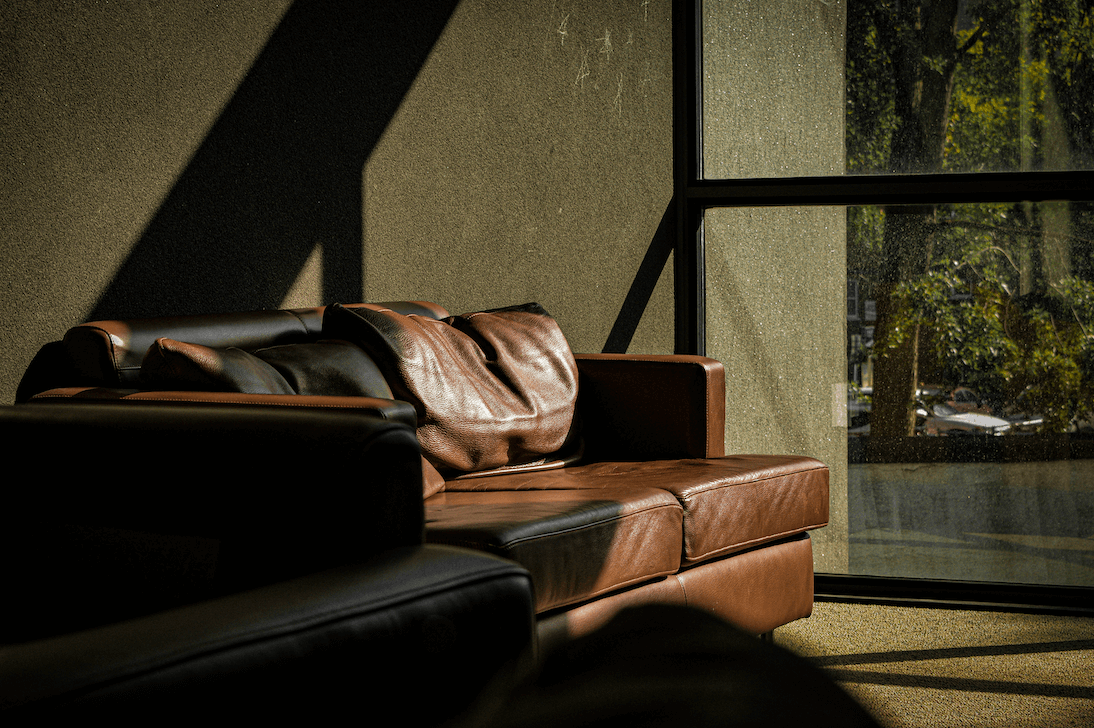
Start with a hero. Let one patinated object own the room. A soft, broken-in leather sofa or a scuffed bar top can be your anchor. Place it where sightlines lead to it naturally, then build contrast and balance around it. Mix textures. Pair the warm sheen of aged leather with a cool matte metal lamp and a rough wood side table. The friction between surfaces makes each patina more legible.
Think in layers. Ground the floor with a low-pile rug that pulls color from the sofa. Add a mid-layer of textiles: throws and pillows in canvas or wool that age differently. Top with small accents: a tarnished brass ashtray, a stack of well-thumbed vinyl, a ceramic coaster with a hairline crack. Those details read like accumulated life.
Control scale. Too many small worn items look cluttered. Too many large ones feel heavy. Alternate sizes and leave breathing room. Lighting should flatter, not bleach. Use warm bulbs and directional fixtures, and add a dimmer so the patina can change mood with the hour.
Example steps to style a worn leather sofa.
- Place the sofa facing your main activity, not against a wall.
- Add two cushions: one canvas, one wool.
- Position a low, scuffed coffee table with legroom.
- Drape a thin throw over one arm.
- Install a lamp with a warm bulb behind the sofa to bring up the pull-up in the leather. Live with it for a week and tweak.
Common styling mistakes and how to fix them
- Over-distressing everything. If every surface looks aged, the room reads staged. Fix it by keeping at least one new or refined piece as an anchor.
- Ignoring function. Patina should not compromise comfort or usability. If a seat is sagging, fix it. Guests notice comfort.
- Too many competing textures. Limit your primary textures to three. Rotate accessories seasonally.
- Leaving wear uneven. Random scuffs in unlikely places look accidental. Concentrate intentional wear on natural touch points.
- Over-accessorizing with kitsch. A couple of sentimental items are great. A shrine of novelty signs is not. Edit ruthlessly.
Quick checklist
- Choose one hero patinated piece.
- Layer three textures.
- Check scale and sightlines.
- Add warm directional lighting and a dimmer.
- Edit accessories down to the essentials.
Do this and your man cave will feel earned, not exhibited. Have fun with it. A little imperfection is the best conversation starter you own.
Final Thoughts
Patina is not damage. It’s the visual record of nights spent on a leather sofa, the honeyed deepening of walnut, and the quiet oxidation on brass that catches the light differently as evening falls. We covered what patina means, which materials age gracefully, how to encourage authentic wear with low-risk techniques, and why maintenance matters so character doesn’t slip into disrepair. Read the cues in your space as part of its color story and texture map. The right patina will make your room feel warm, tactile, and unapologetically lived-in.
Practical recommendations to take with you. Plan the narrative for each piece before you touch it. Test any aging method in a hidden spot. Use gentle tools: a thin leather conditioner, paste wax on wood, 0000 steel wool for controlled metal de-shine, and fine sandpaper (320 grit) for subtle edge softening. Keep maintenance simple and regular: weekly dusting and spot care, monthly leather checks and cushion rotation, annual wax or oil reapplications and sealers for spill-prone surfaces. Protect high-traffic zones with rugs, pads, or UV film so patina develops where you want it and not where it will damage function.
Start small and live with it. Pick one hero piece-a scuffed bar top or a broken-in leather sofa-map the natural contact zones, and try one conservative technique. Add warm directional lighting with a dimmer to reveal depth. Rotate cushions, blot spills immediately, and let time do most of the work. If something goes wrong, fix it before you distress more. Small repairs like colored wax sticks, a steam lift for wood dents, or a professional saddle-stitch for leather seams will preserve both utility and story.
This weekend, choose one tiny project: test a leather conditioner on a hidden seam, add a thin matte wax to a tabletop corner, or install a warm lamp behind your sofa. Take a before photo, live with it for a week, and then tweak. Share your before-and-after if you want. I’d love to see how your cave earns its character.