Design a Family-Friendly Home Retreat: Adult Chill, Kid-Safe Play
Last updated July 18, 2026 · By Zach Lane

Ever wondered how to build a man cave that both you and your kids actually want to hang out in? Confession time: I used to picture a man cave as a private bunker, a no-toys-allowed zone. That idea lasted until the nephews arrived with a Nerf arsenal and my bunker concept evaporated. I quickly learned a room can be a grown-up retreat and a kid-friendly hangout at the same time.
In this post I'll walk you through designing an intergenerational man cave that balances comfort, entertainment, and common sense. We’ll cover five things: sizing up family needs, flexible zoning and layout, choosing durable and safe finishes, planning multi-gen entertainment and smart storage, and finally budget, maintenance, and house rules. Expect real-world tips, layout ideas, product pointers, and hosting-minded advice so your space becomes the go-to spot for family time. Think grown-up style that survives sticky fingers and loud game nights.
Start Here: Assessing Your Family's Needs and Wants
First question: who uses the room, and how often? Ask that before you pick paint or sofas and you’ll avoid a lot of redo work. Do a quick inventory of ages, hobbies, and routines-weekend sports gear, bedtime cartoons, late-night poker, or a quiet reading corner. The point is to set priorities so the space actually serves people instead of trying to be everything at once.
Why it matters. A clear assessment keeps fights over seating, storage, and tech to a minimum. If toddlers and teens share the room, safety and hard-wearing finishes matter. If grandparents drop in for Sunday football, comfortable seating and good sight lines are non-negotiable. Knowing who uses the room most helps you decide how much space each zone needs, what furniture scale to choose, and how to plan lighting and sound.
What to do next. Do quick interviews with the household: note must-haves, hard no-go items, and rank activities by frequency. Sketch an activity map (watching, playing, tinkering, relaxing) and mark storage and power needs. That little bit of groundwork will save time and money when you get to layout and budget.
Assess family needs

Treat this like a tiny planning project. The worst mistake is designing for your dream layout when everyone else will use it, too. Spend 30 to 60 minutes up front and you’ll avoid ripping out flooring or moving built-ins later.
Quick survey to run with your household
Ask simple, direct questions and actually listen:
- Who will use the space and how often?
- What activities matter most (sports gear, gaming, crafts, Lego, reading, naps)?
- Any mobility or sensory needs for older parents or little ones?
- What must be stored in the room (tools, hobby gear, toys, seasonal stuff)?
- Who needs quiet vs who wants loud entertainment?
When answers conflict, mark them as priorities versus negotiables. Try a sticky-note session on a wall: everyone writes their top two must-haves and one thing they can give up. Patterns show up fast. If the kids want a play zone and an adult wants a bar, that screams separate zones with a shared sightline.
A practical step-by-step approach
- Inventory activities. List every expected use, and be specific: 4-player console gaming, model building, naps, board games, movie nights, hosting friends.
- Rank by frequency and importance. Daily uses get prime real estate.
- Measure the space and traffic flow. Note doors, windows, and power outlets.
- Create three zones: adult retreat, kids’ play, and a shared social area. Decide how rigid those boundaries must be; flexible boundaries usually win.
- Identify safety and accessibility needs. Think outlet covers, corner guards, anti-tip straps, non-slip rugs, and step-free paths if needed.
Translate answers into choices
Let answers drive materials and furniture. If the kids are messy, pick washable fabrics and stain-resistant flooring. If grandparents come often, prioritize a comfortable recliner and strong lighting for reading. If you entertain friends, plan seating and easy-clean surfaces near snack and bar spots.
A frank tip: you won’t please everyone 100 percent, and that’s okay. Aim for balance: give each generation a clear win and keep the layout flexible. Try temporary furniture placements for a weekend before you commit. The room will evolve, and that’s part of the fun.
Flexible Zoning: Layout Tricks for Shared Spaces
Can one room feel like multiple rooms without building walls? Yes. Zoning is the trick. Use furniture, rugs, lighting, and sight lines to carve out zones for adult downtime, kids’ play, and shared family activities. Flexibility lets the same floor plan handle a quiet night and a noisy game party.
Why zoning matters. When each activity has its own footprint, everybody wins. Toys stay in one place, adults can relax, and traffic flow stays clear for hosting. Modular zones mean you can reconfigure as kids grow or your habits change.
Practical approaches. Layer lighting, use area rugs, place bookcases as partial dividers, and pick movable furniture like folding tables or wheeled ottomans. Keep sight lines so parents can supervise without getting up every two minutes. Reserve a small convertible spot that switches from homework station to bar cart depending on the hour. These little strategies let one room feel like a neighborhood with distinct “addresses,” while keeping paths clear.
Core principles
Start with one dominant anchor, usually the TV, bar, or workbench. Place that first, then arrange other zones around it. Group noisy activities (gaming, kids’ play) together and put quieter uses (reading, conversation) on the opposite side. Use scale to define space: a large rug and sectional mark a lounge area, while a low shelf and colorful mat show where kids play.
Practical layout steps
- Sketch the room and mark door swings, windows, outlets, and where noise will travel.
- Choose a primary anchor and a secondary anchor. The primary gets the best sightlines and power access. The secondary stays flexible.
- Build zones with furniture, not walls. Put a sofa with its back to a play area to create a gentle divider. A low shelving unit separates a nook without blocking view.
- Test the flow for a weekend. Move a chair or a storage bin and watch how people move before you buy anything permanent.
Flexible solutions that actually work
Modular seating and nesting tables let you shift from movie night to a craft session to a party. Storage benches are a triple threat: seating, hidden storage, and visual calm. Rolling carts become snack stations or craft islands, then tuck away. Lightweight folding screens or curtain tracks give temporary privacy for late-night poker or naps, without building anything.
Safety and sightlines
Anchor tall pieces to the wall and choose soft-cornered furniture near play areas. Keep a clear path of at least 30 inches between zones so grandparents can move easily and kids can race without injury. Make sure at least one adult seat has a clear view of the TV and the play area. That one sightline reduces stress and keeps everyone involved.
Small, medium, large examples
- Small space: one rug, a loveseat, and a low console create two distinct zones.
- Medium room: a bar counter can act as a divider while a kids’ table tucks beside a bookcase.
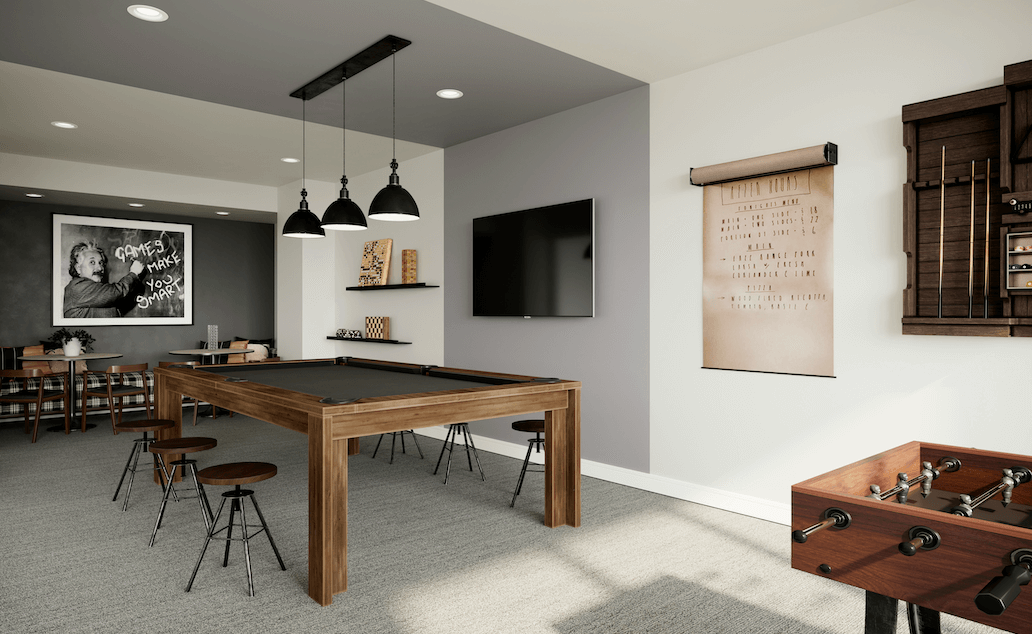
- Large area: build mini-rooms within the room, like a game alcove, a cozy lounge, and a craft corner linked by a common snack station.
A flexible layout means you can change how the space feels without a renovation. Try temporary setups, watch how your family uses them, and tweak. The room should serve you now and shift as kids grow.
Durable, Safe Finishes That Still Feel Cozy
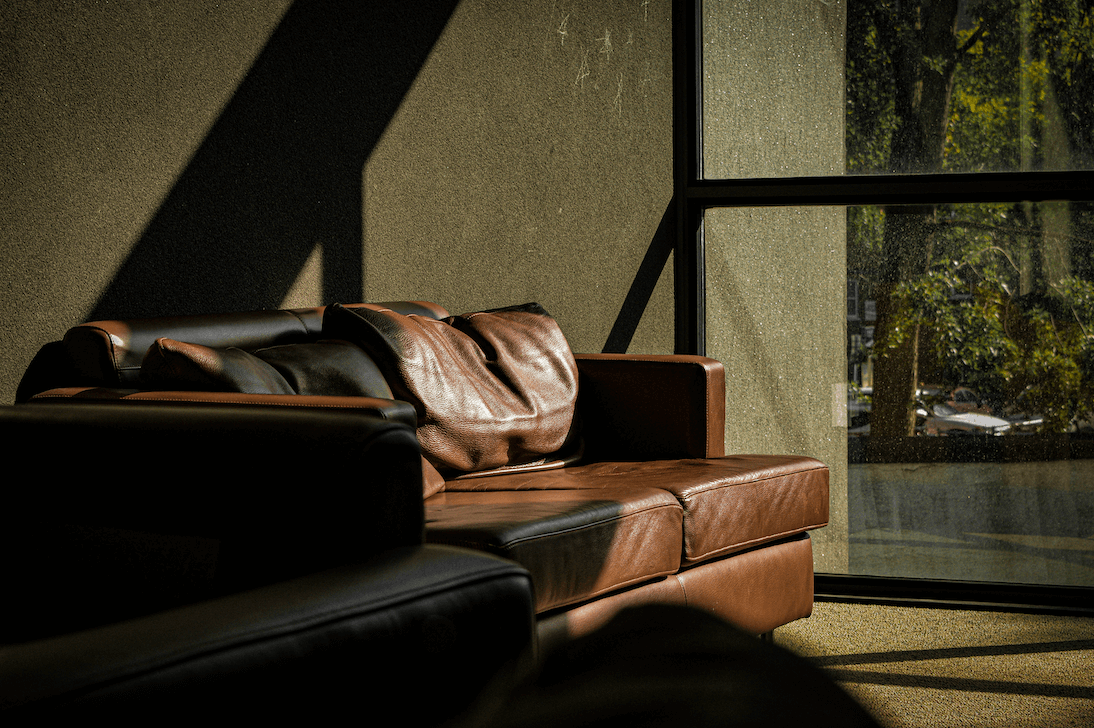
I learned the hard way that a leather sofa and a two-year-old’s sticky hands are a bad match. Choosing finishes that survive daily life doesn’t mean the room needs to look like a hospital. The right materials protect your investment, make clean-up painless, and keep the space warm and inviting.
The importance of durability and safety. Kid spills, sports gear, and constant use demand scuff- and stain-resistant surfaces. Rounded corners, slip-resistant flooring, and low-VOC paints matter for little ones and for peace of mind. Durable choices cut long-term maintenance and lower the odds of accidents.
What to consider. Go for stain-resistant upholstery, high-traffic flooring (vinyl plank, sealed hardwood, or textured tile), washable wall finishes, and easy-clean textiles for pillows and rugs. Add corner guards, secure tall furniture to studs, and choose low-VOC paints. Below are trade-offs and product ideas to help you decide.
Flooring that survives traffic and spills
Pick a floor that tolerates mud, dropped toys, and the occasional spilled drink. Waterproof luxury vinyl plank or porcelain-style tile are winners because they resist scratches and clean up fast. Use a quality underlayment to cut noise and add comfort for playtime. Install transition strips at doorways to prevent tripping and protect edges. Put low-profile, non-slip rug pads under area rugs so they don’t slide and so falls are softer.
Walls and paint for easy cleanup
Choose low-VOC, washable paint in medium or patterned tones that hide scuffs. Satin or eggshell finishes are easier to wipe than flat paint. For high-contact walls, consider a wipeable panel, beadboard, or a chalkboard wall for creative mess that you can refresh. Seal joints with paintable caulk so dirt doesn’t collect and repairs stay simple.
Upholstery and soft surfaces
Pick performance fabrics with tight weaves, stain resistance, and quick-dry properties. Leather or faux leather wipes clean but can be hot in summer. Slipcovers are lifesavers when things get messy-choose ones that are removable and machine washable. For cushions, use high-density foam so they keep their shape and are easy to replace. Anchor tall furniture and tie cushion covers so covers don’t slide when kids jump around.
Trim, hardware, and edges
Round edges and flush pulls reduce injury risk. Install soft-close drawer slides and child-safe latches where needed. Use anti-tip straps on dressers, consoles, and shelving. Swap glass tabletops for tempered glass or composite alternatives and add corner guards to low tables to protect tiny heads.
Protective treatments and maintenance plan
Seal high-wear wood with a water-based polyurethane. Keep a small repair kit handy: touch-up markers for scratches, a patch kit for vinyl, and matching caulk. Adopt a monthly spot-clean routine and teach kids that art supplies stay on mats and snacks stay at the snack station. That rule alone will cut cleaning time dramatically.
Safety and longevity checklist
- Low-VOC finishes and adhesives
- Slip-resistant flooring or mats in play and entry zones
- Anchored furniture and soft edges in play areas
- Washable, removable upholstery covers
- Easy-access storage for cleaning supplies and first aid
Durable finishes don’t have to look industrial. With the right picks, you get a grown-up room that cleans up fast and lasts through years of family life.
Entertainment and Storage: Keeping Everyone Happy and Organized
A man cave can absolutely be a multi-generation entertainment hub, if you plan storage and tech that support different ages. Good entertainment planning pairs solid sightlines and acoustics for adults with accessible, age-appropriate options for kids. Smart storage is the quiet hero that keeps the place usable and tidy.
Why a coordinated approach matters. Bad storage and sloppy A/V layout lead to tangled cables, scattered toys, and frustrated hosts. Thoughtful media placement, flexible seating, and zoned storage make transitions from family movie night to adult game night smooth. They also protect expensive gear from curious little hands.
Practical strategies. Use modular shelving with labeled bins, a media cabinet with childproof doors and cord channels, and a universal remote or an app for simplicity. Design seating so kids can sprawl without blocking sight lines, and include dedicated charging stations. Below are practical tips and storage layouts that work for different family sizes.
Multi-gen entertainment: tech, sightlines, and noise control
Think in layers. Put a primary screen where adults will sit, then create a secondary display or tablet nook for kids. Mount the TV at a height comfortable for seated adults and place a low play rug, bean bags, or kid chairs off to the side so parents can keep an eye on things without blocking views. Use zoneable audio so the main speakers handle movie sound while kids use headphones or a small Bluetooth speaker at their spot.
Practical tips:
- Set up two audio zones using a simple receiver or multi-outlet speaker system (one for the main lounge, one for the play area).
- Keep remotes and controllers in a shallow tray or a wall pocket to avoid losing them.
- Use dimmable overheads and task lamps to switch between bright craft light and low movie light.
- Designate a drawer or shelf for family-friendly games and rotate favorites to keep the toy cupboard interesting.
Storage that works for everyone
Layer storage so it’s reachable and logical. Low, open bins give kids a fast place to toss toys. Mid-level shelves hold shared items. High, lockable cabinets hide adult-only stuff. I like mixing closed cabinets with visible cubbies: closed doors hide fragile or messy items, while labeled fabric bins teach kids responsibility.
Quick, actionable steps:
- Map activities and list items that belong in the room (toys, consoles, cables, snacks, controllers, hobby gear).
- Allocate storage tiers: low and open for kids, mid for shared items, high and lockable for adult-only.
- Include mobile elements like a rolling craft cart or a storage ottoman so functions shift during parties.
Smart examples:
- A ventilated media console holds game consoles and hides cables, with child-safe latches.
- A shallow wall shelf keeps controllers organized and a magnetic strip holds metal tools or game discs.
- Under-bench drawers hide seasonal items and double as extra seating.
Safety and upkeep Anchor tall units, use outlet covers in play zones, and label bins so cleanup is fast. Keep a “quick tidy” basket by the door for last-minute pickups before guests arrive. Little routines and sensible storage choices make the man cave feel organized and welcoming for everyone.
Budget, Maintenance and House Rules: Keeping the Peace Long-Term
Is this going to break the bank? Not if you plan. Balance your upfront spend with durable choices, a maintenance routine, and clear etiquette so the room stays functional and low-drama.
Why these three go together. Budget choices set the materials and systems that determine future maintenance. A maintenance routine preserves your investment. House rules reduce friction over shared use and protect expensive items.
Practical tips to start. Set a realistic budget and prioritize safety and seating before decorative items. Choose low-maintenance finishes to save time later. Create short, positive house rules for toys, food, and guest behavior and post them politely if needed. Below are cost-saving tricks, a maintenance checklist, and example etiquette.
Budgeting and cost-saving tips
Start with a number and split it into categories. A simple split: 40 percent for durable essentials (seating, flooring), 30 percent for tech and entertainment, 20 percent for storage and finishes, and 10 percent for small comforts and contingency. If your room budget is $2,000, that looks like $800 for furniture, $600 for A/V, $400 for storage, and $200 for paint, lamps, and surprises.
Ways to save without cutting quality:
- Buy secondhand for non-structural items (coffee tables, shelving). A light refinish or new knobs makes a bargain look intentional.
- Invest in replacements that save time and money later: waterproof flooring, stain-resistant upholstery, and anti-tip straps.
- DIY what you can: paint, install shelves, or build labeled crates. A weekend of work saves labor fees.
- Phase the project. Start with a core setup (seating, TV, toy storage) and add mood lighting or a mini-bar later.
Small tangent: I once turned an old media console into the room’s anchor with a $10 can of paint and new knobs. It looked intentional and cost less than one new shelf.
Maintenance plan and quick routines
Keep things simple. Daily do a 5-minute sweep: corral controllers, empty snack bowls, and toss loose toys into a quick-tidy bin. Weekly, vacuum or sweep, wipe high-touch surfaces, and check vents. Monthly, test electronics, tighten loose screws, and do a stain check on upholstery.
Build a small maintenance kit to store in the room:
- Microfiber cloths, mild cleaner, and spot stain remover
- A screwdriver, allen keys, and a furniture touch-up marker
- Extra outlet covers, painter’s tape, and zip ties for cables
Every six months do a deeper check: inspect anchor bolts on tall furniture, replace worn rug pads, dust A/V heat sinks, and rotate toys to keep clutter down and interest high.
Etiquette and family rules
Agree on a few clear rules so the room stays pleasant. Post them on a slim framed card near the door if that helps. Try these:
- Food and drink zones. Keep messy snacks in the snack station. Water is fine in the lounge.
- Quiet hours. Set times for low volume so grandparents can nap or read.
- Shared items. Adult cabinets are off-limits unless invited. Kids should ask before grabbing controllers or tools.
- Cleanup protocol. Last person using the room returns items to labeled bins and empties trash.
- Booking big events. Put gatherings on the family calendar so no one gets surprised.
Respect goes both ways. Teach kids cleanup habits and commit to supervising high-risk items. Small agreements prevent big fights.
Next Steps
You now have a practical blueprint for a man cave that works across generations. Start with a five-minute household interview and a quick sticky-note session (who uses the room, what activities matter, any mobility or safety needs). Translate that into a flexible three-zone plan: adult retreat, kids’ play, and a shared area. Anchor the room first (TV, bar, or workbench), then use rugs, shelving, and lighting to build sightlines and traffic flow. Pick durable finishes (waterproof vinyl plank or sealed hardwood, low-VOC washable paint, stain-resistant upholstery) and handle basics like anchoring tall furniture and adding corner guards.
My last piece of advice: prioritize comfort, practicality, and a little hosting flair. Invest in a few durable essentials first using a simple budget split (essentials, tech, storage, small comforts) and phase the rest. Layer entertainment so adults get a great viewing seat and kids have a dedicated play nook and secondary audio. Mix closed cabinets for adult gear with low, labeled bins for kids, keep a quick-tidy basket by the door, and build a small maintenance kit for monthly checks. Agree on short, positive house rules so the space stays welcoming and low-drama.
Ready to try it? This weekend do a five-minute family interview, sketch an activity map, and try a temporary furniture layout. Pick one quick win-a storage ottoman, a rolling craft cart, or a washable rug-and see how it changes use and cleanup. Share your before-and-after photos if you like, tell us what worked, and come back for more tips. The best part is watching the room evolve into the place everyone wants to hang out.