Best Retro Handheld Consoles & Accessories for Your Gaming Haven
Last updated September 10, 2026 · By Zach Lane ·How we choose products · Affiliate disclosure

I'll be honest with you: my first attempt at a gaming corner was a folding chair, a milk crate full of loose cartridges, and a handheld that spent more time lost in the couch cushions than in my hands. Not my proudest era.
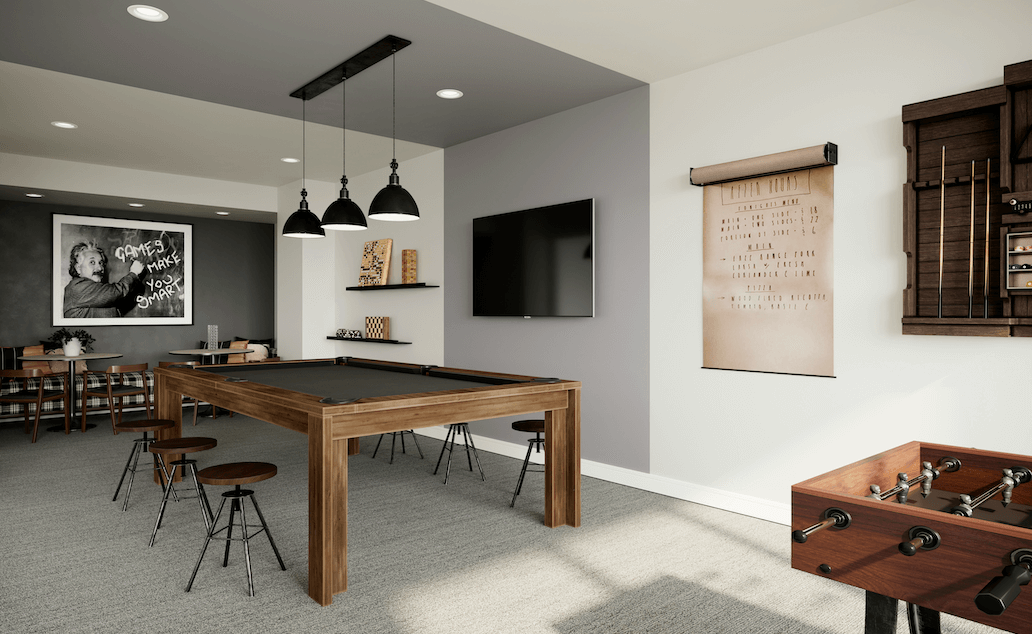
It took me an embarrassing number of years to figure out that a great room isn't built on one flashy purchase. It's built on an ecosystem. In this guide, I'm walking you through the gear that transformed my space from cluttered afterthought to the room everyone gravitates toward on game night. We'll get into the handheld consoles themselves, of course, but also the unsung heroes: the gear that protects your investment, keeps it powered through marathon sessions, tames and displays your growing collection, delivers audio that doesn't wake the whole house, and bathes the walls in that perfect after-dark glow.
Here's what you can expect from me: straight talk. I've lived with every piece of gear in this guide, and I'll tell you what feels premium in the hand, what looks sharp on a shelf, and what made me roll my eyes. Some of these picks surprised me. A couple let me down in small ways I'll happily confess to. My lens is simple: does it perform, and does it make the space look and feel better? By the end, you'll know exactly which pieces deserve a spot in your setup and which ones can stay on the digital shelf.

Retroid Pocket Classic Retro Handheld Game Console, 3.92" OLED Touchscreen, Portable Android Gaming Handheld with 6+128GB, 5000mah Battery, Android 14, WiFi 5 Classic Games Console (Retro)

Anker Power Bank, 20,000mAh Travel Essential, Built-in USB-C Cable(Black)

Collector Craft, Black, SNES Compatible Cartridge Holder, Holds 10 Games, Clutter Reducing, Retro Video Game Collection, Works with Super Nintendo Entertainment System NTSC and PAL Cartridges

QUBAMG GBA Game Case Compatible with Game Boy Advance, Holds 16 GBA Game Cartridges, Silicone Slots with Magnetic Closure, Portable Travel Organizer Storage Box for GBA Collectors

AOC Wireless Gaming Earbuds for PS5 PC Switch, 2.4GHz USB-C Dongle ACT3512

Paladone Playstation Controller Icons Light with 3 Light Modes - Sound Reactive, Dynamic Phasing, and Standard Mode - Gaming Desk Accessories and Game Room Decor

Level Up Neon Sign for Gamer Room, Dimmable Game Neon Sign
Our Top Pick: Level Up Dimmable Neon Sign
A room without proper lighting feels like a spare room. The Level Up dimmable neon sign fixes that in one afternoon. It throws off that classic arcade glow, the kind that tells visitors the second they walk in that serious gaming happens here. Hang it above your shelf of retro handhelds and the whole space snaps into focus. The "Level Up" wording nails the theme without trying too hard, and the clean design sits comfortably alongside vintage consoles, cartridges, and wall art without competing for attention.
And here's the part that sold me: the dimmable function. Most neon signs give you one brightness level. Take it or leave it. This one lets you crank it bright when the crew comes over to admire the setup, then dial it low for those late-night handheld sessions when overhead lights kill the vibe. The LED construction runs cool, sips power, and outlasts old-school glass neon tubes by years. Mounting takes minutes, and most owners handle it solo with nothing more than a screwdriver.
Nothing else turns a spare corner into a real gaming space this fast. It's the finishing touch your retro setup deserves.
At a Glance
| Product | Best for | Rating | Why |
|---|---|---|---|
| Level Up Neon Sign for Gamer | man cave walls | 4.4/5 | Bright neon glow turns a plain wall into a game room. |
| Anker Power Bank, 20,000mAh Travel Essential | long travel days | 4.4/5 | Charges handhelds and phones for days between wall outlets. |
| Collector Craft, Black, SNES Compatible Cartridge | original hardware collectors | 4.3/5 | Plays classic SNES games from a single plug-in cart. |
| Retroid Pocket Classic Retro Handheld Game | retro gamers on the move | 4.0/5 | Covers a wide span of retro systems in a pocketable body. |
| AOC Wireless Gaming Earbuds for PS5 | PS5 owners | 3.4/5 | Cuts the cord without adding noticeable lag in PS5 sessions. |
| Paladone Playstation Controller Icons Light | desk and shelf displays | - | Lights up any room with the four PlayStation button shapes. |
The Retro Handheld Console: Your Setup's Portable Heart
Every good room has that one object guests can't resist picking up, and in my space, it's my retro handheld. There's something about a glowing screen and a chunky, satisfying form factor that pulls people in, whether they're nine or ninety. A good handheld isn't just a gadget. It's a design object with weight, texture, and presence, and it deserves a spot where it can be seen rather than buried in a drawer.
When you're shopping, obsess over the screen first. An OLED panel with deep blacks and rich color changes the entire experience, especially in a dimly lit room where the handheld becomes its own little light source. Then consider how it feels: the texture of the shell, the click of the buttons, the balance in your palms. Battery life and onboard storage matter too, because nothing kills the mood like a mid-session charge scramble.
I've been putting one particular unit through its paces for weeks now, and I have opinions. Some of them are glowing. One or two are grumbles I need to get off my chest.
Retroid Pocket Classic
The Retroid Pocket Classic has become the piece of gear my guests ask about most, and that squarish 31:27 screen is why. Retro titles were built for this aspect ratio, so everything from Game Boy Color to Genesis fills the display without ugly stretching or black bars eating half the panel. At just over 220 grams, it's light enough that my hands don't complain during long sessions sunk into the couch, and the retro colorway looks right at home on the shelf next to my old cartridges.
The display deserves its own paragraph. The 3.92-inch OLED panel is gorgeous, with deep blacks and colors that pop under dim lighting, exactly the after-dark vibe a dedicated gaming space calls for. Under the hood, the Snapdragon G1 Gen 2 chip handles everything up through PS1 without breaking a sweat and even manages lighter PS2 and GameCube titles. The face buttons are clicky and precise, the six-button layout is a gift for Genesis fans, and the build quality feels a clear step above budget handhelds.
Battery life is the practical win. The 5000mAh cell stretches for days between charges, so it's always ready when I flop down after work. Since it runs Android 14, you get the full Play Store, which means emulators, streaming apps, and frontends like ES-DE all load without fuss. USB-C video out lets me run a single cable to the big TV for group nights, and active cooling keeps the whole thing quiet. (Yes, I stayed up way too late the first weekend I had it. No regrets.)
Two things to know before you commit. There are no games preloaded, and Android setup took me a few hours of tinkering before everything clicked. If you want instant power-on-and-play, a Linux handheld might suit you better. But if you're willing to invest a weekend, the Classic rewards you with one of the sharpest retro experiences available. Best for tinkerers who want a single device that handles decades of classics beautifully.
Carrying Cases That Treat Your Handheld Like the Treasure It Is
Confession time: I used to toss my handheld into a backpack pocket with keys, chargers, and whatever else was rattling around in there. The result was a screen full of fine scratches that caught the light like frost on a window. Painful lesson learned. A proper carrying case is cheap insurance for the object that anchors your portable setup, and honestly, a handsome one adds to the vibe rather than hiding it. If yours is currently rattling around loose in a bag next to your keys, we need to talk.
The details that separate the good from the junk are all tactile. Look for a snug, tailored fit so the console doesn't slide around, a soft interior lining that pampers that gorgeous screen, and a closure you trust, whether that's a solid zipper or a satisfying magnetic snap. Hard shells offer real armor, while padded soft cases slip into bags more gracefully. Decide which kind of traveler you are.
I tested a few options side by side, and the differences surprised me. One felt like it was designed by someone who games. The others? Let's just say they didn't.
Power Banks That Keep Marathon Sessions Alive
Nothing deflates a good night faster than a low-battery warning flickering across a beautiful screen mid-boss-fight. I've hosted plenty of evenings where the gaming migrated to the patio, the garage, or the corner chair by the window, and the difference between a smooth night and a sad one always came down to whether I had reliable power within arm's reach. A power bank is the least glamorous piece of gear in this guide. It's also one of the most important.
Capacity is the headline number, but don't stop there. A built-in cable means one less thing to lose in the couch cushions, and a body slim enough to tuck into a console tray keeps your space looking intentional instead of cluttered. Weight matters more than you'd think, too. Brick-shaped monsters belong on a shelf, not in a pocket.
I put one high-capacity unit through a full weekend of heavy use, and it earned a permanent spot in my drawer. Full story below.
Anker Power Bank 20K 87W
Sooner or later, every setup runs into the same problem: there's never an outlet where you want to sit. My seating is positioned for the TV, not the wall, so the retro handheld I was playing kept dying right in the middle of a boss fight. This Anker fixed that. With 20,000mAh on tap, it brought my Steam Deck back from the red zone to full and still had headroom to top off my phone afterward. The 87W output is the real headline here. Most battery packs treat gaming handhelds like an afterthought, but this one pushes up to 65W through a single port, enough muscle for bigger devices and fast enough that my Switch barely noticed it was plugged in. The built-in USB-C cable is the detail I didn't know I needed. It tucks flush into the shell, so there's no loose cord snaking across the armrest, and Anker rates it to survive over 10,000 bends.
Now the trade-offs. At just under a pound, this thing has some heft, so mine lives in the drawer under the console table rather than a jacket pocket. It also refuels fastest from a 65W wall charger you'll need to supply yourself. With a weaker cube, plan on a slower overnight fill. Neither quirk bothered me enough to dock serious points. With three ports, you can run a handheld, a controller, and a phone through game night without anyone fighting over cables, and it's airline approved, so it pulls double duty on trips too. The battery percentage readout on the face is a small touch I appreciate more than I probably should when the lights are low. If your setup revolves around a Switch, Steam Deck, or any USB-C handheld and you're tired of being held hostage by the nearest outlet, this is the backup battery I'd buy again. The 18-month warranty seals it.
Screen Protectors: The Invisible Armor Your Display Deserves
An OLED screen is a thing of beauty, all glassy blacks and colors that seem to float above the surface. Which is exactly why it stings so much when the first scratch shows up. I learned this the hard way years ago, and now I apply a protector before a new handheld is even fully unwrapped. It's the quiet, invisible piece of the puzzle that keeps your console looking showroom-fresh for years.
The wrong protector can ruin everything you love about that display. You want one that's optically clear, so the blacks stay deep and the colors stay punchy, and one that doesn't mush out touch responsiveness. Forgiving application matters as well, because nothing sours the experience like trapping a dust speck or a stubborn bubble under the film on day one.
Finding a protector that truly disappears on the screen is trickier than it sounds. I've got thoughts on what worked, what frustrated me, and whether the fuss is worth it.
Cartridge Storage That Turns Clutter Into a Curated Collection
Loose cartridges scattered across a shelf drive me a little bit crazy. There's something deeply satisfying about rows of carts lined up like books on a well-organized shelf, labels facing out, colors creating their own little artwork. Whether you're hunting down childhood classics or building a modern collection, how you store and display your games says a lot about your space. Done right, cartridge storage stops being organization and becomes decor.
Material and mechanism are where the magic lives. Solid construction with a bit of heft feels collector-grade, while flimsy plastic screams afterthought. Silicone slots that grip each cart gently, magnetic closures that snap shut with confidence, and a footprint that fits your shelf or travel bag all deserve attention. Think about capacity too, because collections grow faster than any of us plan for.
I've tried everything from drawer dumps to dedicated display pieces over the years, and the gap between them is enormous. Let me show you what a proper setup looks like.
Collector Craft Cartridge Holder
Loose cartridges are the silent enemy of every good gaming room. They pile up next to the console, they collect dust like it's their job, and they make even an impressive collection look like an afterthought. This tray from Collector Craft fixed that in my setup in about five minutes, and it's one of those small purchases that changed the whole vibe of the shelf.
The build quality surprised me. It's thick, injection-molded polypropylene that doesn't flex or creak when you pick it up, and the cartridges slide in with a snug fit that leaves zero wobble. One reviewer reported still using theirs five or six years in, and I believe it. The real win is dust protection. Those exposed circuit boards on the bottom of retro carts are exactly what causes those dreaded "game won't boot" moments, and keeping them covered means fewer cleaning sessions and more playing.
Where it shines, though, is display duty. Ten games lined up in a neat row look intentional, almost curated, instead of scattered. Snapping the label art forward turns your collection into part of the decor, which pairs perfectly with a lit shelf or a glowing sign nearby. It comes in versions for SNES, Nintendo 64, Game Boy, and NES carts, so you can build a matching row across eras. Grab a few and your wall starts looking like a museum exhibit.
Now the honest downsides. Ten slots goes fast for a serious collector, so plan on multiples. And if you keep your games in plastic dust sleeves, you'll have to pull them out first, since sleeved carts don't fit. Neither is a dealbreaker. For anyone who loves their retro handheld and console collection enough to show it off instead of hiding it in a drawer, this is an easy yes.
QUBAMG GBA Game Case
Every collector I know has a drawer somewhere stuffed with spare batteries, tangled cables, and a stack of GBA carts worth more than the furniture they're sitting in. That drawer bugged me for years. Labels peel, shells get scuffed, and the good games always migrate to the bottom. This QUBAMG case fixed it. Right out of the box it feels like actual gear, with a hard shell that shrugs off bumps and a build quality that doesn't scream budget accessory.
The interior is where it earns its keep. Each of the 16 slots is lined with soft silicone that grips cartridges snugly, so nothing rattles or scrapes when the case takes a ride in a backpack. And the magnetic closure is strong. I flipped the whole thing upside down and gave it a shake over the couch out of pure curiosity. Not one cartridge moved.
For shelf duty, this thing quietly upgrades your display. The slim black profile stacks neatly, so a row of them on your shelving looks intentional instead of cluttered. The relief cutouts are the detail I appreciate most: a thumb press pops a game free, no more prying at plastic edges or digging with a car key. Grab one case, toss it in your bag, and you've got a portable library for the buddy's garage setup or a weekend away.
If your collection has outgrown its current chaos, this is the fix. The only catch is capacity. Sixteen slots fill up fast for a serious collector, so plan on a second case. It's earned near-perfect marks from buyers (one guy called it literally S tier, which honestly tracks), and I get why. Your cartridges finally get the respect, and the shelf space, they deserve.
Gaming Earbuds for Late Nights and Low-Key Sessions
Every gamer eventually learns the art of sound diplomacy. My speakers are glorious, but at midnight they're a one-way ticket to a conversation with the rest of the household. That's where a good pair of gaming earbuds earns its keep. They deliver punchy, immersive audio straight to your ears while the room stays peaceful, and they free you from being tethered to one spot on the couch.
For gaming, latency is everything. Earbuds that connect through a dedicated wireless dongle keep the audio locked to the action on screen, which is what separates a genuine gaming pair from ordinary music buds. Beyond that, hunt for comfort during long sessions, a charging case that's easy to grab on your way out, and a sound profile with enough low-end warmth to make classic soundtracks sing.
I'll be upfront with you: this category has more misses than hits, and one pair I tested left me torn for longer than I'd like to admit. Here's how my ears and my patience settled it.
AOC ACT3512 Wireless Gaming Earbuds
You know the sound problem. You want to finish that retro run on your handheld docked to the big screen at 1 a.m., but cranking the speakers turns game night into a neighborhood event. That's exactly where these AOC wireless earbuds earn their spot. Pop the included USB-C dongle into your Switch, PC, or PS5 and you're running on a 2.4GHz connection with 20ms latency, which means the jump sound fires the instant you hit the button. No lag, no drift, no weird audio delay ruining your timing on precision platformers. It's plug-and-play, and it just works.
The audio itself surprised me. There's a dedicated hardware amplifier in there driving large-magnet drivers, and it gives chiptune soundtracks a punch I did not expect from in-ear buds this size. Synth bass comes through thick, highs stay crisp, and the four silicon noise-cancelling mics keep your voice clean when squad chat gets rowdy. Battery life is the unsung hero here: eight hours per charge, and the case tops you up three more times for roughly 32 hours total. My only gripes? These don't support Xbox consoles at all, and in-ear fit is always personal, so if buds have never agreed with your ears, no spec sheet will fix that.
Who's this for? The person whose handheld lives in a dock half the time, the emulation-on-PC crowd, and anyone who shares walls with light sleepers. The styling even tips its hat to classic gaming aesthetics, so it fits the room instead of clashing with it. Just know it's a newer release with a short track record, so buy with that in mind. For private, lag-free retro sessions, it's a smart piece of the ecosystem.
Neon Signs That Give the Room Its Pulse
If there's one upgrade that changed my space more than any piece of furniture, it's lighting. Specifically, the warm halo of a neon sign mounted behind my gaming shelf. The right sign gives a room personality. It makes everything else on the wall look more intentional, and guests walk in and immediately understand what the space is about. That's the power of good ambient light.
Not all neon is created equal, though. Modern LED versions run cool to the touch, sip power, and last for years, which makes them a far smarter bet for a room you actually use. Dimmability is the feature I now refuse to live without. Full brightness is great for photos and hype moments, but the low, moody glow is what carries a late-night session. Size and placement matter just as much.
I've hung, re-hung, and endlessly fine-tuned a couple of signs to find the sweet spot, and one of them became the visual heartbeat of the entire room. Here's what I learned.
Paladone PlayStation Icons Light
Every corner needs one piece of decor that does the heavy lifting, and for my PlayStation corner, this is it. Paladone took the four buttons everyone knows by heart (triangle, circle, X, square) and turned them into a 12-inch wall light that throws off a soft, colorful glow. It's officially licensed, so the shapes and colors are dead-on accurate rather than a knockoff approximation. Three modes come standard: a steady light for everyday ambiance, a color-phasing mode that cycles through the palette, and a sound-reactive mode that pulses with whatever's playing. That last one is the showstopper. Crank a game's soundtrack and watch the icons dance.
Let me get practical about placement. I run mine off the USB port on the back of my TV, which means the light shuts down when the TV does. No wasted electricity, no fumbling for a switch in the dark. You can also power it with three AAA batteries if your shelf sits nowhere near an outlet, though expect to swap them more often than you'd like. Now the honest part. The plastic housing feels lighter than you might expect, and the USB plug can sit a bit loose in its port, so route that cable with some care. There's no remote either. You press the button on the side to cycle modes. Small gripes, worth knowing before you buy.
If your gaming roots trace back to the original gray box, this one's for you. Same goes for anyone hosting game nights where the walls should say "gamer lives here" without shouting. It photographs beautifully behind a shelf of handhelds, guests clock it within seconds of walking in, and it makes a genuinely great gift for the PlayStation loyalist in your life. My buddy spent five full minutes trying to remember which symbol meant "confirm" in Japan. (It's the circle. It's always been the circle.) That's the kind of nostalgia this thing sparks, and it's why it earned a permanent spot above my collection.
Mojoish Level Up Neon Sign
Some pieces just pull a whole room together, and for my gaming wall, this is the one. The Mojoish Level Up sign nails the arcade look without the headaches of real glass neon. "LEVEL" glows in ice blue, "UP" pops in lemon yellow, and the whole design sits inside a rose red arrow that reads loud and clear from across the room. At roughly 16 by 10 inches, it's large enough to anchor a wall above a shelf of handhelds, yet it doesn't swallow the space.
Where this sign earns its keep is the dimmer. Most neon signs in this class give you one blinding setting, but Mojoish built in three buttons (power in the middle, brightness up top and below), so I can dial it down to a soft ambient glow for late-night sessions or crank it when the crew shows up. It runs off USB at 5V, which means it sips electricity, stays cool to the touch, and hums zero decibels. Plug it into a wall adapter, a PC port, or even a power bank, then hang it with the included hardware or prop it on a desk. Two small gripes: the power adapter isn't included, and you'll want to peel the protective film off the acrylic before first light-up unless frosted glass is your aesthetic.
So who's this for? Anyone building a gaming space that photographs as good as it plays. Retro handheld collectors get a killer backdrop for display shelves, and streamers score a ready-made splash of color behind the chair. Fair warning: the palette leans pink and playful, so if you want moody and understated, browse the brand's other designs instead. But if your walls could use a jolt of arcade energy, this sign delivers it without the heat, fragility, or wiring drama of genuine neon. It's the easiest atmosphere upgrade I've made all year.
In Summary
If you take one thing from everything above, let it be this: a great room is an ecosystem, not a single flashy purchase. The Retroid Pocket Classic anchors the whole thing as a design object you want on display, with that deep-black OLED screen doubling as its own little light source after dark. Around it, every piece plays a role you can see and feel. Power, storage, sound, atmosphere, and the quiet heroes (the case and screen protector) that keep the showroom finish alive through real life.
If I were rebuilding my setup from scratch tomorrow, here's my order. The Mojoish Level Up sign goes up first, because nothing transforms a "spare corner" into a real gaming space that fast, and the dimmer means it works for hype nights and late ones alike. Then the Retroid Pocket Classic takes center stage (worth the setup weekend if you love tinkering), backed by the Anker 20K for power freedom. Collector Craft trays line the shelf so the collection finally looks intentional, the Paladone light claims the PlayStation corner, and the AOC earbuds live within arm's reach of the couch. That's the full build, and every piece of it survived my honest, occasionally grumpy, testing.
Here's where it gets interesting, though: your mileage depends entirely on what your room is missing most. If the space still feels like a spare room, start with lighting, because a dimmable neon glow changes how everything else on the wall reads. If your handheld dies mid-boss-fight because the good chair sits nowhere near an outlet, the power bank is your fix. Loose cartridges embarrassing you? Storage comes first. Share walls with light sleepers? The earbuds earn their keep on night one. And if you're a tinkerer who wants one beautiful device to carry decades of classics, the Retroid is worth every hour of Android setup. Be honest about your single biggest frustration and buy for that first. The rest can follow as the room evolves.
So here's my challenge: don't close this tab and file it under "someday." Pick the one piece that solves your biggest annoyance and order it today, because these upgrades compound. The sign goes up in an afternoon, the protector applies in ten minutes, and the storage tray reorganizes a shelf before dinner. Suddenly the room everyone gravitates toward on game night is yours, and it all started with one decision. I spent years gaming on a folding chair with a handheld lost somewhere in the couch cushions, and I'd give anything to have started building my ecosystem sooner. Your future self, sunk into that chair under a warm arcade glow with a fully charged console in hand, will thank you for starting tonight.