Top Smart Speaker Bundles for Home Sanctuary Movie Nights
Last updated August 25, 2026 · By Zach Lane ·How we choose products · Affiliate disclosure

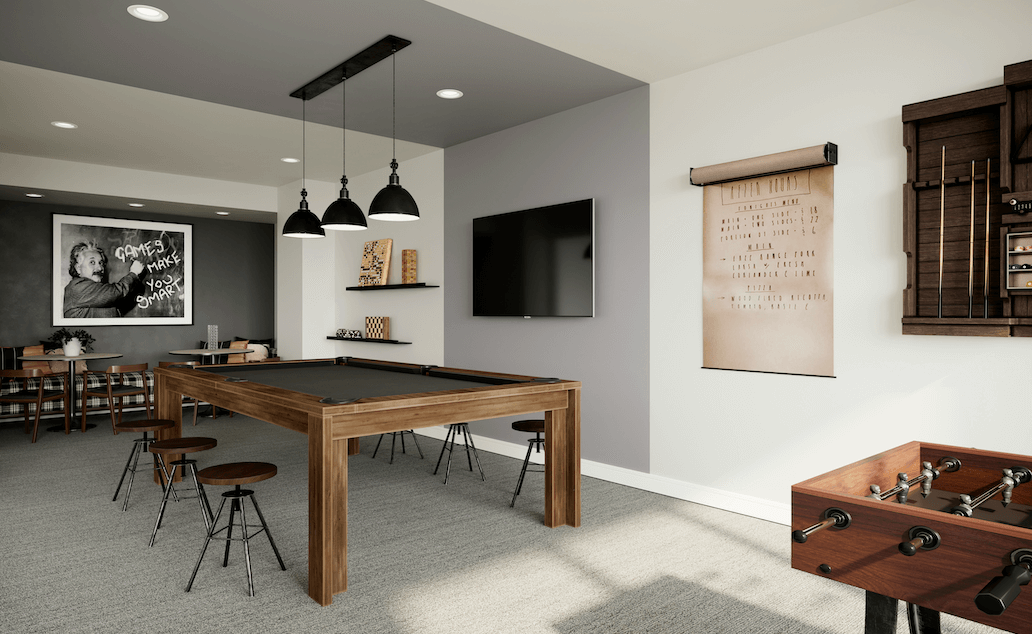
Want a movie-night setup that actually knocks your socks off? Here’s my take: a great man cave is more than just a huge screen. It’s speakers that play nice with your phone, a sub that thumps in your chest, lighting that sets the mood, mounts that make everything look cleaned-up and intentional, and a remote that doesn’t turn you into a detective every time someone wants popcorn.
I’m going to walk you through picks I’ve hand-tested in my own cave. We’ll cover compact smart speaker systems that handle voice and streaming, plug-and-play wireless rears that make effects move around you, and soundbar-plus-sub combos that give real impact. I’ll also point out the mounts and lighting tricks that keep your setup tidy and the remotes that actually make life easier.
No fluff. I’ll tell you what blew me away, what felt underwhelming, and which combos get the most movie-night bang for your buck. If you want movie nights where you forget you’re in your living room, keep reading. I’ve done the experimenting so you don’t have to waste time or cash chasing fake theater vibes.

Sonos Beam Gen 2 - Black - Soundbar with Dolby Atmos

Samsung SWA9250S Wireless Rear Speaker Kit - Black

Sony SA-RS3S Wireless Rear Speakers for BRAVIA Theater (BAR 8, BAR 9), HT-A7000/A5000/A3000/S2000 and STR-AN1000

LG S40TR 4.1 ch. Home Theater Soundbar with Rear Surround Speakers and Wireless Subwoofer, Wow Interface, Dolby Audio, AI Sound Pro, 2024 Model, Amazon Exclusive

Samsung HW-B630F B-Series Soundbar 3.1 Ch and Subwoofer with Dolby Audio with 2 Year Amber Protection Plan (2025)

Sony SASW3 200W Wireless Subwoofer for HT-A9/A7000

Sonos Sub Mini - Black - Compact Wireless Subwoofer

Definitive Technology VEPC Pro-Mount 90 - Pair (Black)
Our Top Pick
The Definitive VEPC Pro-Mounts pair is the no-nonsense mounting solution for anyone building a man cave theater. These mounts let you position satellite speakers exactly where they belong for tight on-screen imaging and immersive surround effects. They keep your setup clean and low-profile, which matters when you want the room to feel like a personal cinema rather than a tangle of wires and gear.
Solid steel construction, 90-degree positioning so you can aim speakers dead-on, and a compact footprint. The VEPC Pro-Mounts lock small speakers in place so your soundstage stays steady even during the most chaotic action scenes. Rubberized contact points protect speaker finishes, and the simple wall-mount design gets speakers into spots stands or shelves can’t reach. They pair especially well with soundbars and subs by filling in surrounds and height channels without drawing attention.
These mounts punch way above their price. Pros: rock-solid hold, clean looks, and far better acoustic placement than a slapdash shelf job. Trade-offs: you’ll want to mount to studs or use solid anchors, and they don’t swivel as much as full ball-joint options. If you want a focused, high-impact man cave where neat looks and precise speaker placement matter, these are a very practical choice.
Smart Speaker Systems That Do More Than Talk
Think of a smart speaker system as the brains and the soul of your movie nights. These aren’t just for asking trivia or streaming playlists. The right one clears up dialogue, gives you hands-free control, and sits in the mix so movie sound feels natural. When you shop, look for solid voice assistants, multi-room options if you want background music during pre-game, and easy pairing with TVs and phones. Also pay attention to stereo imaging and midrange performance, because that’s where dialogue lives. In my cave, the systems that play well with streaming services and other speakers save a ton of time and guesswork. Below I focus on integration, voice clarity, and whether the highs and lows punch without getting shouty.
Sonos Beam Gen 2
Small footprint, big presence. The Beam Gen 2 packs Dolby Atmos, focused dialogue enhancement, and Sonos’ room-tuning into a low-profile bar that slides neatly under most screens. Setup is refreshingly simple: two cables and the Sonos app usually gets you from box to movie in minutes. Trueplay tuning (best with iOS) helps the Beam adapt to odd room shapes and furniture, which is handy in cramped basements or weird-shaped rec rooms. Built-in voice assistants and AirPlay 2 mean you can cue playlists or dim smart lights without leaving the recliner.
What really sells this for man cave builds is the ecosystem. Start with the Beam and add a Sonos Sub or rear speakers later. That upgrade path turns a tidy two-cable install into a legit surround setup without rewiring or reinventing your life. The Beam shines at midrange and vocals, so action flicks and dialogue-heavy thrillers feel more engaging. Downsides: no Bluetooth or analog input, and if you want room-rattling bass you’ll need a sub. A few people report app or TV compatibility quirks, so expect some tech wrangling on rare setups.
Who should pull the trigger? Guys who want a compact, smart solution that grows over time and care about speech clarity and Atmos-style overhead effects in small to mid-size rooms. Pros: compact, Atmos-ready, smart features, expandable. Cons: not for bass-only hunters, limited legacy inputs, occasional connectivity quirks. If you want movie nights that feel cinematic instead of muffled, the Beam Gen 2 is a solid anchor for your man cave audio plan.
Fill the Room: Wireless Rear Speakers for That True Surround Feel
If you want your man cave to stop sounding flat and actually feel like a theater, wireless rear speakers are the secret sauce. They add depth, place effects around you, and make ambush scenes genuinely tense. When choosing rears, watch connectivity, latency (you don’t want lip-sync issues), and whether they tone-match your fronts. Battery vs plug-in matters for placement, and size affects how discreet they look. I tested tucked-behind-the-couch setups and mounted options to see what actually improved immersion versus what just added clutter. Expect real talk on setup headaches, sound blending, and whether wireless rears are worth the extra cash for your space.
Samsung SWA9250S Rear Speakers
These compact wireless rears are the kind of add-on you grab when your soundbar needs help creating real surround effects. They pair wirelessly with compatible Samsung soundbars, push out a combined 120 watts, and keep your floors and walls free of speaker runs. In my tests they turned ambient effects and on-screen movement into directionality you can actually follow, so bullets, footsteps, and rain felt like they were happening around you instead of stuck to the TV.
What makes them easy to live with is the no-fuss integration. You get true surround expansion and extra modes like Private Rear Sound and Sound Grouping that let you tweak things without digging into a complicated receiver. The speakers are small and light enough for tabletop or shelf mounting, so placement is pretty forgiving. Remember: these are meant to augment a soundbar, not replace low-end duties, so bring a powered sub if you want real chest-thump.
Best fit: someone who already runs a compatible Samsung soundbar and wants more cinematic depth without rewiring. Ideal for small to medium man caves where clean looks matter and you want directional effects. Pros: easy wireless hookup, compact footprint, noticeable surround improvement, extra sound modes. Cons: plastic build and tabletop-only mount, not a full-range system, compatibility required with specific soundbars, refurbished units are common. If you want cleaner, more cinematic nights without a massive setup headache, these are a practical add-on.
Sony SA-RS3S
If you want rear channels that disappear into the room and actually make Atmos and 5.1 mixes come alive, the Sony SA-RS3S satellites outperform their size. They pair wirelessly with Sony BRAVIA Theater Bars and HT-A series soundbars (HT-A7000, HT-A5000, BAR 8/9) and the STR-AN1000 receiver, so setup is mostly plug-and-play. Power them up and they typically auto-connect. The omnidirectional block design and two-way woofer/tweeter layout create a roomy surround field that places effects behind you instead of simply around the TV. Mount them on the wall or set them freestanding to keep your man cave tidy and avoid running new speaker wire. Paired with a beefy sub, explosions actually feel visceral.
Practical callouts: these are satellite surrounds, not full-range mains. You’ll only notice them when content includes rear-channel information. Pros: easy setup, compact footprint, clean design, immersive staging when content is mixed for surround. Cons: some users report intermittent connectivity drops in mixed-brand setups, and the small cabinets limit low-mid output, so add a sub for real bass. Best for cave builders who already run a compatible Sony soundbar or AVR and want a tidy wireless way to finish a cinematic setup without rewiring.
Soundbars with Subs: The Compact Power Move
If you don’t have room for a full speaker rig, a soundbar plus sub is the fastest way to upgrade. They clean up dialogue, widen the soundstage, and with the right sub, deliver genuine low-end impact. When shopping, check channel count (more channels equals better spatial tricks), surround virtualization tech, how the bar handles Dolby formats, the wireless link to the sub, and whether you can add rears later. I’ll call out which combos punch above their weight and which ones trip you up with HDMI or firmware quirks. Want big sound without a wiring nightmare? This is your fast lane.
LG S40TR Soundbar
If you want cinematic nights without gutting a wall for speakers, the LG S40TR deserves a look. It pairs a compact 4.1 soundbar with a wireless sub and rear elements to open up a surprisingly roomy soundstage in smaller rooms. LG’s WOW Interface and WOW Orchestra hand integration with LG TVs off to the set itself, so you can control volume and audio modes from the TV remote instead of juggling devices. Dolby Audio and DTS support help explosions and ambience land, while Clear Voice Plus keeps dialogue intelligible when the action gets loud.
Hands-on, this felt like a practical upgrade for a dedicated viewing spot. Hook it up over HDMI eARC, place the sub near a wall and satellites behind or beside seating, and you’ll see real improvement. Pros: roomy sound for small to medium man caves, easy LG TV pairing, expandable setup. Cons: a handful of users report spotty connectivity, occasional rear-speaker hiccups, and rare sub failures, so hold onto the box until you confirm everything works and check for firmware updates. Tip: if the sub sounds muted, reseating internal connectors or updating firmware often fixes it. Best for guys who want big movie moments without a full receiver stack, especially if you already own an LG TV.
Samsung HW-B630F
This compact 3.1 bundle punches above its size. The soundbar plus wireless sub brings real low-end thump for car chases and explosions, while Dolby Audio and DTS Virtual:X widen the soundstage so effects feel like they’re coming from around the room. Adaptive Sound helps dialogue cut through tense scenes, and a bass-boost option lets you crank the oomph when you want your seat to vibrate.
What stands out for a man cave is the balance of simplicity and refinement. Hookup is straightforward, the sub links wirelessly, and the slim profile tucks under a big TV without making the setup look cluttered. It plays well with matching remotes and smart TVs, so you’re not juggling extra apps. Small bonus: the bundle includes a screen-cleaning kit, which is nerdy but useful if you like your HDR pristine for midnight marathons.
Who should buy it: if your cave is small-to-medium and you want cinematic impact without building a full 5.1 system, this is a top candidate. It’s great for movie lovers who value clear dialogue, tight bass, and a clean install. Not ideal for audiophiles chasing a component-level soundstage. Pros: immersive feel, strong sub, easy setup, sleek look, single-remote convenience, cleaning kit included. Cons: won’t match a high-end 5.1 setup, mode interface and LED navigation can be fiddly, some remotes have less-sensitive volume buttons. If you want explosions to feel real without rewiring, check this out.
Wireless Subwoofers That Make The Floor Vibrate (In A Good Way)
A wireless subwoofer is the piece that separates “nice TV sound” from “holy crap that was loud.” Subs deliver the low-frequency oomph you feel more than hear, giving explosions, scores, and bass drops real impact. When choosing one, think about size versus output, how it blends with your mains, and whether it supports room EQ or placement correction. Also make sure the wireless link is rock solid and not laggy. I’ll call out who gives tight, controlled bass and who just booms with no finesse. You’ll see whether a compact sub can keep up in a small cave and which units behaved best in real rooms.
Sony SA-SW3
If you want chest-thumping low end without a jungle of wires, the Sony SA-SW3 is a tidy option. It delivers 200W from a 160mm driver and uses Sony’s magnetic circuit design to keep bass tight and controlled. The shape and finish tuck easily under a TV or beside a media cabinet, and wireless pairing with compatible Sony soundbars and home theater bases makes setup painless. For movie nights the payoff is clear: fuller impacts on explosions, thunder that actually fills the room, and bass that sits under dialogue instead of muddying it.
In a man cave sized for a dozen beers and one big screen, this sub shines with midrange Sony soundbars or the HT-A9 system. It adds seat-vibrating rumble without making the whole room sound like a club. Pairing was straightforward in my tests and the volume usually integrates with the soundbar remote. Downsides: it’s not a cave-shaking monster for very large rooms, and many listings are refurbished, which is good value as long as you check warranty and return policies before buying.
Who should buy this: pick the SA-SW3 if you already run a Sony soundbar or HT-A series and want a compact, easy-to-place sub that improves immersion. Pros: clean design, easy wireless setup, controlled bass that complements dialog. Cons: limited headroom for huge rooms, refurbished units mean you should confirm support options. This is one of the fastest ways to make movie night feel like theater night.
Sonos Sub Mini
If you want your man cave to feel less like a living room and more like a theater, the Sonos Sub Mini is one of the easiest upgrades you can add. It packs dual inward-facing woofers in a sealed cabinet to deliver deep, tight bass without rattles or cabinet buzz. That force-canceling design keeps your furniture from turning into a drum and preserves dialogue clarity from your Beam or Ray. Trueplay room-tuning (iOS required) is useful in smaller or oddly shaped spaces; when I ran the calibration it cleaned up boominess while keeping impact on explosions and low-end effects.
Who this is for and what to watch: perfect for Sonos owners or anyone building a compact to mid-size man cave who wants cinematic bass without hauling a massive sub. It adds visceral thump but stays discreet. Practical cons: some users report occasional connectivity hiccups and the app setup can be fiddly (and yes, the PIN printed on the unit is tiny). For very large rooms you might still need a bigger sub, but for compact setups this is a strong, space-smart pick.
Mounts and Brackets That Make Your Setup Look Sharp
Good mounts do two things: make your setup look pro, and get speakers in the right spot for best sound. Sloppy placement kills imaging and ruins the vibe, so mounting matters. Look for sturdy build, easy tilt and swivel, and mounts that fit both bookshelf-style surrounds and compact satellites. Think about cable management and whether you can angle speakers toward your listening sweet spot. I test how mounts affect sound placement, ease of install, and whether they survive the occasional nudge from buddies grabbing snacks. Expect practical tips on height and aiming that maximize immersion without turning your cave into a wire jungle.
Definitive Technology VEPC Pro-Mount 90
If you want rear surrounds and satellites tucked into corners with confidence, these Definitive Technology Pro-Mounts feel like pro gear. Made from solid metal and sold as a pair, they accept any speaker with a 1/4-20 threaded insert and will hold up to 10 pounds. The ball-and-socket articulation gives precise aiming so footsteps and panned effects land where they should in the sweet spot.
What makes them stand out is durability and adjustability. Once tightened they stay put, with no creeping or sagging after a few heavy action scenes. The low-profile black finish blends with most setups, and there’s a white option if your man cave runs brighter. Practical notes: mounting screws aren’t included, the bracket can stick out more than some universal mounts, and final tightening at ceiling height can be awkward without a long Allen key.
Who should buy these? If you’re building a midrange to premium surround setup and plan to wall-mount satellites or Sonos-style speakers, these are worth considering. They’re ideal for folks who want tight speaker placement, clean sightlines, and the ability to point rears exactly where you listen. Pros: rock-solid hold, fine positioning, good build quality, compatible with a range of satellites. Cons: lacks mounting hardware, can be pricier than basic mounts, and may protrude from the wall more than expected. These will tidy your cabling and lock your speakers into movie-night perfection.
Where the Speakers Actually Go
Everything above is a box you can buy. This is the part that decides whether it sounds like a cinema or like a pile of speakers, and it costs nothing.
The reference layout every consumer system inherits is ITU-R BS.775. It puts the front left and right at 30 degrees off center from the seat, and the surrounds between 100 and 120 degrees behind you. Installers quote 110 degrees because it splits the difference between the enveloping feel you get at 90 and the precise rear localization you get at 135. Get those angles roughly right and a $400 package embarrasses a badly placed $4,000 one, which is the single most useful thing anyone can tell you before you spend money here.
Height channels follow their own rules. Dolby's home guidance puts overhead speakers at an elevation of 30 to 45 degrees measured from the listening position, with 55 degrees as the outer limit and only when the surrounds themselves sit around 20 degrees above ear level. Side height speakers belong 90 to 110 degrees to either side. Up-firing modules and in-ceiling drivers both want a flat ceiling somewhere between roughly 7.5 and 12 feet, because below that the reflection angle collapses and above it the level falls away. That is worth checking in a basement before you buy anything with the word Atmos on the box.
The naming follows one pattern once you see it: ear-level channels, then the sub, then the height layer. So 5.1.2 is five at ear level, one sub, two overhead, and 7.1.4 is the configuration installers treat as the full home implementation. And more channels is not automatically more surround. A soundbar advertising virtual Atmos has no drivers pointed at the ceiling and creates its height impression through psychoacoustic processing, which shifts with the room and disappears entirely for some listeners. A 7.1 layout in a room too narrow for the side and rear pairs to separate is 5.1 with extra wiring.
Prices sort themselves along those lines rather than by brand. Soundbar systems with rear satellites start around $100 to $300, complete 5.1 speaker packages run about $300 to $900, and a full discrete 7.1 build with a receiver lands somewhere between $2,300 and $6,500 depending on the speakers. That is a wide enough spread to be worth staging over a couple of paydays rather than in one hit, which is what phased budgeting is for.
Crossover, and Where the Sub Really Wants to Sit
Two of the products above are wireless subwoofers, and both of them will disappoint you if the crossover is wrong, which it usually is out of the box.
Crossover is the frequency where the sub takes over from everything else. Eighty hertz is the THX default and a sound starting point, and it exists because human directional hearing collapses below roughly that point, which is why one cabinet in a corner can carry the low end for a whole system without your ear ever locating it. The honest number, though, comes from what your main speakers can actually do. Small satellites usually need to hand off at 150 to 200 Hz. A bookshelf pair sits around 100 to 120 Hz. Large towers can run down to 60 or 80 Hz before the sub takes over. Set it in the receiver's bass management menu, leave the sub's own dial wide open, and the two filters will not fight each other.
Enclosure type is the next fork, and it matters more than the driver size everyone fixates on. A sealed box rolls off gently below its cutoff, holds a flatter response and rings less, which suits music and small rooms. A ported box tunes a vent to reinforce output near a chosen frequency, so it plays louder on the same amplifier, then falls away below tuning at roughly twice the rate a sealed design does. Cone area still helps for a plainly geometric reason: a 12 inch driver has about 113 square inches of cone against a 10 inch driver's 78.5, some 44 percent more air moved per inch of travel.
Then placement, which is the cheapest variable and the one most people never touch. Corners maximize room gain, and they maximize peaks and nulls at the same time, so the same box can sound thunderous in one seat and hollow in the next. That is not a fault in the sub. Small rooms build standing waves at exactly the frequencies a sub produces, and no amount of gain fills a null. Move the box, or move the seat, and listen again before you conclude you needed a bigger one.
Budget follows the same shape as everything else here. Models with 10 inch drivers start around $150 to $300, mid-tier sealed and ported units run roughly $400 to $900, and the flagship end runs well past $1,000.
What the "Smart" Part Is Actually Good For
Every bundle on this page answers to a voice assistant, and it is worth being honest about which jobs that suits and which it does not.
The assistant is only the front end. Under it sit the radios that carry the command, Wi-Fi, Thread, Zigbee or Z-Wave, an application layer such as Matter that agrees on what a command means across brands, and often HDMI-CEC to reach the television itself. Four things happen between a sentence and a change in the room: the speaker detects the wake word locally, the phrase goes to the vendor cloud to be interpreted, the intent is matched against a device in your account, and a command goes out over whichever radio that device uses. When voice control feels unreliable, the problem is almost always in that last step rather than the first.
Where it pays off is scenes rather than devices. One phrase sets six things at once, in an order a remote cannot manage, and it works with a controller in both hands or a drink in one. Cross-brand scenes only became realistic with Matter, which the Connectivity Standards Alliance published as version 1.0 on 4 October 2022 with more than 280 member companies behind it, Amazon, Apple, Google, Samsung SmartThings and Signify among them. If you are buying into a system now, that is the compatibility label worth looking for on the box.
Where it does not pay off is anything continuous. Volume trimming, chapter skipping and input hopping are slow and irritating by voice, and they belong on a physical control, which is the real argument for keeping a decent remote in the room rather than relying on the speaker for everything.
One thing to know rather than to worry about: smart speakers listen on-device for the wake word and are designed to stream audio only after they hear it, but researchers have found false activations happening many times a day, and reporting in 2019 established that human contractors at all three major vendors had been listening to and transcribing recordings for quality purposes, programs the companies subsequently suspended or amended. Mute switches exist on all of these for a reason, and using one during a poker night costs you nothing.
Our Final Verdict
Here’s the short, useful version. Don’t obsess about pixels alone. Start with a smart speaker system that plays nice with your phone and TV. The Sonos Beam Gen 2 nails dialogue clarity and gives a clear upgrade path. Add wireless rears like the Samsung SWA9250S or Sony SA-RS3S if you want effects moving around you instead of stuck to the TV. For compact power moves, the LG S40TR and Samsung HW-B630F give surprising punch with a wireless sub. If you crave real chest-rattle, the Sony SA-SW3 and Sonos Sub Mini put the thump where it should be. And pay attention to the details, because they cost nothing: VEPC Pro-Mounts keep the satellites tidy and aimed at the seat, and getting the surround angles and the crossover right does more than the next $500 of hardware would.
What you should do next based on your vibe:
- Want cheap and easy: grab a soundbar package like the LG S40TR or HW-B630F, set the crossover to match the bar's own limit rather than leaving it at the default, and spend the leftover money on nothing at all.
- Want a midrange setup that grows: start with Sonos Beam Gen 2, tuck a Sonos Sub Mini under the couch, and add wireless rears later (or slot in a Sony SA-RS3S if you’re in the Sony camp).
- Building a premium den: stack a high-end bar with a proper wireless sub (SA-SW3 or higher), wall-mount satellites on VEPC Pro-Mount 90s at 110 degrees off center, and plan the height layer before the ceiling gets finished.
Quick pro tips while you buy: check compatibility with your TV, read firmware notes, keep boxes until you’ve tuned the room, and run room-calibration tools so the bass doesn’t swallow dialogue. Start with one core piece today (soundbar or Beam), then mount the rears at the right angle so you can invite the crew over for a test screening. Try placement, tweak room tuning, and don’t be afraid to move a sub or mount an inch or two until explosions feel right.
Go build a man cave that makes movie night ridiculous in the best way. Come back and tell me which combo thrashed your socks off.