Best Screen-Accurate Movie Props for Your Man Cave
Last updated August 21, 2026 · By Zach Lane ·How we choose products · Affiliate disclosure

Ever stand in your room and wonder which screen-accurate piece will actually tip the space from "cool" to "movie-set" quality? I have. After years of modding my own setup, I learned the gap between a prop that looks okay and one that truly reads like it belongs on camera comes down to fit, finish, and the little mechanical details nobody thinks about until they break.
In this guide we'll dig into those specifics together. I'll show you how to evaluate replicas by build materials, electronics, mounting options, and presentation so you get museum-grade impact without the guesswork.
Think of this as a hands-on tour of what separates premium reproductions from toys. We’ll cover the heavy hitters, meaning life-size wearables and tiny collectibles, plus the lighting that decides whether any of it reads from across a room, the words on the box that tell you which tier you are buying in, and the cabinetry and cases that protect value while making your collection look deliberate. Expect practical notes on tolerances, material choices, lighting specs, and display ergonomics so you can match each piece to your space and system.
Keep reading and you'll learn how to prioritize authenticity versus practicality, which specs actually matter for longevity, and how to plan a display that reads like a production still. I'm excited to walk you through hardware-level choices and the subtle visual cues that make a replica feel true to camera. Stick with me and you'll finish with a checklist for screening, testing, and staging the best prop replicas for your home theater.

Jarden Sports Licensing Rawlings | Official MLB Mini Replica Helmet | Philadelphia Phillies

Yankees Matte Navy Blue Rawlings Replica MLB Baseball Mini Batting Helmet

45inchs The Crucible Blade Sword Metal Replica with Display Stand - for Cosplay and Display Collection

DX1228 Denix 1748 English Flintlock Pistol Non-Firing Replica George Washington's Signature Collector's Model

PlayStation, Ghost of Tsushima, 6” Jin Sakai Samurai Action Figure & 2 Accessories, The Shapes Collection, for PS5 Fans & Collectors Ages 17+

TAMASHII NATIONS - Tekken 8 - Jin Kazama, Bandai Spirits S.H.Figuarts Action Figure
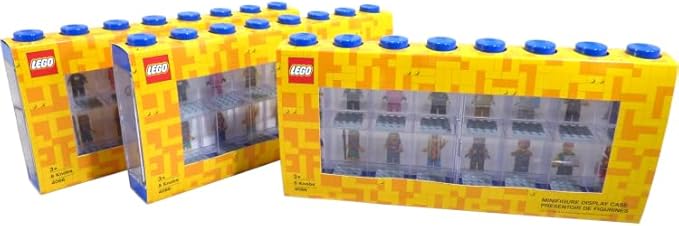
LEGO Storage Products: 40660005X3 Minifigure Display Case 16 (Pack of 3) Bright Blue New

Howard Miller Underhill III Curio Cabinet - Wide Two Door Showcase Espresso Finish Adjustable Shelve & Levelers Illuminated Interior Lightning Perfect for Living Room Office and Room Decor

LEGO Ideas Jaws Set - Diorama Kit for Fans of The Classic Movie - Shark Toy - Movie Memorabilia Gift for Adults - Includes Orca Boat and Chief Brody, Hooper and Quint Minifigures - 21350

Officially Licensed Marvel Classic Thor Helmet Prop Replica Life Size Limited Edition
Our Top Pick
If you are buying one piece and want it to be the thing people look at when they walk in, make it the officially licensed Marvel Classic Thor helmet. It is a life-size prop replica in a limited edition run, and it is the only object in this guide that sits in that tier rather than in the licensed-merchandise tier below it.
A helmet is the right shape for this job and it is not an accident. It reads correctly from across the room because the silhouette does the work, and it survives someone walking up to it because the panel lines, the wing geometry and the paint have to hold up at arm's length. Get either half wrong and the piece dies. That is why a helmet is the standard test of whether a maker knows what they are doing, and why a good one costs what it costs.
Plan the mounting before it arrives rather than after. A life-size helmet wants a dedicated stand or a bracket into a stud, not a shelf it overhangs, and it wants to be out of direct sun because the light will find the paint eventually. Give it its own pool of light and nothing next to it competing, and the room reorganizes itself around the piece for free. That is the minimalist argument in one object, and it is the version of it that ages best.
One well-made hero piece beats a shelf of near-misses. The eye finds the thing that got the proportions right.
Helmets That Make Your Man Cave Feel Cinematic
Why do helmets instantly push a room into cinematic mode? They teach you scale, surface response, and manufacturing precision in one compact object. A screen-accurate helmet should read correctly from six feet away and survive an up-close inspection without obvious flaws. That means the substrate, whether fiberglass, ABS or vacuum-formed plastic, needs consistent wall thickness and no visible sink marks. Seams, panel lines, rivets, and weathering strokes should line up with reference frames, and the weight and balance should match the original so the piece has presence on a shelf or pedestal.
When you pick a helmet, look at the core technical bits first. Check material density and wall thickness for rigidity and longevity. Inspect paint layers for controlled weathering and multi-stage finishes using primers, base coats, and clear coats with the right sheen. If it’s wearable, test the internal padding, chinstrap hardware and ventilation, because comfort matters but not at the cost of silhouette. For illuminated helmets, verify LED types, wiring harness quality, switch placement, and power options so you avoid fragile solder joints and noisy drivers.
Later on I’ll evaluate helmets for dimensional accuracy, finish fidelity, mounting options, and electronics integration. I’ll call out whether a piece is built for wear or better suited as an exhibit, how easy it is to secure to a stand, and whether its weight and footprint fit wall mounts or countertop pedestals. Expect practical notes on fitment tolerances, recommended bases, and long-term care to keep finishes from oxidizing under continuous lighting.
Marvel Thor Helmet
This officially licensed, life-size Thor helmet is the kind of centerpiece that turns a room into a film set. Built from hand-formed steel with hand-sculpted fiberglass wings, it has the weight and surface detail that make it read as screen-accurate at a glance. It’s wearable for photos or staged cosplay, but its real strength is as a display piece: the included certificate of authenticity and display base give it a museum-ready presentation right out of the box. The finish catches light in a way resin knockoffs do not, so when you place it on a pedestal or above a media console it immediately anchors the room visually.
Practical considerations matter. Pros: authentic materials and scale, strong craftsmanship, wearable for occasional use, and turn-key display with COA and base. Cons: the wings are hand-sculpted and benefit from gentle handling, it is substantial in weight so plan a secure mount or a proper display case, and there is no integrated lighting so you will want to add warm accent lighting to make the metal pop. Tip: a 2700K LED uplight or a narrow warm strip LED behind the base really makes the patina read like a production still. If you want a single showpiece that signals serious collecting and anchors the wall it hangs on, this helmet delivers.
Jarden Rawlings Mini Helmet
If you want a compact, screen-accurate piece that reads as intentional décor rather than a tossed souvenir, this Rawlings mini replica does the job. The shape mirrors on-field helmets, and the screen-printed Phillies logo pops cleanly, which matters when your lighting and sightlines do half the storytelling. It feels solid for a mini, sturdier than cheap knockoffs, and the included autograph pen turns it into a personalization opportunity right out of the box. Put it on an illuminated shelf, inside a small acrylic case, or on a riser with a plaque and it will read like a curated prop instead of clutter.
This helmet suits sports-focused setups, bar nooks, or mixed collections where you want a recognizable, room-friendly statement without stealing shelf space. Pros: authentic silhouette, clean team branding, ready for signing. Cons: mini scale limits impact in very large rooms, and you may want a small stand or case to lift it off the shelf. Tip: group it with a neon team sign or LED backlight so the logo catches the eye during movie nights. For anyone building a themed vignette that balances fandom with cinematic presentation, this is a handy, authentic-feeling piece.
Rawlings Yankees Mini Helmet
This 1/3-scale Rawlings Yankees mini batting helmet nails the camera-ready look without taking up shelf real estate. The matte navy finish and officially licensed MLB decals read true to broadcast footage. Molded ABS shell gives the piece a sturdy, lightweight feel and comes with a display stand and autograph pen so it’s display-ready straight out of the box. It is not for wearing, so think of it as a lighting-friendly accent that avoids glare and keeps focus on the logo and contour lines that matter when you want an authentic prop vibe.
For home theater displays this is a high-impact, low-hassle collectible. The size fits behind a projector or on a floating shelf, and it looks great inside a backlit case or under a small puck light. Pros: screen-accurate graphics, included stand and pen, durable plastic, lightweight for easy staging. Cons: 1/3 scale may feel small next to life-size helmets, and ABS won’t have the heft or tactile weight of metal or resin reproductions. Best for sports-focused rooms, shelf displays among movie and game memorabilia, and anyone who wants a licensed piece that photographs well under show lighting. If you want to add authentic team flavor without committing to a full-size bust, this one makes a tidy, dependable centerpiece.
Mini, Mid-Size, Full-Size: The Helmet Tiers
Two of the three helmets above are minis and one is life-size, and the gap between those words is bigger than it looks on a listing page.
The collecting market settled on three sizes a long time ago, driven by football rather than film, and everything else inherited the convention. Minis sit around 6 inches tall. Mid-size collectibles land near 7.5 inches. Full-size replicas match the proportions of the real thing. Price tracks that ladder steeply: a basic replica starts around $40 and a detailed licensed one runs $160 or more, and the authentic helmets those copy start above that and climb. The replica helmet entry has the full breakdown.
The distinction that costs people money is replica versus authentic, and it is about the inside rather than the shell. An authentic helmet has real padding and hardware and is built to be worn, whether or not it ever is. A replica is a hollow shell made for a shelf, usually with a plastic plate where the padding would sit, and it is sold and labeled as display-only. The outside of the two can look identical in a photograph. The price and the provenance are not remotely the same, and a listing that shows you only the outside is telling you something.
For a room rather than a collection, minis do a job that full-size pieces cannot. A row of three or four reads as a deliberate set on a single shelf, at a total cost below one full-size replica, and they leave the wall free for the hero piece. That is the argument for the two Rawlings minis here: not that they are the best objects on the page, but that they are the cheapest way to put real licensed items on a shelf instead of decor that merely gestures at the subject.
The argument runs the other way for exactly one piece per room. A full-size helmet is a wall object, it needs a bracket into a stud and its own lighting, and two of them in the same sightline cancel each other out. Buy one and let it win.
Blade, Blaster, and Swords: Replicas Built to Impress
Weapons and edged props add instant drama because they introduce line, scale, and implied motion. A convincing replica gets proportions right and presents the correct mass and balance. That starts with construction method. Solid metal gives authentic heft but needs rounded (non-sharp) edges and reliable finishes to be safe for display. Cast resin or high-density polymer replicate surface detail while keeping weight manageable for wall mounts and stands.
When you're evaluating weapons, focus on dimensional fidelity and mounting compatibility. Blade length, ricasso geometry, guard curvature, and pommel weight all affect perceived authenticity. Look for anti-corrosion plating, textured grips, and tasteful patina rather than sloppy distressing. For non-firing historical reproductions, check breech and lock fidelity and whether a piece is demilitarized. For cinematic blasters, inspect integrated electronics, battery compartments, and access panels for maintenance.
In the product notes below I’ll separate cosplay-friendly pieces from exhibit-grade builds. I’ll talk manufacture methods like stainless steel machining, die-cast components, and urethane casting, plus give advice on mounting hardware, stand stability, and safely securing long pieces overhead or on the wall. You’ll get a practical sense of what delivers display drama while staying reliable.
Sword fort Crucible Sword
This is the kind of metal replica that flips a collection from "stuff" to "set piece." At roughly 45 inches overall with a heavy stainless-steel blade and a substantial 5.6 lb feel, the Crucible Sword delivers real presence on the wall or in a display case. The deep engravings, wear detail, and game-accurate proportions give it that camera-ready look. It ships with a 25 x 25 cm hanging plate so you can stage it as a focal point above a media console or framed by LED accent lighting for dramatic silhouette. Practical note: it reads like a display-first piece. It’s delightfully heavy and sharp at the edges, so plan for secure mounting (studs or reinforced anchors) or a locked display cabinet if you have kids or pets.
Who should buy it? Collectors and builders who prioritize screen accuracy and tactile authenticity. Cosplayers who want photo-ready wear only (not for staged combat) will love the weight and finish. Pros: museum-grade metal construction, impressive scale, built-in hanging plate, and excellent detail fidelity. Cons: front-heavy balance, potentially sharp, and some reports of minor symbol orientation differences and uncertainty about internal tang construction, so don’t rely on it for rough handling. If you want a commanding centerpiece that reads true on camera and carries a theater wall on its own, this is a top pick.
Denix 1748 Flintlock Pistol
This Denix 1748 English flintlock is the sort of single-piece that upgrades a room from "cool collectibles" to "period room." At roughly 14 1/8 inches and finished with a brown wood-style stock and antique brass/pewter fittings, it reads correctly on camera and in a display case. It is non-firing, made in Spain, and includes a working cocking mechanism that gives the replica useful tactile realism without safety hassles. I like the double-sided embellishments and decorative heel plate; those small visual cues are what sell authenticity when you hang it under a spotlight.
For installation this pistol is ideal for shadowboxes, floating wall mounts, or mixed-media displays (think map background, brass plaque, directional lighting). It pairs well with a compact acrylic case or a leather-backed wall strip so the wood and metal finishes catch your theater lighting. Pros: convincing finish, attention to decorative detail, wearable for cosplay or reenactment photos, and a solid tactile mechanism. Cons: it is a reproduction (so weight and some fittings are lighter than period brass/walnut), and a few reviewers noted slightly loose tolerances on trim pieces and uncertain long-term durability of the mechanism. It’s not a functional firearm, which is a plus for safe, indoor displays.
If you want a historically flavored focal point that photographs like a prop from a period drama, this is a smart pick. Buy it if you’re building a themed alcove, curating a historical shelf, or outfitting a costume that needs a believable sidearm without the regulatory or safety complications.
Collector Figures That Demand Prime Shelf Real Estate
Figurines and articulated collectibles are where sculpt fidelity and engineering meet. A premium figure isn’t just paint; it’s skeletal design, joint tolerances, and material choices that allow expressive posing without joint creep. Scales like 1:6 or 1:12 dictate the level of detail you can expect, and materials such as PVC, polystone, die-cast metal, or fabric each bring different conservation and handling needs.
When picking figures, check articulation systems. Ratchet joints hold dynamic poses, ball-and-socket joints let natural rotation, and internal skeletons in smaller scales give surprising stability. Inspect paint for layered shading, matte versus gloss control, and tampo print precision on tiny details. Accessories matter: magnetic bases, interchangeable hands, and neat accessory storage in the packaging are signs of thoughtful design. Also plan box size and display footprint so you know what fits on your shelves.
I’ll evaluate figures on sculpt accuracy, paint fidelity, joint engineering, and accessory utility. I’ll flag fragile parts, suggest poses for display, and note how well figures integrate with diorama elements. Expect practical advice on materials aging under room lighting and environmental controls to prevent yellowing and joint loosening.
PlayStation Jin Sakai Figure
This 6-inch Jin Sakai action figure punches above its size for display setups. The sculpt captures samurai armor and facial likeness with surprising fidelity, and 32 points of articulation let you pull off cinematic stances that read great under directional lighting. It ships in a deluxe open display box that looks sharp on a shelf, but it also comes apart cleanly if you want to mount Jin on a stand or place him inside an acrylic case. In my setup I used a small LED strip behind the box and an acrylic riser to create depth, and the textured paint work (over 100 unique finishes) added camera-friendly highlights that read like a screen prop from a distance.
For collectors this figure is ideal as a compact, high-impact accent. Pros: strong sculpt detail, excellent poseability, license accuracy, and display-ready packaging. Cons: small scale compared to life-size props, some fragile joints or parts that need careful handling, and it may need a stand or museum putty to stay stable in dynamic poses. Tip: let the figure warm to room temperature before forcing joints, use a low-profile clear stand for action poses, and light it from behind to emphasize silhouettes. If you want a cost-effective way to add screen-accurate charisma to a shelf, Jin is a smart pick that layers well with neon signs, helmets, and display cases.
TAMASHII NATIONS Jin Kazama
This S.H.Figuarts Jin Kazama nails the screen look at a compact scale. Tight sculpting, crisp paint, and a surprisingly flexible coat create a figure that reads like a miniature production still when lit correctly. It ships with two alternate heads, three pairs of hands, and a background stage sheet, which makes staging fight poses or a signature spotlight vignette painless. The articulation is excellent for dynamic stances and hidden joints in the coat let you pose without the cape looking awkward. Materials feel sturdy (quality ABS/PVC), and the official licensing means likeness and detailing stay true to the game.
For your theater setup this is a utility piece. Use it as a foreground character on an illuminated shelf, tuck it into an acrylic case for dust-free display, or group it with other Tekken S.H.Figuarts for a scene that actually tells a story. Pros: screen-accurate sculpt, great articulation, useful swap-outs and a background sheet that saves you from DIY printing. Cons: small size (roughly 5.9 inches), and a few reviewers note limited neck movement. Best for Tekken fans, collectors wanting poseable shelf pieces, and anyone building layered, lit displays that read like a set rather than a toy lineup.
Licensed, Replica, Prop, Screen-Used: What the Words Mean
Four words get used interchangeably in listings and they describe four different objects at four wildly different prices. Sort this out before you spend anything, because it is the only thing on this page that will cost you real money if you get it wrong.
Screen-used means the object was physically on set and appears in the film. There are very few of them, they sell through auction houses rather than marketplaces, and they carry paperwork tracing them back to the production. If a listing says screen-used and costs less than a car, assume it does not mean what you think it means.
Prop replica is a licensed reproduction built to match a screen prop, usually in a numbered limited run, usually from the studio's own reference or molds. This is the tier the Marvel Thor helmet sits in, and it is the highest tier most people will ever own. The tells are a licence mark, an edition number and a manufacturer who names the reference they worked from.
Licensed replica without the prop qualifier is a looser thing: officially approved, accurate in silhouette and branding, but built to a price rather than to a reference frame. Mini helmets and most action figures live here. That is not a criticism, it is a different product, and a shelf of licensed pieces reads better than one badly-made prop replica.
Replica on its own carries no promise at all. It means somebody made something that looks like the thing. Some are excellent, particularly in the sword and historical-firearm world where the makers have their own standards, and some are traced off a photograph. Judge these on the maker rather than the word.
The practical rule: look for the licence mark and the edition number, and when neither is present, judge the object rather than the description. A well-made unlicensed sword is a better display piece than a licensed item that got the proportions wrong, and proportions are the thing your eye catches from across a room even when you cannot say why.
Authentication, and When It Actually Matters
Most of what is on this page needs no paperwork at all. A licensed figure, a diorama set, a sword replica: you are buying an object to look at, and the only question is whether it is well made. Authentication matters in one specific case, and it is worth knowing where that line falls before somebody quotes you a price that assumes you do not.
The moment a signature enters the picture, the rules change completely. Value on a signed piece rests on five things: who signed it, how scarce it is, what condition it is in, whether it is authenticated, and whether its history can be traced. Authentication is the load-bearing one, because the counterfeit market is large and the price gap between a real signature and a manufactured one is enormous. The names collectors trust are PSA/DNA, James Spence Authentication and Beckett, and a number of athletes now sign exclusively through a licensed firm such as Upper Deck Authenticated. Without paperwork, a signed item is worth a fraction of its authenticated price, and the seller knows that even if you do not. The sports memorabilia entry goes further into the tiers.
The other useful line is between memorabilia and decor, and it is not a snobbish distinction. A framed team poster is decor. A game-worn jersey with provenance is memorabilia. What separates them is the signature, the story and the paperwork, and the sane frame of mind for a room like this is collector rather than investor, because while some pieces appreciate, most simply do not.
For film props specifically, the equivalent signals are the licence mark and the edition number rather than a third-party certificate. A numbered limited run from a licensed manufacturer is as close to provenance as this tier gets, and it is enough. Chasing certificates on merchandise that was never going to carry them is how people end up paying auction prices for a shelf piece.
Keeping a Prop Collection Alive
Props do not sit still. They yellow, they sag, they fade, and the damage is almost always slow enough that you do not notice until you compare a piece to a photograph of it from three years ago. Four things do the damage.
Ultraviolet light is the worst of them and the easiest to fix. It yellows white and clear plastics permanently, it fades painted detail, and daylight through a window will do it faster than any lamp. Keep pieces out of direct sun, use UV-filtering glazing on anything framed, and put LED rather than halogen in a display case, because LEDs emit almost no UV and very little heat. Museum-grade glazing is the upper bound worth knowing about: Tru Vue rate their Optium Acrylic and Museum Glass at up to 99 percent UV block, and while a home display case will not reach that spec, it tells you what the ceiling looks like.
Heat is the second, and it is why the lighting choice matters twice. Warm air inside a sealed case softens adhesives and relaxes joints, so a posed figure slowly droops. If a case is lit, it wants a light source that does not warm the air inside it.
Humidity swings do the structural damage. Repeated cycling between damp and dry loosens joints in figures, lifts paint on cast resin, and gives bare metal on a replica the conditions it needs to spot. The EPA recommends keeping indoor relative humidity below 60 percent and ideally between 30 and 50, which is a band a finished basement drifts out of on its own every summer. A dehumidifier is a cheaper fix than restoring anything, and it is the one piece of kit in this guide that protects everything else you own.
Dust is the tedious one. It is abrasive, so wiping a dusty surface scratches it, and the fix is to keep dust off rather than to clean it away. That is most of the argument for a glass-front case over an open shelf, and it is a bigger argument than it sounds when the alternative is dusting a sword every fortnight.
Then there is weight and mounting. A life-size helmet on a wall bracket, a long sword hung horizontally, or a heavy figure on a narrow shelf all put load somewhere a wall was not asked about. Mount into studs rather than plasterboard anchors for anything with real mass, spread the load across two points where the piece allows it, and check anything hung overhead every so often. The failure mode here is not gradual.
Lighting the Display, Not the Room
The single cheapest upgrade to a prop collection is not another prop. It is aiming a light at the one you already own, and most rooms get this backwards.
Accent lighting is the layer you aim rather than the layer you switch on, and it works by contrast rather than by brightness. Lighting Design Lab put the working scale at 2:1 for a surface that reads flat, 5:1 for a distinct focal area and 10:1 as the minimum for an accent that genuinely pulls the eye across a room. Below about 3:1 the fixture is just adding light. This is why the usual attempt fails: people fit a spotlight over the helmet and then leave the ceiling cans on full, which flattens the exact thing they were trying to lift. The fix is dimming the ambient layer, not buying a brighter head. A layered scheme is one where the layers are set against each other.
Color temperature does the other half. At 2700K light is amber and warm, and it flatters the materials this hobby is made of: leather, walnut, brass, aged metal, painted resin. At 5000K the same shelf looks like a supply closet. The number on the box is the whole decision, and it is worth matching across every fixture in a display wall, because two heads at different temperatures on the same object is the sort of thing nobody can name but everybody notices. The color temperature entry covers the scale properly.
Two practical notes for props specifically. Aim from above and slightly to one side rather than straight on, because a flat frontal wash kills the panel lines and weathering that a good replica is paying for. And keep the source out of the case where you can. A small external head that can be repositioned beats a strip stuck inside a cabinet, which fixes the angle forever and warms the air around the object it is lighting.
Glass-Front Cases and Curios: Dust, UV, and Shelf Load
A good display case does more than hold items. It creates a controlled viewing environment that cuts dust, UV exposure, and accidental bumps. Construction matters: tempered glass reduces fracture risk, UV-blocking laminates protect pigments, and sealed joins reduce particulate ingress. For heavy collectibles you need shelving with clear load ratings and tip-resistant anchoring. Adjustable shelving and integrated lighting let you curate multi-scale displays, while locks and levelers stop mishaps in family spaces.
Match the case features to your collection. Look for interior illumination with high-CRI LED strips, micro-adjustable shelving hardware, and gaskets or silicone seals to minimize dust. If humidity is a concern, consider cases with passive desiccant cavities or space for a compact electronic dehumidifier. For minifigures and micro-figure layouts, modular inserts and small-footprint cases let you build dense, museum-style presentations without heavy shadowing.
In the reviews I’ll contrast compact, stackable solutions against furniture-grade curio cabinets, evaluating assembly tolerances, glazing quality, and lighting integration. I’ll give practical tips on securing animated props, routing cables discreetly, and choosing cases that scale with your collection as you add larger life-size pieces.
LEGO Minifigure Display Case
These bright-blue, factory-sealed display boxes come three to a pack and prioritize visibility and modularity. Each unit is shallow and crystal-clear up front, with easy-open doors and rear mounting holes so you can stack them on a shelf or mount them on the wall. For a theater shelf, they solve a real problem: they let small-scale props (minifigures, micro helmets, lapel pins, tiny droid models) read on camera and in ambient light while keeping dust and curious hands away. The dimensions mean you can create neat rows or stepped pyramids for poster-perfect vignettes, and the lightweight molded construction makes reconfiguration painless.
What makes these cases useful is their staging friendliness. Stackability and wall-mount options let you treat the collection like a set of production flats. Add LED accent strips behind or below each case and the clear doors will turn a simple rack into a backlit display that photographs like a prop department still. They are not museum-grade glass, so if you need archival materials or locks you’ll want something heavier. The shallow 47 mm depth also limits what you can display, so save wearable replicas for deeper cabinets.
Best for collectors of small, screen-accurate pieces who want to stage them quickly. Pros: modular, dust-protecting, easy access, wall-mountable. Cons: thin plastic, no locks, shallow depth. If you want crisp, changeable displays that read on-screen, these are a simple, effective building block.
Howard Miller Underhill III
This curio cabinet is the kind of display piece that instantly upgrades a room from "collection" to "set piece." The rich espresso veneer, glass front and mirrored back put collectibles on full display, while the built-in interior lighting brings out paint details and metallic finishes the way studio lighting does. At 14" deep, 33" wide and 47" high it’s compact enough to tuck beside a home theater seat or against a bar wall, yet tall enough to arrange helmets, holstered gadgets, lightsaber stands and boxed micro-collectibles across multiple levels.
What really makes this cabinet stand out for prop enthusiasts is the combo of illumination and depth. The mirrored back multiplies visual layers so helmets and dioramas read like production stills, and the adjustable glass shelf gives you flexibility for tall versus flat props. The cushioned metal shelf clips and included pad-lock add practical security for valuable pieces. Small details matter here: levelers keep the cabinet square on uneven floors, and the two-door access makes staging quick during parties or screenings.
Pros: museum-style presentation, built-in lighting, mirrored depth, adjustable shelving and security lock. Cons: veneer finish rather than full hardwood, relatively lightweight so it needs anchoring and two people to move, and the light switch sits on the back (plan access). If you want a compact illuminated cabinet that makes helmets and screen replicas pop on camera, this is a top pick. Measure bulky items before you buy and anchor it to the wall for safety.
Movie Memorabilia With a Story Behind It
Memorabilia connects fandom to provenance. A well-chosen piece gives narrative weight to your room by tying a display to a moment in cinema history. Authenticity and documentation matter. Look for COAs or licensing marks, and check how the item was produced: limited runs, studio-licensed reproductions, or mass-market décor each carry different expectations for accuracy and value. Conservation matters too, since paper, fabric, and metal age differently under room lighting.
When selecting memorabilia, prioritize structure and presentation. Framed pieces should use acid-free mats and UV-filtering glazing to protect inks and pigments. Sculptural items need stable mounts that distribute weight and isolate vibration. For mixed-media displays, plan cable routing, access panels for battery replacement, and discreet fasteners that don’t damage items. Provenance notes and serial numbers increase resale value and give you conversation starters when guests ask about pieces.
In the reviews I’ll evaluate decorative sculptures, licensed diorama sets, and framed artifacts for build quality, archival materials, and mounting solutions. Expect tips on integrating these pieces with lighting and cases to maximize visual impact while preserving condition and long-term value.
LEGO Jaws Diorama Set
This 1,497-piece LEGO Ideas tribute nails the cinematic silhouette of Jaws and translates it into a display-ready centerpiece. The Orca hull, removable cabin roof and rigging give the model an authentic, built-for-camera feel. The shark sculpt reads menacing from across a room. For home theaters this set provides an immediate focal point that photographs well and starts conversations. Keep the finished footprint (roughly 23" long by 14" high) in mind when planning a shelf or case.
Assembly rewards patience. Parts lock together with LEGO precision, and the interior boat detail (compass, harpoon, fishing rod, printed tile with Brody’s line) lifts the piece well beyond a novelty. Two display modes let you stage the shark in the sea base or mount it solo, which helps tailor the diorama to different shelving heights. Many owners add a third-party LED kit to highlight the shark and create cinematic backlighting. It really pops when lit from beneath or with a warm spot.
Who will love this: collectors who favor screen-accurate replicas and adult builders seeking a display-grade project. It is not a rough-and-tumble toy. Some builders report delicate sections and occasional missing pieces during the build, so budget time and a calm workspace. Pros: strong movie fidelity, flexible display options, satisfying build. Cons: fragile elements, requires careful handling and patience.
Practical staging tip: mount the finished set inside a glass-front case or secure key sections with museum putty to prevent accidental knocks during movie nights. Add low-level accent LED strips on a dimmer to set mood without washing out the film. If you want a prop that reads like a production still, this Jaws diorama delivers the drama.
The Ten Pieces Side by Side
Sorted by what you are actually buying rather than by price, because the tier decides how to judge the object and the price only tells you what it cost to make.
| Piece | Tier | What it is | Where it goes |
|---|---|---|---|
| Marvel Classic Thor helmet | licensed prop replica, limited run | life-size wearable-format helmet | wall bracket into a stud, its own light |
| Crucible blade sword | replica, maker-judged | 45 in metal blade with display stand | horizontal wall mount, two points |
| Denix 1748 flintlock pistol | non-firing historical reproduction | demilitarized replica pistol | wall or a shallow case |
| Rawlings Yankees mini helmet | licensed replica | mini, around 6 in | shelf, in a row |
| Rawlings Phillies mini helmet | licensed replica | mini, around 6 in | shelf, in a row |
| TAMASHII Jin Kazama figure | licensed replica | articulated figure | shelf or a lit case |
| PlayStation Jin Sakai figure | licensed replica | figure with accessories | shelf or a lit case |
| LEGO Ideas Jaws set | licensed diorama | built scene, not an object | eye-level shelf, front row |
| LEGO minifigure display cases | display furniture | stackable small-scale cases | wall or shelf, dense displays |
| Howard Miller Underhill III curio | display furniture | lit two-door glass cabinet | floor, against a wall |
Read the tier column first. The top three are judged on proportion and finish, the middle five on sculpt and paint, and the bottom two on glazing, shelf load and whether the lighting inside them runs cool.
Making Your Decision
The pattern across everything here is that fit and proportion do the work, and finish only decides whether the piece survives close inspection. A hand-formed helmet catches directional light the way the screen version did. A metal sword carries the mass your hands expect before your eyes have decided anything. A figure with proper joint tolerances holds a pose for years instead of drooping into a slump you have to keep correcting. None of that is about brand.
So work out which tier you are actually buying in, using the four words earlier in this guide, and then buy the best thing in that tier rather than the cheapest thing in the one above it.
For a single hero piece, the Thor helmet is the pick and the reason is the tier: it is a licensed prop replica in a numbered run, and everything else here is licensed merchandise. If your taste runs to edged pieces instead, the Crucible blade gives you the same dramatic silhouette at a much lower price, and the Denix flintlock is the one to buy if you want something with genuine historical detail rather than a film reference behind it.
For a shelf rather than a wall, the two Tekken and Ghost of Tsushima figures are what a good display shelf is made of, and the two mini batting helmets are the cheapest way on this page to add real objects rather than decor. The LEGO Jaws diorama is the outlier and the most fun thing here, because it is the only piece that depicts a scene instead of an object.
Then protect what you bought. The LEGO minifigure cases are the right answer for dense small-scale displays, and the Howard Miller curio is the right answer when the collection has grown past shelves and you want lighting, glass and a lock in one piece of furniture.
Do it in this order. Measure the wall and find the studs before you choose the hero piece, because the mount constrains the object more than your taste does. Decide on one focal point rather than three competing ones. Keep everything out of direct sun, put LED rather than halogen in any lit case, and get a dehumidifier in before the first damp season rather than after you have found the first spot of corrosion. Then buy one good thing and live with it for a while before you buy the second. Collections built in phases end up better than collections bought in an afternoon, for the same reason rooms do.