Top Gaming Desks with Retractable Console Shelves
Last updated August 25, 2026 · By Zach Lane ·How we choose products · Affiliate disclosure

So I was staring at my setup the other night and realized how often a desk is an afterthought until cables, consoles, and frustration take over. This guide is my attempt to fix that. You’ll get straightforward, practical takes on desks that hide consoles on pull-out shelves while still giving you the elbow room, airflow, and cable control you actually need for long sessions.
I’ll walk you through the tradeoffs that matter most when you’re watching your budget. Build quality determines how long a desk lasts. Shelf size and slide quality decide whether a console survives or becomes a permanent heater. I’ll point out which ergonomic and cable-management tricks actually help, and which features are just shiny distractions.
If you want picks that stretch every dollar, read on. I’ve spent years tinkering with setups in my own room, so I care about honest measurements, solid construction, and usefulness. After this you should be able to match desks to your space, consoles, and wallet without getting sold on flash over function.
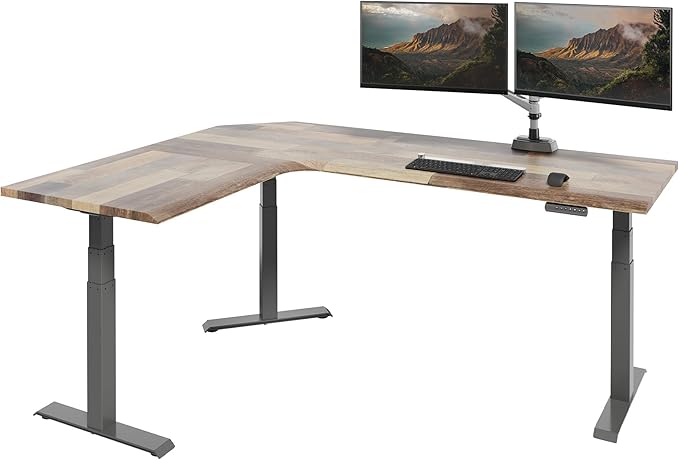
Vari ComfortEdge 80x60 L-Shape Electric Standing Desk – Height Adjustable Sit-Stand VariDesk for Corner Office with Reversible Left/Right Design + Reclaimed Wood/Slate Legs (Ships in 3 Boxes)

39.3" Gaming Desk with Power Outlet and LED Lights,Computer Desk with Adjutable Monitor Stand and Drawer,Office Desk with CPU Stand for Home Work,Study and Gaming, Small Spaces,Black

FLEXISPOT 4-Leg L-Shaped Standing Desk, 71 x 43 Inches Electric Height Adjustable Desk with Memory Controller, 220lb Load Capacity, Reversible L/R Corner Desk for Home Office, Gaming & Study, Black

Vari ComfortEdge 80x60 L-Shape Electric Standing Desk – Height Adjustable Sit-Stand VariDesk for Corner Office with Reversible Left/Right Design + White Laminate Top/Slate Legs (Ships in 3 Boxes)

Max & Lily L Shaped Desk, Corner Desk for Home Office, Gaming, Computer with Storage Shelves, 55 x 55 Inches, Natural

Vari Ergo 54x26 Electric Standing Desk + Height Adjustable Sit-Stand Desk + Curved Waterfall Edge, 4 Memory Settings, Quick Assembly, Cable Management, 200 lb Capacity – Reclaimed Wood (2 Boxes)

FLEXISPOT E6G CyberX RGB LED Electric Gaming Standing Desk, 55 Inch Dual Motor 3-Stage Adjustable Desk up to 352 lbs, Large Ergonomic Computer Workstation for Gamers, Streamers & Home Studios (Black)

FLEXISPOT 79"x32" Large Dual Motor Electric Standing Desk, Black Walnut - 198 LBS Heavy-Duty Capacity, Ideal for Home Office, Creative Studio, or Multi-Monitor Setup

Signature Design by Ashley Realyn Farmhouse Home Office Desk, 2 Drawers, Drop-down Drawer, USB Charging, Wood, 60" W x 28" D x 31" H, Chipped White and Brown

FLEXISPOT EN1 One-Piece Standing Desk with 1-Inch Thick Desktop, 48"x24" Electric Height Adjustable Desk for Home Office & Multi-Device Workstations, Mahogany

Nathan James Parker Modern Home Office Writing, Computer or Laptop Desk with Open Storage Cubby and Small Drawer, Walnut

Safavieh Home Office Enos Modern White Lacquer Desk
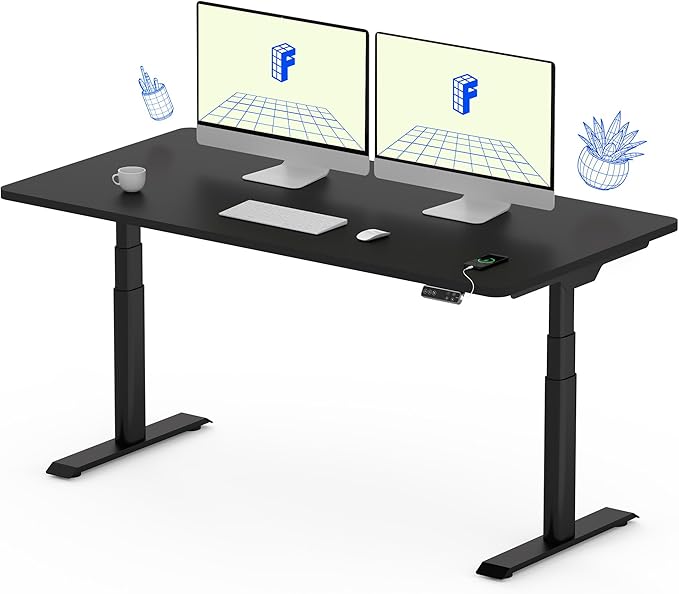
FLEXISPOT E6 Pro Oval Leg Dual Motor 3 Stages Standing Desk 55x28 Inch Whole-Piece Board Electric Height Adjustable Electric Sit Stand Up Desk 150KG Load Capacity (Black Frame + Black Desktop)

Vari Classic Electric Standing Desk - VariDesk Height Adjustable Sit/Stand Desk - Dual Motor with Memory Presets, Stable T-Style Legs - Gaming or Home Office Workstation - 60”x30”, Reclaimed Wood

FLEXISPOT Electric RGB Gaming Standing Desk, 55" Dual Motor Height Adjustable Desk with Integrated Cable Management, Ergonomic Sit-Stand Computer Workstation for PC Gamers
Our Top Pick
The FLEXISPOT Electric RGB Gaming Standing Desk is my top pick, and I want to be straight about why, because it does not have a factory pull-out console bay. Almost nothing on this page does. What it has is the one thing you cannot bolt on afterwards: a frame and a top that will still be flat in three years with a console tray hanging off the underside.
The 55 by 28 inch metal-infused magnetic top spreads load instead of dishing under it, the dual-motor lift is quiet enough to use mid-session, and the magnetic cable organizers plus the hidden flip panel mean the cable run to an under-desk console is already solved rather than left to zip ties. The 22 RGB modes are the part you will either love or switch off in week two, and either is fine.
Pair it with a heavy-duty ball-bearing pull-out rated 100 to 150 lb and you have the desk this page's title describes, assembled from a chassis you can trust and a tray sized to your actual console. The section below on clearances covers what that tray has to measure.
Buy the chassis, add the slide. That is the honest route to a console desk, and this is the chassis I would start from.
Stretch Your Setup: L-Shaped Desks That Work as Hard as You Do
L-shaped desks are the secret weapon when you want a dedicated gaming zone and a separate workspace without buying extra furniture. This layout gives you room for multiple monitors, a controller spread, and a place to tuck a pull-out shelf under the shorter wing so consoles stay hidden but reachable. The right L-shape keeps gear accessible and the main surface uncluttered.
When you’re choosing one, pay attention to how the pieces join and whether the shelf slides are up to the job. Cheap models wobble at the corner and flimsy rails sag under heavier consoles. Look for explicit weight ratings, reinforced corner brackets, and enough shelf depth to fit modern console footprints while leaving room for ventilation.
I’ll flag which L-shaped options give you the most usable surface for the money, which come with sturdier sliding hardware, and which offer a big footprint without killing your budget. I prefer function over fancy RGB, and you should too.
Vari ComfortEdge 80x60
If you want a corner desk that feels built to last, this Vari L-shape is the kind of anchor piece your setup needs. The 80x60 wraparound top handles dual or triple monitors plus a console or two without feeling cramped. The electric lift uses three quiet motors, has a 200 lb lift capacity, and four memory presets, so standing during stretches of co-op or grinding is effortless. The ComfortEdge contour helps after long hours of mouse work, and the 1.25" 3D laminate resists dings and fingerprints. What really sells it is stability. Even at taller heights the desk stays steady, which is rare for large L-shaped sit-stand setups. Cable hooks and compatibility with power hubs make cable chaos manageable.
Reality check for console-focused builders. This desk doesn’t have a built-in pull-out console shelf. The deep surface and accessory compatibility mean you can add an under-desk sliding shelf or mounting cubby (just choose slides rated for your console’s weight and leave room for airflow). Pros: huge usable surface, commercial-grade stability, wide height range (25" to 50.5"), strong motor performance, tidy cable options. Cons: no native retractable shelf, heavy panels and multi-box delivery, assembly can require two people. If you value longevity and ergonomics and plan to retrofit a quality sliding shelf for PS5/Xbox airflow, this is a top contender.
Small Footprint, Big Impact: Compact Gaming Desks Built for Tight Spaces
Not everyone has a spare room. Compact desks are the practical choice when space is tight but you still want a proper setup with a tuck-away shelf, and in a room that already holds a couch the desk is the piece that has to give way rather than the seating. A small desk that manages cable flow and offers a slide-out bay can make a studio apartment feel like a serious play space. The trick is balancing top area with usable concealed storage.
Watch shelf depth, ventilation around stored gear, and whether a sliding mechanism locks or wobbles. Also measure how much usable surface you have once monitors and peripherals are in place. Some compact desks promise a lot and leave you with cramped wrist space and a console hanging off the rail.
I separate genuinely clever compact designs from those that sacrifice comfort or longevity. My picks favor desks that maximize usable top space while tucking consoles neatly away, without charging you for useless extras.
DurayLoly 39.3" Gaming Desk
This compact desk crams a lot of practical hardware into a small footprint. The raised monitor stand gets one or two screens to eye level, which cuts neck strain and frees desktop space. Built-in power sockets and two Type-C ports reduce the need for a separate power strip, and the LED strip with multiple colors adds instant atmosphere. Assembly is quick if you follow the steps, and reviewers say the frame is solid for the price.
If a true retractable console shelf is a must, this model doesn’t include one. The adjustable CPU stand and movable drawer do give flexible console placement though. Slim consoles and routers sit neatly on the raised shelf or the side CPU platform, and the reversible layout lets you tuck gear left or right depending on the room. Heads up: full PC cases or consoles with top ports can sit tight against the shelf, so measure before you rely on top-facing USB ports.
Where this desk shines is ergonomics and cable control. The riser elevates monitors for long sessions, the fabric drawer hides controllers and cables, and the charging station trims clutter. For better airflow and a cleaner look, add a few adhesive cable clips or Velcro straps behind the desk. Little swaps like moving the drawer make it feel custom even if you bought it off the shelf.
Pros: configurable layout, built-in charging, monitor riser, LED mood lighting, easy assembly and solid value for small spaces. Cons: no true retractable console drawer, cloth drawer less durable than wood, some customers report minor fit issues or missing LED remote parts. Recommended for a budget-minded builder who wants utility, lighting, and flexible console placement without swallowing the room.
Make Corner Space Count: Corner Desks for Flow and Function
Corners can free up floor space and create a cozy, immersive play area, and they are usually the last part of a room to get planned around, the same way a corner game table is. They’re great for pull-out console shelves since the shelf can live under an angled section, keeping consoles ventilated and out of sight. For many setups, a well-built corner desk becomes the most efficient layout.
When evaluating corner desks, watch how the pieces join and whether the shelf sits squarely or gets pinched at seams. Measure usable depth at the corner because some designs narrow where the surfaces meet. Cable routing matters more in corners since cords can bunch up behind the desk and become a pain to access.
I’ll point out corner desks that deliver secure joins, easy sliding shelves, and smart cable channels. I’ll also call out which designs are more about looks than function so you don’t pay for style at the cost of performance.
FLEXISPOT L-Shaped Desk
If you want a corner desk that can really carry a rig, this FlexiSpot L-shaped standing desk is built for that. The four-leg steel frame and 220 lb capacity mean you can put three monitors, a tower, and consoles on it without wobble. The electric lift with three memory presets and a quiet motor adds real ergonomics. The sit-stand range is handy when you want to stretch between sessions. The large 71" x 43" layout gives space to place consoles on the shorter leg, and there’s room to add an aftermarket sliding shelf or full-extension drawer. Tip from my own builds: pick ball-bearing slides rated for your console’s weight and leave at least 2 inches of clearance for airflow.
It isn’t a turnkey pull-out shelf desk, so factor that into your plan. Pros: rock-solid stability, large workspace, programmable heights, reversible layout. Cons: no built-in pull-out console tray, split-top construction needs careful alignment, and the power box placement under the top may require a DIY mount. If you like to tinker, mounting a slide, routing cables and adding ventilation, this desk is a future-proof platform that won’t look cheap once you mod it.
Vari ComfortEdge L-Desk
This L-shaped electric sit-stand desk is built for serious setups. The dual-motor lift is whisper-quiet and programmable with four height presets, so you can swap between gaming and lounging without fuss. The large one-piece laminate top and reversible corner design create a roomy command center for multiple monitors, controllers, and streaming gear. If you like warming up standing and then sitting for long co-op nights, this makes that transition effortless.
Construction is where this desk earns its keep. Heavy-duty steel T-legs, a thick tabletop, and a high rise range (about 25 to 50.5 inches) give you a sturdy platform for tower PCs, consoles, and peripherals without wobble. There’s a 200 lb load caution to respect, but in practice the strength and stable motors let you mount monitor arms or park a couple of consoles on the corner shelf area with confidence.
Full disclosure for console-first builders: it doesn’t include a built-in retractable shelf. If you want a slide-out tray, plan to add quality aftermarket slides. The desk’s depth and underside clearance make that fairly easy, and its cable-routing options help keep ventilation tidy.
Pros: rock-solid build, roomy L-shape, quiet dual motors, reversible layout, lifetime warranty. Cons: heavy to assemble, no integrated retractable console shelf. My pick for a long-lasting L-shape sit-stand base you can pair with a slide-in console shelf.
Max & Lily L Shaped Desk
This L-shaped desk brings solid wood heft and a clean, natural look. Engineered surfaces with a knot-free solid wood frame give you two 55.25" surfaces and a scratch-resistant finish that handles controllers, mugs, and the occasional snack spill. Rounded corners and a practical layout give room to route cables out of sight, and two storage shelves are handy for controllers and headsets. The 29.5" height is standard and comfortable, and the included hardware keeps assembly straightforward (professional assembly is an option if you don’t want to wrestle it).
If you’re after a built-in pull-out console shelf, this model doesn’t include one. The fixed shelves are fine for peripherals, but consoles will either sit on the surface or need an aftermarket slide fitted under a shelf. Cable management is basic, with no integrated grommets or trays, so plan to add a power strip and Velcro ties behind the desk.
Bottom line: pick this if you want a sturdy, budget-friendly corner anchor that prioritizes workspace and durability over factory sliding hardware. Pros: solid construction, large dual surfaces, adaptable shelves, kid-safe finishes. Cons: no factory retractable shelf, limited cable-management features, shelf depth is modest for large towers. If you like wood aesthetics and a roomy corner layout you can customize, this is a practical foundation.
Stand Up to Long Sessions: Standing Desks That Still Store Consoles
Standing desks went from niche to essential for anyone spending long hours at a screen. For those who switch between sitting and standing, an electric height-adjustable desk with a pull-out console shelf can be a real win, though the sitting half still has to be handled, which makes it a question about your chair as much as the desk. The key is making sure the shelf doesn’t mess with stability or the lift mechanism when gear is stored.
Watch motor strength, stage count, and the weight capacity, and think about how a shelf interacts with the lift. A heavy, poorly anchored shelf can introduce wobble at taller heights. Cable management is critical too so cords move smoothly when you change height without tugging on consoles or power bricks.
I’ll focus on models that balance smooth height adjustment with durable sliding hardware. You’ll see which options deliver reliable lift while still offering meaningful hidden console storage, and which ones overclaim on specs.
Vari Ergo 54x26 Electric Standing Desk
If you want a solid, no-nonsense centerpiece that can handle monitors, streaming gear, and a couple of controller boxes, this Vari Ergo is a strong choice. Dual motors give quiet sit-to-stand movement with four programmable presets and a wide height range (25" to 50.5"), so tall and short users both get comfortable. The 54" x 26" laminated top is thick and feels durable. The curved waterfall edge is genuinely comfortable. Built-in cable grommets and a 39.5" leg span help keep things tidy and stable. Assembly is fast, usually two people in about 20 minutes.
Important callout for those who want hidden console storage: this desk doesn’t include a built-in slide-out tray, and a few reviewers noted limited clearance under the top for aftermarket drawers. So if you want a tucked-away bay for an Xbox or PS, plan for a low-profile under-desk tray or a separate console cart. The surface supports up to 200 pounds, so you can stack a console stand and monitors without stress. Grommet placement can block some lamp bases, which is annoying but not a dealbreaker.
Pros: rock-solid build, quiet fast lift, roomy top, programmable presets, great finish options. Cons: no factory retractable shelf, limited under-top drawer space, top is laminate not real wood. Best if you want a premium sit-stand station and are willing to add a separate low-profile console solution.
FLEXISPOT CyberX Standing Desk
If you want a command center that looks the part and performs under load, the CyberX delivers. The RGB lighting and gamepad-style joystick add instant personality, but the real wins are dual motors, an aerospace-grade steel frame, and a 24.4" to 50" height range that handles heavy multi-monitor rigs without wobble. The lift is quiet and fast, so switching from seated to standing is hassle free. Multiple top sizes and a magnetic metal-top option make it flexible for different layouts.
About consoles: the CyberX doesn’t include a built-in sliding console tray. If a tuck-away shelf is non-negotiable, you’ll need an aftermarket under-desk slide or a console cart. The generous depth and high 352 lb capacity mean it can support consoles on the surface or the extra hardware needed for a slide mount. The styling and RGB help integrate consoles visually, and the desk’s stability and cable-routing features keep heat and cords from turning your setup into a spaghetti mess.
Who should buy this: folks who want a premium sit-stand desk that upgrades the look and can handle a full rig. Pros: rock-solid build, quiet dual motors, wide height range, attractive RGB, solid warranty. Cons: no factory retractable console shelf, assembly can take time, and the LEDs are mostly style not function. If you plan to add a slide-out tray, this desk has the strength and space to do it right.
Heavy-Duty with Character: Industrial-Style Desks for Tough Use
Industrial desks bring the strength of steel frames and exposed hardware, which is great when you need a desk to handle heavy consoles and multiple monitors. A solid retractable shelf on a metal skeleton will outlast flimsy wood-only builds.
When comparing these desks, check welds, metal tubing thickness, and how the sliding rails are mounted. Industrial styling should mean functional reinforcement, not just rivets for show. Also think about finish durability because exposed metal shows wear faster if the coating is thin.
I’ll highlight industrial options that actually deliver durability for the price and call out where manufacturers skimp on rail hardware or use fragile tabletops under a robust frame. The best value pairs a tough skeleton with practical, serviceable storage.
FLEXISPOT 79x32 Standing Desk
This desk brings the kind of real estate and versatility a serious setup needs. The 79x32-inch top swallows two monitors and still leaves room for consoles, controllers, and a drink. Dual motors raise and lower quietly and reliably, so you can switch posture between sessions without moving gear. The steel frame feels solid under load, and the memory controller saves your favorite heights.
Full disclosure: this model does not include a built-in pull-out console shelf. What it does offer is generous depth and an under-desk cable basket plus adhesive zip ties to keep power bricks and wiring tucked away. That makes adding an aftermarket sliding shelf or mounted drawer straightforward. Practical tip: mount the drawer to the center span and leave side clearance for airflow if you plan to stash an Xbox or PS5 under the top.
Ergonomics are strong. The height range fits tall and short users, and stability at standing height matters when you’ve got heavy monitors and a console on the desk. If you stream, edit, or run multiple consoles, this desk doubles as a staging area and standing workstation. Assembly is easier with two people and a drill for the larger tops.
Pros: massive workspace, quiet dual motors, built-in cable basket, flexible for custom retractable trays. Cons: no integrated pull-out console shelf, mixed reports on electronics durability, some sizes use multi-piece tops. If you want a rock-solid platform to build a pull-out console solution into, this is a top contender.
Warmth and Function: Rustic Wooden Desks with Practical Storage
Rustic desks bring a lived-in look that works well in a cozy setup. Reclaimed or distressed finishes look great, but not all of them hold up under daily use or support a reliable pull-out console shelf. The right rustic desk balances charm with sensible construction so the slide glides and the wood resists warping.
Prioritize top thickness, joinery quality, and how the shelf mounts. Veneered particleboard can look convincing but often fails where hardware mounts and where consoles generate heat. Check the finish and edge protection so chips and moisture don’t become an issue in a room that doubles as a hangout.
I’ll point to rustic pieces that are honest about materials and call out designs that use looks to hide structural compromises. Value picks are sturdy tops and well-mounted slides, not expensive patina without substance.
Ashley Realyn Desk
The Realyn farmhouse desk brings real presence. The 60 x 28 top gives room for dual monitors, a controller station, and a drink without feeling cramped. Built from engineered wood with a distressed two-tone finish, it reads like solid furniture rather than a cheap utility table. Practical touches include two smooth dovetail drawers, a drop-down keyboard section, and built-in AC outlets plus two USB ports in the rear. Those outlets are a nice win for charging controllers and lights. The desk is heavy and feels premium, so plan for help getting it into place.
If your priority is a built-in retractable console shelf, this model does not include one. Instead, view it as an elegant alternative: the deep surface and roomy drawers let you stage consoles on top or beside the desk with tidy cable routing, and the keyboard drop-front doubles as quick storage for controllers. Pros: handsome, spacious, solid build, integrated power, generally straightforward assembly. Cons: heavy to move, a minority of units arrived with drawer or finish issues, and there is no enclosed, ventilated sliding bay for a hot console. Best for builders who value looks and surface area and who don’t need a dedicated pull-out console tray out of the box.
Built to Last: Metal Frame Desks That Keep Consoles Secure
If durability and function are priorities, metal frame desks are an easy win. Steel frames resist sagging and accept heavier pull-out shelves without drama. For setups that rotate systems or run large consoles, metal skeletons provide predictable long-term support and are easier to maintain than some wooden alternatives.
When shopping, verify frame gauge, bolt patterns, and whether rails attach to reinforced crossmembers. Thin frames with decorative brackets can look solid but often fail under load. Also inspect powder coating quality to avoid chips that lead to rust, especially around screw holes and slider mounts.
I’ll name metal-framed choices that actually deliver on strength and separate true heavy-duty builds from those that are mostly show.
FLEXISPOT Electric RGB Desk
If you want a desk that turns your room into a proper battle station, this FLEXISPOT model brings what matters: a metal-infused magnetic top that feels premium, 22 RGB modes with sound-reactive effects, and a dual-motor lift that moves quietly. Integrated magnetic cable organizers, a hidden flip panel, and a roomy under-desk tray do a better job taming wires than most gaming desks. The frame and motors come with multi-year coverage, which is reassuring if you’re stacking big monitors or a heavy console.
Fair warning: this build doesn’t include a built-in slide-out console shelf. The 55"x28" top has the depth for a PS5 or Xbox on the surface and the metal top spreads weight well. If you need a slide-out solution, add a heavy-duty aftermarket pull-out tray with ball-bearing slides (look for 100-150 lb ratings). That way you get the clean cable routing and airflow the desk supports and the convenience of a tucked-away console when guests come over.
Who should buy it: anyone who wants a solid sit-stand workstation with great cable control, striking RGB, and long-term reliability. Pros: rock-solid stability, quiet/smooth motors, excellent cable management, premium metal top, strong warranty. Cons: no native retractable console shelf and magnetic organizers aren’t a replacement for a heavy sliding tray, assembly can take time. If you don’t mind adding a dedicated pull-out for consoles, this is a great backbone for a polished setup.
Clean Lines, Real Purpose: Minimalist Writing Desks That Hide Gear Well
Minimalist desks are about restraint, and that can be smart when you want a sleek room that still hides a console. The challenge is finding a slim profile that includes a practical pull-out shelf. Minimalism should not mean sacrificing ventilation, cable access, or shelf durability for the sake of a thin silhouette.
Focus on the engineering behind the simplicity. Is the slide mechanism compact but robust? Does the shelf allow for airflow and power connectors? Does the minimal top still give you room for a keyboard and mouse without feeling cramped? Those are the tradeoffs to weigh before buying into style alone.
I reward designs that keep the clean look while offering well-executed storage, and I call out where minimal desks cut structural corners.
FLEXISPOT EN1
If you want a workhorse desk that can handle multi-monitor rigs and a couple of consoles without sagging, the FLEXISPOT EN1 is worth a hard look. The one-piece, 1-inch-thick desktop feels solid under a heavy monitor arm and consoles. The electric height adjustment with four memory presets is smooth and quiet, so you can swap between seated and standing sessions without interrupting the vibe. Assembly is straightforward for anyone who's built furniture before, and the solid frame gives a planted premium feel.
Full disclosure: this model does not include a built-in retractable console shelf. Pair it with an aftermarket sliding console tray or an under-desk mounting kit. The upside is the desk’s thickness and clearance make it compatible with under-desk trays and cable baskets, so you can create a clean, pull-out console bay that stays ventilated. Pros: rock-solid one-piece top, reliable motor, good depth options (24" and 30"). Cons: no built-in retractable shelf, instructions can be inconsistent, a second pair of hands helps. Use this as a sturdy sit-stand backbone for a custom pull-out solution.
Nathan James Parker
This compact mid-century modern desk cleans up a room without shouting. Solid rubberwood legs and an MDF top give it a sturdy feel, and the finished back panel means you can place it against a wall. At about 42" wide and 24" deep there's room for a laptop plus a monitor or a pair of smaller displays. Assembly is genuinely simple, just twist-in legs, so you can get it in the room and styled in one session.
Where it shines for a setup is pure looks and space efficiency. The open cubby and small drawer are useful for controllers, cases, or a slim console. But this model doesn't include a retractable console shelf or heavy-duty rails. The cubby is fine for storage, not for hosting a high-heat console under load; airflow and cable access are limited. There’s no grommet or cable channel, and some customers report surface scratches and paint chipping, so plan for a mat or protective pad.
Who this is for: buy it if you want a clean, minimal desk that elevates the room and will hold light gaming gear. Pros: attractive styling, quick assembly, solid legs, versatile fit for small rooms. Cons: no retractable shelf, limited cable management, surface can scratch. If a pull-out console shelf is a must, this works only with a sliding-shelf mod or as part of a layered setup.
Safavieh Enos Desk
The Safavieh Enos Desk offers a clean, modern profile that anchors a setup without shouting. Its glossy white lacquer top and chrome accents create a sharp backdrop for a monitor array. At roughly 47 inches wide and 29.5 inches deep the surface swallows a keyboard, mouse pad, and speakers while supporting about 110 pounds. The solid wood construction gives weight and stability when you lean in for long sessions.
If you want a desk with a built-in pull-out console shelf, note this model does not include one. The roomy underside and straight apron make it easy to retrofit a sliding tray or mount a low-profile shelf. For builders who prioritize form and plan to add a slide, this serves as a great chassis to pair with aftermarket slides that handle airflow better than cramped cubbies.
Cable management is minimal. There are no grommets or routing channels, so add adhesive cable trays, a clamp-on power strip, and a monitor arm to reclaim legroom. The high-gloss finish looks premium but will show scuffs over time, so plan for a desk mat or protective pads.
Who should pick this: someone who wants a minimalist, stylish foundation and is comfortable adding a retractable shelf. Skip it if you need an out-of-the-box desk with integrated storage and cable channels.
The Multipurpose Hub: Home Office Desks That Double as Gaming Stations
Most setups have to pull double duty as a home office, and the right desk needs to be flexible. A desk that handles spreadsheets by day and controllers by night should have a pull-out shelf that supports consoles without blocking legroom or monitor placement. The best home office desks blend ergonomics with smart hidden storage.
Look for adjustable keyboard trays, cable routing channels, and a shelf design that doesn’t interfere with chair clearance. Also consider whether the desktop surface is durable enough for daily office use and occasional console swapping. Versatility beats trendiness when you need one desk to do multiple jobs.
I’ll point out desks that genuinely bridge work and play, prioritizing practical storage and sensible ergonomics over high-priced add-ons.
FLEXISPOT E6 Pro
This is a heavy-duty, three-stage electric sit-stand desk built around a single-piece top and quiet dual motors. The full-piece slab gives a smooth, uninterrupted surface for a full rig, multiple monitors, and room for controllers. Height adjusts from about 23.6 to 48.8 inches, and the motors handle heavy loads without much noise. For a multiuse room, that means no wobble during tense moments and easy transitions when you want to stand and stretch.
If your goal is a desk with a pull-out console shelf, note this model doesn’t include one. Where it shines is as a sturdy platform for an aftermarket slide or drawer. The underside frame is substantial so measure before you buy a slide. Mount shelves toward the rear, pick full-extension ball-bearing slides rated above your console weight, and leave clearance for the frame so you don’t hit knees or the motor cover.
Cable management and ergonomics are strengths. The programmable LED control (with USB) makes switching heights fast. The wide desktop keeps vents unobstructed for console airflow. Add an under-desk tray and use Velcro straps for power bricks. Those small purchases matter more than a flashy logo.
Pros: rock-solid single-piece top, wide height range, quiet dual motors, strong load capacity, long frame warranty. Cons: heavy and needs two people to move, no built-in console drawer, underside frame can limit shelf placement. If you want a durable standing desk that accepts a quality pull-out console shelf with planning, this is a top practical pick.
Vari Classic Standing Desk
If you want a sit-stand anchor that can handle consoles, controllers, and a three-monitor rig, the Vari Classic is the kind of workhorse you want. The 60"x30" tabletop is 1.25" thick on heavy T-style steel legs with dual motors that lift quietly and smoothly from 25" to 50.5". Four programmable height presets make swapping between seated and standing sessions painless, and the 200 lb capacity lets you park monitors, a streamer PC, and a console without stress. It doesn’t include a built-in pull-out console shelf, but the roomy underside and cable-tray compatibility mean you can add a third-party sliding shelf or Vari’s cable tray accessory and still keep power bricks out of sight. Real talk: it’s heavy, so get help moving it, but that mass is what keeps the setup rock-solid at standing height.
Assembly is quick thanks to slide-and-lock legs, so you’ll be gaming, not wrestling Allen keys. The finish options (reclaimed wood looks great under LED strips) and lifetime coverage are nice extras. Downsides: no grommets on the standard top, so you’ll want adhesive cable guides or the optional tray. Bottom line: if you want a premium sit-stand base that readily accepts a retractable console shelf add-on and keeps cables manageable, this is a top practical pick.
What a Console Shelf Actually Has to Clear
Most of the desks on this page do not ship with a pull-out console bay, and the advice everywhere is to add one. Nobody ever gives you the measurements. Here they are, because a tray that misses them either does not fit the console or slowly cooks it.
Start with the console's real footprint in the orientation you plan to use. An original PS5 lying horizontal is 15.35 inches wide by 10.23 inches deep and weighs 9.9 pounds. A PS5 Slim is 14.1 inches. An Xbox Series X is only 5.94 inches wide, but it exhausts upward through a 130 mm vent in its top panel, so the clearance it needs is above it rather than beside it. That difference matters more than the width does: a tray that suits a PS5 perfectly can be the wrong shape entirely for an Xbox mounted under a desk.
Here is the trap, and it catches people constantly. A great many trays sold as console shelves measure 12 to 14 inches wide, because they were designed around the Xbox One S and the Switch and never updated. A PS5 either overhangs the edges or does not go on at all. Measure your console, add an inch each side for cables and air, and buy to that number rather than to the product title.
Then the thermal side, which is the part that costs money rather than patience. Sony's PS5 Safety Guide asks for 10 centimetres, about 4 inches, of unobstructed clearance on every side, and the rear exhaust does better with 15 to 20 centimetres so hot air is not pulled straight back into the intake. Maximum ambient operating temperature is 35°C. A console pushed against a desk leg or a wall with 2 inches behind it recirculates its own exhaust and can pass that threshold within minutes of loading something demanding, and the first thing you will notice is the fan running flat out for the whole session.
This is also the argument against hiding the console behind a cabinet door, which several furniture-style desks invite you to do. Even a vented door traps enough heat to keep the fan at maximum. An open tray under the desk gives every vent clear room air, which is the passive cooling condition the hardware was designed around. Our console shelf entry goes further into orientation and wall-mounting, where the same rear-clearance problem bites hardest.
Mounting It to a Desk That Will Hold It
A tray is only as good as what it is screwed into, and this is where the desk you picked starts to matter.
Rate the mount before you rate the tray. Fifteen pounds is the sensible floor for a single modern console, which sounds generous against a 9.9 pound PS5 until you remember the cables, the stand, and the occasional lean on it. Do not put two consoles on one mount. A PS5 and an Xbox Series X together come to roughly 20 pounds on a bracket rated for 15, and the failure is not dramatic, it is screws quietly working their way out of the desk underside over a few weeks. Each console gets its own rated mount.
The desk material decides the fixing. Solid wood and thick MDF take screw-mounts and hold them. Particleboard does not, whatever the pilot hole looks like on day one, because screws in particleboard pull out under sustained load rather than sudden load. If the desk is particleboard, use a C-clamp system that spreads the load across the desk edge instead of concentrating it in four threads. This is the single best reason to spend on a steel-framed desk: frames built for this job carry 265 to 440 pounds against roughly 100 to 165 for a basic fixed desk, and that margin is what keeps a monitor arm and a hanging console tray from slowly changing the shape of your desktop.
Budget and space, briefly. Retractable sliding trays run $40 to $150 over a fixed mount, and they need 12 to 15 inches of clear floor and knee room in front of the desk to extend fully. If your chair lives closer than that, the tray will be permanently half-open. And if your console is digital-only, ask yourself honestly how often you will slide it out at all, because a fixed mount does the same thermal job for half the money.
One last sizing note that belongs with the rest. The usual gaming desk envelope is 48 to 71 inches wide and 30 to 35 inches deep, and it is the depth that decides whether an under-desk tray clears your knees. A 30 inch deep top with a PS5 tray hung beneath the middle of it is a shin injury waiting to happen. Mount it to one side, over a leg, where the frame is carrying the load anyway.
Under the Desk or Across the Room: Picking the Spot
The TV stand has been the default home for a console since the PlayStation 2, and for a living room it still works fine. It stops working the moment the screen you actually game on is a monitor.
Run the console from the far side of the room to a desktop monitor and you are committing to a 10 foot or longer HDMI run, plus controllers working at a distance that adds latency and starts hitting range limits through walls and furniture. Most entertainment centers make it worse by putting the console behind a door, which is the enclosed-cabinet problem again: a slatted door or a few drilled holes cannot match open room air, and the fan will tell you so.
The other obvious option is the desktop itself, beside the monitor. It works, it needs no hardware, and it costs you roughly a square foot of your best surface plus a cable draped across it. That square foot is the whole argument for a shelf.
Under the desk splits the difference. The console stays within arm's reach for a USB port or a disc swap, it is invisible from where you sit, and the three cables it needs drop straight down into a tray instead of crossing the room. For a desk-based setup that is usually the right answer, and it is the reason this page exists.
Wrapping Up
Here’s the short version from all this testing: build quality, slide hardware, shelf depth, and cable management matter way more than RGB or other noisy extras. Many of the best desks across L-shaped, standing, industrial, rustic, and minimalist categories don’t ship with factory pull-out console bays, so the smart move is to buy a solid chassis you trust and add slides that are rated for your gear. Examples to start with: the FLEXISPOT RGB gaming desk if you want a top that will not dish under a mounted tray, the Vari ComfortEdge L-Desk for stability, and heavy frames like the FLEXISPOT 79x32 if you need real workspace.
Match the desk to your space and habits, not to marketing. For tight rooms and apartments, prioritize compact desks that still leave you somewhere to mount a tray (DurayLoly, Nathan James Parker, Max & Lily). For multitaskers who need serious workspace, pick an L-shaped or corner desk (Vari ComfortEdge, FLEXISPOT L-shaped) and plan to mount an aftermarket slide under the short wing. If you want sit-stand ergonomics, choose proven lifting frames like Vari Ergo or the Vari Classic and pair them with a low-profile aftermarket tray so the lift stays smooth. Rustic and furniture-forward options like the Ashley Realyn win on looks, but check shelf depth and reinforce slide mounts before you trust them with a hot console.
Modding is where you get the most value. Buy full-extension, ball-bearing slides rated above your console’s weight and leave at least two inches around ventilation points. Mount trays to a reinforced center crossmember or use a standalone console cart if underside clearance is tight. Spend a few dollars on grommets, adhesive cable channels, and a small cable basket; those items improve daily life far more than extra LEDs.
Be skeptical of overpriced fluff. RGB lighting, magnetic organizers, and cosmetic metal accents look cool but aren’t a substitute for rated slides, a solid frame gauge, and clear weight specs. Prioritize warranties and transparent load ratings. In most builds you’ll be happier spending on quality slides and cable routing than chasing the latest lighting mode.
Now go measure your consoles, sketch your layout, and pick the category that matches your room. Shortlist two desks from this guide, order ball-bearing slides matched to your system, and plan an afternoon to assemble and route cables. Start with a reliable base like the Ashley Realyn for looks or a Vari/FLEXISPOT frame for heavy-duty use, then add the slide and cable kit that actually solves your storage problem. Get gear off the floor, out of sight, and ready for the next session.