Best LED-Backlit Vinyl Frames to Showcase Your Records
Last updated August 21, 2026 · By Brandon Dixon ·How we choose products · Affiliate disclosure

Have you ever run your hand across an album jacket and felt that tiny burst of pride, wishing the rest of the room felt that deliberate? I have. The first time I replaced a messy shelf with one single framed LP lit by a soft halo, my man cave went from cluttered to curated overnight. That small before-and-after hooked me. It showed me how the right frame, a bit of light, and a solid mount can turn a corner into a focal point that smells faintly of vinyl and coffee and looks like it belongs in a gallery.
In this guide I'm sharing what I learned the hard way so you can skip most of the mistakes. You'll get a feel for build quality, tactile finishes, installation quirks, and how light changes texture and tone. I’ll set realistic expectations for easy installs, show-stopping premium builds, and budget options that still sing. Stick around and you'll know what to test for when you shop and how each choice will change the mood in your man cave. By the end you'll be ready to pick pieces that feel like you and play nicely with your room's lighting and layout.

upsimples 8 Pack Vinyl Record Wall Mount Shelves, 12" Vinyl Holder for Album Record Storage & Display, Clear Acrylic Floating Shelves for Wall Decor, Kids Bookshelf, Magazine Rack, Picture Ledge | Vinyl Holder, Album Record Storage, Display, Wall Decor, Kids Bookshelf, Magazine Rack
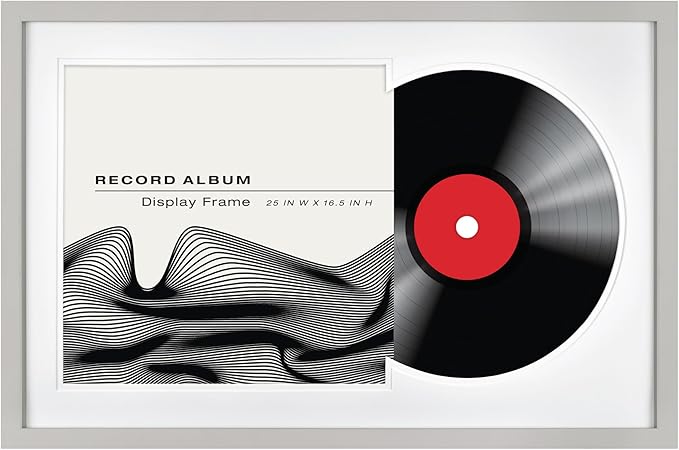
MCS Double Matte Record Album Frame, 16.5x25 Record Frame, Gray for LP Vinyl Record & Jacket Display (1-Pack)
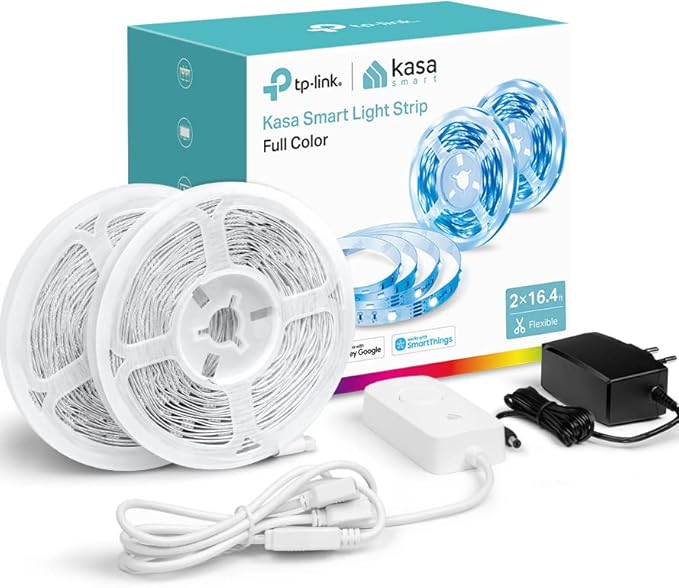
Kasa Smart LED Light Strip, RGB, 32.8ft(2 Rolls of 16.4ft.) Wi-Fi LED Strip Works w/ Alexa & Google Assistant,High Brightness, Trimmable, Up to 25,000 Hours,2Yr Warranty (KL400L10),Multicolor

Govee 100ft RGBIC LED Strip Lights, Smart LED Lights Work with Alexa and Google Assistant, LED Lights for Bedroom WiFi App Control Segmented DIY Multiple Colors, Color Changing Light, (2 x 50ft)
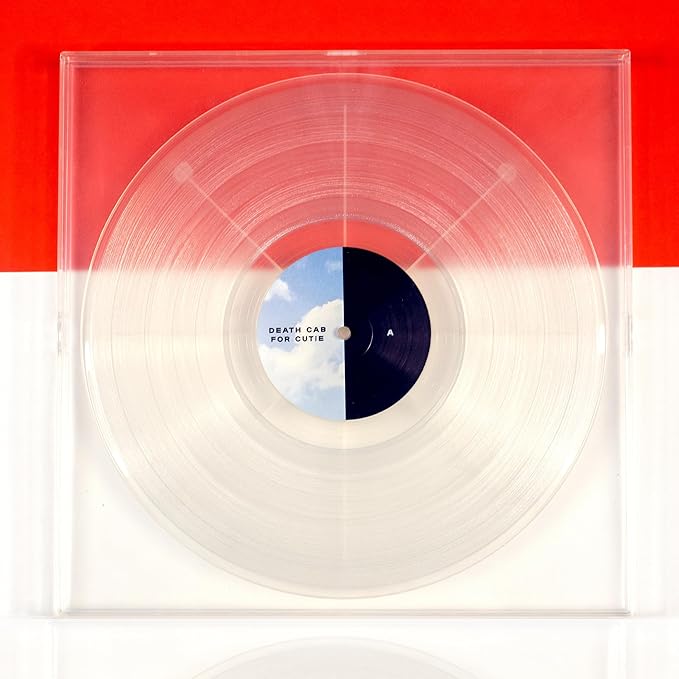
CLRCASE Vinyl Record Frame – 12” Openable Album Cover & Vinyl Display Case – Modern Wall-Mounted LP Frame – Patented Clear Wall Art for Collectors – Museum-Style Protection & Easy Access (Satin Clear)

PHILIPS Hue Indoor 10 Ft Smart RGBWW LED Solo Lightstrip Base Kit, 1 Pack, Control with Hue App, LED Strip Lights Compatible with Alexa, Google Assistant and Apple HomeKit

Vinyl Record Frame Natural Walnut Wood 24 x 16 Inches with Mat, for 12.5" x 12.5" LP Record and Album Jacket Display, Double Groove, Shatter-Resistant Tempered Glass Cover and Wall Hanging Hardware
Our Top Pick
The Venusmiles walnut vinyl frame is the pick because it does the one thing this whole page is about, which is put a 12 inch sleeve on a wall in a way you will still like in five years. Solid walnut, also sold in oak and mahogany, gives real grain that reads upscale under ambient light. The 2mm tempered glass front beats flimsy acrylic and actually protects against dust and the occasional beer spill. Sizes run from jacket-only to double-groove options that show sleeve and record together, and the back panel opens tool-free, so swapping albums between game nights is painless rather than a project.
It also stays out of the way of the lighting, which matters more than it sounds. There are no built-in electronics, so you decide what goes behind it: a strip tucked along the top edge, a wash from a nearby lamp, or nothing at all. Frames with integrated LEDs make that decision for you and lock you into whatever color temperature the factory picked.
Real wood, real glass, tool-free swaps, and nothing built in to argue with your lighting.
Key benefits and standout features:
- Solid walnut, oak or mahogany rather than a printed finish.
- 2mm tempered glass, not acrylic that scratches every time you dust it.
- Tool-free back panel, so the album on the wall can be the album you are playing.
- Jacket-only and double-groove sizes, so the disc can hang alongside the sleeve.
- No integrated lighting, which leaves the backlighting decision entirely yours.
- Multiple sizes and finishes, so a run of six frames still matches in a year.
Who should buy this: collectors who want authentic wood and real glass, anyone building a walls-of-heroes display, or anyone mixing vinyl art with accent lighting. Cons worth knowing: it is not deep enough for every gatefold, tight openings sometimes need shimming with thin matboard, and if you want light you are buying it separately.
Showcase Your Vinyl: Frames That Respect the Art
A good record frame does more than hold an LP. It protects fragile edges, showcases a memory, and becomes something you want to touch. When you're picking frames for a man cave, think part conservator, part stylist. Look for materials that feel substantial in your hands: warm walnut, satin-clear acrylic, or a double-groove mat that shows sleeve and vinyl without stress. Tempered, shatter-resistant glazing with an anti-reflective finish keeps details crisp under ambient light, and easy-open designs make swapping records painless. I’ll walk you through frames that protect inks and sleeves, mounting systems that keep everything level, and finishes that sit nicely next to leather seating and wood grain.
upsimples Vinyl Record Shelves
These clear acrylic ledges are one of the quickest ways to turn records into wall art. The 12 x 1.7 inch profile hides the album edge and puts the cover front-and-center, so your man cave starts to feel curated instead of thrown together. They come pre-drilled with hardware, so install is fast, and the glossy acrylic almost disappears on darker walls, which is perfect if you want to tuck LED strips behind for a halo. The front lip keeps records from sliding, the material wipes clean, and when mounted with proper anchors they hold up surprisingly well. Use them in a tight grid to build a gallery wall, or scatter a few around your listening chair to highlight favorites.
If you're building an intentional man cave on a budget, these are perfect. They pair great with LED-backlit frames and accent lighting. Pros: unobtrusive presentation, quick install, multi-pack options, and surprising sturdiness for the price. Cons: shallow depth limits stacked records and bulky box sets, acrylic shows scratches and fingerprints, and lightweight mounting (like command strips) isn't ideal for heavy albums. Tip: leave a small gap for hidden LED tape and use drywall anchors for long-term hangs. Bottom line: a practical, low-effort way to elevate your man cave without fighting your lighting or sound.
MCS Double Matte Record Album Frame
If you want a gallery-ready way to show an LP and its jacket, the MCS double matte frame overdelivers. It combines a pine wood frame with a gray wash, beveled white double mats, and real glass for a surprisingly refined look. The double opening lets sleeve and vinyl sit together cleanly, and the corrugated album holder with turn buttons makes loading painless. For a man cave it gives a museum vibe without blowing the budget, and it fits most single and double albums snugly. Pros: real glass, solid feel, clean mats and pre-attached hangers for vertical or horizontal layouts. Cons: no built-in lighting and heavier frames need stout anchors.
Practical note: this frame is a great base if you plan to add LED halo lighting. It won't glow on its own, but slim LED tape behind the frame or small spacers under it create a beautiful halo. Installation's straightforward, though some owners report minor warping after long hangs and the record can rotate slightly if the inner cradle isn't seated perfectly. My tip: use two anchors, double-check the insert seating, and add a thin foam strip as an anti-rotation pad if you care about perfect level. Bottom line: if you want a gallery look that pairs perfectly with aftermarket LEDs and doesn't scream cheap, this is a solid choice for your man cave wall.
Glazing, Matting, and the Gap Behind the Glass
Start with the dimension, because it is the one part of this category that is consistent. A 12 inch LP sleeve measures roughly 12.5 inches square, and the frames built for it sit a little over an inch deep. That is why a record frame is not a picture frame with a different label: a standard 12 by 12 art frame is too tight, and anything sold as a square photo frame will fight you at the corners. Gatefolds are the exception that catches people out, since a double sleeve is the same height and twice the thickness, so a frame that swallows a single album may not close on a gatefold at all.
No industry standard governs frames sold for records, which means the specification is whatever the manufacturer decided and the listing may not say. Three things are worth checking before you buy six of anything.
UV filtering is a percentage, not a yes or no. One framer's own product tiers run from clear glass at 45 percent UV protection up to conservation grade at 99 percent, so a frame described only as "UV glass" could be either end of that spread. Ask for the number.
Matting and backing should be acid-free. Ordinary cardboard backing carries lignin and acid that yellow and embrittle a paper jacket over years of contact, and the damage shows up first as a brown line exactly where the board edge sat. It is the kind of failure you do not notice until you take the sleeve out.
The sleeve must not touch the glass. Direct contact traps moisture between the two surfaces, and any temperature swing rubs the printed finish against it. A mat or a spacer holds the gap open, which is the real reason the double-matte frames on this page cost more than the bare ones.
One habit that outranks all three. Collector practice is to hang a duplicate or a reproduction and keep the original filed away under ordinary storage conditions, because a sealed frame protects a sleeve from handling and dust while committing it to years of light. If the copy on the wall is the only copy you own, that is a decision rather than an oversight.
What Backlit Actually Means Here
An album sleeve is opaque cardboard. Nothing shines through it, which means no frame on this page or any other genuinely backlights a record the way a lightbox backlights a transparency. Worth saying plainly, because the category name implies otherwise and people buy expecting a glowing sleeve.
What actually happens is one of three things, and they look completely different on a wall:
- Edge glow. A strip tucked into the frame's inner lip washes the mat around the sleeve. The art stays lit by room light and gets outlined by color. This is what most integrated frames do.
- Halo. A strip on the back of the frame throws light onto the wall behind it, so the frame appears to float. Nothing lands on the sleeve at all. This is the effect most people actually want and the easiest to build yourself, and it is the same trick the modular accent panels pull on a bare wall, which is why the top pick's lack of integrated lighting is a feature.
- Front wash. A spotlight or a picture light aimed at the sleeve. It is the only one that genuinely makes the art brighter, and it is also the one that fades it fastest.
Neutral or Color, and Why the Answer Differs Here
Behind a television, the settled answer is neutral. Bias lighting holds a fixed 6500K white at roughly 5 to 10 percent of the screen's peak brightness so the surround lifts out of black without competing with the picture, and a strip cycling through purple and teal is decoration rather than a reference.
A record wall is not a television, and the reasoning does not carry across. There is no calibrated white point to protect and no black level to preserve; there is printed ink that you want to look like itself. That argues for high color rendering rather than for a specific temperature. A cheap white strip with spikes and holes in its spectrum makes a red sleeve look orange and a teal one look grey, and CRI 90 is the usual floor worth insisting on.
Where the two agree is the wall behind. Backlighting works entirely by reflection, so a saturated feature wall tints everything bouncing off it. Neutral matte grey or plain white behind the frames keeps the sleeve art honest, and it costs nothing to decide before you paint.
Edge Lighting with LED Strips: Subtle to Cinema-Scale
LED strip lighting is the secret handshake of modern man caves. A slim line of light tucked behind a shelf or tracing the edge of a frame can turn album art into a cinematic vignette. When you're shopping strips, focus on LED density and color control, because smooth gradients and accurate color matter more than raw wattage. Adhesive strength, flexibility around corners, and sensible cut points all matter for a clean install. Decide whether you want single-color bias lighting, tunable white for warmth control, or full RGB with addressable chips for animated effects that sync to music or on-screen action.
Kasa Smart LED Strip
If you want clean, controllable backlight for framed vinyl, the Kasa LED strip is a practical pick. The kit includes two 16.4 ft rolls, so you've got plenty to run behind multiple frames or snake around a shelving display. The Kasa app and voice control (Alexa, Google Assistant, SmartThings) make setting moods easy. Pick from millions of RGB shades and several animated presets for a slow wash or a subtle static halo behind an LP. The adhesive and cut-to-fit design simplify installation. Note that these are single-zone RGB rather than individually addressable, so you get one color per run instead of multi-color pixels along the strip.
For a man cave this hits the practical sweet spot: versatile, simple to install, and smart-home friendly. Pros: long length, good color variety, app/voice automation, quick install. Cons: reported brightness and color accuracy vary by unit, adhesive can be hit or miss on textured surfaces, and connectivity glitches appear for some users. A few down-to-earth tips: measure twice before cutting, add a slim diffuser or foam spacer to even the glow behind a record, and secure the strip with extra clips for heavier frames. If you want gallery-level precision or individually controlled zones, look for RGBIC strips. If you want dependable, inexpensive accent lighting that ties into your smart gear, this is worth trying.
Govee RGBIC LED Strip Lights
Govee RGBIC strips bring real atmosphere to a man cave. RGBIC means multiple colors can live on the same strip, so a halo behind an LP can sit one color while the wall behind it fades to another. The kit comes with two long reels, giving you flexibility to run continuous perimeter lighting or dedicate a run for each framed record. App control, voice commands, and music-sync add theatrical flair when a favorite track drops.
What makes these stand out for vinyl is length and control. Two 50-foot rolls let you trim and route around shelves, racks, or picture-frame channels without running out. The segmented LEDs create smooth gradients so album art reads cleanly, not as a string of hot spots. Sync to audio for a subtle pulse during playback, or pick a warm, low-brightness white for late-night listening. Heads-up: these are indoor-only, and whites can skew cooler than true warm whites.
Install is straightforward if you plan ahead: clean the mounting surface, power the strips up to test before final adhesion, and cut at the marked points if you need shorter lengths. For framed LPs, recess the strip just behind the frame lip or add a thin diffuser strip to avoid seeing individual diodes. The adhesive grips smooth surfaces well but can lose hold on textured walls, so keep some 3M double-sided tape handy for long-term holds.
Pros: long reach, vivid segmented colors, smart app and voice features, music sync. Cons: not waterproof, adhesive can be finicky, and pure warm whites are limited. For a collector who wants gallery-style backlighting without complicated wiring, these are hard to beat.
Acrylic Cases: Crystal-Clear Protection with Gallery Appeal
If preservation matters, acrylic display cases offer museum-style protection with a clean, modern look. Clear cases create a floating effect that makes the record appear suspended while shielding sleeves from dust, fingerprints, and curious hands. When you're evaluating cases, check acrylic thickness and optical clarity, ask about UV resistance, and confirm whether the fastening hardware hides from view so nothing interrupts the sleeve. Ease of access matters too, and the best designs let you swap albums without wrestling the whole case off the wall. These pieces should feel like armor for your collection while adding a glossy contrast to matte posters and textured walls.
Art Of Records CLRCASE
If you want records on your wall that read like gallery pieces, the Art Of Records CLRCASE does most of the heavy lifting. The clear, openable case and removable spindle adaptor let you float a vinyl or show a gatefold in three dimensions, which is a huge upgrade from flat frames. The patented easy-open system lets you swap records without taking the frame down. Build quality feels solid and thoughtful. The satin backing options (clear, white, black) give you control over contrast so album art pops. For collectors who want protection and presentation, this is a museum-style solution that keeps dust and fingerprints off prized pressings while offering quick access when you want to play them.
This case really shines when paired with LED backlighting. Because the cover is crystal-clear you can add a thin LED strip behind the case or use edge lighting to create a soft halo that emphasizes texture and color. Tip: choose a warm or neutral color temperature and diffuse the LEDs slightly to avoid hot spots on glossy covers. Pros: clean, modular look; easy swaps; works with picture discs and multi-LP gatefolds; secure wall mount. Cons: some users note a plasticky feel to the cover, occasional smudging out of the box, and minor mounting-template hiccups. Overall, if you want a professional, lit display that transforms a wall into a focal point, this is a strong, versatile choice.
The Wall You Hang It On Decides How Long It Lasts
Placement does more work than glazing does, and it is free. Even 99 percent UV glass slows fading rather than stopping it, and household lighting emits some UV of its own, so the wall you choose matters more than the frame you buy.
Three rules, in the order they matter:
- Never a wall that takes direct sun. Not "rarely", not "only in the afternoon". UV breaks down the pigment molecules in printed ink, and once a cover has bleached, nothing brings the color back. A wall that gets an hour of low sun in summer will read as a difference between framed and filed copies within a few years.
- Keep frames off cold exterior walls. The temperature difference drives condensation behind the glass, which is the same mechanism that makes a spacer worth having.
- Light indirectly. A room with accent lighting aimed straight at the art is a faster-fading room than one lit from the side or bounced off a ceiling. This is the one place where the halo approach above wins on preservation as well as looks.
Which Copy Goes on the Wall
The decision nobody makes deliberately. A frame is display, not preservation, and the two want opposite things: display wants light on it, preservation wants it in the dark in a box.
So the honest hierarchy is to hang the copy you can replace. A second pressing, a charity shop find, a reproduction sleeve, or the record you love rather than the record that is worth something. A sleeve was always meant to be looked at, which is most of why a record wall beats a print in an art deco lounge or anywhere else. Nothing about it gets better because the LP behind the cardboard is rare, and the minimalist against maximalist question of how many frames to run is a much more interesting one than which pressing.
There is a second risk if you hang the disc as well as the sleeve. A record standing vertically in a frame is supported at one edge for years, in a room that heats and cools, which is exactly the condition that warps vinyl. Frame the sleeve, and if the disc has to be visible, use a copy you will never play.
Full RGB Kits: Paint Your Cave with Personality
A full RGB kit lets you take real control of atmosphere, turning the whole space into a backdrop for your collection. These kits can bathe walls, ceilings, and displays in saturated color, run animated sequences, or add subtle accents that tie the room together. Look for zones or addressable segments so you can create layered looks rather than a single flat wash. Control matters too, since the difference between a clunky remote and a responsive app or voice control decides how often you'll actually use the lights. Finally, check build quality, power delivery, and expandability so you can start small and add on as your cave evolves.
Philips Hue Lightstrip Solo
If you want a clean, gallery-style halo behind your framed records, this 10 ft Philips Hue Solo strip is the tool that makes it happen. It uses RGBWW LEDs and a milky silicone sleeve so colors are vivid and whites read warm or cool instead of washed-out blue. At a claimed 1700 lumens it's bright enough for strong accent lighting behind a display case or even a soft room light when everything else is dim. Bluetooth control is simple for quick setups, and adding a Hue Bridge unlocks automations, remote access, and tighter music sync.
Practical stuff before you stick it up: measure twice, cut once. The strip can be cut but cut pieces cannot be reconnected, and the Solo is not extendable, so pick the correct length (or go for the 16 ft option) if you plan long runs. Adhesive gets mixed reviews, so plan to reinforce corners with 3M double-sided tape or small mounting clips. Some users reported occasional connectivity hiccups unless they use the Bridge. Pros: premium color fidelity, high brightness, silky diffused finish, smooth smart-home integration. Cons: non-extendable, cut pieces wasted, adhesive can be hit-or-miss, and advanced features require a Bridge.
Bottom line: if you're serious about presentation and want records to look like art on the wall, this Lightstrip gives reliable color, a refined diffuse look, and smart control that makes lighting part of the room's personality. Great for collectors who value finish and integration. Want to add that showroom halo to your man cave?
Where a Sync Box Does Not Help
Worth a paragraph because it is the upsell everyone hits next. Content-matched lighting reads a video signal and drives addressable LEDs to follow what is on screen, and behind a television it is genuinely good fun. Behind a record wall it has nothing to read. There is no signal, the art does not move, and the hardware that makes the effect possible is doing nothing you could not get from a strip and a color picker.
Spend the difference on color rendering instead. A strip with real CRI behind the frames does more for how a sleeve looks than any amount of sync hardware, and it keeps working when the album on the wall changes.
Making Your Decision
You've now got a map of the tools that actually make vinyl sing on the wall. Frames like the Venusmiles Walnut and the MCS Double Matte deliver that tactile, museum-grade feel with real wood grain and tempered glass. Acrylic options such as the upsimples shelves and the Art Of Records CLRCASE give a modern, floating look while protecting sleeves and making swaps easy. For lighting, the Kasa, Govee RGBIC and Philips Hue strips let you tune color, warmth and halo quality, and the halo is the effect worth aiming for rather than the edge glow the category name suggests.
The Seven Picks Side by Side
Sorted by what job each one does. Ratings are the current Amazon averages for each listing.
| Pick | What it is | Rating | Buy it if |
|---|---|---|---|
| Vinyl Record Frame Natural Walnut Wood 24 x 16 | solid wood frame with mat | 4.6 | the wall should look considered rather than assembled |
| MCS Double Matte Record Album Frame | double-matte frame, sleeve and disc | 4.4 | you want the record visible alongside the cover |
| CLRCASE Vinyl Record Frame, openable | front-opening acrylic case | 4.6 | the album on the wall changes every week |
| upsimples Vinyl Record Wall Mount Shelves, 8 pack | ledge, no glazing | 4.5 | you want a rotating display for the price of a record |
| PHILIPS Hue Indoor 10 Ft Solo Lightstrip | single-color smart strip | 4.2 | one clean halo behind a run of frames |
| Govee 100ft RGBIC LED Strip Lights | addressable strip, long run | 4.3 | the run is long and the colors should vary along it |
| Kasa Smart LED Light Strip, RGB, 32.8ft | app-controlled strip | 4.2 | you want control without another ecosystem |
My recommendations are simple. If preservation and gallery presence are your north star, start with the Art Of Records CLRCASE or a Venusmiles walnut frame, hang it on a wall that never takes sun, and put a Philips Hue Lightstrip Solo behind it for a clean halo. If you want color that varies along a long run of frames, the Govee RGBIC strip is the one built for it. Want low-effort wins that still feel intentional? Fit upsimples shelves for quick displays and add a Kasa Smart LED Strip for easy app control. Whatever route you pick, mind the small installation details: use proper anchors for heavier frames, keep a spacer between sleeve and glazing, and choose frame depth that accommodates gatefolds.
Go make the wall that matches your record-sleeve pride. Sketch a simple layout, pick one standout LP that you can replace, and spend an evening mounting it with a halo of light. Start with one frame and one LED run, listen while you tweak color and brightness, and invite a friend over to see how the vibe changes. Your man cave is a living exhibit. Start with what thrills you, light it right, and let the rest of the room fall into place.