Best Display Cases for Vintage Beer Can Collections
Last updated August 21, 2026 · By Brandon Dixon ·How we choose products · Affiliate disclosure

I'll be honest. For years my vintage beer cans lived in a shoebox under the bench. Every time I wanted one I had to tip the whole thing out and pray no labels bent or cans dented. Turning that mess into a proper display changed the whole room. I learned fast that a solid case, good lighting, and a few small accessories matter far more than paying top dollar for a name.
This guide walks you through what actually works and what wastes money when your goal is to make cans and collectibles look their best. I cover clear boxes vs heavy glass, wall-mounted options that save floor space, purpose-built collector cabinets, the lighting that makes labels pop, simple risers that fix sightlines, and the domes that make one piece feel special. Expect practical advice on durability, protection, visibility, and value so you can get maximum impact without overspending. Stick around and I’ll help you spot the deals and skip the gimmicks.

Creative Co-Op Brass & Glass Display Box

Franklin Sports Display Case – Memorabilia – UV Protected – Sport Collectibles - Baseball - Batting Gloves - Basketball - Soccer Ball - Football

Howard Miller Davis II Corner Curio Cabinet – Lighted Glass Display Cabinet with Lock, 4 Adjustable Shelves, Wood Frame Glass Door Display Case for Living or Dining Room

HOMCOM 5-Tier Display Cabinet, Glass Door Cabinet with Adjustable Shelves, Wall-Mounted Display Case for Playroom, Bedroom, Black

Shot Glass Display Case Large Wooden Cabinet Rack Holder Wall Mounted Black Shadow Box Lockable with UV Protection Acrylic Glass Door Shot Glass Storage Case with Removable Shelves, 17"x32", 52 Slots
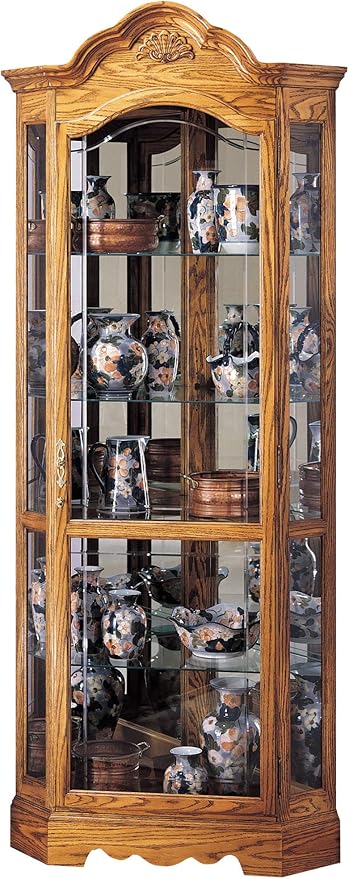
Howard Miller Wilshire Curio Cabinet, Golden Oak Finish with Lights Storage Cabinet - Adjustable Glass Shelves, Level Display Cases for Decorative Items, Collectibles, Living Room & Office

OVNTHYK Acrylic Risers 10 Pcs (2 Sets) – Large Display Risers, Clear Perfume Organizer Stands for Figures, Jewelry, Decorations, Cupcakes & Dessert Table Display

Clear Acrylic Display Case Upgrade 4 Tier Figure Display Case with 3 Movable Plates, Stackable Display Box Showcase with Magnetic Door for Collectibles (Large-2pack)
Our Top Pick
The SANKEU four-tier acrylic case is the pick because it is the only thing on this page that solves the actual problem a can collection has, which is that cans are all the same height and a fixed shelf wastes half the box. Three of the four shelves move, so you can drop one tier for tall cone-tops and squeeze the rest together for standard 12 ounce cans, and the whole case stays clear on every face so labels read from the side as well as the front.
It also sits at the price where a collector will buy three of them rather than agonizing over one. That matters more than it sounds. A collection that is still growing wants cases that match each other and can be added to, and a single expensive cabinet locks the display into the size it was on the day you bought it.
Movable shelves, clear on all four sides, and cheap enough to buy in matching pairs.
Key benefits and standout features:
- Three of the four tiers adjust, so shelf spacing follows the cans rather than the other way round.
- Clear on every face, which means labels read from the side and the back row is not wasted.
- Dust cover included, and dust is the slow enemy of a printed label.
- Light enough to sit on a shelf or a bar cart without reinforcing anything.
- Stacks and matches, so the display grows with the collection.
- Priced so the decision is how many, not whether.
The honest limits: acrylic scratches in a way glass does not, so dust it with a microfiber cloth rather than paper, and plain acrylic blocks almost no UV, so this is a case for an interior wall rather than a sunny one. Both of those come up again further down.
Clear Acrylic Cases That Keep Your Cans Front and Center
I’ll admit it, my first attempt at displaying cans was a flimsy plastic box that yellowed in a season. Acrylic can look just as crisp as glass, is lighter, and won’t shatter like glass can, so it’s a sensible first stop if you want clean visibility without dropping major cash.
When you pick acrylic, thickness matters. So do polished edges, magnetic doors, and UV filtering. Tap the case to make sure it feels solid and check that closures line up. Scratch resistance and stackability are important too, because you want a clean setup that can evolve as the collection grows.
In the picks below I favor options that deliver clarity and protection at a fair price. I’m skeptical of premium-marketed acrylic that charges more for fancy cutouts or branding. The best value clears the view of your cans and keeps them safe without skimping on build quality.
Glass or Acrylic, and What Each One Survives
Two materials cover this whole category and they fail in opposite directions, so the choice is really about where the case is going to live.
Glass is the traditional answer. It resists scratching, it does not discolor over the years, and next to acrylic it reads as furniture rather than packaging. It is also heavy: roughly 2.9 pounds per square foot against about 1.5 for cast acrylic at the same thickness, which decides what the wall behind it needs to be.
Acrylic takes a direct hit far better, which is the argument for it above a bar or on a stairwell wall where a stray dart or an errant cue could connect. What it does not take is abrasion. Every careless wipe leaves a mark, and a case cleaned with paper towel for a year looks hazy under the light you bought to show the cans off.
The upgrade that matters on either material is UV filtering, and it is sold as a graded product rather than a feature. Museum-grade glazing is rated to block up to 99 percent of UV between 300 and 380 nanometers, which is the band that does most of the fading to printed can labels. A home case will rarely reach that spec, which makes the placement rules further down this page the real protection rather than the glass.
Shelf Spacing Is the Spec Nobody Reads
Cans are an unusual collection because every piece is nearly the same size, and that turns shelf spacing into the number that decides whether a case is worth buying.
A fixed-shelf cabinet designed for figurines gives you tall bays with several inches of dead air above each can. Four bays of wasted headroom is an entire fifth shelf you paid for and cannot use, which is why adjustable tiers are worth more here than they are for almost any other collection.
The exception is the older stuff. Cone-tops and other early can shapes are taller than a modern can, so a collection that spans decades needs at least one bay set higher than the rest. Settle that before you buy: measure the tallest can you own, add an inch for handling, and check the case's published shelf pitch rather than its overall height.
One habit worth adopting from the start. Leave roughly a third of each shelf's depth as working space rather than packing edge to edge. A full case looks impressive for about a week, then makes it impossible to add anything without rearranging the whole shelf, and it puts labels in contact with each other where they rub.
Glass Cabinets That Bring a Classic, Solid Feel to Your Space
Glass does something other materials don’t: it makes a display feel intentional. A well-built glass cabinet reads premium, resists scratches better than thin plastics, and often feels like an investment that lifts the whole room. Be ready for extra weight and a bit more careful placement, though.
Watch for tempered glass, how the shelves are supported, and whether lighting is integrated. You want tight joints and a finish that won’t flake over time. Think about access for cleaning and whether the door seals enough to keep dust at bay.
I call out glass options that give that upscale look without turning into a money pit. There are solid midrange cabinets that hit the sweet spot of sturdiness, usable shelf space, and a decent finish, so you don’t always need the fanciest model.
Creative Co-Op Brass & Glass Display Box
This little brass and glass box instantly elevates a shelf or coffee table. The antique brushed brass frame and clear glass panels put collectibles on full display. At 9 x 4.25 x 1.5 inches, it fits Polaroids, challenge coins, guitar picks, matchbooks, or a stack of memorable ticket stubs. The lockable top keeps dust out and gives a tidy, curated look without fuss.
What stands out is how it makes small things feel important. The glass shows items from every angle, so a carefully arranged stash becomes a conversation starter. The box is lightweight, so move it around when you rearrange, and the brass finish pairs well with wood and leather. A heads up: a handful of users reported fragile glass or loose hinges, so treat it like a display, not a toolbox. Don’t overfill it with heavy pieces; place it on a stable surface and add a thin foam pad if items are delicate.
If you like mixing retro and modern, this box is an inexpensive way to showcase small keepsakes. Pros: vintage look, clear visibility, lockable lid, versatile placement. Cons: fragile glass, light feel, finish may wear with heavy use.
Franklin Sports Display Case
This clear acrylic display case is a no-fuss upgrade for showing off a regulation basketball, size 5 soccer ball, or other sport-sized gear. It’s made from UV-protected acrylic with fire-polished edges and a jet-black base. The built-in pedestal and ball notch keep a signed ball centered and looking like the centerpiece it should be.
What makes it pop is the museum-like presentation without the museum price. The magnetic snap assembly gives an uninterrupted viewing experience and the UV protection helps slow signature fading under ambient light. Add a thin LED strip behind it and the piece suddenly reads like a trophy. It’s lightweight and clear, so it blends into shelves, display cabinets, or a memorabilia wall.
Best for casual to mid-level collectors or anyone building a stylish hangout who wants quick, attractive protection for autographed or game-used balls. Pros: sharp visual, UV protection, simple assembly, universal fit for several ball types. Cons: plastic can feel flimsy, the magnetic closure is not rock-solid, and it isn’t meant for heavy handling. Tip: secure the lid with a dot of museum putty or a tiny strip of double-sided tape to avoid surprises when you dust or move it.
Howard Miller Davis II Curio
If you want a display that enhances a room instead of cluttering it, the Howard Miller corner curio delivers. The cherry wood frame and mirrored back give collectibles real presence, while the frameless glass door keeps the view clean. Four adjustable glass shelves provide five display levels, so I fit everything from whiskey bottles and a decanter set to smaller trophies and LEGO builds. The built-in halogen light gives a focused, gallery-like glow, and the No Reach roller switch makes it easy to use. One caveat that matters for cans specifically: halogen throws heat and sheds UV, so if this cabinet is going to hold printed labels rather than glassware, budget an hour to swap the lamp for an LED before you fill it.
What sets this cabinet apart is the attention to durability and security. Pad-Lock metal clips lock each shelf so nothing shifts when you open the door. Adjustable levelers help it sit steady on uneven floors, which matters if your room has old carpet or a slightly sloped floor. It’s a corner model, so it saves floor space and anchors an otherwise empty junction. Trade-offs: halogen bulbs put out heat and will need replacement sooner than LEDs, and the cabinet is substantial enough to benefit from two people during setup.
This curio is ideal for anyone who collects and wants those pieces displayed with pride. If you value build quality, a classic finish, and lighting that shows off your best items, this is a smart addition. It functions as a trophy case, whiskey showcase, or centerpiece for memorabilia without stealing the room’s vibe.
Wall-Mounted Cases That Maximize Space and Impact
My small space got a second life when I hung a series of cases on the wall. The difference was night and day. Wall-mounted cases free floor real estate and put prized cans at eye level, which is where they belong for conversation and appreciation.
When you shop for a hangable solution, pay attention to depth and weight capacity first. The case should be deep enough for cans, have secure hanging hardware, and come with clear instructions or built-in anchors. Look for UV protection and doors that latch so items don’t shift during installation.
I’ll call out options that make efficient use of wall space while being honest about installation tradeoffs. Cheap wall mounts can be tempting, but flimsy hardware is a false economy. Value is a secure mount and clean presentation, not flashy extras that don’t add safety or longevity.
HOMCOM 5-Tier Display Cabinet
If you want a compact, wall-mounted solution to show off small treasures, this HOMCOM 5-tier display cabinet delivers a lot for the footprint. The slim depth keeps the unit unobtrusive while four adjustable shelves give you seven height positions to accommodate shot glasses, mini helmets, figurines, model cars, or a row of collectible bottles. Full-size glass sliding doors put everything on display without visual barriers, and the engineered wood frame presents a clean, modern silhouette that blends with darker decor. Each shelf is rated around 4.4 lbs, so it performs well with lightweight collections and delicate pieces. Assembly is straightforward for anyone handy with a screwdriver, and reviewers note the package often includes extra fasteners.
Practical notes before you mount it. Secure the cabinet to studs or use heavy-duty anchors and keep the unit perfectly level during installation. The middle shelf is the least forgiving, so avoid overloading it. Some buyers report the sliding doors can stick if the case is not assembled squarely, and the surface finish has occasional imperfections, so plan for minor touch-ups if you want a flawless look. Overall this is a sleek, space-saving display that upgrades a room’s presentation without bulk.
Snail Shot Glass Case
If you’re building a bar wall or upgrading a corner display, this Snail Shot Glass Case brings order and style with real utility. It’s solid wood with a matte black finish, sized to hold 52 shot glasses in a slim 17.9" x 32.5" frame. The front is a high-transparency acrylic panel with 98% UV protection, so your novelty shots won’t fade under ambient lighting. Twelve removable narrow shelves give you flexibility to mix short and tall glasses or tuck in a few action-figure accents. There’s a gold-plated lock for peace of mind, and two metal brackets on the back make mounting straightforward.
Real talk. Pros include solid construction, adjustable compartments, and UV-protected acrylic that avoids the breakage risk of real glass. Cons: the door uses acrylic, not tempered glass, so confirm if you expected real glass. Some buyers reported shipping nicks or loose inserts, and the 2.7 inch depth means wide mugs or handled glasses may not fit. For collectors who care about presentation and protection, and for anyone who wants a tidy, lockable display in a lounge or bar area, this is a stylish, practical upgrade.
Collector Cabinets Built for Serious Displays and Long Term Care
I saved up for my first true collector cabinet and it changed how I treated the collection. These cabinets are built around display, with adjustable shelving, locks, and lighting, and they can transform a handful of cans into a curated exhibit. That said, not every collector needs the top-end model.
When you evaluate collector cabinets, prioritize build quality, ease of reconfiguration, and integrated lighting that doesn’t overheat your items. Locking doors and replaceable parts are signs of long-term value. Also consider footprint, ventilation, and how the cabinet will age with your collection.
Below I separate genuinely useful collector features from showroom fluff. My rule of thumb: spend where it preserves or showcases value, and save where features only dress the cabinet without protecting the cans.
Lock, Hinge, or Lift-Off Panel
The way a case opens is the spec that decides how it gets used, and it is usually buried at the bottom of the listing.
A cam or key lock with a hinged glass door is the collector-cabinet default. It means the case opens easily for cleaning and rearranging and does not open easily for anyone else, which matters in a room where people come over and everything is at reaching height.
A lift-off panel is cheaper and it is fine on a shelf-top case, but it turns every restock into a two-hand job with somewhere to put the lid. Museum putty under the corners stops it wandering during a loud evening, which is a two dollar fix for an annoyance that would otherwise decide whether the case gets opened at all.
Open-front shelving skips the question entirely and trades security for handling. That is a fair trade for things people are meant to pick up, and a bad one for a can collection, where the whole value is a printed surface that fingerprints and thumbnails work on quickly.
There is a fourth consideration on anything large enough to stand on the floor. A curio cabinet full of glass shelves is top-heavy by design, and in a room with a dartboard, a pool cue, or anyone under ten, it wants an anti-tip strap into a stud. That is not a preservation point, it is a safety one.
Howard Miller Wilshire Curio Cabinet
If you want a piece that actually looks like it belongs in a grown-up hangout, the Wilshire curio delivers. The golden oak finish, arched bonnet, and crystal-cut glass give it a classic look that reads as real wood craftsmanship. The built-in halogen light and No-Reach light switch make late-night trophy show-offs easy. It’s tall and narrow (a corner, triangular profile), so it tucks into tight spots and gives vertical display space without eating the floorplan.
Howard Miller uses select hardwoods and veneers and adds features that matter: adjustable glass shelves with Pad-Lock cushioned clips, a locking door, and adjustable levelers to keep it steady on imperfect floors. You can swap shelf heights to mix tall decanters, bobbleheads, signed footballs, or vintage cameras. The lighting makes labels and finishes pop, which is perfect over a mini-bar or next to a recliner.
Pros: handsome antique look, built-in lighting, secure locking door, space-saving corner design, flexible shelving. Cons: it’s a corner unit so measure first, and halogen bulbs run warmer and are older tech (easy fix by replacing with compatible LEDs). Tip: leave a little airspace at the back for the light and bolt it to a stud if you have kids or pets.
Lighting a Case Without Bleaching the Labels
The section heading on this page used to promise this and then review two sets of wall lights, so here is the actual answer.
Light inside a case matters almost as much as the glazing around it, and the technology choice is not a close call any more. LED strips run cool, emit little to no UV, and outlast the incandescent or halogen puck lights older cabinets shipped with. Both of those older types throw heat and shed enough UV to fade a case's contents from the inside out, which is a genuinely miserable way to lose a collection: the case is doing its job against dust and hands while the bulb you fitted to show the labels off is quietly bleaching them.
So the single highest-value job on an inherited or secondhand cabinet is swapping its lamps for LEDs. It costs almost nothing and it removes the fastest fading mechanism in the room.
Where to Put the Strip, and What Color to Run
A warm-white strip along the top or the back rail lights a shelf evenly without leaving a hot spot on any single item. Hot spots are the thing to design against: a spotlight aimed at one can is both the best-looking and the worst-behaved lighting choice available, because the piece you singled out is the piece that fades first.
Color rendering beats brightness here. A printed can label is a specific set of inks, and a cheap white strip with spikes and holes in its spectrum turns a red into an orange and a teal into grey. High CRI is what keeps the labels looking like themselves, and it is worth more than extra output on a case that is already only a few feet from your eyes.
RGB strips are fun for parties and wrong for this. Leave the color effects to the room, where the cup lights and the perimeter strips already live, and run tunable white inside the case, or the collection you lit up is the one nobody can actually see properly.
The rule that outranks all of it is placement. Even museum-grade glazing slows fading rather than stopping it, so a case on a wall that takes direct sun will lose its labels whatever you spend on it. Choose the interior wall first and the lighting second.
Display Risers That Turn a Flat Shelf into a Layered Showcase
I learned the hard way that a single row of items looks like clutter. Risers are the quick, cheap upgrade that actually increases perceived value by improving sightlines. A small investment in tiering can make every piece visible and stop awkward stacking that leads to dings.
When choosing risers check stability, material, and height options. Clear acrylic keeps the focus on the items, while wooden risers add warmth. Non-slip feet and modular designs that stack are big pluses because they let you reconfigure without buying new pieces.
Below are riser kits that give the best visibility per dollar. You don’t need elaborate stands to get professional results; the best ones are simple, stable, and unobtrusive.
How High Should a Riser Be
Risers exist to solve one problem: a flat shelf shows you the front row and hides everything behind it. Getting the height right is simple arithmetic that almost nobody does.
You need enough lift that the back row's label clears the front row's shoulder, not enough that the back row hits the shelf above. For standard cans in a case with adjustable tiers, that usually means a rise of an inch or two per row, which is why the small stepped acrylic risers work better here than the tall single-tier blocks sold for figurines.
Three practical notes:
- Clear beats colored. A clear riser disappears and the cans look like they are floating. A white or wooden one becomes a visible shelf inside a shelf and halves the apparent depth of the case.
- Depth matters as much as height. A riser narrower than the can leaves it balanced on an edge, which is how a shelf becomes a domino run.
- Non-slip feet or a strip of museum putty. Acrylic on acrylic slides, and a case that gets opened weekly will eventually get knocked.
The other use for risers is on open shelving, where they do the same job without the case at all. That is a legitimate way to start: stage the collection on risers first, live with the arrangement for a week, and buy the case once you know what shape the display actually wants to be.
OVNTHYK Acrylic Risers
If you want a simple, effective way to upgrade display space, these OVNTHYK acrylic risers are worth a look. The set includes 10 pieces arranged as two identical 5-tier sets, made from 4mm highly transparent acrylic. Lengths vary from about 7.87" up to 9.37", with a polished finish and a removable protective film to prevent shipping scratches. No assembly required.
Where they shine is presentation and flexibility. Use them to lift Funko Pops, action figures, whiskey decanters, specialty bottles, or a row of trophies so everything is seen at a glance. The tiered effect gives a retail-style layout to a home bar or shelf, and since the pieces nest they store flat when you want to switch layouts. They’re lightweight and easy to wipe down after a spill, which matters when beer and snacks are involved.
Two full sets let you run a matched display across shelves or split them up for multiple zones. The 4mm thickness resists bending and feels sturdy under typical collectibles. Downsides: each riser is fairly narrow (around 3" wide), so very wide bases may not sit well, and peeling the protective film takes patience. Bottom line: tidy, museum-style lift without permanent shelving changes.
Hanging a Case Full of Glass
A wall case is heavier than people estimate, because they weigh the empty box in the shop and then fill it. Glass at roughly 2.9 pounds per square foot adds up fast across a door, two sides and four shelves, and unlike a picture the load is live: the case gets opened, leaned on, and restocked.
Find a stud. Where a stud is not where the case wants to go, a toggle bolt in half inch drywall carries roughly 50 pounds in straight tension against 10 to 30 pounds for the plastic expansion anchor in the packet, and straight pull-out is exactly the direction a wall cabinet loads its fixings. Two toggles and a level beat four plastic plugs and optimism.
One more thing while the drill is out: hang it at the height the cans are meant to be read from, which is usually lower than instinct suggests. Eye level standing is above eye level sitting, and most of the looking happens from the sofa. The same logic runs a whole display wall if the collection eventually outgrows one case.
Humidity, and the Two Slow Failures
Everything above is about light and dust. The two failures that actually destroy can collections are slower and less obvious, and neither is fixed by a better case.
Sealing a case tight in a damp room makes it worse, not better. Without climate control, trapped moisture works on metal and paper the way a sealed bag does, and a steel can with a printed paper or lithographed label is exactly the wrong object to seal into humid air. Conservation guidance points to roughly 45 to 55 percent relative humidity as a safer range for displayed collections. A case in a damp basement needs a small desiccant packet inside it or a dehumidifier in the room, not a tighter door.
Basements and garages are the default man cave and the worst environment for a can. That is not a reason to display the collection somewhere else; it is a reason to deal with the room before spending money on glass. A cheap hygrometer on the shelf for a fortnight tells you more about what your collection needs than any product listing will.
The second failure is the one people cause themselves, and it is handling. A vintage can's value and its looks both live entirely on a printed exterior a few thousandths of an inch thick. Fingerprints etch it over years, thumbnails scratch it in seconds, and the well-meant instinct to clean a can is how most of the damage happens. Dust the case, not the cans.
The Eight Picks Side by Side
Sorted by what job each one does. Ratings are the current Amazon averages for each listing.
| Pick | What it is | Rating | Buy it if |
|---|---|---|---|
| Clear Acrylic Display Case, 4 Tier with 3 Movable Shelves | adjustable acrylic case | 4.7 | the collection is still growing and the cans are all one height |
| OVNTHYK Acrylic Risers 10 Pcs | clear stepped risers | 4.8 | the back row is invisible and you are not ready to buy a case |
| Creative Co-Op Brass & Glass Display Box | small glass box, brass frame | 4.5 | one or two cans deserve to be treated as objects |
| Franklin Sports Display Case, UV Protected | single-item case with UV glazing | 4.4 | the best can in the collection needs real protection |
| HOMCOM 5-Tier Display Cabinet | glass-door floor cabinet | 4.4 | you want a cabinet without curio money |
| Shot Glass Display Case Large Wooden Cabinet | wall-mounted compartment case | 4.6 | wall space is what you have and floor space is what you do not |
| Howard Miller Wilshire Curio Cabinet | lighted wood-and-glass curio | 4.4 | the collection is finished and should look it |
| Howard Miller Davis II Corner Curio Cabinet | lighted corner curio, mirrored back | 5 | there is a corner doing nothing and a real budget |
Final Thoughts
If you take one thing away from this guide, let it be this: smart displays are about choices, not cost. Clear acrylic cases like the SANKEU give the visibility and modularity most collectors need without forcing a big investment. Glass cabinets and curio pieces such as the Creative Co-Op brass box or the Howard Miller Davis II add weight and presence when you want a grown-up look. Wall-mounted options like the HOMCOM or the Snail shot glass style save floor space and put items at eye level. Adjustable shelves, clear risers and cool LED lighting will amplify whatever case you pick, so focus on protection, visibility and durable hardware before you fall for shiny branding.
Here’s how I’d recommend deciding based on where you are right now:
- Just starting or on a tight budget: prioritize the SANKEU acrylic case and tiered OVNTHYK risers. Low hassle, stackable, and they let you stage items like a pro.
- Want a step up without going overboard: pick a midrange glass or mixed-material piece, and if one can in the collection matters more than the rest, the Franklin Sports case is the only product here that ships with UV-protected glazing.
- Serious about preservation and long-term presentation: invest in a proper collector cabinet such as a Howard Miller curio, put it on an interior wall, and swap any halogen lamps for LEDs to protect the labels.
- Short on floor space: the Snail shot glass case and the HOMCOM cabinet do the same job vertically.
Practical decision tips before you click:
- Measure the tallest can you own, not the case. Shelf pitch decides this purchase.
- Look for UV protection and tempered glass if long-term fading is a concern, and choose the wall before you choose the case.
- Thicker acrylic, polished edges, doors that sit square, and solid hanging hardware are worth paying attention to.
- Think about lighting. RGB strips are fun for parties, but for labels stick with tunable white LEDs and decent CRI so colors stay true.
- Small accessories matter: museum putty, double-sided pads, non-slip feet and a cheap hygrometer deliver huge value for very little money.
Ready to act? Pick one zone in your room for a quick win this weekend: one acrylic case, a set of risers and a simple LED strip you can dim. Arrange, live with it for a day, photograph it, and then decide if you want to expand. Hunt for gently used higher-end cabinets if you want solid wood and glass without the premium price. Swap halogen bulbs to LEDs in older pieces, bolt large units to studs or use heavy anchors, and use putty to keep lids from wandering during game days.
One honest detail from me: when I finally pulled my cans out of that shoebox and gave each one a little stage under a light, the room stopped feeling like storage and started feeling like a place I actually wanted to spend time in. You don’t need the priciest gear to get that. Be picky about what you pay extra for, aim for durability and protection, and start with one manageable upgrade. Pick your piece, light it right, and enjoy the show.