Best Industrial Pipe Shelving for Home Bars
Last updated August 21, 2026 · By Chris Murphy ·How we choose products · Affiliate disclosure

Ever stared at a blank wall in your garage or basement and wondered how to turn it into a proper bar that looks good and survives late-night chaos? Same here. One Friday I threw together a couple of mismatched shelves, watched half my glassware threaten to tumble off during a celebratory high five, and decided to get serious. This guide is the stubborn, beer-fueled result of that effort.
You'll get the lowdown on what actually matters for a bar setup, from heavy-duty pieces that can carry kegs and glassware to slim, wall-mounted options that free up floor space. I’ll tell you what to hunt for, what to skip, and which styles fit different vibes. Honest pros and cons, real installation tips, and styling ideas that won’t make your place look like a furniture showroom. Stick around and we’ll turn that blank wall into your favorite hangout corner.
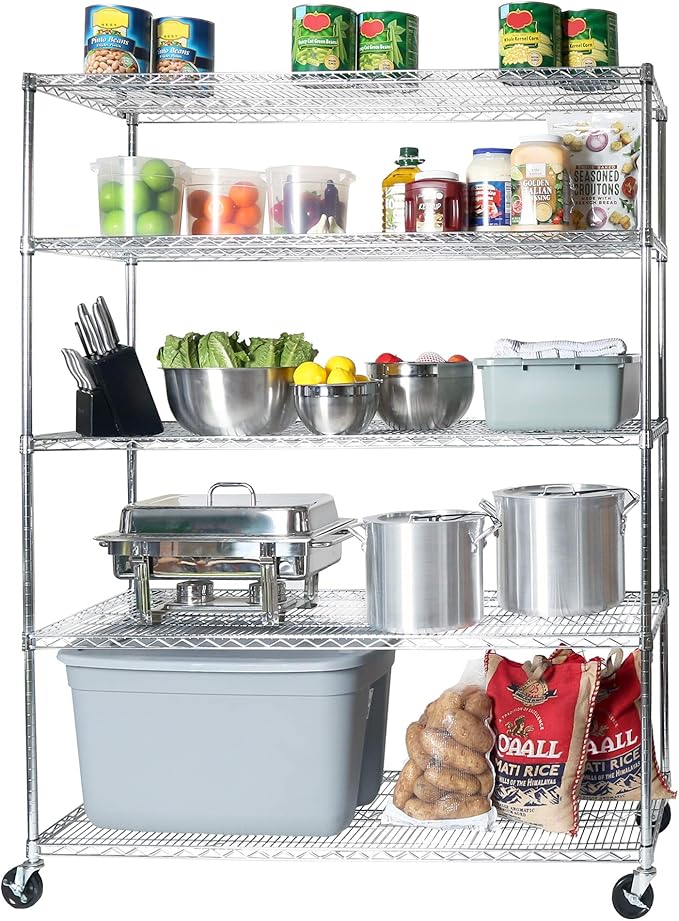
Seville Classics UltraDurable Heavy Duty NSF Solid Steel Wire Rack Storage Unit Wheels, 5-Tier Shelving, 60" W x 24" D

Deco 79 Industrial Metal Shelf Wall Storage Shelves for Bedroom, Living Room, Bathroom, Kitchen, Office and More, 25" L x 7" W x 33" H, Brown

Nathan James Theo 5-Shelf Wood Modern Bookcase, Open Wall Mount Ladder Bookshelf with Industrial Metal Frame, Dark Brown Nutmeg/Black

IBUYKE Industrial Pipe Ladder Shelf,4-Tier Vintage Style Book Shelf,Free Standing Units,Display Rack and Storage Organizer for Living Room,Bedroom,Kitchen,Black Grey UTMJ404G

ODK 6-Tier Ladder Shelf, Book Shelf with Metal Frame, Bookcase for Living Room, Home Office, Kitchen & Bedroom, Space Saving Freestanding Organizer Rack, Black (10" D x 24" W x 87" H)
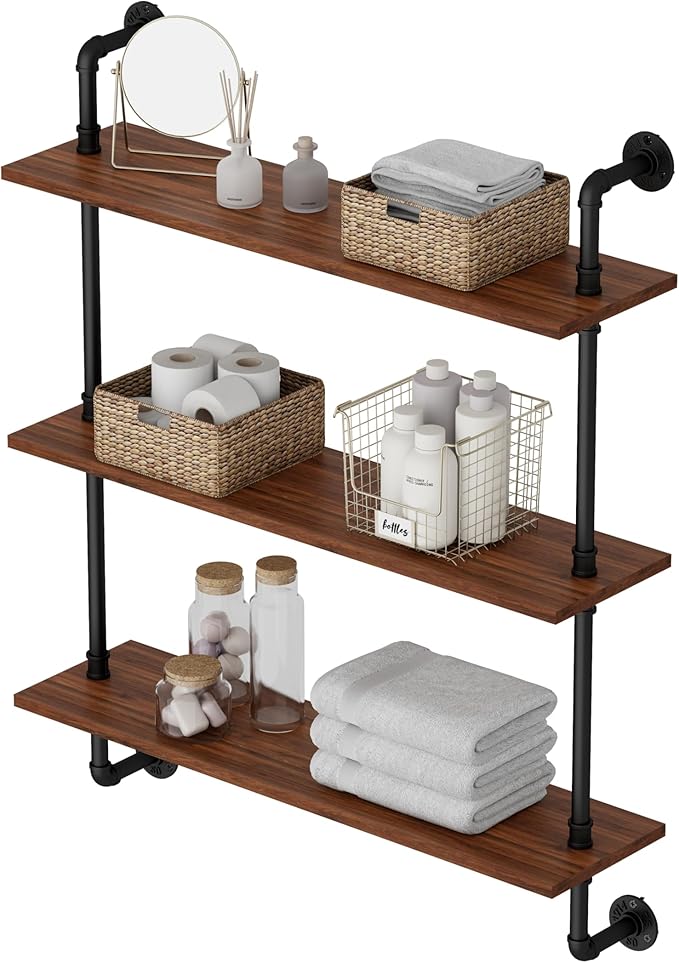
3-Tier Industrial Pipe Floating Shelf – Rustic 24 inch Wood Wall-Mounted Storage Shelf for Kitchen Office,Bathroom & Home Decor -Walnut
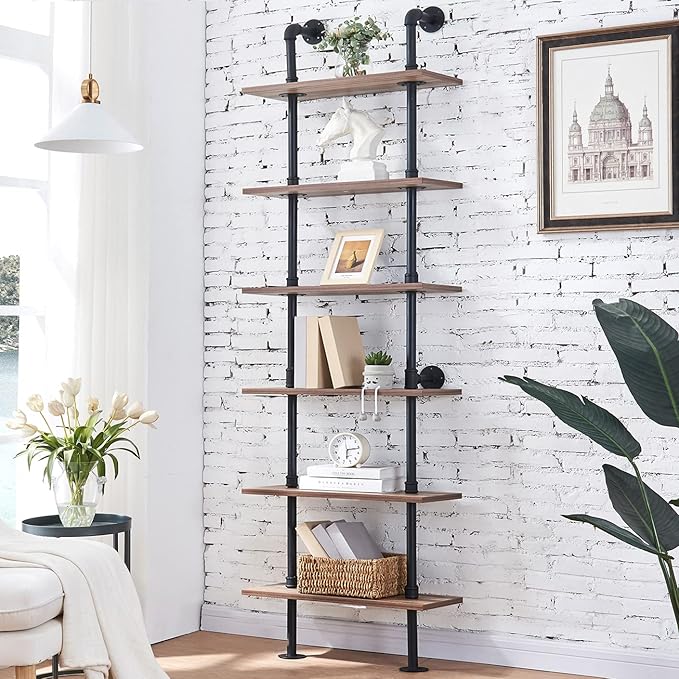
HOMBAZAAR Industrial Pipe Bookshelf,6 Tier Pipe Shelving,Wall Mounted Ladder Shelves with Metal Frame for Home Office,Living Room,Oak Brown
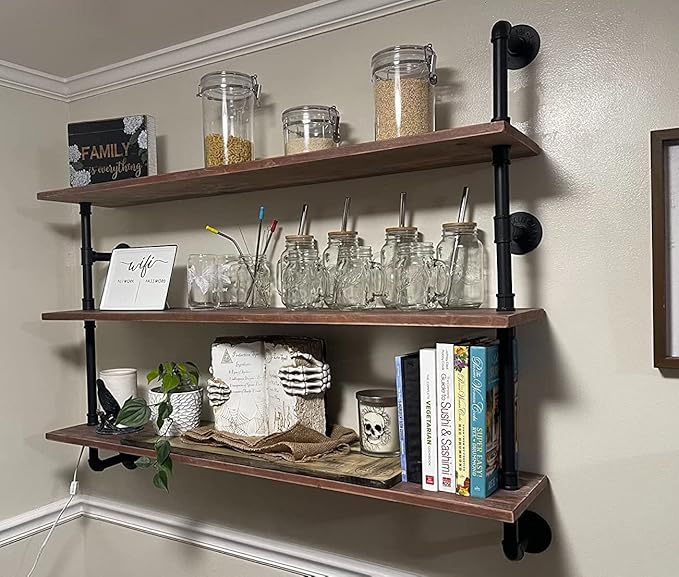
Floating Shelves,Wall Mounted Rustic Wood Shelf,Pipe Shelves,Industrial Pipe Shelving with Real Wood Planks 48 inch Industrial Wall Shelves Hanging Bookshelf Farmhouse Kitchen Bar Shelving

Nathan James Theo 6-Shelf Tall Bookcase, Wall Mount Bookshelf with Natural Wood Finish and Industrial Metal Frame, Rustic Oak/White

Henn&Hart 68" Tall Rectangular Bookcase in Blackened Bronze, for Home Office, Living Room

Seville Classics 5-Tier Wire Shelving with Wheels, 5-Tier, 30"" W x 14"" D (NEW MODEL), Chrome Plating, Plated Steel
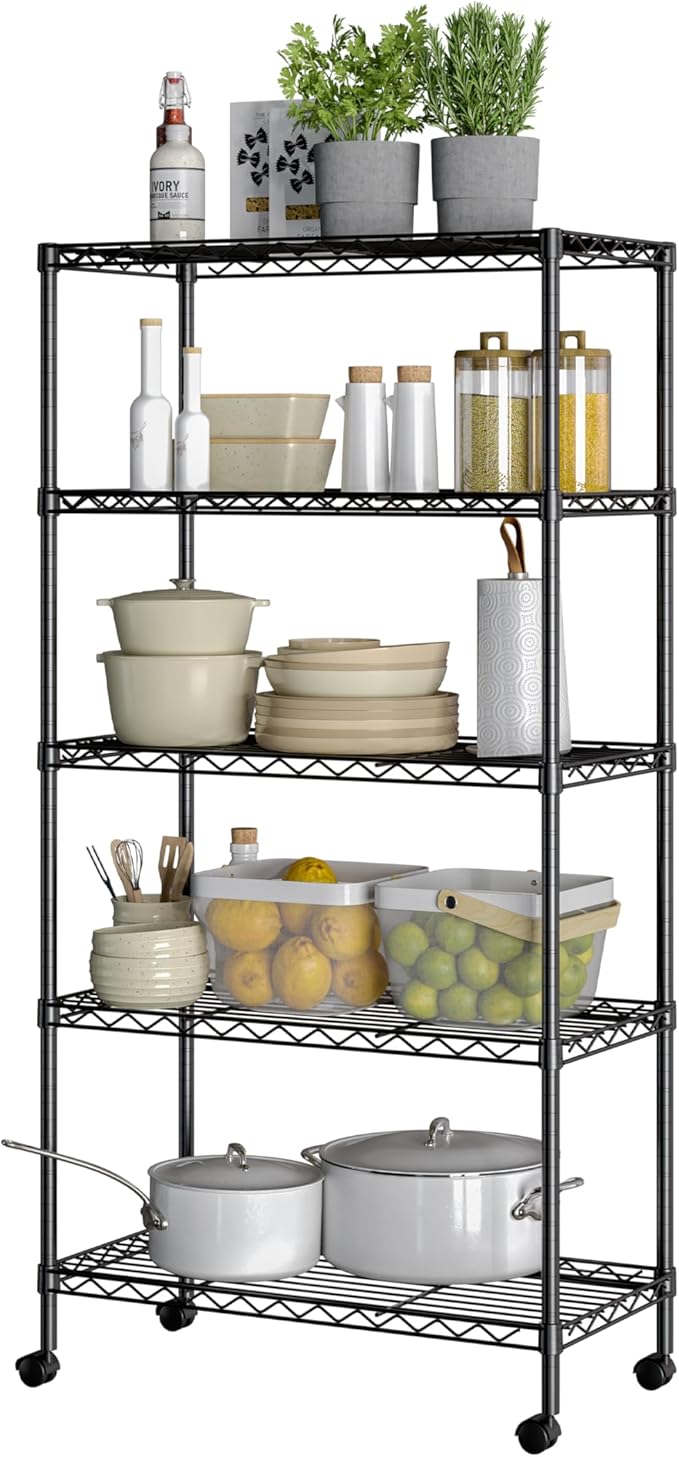
Seville Classics Solid Steel Wire Shelving Storage Unit Adjustable Shelves Organizer Rack, for Home, Kitchen, Office, Garage, Bedroom, Closet, Black, 5-Tier, 30" W x 14" D (New Model)
Our Top Pick
Seville Classics 5-Tier Steel Wire Shelf earns the top spot because it’s tough and no-nonsense-the kind of backbone a working bar area needs. Solid steel, powder-coated black finish, and an industrial look that doesn’t scream for attention. It holds bottles, glassware, bar tools, small appliances, and keeps everything visible and reachable. Assembly is simple. The shelves are modular so you can tweak heights for tall bottles or stacked glasses as your setup changes.
Why it's my top pick: it strikes the right balance between strength, flexibility, and understated style in a compact footprint that tucks behind a bar or along a cellar wall. It’s not a pipe-and-wood showpiece, so if you want that vibe add reclaimed wood planks or pipe trim to dress it up. One practical thing: the wire design lets spills drain and keeps air moving. Still, I recommend liners for tiny items or stemware to stop wobble. Bottom line: it does the heavy lifting where it counts-storage, durability, and easy reconfiguration for a hardworking bar area.
A dependable backbone for any bar area. Tough enough for heavy loads, open enough for quick access, and adaptable enough to grow with your setup.
Key benefits and standout features:
- Solid steel construction with a black finish for an industrial look that pairs well with pipe shelving accents.
- Five adjustable shelves to accommodate bottles, kegs, glassware, and bar gear.
- Open wire design improves visibility and airflow, reducing dust buildup and allowing quick inventory checks.
- Compact 30" by 14" footprint fits narrow spaces without sacrificing capacity.
- Easy, slip-sleeve-style assembly with included hardware, so you can install it fast and get back to building your bar.
- Highly rated by users for reliability and longevity.
Raw and Rugged: Industrial Pipe Shelving That Holds Its Own
I remember the first time I bolted up a proper industrial pipe shelf. It felt like the room had finally admitted what it was for. These things give you that honest, utilitarian look and they’re stupidly sturdy. When you shop, pay attention to pipe thickness, flange quality, and how the planks fasten to the pipes. Rust-finish hardware looks great, just make sure there’s a protective coating if the space gets damp. Upside: they’re durable and full of character. Downside: heavier to move and a bit more work to install than lightweight racks. Below I’ll call out build quality, how each unit behaves under load, and how easy they are to make your own. If you want something that looks like it came out of a converted factory, this is what you want.
Seville Classics Shelving
This Seville Classics 5-tier rack does more than it looks like it should. With solid steel construction and NSF certification it can handle food-safe storage and shrug off spilled drinks and sticky fingers. Shelves adjust in one-inch increments so you can fit tall growlers, stacked glassware, or a mini-keg. It ships with four heavy-duty casters for mobility, and you can switch to leveling feet when you need it rock-solid.
It’s great as a bar back. Stash bottles, a tower, and backup glassware within reach, then roll the rack out for cleaning or reconfiguring. The industrial steel finish reads tough without being try-hard. I use clear shelf liners or vintage trays to keep small glassware from slipping through the wire and to give the unit a cleaner, more intentional look.
Practical stuff: load heavy items on the lower shelves and use the leveling feet for max capacity (800 pounds per shelf on feet, lower on wheels). Assembly is tool-free but the top shelf is awkward solo, so grab a buddy. Watch for occasional shipping chips and consider swapping the plastic split sleeves if you want it to last forever. Pros: robust, adjustable, mobile, NSF-rated. Cons: wire grid needs liners for small items, wheels reduce the safe load.
If you want a durable, flexible, industrial backbone for a working bar area that can hold kegs, coolers, and glassware while still looking sharp, this one's a solid pick.
Deco 79 Wall Shelf
This Deco 79 wall shelf brings the rugged bar vibe without eating floor space. Three wooden tiers sit in a matte black curved metal frame, packing a 25" × 7" × 33" footprint that works great on narrow walls. The metal-and-wood combo looks industrial and softens up under warm lighting. For a bar wall it’s perfect for glassware, small decanters, bitters, and a few go-to bottles, while leaving the counter clear for mixing.
What makes it useful is the clean, structured look and the space-saving wall-mount. Shelves come pre-mounted to the frame and screw into studs or anchors easily. Heads up: the whole unit is only rated for about 15 pounds, so plan what you’ll put on it. Some buyers reported missing hardware or uneven assembly out of the box, so inspect the package and have spare screws or anchors ready. This is great for displays, not for heavy kegs or big stacks of bottles.
Best for a compact bar, a spirits wall, or a tidy glassware station. The 7" depth is shallow, which is ideal for pint glasses, rocks glasses, and small liquor bottles, but skip it for oversized decanters. Styling tip: run a slim LED strip under each shelf, stagger bottle heights, and add a couple of hanging stemware rails or adhesive racks underneath to stretch the functionality.
Pros: authentic industrial look, space-saving design, easy to style, solid metal/wood build. Cons: shallow depth, modest weight limit, occasional QC/hardware issues. If you want a compact, characterful shelf that turns a blank wall into a functional display, this is a smart pick.
Nathan James Theo 5-Shelf
This ladder-style unit delivers a raw industrial vibe without making the room look like a salvage yard. The powder-coated metal frame is a solid visual anchor and the oak-laminate shelves bring warmth and a reclaimed-wood feel. Each shelf supports about 50 lbs, so rows of bottles, glassware, and bar accessories sit comfortably. Wall-mounting frees up floor space for stools or a kegerator, and the slim 12" depth keeps it from crowding a narrow basement or garage wall.
What makes the Theo useful is how easy it is to build a full bar-back with multiples. The ladder silhouette lines up nicely when you place units side by side, creating a serious display for spirits, mixers, and memorabilia. Assembly is quick-most people have it up in under an hour. The simple design also makes customization straightforward, whether you add LED strips, a hanging stemware rack, or a mirrored backsplash.
Who it's for: a DIYer who wants style and function without custom carpentry. Pro tips: anchor into studs or use heavy-duty metal anchors, keep heavier bottles lower, and don’t use the unit to support a full keg. Be realistic about the laminate; some buyers report chips or shipping nicks, so inspect it when it arrives and keep a touch-up pen handy.
Pros: sturdy metal frame, space-saving wall mount, excellent styling potential. Cons: laminate can scratch, included anchors may be basic. If you want an affordable way to build a killer bar wall that looks intentional and handles weekend use, the Theo is a top contender.
Standalone Showstoppers: Freestanding Pipe Shelves for Flexibility
If you like to rearrange the room for game nights or party flow, freestanding pipe shelves are gold. They let you move your bar without ripping out anchors and usually offer more storage and display than wall-only options. When shopping, check base stability, shelf depth, and how the pipes join. Some are bulky and rock if not weighted right; others lock together like champs. Pros: portability and capacity. Cons: bigger footprint and possible wobble if assembly isn’t perfect. I’ll point out which ones hold glassware steady, survive a crowded night, and work in tight spaces. If you want a movable centerpiece that still reads industrial, start here.
IBUYKE Pipe Ladder Shelf
This 4-tier IBUYKE pipe ladder shelf nails the industrial look while staying compact enough for basements, garages, or tight alcoves. Steel pipe frame with 15mm particleboard shelves gives a vintage vibe, and the flat surfaces wipe clean after spills. Assembly is straightforward-numbered parts, clear instructions-and adjustable feet plus an anti-tip strap help it stay steady on uneven concrete or basement floors. Each shelf is rated for about 22 pounds, so it's great for glassware, bottles, mixers, bar tools, and decor.
Where it shines is the balance between look, footprint, and practicality. It won’t replace a full bar cabinet or hold a full keg, but it’s a strong secondary station-a bottle display, rinse station, or overflow shelf. The compact size lets you line multiples for a stepped display without taking over the room. Trade-offs: particleboard isn’t hardwood and the 22 lb limit means heavy appliances should stay off the top. Tightening the middle pipes helps rigidity if you plan to load it up.
Who should buy it? If you’re on a budget, like the industrial aesthetic, and want freestanding, quick-to-assemble storage, this is a smart pick. Pros: attractive look, easy assembly, anti-tip hardware, adjustable feet, easy-clean shelves. Cons: limited depth and per-shelf weight, particleboard instead of real wood. Tip: anchor the anti-tip strap to the wall, keep heavier bottles low, and add LED strips under each tier to make bottles pop.
ODK 6-Tier Ladder Shelf
If you want an industrial-looking display that actually holds your essentials, the ODK 6-tier ladder shelf is worth a look. Tall, lean, and bold in black or rustic brown, the metal frame with faux-wood shelves gives a mature, finished vibe. The height creates vertical real estate for bottles, glassware, cocktail books, and decor. It comes in multiple depths and heights so you can pick a 10" deep option for larger bottles or a slimmer version for tight spots. Assembly is straightforward and the kit includes fasteners and an instruction video. Importantly, this shelf is meant to be bolted to the wall, which makes it far more stable than a freestanding rack. Pros: dramatic presence, vertical storage, multiple sizes, simple assembly, and an intentional industrial look. Cons: particleboard shelves rather than solid wood, fixed shelf spacing, and a 50 lb limit per shelf so skip heavy kegs or oversized coolers on these.
Real-world tips: anchor into studs or use heavy-duty wall anchors and keep heavy bottles low and centered. For stemware, add under-shelf hangers to free surface area. Line a couple side-by-side for a back-bar, add LED strips behind bottles for depth, or use one as a display for single-malt bottles. Some users reported minor finish blemishes and seized fasteners, so check parts during assembly. Overall, a high-impact, budget-friendly way to upgrade a bar wall without overbuilding.
Wall Worthy: Wall-Mounted Pipe Shelves That Save Space and Look Sharp
If floor space matters, wall-mounted pipe shelves are the unsung heroes. I ditched a clunky cabinet for some of these and suddenly had room for a mini dart zone. They’re great because they keep bottles and glassware visible and out of the way. When shopping, check flange size, recommended load per shelf, and whether the hardware lines up with studs. Upside: they save space and look streamlined. Downside: tougher install and a more permanent placement unless you patch holes later. Below I’ll point out which mounts feel rock-solid, which need anchors, and which designs actually support a decent load without sagging.
XWNE 3-Tier Pipe Shelf
This 3-tier XWNE pipe shelf hits a nice balance of rugged and refined. Iron pipes with an anti-rust treatment give it a brewery-like feel, while the distressed wood finish adds warmth and hides the scuffs that come with late-night use. Each shelf is rated around 30 pounds, so it’s good for bottles, glassware, decanters, bitters, and bar tools. Packaging impressed me and the anchors in the box are solid. The pipes thread together tight, so once everything's torqued down this feels like a shelf that can take a beating and still look good.
If you’re building a bar wall, this is a practical pick. Sizes range from compact to extra-wide, so choose the length that fits above a counter or behind a tap. Installation is straightforward but plan for two people and aim for studs when possible. The included drywall anchors are high quality, but for max safety anchor at least one side into studs if you’ll store heavy glassware or rows of bottles. Note: the boards aren’t full hardwood and some edges may have minor inconsistencies. Also respect the 30 lb per shelf limit.
Styling is where it shines. Stagger a pair, add under-shelf LED strips, and mix in vintage glassware and metal accents to lean into the industrial vibe. Pros: sturdy, versatile sizes, solid anchors, great packaging. Cons: not true hardwood, 30 lb per shelf. Overall, a tasteful, durable way to upgrade a bar wall without overbuilding.
HOMBAZAAR 6-Tier Pipe Shelf
The HOMBAZAAR 6-tier pipe bookshelf brings gritty vintage looks while staying practical. The tall ladder profile (about 82.9 inches) makes great use of vertical space, and the metal pipe frame with MDF shelves gives a sturdy platform, with each shelf rated around 50 lbs. It balances style and utility: the black-frosted pipes and oak-brown veneer look right next to reclaimed wood signs and a tap tower, while the slim 9.8-inch depth keeps walkways clear. These ladder shelves are great for corralling glassware, spirits, mixers, and bar décor without taking over floor space. The textured veneer finishes better than typical pressboard, but the boards aren’t solid wood.
For installation and daily use, anchor to studs or use heavy-duty anchors, assemble loosely to square the frame, then tighten. Pros: industrial aesthetic, tall space-saving profile, decent weight capacity, easy assembly for two. Cons: MDF/veneer shelves, occasional weld or alignment issues for some buyers, and usable width reduced by inset pipes. If you want a quick visual upgrade that holds bottles and glassware and can be customized later, this is one of the best value-packed, wall-friendly options.
HDDFER Pipe Shelves
This three-tier HDDFER pipe shelf pairs solid pine planks with black pipe brackets for an authentic rustic look that upgrades a bar wall. At 48 inches long and about 9.85 inches deep, it gives a roomy footprint for bottles, decanters, and glassware, while the vertical spacing (roughly 41.5 inches overall height) leaves clearance for taller items. The real wood shows natural grain and wipes clean easily. Multiple sizes and color options let you match trim, exposed brick, or a painted accent wall.
Functionally it shines for bar setups. The open design showcases liquor collections and barware so guests can admire and grab what they need. Reviewers praise the sturdiness, and the metal tubing with multiple flange anchors spreads the load across the wall. Plan for a two-person install and bring a stud finder. It arrives with mounting hardware, but anchor into studs when possible. Tip: don't over-tighten the pipes into the wood; the planks are solid but softer than hardwood and can dent if you crank the bolts.
Pros: authentic industrial style, solid wood shelves, multiple sizes, strong load capacity, easy to style for a bar. Cons: heavy to handle alone, needs careful anchoring, wood can dent if over-tightened. If you want a wall-mounted vintage-industrial display that actually holds bottles and glassware without looking like a storage rack, this is a top pick.
What Size Pipe You Actually Need
Every product on this page is either real threaded pipe or an imitation of it, and if you are building rather than buying, the diameter is the decision that determines everything else. It is also the one number nobody puts in a product title.
Schedule 40 steel pipe in 3/4 or 1 inch is the standard for this. Three-quarter inch measures 1.050 inches across the outside and weighs 1.13 pounds per foot; 1 inch measures 1.315 inches outside and weighs 1.68 pounds per foot. That half-pound-per-foot difference sounds trivial and is not, because a wall-length build multiplies it by every upright, every horizontal, and every flange.
What you get for the extra weight is load. Bolted into wall studs, a 3/4 inch build carries 50 to 80 pounds per shelf and a 1 inch build carries 80 to 120. Half-inch pipe exists and belongs on light display duty at around 25 pounds, which is a couple of framed things and emphatically not a row of full bottles. Capacity climbs with diameter because both the wall thickness and the section modulus grow with it, so this is a real structural difference rather than a marketing tier.
Then the boards, which are where most home builds actually fail. Standard practice is 1x10 or 1x12 in pine, poplar or oak, sealed with stain and polyurethane. The trap is span: a thin plank run over 4 feet will visibly deflect long before the pipe underneath it does anything at all, so if your wall wants a 6 foot shelf, either step up the board thickness or put a third upright in the middle. People blame the pipe for a sagging shelf that was never the pipe's fault.
Shelf spacing follows what goes on it. For heavy storage, 16 to 18 inches between shelves is the working figure. For a bar run holding standard bottles, you want the bar-back clearances further down this page instead, because 16 inches is comfortable for boxes and marginal for getting a 750 ml bottle in and out.
The last piece is what you bolt into. Flanges go into studs, full stop. The pipe is massively stronger than the fixings, so a beautifully built 1 inch frame hung on drywall anchors has the load rating of the drywall anchors, which is to say almost none. Find the studs first and let them set your upright spacing, then cut the boards to suit. Doing it the other way round is how people end up with one flange in a stud and two in plasterboard.
One practical note on buying the parts. Black iron and galvanised fittings are sold by the same nominal size, so a 3/4 inch elbow fits 3/4 inch pipe regardless of finish, but the two look quite different once they are up: black iron reads as the classic industrial look and galvanised reads as plumbing. Pick one and stay with it across the whole build, because a frame that mixes them looks like it was assembled from what was left in the aisle. Our industrial pipe shelving entry covers the fitting types and the finishing steps in more detail.
Nooks No More: Corner Pipe Shelving to Max Out Awkward Spaces
Corners are wasted space until you put a corner pipe shelf in. I once turned a tight 90-degree gap into a booze nook that became the party magnet. These shelves squeeze usable storage out of dead zones and create a cozy, tucked-away bar vibe. When shopping, check shelf depth, corner angle precision, and how the pipes are braced. Pros: efficient use of space and interesting display angles. Cons: limited capacity on some tiers and trickier installs in non-square corners. In the reviews I'll test load balance, how they anchor into two walls, and which designs let you stack bottles and glasses without that awkward lean. If you want to make every inch count, don't sleep on corner units.
Step Up Your Game: Ladder-Style Shelving Units for Display and Access
Ladder-style shelves give a layered, curated look while staying practical for grabbing a bottle mid-toast. They blend display with accessibility and take a smaller footprint than a full bookcase, which is why they keep turning up in narrow bar runs.
The number to know before you load one is the load. A typical commercial ladder shelf holds 30 to 60 pounds per shelf, and only while the brackets stay tight, which on a leaning frame they do not do by themselves. That is a meaningfully lower ceiling than a bolted pipe build, where a 3/4 inch frame into studs carries 50 to 80 pounds per shelf and a 1 inch frame carries 80 to 120. A ladder shelf is a display piece that will hold some working stock, not a storage rack that happens to look good.
Two things follow from that. First, put the weight at the bottom. A leaning ladder pivots around its wall contact, so a heavy top shelf is exactly the load that walks the feet out from the wall. Bottles and glassware low, light decorative things high. Second, anchor it anyway. Almost every leaning shelf ships with a small anti-tip strap and almost nobody fits it, and in a room where people are reaching across it holding drinks, it is the cheapest insurance on the page.
Check the shelf spacing against what actually goes on it. Ladder shelves usually taper, with the deepest shelf at the bottom and the shallowest at the top, and a top tier under about 6.5 inches of depth will only hold narrow-based bottles. If the top shelf is the one at eye level, that is the one you wanted the good bottles on.
The last thing to look at is the frame's resistance to a knock from the side. A ladder shelf braced only by its own shelves racks sideways when somebody catches it with a shoulder. Diagonal bracing, a full back panel, or a wall anchor all fix it; nothing else does.
Warm and Weathered: Rustic Wood and Metal Shelves That Nail the Look
Nothing beats reclaimed-looking wood and black pipe for an old-school bar vibe. I love using warm planks with raw metal for contrast; it instantly makes the room feel lived-in. These pieces set the tone, and the wood you choose affects both look and longevity. Check plank thickness, finish (real wood versus veneer), and how shelves attach to the frame. Upside: great looks and warmth. Downside: real wood needs upkeep and finishes vary. I’ll show which options are true solid wood, which are faux, and which hold up to humidity and spills. If you want a cozy, worn-in bar feel, this is your lane.
Nathan James Theo Bookcase
This Theo 6-shelf ladder bookcase brings the industrial vibe without feeling like a showroom. The matte metal frame and rustic oak shelves create a worn-in look that makes a corner feel intentional instead of thrown together. The tall, open profile gives six wide platforms to stage bottles, decanters, tools, and rows of pint glasses while keeping the floor uncluttered. Each shelf handles heavy display loads (respect mounting and stud anchoring). I like how it reads upscale; from across the room it looks like real wood.
What sets it apart is the modular approach. Put two or three side by side and you’ve got a back bar without custom carpentry. The powder-coated frame resists chips and the shelf finish reads like real wood from a distance. Assembly is straightforward but plan for a helper when lifting and leveling on the wall. Pros: sturdy look, spacious shelves, modular. Cons: fixed shelf heights, occasional transit dings, and laminate over engineered board rather than solid reclaimed wood.
Best for someone who wants a polished, space-saving bar setup. Not a substitute for heavy cabinetry that holds appliances, but great for bottles, glasses, and decor when properly anchored.
Quick tips: anchor into studs or use quality toggles, add a non-slip mat under glassware, run LED strips beneath shelves for dramatic back-bar lighting. Drill in stemware hooks under a middle shelf or hang a small rail for bottle openers. Line a pair of units and use trays to corral spirits for a clean, bar-ready look.
Steel and Stability: Metal Bookcases for Heavy Stuff and Clean Lines
Metal bookcases give industrial strength without fuss. I use them for extra glassware, heavy mixers, and my vintage radio-they shrug off weight like nothing. They matter because they combine high load capacity with a minimalist look that fits modern or industrial spaces. When choosing, check weld quality, shelf adjustability, and finish durability. Pros: strength and low maintenance. Cons: can look cold and scratches show over time. In the reviews I’ll focus on load ratings, assembly simplicity, and which finishes hold up to scuffs or spilled spirits. If you want dependable storage that doesn’t flex under pressure, metal bookcases are the place to start.
Henn&Hart 68" Bookcase
This Henn&Hart 68" bookcase pairs metal framing with tempered glass shelves for an industrial look that doesn’t feel heavy. The blackened bronze finish gives a warm, lived-in tone that plays well with reclaimed wood counters, neon signs, or exposed brick. Five ladder-style tiers let you stack bottles, glassware, cocktail books, and decor without the unit dominating the room. The compact footprint is ideal for a garage bar corner or a narrow wall, and the open glass shelves keep things feeling airy even when stocked.
What makes it stand out is the mix of form and function. Tempered glass wipes clean after spills, and the double-bar legs add an industrial detail while keeping it stable. It’s not a kegerator platform, but perfect for liquor bottles, decanters, shakers, and rows of pint glasses. With only 14-inch deep shelves, plan your layout-tall bottles in the back, glasses and tools up front. Add an LED strip behind the shelves or a puck light on each tier to turn it into a feature wall. Pro tip: anchor to the wall if you have kids or plan to stack heavy items.
Pros: stylish industrial look, tempered glass shelves that are easy to clean, five tiers for flexible display, compact for tight spaces. Cons: limited depth and weight capacity compared to solid wood shelving, requires assembly and careful loading. If you want a tidy, stylish place to stage bottles, glassware, and bar tools without sacrificing visual space, this is a solid choice.
Build It Your Way: Modular Shelving Systems for Custom Bar Layouts
Modular systems are a builder’s dream. I once pieced together a modular setup for a weird alcove and ended up with a bar back that looked custom without the custom price. They let you expand, reconfigure, and adapt as your collection grows. Check connection strength, part compatibility, and how easy it is to add modules later. Pros: flexibility and long-term adaptability. Cons: sometimes pricier and you can get a mismatched look if you mix systems. Below I’ll test how sturdy each module is under load, how intuitive assembly is, and which give the most options without killing the budget. If you like tinkering, modular is your friend.
Seville Classics Wire Shelving
If you want a no-nonsense shelving unit that looks industrial and performs like armor, the Seville Classics 5-tier wire rack deserves a hard look. The black epoxy finish gives a rugged matte look that fits an industrial vibe without being flashy. I set one behind my countertop and it instantly cleared clutter while giving the space a workshop-meets-speakeasy energy.
Functionally it punches above its weight. Steel wire construction and screw-in leveling feet deliver serious capacity, rated at 300 pounds per shelf when leveled. Shelves click into place at 1-inch increments so you can stack liquor bottles, glassware, or heavy boxes where they belong. Assembly is simple and tool-free. Swap in casters for mobility and you can turn a section into a portable service cart.
Who should buy it: the DIY builder who wants modular, heavy-duty storage without custom welding. Use it as a backbar, under-counter organizer, or kegerator stand. Styling tip: add thin liners or butcher block tops for small glassware to keep items from tipping through the wires. Anchor the unit to the wall in high-traffic party zones.
Pros: industrial look, high capacity, adjustable, easy assembly. Cons: wire shelves let small items slip through without liners, and proper assembly prevents wobble. Overall, this is a dependable, versatile backbone for a working bar area.
The Bar Back Boss: Shelving Units Designed for Pouring and Impressing
A bar back is the shelving behind the pouring station, and it is the one application on this page with real dimensions attached to it, because a shelf that cannot take a bottle out without tipping it is decorative rather than working.
Start with clear height per tier. A standard 750 ml bottle stands about 11.8 inches, and you need roughly 14.5 inches of clear height above the shelf before that bottle comes out and goes back without being tilted. Prefabricated tiers are very often under 14 inches, which is exactly why so many bar-back shelves end up holding glasses instead of the spirits they were bought for. Allow 16 inches or more if anything taller than a standard bottle lives there.
Depth is the second figure and it decides how much you can actually stage. One row of bottles wants about 10 to 12 inches of depth. Two rows want about 13.5 inches, and that is the practical ceiling, because past it you are reaching over the front row blind. Anything shallower than roughly 6.5 inches holds only narrow-based bottles.
Then the gap between the counter and the first shelf, which is what makes the station workable rather than cramped. Leave 18 to 20 inches, nearer 22 if tall bottles sit on that first tier. That is the space a hand plus a bottle plus a pour needs, and it is the measurement people cut first and regret longest.
The last one is behind you rather than in front. A working bartender alley runs 31 to 37 inches, with about 30 inches the floor for one person in a tight footprint and 36 to 42 inches comfortable. Set that clearance first and let it decide how deep your base cabinet is allowed to be, rather than sizing the cabinet and discovering you cannot turn around between it and the shelving. Our bar back entry carries the full set of figures, including the glass-shelf spans.
Mounting matters more here than anywhere else on the page, because this is the shelf that holds full bottles. Into a single stud through a decent hidden bracket you are looking at roughly 45 to 50 lbs, and roughly double that when the bracket catches two studs. Rely on drywall anchors alone and the figure collapses to 10 to 20 lbs combined, which is less than one shelf of spirits. A floating shelf behind a bar is a stud-mounted shelf or it is an accident.
Small But Mighty: Compact Storage Shelves for Tight Man Caves
Not everyone has a whole basement to spare, and compact shelves saved my tiny bar corner from chaos. These smaller units matter because they give focused storage without overwhelming the space, perfect for apartments or a secondary party spot. When choosing compact shelves, check depth, usable weight per shelf, and whether they anchor securely. Pros: space efficiency and easier placement. Cons: limited capacity and sometimes less flexibility. In the reviews I’ll show which compact units squeeze the most storage, which hold bottles without sagging, and which look intentional rather than thrown in. If space is tight but you still want a killer setup, study these.
Seville Classics Wire Shelving
If you want a clean, industrial shelf that actually works, this Seville Classics 5-tier rack is an everywhere-ready solution. Plated steel wire construction and a compact 30" by 14" footprint give you five adjustable tiers without stealing floor space. I used one as a bottle and glass station behind a small bar and it instantly corralled mixers, glassware, shaker tins, and a couple of backup growlers while keeping a workshop-meets-speakeasy vibe.
What sold me are the practical features. Shelves adjust in 1-inch increments so you can make tall storage for bottles or snug cubbies for pint glasses. It ships with casters (two locking) and leveling feet, so roll it out for a party and swap to feet for max strength. Weight specs: up to 300 lbs per shelf on leveling feet (1,500 lbs total), but wheels reduce total capacity, so use the feet for heavy loads. Assembly is tool-free and I had mine ready in under 30 minutes.
It stands out because it’s flexible. Wire shelves ventilate and wipe clean after spills. Downside: gaps mean you’ll want liners for stemware or small tools, and the 14" depth won’t take big appliances or full-size kegs. For heavy items, keep them low and use leveling feet plus wall anchors for rock-solid stability.
Bottom line: need compact, tough, adjustable storage that looks right in a garage or basement bar? This is a smart pick. Ideal for hobby bartenders who want durability and flexibility; a few liners and some lighting make it a real focal point.
Your Next Steps
Alright, quick recap so you don't have to re-read the whole thing. If you want raw capacity and a no-nonsense backbone for a bar that gets used, Seville Classics wire units are the workhorses. If you want that true industrial pipe-and-wood vibe, go HDDFER or HOMBAZAAR for solid planks and real pipe brackets, or pick an IBUYKE or ODK freestanding ladder shelf if you want mobility plus style. For tight spaces or a slick back-bar display, Deco 79 and the XWNE wall-mounted pieces save floor space and still look legit. If you like building things piece-by-piece, the Seville wire systems let you grow as your bottle game grows.
Which should you pick by use. Need to stash kegs, boxes, and heavy backups. Choose heavy-duty metal racks like the Seville UltraDurable, with leveling feet and a stated weight rating. Want show-off shelving for bottles and stemware. Go ladder-style with the Nathan James Theo or a HOMBAZAAR ladder shelf and add LEDs. Short on room or in an apartment, the compact Seville racks are your friends. Want that authentic pipe look that gets compliments. Pick real pipe brackets and solid planks like the HDDFER or IBUYKE.
Still stuck. Here's a checklist to make the call easier:
- Measure height, width, and depth so nothing overhangs the bar top or blocks traffic.
- Figure out weight per shelf; heavy bottles and a mini-kegerator belong low.
- Plan mounting: hit studs when you can, use heavy-duty anchors, and always fasten anti-tip straps.
- Decide on materials: real wood ages and dents like a champ, laminate is cheaper and low-maintenance, metal is bulletproof for heavy loads.
- Think lighting and stemware hangers now, not later. Little moves like liners on wire shelves and LED strips change the vibe a lot.
Stop reading and start building. Pick the category that matches your vibe (rigid backbone, wall display, ladder display, corner maximizer, or compact helper). Click the links in the post to revisit the models, measure your spot, and order what fits. Get a buddy for lifting, grab a stud finder, and set aside a cold one for the celebration when it’s up. Take pics and drop them in the comments or tag me, because I want to see the before and the party-proof after.
One last thing. Make it yours. Swap planks, paint pipes, add neon, hang matchbooks from flea markets. This isn’t about a showroom. It’s about a bar that survives high fives, accidental spills, and game-night glory. Build something that makes you proud and makes your friends jealous.