Best Jukebox-Style Vinyl Cabinets for Retro Rooms
Last updated August 25, 2026 · By Chris Murphy ·How we choose products · Affiliate disclosure

I'll be honest: for years my records lived in mismatched boxes and a sad cardboard crate. Every time I wanted to spin something I felt a little guilty about how the pile looked. That nagging embarrassment is what pushed me to figure out storage that actually protects vinyl and makes the room look intentional. This guide mixes practical tips with style notes so your albums live somewhere that adds to the vibe instead of hiding away.
Think of this as a walk-through, from compact space-savers to full-on statement pieces that anchor a room. I’ll show how materials change a space’s tone and lifespan, how capacity and dimensions determine what you can store, and how price usually tracks with craftsmanship. I won’t just list stuff. I’ll point out what to watch for when style meets function: how wood grain warms a corner, how metal gives an edge, and how glass doors show off prized pressings without turning them into dust magnets.
By the time you finish reading you’ll know which characteristics matter for your layout and mood, and you’ll be comfortable picking a piece that actually improves the room. Read on for category-by-category notes and detailed comparisons of size, capacity, build, and the way each cabinet changes the atmosphere. Want a cozy nook for a few favorites or a centerpiece for a retro setup? This should help you match the furniture to the sound of the space.

Crosley Furniture Enzo 6 Cube Record Storage Media Player Stand, Vinyl Records Holder, Black

BROTTAR Large Record Player Stand with Vinyl Storage, 47" Wood Turntable Stand with Open Shelves and Fluted Doors, Vinyl Record Storage Cabinet Holds Up to 480 Albums for Music Room Living Room, Black
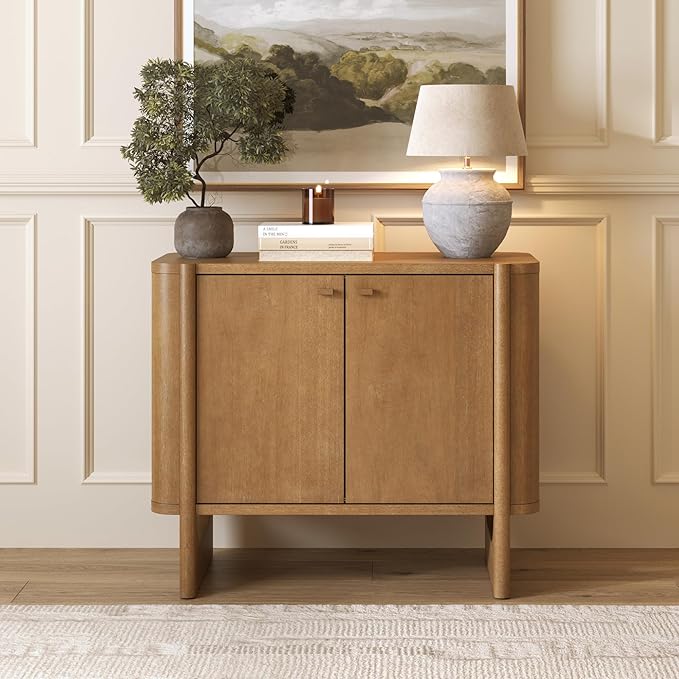
Nathan James Solace Mid Century Modern Cabinet, Storage Cabinet or Accent Cabinet with Doors with Solid Wood Legs and Adjustable Shelf, Light Brown

Signature Design by Ashley Bellaby Farmhouse Pier with 3 Adjustable Shelves, Whitewash

Walker Edison Georgetown Modern Farmhouse Double Barn Door TV Stand for TVs up to 80 Inches, 70 Inch, Rustic Oak, Without Fireplace, 15.75 x 70 x 24 inches

Safavieh Home Collection Marina Retro Mid Century Wood Etagere, Oak and Black
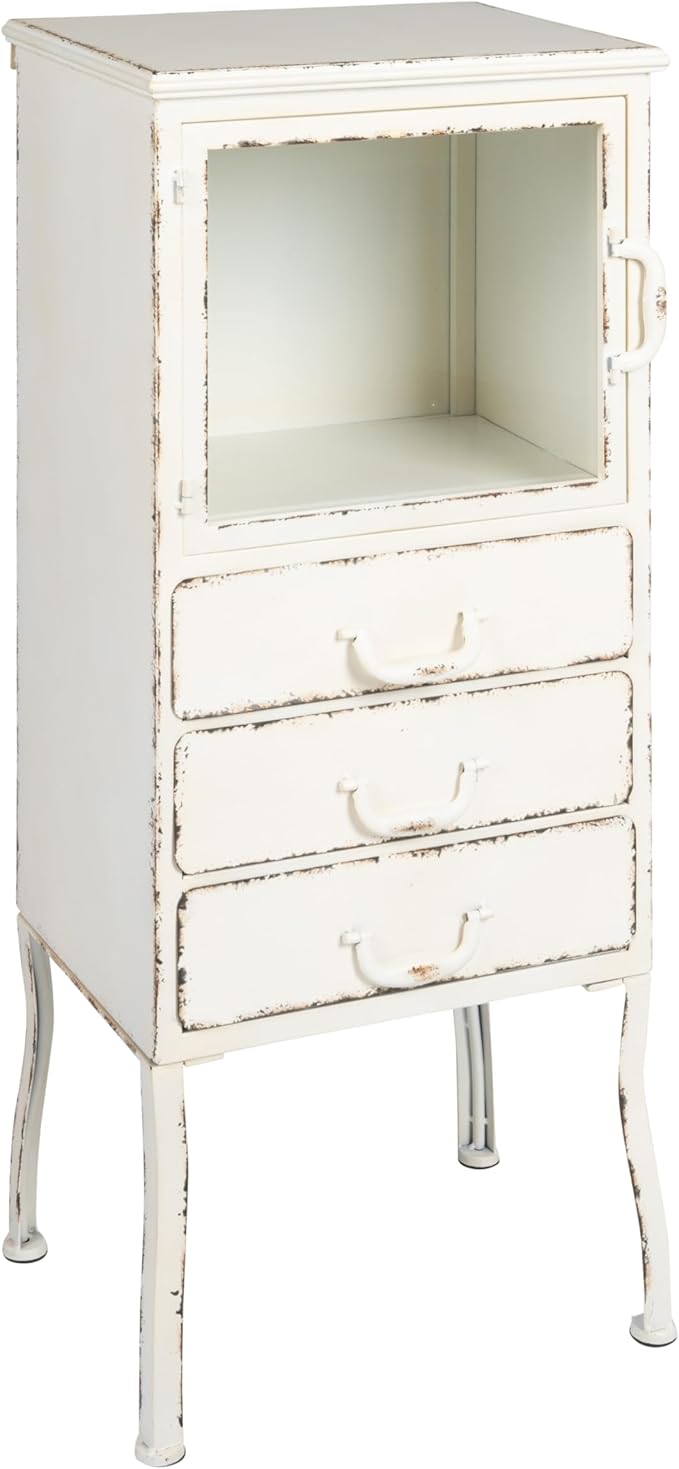
Creative Co-Op Metal Cabinet with 3 Drawers

Nathan James Enloe Modern Sideboard Buffet Storage Accent Cabinet with Doors in a Rustic Walnut Finish and Black Matte Metal Base for Hallway, Entryway, Kitchen or Living Room, Walnut/Black
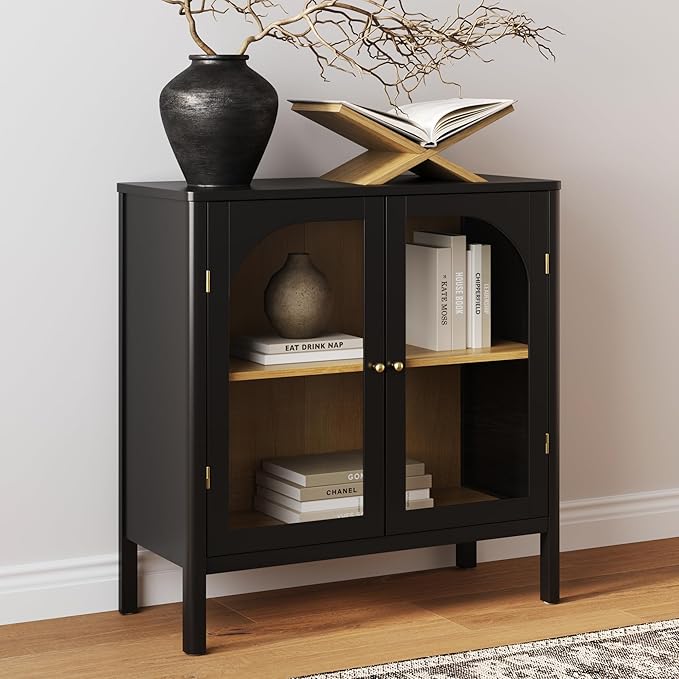
Nathan James Mason Storage Cabinet, Free Standing Accent Sideboard Buffet, Credenza with Glass Doors and Adjustable Shelf in Black Oak Wood for Dining Room, Entryway and Living Room, Clear Glass/Black
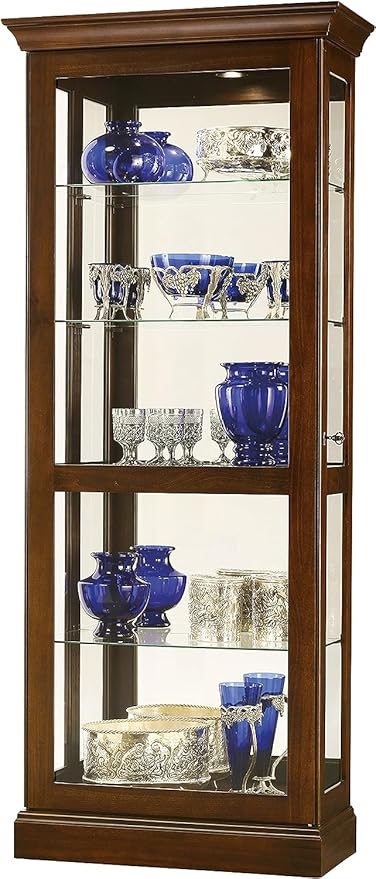
Howard Miller Dylan II Curio Cabinet, Wood Finishing with Halogen Lights Adjustable Height Desks for Collectibles, Lockable Door Decorative Items, Office & Living Room Portable Curio Cabinets

Nathan James Kova Rattan Wood Accent Sideboard Storage Cabinet with Matte Metal Frame, Adjustable Interior Shelves and Cane Doors, for Hallway, Entryway or Living Room, Black Oak/Cane

Henn&Hart 28" Accent Cabinet, Modern Sideboard Buffet Cabinet with 2 Panel Doors, an Adjustable Shelf and Cable Management Cut-Out for Living Room, Dining Room, Bedroom or Entryway, Black Grain
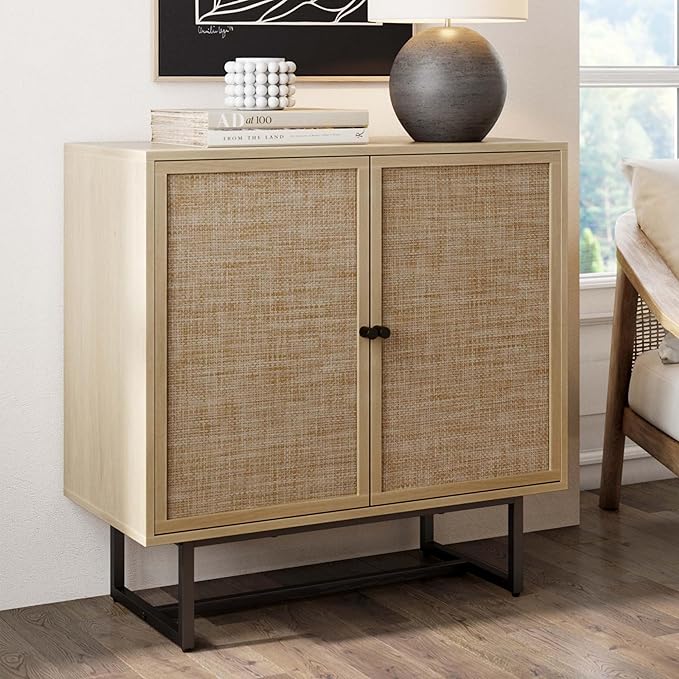
Nathan James Kova Accent Sideboard Storage Cabinet in Light Wood and Rattan with Metal Frame, Adjustable Shelves and Cane Doors, for Hallway, or Living Room, Light Oak/Cane/Black
Our Top Pick
The Kova Sideboard from Nathan James is my top pick if you want a jukebox-era vibe with real storage utility. The light oak finish, cane doors, and black metal frame hit that vintage look without feeling costume-y. The top handles a turntable or a small jukebox accent easily, and the adjustable interior shelves let you sort LPs, sleeves, and accessories behind doors that keep dust off while letting air flow.
It balances form and function in a way that works for a lot of setups. The metal frame adds durability and the shelves are flexible enough for upright LP storage or boxes of records. People who buy it praise the look and build. It does require assembly, and if your collection is massive you may want multiple units or a dedicated record chest. For most collectors building a curated retro corner, this is a versatile focal piece.
Key benefits and standout features:
- Mid-century modern look with rattan/cane doors that nod to jukebox-era design.
- Sturdy metal frame and light oak finish that pairs with turntables and vintage decor.
- Adjustable shelves for flexible LP and accessory storage.
- Concealed storage keeps your collection dust-reduced while maintaining airflow.
- Versatile placement (living room, hallway, or listening corner) so it becomes part of your setup.
- Highly rated by buyers for style and value.
A stylish, practical anchor for a retro listening space. It looks vintage and works like modern storage.
Cabinets That Put Your Records Front and Center
Good record cabinets are the heart of a listening room. They cradle albums upright, make browsing tactile, and become part of the room’s story. When you shop, pay attention to internal dividers, shelf depth, and how materials interact with your collection. Solid wood warms a palette and ages nicely, while veneers and engineered boards can mimic that look on a budget. Make sure shelf spacing lets jackets stand without bending and choose finishes that resist scuffs and humidity. In the reviews below I compare how each option balances capacity, style, and protection so you can pick something that looks like it belongs.
Crosley Enzo 6 Cube
The Enzo 6-cube console is a clean, modern piece that actually does the heavy lifting for record storage. The matte black finish and steel base read minimalist or industrial depending on what you pair it with. I like the deep top for a turntable, the pre-cut cable holes with swivel covers, and the adjustable levelers that keep everything steady on uneven floors.
Storage-wise, it’s built for collectors who need real capacity without a wall of shelving. Three wide compartments accept full 12-inch records and are rated for roughly 95 singles per section (check the shelf weight limits for heavier gear). The mix of engineered wood, melamine finish, and alloy steel frame gives it a solid feel. Buyers report straightforward assembly and a back panel that braces the unit well, so it holds up to daily use and the occasional heavy crate.
Who this fits. If you want a single piece that stores and stages your collection, this is a strong option. It works for medium to large collections, handles a turntable and separates on top, and doubles as a TV stand for modest TVs when you need one piece to do both jobs.
Pros: high per-shelf capacity, cable management, sturdy metal base, adjustable feet, roomy top for a turntable.
Cons: melamine can chip if handled roughly, open cubbies mean you still need dust sleeves, mind the overall weight limit for heavy gear. If you want a neat, capable record console that anchors a retro setup without shouting, this is a good pick.
BROTTAR Record Stand
This cabinet immediately upgrades a room. The black wood grain and fluted doors read mid-century-meets-retro, and the doors seal up to keep dust off prized pressings. The 47-inch top gives plenty of breathing room for big turntables and shelf-mounted speakers. Inside you get sixteen record slots that claim to hold roughly 480 albums, plus middle shelving with perforations for tidy cable routing.
Functionally it punches above its price. The unit feels solid once assembled and the FSC-certified panels look like they’ll wear well. I liked that the mid-level shelf takes components so the whole rig stays compact and organized.
Who should consider it. If you collect vinyl and want your collection visible but protected, this is a smart choice. It suits people building a retro-inspired listening area who need a piece that doubles as display and storage.
Pros: strong storage density, dustproof doors, clean cable management, handsome silhouette.
Cons: assembly is time consuming and the unit is heavy to move once built, color choices are limited. Expect to recruit a helper for setup.
Bottom line. I swapped my mismatched boxes for this and the room felt finished that night. It balances style and practicality in a way that actually improves the listening experience, not just the look.
Small But Mighty: Compact Storage That Packs a Punch
Tight spaces need clever furniture, and compact storage cabinets can be surprisingly versatile. These pieces are perfect for narrow hallways, alcoves, or under a window where a full credenza would overwhelm the room. Focus on footprint versus usable internal space; adjustable shelving and smart compartments are worth extra attention. Lightweight composites make moving easier, while denser wood or metal gives a richer presence. Below I look at how compact designs manage capacity, what compromises they make in looks, and which ones deliver the most character for limited square footage.
Nathan James Solace Cabinet
Drop this in a corner next to your turntable or use two side-by-side as a low-profile media credenza. The Solace nails mid-century modern with rounded edges, a warm wood veneer, and solid pine/rubberwood sled legs that feel built to last. It reads like a design piece first and storage second, which matters if your room needs to look curated instead of thrown together. The cord access hole and enclosed interior make it easy to hide an amp, charging station, or streaming gear without wrecking the silhouette.
Practical by design. The adjustable interior shelf means you can tune the layout for records, power bricks, or boxed games, and the top supports typical audio components within the stated weight limit. Assembly is straightforward (plan on about 45 minutes). These stack visually, so multiples side by side scale nicely with a growing collection.
Real talk on materials. The legs are real wood and reassuringly sturdy, but the body uses veneer over engineered board, so it’s not a solid-wood heirloom. Color shifts slightly with lighting, and a few buyers noted door alignment takes patience during assembly. If you obsess over millimeter-perfect gaps, be ready to fuss a bit.
Who should buy it. Choose this if you want a stylish, compact cabinet that elevates a retro feel and holds a modest vinyl stash or media gear. If you need industrial-grade storage for hundreds of records, look at larger, solid-wood options.
Make Corners Count: Stylish Corner Storage Cabinets
Corner cabinets turn awkward angles into intentional pockets of personality. Instead of dead space, a well-sized corner piece becomes display territory, record parking, or a place to hide controllers and cables. Look for cabinets that maximize depth without getting in the way, and check that door swings and shelving keep records accessible. Finish choices matter: a warm wood tone can visually expand a corner while a dark metal anchors it. Below I point out which corner solutions feel intentional and which are purely functional.
Signature Design Bellaby Pier
Tall, narrow, and farmhouse-cool, the Bellaby Pier brings vintage character without eating floor space. Its whitewash over replicated oak grain reads like aged barnwood, which pairs nicely with retro gear and framed album art. Four adjustable shelves let you stage turntable accessories, small crates, and a favorite sleeve facing forward so guests see the good stuff. The pier footprint is compact, so it’s a solid solution for corners or flanking a media center when you want height without bulk.
Practical limits. It’s made from engineered board with a laminate finish, so it looks better than it feels. Many buyers find it reasonably sturdy once assembled, but others report wobble and thin back panels. The depth is tight for standard 12-inch LPs stored upright, so plan to use it for display sleeves, 7-inch singles, record-care supplies, or horizontal stacks. My tweak: use the middle shelf to show a hero jacket and store flat stacks below, which keeps everything accessible.
Who should pick this. Buy if you want an affordable statement pier that elevates a retro setup and won’t dominate the room. Skip it if you need heavy-duty, deep LP storage for a large collection.
Pros: strong visual impact, adjustable shelving, space-saving height.
Cons: particle-board construction, mixed sturdiness reports, shallow depth for full LPs.
Media Consoles That Harmonize Sound and Style
A media console is the stage for your rig, balancing AV gear, a turntable, and record storage. The right console gives ventilation and cable management while tying the room together visually. Look for depth that fits gear, routed channels for wires, and a surface that keeps a turntable level and isolated. Materials set the mood: fluted wood adds texture, matte finishes read modern, and metal legs bring an industrial touch. Below I show which consoles marry function with design and which turn your setup into something gallery-worthy.
Walker Edison Georgetown
This 70-inch stand brings farmhouse character without shouting. It supports large TVs, has a weighty top for a heavy turntable, and includes adjustable shelving plus cord-management ports to keep an amp and streaming gear tidy. The barn-door fronts and wood-grain laminate give it a vintage-friendly silhouette that pairs well with jukebox-style cabinets and neon signs.
What makes it useful for vinyl fans is its practical versatility. The open cubbies and adjustable shelves are ideal for receivers, phono stages, and record crates-if you plan the layout. The top surface provides a stable platform for a turntable and a display piece. Many owners praise its look and overall sturdiness for the price, though the cabinet is engineered wood and some report brittle hinge screws or spotty hardware. Assembly is heavy work and benefits from another pair of hands or a power driver.
If you want a statement console that anchors a retro setup and plays nicely with other pieces, this is a solid, practical choice. Check dimensions and plan for assembly and you’ll end up with a centerpiece that looks pricier than it is.
Vintage Soul: Retro Wooden Cabinets That Sing
Retro wooden cabinets bring warmth and character that instantly elevate a listening space. Grain, joinery, and patina are more than details; they’re the emotional core of the piece. When picking one, consider the wood tone and how it fits with the room, whether you want mid-century lines or a more ornate silhouette. Inspect construction for solid panels and good joinery, and think about how hardware completes the look. Below I dig into which wooden pieces deliver real vintage charm and which feel like faithful reproductions.
Safavieh Marina Etagere
If you want a piece that anchors a retro corner without yelling for attention, the Safavieh Marina etagere is a great option. The oak-and-black finish and sputnik-style legs give mid-century swagger while the asymmetrical shelving lays out a practical stage for records, showpieces, and a compact turntable. It has three shallow drawers for hiding cables, cleaning kits, and spare needles. At roughly four feet wide it reads like a statement console rather than a cramped crate.
Practicality matters and this piece scores points for ease of setup and everyday use. It arrives almost fully assembled; you’ll likely only screw in the legs and be done.
Pros: striking retro styling, versatile shelving, useful concealed drawers, warm oak tone.
Cons: designed as a furniture-forward etagere rather than a heavy-duty LP archive, so if you’re stacking hundreds of records use crates or a purpose-built cabinet. Also note the product carries a California Proposition 65 warning.
Tough and Timeless: Industrial Metal Cabinets for Edge and Endurance
Industrial metal cabinets bring a utilitarian energy that suits loft-style rooms and garage spots. These units prioritize durability and security while offering a bold visual contrast to softer furnishings. When evaluating metal pieces look for powder-coated finishes that resist chips, sturdy welds, and doors or drawers that close with reassuring heft. Think about interior shelving and whether the cabinet is ventilated or lockable. In the product notes below I compare metal finishes and construction so you can pick something that looks rugged but still fits a lived-in space.
Creative Co-Op Cabinet
This distressed metal cabinet brings industrial character without hogging the room. Built from alloy steel with a distressed white finish and a clear-glass door, it works as both storage and a visual anchor. The three drawers hide cables and accessories, while the glass compartment lets you showcase a favorite record, framed sleeve, or vintage amp head. It’s compact enough to fit tight nooks beside a turntable stand.
Where it stands out is style meeting function, but be realistic about limitations. Some customers report thin metal, bent legs on arrival, and occasional glass breakage in shipping. Drawers lack deep stops, so hold them when you pull.
Pros: authentic industrial look, compact footprint, display-ready glass door.
Cons: mixed build-quality reports, fragile glass in transit, light-feeling drawers. Best for folks who want a visually cohesive setup rather than archival-grade shelving for hundreds of LPs. Add felt liners and small dividers and it will blend rugged looks with careful vinyl care.
Sleek Midcentury Credenzas That Define the Room
Midcentury credenzas are all about balance and clean lines. They serve as both storage and sculptural furniture, offering long, low profiles ideal for turntables and art. When shopping, check leg height for airflow, drawer and door hardware for quiet use, and finish for compatibility with other midcentury elements. Solid wood or good veneers lend authenticity, while tapered legs provide that iconic lift. Below I point out which credenzas capture the era’s spirit and which are faithful reproductions that anchor a room.
Nathan James Enloe
If you want a midcentury-modern credenza that reads like a streamlined jukebox base, the Nathan James Enloe does that well. The subtle herringbone walnut veneer and matte black metal plinth give it a retro silhouette that anchors a room without shouting. Its 31.4" width and 16" depth provide a low-profile platform for a turntable and a couple of monitors, and the tabletop is rated to hold up to 90 lbs so heavier rigs are fine. Inside, removable and adjustable shelves let you carve space for upright LPs, sleeves, cables, or a small amp. Protective feet help it sit nicely on hardwood or tile.
Trade-offs. The Enloe is made from engineered wood and particleboard, not solid hardwood. Expect good looks at a budget price, but some finish variability and door alignment fiddliness. A few buyers report an out-of-the-box odor and lighter internal shelf weight limits (about 20 lbs per shelf), so air it out and avoid overloading. Assembly is generally straightforward and customer support is responsive.
Overall, if you want a stylish, midcentury statement piece that supports a turntable and tidies your collection, this is a practical pick with sensible precautions.
Glass-Fronted Display Cabinets That Show Off Your Collection
Glass-fronted cabinets let records breathe while staying visible and dust-free. These work well for collectors who want to showcase rare sleeves or curated runs. When choosing one consider glass clarity and thickness, door seals, and interior lighting if you want drama. Shelves should be deep enough for jackets and strong enough to avoid sagging. Below I compare how different glass-fronted designs balance exhibition with protection.
Nathan James Mason
If you want your vinyl to look like part of the room instead of shoved in a crate, the Nathan James Mason has the presence that fits a retro setup. The curved tempered glass doors and two-tone finish (matte black outside, lighter oak inside) put your favorite pressings on display while keeping dust off. With 14" depth and an adjustable shelf you can store LPs upright with sleeves intact, and the rounded frames plus brass hardware add a refined, jukebox-friendly vibe. Assembly is straightforward and you get a sturdy-feeling piece that functions as a display cabinet and modest storage solution.
Practical note: this isn’t a heavy-duty record rack. Shelves have limited weight ratings and the top carries about 50 lb, so a massive collection or stacked boxes needs a more robust solution. Customers report occasional door alignment or minor finish issues, so be ready for small adjustments during setup.
Pros: stylish glass display, adjustable shelf, easy assembly.
Cons: door alignment can be finicky, hardware and finish quality varies, limited weight capacity.
Howard Miller Dylan II
The Dylan II curio has the sort of presence that makes a room feel curated, not thrown together. The Cherry Bordeaux finish and hardwood construction read as authentic vintage. It becomes a gallery for records and memorabilia. The mirrored back and beveled glass doors add depth, and the tall, narrow silhouette works when floor space is limited.
Functionally it’s solid. Five display levels with four adjustable glass shelves let you stage album art or framed sleeves. The sliding locking door is handy for security and dust control, and Pad-Lock metal clips keep shelves from shifting. Built-in halogen lights make covers pop under warm light; heads-up that halogen produces heat, so rotate items or swap to low-heat bulbs if you worry about fading.
This is a display-first cabinet, not bulk storage. Use it for your best pressings, boxed sets, or memorabilia. Glass shelf load limits and interior depth mean it’s presentation before capacity.
Pros: premium finish, secure sliding door, adjustable shelving, built-in lighting, compact footprint.
Cons: glass shelves restrict heavy LP stacks, halogen can heat contents, tall unit may need anchoring.
Living Room Storage Cabinets That Blend Form and Function
Living room storage cabinets need to work with seating, lighting, and the flow of the room while keeping clutter down. These units juggle display, hidden storage, and surface space for lamps or speakers. Look for soft-close doors, adaptable shelving, and finishes that tie into upholstery and rugs. Scale is crucial so a cabinet feels anchored but not overpowering. Below I assess which living room cabinets feel intentional, which provide the best organization for vinyl and accessories, and which just look great.
Nathan James Kova
If you want your record player to sit on something that actually belongs in the room, the Kova cabinet hits the brief. The light oak body with cane door fronts and matte black metal legs brings texture and warmth without feeling fussy. The footprint (about 31" wide and 16" deep) keeps it compact enough for a corner or under a wall-mounted amp while leaving enough top real estate for a turntable and a couple of amps or speakers.
Functionally it shines. Adjustable interior shelves let you tailor space for sleeves or small crates, and the swinging cane doors hide gear and reduce dust. Footpads protect flooring and the construction feels stable once assembled. The instructions are decent, which matters when you want the project done and back to spinning records.
This is a great pick for folks building a retro vibe who care about looks and practicality. Use one as a stand-alone accent next to a listening chair or pair two to anchor a wall. It suits small to medium vinyl stashes and a turntable on top.
Pros: warm, retro-forward styling, adjustable storage, easy assembly, floor-friendly feet, small footprint that still displays a turntable.
Cons: doors sometimes need patience to align, engineered panels rather than solid hardwood, check top and shelf weight limits before stacking heavy gear.
Game Room Storage Cabinets That Withstand Play and Partying
A game room needs storage that can take a hit and still look sharp through poker night or movie marathons. Look for sturdy surfaces that resist spills and scuffs, hardware that tolerates frequent use, and ventilation if you pair storage with consoles or amps. Below I highlight options that marry durability with drama so your storage feels part of the entertainment setup.
Nathan James Kova Cabinet
If you want a piece that dresses up a room while keeping vinyl and gear organized, the Kova cabinet delivers. The cane-front doors and black oak finish give a warm, retro-friendly look. I used one under my record player and it tucks cables and sleeves out of sight while still letting the setup feel like a focal point. The matte metal legs add modern grit to balance the rattan texture.
Functionally it punches above its price. Adjustable interior shelves mean you can store tall turntables, stacks of sleeves, or a small amp. Magnetic door closures keep things tidy and footpads protect floors. Assembly is straightforward if you follow the instructions; the company includes extra fasteners, which saved me a trip to the hardware store. Build feels solid for engineered wood and metal, but don’t expect a decades-old hardwood heirloom.
Who this is for. It’s ideal for someone who wants a statement piece that’s practical. If you want to showcase a record player, hide controllers and game accessories, or flank a media wall with matching cabinets, Kova fits. It scales nicely, so buy two to create a low console or keep one as a compact storage station.
Pros: stylish boho-retro look, adjustable shelving, easy assembly, good floor protection.
Cons: door alignment can take patience, panels are engineered wood rather than solid lumber.
Henn&Hart 28" Accent Cabinet
This compact 28-inch accent cabinet turns a messy stack of records into a deliberate part of the room. The black grain finish and simple doors read modern but pair nicely with retro accents. The clean lines keep the space from feeling cluttered while putting your collection behind doors that still invite discovery.
Practically, it’s built for multi-use. At 14" deep with an adjustable center shelf, it will handle a small-to-medium vinyl stash (roughly 50 to 120 LPs depending on sleeve thickness) while leaving room for a phono preamp or small receiver. The cable cut-out is a small detail that matters. Build quality is what you expect at this level: engineered wood and clear weight limits. The top supports up to 50 pounds, enough for most turntables and a small amp.
Who is this for? If your room is compact and you want an attractive place to store and stage records and gear, this is a smart pick.
Pros: compact footprint, cable management, adjustable shelving, modern-retro-friendly look.
Cons: engineered wood, limited capacity compared to purpose-built consoles, consider adding vinyl dividers or felt liners for sleeve protection.
What Actually Makes Something Read as a Jukebox
This guide uses the word jukebox on nearly every page, and it is worth being precise about what it means, because none of these cabinets is a jukebox and the good ones are not pretending to be.
The look everybody is quoting is one machine: the Wurlitzer 1015, designed by Paul Fuller and launched in 1946, which sold more than 55,000 units in its first two years and became the visual shorthand for the entire category. It stood 60 inches tall, 33 wide and 25 deep, weighed around 360 pounds, and carried an arched crown of coloured light over illuminated pilasters and bubble tubes. That silhouette is the thing your eye recognises, not the mechanism inside it.
So the features that make a cabinet read as jukebox-style are the arch, the vertical pilasters flanking a lit centre, chrome trim, and glow. A flat-topped rectangular credenza with a warm finish is retro; it is not jukebox. It will still look right next to a recliner and a neon sign, which for most rooms is the actual goal. That is not a criticism, and several of the best cabinets here are firmly in the first category. It just means you should buy the silhouette deliberately rather than expecting a rectangle to deliver it.
Lighting is the part that does the most work for the least money, and it is also where modern versions beat the originals outright. The 1015 lit its crown with fluorescent tubes that ran hot; LED strips behind a pilaster or along a crown give the same glow with almost no heat, which matters when the thing they are lighting is a wall of vinyl. Two practical notes: get a dimmable controller, because a jukebox glow at full brightness competes with everything else in the room, and buy a strip with a clean transformer, since cheap controllers hum audibly at low dim, which is the last thing you want next to a turntable. Chrome trim is the other half of the effect, and unlike the wood it will show every mark, so it is worth deciding early whether you want it to stay bright or to earn its patina.
One boundary worth holding on to. A cabinet stores records; a working jukebox plays them, and the genuinely functional LP jukeboxes built today run into five figures and hold only 10 to 20 records. The cabinet version holds ten to twenty times as many and costs a few hundred dollars, which is the entire case for it. Our jukebox-style vinyl cabinet entry covers the distinction and the buying criteria in full.
Sizing a Cabinet to the Collection You Actually Have
Capacity claims in this category are usually stated in cubes or shelves rather than records, which is convenient for the seller and useless to you. Here is how to translate.
A 12 inch LP in its sleeve is a little over 12 inches square, so any compartment meant to hold records upright needs about 13 inches of clear width and depth. The de facto standard cube in the hobby measures roughly 13.25 inches square, which will physically swallow around 90 records and browses comfortably at 60 to 80. That is the number to use: 60 to 80 per cube, not 90, because a cube packed to capacity cannot be flipped through and a collection you cannot flip through is a collection you stop playing.
Then weigh it. A standard LP runs 110 to 140 grams and modern audiophile reissues are pressed at 180, occasionally 200, so a shelf of new reissues carries about a third more than the same count of older records. Seventy to eighty records comes to roughly 16 to 18 kg, and the standard cube unit everyone uses is rated for 13 kg. The most popular record shelving in the world is routinely loaded 23 to 38 percent past its own rating, which is exactly why sagging shelves and bowed back panels are such a common complaint. Load the lower cubes, keep the top for lighter things, and reinforce a thin back panel if the unit will run full. This matters more on a concrete floor in a garage conversion, where a unit that racks slightly out of square has nothing to lean against.
A jukebox-style cabinet sized for a working collection holds 100 to 300 LPs, which is one to four cubes' worth. Count what you own, add what you will buy in two years, and buy the tier above it. And keep the records vertical on their spines: a stack of ten lying flat concentrates several pounds on the bottom record's playing surface, and PVC deforms under sustained pressure. The vinyl record storage entry covers sleeving and room climate, which matter as much as the cabinet does.
The Cabinet as a Turntable Stand
Almost every cabinet here is sold partly on the promise that a turntable goes on top of it, and that turns a piece of storage furniture into part of your audio chain whether you meant it to or not.
The problem is feedback, and it is mechanical rather than electrical. A stylus tracking a groove is a sensor for vibration, and it cannot tell the difference between vibration cut into the record and vibration arriving through the plinth. A deck sitting on the same surface as the speakers, or on a suspended timber floor with any bounce in it, feeds acoustic and footfall energy straight back into the stylus. You hear it as a low howl that gets worse as you turn the volume up, and it is the single most common complaint from people setting up a first system in a basement or a loft.
Three things follow for choosing a cabinet. First, mass and rigidity beat looks here: a heavy, well-braced carcass transmits less and rings less than a light one with a thin back panel, which is another argument for the solid-wood pieces on this page over the lightest engineered ones. Second, level matters more than it sounds, because a deck out of level puts uneven side pressure on the stylus, and a cabinet on an uneven basement floor needs adjustable feet or shims rather than good intentions. Third, keep the speakers off the same cabinet. Several feet of separation is the fix, and it costs nothing.
If the room is genuinely bouncy, the honest answer is that no cabinet solves it. A wall-mounted shelf decoupled from the floor, or an isolation platform under the deck, does the job that furniture cannot. That is worth knowing before you blame a cabinet for a problem it was never able to fix.
One small mercy: none of this applies if the top of the cabinet is holding a jukebox-style ornament and the actual turntable lives elsewhere, which is a perfectly good way to run the room and lets you buy the cabinet purely on storage and looks.
Wrapping Up
After walking through compact consoles, corner piers, midcentury credenzas, glass-front displays, and heavy-duty metal workhorses, the big takeaways are simple. Materials shape mood and longevity. Solid wood and warm veneers (think Safavieh Marina, Creative Co-Op, Nathan James Enloe) add patina and tactile comfort. Rattan and cane (Kova) bring vintage texture. Cane and rattan fronts (Kova) and tempered glass (Nathan James Mason, Howard Miller Dylan II) deliver that curated, museum-like vibe. Metal framing (Creative Co-Op) gives industrial backbone. Capacity, shelf depth, and cable management matter more than you might think.
If you want a centerpiece that looks like it belonged in a jukebox-era den and still stores a useful collection, the Kova Sideboard and BROTTAR are hard to beat for style plus function. If space is tight but style matters, the Solace credenza or the Henn&Hart 28-inch accent cabinet deliver maximum vibe in a small footprint. Need real capacity behind closed doors? Lean into the Walker Edison Georgetown, whose barn-door cabinets take LPs upright on adjustable shelves. Want display drama for rare sleeves and memorabilia? Pick a glass-fronted piece like the Mason or the Howard Miller Dylan II and use low-heat lighting.
How to decide without buyer’s remorse. First, measure the spot and count your LPs; know whether you need upright shelving or box depth. Second, choose display versus concealment. If you want spine-to-spine browsing, pick open cubbies or wide credenzas (Crosley Enzo, Walker Edison). If you want a refined vignette that keeps dust off prized pressings, pick glass doors or rattan-front cabinets (Nathan James Mason, Kova). Third, check construction notes and weight limits. Engineered wood looks great and keeps costs down, but solid-wood pieces like the Creative Co-Op feel better under heavy turntables. Finally, factor in assembly and your patience. Some units arrive nearly finished and are instant mood-lifters, others need a few hours and an extra pair of hands.
Ready to decide? Start by listing three non-negotiables for your space: capacity, aesthetic (warm wood, fluted vintage, industrial metal), and where the turntable will live. Shortlist two pieces from the categories above, measure, and mock up the scale with books or crates to visualize. Order, assemble, then style with a neon sign, a rug, and a hero album on the platter. Spin something that sounds as good as the room looks and send a photo to a friend who will actually appreciate it. Once your records live somewhere intentional, you’ll play more and feel quietly smug about every cover on display.