Adapt Your Hangout Space as Friendships Change
Last updated August 25, 2026 · By Zach Lane

When was the last time your man cave actually matched the way you and your friends hang out now? If you have to squint at old photos or dig up move-in memories, you’re not the only one. Friend groups shift, life gets busy, and the room you use to host, unwind, and make memories should bend with those changes.
I’m going to walk you through practical, hands-on ways to keep your cave useful, comfortable, and tuned to whatever phase your social life is in. You’ll learn to read friendship stages and match the room to real use cases. I’ll show modular layout tricks so you can reconfigure without gutting drywall. You’ll get ideas for shared zones and amenities that balance your needs with what the group actually uses. We’ll cover hosting etiquette that makes gatherings smoother, plus future-proofing and maintenance so your upgrades last. Expect clear how-to tips, construction notes, and projects you can tackle yourself to keep your man cave working for you and your friends.
Read the Room: Mapping Friendship Stages to Space
Designing a man cave that suits your taste is one thing. Designing one that fits the stage of your friendships is another. Start by naming the stage your circle is in. Early friendships call for flexible, low-commitment setups for small hangs. Long-running crews might want permanent seating, a wall of photos, or dedicated game rigs. Couples, kids, and people drifting away all change traffic flow and noise tolerance. Calling the stage what it is helps you decide what’s urgent and what can wait.
Why bother? Because a mismatched room creates tiny annoyances that add up. A permanent 10-seat banquet is wasted if you’re mostly hosting three buddies. On the flip side, two chairs feel embarrassing when everyone wants to watch the big game. Design for how people actually show up, not for the fantasy guest list. That means zoning for scale, picking fixtures you can move, and avoiding permanent builds that box you in.
Below I’ll show practical ways to retrofit and build for each stage. Expect projects like modular seating platforms, plug-and-play AV stations, quick half walls, and storage that lets you flip from solo retreat to full-house host without tearing anything down. Match your build decisions to how your friendships ebb and flow, and the room will serve you now and later.
Recognize the stage before you redesign

Start by watching how the room is used. Track three gatherings and note guest count, activities, and pain points. That tells you whether you need a cozy solo spot, a party-ready layout, or a kid-friendly corner. Do this again every 12 to 18 months.
Solo or couple phase. Low-key, high comfort.
Layout: Focus on one great lounge chair or a loveseat, good reading light, and reachable storage for tools, games, and gear.
Gear: Buy decent task lighting, a small work surface, and some noise-cancelling earphones for late projects.
Etiquette: Keep rules simple. If friends drop by, clarify whether it’s a hang or a quick visit.
Tip: Use one modular seating piece that grows later. A fold-up guest chair tucked under a bench saves space now and flexes later.
Regular crew. Durable and social.
Layout: Make it conversational. Sectionals or movable chairs open traffic paths. Add a central surface for games and snacks.
Gear: Choose durable surfaces, spill-proof upholstery, extra beverage holders, and a compact bar cart. Wall-mounted shelves keep floors clear.
Etiquette: Set a cleanup rotation or let the host set ground rules for bigger events. Add a simple charging and trash station so guests know where to leave things.
Step-by-step: 1) Keep 20 percent of floor space clear for circulation. 2) Add one extra seat beyond your usual guest count. 3) Put a wipe-clean surface within reach of the main seating.
Growing families and settling down. Kid and pet proofing.
Layout: Carve distinct zones. Keep an adult hangout separate from a kid area using rugs and toy bins. Use gates or shelves as visual boundaries without remodeling.
Gear: Swap fragile decor for sturdy pieces. Add lockable storage for tools and valuables. Sound-absorbing panels help tame the noise.
Etiquette: Be upfront about naps and bedtimes. Offer a spare blanket and pillow for unexpected overnights so nobody’s scrambling.
Unexpected detail: Keep a small kit with spare socks, a phone charger, and a toothbrush. Those little rescues get remembered.
Reconnecting or legacy friends. Flexible nostalgia.
Layout: Leave room for intimate conversation and memory displays. Use wall grids that let you swap photos and memorabilia without ruining the wall.
Gear: Comfortable chairs, decent acoustics, and a media setup that handles slideshows or old videos.
Etiquette: Plan shorter visits with easy ways to extend. Make your overnight policy obvious to avoid awkwardness.
Quick checklist to adapt: audit usage, choose durable versus flexible upgrades, add one modular piece, set clear guest rules, and schedule a reassessment. Small, smart changes keep your cave useful as friendships evolve.
Keep It Fluid: Flexible Layout Design That Adapts
If your man cave had a motto it should be "moveable, not immovable." Flexible layout design is the foundation of an evolving space. Think modules, not permanent installations. Use furniture on casters, sectionals that split, and freestanding bars that can shift with the party. The goal is to reconfigure fast for a quiet night, a big game, or an all-night poker session without needing power tools.
Flexibility isn’t just furniture. Plan power so devices can move. Use floor boxes and surface-mount conduit when you can. Install track lighting instead of fixed fixtures so you can change focal points. Floating shelves and rail systems let displays shift with new interests. Even things that look permanent can be reversible if you use screws and indexed mounts instead of glue or nails.
Later I’ll walk through shop-friendly projects: a mobile AV cabinet, pallet-style risers you can snap together, and a ceiling grid of anchor points for temporary partitions. These are low-cost, high-impact upgrades that let you change the room in an evening. If you like getting your hands dirty, they pay off fast.
Flexible layout design principles
Treat the cave like a toolkit, not a permanent installation. Anchor one or two things that matter to you, like a media wall or workbench, and keep most of the footprint changeable. I prefer one immovable anchor and several mobile pieces. That keeps purpose but lets usage shift quickly.
Prioritize circulation. Aim for 30 to 36 inches of clear path between major pieces so people can move without stepping on toes. Sightlines matter too. Place seating so guests can see the focal point without twisting. Short sightlines are better for conversation, longer ones for watching games.
Zone lighting and power. Use plug-in lamps, dimmable fixtures, and multiple power strips on separate circuits where possible. That lets you crank the bar area while keeping the gaming corner cozy.
A quick reconfigure kit I use
Keep a tiny stash that transforms the room in minutes: two stacking stools, an ottoman on casters, a folding side table, and a narrow rolling cart. Tuck them under a bench. When friends show up, pull the kit and rebuild the layout in under five minutes.
Cable management belongs in the kit too. A few short Velcro straps, a flat extension strip that mounts under furniture, and labeled quick-release power cables cut setup and teardown time dramatically.
Step-by-step reconfigure process
- Clear a 36-inch path where people will flow.
- Move portable seating into place, with one extra seat beyond expected headcount.
- Place a central surface within 18 to 24 inches of the main seats for drinks and games.
- Snap power and AV cables into place, then hide excess under a rug or behind a bench.
- Do a five-minute check for sightlines, snack access, and trash spots.
Run a small gathering as a test before committing to a bigger event. You’ll catch awkward angles early and tweak once rather than twice.
Small projects that pay off
- Install wall-mounted fold-down tables in two spots for quick dining or laptop work.
- Swap heavy feet for soft rubber casters on bins and ottomans for silent moves.
- Add a shallow rail on one wall to hang modular storage bins. One night it’s game gear, the next it’s bar tools.
Flexible layout design is about choices that are reversible and fast. Design for the next hangout, not the fantasy one. Hosting becomes easier, and honestly more fun.
Shared Zones and Amenities: Balance Comfort and Control
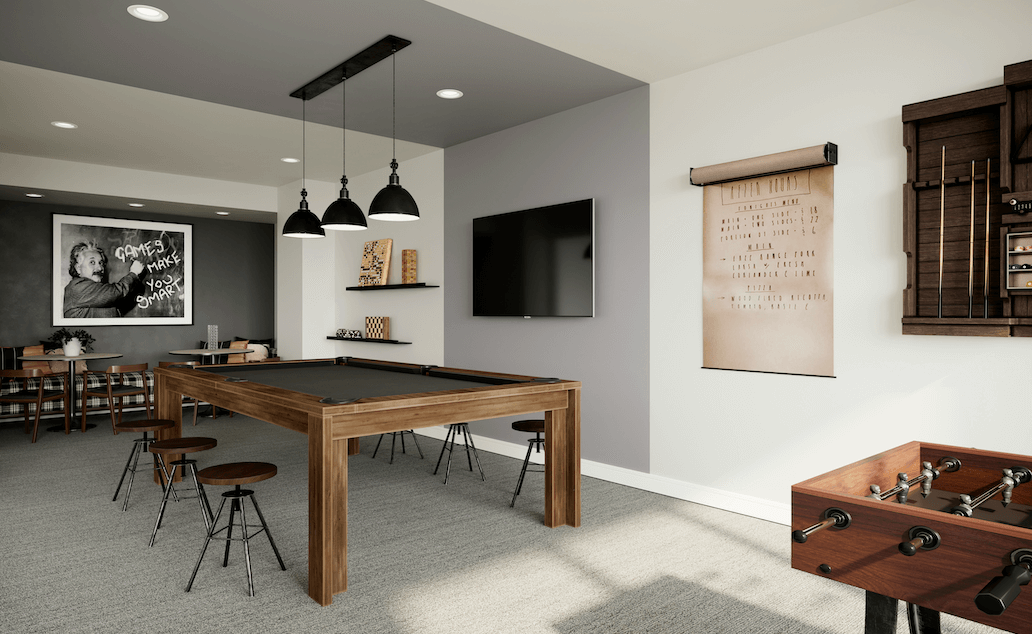
Shared zones are where friendships actually happen. The right amenities make gatherings feel effortless. Carve a main seating cluster for watching or talking, a quieter corner for one-on-ones, and a hands-on area for hobbies or tabletop games. Give each zone the right light, storage, and access to shared resources like drinks, chargers, and coasters. Clear zones cut down cross-traffic and keep everyone comfortable.
Size amenities for use. If your crew likes the grill, a fold-out outdoor kitchenette or portable charcoal setup wins over a full built-in. For mixed-age groups, mix seat heights and surfaces. Add a communal charging hub and a small essentials kit (napkins, basic tools, spare chargers) in a labeled drawer. Lockable storage for personal stuff stops confusion over what’s permanent and what’s loaned.
Later I’ll walk you through building multipurpose furniture, installing a small wet bar, and creating a simple tech hub with modular cabling. These are weekend projects you can do with basic tools. The aim is to protect personal space while making shared moments easy and repeatable.
Shared zones to plan
Think of shared zones as function pockets. Each pocket handles one job well and stays out of the others' way. I recommend: a social hub for TV and conversation, a quick-grab food and drink area, a quiet corner for hobbies or work, and a gear-storage zone for lendable items. Place pockets so they don’t cross paths during a typical night. That limits interruptions.
Plan one multipurpose zone. Make it easy to flip from cards to console to projector without hauling furniture. A cleared 4-foot square surface or a mobile cart makes that switch painless.
Amenity checklist and placement
Make basics obvious and reachable. Place them where guests naturally pause.
- Beverage station: small fridge or cooler, tray for glasses, coaster bin, and a rubber mat to catch spills. Keep this near an outlet and away from electronics.
- Charging hub: a shallow drawer or wall shelf with a multi-port charger, labeled cords, and a small basket for phones. Mount it at mid-height so people can set phones down without crouching.
- Quick-clean kit: microfiber cloths, disinfectant wipes, paper towels, and a hand broom. Store these under the beverage station or in plain view.
- Guest supplies: spare socks, a toothbrush kit, and a one-size blanket. Small things, big impressions. Keep them in a drawer near seating.
Put trash and recycling near the exit, not under the TV. That avoids someone walking through the group every time they toss a plate.
Rules, etiquette, and signals
Make expectations simple and visible. A small sign by the door works. Try “Shoes off over mat,” “Food on trays only,” and “Keep voices low after 11 pm.” For shared gear, use a lending tag system. A dated sticky note on an item shows who has it and when it should return.
Set a cleanup flow. Host empties the fridge and clears the main surface. Guests stack dishes on a cart. Rotate the host role every few gatherings so one person doesn’t burn out.
Quick DIY installs that pay off
- Build a two-shelf bar cart on casters. Top for drinks, bottom for glassware and napkins.
- Mount a slim shelf with cable clips for the charging hub. Label each clip for phone types.
- Install a magnetic whiteboard near the entrance for event notes, food allergies, or who brought what.
Maintenance matters. Restock consumables monthly and do a 20-minute tidy after each event. Little habits like that keep shared zones useful and friction-free.
Host Like a Pro: Etiquette, Rules, and Smooth Gatherings
Hosting is a skill, and your man cave should make it effortless. Lay down a short set of house rules so you don’t repeat yourself each time. Cover noise windows, guest limits, cleanup expectations, and where overnight guests can sleep. Post a friendly laminated card by the entry or bar so everyone sees the deal.
Practical hosting ties into layout and gear. Give guests staging areas for coats, shoes, and food so arrivals are calm. Keep a visible, tidy spill kit for quick cleanups. Use durable textiles and easy-to-clean flooring. For mixed groups, have breakout activities ready so conversation can move. Make audio simple to control and keep spare remotes or app shortcuts handy.
Later I’ll give templates for house rules, plans for entry catch-alls, and signage that communicates boundaries without sounding petty. I’ll also share a host’s weekend checklist covering quick maintenance and pantry basics. The point is to make hosting repeatable and low-stress.
Before guests arrive. Host prep in 30 minutes or less
Do a quick comfort and safety sweep. Check lighting, empty the main trash, stash sharp items, and set out coasters and a small trash bowl. Put fresh batteries in remotes and test your main entertainment source. If there’s food, pre-portion napkins and plates for self-serve. Lay out a visible charging spot and label the cords with masking tape. These small moves keep you in the room with people instead of running around.
Arrival etiquette and RSVPs
Ask for firm RSVPs. If someone texts a late plus one, confirm seating and kid policies. Give an expected end time when you invite people. It sounds formal, but it avoids awkwardness about when the night ends. For drop-ins, pick a rule and stick to it: either accept last-minute visitors case-by-case, or keep nights closed to unplanned guests.
Running the gathering. Rules that actually work
Post one postcard-sized rule list and keep it short. Examples: shoes on the mat, food on trays near electronics, ask before borrowing, quiet after 11 pm. Enforce politely and quickly. If someone spills, hand them a towel and a trash bag and let them help fix it. For shared gear, use a check-out tag. A sticky note with a name and return date keeps controllers and tools from disappearing.
Dealing with kids, pets, and off-hour noise
If kids are coming, set a kid zone before guests arrive. Hide fragile items and offer simple games or a tablet with headphones. For pets, expect hair and the occasional guest chaos. Keep a lint roller and covered drink lids handy. If noise is a recurring issue, set a regular “quiet window” and make it known. People respect consistent boundaries.
Cleanup and follow-up. A 20-minute plan
End with a clear, short cleanup routine. Have two bins ready: recyclables and trash. Ask guests to stack dishes in one spot and run the dishwasher or rinse quickly. Do a 20-minute sweep after everyone leaves. Send one follow-up text: thank you and a note about any borrowed items. Small, polite gestures stop tomorrow’s drama.
Sample postcard-sized house rules
Keep it friendly: “Welcome. Shoes on mat. Food on trays only near the TV. Ask before borrowing. Quiet after 11 pm. Help tidy before you go. Thanks.” Pin it by the door and save yourself explaining the obvious.
Build to Last: Future-Proofing and Maintenance Strategies
Future-proofing isn’t predicting every fad. It’s making smart, reversible choices now. Use consistent cable routes and labeled junctions so you can add gear without guessing. Pick mounting patterns that support heavier stuff later. Spend on materials that stand up to wear and that you can repair. A scratched floor is fixable if you planned for patches.
Maintenance is ownership. Set a seasonal checklist: swap HVAC filters, tighten furniture fasteners, test GFCI outlets near wet bars, and reapply finish to high-use wood. Keep a small tool kit and a list of common parts. Small repairs now save you from big, disruptive projects later, especially when friendships change and the room needs to pivot.
I’ll provide wiring plans, a modular mount template, and a maintenance schedule for DIY builders in follow-ups. Expect shop-tested tips for overbuilding critical elements, choosing materials that age well, and making assemblies repair-friendly. The goal is a cave that evolves, not one that needs a full gut when life changes.
Plan the bones, not the details
Future-proofing starts with thinking like a contractor and an optimist at the same time. Anchor important systems so they’re easy to change. For example, run surface-mount conduit or floor raceways for power so gear can move without opening walls. Install a small grid of ceiling anchor points on a plywood backing, then cover with paintable panels so you can hang partitions, lights, or a screen later without extra drilling. Do three things first. Map likely gear locations, add extra power capacity on a dedicated circuit, and mark mounting points with a simple diagram and photos.
Routine maintenance that saves time and money
Keep a predictable schedule and you’ll avoid frantic fixes. Every week do a 10-minute sweep: clear trash, wipe spills, and check chargers and remotes. Once a month test electronics, tighten screws, and rotate cushions. Quarterly inspect seals, vacuum vents, and replace consumables like filters, batteries, and bulbs. Do an annual deep day: refinish a tabletop, touch up paint, and see if the layout still fits how people actually use the room.
Small projects that keep upgrades reversible
Build things so they come apart when you need them to. Fasten rails and faceplates with screws into plywood blocks rather than gluing to drywall. Use slotted panels, French cleats, or keyhole hangers for wall units so you can relocate displays in minutes. Swap glass tabletops for removable tempered acrylic if kids or pets are frequent guests. Use casters with locking brakes on heavy storage so you can move things without breaking your back. Keep a labeled maintenance bin under a bench with a multi-bit screwdriver, spare screws and anchors, a couple of fuses, Velcro straps, and colored tape. It saves midnight scavenger hunts.
Final tip: document changes. Photograph new configurations, note which circuit feeds the outlet, and save receipts for critical parts. Future you will thank you.
Wrapping Up
Your man cave shouldn’t be a shrine to the past. Match the room to the stage of your friendships by auditing actual use. Favor modular choices (sectionals that split, furniture on casters, a reconfigure kit), plan infrastructure for movement (surface conduit, floor boxes, track lighting, a ceiling anchor grid), and build shared zones that earn their keep (a beverage station, a charging hub, and a quick-clean kit). Host with clear, low-effort rules (postcard-sized rule card), and protect your work with routine maintenance.
If you want a short starter list: pick one immovable anchor (media wall or workbench), make everything else movable, and keep a reconfigure kit under a bench: two stacking stools, an ottoman on casters, a folding table, and a rolling cart. Build one weekend project that pays daily dividends, like a two-shelf bar cart, a mobile AV cabinet, or a fold-down wall table. Install a shallow charging shelf with labeled cables and run power where you might need it later with surface conduit.
Here’s the next move. Audit three gatherings and note guest count, bottlenecks, and main activities. Decide durable versus flexible upgrades from that data. Pick one small build (bar cart, pallet riser, or ceiling anchor grid) and one etiquette tweak (post the rule card, set RSVP expectations). Reconfigure the room using the five-step process above: clear a 36-inch path, add one extra seat, place a central surface within 18 to 24 inches, snap in cables, and do a five-minute sightline check. Schedule a reassessment for 12 to 18 months.
Now go pick a weekend, grab a tape measure, and take three photos of your current layout. Measure for that 36-inch path and sketch where one modular piece could live. Commit to one small build this month; I recommend the bar cart or a mobile AV cabinet if you like tinkering. Post a before and after photo somewhere and brag a little. The projects are functional, sure, but they’re also the stories you and your friends will laugh about later.
Treat upkeep as part of the craft. Keep a maintenance bin with a multi-bit screwdriver, spare screws, Velcro straps, and a couple of fuses. Do a 10-minute weekly sweep, a monthly electronics check, and an annual deep day. Photograph new layouts and save a simple circuit map so future you can move gear without guessing. Build smart, tweak often, and enjoy a space that grows with your friendships.