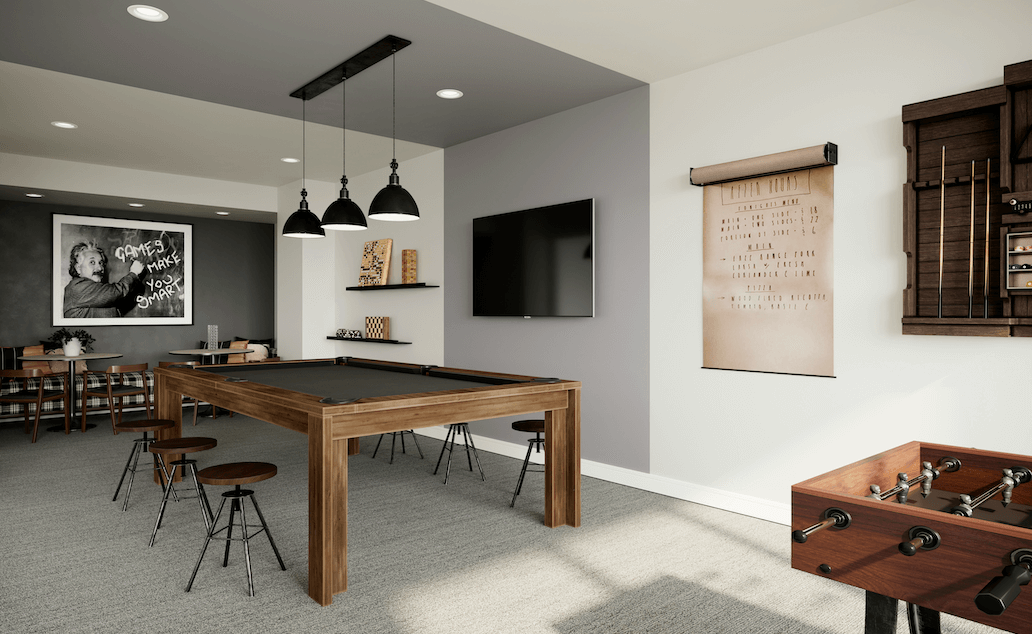
Radon & Soil-Gas Control for Basement Man Caves: Planning, Specs & Permits
Last updated July 18, 2026 · By Zach Lane

If you're turning a basement into your dream man cave, don't let something invisible wreck it. Radon and soil gas are real, and they deserve attention before you spend time and money on finishes.
SAFETY CALLOUT. Hire a licensed, qualified tradesperson (electrician, plumber, HVAC technician, or structural engineer as appropriate) for any regulated or potentially dangerous work. This guide is about planning, specifying, budgeting, and hiring for radon and soil-gas control. It is not a how-to for regulated installations. Unpermitted or unlicensed work can void insurance, fail inspection, and create life-safety hazards, so plan to bring in pros for the hard stuff.
I remember clearing out an old furnace room one weekend and spotting a hairline crack in the slab. You can slap some sealant on it, move in the couch, and pretend nothing happened, but the smarter move is to test first and make a plan. In the sections that follow I’ll walk you through how to assess the site and test for radon and soil gas, compare mitigation system types and specs, understand permit triggers, and build a hiring checklist with ballpark costs. The goal is practical, down-to-earth guidance so you can scope the job, get accurate bids, and manage trades without getting blindsided.
Difficulty: Advanced · Time: 1-2 days · Cost: $800-$1,500
Safety First: What To Know Before You Touch Anything
What You'll Need
Tools
- Power drill with masonry bits for concrete fasteners
- Tape measure and a 4-foot level for layout and alignment
- Utility knife and a reciprocating saw for cutting PVC pipe
- Caulking gun for applying sealant around pipe penetrations
- Hammer and cold chisel for breaking small concrete edges
- Safety glasses and a particulate respirator for dust and debris
Materials
- 4-inch schedule 40 PVC pipe, approximately 10 to 15 feet for the main riser
- PVC couplings, elbows, and a test boot (quantity depends on route: expect 2 couplings and 3 elbows)
- Radon mitigation fan rated for continuous operation (one unit)
- Manometer with mounting bracket for system pressure monitoring (one)
- Polyurethane sealant or hydraulic cement for cracks and floor joints (one quart)
- Concrete patch mix for filling core-drilled holes (one 10-pound bag)
- Rubber gaskets or foam pipe wrap for vibration isolation (one set)
Here’s the blunt truth: the best DIY move on a radon project is to stop and hire the right pro. Radon mitigation crosses electrical, mechanical, and structural work. Fans must be mounted and wired properly, slab penetrations change loads and water paths, and sloppy work can create new moisture or gas problems. This is safety-critical stuff-don’t treat it like a weekend caulk-and-plug project.
That said, you can do plenty to make the job easier and cheaper. Clear the work area, take good photos of cracks, sumps, and drain setups, and gather any recent radon test results. Those small prep steps let a contractor focus on the technical work and keep your bids honest. Keep records so bids exclude cleanup or prep work you already handled.
When you talk to contractors, be direct. Use a checklist. Ask: Are you licensed here? Do you carry general liability and worker’s comp? Can you provide an itemized scope showing fan model, expected suction points, piping route, termination location, and warranty? How do you handle follow-up testing and guarantees for post-install radon levels? If someone suggests skipping permits or ignoring electrical work to save money, walk away.
SAFETY CALLOUT. Hire a licensed, qualified tradesperson (electrician, plumber, HVAC technician, or structural engineer as appropriate) for any regulated or dangerous work unless you are already qualified. This section outlines what to know before you hire. Do not treat this as a how-to. Unpermitted or unlicensed work can void insurance, fail inspection, and create life-safety hazards.
What to test and budget for

Start with measurement. DIY short-term radon kits cost roughly $15 to $50, which is fine for a quick screening. Long-term tests or professional diagnostics run about $150 to $300 and give a much better baseline for bidding. If a pro confirms elevated radon or other soil gases, expect mitigation bids in these ballpark ranges:
- Simple single-suction sub-slab systems: $800 to $2,500.
- More complex homes, multi-slab or block-wall work: $2,500 to $4,500 or more. Also budget permit fees, typically $50 to $300, and cosmetic patching or sealing, which can be $200 to $1,000 depending on finishes.
Timeline. Testing can take from 2 to 90 days depending on the method. Installation often finishes in a day or two. Permits and scheduling can add several weeks.
Key spec items to require in bids
Ask each contractor to include, in writing:
- System type and why they chose it (sub-slab depressurization, sub-membrane, crawlspace ventilation).
- Fan location and access for service. Expect exterior or attic-mounted fans with 3 to 4 inch PVC piping commonly used.
- Exhaust termination plan. Pipes must vent outdoors, away from openings; local code usually requires a specific clearance from windows and intake vents.
- Estimated post-mitigation target. Aim to reduce radon below your local action level (many use 4 pCi/L; shooting for 2 pCi/L is common).
- Permit responsibility, warranty terms, and a post-installation retest window (30 to 90 days).
Hiring checklist and vetting questions
Verify license and insurance. Ask for references from at least three recent installs and ask to see before/after test results. Confirm the installer will pull permits, provide a written scope, and carry general liability and workers compensation insurance. Beware bids that are much lower than average; cheap can mean corner-cutting or missing permit costs.
Permit triggers and red flags
Permits are commonly required when installing fans, running electrical to a new device, coring the slab, or changing ventilation paths. Red flags: no permit, no written warranty, refusal to provide pre- and post-test data, or avoiding explanations about system maintenance.
Plan, ask questions, and compare apples to apples. With the right specs and a competent pro, your man cave will be comfortable and safe.
Know Your Basement: How to Assess Site Conditions and Test Right
Start by testing the indoor air. A short-term test kit gives you a quick screen, but follow up with a long-term test if results are borderline or if you want a reliable before-and-after baseline. Put monitors in the area you plan to use, at breathing height, away from windows, exterior walls, and HVAC registers. If your basement is large or has several finished rooms, test in multiple locations; radon can vary from one corner to another.
Next, look at soil-gas and sub-slab conditions. Visual clues-sump pumps, drain tile, block walls, exposed gaps, or prior water intrusion-are good hints about likely entry paths. A radon professional can run diagnostics (continuous monitors, manometer readings, and sub-slab probes) to map pressure fields and find the best places to draw suction. That data drives system design, how many suction points you need, and what size fan will work.
Do the prep work for your contractor. Take photos, note slab thickness if you can, mark crawlspace access and mechanical penetrations, and point out any planned finishes (wet bar, tile, theater risers) that could be affected. The clearer your site profile, the more apples-to-apples the bids will be, and the better the installed system will fit your man cave layout.
SAFETY CALLOUT. Hire a licensed, qualified tradesperson (electrician, plumber, HVAC technician, or structural engineer as appropriate) for any regulated or potentially dangerous work unless you are already qualified. This section is about what to know before you hire, not how to do the work. Unpermitted or unlicensed work can void insurance, fail inspection, and create life-safety hazards.
What a proper site and radon assessment should cover
A good inspector will:
- Map the lowest lived-in level and mark test locations.
- Note slab and wall conditions (hairline cracks, control joints, block walls, sump pits, floor-wall joints).
- Mark utility penetrations and record existing HVAC, dehumidifiers, and drainage systems since these influence indoor pressure and test results. If your house has a dirt crawlspace or hollow-block basement, call that out up front; those construction types often need extra testing or a different mitigation approach.
Testing protocol and types. Ask whether the contractor will do short-term screening (48 to 96 hours), long-term testing (around 90 days), or professional continuous diagnostics. Short-term kits are about $15 to $50 if you DIY. Professional diagnostic testing, with continuous monitoring and pressure measurements, runs about $200 to $600. If there are concerns about other soil gases (methane, VOCs, landfill gases), expect separate soil-gas testing quotes, commonly $300 to $800 depending on borings and lab work.
Sampling strategy matters. A single short-term test can be misleading because of seasonal and HVAC effects. At minimum, test the lowest living level and any other finished lower-floor rooms or suites. For diagnostics, insist on continuous monitors that log hourly data so you can see spikes and daily patterns. That helps the pro pick suction points and predict performance.
What to require in the assessment report Ask that the diagnostic report includes:
- Floor plan with tested locations and suggested suction points.
- Raw test data and an interpreted average with the test duration.
- Predicted post-mitigation target (for example, below local action level such as 4 pCi/L; many aim for 2 pCi/L).
- Recommended system type and why it was chosen (single suction, multi-suction, sub-membrane).
- Cost and scope estimate for the recommended mitigation work.
A quick real-world note: a contractor once found a failed sump liner in a house I worked on, which explained wild radon spikes. Good diagnostics saved the owner a lot of money by targeting the real entry points instead of guessing.
Systems That Work: Types of Mitigation and Key Specifications
There are a few proven approaches and the right one depends on your slab, walls, and plumbing. Sub-slab depressurization (SSDS) is the standard for poured concrete slabs. Block-wall suction and drain-tile suction are better when hollow cores or perimeter drainage exist. For a sealed crawlspace under a finished lower level, sub-membrane depressurization is the usual solution. Passive systems exist, but active systems with a continuously running fan give the most predictable results for living spaces.
On any professional bid you’ll usually see these core components: a radon-rated inline fan sized for required static pressure and flow, PVC piping routed to a high exterior termination, suction points in the slab or perimeter, a visible manometer or electronic monitor, and durable seals at penetrations. Key specs to ask for: fan model and rated CFM at the expected static pressure, sound level in dB, warranty length, and the expected post-mitigation radon level. Also confirm the fan is rated for continuous operation and has thermal protection.
Think routing and noise. Put the fan outside the conditioned space when possible. Exterior mounts avoid attic moisture issues and keep noise out of your man cave, but piping runs may be longer and need weatherproofing. Make sure electrical supply, GFCI protection, and an accessible manometer are in the scope. Ask for a simple schematic showing pipe paths, fan location, and termination height so you can picture how it fits with your design.
SAFETY CALLOUT. Hire a licensed, qualified tradesperson (electrician, plumber, HVAC technician, or structural engineer as appropriate) for any regulated or dangerous work unless you are already qualified. This section is about what to know before you hire, how to plan, and what specs to require. Do not use this as a how-to. Unpermitted or unlicensed work can void insurance, fail inspection, and create life-safety hazards.
Common system types and when to specify each
- Sub-slab depressurization (single-suction). Most common for poured-slab basements. Good for moderate radon levels and simple slab geometry.
- Multi-slab or multi-point sub-slab. Used when a single suction point cannot create an adequate pressure field-larger slabs, control joints, or separated slab areas.
- Block-wall suction. For hollow concrete block basements. Typically requires core drilling and suction points spaced roughly every 6 to 12 feet along problem walls, depending on diagnostics.
- Sub-membrane ventilation. For dirt-floor crawlspaces. A vapor barrier (membrane) is installed and vented to a fan. Maintenance and construction are different from slab systems.
Tell bidders which solution the assessor recommended and have them justify any change.
Fan, piping, and electrical specs to require
- Fan. Continuous-duty, radon-rated fan. Contractors should state expected flow (typical single-suction: 60 to 150 CFM; multi-point systems: 100 to 250+ CFM depending on house size and leaks) and static pressure capability. Expect fan life in the 5 to 15 year range; include service access.
- Piping. Schedule 40 PVC, typically 3 to 4 inch diameter. Pipes should terminate outdoors. Joints must be solvent-welded or otherwise gas-tight.
- Electrical. Fans usually run on a dedicated 120V circuit (follow local code). Ask whether the fan will be hardwired or plug-in and how they provide shutoff and service access. Require GFCI where the code demands it.
Vent termination and performance targets
Termination. Require the contractor to show the exhaust location on the plan and to follow local codes for clearance from windows, doors, and intakes. Exhaust must not re-enter the house.
Performance. Ask for a predicted post-mitigation target, for example below your local action level; many contractors aim for 2 pCi/L.
What to include in the spec and warranty
Require an itemized scope: system type, fan model spec sheet (flow and pressure), pipe size and route, termination point, access for service, permit responsibility, and a post-install retest window (30 to 90 days). Insist on a written workmanship warranty and a clear statement on who handles permit inspections. It’s not glamorous, but detailed specs keep bids honest and your man cave radon-free.
Step-by-Step
Step 1: Hire a licensed professional for radon assessment
Engage a certified radon measurement specialist to test your basement. They use continuous monitors or passive detectors over a minimum of forty-eight hours. Short-term tests provide a snapshot. A longer test yields more reliable averages. The specialist interprets results against the action threshold set by national guidelines. Do not skip this step. The assessment determines whether mitigation is necessary and informs system design.
Step 2: Select the mitigation system type
Choose an active sub-slab depressurization system for most basements. A fan draws soil gas from beneath the slab and vents it above the roofline. For crawl spaces or partial basements, consider a membrane barrier combined with passive venting. Consult your professional about the best configuration for your foundation type and soil composition. Each option has distinct performance characteristics. Match the system to the measured risk level.
Step 3: Obtain required permits from local authorities
Submit the planned mitigation system design to your building department before any work begins. Radon system permits typically require a site plan, fan specifications, and vent routing details. Some jurisdictions also inspect soil gas barrier installations. Failure to secure permits can delay occupancy or trigger penalties. Allow two to four weeks for processing. Confirm all code requirements with the permit office directly.
Step 4: Hire a licensed radon mitigation contractor
Verify that the contractor holds current state or national certification for radon mitigation. Ask for proof of insurance and references from similar basement projects. A written contract should specify system performance guarantees and a timeline. Avoid contractors who cannot provide test results from previous installations. Hiring a qualified pro protects your investment. Do not accept verbal assurances.
Step 5: Prepare the basement space for installation
Clear the concrete slab of furniture, storage, and debris. Ensure the contractor has unobstructed access to the entire floor area. Mark utility lines and any embedded pipes that could interfere with drilling. Provide a dedicated electrical outlet for the fan near the planned connection point. Preparation prevents costly delays. A clean workspace also improves the quality of the seal around the suction point.
Step 6: Oversee installation of the mitigation system
Watch the contractor core a hole in the slab, insert the suction pipe, and seal it with a permanent caulk. The pipe must run continuously to an exterior vent stack meeting local height requirements. The fan is mounted in a conditioned or unconditioned space, depending on climate. Verify that all joints are airtight and that the system has a manometer to indicate proper vacuum. Confirm the exhaust exits well away from windows and intakes.
Step 7: Schedule post-installation testing
Return the original testing professional to conduct a radon analysis after the system runs for at least twenty-four hours. The measurement must confirm levels below the action threshold, typically 4 picocuries per liter. If readings remain elevated, the contractor adjusts fan speed or adds additional suction points. A passing test validates the system’s performance. Keep the test report for your records and any future home sale disclosures.
Step 8: Complete final inspection and documentation
Contact the building department to schedule a final inspection of the installed system. An inspector checks vent routing, fan placement, and seal integrity against the approved permit. After approval, obtain a certificate of compliance. Store all paperwork: permit, test results, contractor warranty, and inspection sign-off. This documentation proves the system meets code and protects you during a property transaction.
Permits, Codes, and Passing Inspection: The Red Tape That Matters
Radon mitigation touches multiple code areas. Many places require permits for mechanical work, electrical connections, and any structural change that alters the slab or foundation. Start with your local building department to learn permit triggers. Unpermitted work can complicate a sale, void insurance, and cause headaches at inspections. Treat permits as part of the project budget and timeline.
There are common code details to confirm in writing. Fan terminations must meet clearance rules from windows and fresh-air intakes. Penetrations through walls and roofs need proper flashing, and above-grade piping must be supported and sloped as required. Electrical work usually requires a licensed electrician and a dedicated circuit with GFCI protection; contractors should show inspector-ready wiring diagrams and fan nameplate data.
Inspections and paperwork are part of the value you pay for with a pro. Require the contractor to pull permits, schedule inspections, and provide a final mitigation certificate and post-mitigation test report. That documentation matters to mortgage lenders and future buyers. Also get clear, written responsibility for corrections if an inspector flags something so there are no surprises after the inspector leaves.
SAFETY CALLOUT. Hire a licensed, qualified tradesperson (electrician, plumber, HVAC technician, or structural engineer as appropriate) for any regulated or dangerous work unless you are already qualified. This section explains what to know before you hire and how to plan for permits and inspections. Do not follow the text below as a how-to. Unpermitted or unlicensed work can void insurance, fail inspection, and create life-safety hazards.
Permit triggers and what to expect at the counter
Most jurisdictions require a permit when you install an active mitigation fan, core or cut a slab, or run new electrical to the fan. At the permit office you'll typically deal with building, mechanical, or electrical divisions. Bring a simple plan showing the proposed fan location, piping route, termination point and distances to openings, and an electrical circuit note. Expect permit fees from roughly $50 to $400 depending on local rules, and plan for review time from same-day to several weeks.
Typical inspection sequence and common fail points
Inspections often include:
- Rough inspection after coring/penetrations and piping but before final sealing.
- Electrical inspection for the fan circuit.
- Final inspection once the fan is operating.
Inspectors look for gas-tight joints, pipe routing that matches the permit, proper termination clearances from openings, secure fan mounting, and an accessible manometer or operating indicator. Common fail points: termination too close to openings, fan not on a dedicated circuit or missing GFCI, unsecured piping, and no visible functioning monitor or label showing the system is active.
What to submit with the permit application
A concise packet moves things faster. Include:
- A floor plan with suction locations and the exterior termination point.
- Fan spec sheet showing rated CFM and static pressure capability.
- Electrical note: circuit size, disconnect, and whether it's hardwired or plug-in.
- Method statement identifying who will do sealing and who will do post-install testing. Some places accept photos instead of detailed drawings for small systems. Ask the permit counter what they prefer.
Practical tips for a smooth inspection and final sign-off
Coordinate trades so the electrician can be available for rough or final inspection. Ask your contractor to label the radon fan and post the permit card near the service panel. Keep copies of the permit, signed inspection reports, and post-mitigation test results in your property file. If an inspection fails, get the inspector’s written deficiency list, have the contractor correct only those items, then re-schedule quickly. Neat, well-labeled installations make inspectors happy and cut down on trips.
This helps you scope bids, understand municipal expectations, and manage the inspection timeline when you hire a pro.
Hiring, Budgeting, and the Checklist That Gets the Job Done
When you shop contractors, look for radon-specific qualifications and solid business basics. Certifications like NRPP or NRSB and verifiable local licenses tell you the tech knows mitigation. Equally important: proof of insurance, a physical business address, and several local references. Ask for before-and-after test results from recent jobs similar to yours so you judge outcomes, not just promises.
Expect price ranges based on complexity. DIY short-term kits are cheap, $15 to $50. Professional short-term testing or a diagnostic visit is typically $100 to $300. A straightforward sub-slab active system often runs $800 to $2,500, depending on fan placement, electrical work, and finish repairs. Complex jobs with multiple suction points, sump changes, or long piping runs can go higher, $2,500 to $5,000 or more. Get three detailed bids that list components, labor, permit fees, and follow-up testing so you can compare apples to apples.
Finish with a hiring checklist to use at the estimate stage: written scope and schematic, fan and component models, warranty and maintenance terms, permit and inspection responsibilities, timeline, final cleanup, and a commitment to post-install testing. Have the contractor add a clause for achieving target post-mitigation levels or describing the corrective plan if results are above the agreed threshold. With that paperwork in place, you keep control of the build without taking on regulated risks yourself.
SAFETY CALLOUT. Hire a licensed, qualified tradesperson (electrician, plumber, HVAC technician, or structural engineer as appropriate) for any regulated or dangerous work, unless you are already qualified. This section is about what to know before you hire, not how to do the work. Do not perform step-by-step work that could cause electrocution, fire, flooding, gas leaks, structural failure, or code violations. Unpermitted or unlicensed work can void insurance, fail inspection, and create life-safety hazards.
Real-world cost ranges and example line-item breakdowns
Plan your budget with transparent line items so bids are comparable. Typical ranges I see:
- Diagnostics and professional testing: $150 to $600 for continuous monitoring and pressure diagnostics.
- Simple single-suction SSDS install: $800 to $2,500 (fan, 3 to 4 inch PVC, 1 suction point, basic sealing).
- Complex installs: $2,500 to $5,000+ for multi-suction, block-wall work, long piping runs, attic or roof terminations.
- Permits and inspections: $50 to $400 depending on locality.
- Electrician labor for a dedicated circuit: $150 to $500.
- Post-install retest: $100 to $250.
Ask contractors to list coring or concrete repair, cosmetic patching, and any crawlspace membrane work as separate line items. That keeps finish repairs from being hidden in a lump sum.
Hiring and vetting checklist (what I ask and what you should too)
- Licensing and insurance. Request license numbers and a current certificate of general liability and worker’s comp.
- Itemized bid. Fan model/spec sheet (CFM at expected static pressure), number and location of suction points, pipe size and route, termination height and distance to openings, sealing scope, and estimated post-mitigation target in pCi/L.
- References and data. At least three recent installs with before/after test results and a contact to confirm.
- Permits and inspections. Who pulls permits, who schedules inspections, and who pays permit fees.
- Warranty and service. Written workmanship warranty (typical 1 to 5 years), fan manufacturer warranty (3 to 10 years), and response time for service calls.
- Payment terms. Typical schedule: deposit 10 to 30 percent, progress payment on major milestones, final payment after passing inspection and providing post-test results.
Contract and closeout items you must require
Include a statement assigning responsibility for correction if an inspector flags something. Require a post-installation retest window (30 to 90 days) and that the contractor supplies the final test report and mitigation certificate. Insist on a visible operating indicator (manometer or electronic monitor) and a labeled disconnect or circuit note near the service panel. These contract items save headaches and protect resale value.
I use this checklist every time I get bids. It keeps the job honest and your man cave safe.
Common Mistakes to Avoid
- Skipping a professional radon test: A home test kit gives only a snapshot; hire a certified tester for a long-term assessment that meets EPA protocol.
- Failing to pull permits for the system: Unpermitted work can void your homeowner's insurance and force a costly retrofit once the municipality discovers it.
- Choosing the wrong fan for the sub-slab: An undersized fan fails to depressurize the slab, while an oversized fan creates noise and wasted energy without better performance.
- Ignoring soil gas entry paths beyond cracks: Blocking visible cracks is not enough; the system must capture gases from the aggregate layer through a properly sealed suction pit.
- Neglecting to seal the basement envelope after fan install: The fan pulls air from the slab only if the surrounding concrete and wall joints are airtight; seal thoroughly to guarantee the pressure field.
Final Thoughts
SAFETY CALLOUT. Hire a licensed, qualified tradesperson (electrician, plumber, HVAC technician, or structural engineer as appropriate) for any regulated or dangerous work unless you are already qualified. This post is about what to know before you hire, how to plan the project, and how to choose the right specs and products. Do not treat this as a how-to. Unpermitted or unlicensed work can void insurance, fail inspection, and create life-safety hazards. Always insist on permits, an itemized scope, and post-install testing in writing.
Quick recap. Start by testing and documenting the site so bids are apples to apples. Good diagnostics (continuous monitors, sub-slab probes) decide whether you need sub-slab, block-wall, or sub-membrane systems and determine fan sizing, suction points, and routing. When you vet contractors, require fan model/spec sheets, pipe diameter and route, termination plan with clearances, permit responsibility, and a clear post-mitigation retest window. Do the low-risk prep work yourself: clear the area, photograph cracks and sump details, and gather recent test results. That prep saves money and keeps the project moving. Like I said earlier, I once avoided an unnecessary multi-point install because diagnostics revealed a failed sump liner. Good data saves money and headaches.
What to do next. If you don't already have a baseline, pick up a short-term test or book professional diagnostics this week. Use the hiring checklist to get three detailed, itemized bids that include permits and post-test guarantees. Ask each bidder to commit in writing to achieving a target (for example below local action levels) and to correct any issues flagged at inspection. When you're ready to move from planning to action, hire a licensed mitigation pro, schedule permits and inspections, and build your man cave with confidence.