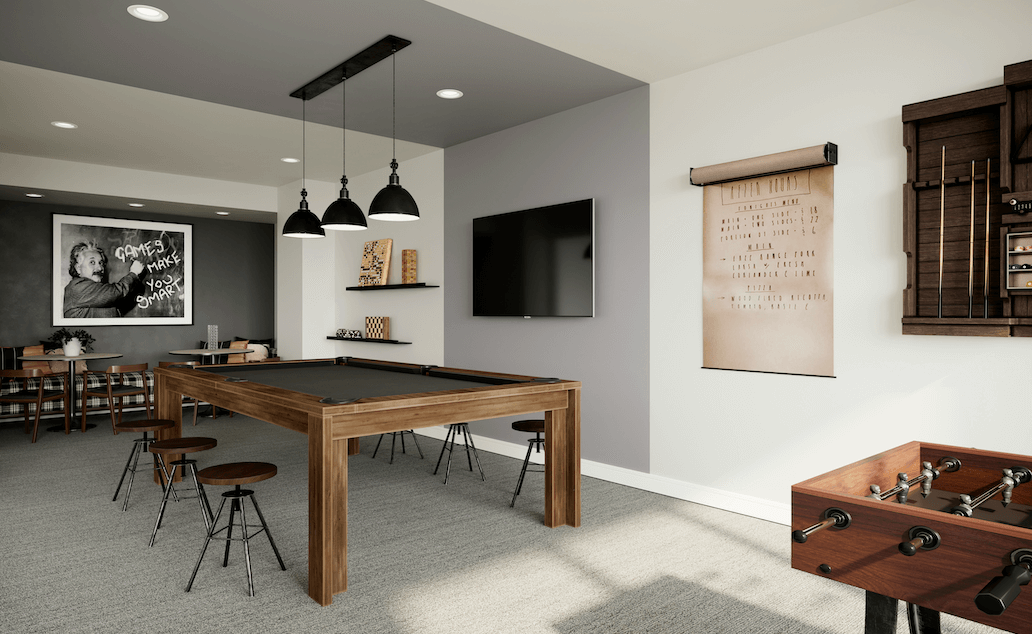
Crawlspace Conversion Guide: Dry, Safe & Code-Compliant Man Cave
Last updated July 18, 2026 · By Chris Murphy

Most homeowners walk past a goldmine every day: the crawlspace. With the right plan, that cramped, dusty space can become a dry, code-compliant man cave. Little thrill: before you rip out drywall or jackhammer concrete, you might find a usable footprint, decent ceiling height, or a corner that already stays dry. Those small wins are what make the project feel doable, and they give you a realistic starting point.
Safety callout: If the work touches anything regulated or dangerous (electrical, plumbing, structural, HVAC, or anything that affects fuel lines or gas appliances), hire a licensed pro. This guide is meant to help you plan, scope the job, and choose specs and contractors. Don’t use it as a DIY manual for work that could cause electrocution, fire, flooding, gas leaks, structural failure, or code violations. Unpermitted or unlicensed work can void your insurance, fail inspections, and create serious safety hazards. Keep that in mind as you read on.
In this planning guide you’ll learn how to assess feasibility, when to call engineers or specialty contractors, which permits and codes matter most, and which systems you simply can’t skip (waterproofing, drainage, insulation, HVAC, electrical). You’ll also get a practical sequencing roadmap, realistic cost ranges, and the common pitfalls that make projects blow up in time and cost. I’ll throw in future-proofing and tech tips too, because your man cave should be smart, resilient, and easy to upgrade.
Think of this as a planner’s toolkit, not a how-to for risky trades. You’ll get a checklist of decisions, specs to ask contractors for, and items to budget. By the end you’ll know whether your crawlspace is a real candidate for conversion and how to hire and manage the trades to get a safe, dry, code-compliant space that’s wired for the future.
Difficulty: Advanced · Time: 2-3 months · Cost: $8,000-$15,000
Put Safety First: When to Hire Pros and Why
What You'll Need
Tools
- Cordless drill with masonry bits and driver set
- Circular saw with carbide-tipped blade for treated lumber
- Utility knife with extra blades for cutting vapor barrier and insulation
- Tape measure (25 feet minimum) and 4-foot level
- Reciprocating saw with wood and metal blades
- Moisture meter (pin-type) to check wood and concrete before sealing
Materials
- Vapor barrier: 6 mil polyethylene, enough to cover floor area plus 12 inches up all walls, with 6-inch overlaps at seams
- Pressure-treated lumber: 2x4 boards for sill plates, length equal to the crawlspace perimeter plus 10 percent for waste
- Rigid foam insulation: R-10 or higher extruded polystyrene, cut to fit snugly between joists (quantity equals number of joist bays)
- Subfloor panels: 3/4-inch tongue-and-groove plywood, total square footage of floor area plus 10 percent for cutting and layout
- Dimpled drainage membrane: 1 roll (typically 50 or 100 square feet) if interior perimeter drain is needed
- Sealant and caulk: 3 tubes of polyurethane construction adhesive and 2 tubes of acrylic latex caulk for gaps and penetrations
- PVC pipe and fittings: 4-inch schedule 40 for sump pump discharge (length depends on distance to exterior grade)
Crawlspace conversions touch several regulated trades. Anything structural, heavy on electrical, tied into sanitary plumbing, involving HVAC, or dealing with radon or mold should be handled or at least signed off by licensed professionals. Treat this section like triage: figure out what needs a specialist and what you can realistically manage as the homeowner or project manager.
Start by listing the trades you’ll likely need: a structural engineer for underpinning or load-bearing changes, a licensed electrician for service upgrades and branch circuits, a plumber for sump pumps or sanitary ties, an HVAC contractor for sizing and routing, and a waterproofing or encapsulation specialist for chronic moisture problems. Each of these pros brings documentation you’ll need for permits, such as engineer stamps, load calculations, Manual J and Manual D HVAC sizing, and manufacturer spec sheets for sump pumps or dehumidifiers. When you interview contractors, ask for license numbers, proof of insurance, local references, and examples of crawlspace-to-livable conversions.
You can save money by owning the prep work: compile the scope, take photos and measurements, pre-pick finishes and tech (hub locations, wiring paths, conduit needs), and handle non-regulated clearing or demo. But anything that affects life-safety, structural integrity, or code compliance should be done by a pro. Clear division of responsibilities up front is the best way I’ve seen to avoid rework and failed inspections.
Safety callout. If the work involves wiring, plumbing, structure, HVAC, or changes to fuel lines, hire a licensed, qualified tradesperson unless you already hold the credentials. This section is here to help you plan and hire, not to teach you how to perform those trades. Unpermitted or unlicensed work can void insurance, fail inspections, and create life-safety hazards.
Who to hire and when

Start with the right expert for the first big question. If you think you’ll touch beams, piers, or lower a slab, bring a structural engineer first. If water is persistent, call a waterproofing/drainage specialist.
Typical hires and ballpark costs:
- Structural engineer. $800-3,000 depending on scope and drawings.
- Waterproofing contractor. $2,000-15,000 depending on interior vs exterior work and drainage needs.
- Licensed electrician. $1,000-6,000 for new circuits, lighting, and code upgrades.
- HVAC technician. $800-4,000 to extend or add conditioned air and ensure proper ventilation.
- Plumber (if adding fixtures or rerouting drains). $500-4,000.
Plan to retain the structural engineer or waterproofing contractor before demolition, and schedule electrical and HVAC rough-in before insulation and finishes.
What to ask and specify
When you interview contractors, get concrete answers and paperwork. Ask for license numbers, proof of insurance, references for similar crawlspace conversions, typical timelines, and warranty terms. Request a written scope that lists:
- Permit responsibility (who pulls permits and pays fees).
- Exact materials and product specs (vapor barrier thickness, sump pump model or category, dehumidifier capacity in pints per day).
- Inspection points and who will attend.
Insist on a clear change-order clause and a process for hidden-condition discoveries. Budget a contingency of 10-25 percent for surprises like hidden rot or unexpected drainage work.
Contracts, sequencing, and inspections
Use a written contract and require lien releases at key payment milestones. Sequence the job so structural fixes and waterproofing come first, then rough-in for electrical, plumbing, and HVAC, followed by insulation, vapor-management, and finishes. Schedule staged inspections for mechanical, electrical, and structural work rather than waiting until the end. That way corrections stay small and costs stay predictable.
Final checks and warranties
Before you hand over final payment, confirm permits are closed and you have final inspection sign-offs. Get warranties in writing for waterproofing, electrical work, and any installed equipment. A good contractor will walk the space with you and point out maintenance items like sump pump exercises and dehumidifier filter swaps. Those small planning steps now will save you time and headaches later.
Is Your Crawlspace Convertible? A Practical Feasibility Check
Before you sketch layouts or shop AV racks, do a realistic feasibility check. The three big constraints are headroom, moisture regime, and access. Headroom decides whether you can make the space habitable without major structural work. Moisture-standing water, a high seasonal water table, or chronic condensation-dictates how much drainage and dehumidification you’ll need. Access matters because it affects how contractors bring in materials, and whether egress can meet code.
Look past simple measurements. Foundation type (pier-and-beam versus continuous slab), presence of footings, whether the space is vented or already encapsulated, and the proximity of mechanical runs all change the scope. Radon, mold, and pest infestations are red flags and need testing and remediation before you install finishes. If the crawlspace has less than about 5 feet of workable height, budget for excavation, concrete removal, or underpinning, which can escalate costs fast.
On the tech side, plan for future needs now. Think dedicated circuits for AV, a small local subpanel, runs for low-voltage and wired Ethernet, integrated humidity and leak sensors, remote sump alarms, and a central control point for climate and lighting. Figuring out these feasibility issues early keeps bids realistic and prevents nasty surprises.
Safety callout. For any regulated or dangerous work, hire a licensed and qualified tradesperson (electrician, plumber, HVAC technician, or structural engineer) unless you are already credentialed. This section is meant to help you plan, scope, and hire. Do not attempt step-by-step work that could cause electrocution, fire, flooding, gas leaks, structural failure, or code violations. Unpermitted or unlicensed work can void insurance, fail inspection, and create life-safety hazards.
Quick feasibility checklist. What to measure first
Grab a tape, a laser, and your phone. Sketch the crawlspace footprint and note:
- Clear headroom at the highest point.
- Lowest clear height under beams.
- Distance from exterior grade to top of foundation.
- Total usable square footage.
Many codes expect roughly 7 feet of finished ceiling height for habitable rooms. If you see less than about 6 feet 8 inches under beams, plan on engineering or excavation.
Photograph every wall, beam, the slab or dirt floor, visible utilities, and any staining or efflorescence. Mark locations of the main sewer, electrical service, and HVAC runs. These details control cost and permit complexity.
Moisture, air quality, and basic thresholds
Track relative humidity with a hygrometer over several days. If it stays over 60 percent you need active moisture control. Watch for standing water, active leaks, mold, or a strong musty smell. Plan to encapsulate with a heavy vapor barrier (12 mil minimum for durability, 20 mil if you want extra toughness) and include a conditioned dehumidifier sized to the room volume or a mechanical ventilation strategy. If you don’t know your radon levels, test; high readings require mitigation.
Structural and access constraints
If gaining headroom means lowering the floor or underpinning footings, consult a structural engineer before you disturb the foundation. Underpinning or excavation often becomes the single biggest budget item, ranging from several thousand dollars to tens of thousands depending on length and depth. Also evaluate practical access: new stairs or an exterior entrance, and meeting egress window rules for a bedroom, are common permit triggers.
Rough cost framing and a decision matrix
Use these ballpark categories to decide your next step. Light conversions that need encapsulation, an HVAC tie-in, electrical, and finishes are on the lower end. Costs jump when you need structural work, new egress, or major utility relocations.
- Likely feasible with modest work. Minimal structural changes, moisture control, HVAC extension, and electrical: lower to mid budget.
- Feasible with major work. Requires underpinning, new egress, or rerouting utilities: mid to high budget and engineering required.
- Not feasible without prohibitive expense. Active foundation movement, persistent groundwater under pressure, or utility conflicts that can’t be reasonably relocated.
Budget a contingency of 10 to 25 percent. Best next step: collect measurements, photos, and your list of constraints, then take those to a waterproofing contractor and a structural engineer for written assessments and stamped plans you can use for permitting and realistic bids.
Permits, Codes, and Inspections: What Officials Will Expect
Permits aren’t just paperwork. They’re the town’s checklist that your new living space meets minimum life-safety and energy standards. Expect building permits for structural changes and finishes, electrical permits for new circuits and panels, plumbing permits for new drains or sump discharge, and mechanical permits for HVAC. Local codes often require energy-code compliance for insulation, ventilation, and egress sizing. Talk to your municipal building department early in the planning phase.
When you prepare permit-ready plans, include the items inspectors will look for: means of egress (egress windows or doors sized to code), smoke and CO detectors on required circuits, proper insulation and vapor control, adequate headroom, and correctly sized and vented mechanical equipment. Structural changes need engineered details. HVAC submissions usually require a Manual J load calculation and duct or split-system plans. For electrical, expect AFCI and GFCI protection where required, clear labeling, and documentation of panel capacity. Unpermitted modifications can cause insurance headaches and delay resale.
A simple way to cut surprises is to hire a contractor who routinely pulls permits in your jurisdiction. Ask how they handle plan submittals, who draws the plans, which inspections are typical, and whether any work will need an engineer’s stamp. If you plan to future-proof with conduit, extra circuits, or automation, put those specs in the permit drawings so inspectors see your intent and you avoid opening finished work later.
Safety callout
This section explains what to know before you hire. For any regulated or dangerous work (electrical, plumbing, structural, HVAC, or anything involving gas, fuel lines, or sewer connections), hire a licensed, qualified tradesperson or engineer unless you already hold the trade credentials. Do not use this as a how-to. Unpermitted or unlicensed work can void insurance, fail inspection, and create life-safety hazards. Frame the project around planning, specifications, and hiring the right pros.
Common permits you will likely need
Most crawlspace-to-man cave conversions require several permits. Typical ones include a building permit for the conversion and any structural changes, separate electrical, plumbing, and mechanical permits for new circuits, fixtures, or HVAC, and sometimes a separate waterproofing or grading permit if you alter exterior drainage. Adding an egress window or changing exits usually triggers plan review. Radon mitigation systems and sump discharge connections can also require permits in some jurisdictions.
Permit fees vary. A small project might cost a few hundred dollars in fees, while larger conversions with structural work and multiple trades often run $1,000 to $5,000 in combined permit fees. Trade permits are often charged separately.
Typical code requirements to plan for
Plan around these common code-driven items. Many jurisdictions require about 7 feet of finished ceiling height for habitable rooms. Emergency escape and rescue openings for basements often need a minimum net clear opening (commonly about 5.7 square feet, with minimum height and width limits, and a maximum sill height). Electrical work will usually require updated load calculations, dedicated circuits, and AFCI/GFCI protection where applicable. Insulation and air-sealing must meet current energy codes and may require specific R-values for walls and ceilings. Smoke and carbon monoxide detection is commonly required and often must be hardwired and interconnected. Any underpinning or foundation modification usually needs stamped plans from a structural engineer.
Permit process tips and documentation
Before you submit, assemble a concise packet: floor plan and scope, structural drawings or engineer stamp if applicable, HVAC sizing (Manual J) or spec sheet, electrical load calc, and a site plan showing grades and egress. Ask the local building department for their checklist or a pre-submittal meeting. Decide who will pull permits upfront (contractor versus owner). Sequence permits so structural and waterproofing approvals come before demolition. Keep approved plans on site and schedule staged inspections (foundation/structural, rough mechanical/electrical, insulation, final). Retain final inspection sign-offs and warranties. Those documents protect you with lenders, insurers, and future buyers.
Build the Systems That Matter: Waterproofing, Drainage, Insulation, HVAC, and Electrical
Step-by-Step
Step 1: Assess the crawlspace conditions and moisture levels
Measure the crawlspace height from floor to joist; you need at least seven feet for a habitable room. Use a moisture meter to check wood moisture content, and inspect for standing water, mold, or rot. Look at the foundation walls for cracks. A structural engineer should evaluate any major issues. This assessment determines your plan scope.
Step 2: Obtain the required building permits and approvals
Contact your local building department to learn the permit requirements for a crawlspace conversion. You typically need permits for change of occupancy, electrical work, and sometimes egress. Submit a site plan and describe the intended use. Do not skip this step. Failure to permit can stop a sale or force costly rework.
Step 3: Engage licensed contractors for critical work
Hire a waterproofing contractor to fix moisture intrusion. An electrician must run new circuits and meet code for outlets and lighting. A licensed insulator should install vapor barriers and insulation to local climate standards. For any structural changes, involve a structural engineer. Verify each contractor’s license and insurance before signing.
Step 4: Remediate all moisture sources and waterproof the crawlspace
Address gutters, downspouts, and grading to direct water away from the foundation. Install a sump pump if standing water is present. Seal foundation cracks with hydraulic cement. Lay a 6-mil or thicker vapor barrier over the entire floor, overlapping seams and taping them. Encapsulation keeps the space dry for years.
Step 5: Install insulation and vapor barrier to code specifications
Place the vapor barrier against the warm side of the wall in your climate zone. Use rigid foam or closed-cell spray foam on concrete walls to avoid moisture trapping. Insulate under the floor above with fiberglass batts if the crawlspace is conditioned. Verify R-values meet local energy code. Air-seal all penetrations.
Step 6: Run electrical wiring and HVAC branch as planned
Map out outlet locations per code: every six feet along walls and near the door. Install a dedicated circuit or subpanel for the man cave. Run low-voltage wiring for any media or data connections. For HVAC, extend a duct from the existing system or install a mini-split heat pump. Ensure all work is permitted and inspected.
Step 7: Finish walls and flooring with moisture-resistant materials
Use mold-resistant drywall with a green face on walls and ceiling. Consider cement board in areas prone to humidity. For flooring, choose tile, luxury vinyl plank, or sealed concrete. Avoid carpet unless you have perfect moisture control. Prime and paint with a mold-inhibiting paint. These choices prevent future problems.
Step 8: Install an egress window or door if required by code
Check your local building code: a habitable space usually needs an egress window or door with a clear opening of at least 5.7 square feet. Cut an opening in the foundation wall, install a window well with a ladder, and frame the rough opening. This step ensures legal occupancy and provides a safe exit in an emergency.
This is where the project stops being an idea and becomes systems you’ll live with. Start with moisture control. Good solutions range from exterior grading and gutters to interior French drains, sump pumps, and full encapsulation. Vapor barriers and sealed rim-joist insulation are crucial once you enclose and heat the space. Any tie-ins to the home’s plumbing or electrical systems should be done by licensed trades to meet code and pass inspection.
HVAC choices affect comfort and long-term energy bills. Often a ductless mini-split paired with a conditioned dehumidifier or an ERV/HRV for controlled fresh air gives the best balance with minimal invasive ductwork. Electrical planning should include a realistic load analysis. Add dedicated circuits for AV, consider a small local subpanel, plan lighting circuits with AFCI and GFCI where required, and protect critical network gear with a UPS. Run conduit and extra low-voltage paths while the walls are open to save money later.
Think monitoring and resilience from day one. Install smart humidity sensors, Wi-Fi sump alarms, condensate overflow notifications, and remote-capable HVAC controls. These are relatively cheap investments that protect finishes and gear. For long-term reliability, specify quality pumps, sealed-access panels for mechanicals, and manufacturer-backed dehumidifiers sized for the latent load. Prioritize systems that keep the space dry, conditioned, and easy to service.
Safety callout. For any regulated or dangerous work, hire a licensed and qualified tradesperson (electrician, plumber, HVAC technician, or structural engineer as appropriate). This section explains what to know before you hire, how to spec the work, and what to budget for. Do not treat this as a how-to. Unpermitted or unlicensed work can void insurance, fail inspection, and create life-safety hazards.
Waterproofing and drainage
Water control is non-negotiable. Decide early whether you need exterior excavation and membrane (more permanent, higher cost) or interior solutions like a perimeter French drain tied to a sump. For interior systems, ask for a continuous perimeter drain with 4-inch perforated pipe and a sump basin sized to local conditions (1,000-2,000 gallons per hour pump capacity is common). Specify a primary sump pump with at least 1/3 to 1/2 horsepower, and plan for a battery backup or a second pump for redundancy. Make contractors document discharge routing. In most places sump discharge must not flow into the sanitary sewer. For exterior work, aim for positive grading away from the foundation, roughly a 5 percent slope over the first 10 feet. Waterproofing bids will vary widely based on access and soil; get both interior and exterior approaches priced and compare warranties.
Insulation and vapor management
Encapsulation is the preferred route for livable crawlspaces. Specify a vapor barrier of at least 12 mil; 20 mil is more durable for finished spaces. If you’ll finish walls, plan to insulate foundation walls rather than the underside of floor joists. Rigid foam on foundation walls in the R-10 to R-15 range or closed-cell spray foam are common options. For rim joists, request spray foam or rigid board to control thermal bridging and air leaks; two inches of closed-cell foam is a useful rule of thumb in many climates. Ask for manufacturer R-values and include details for transitions and penetrations in the scope.
HVAC and ventilation
Treat the converted crawlspace as conditioned space if possible. Ask an HVAC pro for a Manual J load calculation. Options include extending ducted supply from the main system, adding a dedicated ducted mini-split, or installing a wall-mounted mini-split when access is tight. For crawlspace dehumidification, size units by cubic feet and moisture load; many converted spaces need 40-70 pints per day. Request condensate routing and overflow protection details. Specify insulated ducts (R-6 minimum where required) and sealed joints. Plan for balanced mechanical ventilation if code or comfort requires continuous fresh air.
Electrical and lighting
Hire a licensed electrician to size service, add a local subpanel if needed, and install required protection. Typical asks include dedicated 20A circuits for outlets, GFCI protection for all below-grade receptacles, AFCI protection where required, and hardwired interconnected smoke and CO detectors. Consider a small subpanel (60-100 amps) local to the man cave to avoid long runs; expect $700-2,000 installed depending on complexity. Future-proof by running conduit or empty raceways for Ethernet, audio, and motorized shades. Insist on written load calculations, breaker schedules, and as-built diagrams for permits.
Final tip. Put waterproofing and drainage first, get HVAC and electrical rough-in before insulation and finishes, and require warranties and final inspection sign-offs.
Plan, Budget, and Avoid the Usual Traps
Good sequencing prevents expensive callbacks. A common, efficient order is assessment and permits; structural fixes and foundation/drainage work; waterproofing and mechanical rough-ins; insulation and subfloor framing; electrical and low-voltage rough-ins; finishes, trim, and tech installation; then final inspections. Locking this sequence with your contractor and the permitting office reduces overlaps that cause rework and missed inspections.
Expect wide cost variability depending on moisture conditions, structural needs, and local labor rates. Rough ranges: basic moisture mitigation and encapsulation $3,000 to $15,000; interior drain and sump systems $2,000 to $8,000; excavation or underpinning $5,000 to $30,000+; HVAC mini-splits $2,000 to $7,000 per head installed; electrical upgrades $1,000 to $6,000; finish carpentry, flooring, and AV wiring for a small man cave $10,000 to $40,000 depending on quality and tech. Always add a contingency of 15 to 25 percent for unknowns.
Common pitfalls include ignoring persistent moisture, under-specifying dehumidification, insufficient egress or headroom, inadequate electrical capacity for AV and HVAC, and doing unpermitted work that creates insurance or resale headaches. Another frequent mistake is finishing before installing proper monitoring and access for sump pumps or mechanicals, which leads to destructive retrofits. Plan inspections into your timeline and budget, choose contractors who understand crawlspace-specific issues, and set clear responsibilities so the project finishes on time and passes code.
Safety callout. Hire a licensed, qualified tradesperson (electrician, plumber, HVAC technician, or structural engineer as appropriate) for any regulated or dangerous work unless you already hold the credential. This section is about what to know before you hire, how to plan, and how to specify work. Do not use this as a how-to. Unpermitted or unlicensed work can void insurance, fail inspection, and create life-safety hazards.
Sequencing roadmap (practical milestone view)
Think in phases, not days. Typical milestone flow and realistic durations:
- Prelim assessment, photos, and bids. 1-3 weeks. Get at least one engineer and one waterproofing estimate early.
- Design and stamped plans if needed. 2-6 weeks. Structural fixes or new egress usually need stamped drawings.
- Permit submission and review. 2-8 weeks depending on jurisdiction.
- Demo and site prep. 3-10 days. Includes access work and temporary protections.
- Structural and drainage work. 1-4 weeks. Exterior excavation takes longer than interior French drains.
- Mechanical and electrical rough-in. 3-14 days. Schedule electrician and HVAC together to avoid rework.
- Insulation, vapor barrier, and air sealing. 2-7 days.
- Finishes and tech install. 1-6 weeks. Low-voltage and conduit before drywall.
- Inspections and closeout. 1-3 weeks. Holdbacks until final sign-offs.
Build 2-4 weeks of float into the schedule for permit delays and hidden conditions.
Cost ranges and budget structure
Use three tiers as a planning shorthand:
- Light conversion. $12,000-35,000. Encapsulation, dehumidifier, basic HVAC tie-in, minimal electrical, cosmetic finishes.
- Moderate conversion. $35,000-75,000. Perimeter drain and sump, modest structural fixes, dedicated mini-split, higher-end finishes.
- Major conversion. $75,000-200,000+. Underpinning or excavation for headroom, new exterior egress, major utility relocations.
Line-item ranges (typical): waterproofing/drainage $2,000-25,000. Sump pump plus backup $800-3,500. Structural/underpinning/excavation $10,000-100,000+. HVAC $800-6,000. Electrical/subpanel $1,000-10,000. Insulation/encapsulation $1,500-8,000. Finishes $5,000-30,000. Permits, plans, inspections $1,000-6,000. Contingency 10-25 percent.
Ask for itemized bids so you can compare apples to apples and hold 5-10 percent retainage until final inspection and warranties are provided.
Common pitfalls and how to avoid them
Common Mistakes to Avoid
Ignoring moisture control: Moisture will quickly ruin insulation and finish materials, and a simple vapor barrier with drainage prevents that damage.
Skipping building permits: Unpermitted work can halt a home sale and incur fines, so pull all required permits before starting work.
Blocking required ventilation: Sealing foundation vents without mechanical ventilation traps humid air; install an ERV or a dehumidifier designed for crawlspaces.
Using standard wall framing: Regular lumber rots against concrete; use pressure-treated plates and a sill gasket to prevent decay.
Overlooking radon testing: Radon gas can accumulate in below-grade rooms and increase lung cancer risk; test the air and install a mitigation system if levels exceed the threshold.
Skipping an engineer. Result: under-designed supports and expensive rework. Mitigation: get an early written assessment.
Underestimating water pressure. Result: interior systems overwhelmed. Mitigation: price both interior drainage and exterior grading options.
Poor sequencing of trades. Result: drywall cut open for missed conduits. Mitigation: insist on staged inspections and pre-drywall walkthroughs.
No redundancy for sump/dehumidifier. Result: finished space ruined after a pump failure. Mitigation: battery backup or secondary pump and smart alarms.
Ignoring egress and code specifics. Result: failed final inspection or unusable room. Mitigation: verify window and door sizes with the building department before bidding.
Vague scopes and change orders. Result: sticker shock. Mitigation: require line-item scope, fixed pricing for concealed conditions where possible, and a clear change-order process.
Final tip. I always recommend a fixed contingency and written warranties. The right planning prevents most costly surprises.
Safety callout. For any regulated or dangerous work (electrical, plumbing, structural, HVAC, or anything that alters gas or fuel lines), hire a licensed, qualified tradesperson unless you already hold the credential. This conclusion is framed as what to know before you hire, how to plan the project, and how to choose specs and pros. Do not follow this post as a step-by-step how-to. Unpermitted or unlicensed work can void insurance, fail inspection, and create life-safety hazards.
The bottom line. A successful crawlspace-to-man cave hinges on three early checks: headroom, moisture regime, and access. If those look workable, prioritize waterproofing and drainage (exterior grading or an interior perimeter French drain and sump), then structural engineering where underpinning or slab lowering is needed, and then HVAC and electrical rough-ins (Manual J load, mini-split or duct extension, subpanel and dedicated AV circuits). Budget realistically with a 10 to 25 percent contingency and plan your sequence so inspections happen at the structural, rough-in, and insulation stages.
Keep safety and compliance front and center. Hire a structural engineer before demolition if you need underpinning, a licensed electrician for service upgrades and AFCI/GFCI work, a plumber for sump and sanitary ties, and an HVAC pro for Manual J sizing and dehumidification strategy. Require permits, stamped plans where applicable, written warranties, and final inspection sign-offs. Don’t finish the space before installing access panels for pumps and sensors, and insist on documented testing for radon and persistent mold if detected.
A clear next step you can take today. Measure and photograph the crawlspace, record clear headroom and the lowest beam height, log multi-day relative humidity readings with a hygrometer, and note visible stains or efflorescence. Put that packet together and request two written assessments: one from a waterproofing contractor with sump specs (primary pump 1/3 to 1/2 hp, battery backup, documented discharge routing) and one from a structural engineer if headroom or footings are in question. Ask bidders to include specific line items: 12-20 mil vapor barrier, R-values or closed-cell foam thickness for foundation insulation, dehumidifier capacity in pints per day (40-70 pints for many conversions), conduit and Ethernet runs, and a local subpanel (60-100 amps) if needed.
Future-proof the build and then act. Specify dedicated circuits for AV and a UPS for network gear, run empty conduit for low-voltage upgrades, require sealed-access panels for mechanicals, and add smart humidity, leak, and remote sump alarms to protect finishes and gear. Get itemized bids, hold a 5-10 percent retainage until final sign-offs, and schedule staged inspections into the timeline. Ready to move from planning to hiring? Start by assembling your packet, booking a waterproofing quote and an engineer review, then pull permits and hire licensed pros to build the dry, smart, code-compliant man cave you want.