September 10, 2026

What it costs, how high to hang it, the lighting numbers that matter, and how to display the good stuff without ruining it.
By Zach Lane, Staff Writer Last updated How we choose Affiliate disclosure


Decor is the layer people notice last and remember most. The furniture decides whether the room is comfortable and the theme decides what it is about, but the lighting, the wall, and the one object with a story behind it are what a visitor describes afterwards. It is also the cheapest layer to get right, which is why it is worth being precise about.
Almost every guide in this category is a photo gallery. Photographs are useful for deciding what you like and useless for deciding how to execute it, because the difference between a wall that looks designed and a wall that looks stuck together is arithmetic: how high, how wide, how bright, and on what fixing. This page is that arithmetic. If the room is still bare, start with furniture and then pick a theme, because both of those decide what the decor has to agree with. Some of the product links below are affiliate links, which we explain on our disclaimer page.
Decor goes in after the furniture, and inside the decor budget there is an order that saves money. Buying in the wrong sequence is how people end up with a rug that fights the sofa and four signs bought to fill a wall that never needed filling.
Nobody in this category publishes numbers, which is odd, because price is the first thing anyone wants to know and the reason most people give up. These are realistic US bands for new goods from mainstream retailers as of August 2026.
| Item | Entry | Mid | Premium |
|---|---|---|---|
| Canvas or framed print, 24 x 36 in | $25–$70 | $70–$180 | $180–$400+ |
| Metal wall art or wall sculpture | $40–$90 | $90–$200 | $200–$400+ |
| Framing an 18 x 24 in piece | $60–$120 off the shelf | $175–$200 custom | $250–$400+ |
| Reproduction tin sign | $10–$25 | $25–$45 | $45–$80 |
| Original porcelain advertising sign | $150–$300 | $300–$1,000 | $1,000 to six figures |
| LED neon sign, off the shelf | $25–$60 | $60–$150 | $150–$350 |
| Custom LED neon sign | $100–$250 | $250–$600 | $600–$2,000+ |
| Real glass neon, made to order | $300–$900 | $900–$2,500 | $2,500–$10,000+ |
| Marquee letter light | $20–$40 | $40–$90 | $90–$250 |
| Jersey shadow box or display case | $60–$100 | $100–$150 | $150–$450 |
| Professional jersey framing | $175–$300 | $300–$600 | $800–$1,200+ |
| Lit glass display cabinet | $80–$150 | $150–$300 | $300–$900+ |
| Bar mirror | $60–$110 | $110–$200 | $200–$500+ |
| Area rug, 8 x 10 ft | $70–$150 | $150–$400 | $400–$900+ |
| LED strip kit | $15–$30 | $30–$80 | $80–$180 |
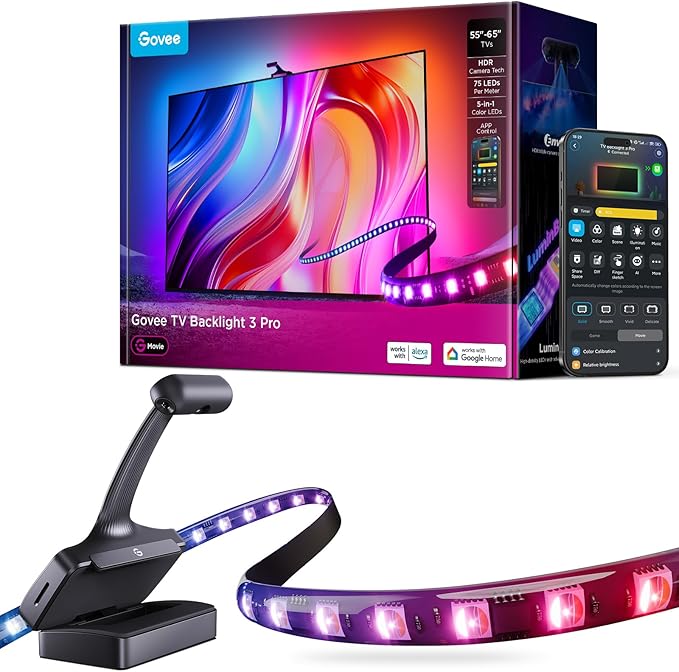
| TV bias lighting kit | $15–$30 | $30–$90 | $90–$180 |
| Smart bulb starter kit with a bridge | $60–$90 | $90–$150 | $150–$300 |
| Wall clock | $20–$60 | $60–$130 | $130–$300 |
| Acoustic panel, each | $8–$20 | $20–$45 | $45–$110 |
| Dartboard and cabinet | $50–$105 | $105–$180 | $180–$420 |
| Beer pong table | $60–$100 | $100–$150 | $150–$300 |
| Mini fridge or beverage cooler | $80–$180 | $180–$250 | $250–$900+ |
| Popcorn machine | $30–$60 | $60–$150 | $150–$400 |
| Arcade cabinet, home scale | $330–$450 | $450–$600 | $600–$1,350 |
| Pool table light | $35–$120 | $120–$380 | $380–$1,200+ |
Two patterns are worth reading out of that table. The first is that framing and lighting are the multipliers: a $40 print in a $180 frame under a $65 picture light reads as something someone chose, while three $40 prints on bare hooks read as three $40 prints. The second is that the collector categories have no ceiling. A reproduction tin sign tops out around $80, and an original porcelain sign of the same subject has sold at Morphy Auctions for six figures, which is the whole argument for buying one real object instead of a wall of copies.

Deco 79 Metal American Flag Home Wall Decor Indoor Outdoor Wall Sculpture, Wall Art 38" x 2" x 26", Red
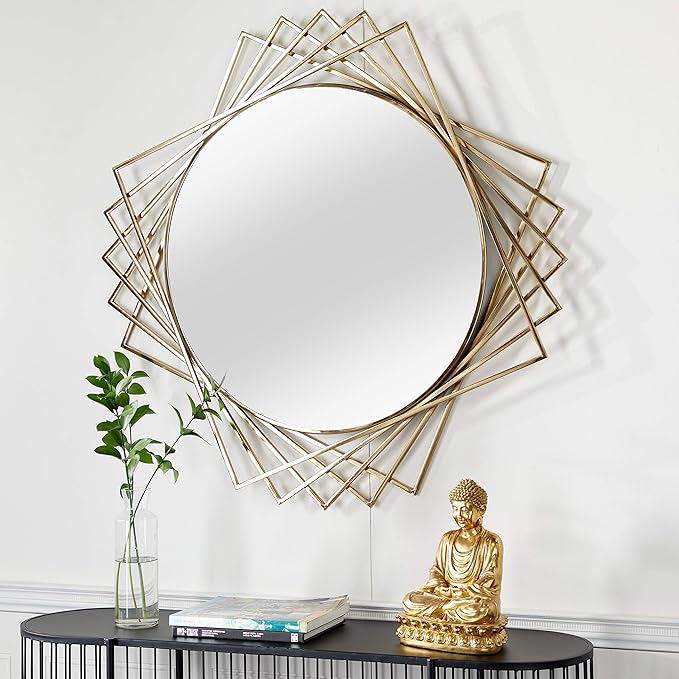
Deco 79 Metal Geometric Wall Mirror, 42" x 2" x 42", Black

Lvifur 6-Tier Tall Glass Display Cabinet with RGB Lights for Collectibles | 71" Lockable Curio Cabinet,Glass Door,Display Shelves,App Control,Motion Sensor,Display Case for Living Room,Black

Vinyl Record Frame Natural Walnut Wood 24 x 16 Inches with Mat, for 12.5" x 12.5" LP Record and Album Jacket Display, Double Groove, Shatter-Resistant Tempered Glass Cover and Wall Hanging Hardware
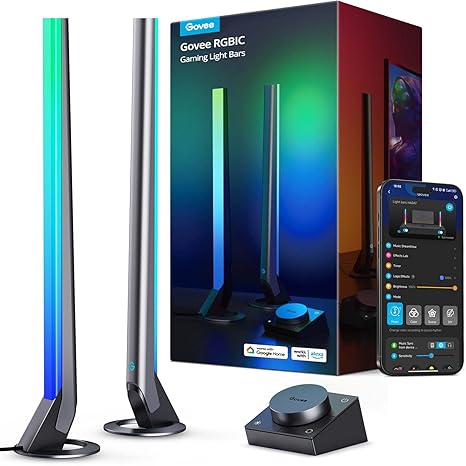
Govee RGBIC Gaming Light Bars H6047 with Smart Controller, Wi-Fi Smart LED Gaming Lights with Music Modes and 60+ Scene Modes Built, Works with Alexa & Google Assistant, Game Room Lights Decor

GRANBOARD Dash Blue - Electronic Dartboard
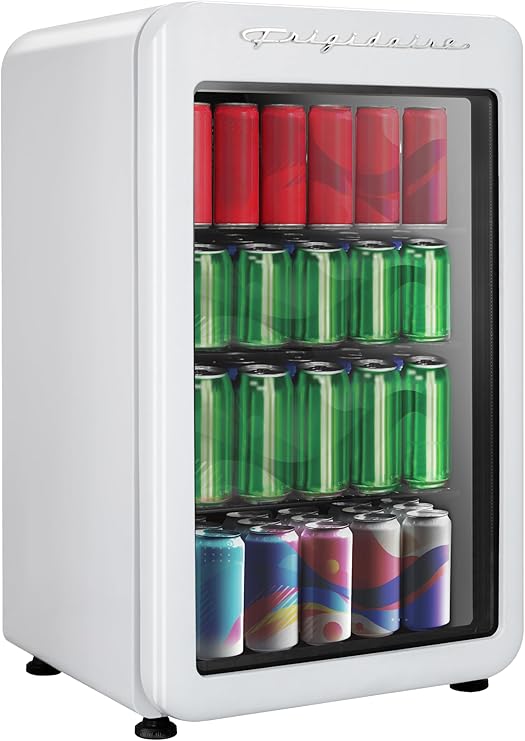
Frigidaire Retro Compact Refrigerator with Glass Door, 3.2 cu ft Countertop Fridge, Rounded Corners, Premium, for Office, Bedroom, Dorm Room, Cabin
This is the part of decorating that looks like taste and is actually measurement. Hang the same piece four inches too high and the wall reads as amateur without anyone being able to say why. The figures below are the ones the trade and the institutions that hang art for a living actually use.
Sizes are worth knowing before you shop, because a frame is much cheaper when it is a size somebody mass produces. The US standard print sizes are 5 x 7, 8 x 10, 11 x 14, 16 x 20, 18 x 24, and 24 x 36 inches, and a movie poster is a 27 x 40 inch one sheet. Anything outside those goes to a custom framer, where a single 18 x 24 piece runs $175 to $200 and a 32 x 40 runs $300 to $365.
| What you are hanging | Where it goes | The bit people miss |
|---|---|---|
| One piece of art on an empty wall | Centre of the piece about 57 in off the floor | That is standing eye level, so drop it a little on a wall only ever seen from a seat |
| Art over a sofa, bench, or bar back | 7–10 in above the furniture, spanning two thirds to three quarters of its width | Size it to the furniture, not to the wall, or it reads as a poster nobody measured |
| A gallery wall | 2–3 in between frames, the whole block centred at about 57 in | The group is one rectangle: its centre goes at eye level, not any single frame |
| A wall-mounted TV | Centre of the screen about 42 in off the floor for seated viewing | Over a fireplace or a bar back it forces a neck angle you feel by the third quarter |
| A dartboard | Bullseye 5 ft 8 in off the floor | Identical for steel tip and soft tip; only the throw distance changes |
| A pool table light | At least 40 in above the bed of the table for a movable fixture | Retail hanging guides say 32–36 in, which is under the tournament minimum |
| A sign meant to read across the room | 1 in of letter height per 10 ft of viewing distance | A 20 ft room needs 2 in letters, which is why a 12 in sign vanishes on a big wall |
| A neon or LED sign | Wherever the cable reaches, on a fixing rated for the weight | Most run off a low-voltage adaptor, so the socket decides the position before the wall does |
| Anything projecting over a walkway | Bottom edge above 80 in, the height of a standard door | Shelves and antlers at head height get walked into once, then resented forever |
Two of those rows carry most of the weight. Over a sofa, the art belongs to the furniture, not the wall, so sizing it to a big empty wall is what produces the undersized-poster look that no amount of framing fixes. And on a gallery wall, the group is one object: lay it out on the floor first, keep 2 to 3 inches between frames, and put the centre of the whole block at about 57 inches. Our gallery wall glossary entry covers the layout patterns, and if the wall is going to be the whole feature, the bottle cap mosaic and projection mapping roundups cover the two most interesting ways to fill it.
One composition rule is worth keeping and one is worth ignoring. The keeper is emphasis, which is taught in design schools as one of the formal principles: one strong focal point per room, and competing focal points cancel each other out. The one to drop is 60-30-10, the colour split that every decorating article quotes and none of them can source. A working designer quoted in Apartment Therapy describes it as "one of the oldest rules in interior design, just like an old wives' tale", which is about right. Same for dark paint in a small room: Sherwin-Williams' own colour education calls the idea that dark walls shrink a space a myth popularised by renovation television, and points out that dark colours recede, which can read as more space rather than less.
This is the most frequently asked and least frequently answered question in the category, and it turns up on every home improvement forum in the same shape: somebody has a mirror, a dartboard cabinet, or a lit case, and the anchor in the box is the wrong one. Fixings are rated, the ratings are published, and they are nowhere near each other: the same sheet of drywall carries about 20 pounds on one anchor and about 60 on another.

Our French cleat pick
OOK French Cleat, Picture and Mirror Hanger with Hardware, 100lb, Aluminum, 533208Affiliate link
| Fixing | Published rating | Realistic working load | The catch |
|---|---|---|---|
| Plain ribbed plastic anchor | No figure published | Light duty only | The 5–25 lb range you see quoted is trade consensus, not a manufacturer spec |
| Plastic toggle anchor, Toggler TB type | 143 lb tensile in ½ in board | About 36 lb | A fold-out wing, not the ribbed cone that came free with the mirror |
| Self-drilling zinc anchor, #8 | 50 lb maximum shear in ½ in board | Well under that | Needs undamaged board, so it has nothing to grip in a patched hole |
| Threaded drywall anchor, SnapSkru type | 65–79 lb tensile in ½ in board | About 16–20 lb | The number on the packet is an ultimate test figure, not a working load |
| Toggle anchor, E-Z Ancor Toggle Lock type | 100 lb on a wall, 50 lb on a ceiling | As published, already de-rated | Rated per installation, not per anchor: using two does not double it |
| Metal strap toggle, SnapToggle type | 238–265 lb ultimate tensile in ½ in board | About 60–66 lb | Needs a clear cavity, which a fire block or a duct will not give you |
| Screw into a stud | Stronger than every anchor above it | The one that needs no arithmetic | Studs sit about 16 in apart, so the framing picks the position, not you |
| Concrete screw into masonry, Tapcon type | Rated under ICC-ES ESR-1799 | Per the evaluation report | A drywall anchor in masonry does nothing at all |
| Wedge or sleeve anchor | Heavier duty than a concrete screw | Per the manufacturer | Permanent, and the hole stays behind when it comes down |
| French cleat | Sold by rating, commonly 100 lb | As rated, spread over two fixings | Only ever as strong as whatever the cleat itself is screwed into |
The gap between those two middle columns is the thing to take away, and it is why this goes wrong so often. A metal strap toggle advertised at 238 pounds is quoting an ultimate test load, the point at which the assembly fails, and Toggler's own specification sheet says industry practice is to design to a quarter of that. So the honest number for that anchor is nearer 60 pounds. One manufacturer adds a second warning worth repeating: the rating is per installation rather than per anchor, so putting two in does not give you twice the capacity.
Then weigh the thing. People guess low, and the guesses are not close: a 36 by 48 inch shadow box ships at around 49 pounds before anything goes in it, and a 55 to 65 inch television is roughly 24 to 40 pounds of bare panel plus another 5 to 10 pounds of bracket. Both of those are past the working load of every drywall-only fixing in the table.
Three practical notes on top of that. A stud beats every anchor in the table, so find the framing first and let the wall decide where the heavy things go. Anything wide and heavy wants a French cleat rather than two hooks, because the cleat spreads the load and hangs dead level without a spirit level argument. And on a masonry basement wall, none of the drywall fixings apply at all: a concrete screw or a sleeve anchor is the only correct answer, and the same goes for anything mounted to a brick or block feature wall.
A room full of plug-in decor has an electrical side that nobody writes about. Illuminated signs fall under UL 48, the standard for electric signs, which covers neon, cold cathode, and LED alike and treats them as permanently installed equipment. String and rope lighting is a different standard entirely: UL 588 covers seasonal decorative products, and it defines seasonal as installation and use of no more than 90 days, with the product staying portable rather than permanently connected. A set of lights listed under UL 588 is therefore not certified for the job of being a permanent fixture in your basement, and that distinction is printed on the box rather than advertised in the listing.
Extension cords are the other one. Article 400 of the National Electrical Code sets out what flexible cords may not do, and the list is short and inconvenient: no substitute for permanent building wiring, not run through walls, floors, or structural openings, not attached to building surfaces, and not concealed in a wall or ceiling cavity. Power strips carry the same limit from the other direction, since UL 1363 covers them as indoor, cord-connected products that must not serve as permanent wiring. The Electrical Safety Foundation International puts electrical malfunction behind 13 percent of home structure fires between 2015 and 2019, second only to cooking. A room that has grown four signs, a fridge, and a run of LEDs needs another circuit rather than another power strip. Our guide to load planning and dedicated subpanels covers when that becomes a real job, and low-voltage LED accents covers the smaller version.
One more, because candles are decor too. The US Fire Administration reports an average of 20 home candle fires every day, and its guidance is unglamorous: a stable holder, 12 inches of clearance from anything that will burn, and blown out whenever you leave the room. There is no basement-specific rule, despite what you may read; the general guidance is the guidance.
Signs are the most searched thing in this category and the least documented. Almost every retailer sells them by picture and price, and almost none publish a lifespan, a power draw, or what happens when one breaks.
| Type | What it costs | How long it lasts | Power | If it breaks | What it suits |
|---|---|---|---|---|---|
| LED neon flex, off the shelf | $25–$150 | 50,000 hours or more rated | 12 or 24 V DC, about 80 percent less than glass | Replace the unit | A first sign, or an accent you expect to swap |
| LED neon flex, custom | $100–$2,000 by size | 50,000 hours or more rated | 12 or 24 V DC through a driver | Often a modular section swap | Your own words, a team, a bar name |
| Real glass neon, made to order | $300–$10,000+ by size | 10,000–15,000 hours of tube life | A transformer at 3,000–15,000 V | A glassblower, and sometimes nothing | One centrepiece in a room that has earned it |
| Marquee letter light | $20–$250 | Bulb life | Batteries or a plug | Swap the bulb | Cheap warmth on a shelf or over a bar |
| Reproduction tin sign | $10–$80 | Indefinite indoors | None | Nothing to break | Filling a wall cheaply, and looking like it |
| Original porcelain advertising sign | $150 to five figures | Outlives the room | None | Restoration, carefully | The single object a vintage Americana room is about |

Our marquee sign pick
BAR - Illuminated Marquee Pub Bar Sign - Lighted Word Pre-Lit Battery Operated (23.03-in x 8.66-in)Affiliate link
The size question has a real answer, borrowed from the commercial signage trade: allow 1 inch of letter height for every 10 feet of viewing distance. Across a 20 foot basement that is 2 inch letters, which is why a small desk-scale sign disappears on a big wall and why a sign meant to read from the doorway usually needs to be 40 inches or more across.
If you are buying old rather than new, the tells for a reproduction porcelain sign are consistent: a uniform high gloss where an original is patchy, colours that are slightly too saturated, distressing in places nothing would have worn, and missing or wrong maker's marks. Real edge chipping happens at mounting holes and corners, and it is hard to fake convincingly. Our guide to restoring vintage neon and tin signs covers what is worth saving, and the signs roundup covers the modern options.
The argument for buying one real sign instead of ten copies is easier to make with numbers. A Magnolia Petroleum double-sided porcelain sign from around 1930 was appraised on Antiques Roadshow at $2,000 to $3,000 after its owner had been offered $200 for it, and mint comparables were noted at nearer $9,000. A Milwaukee breweriana sign appraised at $2,500 to $3,500 in 1998 was re-appraised by the same expert at $4,000 to $6,000 in 2012. Higher up, Morphy Auctions has sold a 48-inch Wasatch Gasoline porcelain sign at $324,000, and the category record is a 1929 Musgo Gasoline sign at over $1.5 million. Nothing in a multipack of tin signs will ever do that.
One warning if you go that way, because it costs people real money: restoration destroys value rather than adding it. A professionally repainted and re-enamelled porcelain sign typically brings 40 to 60 percent of what the same sign in honest, unrestored condition would, which turns a collectible into decor. Our vintage sign glossary entry covers the grading scale and why the jump from grade 8 to grade 9 is worth more than the jump from 7 to 8.
Lighting changes a room more per dollar than anything else here, and it is the worst served by the existing guides, which stop at "use warm bulbs" and "add LED strips". Every figure in the table below was published by somebody who had to stand behind it.
| What the light is for | The number that matters | Who publishes it | The usual mistake |
|---|---|---|---|
| General lounge light | 10–20 footcandles, roughly 10–20 lumens per sq ft | IES residential levels | One ceiling fitting trying to do all of it |
| A basement rec room overall | About 30 footcandles | IES residential levels | Lighting a windowless room to living-room levels, then wondering why it feels like a cellar |
| Bar and lounge colour | 2700K | LEDVANCE lighting guidance | 4000K bulbs, which turn a bar into a waiting room |
| Anything on display made of paper, photo, or fabric | 50 lux maximum | Canadian Conservation Institute | A bright strip inside the case, fading exactly what it shows off |
| Colour rendering over art and collections | CRI above 90 | Getty Conservation Institute | Buying on brightness and never checking the CRI figure at all |
| Behind the TV | 6500K at about 10 percent of the screen’s peak white | SMPTE ST 2080-3 | An RGB bias light, which distorts how you read colour on the picture |
| Over a pool table | At least 520 lux on the cloth, fixture at least 40 in above the bed | World Pool-Billiard Association | Hanging to the 32–36 in figure retailers quote, which sits under the minimum |
| Over a dartboard | At least 1,600 lumens per fitting, screened from the player’s eyes | World Darts Federation | One ceiling light behind the thrower, putting their own shadow on the board |
| Garage or workshop | 20–75 footcandles depending on how fine the work is | IES residential levels | Under-lighting the room, then blaming the paint colour |
Three layers do the work: something ambient that sets the level, something over the task that lets you read a card or pour a drink, and something that picks out the anchor object. Put all of it on dimmers, because a room that only has one brightness only has one mood. Our layered lighting guide covers how to combine them, the lighting calculator turns your floor area into a lumen target, and low-voltage LED accents covers the wiring side.
The bias lighting row is the one people get wrong most often, and it is worth spelling out. A strip behind the panel at 6500K gives your eye a neutral white reference, which is why the picture looks higher in contrast and why a dark room stops being tiring. Setting the same strip to purple undoes all of it, because every colour on screen is now being judged against purple. Our bias lighting roundup covers the kits, and modular LED panels covers the accent wall version.
This is the section the rest of the internet skips, and it is the one that costs people the most money. A signed shirt, a ticket stub, or a first pressing sleeve is the object a room is built around, and the default way of displaying it is also the fastest way to destroy it. Light, humidity, and glazing are the three variables, and only one of them costs anything.
Ordinary picture-frame glass carries no UV rating at all, and the sheet in a $40 frame is not doing the job people assume it is. Glazing has to block at least 97 percent before the framing trade will call it conservation grade, and Tru Vue's conservation glass and museum acrylic are both rated to stop up to 99 percent between 300 and 380 nanometres. That upgrade is usually $30 to $80 on a frame you were buying anyway, and it is the difference between a signature that is still there in ten years and a pale grey smudge.
| What you are displaying | Light limit | Relative humidity | Glazing | How it goes wrong |
|---|---|---|---|---|
| Signed photos, tickets, programmes, posters | 50 lux, and 3 footcandles for anything irreplaceable | Below 50 percent | 97 percent UV minimum, 99 percent if you would not replace it | The ink goes first, and red and yellow go before anything else |
| Jerseys and other textiles | 50 lux | 40–60 percent, 59–77°F | 97 percent UV minimum | Dye fades along the fold lines, and adhesive on fabric is permanent |
| Trading cards, graded or raw | 50 lux | 40–55 percent | A UV case, because a graded slab is not UV blocking | Surface colour goes in months in direct sun, slab or no slab |
| Vinyl sleeves on the wall | 50 lux | 30–55 percent, 55–70°F | 97 percent UV over the sleeve art | The sleeve fades and warps long before the record does |
| Autographs | 50 lux | Below 50 percent | 99 percent UV | Dye ink is what fails; a pigment ink holds far longer |
| Painted metal and porcelain signs | No practical limit | Below 60 percent | None needed | Rust starts behind the sign, at the fixing, in a damp basement |
| Helmets, figures, and hard collectibles | No practical limit | Below 60 percent | Glass or acrylic against dust | Dust and surface bloom, both of which a closed case prevents |
| A guitar on a wall hanger | Keep it out of direct sun | 45–55 percent, 70–77°F | None, but an inert pad where the hanger touches | A nitrocellulose finish takes a pressure mark, and pad dye can transfer into it |
Fifty lux is dimmer than most people expect. It is roughly the light of a single dim lamp across the room, and it is nowhere near what a spotlight aimed at a frame delivers. The practical version of that rule in a real room is to put the sensitive things on the wall furthest from the window, light them with something low-output and dimmable rather than a bright spot, and accept that the pieces you want blazing under a light should be the ones that cannot fade: metal signs, helmets, and hard collectibles.
Mounting matters as much as glazing. Archival framing means acid-free mat and backing, and it means nothing adhesive touches the item: a jersey is held with stainless pins into an acid-free substrate, never glued or taped. Professional jersey framing runs $175 to $600, and museum-grade materials push past $1,200. Doing it yourself with a $50 case and UV-rated glazing is a real option, and our guide to building a backlit display frame covers the build.
Guitars on the wall get their own row in that table because the guidance comes from the people who built them and it is unusually specific. Martin asks for 45 to 55 percent relative humidity at 72 to 77°F and says outright that damage from conditions outside that range is not covered under warranty. Taylor gives the same range, Gibson gives 40 to 60 percent, and Fender gives 35 to 50 percent and adds the placement note that matters most here: keep instruments toward the middle of the building rather than against an outside wall, where the temperature swings. String Swing, who make the hangers, warn that a nitrocellulose finish stays soft for its whole life and takes pressure marks at the contact points, and that heat and direct sun make that worse. What none of them says, despite it being repeated everywhere, is that one hanger shape stresses a neck more than another. The neck problem they do document is the opposite: slackening the strings completely for storage removes the tension the neck is built against. A guitar wall mount is fine for an instrument in regular rotation, and a case is still the answer for one that is not.
The editing question matters too. A wall with one lit jersey on it reads as a shrine, and the same wall with nine reads as storage. Our pieces on keeping memorabilia rather than clutter and story-driven display walls cover how to choose, and for the record collection specifically, humidity control for vinyl covers the kit.
A finished basement rings, and the reason is that every surface in it is hard. You can fix that with decor rather than with building work, because the things that absorb sound are the rug, the curtains, and the panels you were going to buy anyway. Which of them earns its place is measurable: the noise reduction coefficient runs from 0, which reflects everything back at you, to 1, which absorbs it.
| Surface | NRC | What it does in the room | The catch |
|---|---|---|---|
| Bare drywall, glass, concrete | Close to 0 | The reason a finished basement rings | No single decorative object fixes it |
| Standard carpet | 0.15–0.30 | Takes the hardness off footsteps and the top end | Less than people expect from the largest surface in the room |
| Heavy carpet over a pad | 0.55 | The most effective decor purchase you can make for echo | The pad does much of it, so a rug straight onto concrete underperforms |
| Curtains, light and hung flat | 0.10 | Close to nothing | Hanging fabric flat wastes most of what it could do |
| Curtains, heavy and gathered to 75 percent | 0.75 | As good as a dedicated panel, on a wall you were dressing anyway | Fullness beats weight, so buy about twice the width of the opening |
| Upholstered seating | 0.55 empty, 0.85 occupied | Part of why a full room always sounds better than an empty one | Leather over a hard frame gives back less than fabric |
| Acoustic foam, 1–4 in | 0.40–0.85 | Cheap, and it looks like a studio | Thin foam does very little at the bottom end |
| Rigid fibreglass panel, 1–2 in | 0.75–1.00 | Outperforms foam at the same thickness | Wants a fabric wrap to read as decor rather than as insulation |
| Printed acoustic art panel | Up to 1.05 on tested products | The print is acoustically transparent, so the artwork costs nothing | Plenty of decorative panels publish no tested figure at all |
| Wood slat panel | 0.55–0.95 | The felt backing does the work, not the slats | A slat panel with nothing behind it is joinery, not acoustics |
| A wall of books | No published figure | Widely believed, thinly evidenced | Panel makers say a random bookshelf does not behave like a diffuser |
Where the panels go is decided by a mirror rather than by taste. Sit where you actually sit, have someone slide a mirror along the side wall, and every point where you can see a speaker in it is a first reflection point. Three to six panels at 2 by 4 feet handles a small room, and putting them anywhere else first is decoration rather than treatment. The good news for a decor budget is that printed acoustic art panels test the same as plain ones, because the print itself is acoustically transparent. Our graphic acoustic panel roundup covers the ones worth buying, and the DIY panel and bass trap guide covers building them for a fraction of the price.
Curtains earn their place twice, and the number that matters is fullness rather than weight. Hung flat, a light curtain absorbs almost nothing at 0.10. The same material gathered to 75 percent reaches 0.75, which is dedicated-panel territory on a wall you were dressing anyway, so buy about twice the width of the opening. If the room doubles as a screening room, blackout curtains do the light control at the same time.
On the floor, a rug over a concrete slab needs a breathable pad and nothing with a solid rubber backing, which traps moisture against the slab and grows exactly what you would expect. Sort the damp before the rug rather than after, since a rug is very good at hiding a floor that wicks. Our guide to damp-proofing a basement covers that work, and the area rug glossary entry covers standard sizes.
Accessories are the half of this category that will not fit wherever you feel like putting them. A dartboard is a wall decision on paper and a floor decision in practice, because the throw line is nearly eight feet away and nobody can walk through it while a game is on. These are the published figures rather than the box dimensions.
| Accessory | The fixed dimension | The space around it | Source |
|---|---|---|---|
| Dartboard, steel tip | Bullseye 5 ft 8 in off the floor | 93.25 in to the oche plus about 24 in of backswing, so roughly 10 ft deep and 5 ft of wall | World Darts Federation |
| Dartboard, soft tip | Bullseye 5 ft 8 in off the floor | 96 in to the throw line, and a cabinet adds 3–4 in to the board | National Dart Association |
| Beer pong table | 96 x 24 x 27.5 in | The table alone is 8 ft, and the room has to be meaningfully longer at both ends | Manufacturer dimensions |
| Pool table, 9 ft | Cue clearance sets the room, not the table | 14 x 18 ft with a 58 in cue, and 13 x 16 ft around a 7 ft table | Brunswick Billiards |
| Shuffleboard table | 9–22 ft long and only about 31 in wide | 2–3 ft at each end, so a 12 ft table wants a 17 ft room and the long side can touch a wall | McClure Tables |
| Poker table, 84 in oval, 8 players | 84 in across, plus about 4 in of racetrack padding | 36 in of chair pullback minimum and 42 in to be comfortable, so about 12 x 16 ft | Our room-fit guide |
| Foosball table | 56 x 30 x 36 in | 42 in on each long side for the rods and arm travel, 24 in at each end | Our room-fit guide |
| Rug under a pool table | Flat weave, never a shag | Table plus 3–4 ft on every side | Retailer guidance |
| Rug under a pub or poker table | Sized to the table, not the room | 24–36 in past every edge, with 24 the bare minimum | Retailer guidance |
The trap is the clearance zone rather than the footprint. A dart lane is a corridor nobody crosses while a game is on, and a cue backstroke is 58 inches off every rail. Neither shows up on a floor plan. Our room size calculator overlays those zones on your actual dimensions and flags where two of them collide. Beyond the standards, the accessories worth knowing about are the programmable LED scoreboards, the arcade machines and game tables, and, for a small room, corner pool tables.
Bar accessories are the cheapest decor in the room that also does a job. A wall-mounted bottle opener with a cap catcher costs under $25 and gets used every session, which is more than most $200 wall pieces can say. The same goes for a decent shaker set, an ice bucket that holds ice for an evening, and a decanter that makes a mid-shelf bottle look intentional.
The two that need planning are the cold ones. A beverage cooler or ice maker needs its own socket and breathing room around the vents, and a keg conversion kit turns a fridge you already own into a tap station for $135 to $200. For the counter itself, our home bar dimensions guide covers straight, peninsula, and L-shaped runs, and the furniture guide covers stool height against counter height.
Doing this cheaply comes down to three moves, and none of them is a smaller version of the expensive build. Get the wall colour dark enough or warm enough for the room you want, put every bulb on a dimmer, and buy one object worth lighting. That combination runs a few hundred dollars and does most of what a magazine photograph is doing.
What to skip is easier to name. Skip the multipack of tin signs, because ten of them cost what one framed piece costs and make the room look like a clearance aisle. Skip anything printed to imitate a real material, since a photograph of brick or wood reads as a photograph from six feet away. Skip the second and third themed object until the first has been up for a month. Our pieces on what ages best and buying for patina both make the case better than a list can.
The genuinely cheap wins, in rough order of effect per dollar: dimmable smart bulbs, a picture light over whatever is already on the wall, a bias lighting strip behind the TV, a wall-mounted bottle opener, a pennant or a framed print you already own, and a rug from the end of a season. Every one of those is under $60, and together they change a room more than a single $400 purchase does.
The measurement figures come from the bodies that publish them: the World Darts Federation for the oche and the board height, the National Dart Association for soft tip, the World Pool-Billiard Association for table lighting, and Brunswick's own room-size chart for pool clearance, cross-checked against our room-fit guides so the hub and the guides never disagree. Lighting levels are the IES residential recommendations that lighting manufacturers publish, the bias lighting figure is SMPTE ST 2080-3, which replaced RP 166 in 2017, and the colour rendering figure is the Getty Conservation Institute's guidance for museum lighting. Conservation limits come from the Canadian Conservation Institute, the Library of Congress, the American Institute for Conservation, and the US National Archives. Fixing loads are manufacturer ratings, quoted beside a working load at the quarter of ultimate that Toggler's own spec sheet calls industry practice, and the masonry figures reference ICC-ES evaluation reports rather than a number off a packet. Absorption figures are published NRC data from acoustic suppliers, with the reverberation target taken from EBU Tech 3276. The electrical safety section cites UL 48 for signs, UL 588 for seasonal lighting, UL 1363 for power strips, and Article 400 of the National Electrical Code for flexible cords, plus US Fire Administration figures for candles. Where a figure is trade convention rather than a published standard, we say so in the note under the table rather than dressing it up, and where a popular rule turns out to have no source behind it at all, we say that too. We checked retail prices against US listings in August 2026 and quote them as ranges, because sale cycles move them. More on our approach is on the how we choose page, and we earn affiliate commission on some links, which never decides a pick. Details on the disclaimer page.
The vocabulary that shows up in product listings and framing quotes, and what it actually means.
A curated arrangement of framed art, photos, and memorabilia hung together on one wall, planned around consistent spacing and a shared eye-level centerline rather than added piece by piece.
Also known as: Picture Wall, Photo Wall
One wall finished differently from the other three, in paint, wood slats, veneer stone or LED panels, to give a room a single deliberate focal point.
Also known as: Feature Wall
Framed theatrical one-sheet, the 27x40 US standard, hung as wall art. Originals date to 1909; reproductions run $10-$30 while professional framing costs $150-$600.
Also known as: One Sheet, Film Poster, Theatrical Poster
A large fabric wall hanging, from printed polyester at the cheap end to woven jacquard at the top, used to cover wall area and add texture where framed art would cost far more.
Also known as: Wall Hanging, Fabric Wall Art
Triangular felt banner, wider at the mount and tapering to a point, printed with a team or place name and hung flat on a wall. The collegiate tradition dates to the 1890s.
A flag mounted on a wall bracket, hung tapestry-style from clip rings, or preserved folded inside a glass-front case, from 3x5 ft sports flags to military and memorial flags.
Hand-bent glass tube sign that glows under high voltage, from $300 custom pieces to franchise-era icons; LED neon flex is the modern, cheaper substitute.
Also known as: Glass Neon Sign, Neon Tube Sign, Luminous Tube Sign
Wall sign that spells out a word or shape with LED lights, usually LED neon flex on an acrylic backer. Custom pieces run $100 to $800 and last far longer than glass neon.
Also known as: LED Neon Sign, Neon Flex Sign
Original advertising signage from the porcelain enamel and tin lithograph era, priced by collectors on graphics, brand and condition, where restoration cuts resale by roughly half.
Also known as: Porcelain Sign, Tin Sign, Porcelain Enamel Sign, Antique Advertising Sign
Hollow box letter outlined by bulbs across its face, modeled on old theater marquee signs. Home sizes run 12 to 36 inches tall; LEDs make them cheap to leave on.
Also known as: Marquee Light, Marquee Letter Sign, Light-Up Letters
Deep wall frame with 1.5 to 3 in of interior space that holds a folded sports jersey behind UV-protective glazing. Common sizes run 30x36 to 32x40 in; ready-made cases cost $60 to $150.
A glass or acrylic enclosure that holds and protects a collection, from vintage beer cans to game-worn jerseys, keeping dust, fingerprints, and light damage away from what's inside.
Also known as: Display Cabinet, Curio Cabinet
Autographed, game-used, and collectible sports items: signed balls, jerseys, cards, helmets, and photos, whose value rests on player, scarcity, condition, authentication, and provenance.
Also known as: Sports Collectibles
A display-only reproduction of an iconic helmet, usually football or military, scaled to full size or mini. Not built for wearing, but built to look right on a shelf or in a case.
Also known as: Replica Football Helmet, Display Helmet, Full Size Replica
Open or floating wall shelving for trophies, helmets and signed pieces, where the wall fixing rather than the shelf sets the real load limit and extra depth derates the bracket.
Also known as: Trophy Display Shelf, Memorabilia Shelf
A wall shelf with no visible bracket underneath, held level by a hidden cleat or rod anchored into wall studs so the board appears to float against the wall.
A padded rotating bracket that suspends a guitar by its headstock from a wall stud or anchored drywall, turning the instrument into displayed wall art that stays in tune and ready to play.
Also known as: Guitar Hanger, Guitar Wall Hanger, Guitar Display Mount
Album sleeves, and sometimes the discs, hung as artwork in quick-release frames sized for a 12-inch LP. UV glazing and a shaded wall are what stop covers fading.
Also known as: Album Cover Wall Art, Record Frame Display, Album Art Display
A dim, neutral 6500K light behind a screen that raises perceived contrast and softens the jump between a bright picture and a dark room. Around 10 percent of peak white.
Also known as: Backlighting, TV Backlight, Screen Bias Light
The directional third lighting layer, aimed at one object or surface at roughly three to five times the surrounding light so it reads as the focal point.
Also known as: Highlight Lighting
A measure of a light source's color appearance, from warm amber at 2700K to cool blue-white at 6500K. The Kelvin number on every bulb box decides whether a room reads as pub, workshop, or hospital.
Also known as: CCT (Correlated Color Temperature), Kelvin
Flexible tape of LEDs on adhesive backing; RGBW adds a dedicated white diode for true white. Runs $5 to $15 per meter; 5050 strips at 60 LEDs/m draw about 14 to 18 W/m.
Also known as: LED Strip Light, LED Tape Light
A decorative bulb with a visible loop or spiral filament and a warm amber glow, styled after Edison's 1879 design and sold today mostly as an LED filament replica.
Also known as: Filament Bulb, Vintage Bulb, Squirrel Cage Bulb
A loose-laid rug sized to a seating group rather than a room, adding measurable warmth over a slab and taking the edge off hard-floor echo without committing to wall-to-wall carpet.
Also known as: Rug, Floor Rug
Three things carry a room: one anchor object on the main wall with light on it, bulbs you can dim, and something soft on the floor. Everything after that is personality rather than requirement. The common failure is the reverse order, where twenty small things go up before anything decides what the room is about.
A believable first pass runs $300 to $700: one framed or lit anchor piece, a set of dimmable bulbs, an 8 by 10 rug, and a sign. A fully dressed room with a lit display cabinet, professional framing, a custom neon sign, and a dartboard lands nearer $2,000 to $4,000. The price band table above breaks it out by item, because the spread inside one category is wider than the gap between two.
Centre of the piece at about 57 inches off the floor when it hangs on an empty wall. Over a sofa or a bar back the furniture takes over: leave 7 to 10 inches of gap and span two thirds to three quarters of the furniture width. A gallery wall is treated as one rectangle, with its centre at the same 57 inches and 2 to 3 inches between frames, tightening to about 1.5 inches for small frames and opening to 3 or 4 for large ones.
About 42 inches from the floor to the centre of the screen for a room where people sit down, which is the figure mount manufacturers publish. Higher than that is the single most common mistake in a themed room, because a screen over a fireplace or a bar back looks tidy in a photograph and hurts by the third quarter.
For almost every man cave, yes. LED neon flex costs a fraction of glass, runs at 12 or 24 volts rather than through a 3,000 to 15,000 volt transformer, uses roughly 80 percent less power, and is rated for 50,000 hours or more against 10,000 to 15,000 for a glass tube. Real glass is warmer, brighter, and the genuine article, and it costs from about $300 for a small piece to well past $10,000 for a large one, needs a glassblower when it breaks, and does not travel well.
A custom LED neon sign runs roughly $80 for something desk-sized to about $1,500 for a wall-filling piece, with most man cave orders landing between $200 and $500. Off-the-shelf LED signs start near $25. Real glass neon starts around $300 for a small piece and climbs past $10,000 for a large one, so the material choice moves the number far more than the design does.
Three things, in order of effect. Keep the light on it under 50 lux, which rules out a spotlight aimed at the frame and rules out any wall that gets direct sun. Use glazing rated at 97 percent UV blocking or better, because plain picture-frame glass carries no UV rating at all. Hold the room between 40 and 60 percent relative humidity, and never let adhesive touch the fabric: archival mounting uses stainless pins into an acid-free backing instead.
Between 40 and 60 percent suits the building and almost everything on the walls. Paper and photographs prefer the lower half of that, vinyl is happy from 30 to 55 percent, and above 60 percent you are growing mould on sleeves and rusting the back of metal signs. Cigars are the exception, wanting 65 to 69 percent, which is why they belong in a humidor rather than in a room humidified up to meet them.
A lounge wants 10 to 20 footcandles, which is roughly 10 to 20 lumens per square foot, and a basement rec room is usually happier nearer 30. A workshop or garage runs 20 to 75 depending on how fine the work is. Those are averages over the floor, so a 300 square foot basement den needs somewhere around 9,000 lumens spread across several fittings rather than one bright one.
2700K. It is the temperature lighting manufacturers recommend for bars and hospitality spaces, and it is the cheapest change you can make to a room that feels wrong. A bar lit at 4000K reads as a waiting room no matter how good the joinery is, and swapping the bulbs costs a few dollars each.
It helps, and the spec is specific. The SMPTE recommended practice, now ST 2080-3, puts the surround at D65, which is 6500K, and caps it at around 10 percent of the display’s peak white. That gives your eye a neutral reference point, which reduces strain in a dark room and makes the picture look higher in contrast. An RGB strip set to a colour does the opposite, because it shifts how you read every colour on screen.
Spend on one anchor object and light it properly, then buy dimmable bulbs and stop. Dark or warm wall colour costs the price of a tin of paint and does more than any single object. What to avoid at the bottom of the market is quantity: ten cheap tin signs cost about the same as one good framed piece and make the room look like a clearance aisle.
The reliable ones are the pieces that are hard to buy for yourself but obviously useful once they exist: a wall-mounted bottle opener with a cap catcher, a set of dimmable smart bulbs, a decent bar mat, a personalised aluminium sign, or a bias lighting strip for behind the TV. Avoid anything that has to match a theme you have not seen, which is most wall art and every rug.
One per wall, lit, beats ten unlit every time. The test is whether a visitor can tell what the room is about from the doorway. Forty signs read as storage, and the discipline that separates a collection from a pile is deciding what stays in the box.
The bullseye goes 5 feet 8 inches off the floor, and that figure is the same for steel tip and soft tip. What changes is the throw line: 7 feet 9.25 inches for steel tip under World Darts Federation rules, and 8 feet for soft tip under National Dart Association rules. Measure the throw horizontally from the face of the board, not diagonally from the bullseye.
A low-pile or flat-weave rug with a breathable pad, and nothing with a solid rubber backing, which traps moisture against the slab. Sort the damp first: a rug over a floor that wicks is a mould problem waiting to be discovered. Under a pool table the rug should also be flat weave, extending about 3 feet past every side so the stance is on a level surface.
Decor is what the room looks like and accessories are what the room does. A neon sign, a rug, and a framed jersey are decor. A dartboard, a beverage cooler, and a popcorn machine are accessories, and each one brings a clearance requirement or a power requirement with it. The distinction matters because accessories have to be planned into the floor plan while decor can be added the week you feel like it.
After, in almost every case. Furniture sets the sightlines and the walkways, and those decide which wall people actually look at from the seat they actually use. Hanging first means hanging on the wall that looked empty rather than the wall that matters. Our furniture guide covers the order the big pieces go in.