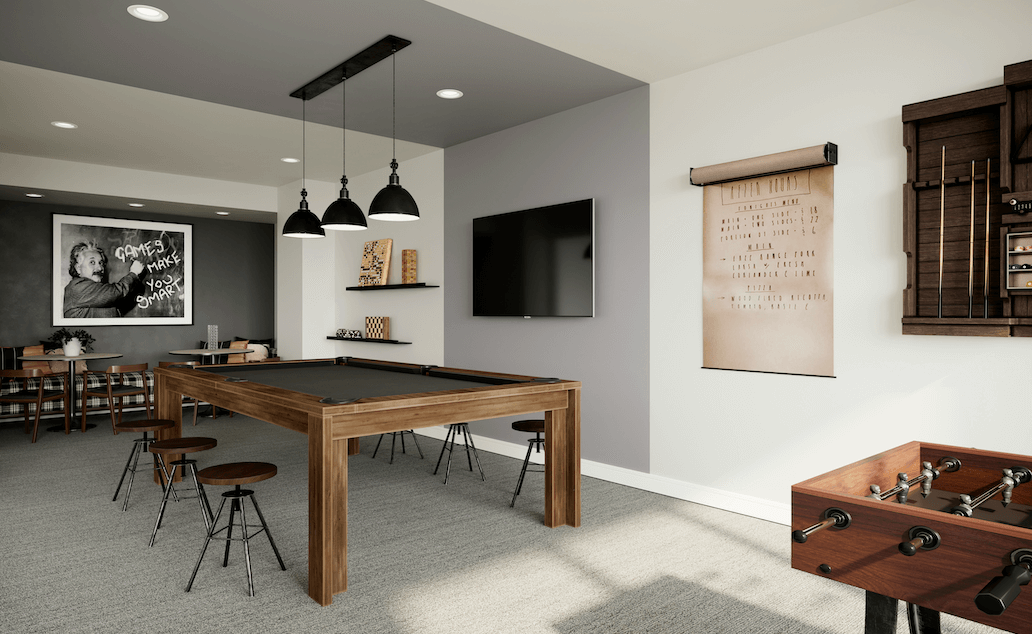
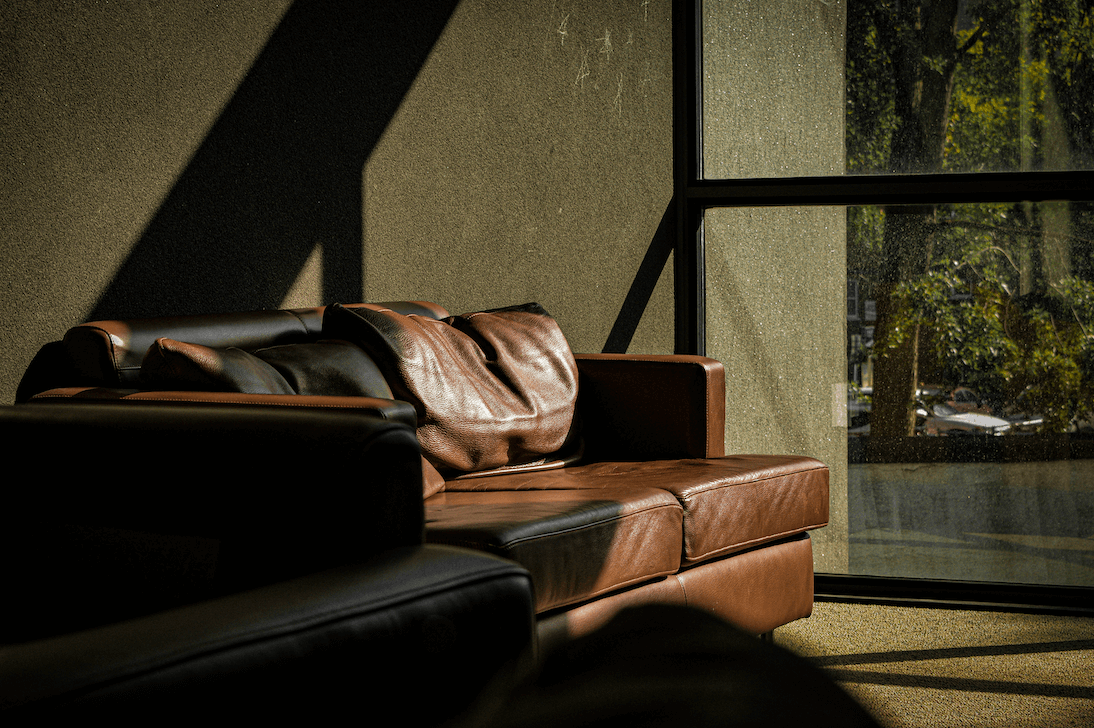
Multi-purpose room built around a large TV and sound system for movies, sports, and gaming. Keeps daylight and flexible seating; typical installs run about $8,000 to $30,000.
A media room is a room of the house set aside for screen and sound, built around a large television and a stereo or surround system rather than a projector and blackout curtains. It usually lives in a bonus room over the garage, a spare bedroom, or a finished corner of the basement, and it is where the evening movie, the Sunday game, and the late-night gaming session all happen on the same comfortable sofa. The defining feature is daylight and flexibility: the windows stay uncovered, the seating can be rearranged, and the lights do not have to go out for the room to work. In a man cave build the media room is the compromise most people actually want, because it pulls double duty as the family movie space and the personal game room without demanding the black-box discipline of a dedicated theater. It is also the room that holds the whole audio video chain, from the big screen to the receiver to the subwoofer, so planning it well pays off in everything else the cave does.
The payoff is that the room gets used. Size it around a standard like SMPTE's 30-degree viewing angle and the screen fits the seating, which means nobody is craning from the front row or squinting from the back. That math, plus a straightforward television and sound setup, keeps a media room project in a realistic band: professional installs commonly land between $8,000 and $30,000, while a dedicated home theater with acoustic construction and a projector starts near $25,000 and climbs to $60,000 and beyond as sound isolation and seating tiers are added. For the 364 days of the year that are not premiere night, the media room delivers most of the experience at a fraction of the theater's cost, and it stays comfortable to use every evening of the week. The difference shows up in the daily decision: a media room gets turned on, while a half-finished theater project gets ignored.
A media room is not a home theater, and the difference is not equipment quality. A home theater is a single-purpose, light-controlled room with fixed seating and a projection screen; a media room is a multi-purpose space where the television is the centerpiece and the furniture can change with the occasion. The two get lumped together in listings and showrooms, but a room with windows and a recliner is a media room, and treating it like a theater is how budgets and expectations both go wrong.
Sizing the screen to the seating
The starting point is the field of view. SMPTE recommends a 30-degree viewing angle for a reference HDTV environment, and THX suggests roughly 40 degrees for an immersive cinematic feel. Both standards translate into a practical formula: multiply the viewing distance in inches by about 0.65 to hit a 30-degree field of view, or by 0.835 to reach 40 degrees. A couch eight feet from the wall, 96 inches, points to a 55- to 65-inch screen for comfortable mixed viewing, or a 70-inch screen if the room should feel more cinematic. Seating rows matter almost as much as the screen. Standard recliners run about three feet wide, rows want roughly three and a half feet between them for legroom and recline, and a single row of four seats needs about 17 feet of width once walkways are counted, so measure the wall before you shop. Room shape follows a similar rule. CEDIA's golden ratio uses ceiling height H and recommends a room about 1.28H wide by 1.54H deep, which for a nine-foot ceiling gives roughly 11.5 by 14 feet as a starting geometry, and rooms in that ballpark avoid the worst standing-wave problems. Ambient light is the last variable. A media room that keeps its windows needs a bright display, which is why OLED and high-nit LED televisions are the usual pick for a windowed space, while projectors belong in rooms you can actually black out. If the room does get a projector, an ALR screen helps, but it cannot rescue a projector in a sunlit room, so settle the light plan before the display budget. Theater seating choices follow the same logic: rows, legroom, and sightlines decide the room's capacity long before the screen does.
Media room vs. home theater
The one-line distinction is purpose. A media room is an all-day, multi-purpose space for television, sport, music, and gaming, and a home theater is a dedicated room engineered to feel like a cinema. That single decision drives every other choice. The media room keeps its daylight, uses flexible seating and freestanding or discreet speakers, and centers on a large television. The theater removes windows, fixes seating in rows, adds a projector and screen, and spends heavily on acoustic treatment and sound isolation, which is why its budget climbs so fast. Media room projects commonly land in the $8,000 to $30,000 band, while a dedicated theater with construction work runs from about $25,000 up, and acoustic treatment, tiered seating, and premium gear push well past $60,000. The honest question is how the room will actually be used. If most evenings are a mix of a show, a game, and a movie with the family, the media room is the better spend, and the saved money buys a better television and more comfortable seats. If a specific cinematic experience is the entire point of the room, that is the argument for a theater, and the home theater glossary entry covers where that line falls.
Where the term came from
The media room is a builder's concept more than a designer's movement. It grew out of the bonus room boom of the 1980s and 1990s, when builders began framing rooms above garages and over dens without giving them a specific job, and homeowners suddenly had a room with no assigned purpose. When home theater equipment went mainstream in the 1990s, the industry split the idea in two: the home theater, a dedicated darkened room for film, and the media room, a general-purpose room centered on a television and sound system. Trade bodies such as CEDIA helped formalize the distinction, and realtors and builders adopted it as a selling point because it named a room that already existed. The label stuck because it was useful. It is still a loose term, which is why its meaning drifts between regions and builders, and it is safest to define a media room by what it is not: a dedicated cinema. That negative definition is exactly what keeps the room flexible enough to earn its keep for years. For a full treatment of the gear that fills the space, the high-tech home theater blueprint guide walks through the display, audio, and lighting decisions.
Common mistakes
Three errors repeat in almost every media room. First, building a theater where a media room is needed. Fixed tiered seating and a projector in a room with windows and everyday use means a space that is hard to enjoy on a normal Tuesday, and the fix is to settle the room's real job before buying any gear, because retrofitting flexibility back into a fixed layout is expensive. Second, ignoring ambient light and picking a low-brightness display. A screen that is unwatchable at three in the afternoon is a screen that works only half the day, so match the display to the daylight the room will actually see, and add blinds before you buy brightness. Third, buying the biggest screen instead of the right screen. Without a viewing-distance check, an oversized television becomes a neck ache and an undersized one gets lost across the room, so run the SMPTE math before you order and let the seating distance set the size. The surround sound and display upgrades matter only after those three fundamentals are right. A media room works when it is planned as a multi-purpose space, not as a budget theater with the curtains left open, and that planning starts with the distance math, not the screen.
Frequently asked questions
What is a media room?
A media room is a multi-purpose entertainment space built around a large TV and a sound system, used for movies, sports, music, and gaming. It keeps its windows and flexible seating, unlike a dedicated home theater, and it usually lives in a bonus room, spare bedroom, or finished basement. Media room projects typically cost $8,000 to $30,000, and the room works daily rather than only for movie nights.
Media room vs home theater what is the difference?
A media room is a flexible, all-day space with windows, a large TV, and movable seating. A home theater is a dedicated, darkened room with fixed rows of seating and usually a projector and screen. The home theater is engineered for a cinematic experience and costs more, from about $25,000 up, while a media room runs $8,000 to $30,000 and handles TV, gaming, and sports.
What size TV do I need for a media room?
Size the screen by viewing distance, not by the wall. SMPTE recommends a 30-degree viewing angle, and THX suggests 40 degrees for a more immersive feel. A simple rule is to multiply the distance from the couch to the screen in inches by about 0.65 for 30 degrees or 0.835 for 40 degrees. From eight feet away, that points to a 55 to 70 inch screen.
How much does a media room cost to build?
Professional media room projects commonly run $8,000 to $30,000, depending on room size, television, and sound system. A full buildout from an unfinished space adds construction cost, roughly $40 to $150 per square foot. A dedicated home theater with acoustic treatment and a projector costs more, from about $25,000, so the media room is the value pick for everyday use.
Can a media room double as a home theater?
Yes, with limits. You can put a projector and blackout shades in a media room and get a strong movie experience, but the room will never match a dedicated theater for light control and acoustics. Most owners find the tradeoff worth it because the room stays useful for sports and gaming. Keep the seating flexible and the shades good, and a media room covers both jobs.
Related terms
Home Theater
A dedicated room with a large screen, surround sound, controlled lighting and tiered seating built for an immersive cinema experience. Room dimensions and viewing angles follow THX or SMPTE standards.
Room Types & SpacesEntertainment Den
A flex space, often a converted basement, bonus room, or living room, built around a TV and casual seating rather than formal entertaining or a dedicated home office.
Audio/Visual & TechMedia Server
Home-network computer running Plex, Jellyfin, or Emby that stores your media library and streams it to every screen. Transcoding demand picks the hardware; 4K HDR needs far more CPU than 1080p.
Furniture & SeatingTheater Seating
Purpose-built home cinema recliners arranged in rows facing one screen, matched in height and often set on a riser so every seat holds the same sightline.
Audio/Visual & TechSurround Sound (5.1 / 7.1 / Dolby Atmos)
Multichannel audio that rings the seat with speakers. 5.1 and 7.1 place them at ear level, while Dolby Atmos adds overhead channels and mixes sound as objects in three dimensions.
Room Types & SpacesBonus Room
A finished, habitable room that falls short of the legal definition of a bedroom, giving the owner flexible space without triggering the code, tax, or septic weight an extra bedroom would.
Audio/Visual & TechHome Theater Projector
A projection display that throws 4K onto a screen from 5 to 20 feet away, rated in ANSI lumens. Laser light sources last 20,000+ hours; lamp models deliver 2,000 to 4,000 hours before replacement.
Audio/Visual & TechALR Screen (Ambient Light Rejecting Screen)
A projection surface whose optical layer reflects the projector’s light toward the seats while absorbing light arriving from other angles, so the image holds contrast in a lit room.
Read more about Media Room

Two-Car Garage Split: Workshop & Media Room Planning Guide
Plan your two-car garage split conversion into a workshop and media room. Includes permits, wiring, soundproofing, HVAC, and safety pitfalls to avoid.

Doug Gottlieb's Man Cave Tour: Design Ideas, Gear & Sale Details
Take a guided tour of Doug Gottlieb's famous man cave, grab bold design ideas, gear and layout tips, plus sale details to inspire your own upgrade today.