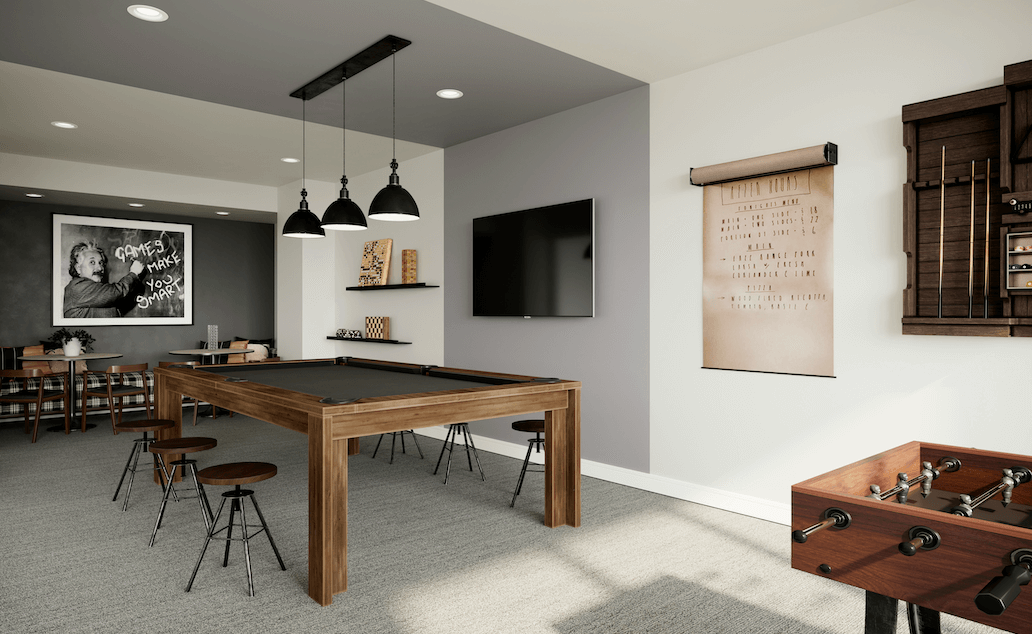
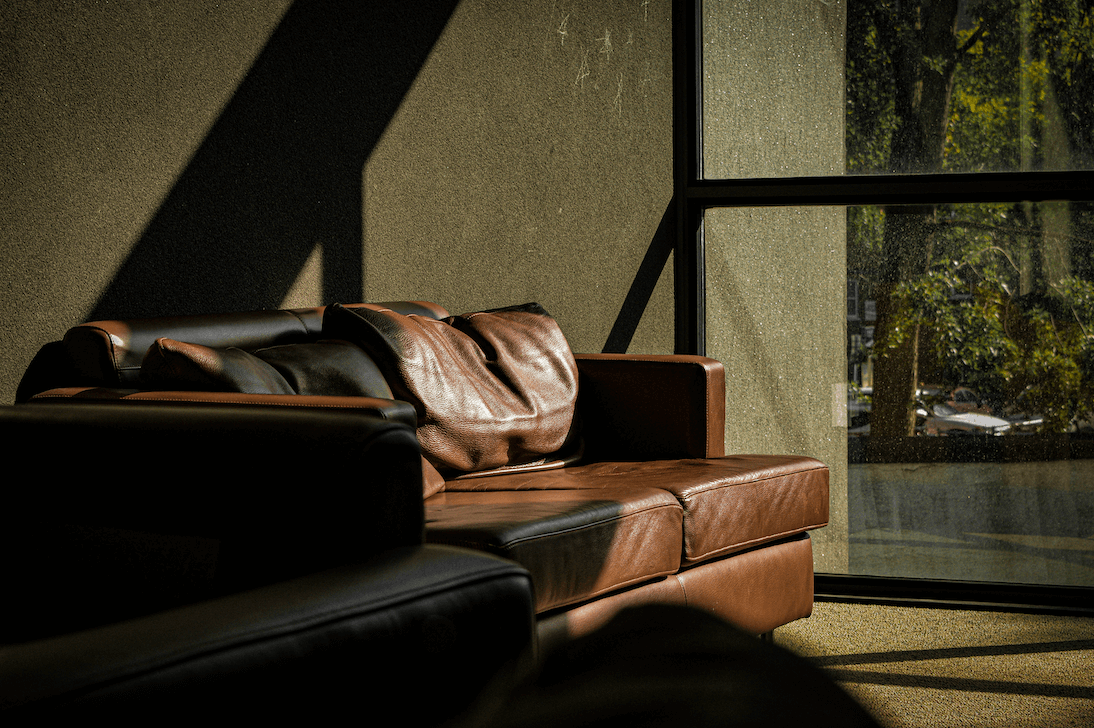
High-Tech Home Theater Blueprint
Last updated August 25, 2026 · By Zach Lane ·How we choose products · Affiliate disclosure

If you’re anything like me, you’ve sat through a handful of overpriced setups that promised cinematic nirvana and left you with a pretty room and buyer’s remorse. I’ve spent years swapping gear, making mistakes, and learning which upgrades actually move the needle. This guide is the result: a practical, value-first blueprint for turning a spare room into a high-tech man cave without getting fleeced. I’ll give straightforward, usable advice on laying out the space, choosing video and audio gear that performs, taming acoustics, lighting the room for mood and clarity, and making the whole thing reliable.
No hype. I’ll walk you through the decisions that matter, the tradeoffs worth making, and where to hunt for value. You’ll learn how to prioritize what gives the biggest sensory payoff per dollar and when spending more is worth it. Read this for the roadmap and context before diving into the in-depth product takes. If you want a theater that feels like a night out but fits your budget and lifestyle, consider this your playbook.

Chicago Home Theater Recliner Chair – Bluetooth Speakers, Wireless Charging, Power Recline, Adjustable Headrest, LED Lighting, Cup Holders & Premium Faux Leather for Ultimate Comfort
![[3000+ Licensed Apps/Live TV/HDR10+/50W DoIby Audio] Smart 4K-Projector with WiFi and Bluetooth, Goiaey 3200ANSI Outdoor Projector with 360°Stand, Auto Focus, Auto Keystone, Short Throw Proyector](https://m.media-amazon.com/images/I/71BMgIXY5LL._AC_SX466_.jpg)
[3000+ Licensed Apps/Live TV/HDR10+/50W DoIby Audio] Smart 4K-Projector with WiFi and Bluetooth, Goiaey 3200ANSI Outdoor Projector with 360°Stand, Auto Focus, Auto Keystone, Short Throw Proyector

Akia Screens Fixed Frame Projector Screen 120-Inch, 16:9, Wall Mount, CINEWHITE UHD-B, 4K/8K Ready, Indoor Home Theater, AK-FF120WH2

Klipsch Reference 5.2 Home Theater System, Bundle 2X R-625FA Floorstanding 2X R-12SW Subwoofer, R-52C Center, R-41M Bookshelf Speakers, and Yamaha RX-V6A 7.2-Channel AV Receiver

Klipsch R-12SW Powerful Deep Bass Front Firing 12" Copper-Spun Driver 400W Digital Power Subwoofer 14" X 18.5" X 16"

Denon AVR-X1700H 7.2 Channel AV Receiver - 80W/Channel, Advanced 8K HDMI Video w/eARC, Dolby Atmos, DTS:X, Built-in HEOS, Amazon Alexa Voice Control

Heavy Duty 4-Tier Media Cabinet, Audio-Video Media Stand with Tempered Glass Doors, Metal Stereo Cabinets with 3 Adjustable Shelves, Storage Cabinet for Entertainment Stereo Component

ATS Acoustics Sound Absorbing Acoustic Panel with Sona Fabric, NRC 1.0, Fire Rated, 24" x 48" x 2" (Snow)

Philips Hue Play Gradient 55" Smart TV Light Strip - Flowing Multicolor LED Color-Changing TV BackLight - Sync with TV, Music, and Gaming - Requires Bridge and Sync Box - Control with App or Voice

SofaBaton X2 Universal Remote Control with Touchscreen, Powerful Hub, One-Touch Activities, Custom APP, Compatible with IR/Bluetooth/RF/WiFi Devices, Works with Alexa&Google Assistant&Home Assistant

Macochico Home Movie Theater Curtains 100% Blackout, Sound Dampening Velvet Curtain for Cinema Stage Sliding Door Living Room Ceiling Drapes Flat Hook 100”Wx96”L 1 Panel Navy Blue

Retro Arcade Neon Framed Wall Art - Cyberpunk Gaming Tech Decor in Textured Black Frame - Modern Digital Circuit Illustration Print for Game Room and Home Office - 16x20 Inch

Commercial Popcorn Maker Machine 20 Oz 1440W, Theater Style Popper for 80 Cups/Batch with 3-Switch Control, Steel Frame & Tempered Glass Doors
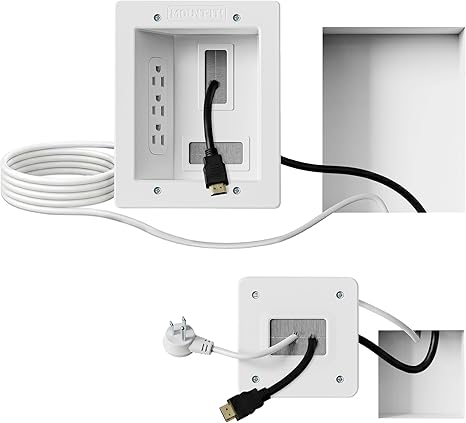
Mount-It! in-Wall TV Cable Management Kit with Recessed Power - Triple Outlet, 9ft Extension Cord and Hand Saw - Easy, Safe TV Outlet Wall Kit and TV Cable Hider Behind Wall

Valencia Home Theater Seating Tuscany 2025 3-Seat Power Recliner with Center Console - Top Grain Nappa 11000 Leather, Cool Gel Memory Foam, USB-C/A Charging, RGB Lights (Midnight Black)
Seating That Keeps You in the Action
When I first built my cave I cheaped out on seating and paid for it with sore backs and blocked sightlines. Seating is more than comfort. It determines how many people can watch, how they see the screen, and whether a late-night marathon ends with everyone complaining. Think of seats as long-term gear. Cheap chairs can ruin an otherwise great video and audio setup; spending wisely on ergonomics and durable materials pays dividends for years.
Look for proper lumbar support, sightlines that match your screen or projector, and materials that are easy to clean. Prioritize build quality, modular layouts, and features that add real value like integrated charging or simple cup holders instead of flashy extras that inflate the price. Below I focus on options that balance comfort, longevity, and usefulness so your seating enhances the room rather than becoming an afterthought.
Valencia Tuscany Seating
If you want theater-grade seating that actually improves movie nights and game days, this 3-seat Tuscany row delivers. The top-grain Nappa leather and diamond stitching look the part. More importantly for long sessions, the comfort-matrix combo (cooling gel memory foam, springs, high-density foam) gives firm, supportive seating that doesn’t flatten out after a few uses. Each outer seat has independent power recline, motorized headrest and lumbar. The drop-down center console with illuminated cupholders, USB-A and USB-C ports, and built-in outlets is a small detail that makes hosting easier. RGB ambient lighting adds atmosphere without blinding the screen.
What makes this model stand out for a man cave is the mix of practical features and real durability. The powered adjustments help you dial in posture for movies, sports, or marathon gaming. Integrated charging and stash-storage mean fewer cables and fewer trips to the kitchen. Assembly is straightforward if you have two people, and customer feedback consistently praises build quality and fit-and-finish. Downsides worth calling out: it’s on the firm side out of the box (many owners say it softens with break-in). The modules are heavy, so plan for help and clear doorways. Also verify whether the trays or accessory pieces you want are included or sold separately.
Pro tip: measure your recline clearance and plan outlets near the seating row. If you want a man cave that feels polished and functions every time, this is a strong foundation piece-especially if you value real leather, motorized adjustments, and built-in tech.
Recliners That Make Movie Nights Feel Luxurious Without the Markup
I love a powered recliner, but I learned the hard way that LED trims and cosmetic bells can double the price without improving comfort. A good recliner gives support, smooth motion, and reliable motors before it tries to impress with lights. For many builds, a mid-range powered recliner gives the best return, delivering comfort and convenience without features you’ll rarely use.
When evaluating recliners, focus on mechanism quality, upholstery durability, and serviceability. Check extras like built-in speakers or wireless charging and weigh them against reliability and ease of repair. Below I call out recliners that deliver real comfort per dollar and flag pricier options that trade substance for novelty.
Naomi Chicago Recliner
This chair packs the little extras that make a man cave feel finished. Built-in Bluetooth speakers, USB and wireless charging, customizable LED accents, cup holders, detachable tray tables and one-touch power recline mean you can game, stream, or host without leaving your seat. The wall-hugger design and hidden armrest storage are great if your theater sits in a finished basement or a spare room with limited footprint. Faux leather wipes clean after snack attacks, and the adjustable headrest helps during marathon viewing sessions.
What sets it apart is the blend of tech and practical design, not just looks. The seat is roomy and the frame aims for heavy-duty use, so it should handle regular use and larger folks without drama. A few owners mention firm padding out of the box, and there are isolated reports about assembly or fastener issues, so plan a relaxed assembly session and check hardware as you go. The built-in speakers are fine for background immersion, but pair this with a dedicated AVR or soundbar if you want true surround detail.
If you want a feature-rich recliner that upgrades comfort and convenience in a small to mid-size theater, this is a solid pick. Pros: loaded tech, practical storage, easy-clean upholstery, power recline and small-space friendly. Cons: some firmness in padding, assembly and occasional hardware quality concerns. For a man cave where comfort, gadgetry, and space efficiency matter, give this one a look.
Projectors That Give Big-Screen Impact for Less
Early on I chased big lumen numbers that looked great on paper but were overkill for my window-controlled basement. A projector should match your room size, how well you can control ambient light, and your screen surface. The right balance of lumens, resolution, and throw distance turns a projector from a gimmick into a reliable centerpiece. You don’t need to chase the highest ANSI lumens or the fanciest features if they don’t fit your use case.
Look for solid native resolution, dependable lens or auto-focus systems, and sensible connectivity. Consider lamp life and maintenance, and only value built-in smart features if they replace another box you’d otherwise buy. The picks below prioritize consistent image quality and pragmatic features that maximize value for home theater use.
Goiaey GO2 Projector
This little projector punches well above its size. Brightness is listed at 3200 ANSI and HDR10+ decoding gives movies and games a vivid look on walls or a screen, while native 1080p with 4K decoding keeps detail sharp. The AI MOVIN 3.0 platform, Wi-Fi 6 and built-in Chromecast make streaming smooth, and the large library of licensed apps means you can often skip a separate streaming stick. For a man cave, fewer boxes on the shelf makes a big difference.
What really helps in a small personal theater is the audio and setup smarts. The integrated 50W SRS/Dolby speaker system fills a moderate room-good enough to skip tiny external speakers for everyday use. Auto focus, auto keystone and obstacle-avoidance save time when you move the projector, and the 1:1 short throw plus 360° stand gives placement flexibility in tight spaces. Gamers will like AI low-latency mode and multiple HDMI inputs. Downsides: the fan speeds up at high brightness, so you’ll notice it if you sit very close, and some niche apps may not be available-check for the services you need before you buy.
Bottom line: ideal for the man cave builder who wants a big, easy-to-manage picture without assembling an AV rack. Use it for weekend movie nights, backyard screenings, or quick console sessions. Tip: start perpendicular to your screen at about 8-10 ft to let the autofocus settle, and keep a few feet between you and the unit to minimize audible fan noise.
Screens That Make Your Picture Pop Without Vanity Sizing
I used to think bigger was always better, then ended up with a screen that overwhelmed the room and forced my projector to run hard. A screen should complement your projector and viewing distance, producing a crisp image without gain-related hotspots. Fixed-frame screens are great for dedicated rooms, while tensioned or motorized options suit spaces that double as living areas. The screen is where your video investment is realized, so getting this right matters.
When choosing a screen, focus on material quality, aspect ratio, and mounting flexibility. Surface uniformity and edge finish affect perceived contrast far more than marketing about exotic materials. I’ll compare screens that deliver even illumination, proper image geometry, and sensible build so you get a cinematic picture without paying for gimmicks.
AKIA Fixed Frame Screen
If you want the centerpiece of a proper man cave theater, this AKIA fixed frame screen is the sort of upgrade that changes the room. The 120-inch 16:9, tensioned CineWhite UHD-B surface gives you an ultra-flat, color-accurate canvas that makes projectors sing (4K/8K and active 3D ready). The dense black-velvet aluminum bezel isn’t just for looks. It swallows projector overspill, improves perceived contrast, and gives that pro-theater edge that makes movies feel like an event. It also plays nicely with ultra-short-throw units, so you can go big without wrecking seating layout.
Practicalities matter in a man cave. Assembly can be fiddly and the wall clips require a careful dry run, so plan for two people and a clear floor. Pro tip: use a carpenter’s square when tightening the frame and don’t rush the tensioning, it’s what keeps the image perfectly flat. Some buyers report confusing instructions or missing bits, but tech support and the included hardware usually get you over the hump. Who this is for: guys building a dedicated room who want a premium look and measurable picture gains over a painted wall. Pros: professional finish, great image quality, UST friendly, durable frame. Cons: takes time to assemble and mount, and you’ll want a helper. Ready to make your man cave actually feel like a theater?
Speaker Systems That Deliver Punch and Clarity
I used to think a cool-looking speaker set would be enough, until hearing proper imaging showed me how wrong I was. A speaker system defines the character of your room. Clear dialogue, cohesive surround effects, and accurate tonal balance are what make movies engaging. You can get convincing results without top-tier prices by choosing speakers with proven drivers, sensible cabinets, and coherent voicing.
Look for speakers with reliable drivers, cabinet designs that control resonance, and matching timbre across channels so the front stage blends into the surrounds. Consider whether you want floorstanders, bookshelf models, or an all-in-one package. I focus on systems that punch above their cost and flag bundles that are overpriced for what they deliver.
Klipsch Reference 5.2
This Klipsch Reference 5.2 bundle is the kind of all-in-one system that turns a man cave from “nice TV” to a seat-shaking theater. The package pairs towering R-625FA floorstanders with built-in upward-firing Atmos drivers, two R-12SW 12" subs for chest-rattling low end, a dedicated R-52C center for razor-sharp dialogue, and compact R-41M surrounds, all driven by a Yamaha RX-V6A 7.2 receiver. In practice that means immersive 3D soundscapes for blockbuster nights, clear vocals so you never miss a line, and bass that gives explosions real impact without turning your furniture into percussion. The finish and copper-spun woofers look the part, so your theater will feel purposeful rather than slapped together.
This setup is best for guys who want a turnkey, high-impact system without piecing together separates. Pros: coherent voicing across speakers, real Atmos immersion, two subs for balanced bass, and an AV receiver that handles modern codecs and inputs. Cons: a lot of boxes to unpack and position, expect time spent on wiring and calibration (speaker wire and LFE cables not included). Also, if you want ultra-refined separates-level tweaking you might eventually swap out individual components. For most man caves, though, this is a smart shortcut to movie-night dominance. Ready to transform your space?
Subwoofers That Add Impact Without Muddying the Mix
Nothing makes a score thrum through the floor like a well-tuned sub. Early versions of my setup either had no bass or a muddy mess. A good sub provides depth and impact while staying tight and tunable. More power alone doesn’t guarantee good bass; control, driver quality, and enclosure design matter more.
When shopping for a sub, focus on usable extension, amplifier control, and the ability to set crossover and phase. Size helps, but room acoustics and placement matter just as much. I favor subs that offer clean deep bass and straightforward setup, and I warn against overspending on raw wattage that won’t translate to better bass in your room.
Klipsch R-12SW
This subwoofer brings chest-thumping low end that transforms a man cave into a proper screening room. It packs a 12" copper-spun front-firing driver and an all-digital amplifier rated at 400 watts, giving you deep, clean bass down to the high 20s Hz. The built-in low-pass crossover, phase control and both line/LFE inputs mean it will integrate with almost any AVR or preamp. In my experience, when you take the time to dial crossover and gain, the R-12SW adds impactful rumble without sounding muddy, whether for blockbuster soundtracks or bass-heavy music.
What makes it stand out is the balance of output and usable controls. That copper-spun cone is not just for looks. It delivers tight, authoritative bass that can be tamed to sit with smaller front speakers. Practical note: placement and calibration matter. Start with low gain, run your receiver’s room correction, and use a good shielded RCA to avoid hum. The cabinet is substantial and attractive, so it doubles as furniture rather than a hidden box. Expect vibration in lighter rooms and plan for isolation pads if you care about rattling shelves.
Who should buy it: guys building a dedicated man cave or media room who want theater-level low end without stepping up into pro subs. Pros: powerful, well-controlled bass, flexible inputs, easy to match with most systems. Cons: size can be large for tiny spaces, potential for vibration if not isolated, and a bit of setup is required to get it right. If you want weighty, room-filling bass that you can tune, this is a strong fit.
AV Receivers That Tie Everything Together Sensibly
I learned to prioritize practical connectivity and reliable processing over a laundry list of unsupported codecs after upgrading receivers twice in five years. An AV receiver is the brain of your system. It must have the right inputs and outputs for your sources, stable room-correction tools, and enough clean power for your speakers. Fancy processing chips only help if they’re implemented well.
When choosing a receiver, look for enough channels, usable power ratings, modern HDMI bandwidth, and straightforward setup menus. Built-in networking and multiroom features are useful only if they work reliably. I recommend receivers that provide real-world compatibility and sensible upgrade paths, without bloating recommendations with specs that don’t matter in everyday use.
Denon AVR-X1700H
If you want a high-tech man cave that punches above its weight, this Denon receiver deserves consideration. It delivers 7.2-channel processing with 80 watts per channel, Dolby Atmos and DTS:X decoding, Dolby Atmos Height Virtualization, and an HDMI section with three 8K-ready inputs. That combination gives you true immersion for movies and solid gaming features like 4K/120Hz pass-through, VRR, and ALLM for reduced lag. The built-in Audyssey MultEQ XT room correction plus the on-screen Setup Assistant make dialing in speakers in a mid-sized room straightforward. HEOS streaming, voice control with Alexa/Google/Siri, and IP control for home automation mean the AVR fits smoothly into a modern man cave where convenience matters as much as performance.
Pros: feature-rich for the price, excellent surround and height virtualization, easy on-screen setup, plenty of HDMI inputs, and multi-room streaming via HEOS. Cons: not a powerhouse for very large rooms, some users report Bluetooth and firmware quirks, and the speaker terminal/zone routing forces tradeoffs if you want Zone 2 and full Atmos simultaneously. Practical tip: pair this with efficient floorstanders or a powered sub for punch, run Audyssey with the supplied mic, and plan speaker wiring if you expect to use a second zone. Overall, this receiver gives enthusiasts a high-value, capable foundation that scales when you upgrade speakers later.
Media Cabinets That Protect Gear and Hide the Mess
My first rack was a hodgepodge of mismatched shelves that limited airflow and made maintenance a chore. A proper media cabinet keeps components cool, organized, and out of sight. Proper shelving, ventilation, and cable routing are non-negotiable. Prioritize layout and build quality over decorative extras that hurt performance.
When picking a cabinet focus on sturdy construction, adjustable shelving for larger receivers, and ventilation to prevent overheating. Tempered glass doors look great but test for airflow. Below I spotlight cabinets that balance style with ventilation and access, and call out designs that hamper maintenance.
EKJ 4-Tier Media Cabinet
This cabinet nails the basics that matter in a man cave. The powder-coated metal frame and 4mm tempered glass doors give it a clean, industrial look while keeping dust off your gear and still letting the LEDs show through. Three adjustable shelves (60mm increments) mean you can fit everything from a soundbar or retro console to a turntable and records (shelves handle vinyl up to around 150mm). The laser-cut rear airflow channels are a nice touch, they actually move heat away from components instead of trapping it, and the rolling feet with locks make repositioning painless when you’re rearranging the room.
What sets it apart is practical, no-nonsense engineering. It’s heavy-duty so it won’t sag under a receiver or vintage stereo. The finish and door hardware look sharper than you’d expect at this price. Assembly is doable since parts are labeled, but be ready to spend time and have a buddy help with the heavier bits. Pros: sturdy build, adjustable storage, visible-but-protected display, built-in ventilation, mobile with locking casters. Cons: assembly can be fiddly and it’s heavy when fully built. Also, don’t cram heat-generating amps inside without extra clearance.
If you’re outfitting a man cave with mixed media such as consoles, a mid-size AVR, a record player, and a small vinyl collection, this is an excellent, space-smart centerpiece. Measure your tallest components before you start, plan cable routing through the rear openings, and lock the wheels once everything’s set. Ready to give your setup a tidy, functional upgrade?
Acoustic Panels That Make a Bigger Difference Than You Think
For years I chased speaker upgrades while my room betrayed every improvement with harsh reflections. Adding absorption and diffusion transformed clarity overnight. Treating early reflections and controlling flutter echoes gives you clearer dialogue and tighter imaging. Acoustic panels are a cost-effective fix for room problems that no speaker swap alone can solve. They also make your room look finished when done right.
When selecting panels, focus on proven absorption, fire safety where applicable, and installation flexibility. Coverage beats color choices, and strategic placement beats plastering every surface. I evaluate panels that deliver measurable acoustic improvement, are built from quality materials, and offer long-term value rather than decorative fluff.
ATS Acoustics Acoustic Panel
These ATS panels punch well above their visual weight. Built around a mineral wool core with a solid wood frame and wrapped in high-performance Sona fabric, they deliver real acoustic results (NRC 1.0). That matters in a man cave because you want crisp dialogue, tighter bass, and a stereo image that gives your speakers direction. The 24" x 48" x 2" footprint covers plenty of reflection area per panel, they mount flush, and ATS includes a full-size template and hardware so you spend less time guessing and more time calibrating. Fire-rated construction and U.S. assembly add peace of mind if you care about build quality as much as sound. They look clean on the wall too, so your theater won’t look like a science experiment.
Who should pick these up? Guys building a high-tech theater who want measurable improvement without fabricating panels from scratch. Use them at first-reflection points, behind the front speakers, and on the rear wall or ceiling to kill slap echoes and sharpen vocals. Caveats: they won’t stop subwoofer energy through floors, some buyers report fiddly horizontal mounting and occasional dust attraction to the fabric, and a few had mixed experiences with the included clips. Still, they outperform thin foam and look far more premium. If you want room treatment that helps your gear finally sound like it should, these are worth the investment.
LED Lighting That Sets the Mood and Improves Viewing
Lighting can ruin a screening or elevate it. Early on I chased gimmicky color setups until I learned layered lighting was the secret. A mix of bias lighting behind screens, dimmable overheads, and accent strips creates depth without washing out the picture. LED systems are versatile, but their value comes from how they integrate with the room and controls rather than how many colors they can display.
When choosing lighting, look for consistent color rendering, controllable dimming, and reliable sync options if you plan on tying lights to content. Avoid kits that force you into proprietary ecosystems unless they bring clear benefits. I highlight lighting solutions that improve contrast, reduce eye strain, and add atmosphere without unnecessary expense.
Philips Hue Play 55"
This light strip turns the back of your TV into a real mood engine for a man cave. It offers flowing multicolor gradient lighting and warm-to-cool whites that spill across the wall and ceiling to make movies and games feel bigger. Setup uses the included mounting clips so the strip hugs corners, and you get app and voice control for fast scene changes. Note that true screen-sync requires a Hue Bridge and the Hue Sync Box, so factor that into your build.
What makes it stand out is color quality and responsiveness. The lights are bright enough (about 1650 lumens) to create visible bias lighting without washing out the picture. When hooked to a console or streaming device through the sync box, the colors track action on screen in a way that adds depth to explosions, skylines, and HUDs. For late-night movie sessions or a laid-back bar vibe, the dynamic scenes really sell the experience.
This is best for guys who take their man cave seriously and already run other Hue gear, because integration is quick and the control runs deep. Pros: reliable ecosystem support, rich colors, instant app control, and voice commands. Practical tips: make sure your TV rear is flat, plan where the bridge and sync box will live, and reserve wall outlet space for the chunky adapters. Cons: adhesive and mounting can be finicky, and extra hardware is needed to reach full capability. If you want premium ambient lighting and don’t mind a little wiring, this is one of the cleaner long-term options.
Smart Remotes That Simplify, Not Complicate
I once bought a smart hub that promised simplicity and delivered a second learning curve. The point of a smart remote is to reduce friction. It should let you start a movie, lower lights, and route audio with a single action. Stability and compatibility beat a flashy touchscreen that needs daily babysitting. The best smart controllers integrate with voice assistants and existing devices while staying reliable.
When evaluating smart remotes, prioritize proven hub compatibility, stable connectivity, and an activities workflow that actually saves time. An app with meaningful customization is a huge plus. I focus on controllers that automate common tasks cleanly and avoid ones that add complexity for the sake of novelty.
Universal Remotes That Actually Replace the Clutter
My remote drawer used to be a graveyard of half-dead controllers until I found remotes that reliably handled IR, RF, and networked devices. A true universal remote reduces clutter by consolidating control across generations of gear. It should be programmable, support the protocols your equipment uses, and be easy to teach or map to activities. Battery life and ergonomics matter if it’s the one you use every night.
When choosing a universal remote look for wide device compatibility, local control options, and a sane programming interface. Avoid products that require constant cloud access or frequent reconfiguration. I recommend remotes that provide long-term reliability and real consolidation, not just another gadget to manage.
SofaBaton X2
The SofaBaton X2 consolidates a messy pile of remotes into a single, solid command center. The 2.4-inch touchscreen and tactile backlit buttons make everyday control fast, while the included hub and wired IR emitters solve the usual cabinet-hiding problem. It speaks IR, Bluetooth, RF and Wi-Fi, syncs to a large cloud code library, and ties into Alexa, Google Assistant and Home Assistant so your man cave can respond to voice, app, or one-touch activities. The charging dock is a nice convenience for a device you actually want to keep charged and on display.
What sets the X2 apart is the balance between hardware feel and automation depth. The aluminum-like build and weight feel premium in hand. More importantly for theater setups, its one-touch Activity macros let you power on the TV, switch HDMI, set receiver presets and dim lights in one go. The Hub’s 360-degree coverage plus the option to add repeaters means reliable control even with hidden racks. Firmware and cloud updates keep device support growing. Real-world: I set a Movie Night macro that also toggles an LED bias strip-simple, repeatable, satisfying.
This remote is best for enthusiasts building a dedicated room or serious man cave. If you run multi-component AV, ambient lighting, or Home Assistant scenes, the X2 turns complicated sequences into a button press. Expect time spent initially programming and, for very complex racks, possible extra repeaters to cover every device. Not a plug-and-play swap for casual single-device users. Pros: wide protocol support, responsive touchscreen, Hub with wired emitters, strong Home Assistant integration and a premium build. Cons: setup can be time-consuming, occasional niche-compatibility hiccups, and extra repeaters may be necessary in larger rooms.
Blackout Curtains That Improve Picture and Sound
I converted a sunny den into a proper screening room only after installing heavy blackout curtains and the difference was immediate. Quality blackout drapes do two jobs at once: they block stray light to preserve contrast and help tame high-frequency reflections for cleaner sound. Materials and mounting matter. A panel that sags or leaks light at the edges can undo the benefits of an otherwise excellent setup.
When shopping for blackout treatments, focus on true light-blocking fabric, weight, and how they mount to reduce gaps. Velvet-backed or sound-damping options add acoustic benefit but pick panels that fit your room and aesthetic. I call out curtains that combine real light control and acoustic dampening without forcing you to overpay for boutique fabrics.
Macochico Theater Curtains
If you want a darker, quieter, more cinema-like man cave without ripping out windows or building a blackout box, these velvet panels hit the main targets. The fabric is woven with a blackout yarn through the middle, so it truly blocks light rather than just dimming it. That translates to better contrast from a projector or OLED, less glare on screens, and a noticeably darker room for daytime viewing. The velvet surface also soaks up reflections and tames mid/high frequency reflections, so dialogue reads cleaner and bass feels tighter when paired with basic acoustic treatment.
What sets these curtains apart for practical builds is the combination of features: full blackout, built-in thermal insulation, and some noise dampening in a machine-washable panel. They come in wide, cinema-friendly widths and many color choices, and the panels use flat hooks that work with track systems or poles (rings and poles not included). A few things to watch for: the listed fabric weight is 280gsm, so they’re substantial but not ultra-heavy. The 100" x 96" panel is about 3.8 pounds, so fit them on a strong track and account for the suggested 1.1-1.3x fullness when measuring. Expect minor size variance and possible color shift versus your screen, which is common with dyes.
For the man cave enthusiast who wants a high-payoff upgrade, these curtains are a smart, low-drama improvement. They turn a regular room into a controllable viewing environment, help with comfort across seasons, and give you a clean, theatrical backdrop for speakers and screen. Pros: true blackout, thermal and noise benefits, many sizes and colors, washable. Cons: need a solid track and separate rings/poles, lighter than luxury stage velvet. If you want a practical, high-impact theater upgrade, these are worth trying.
Wall Art That Adds Character Without Wasting Space
Decor can make a room feel lived in, but treat wall art as part of the room's function. Proper pieces add personality and can double as acoustic treatment when needed. Avoid oversized or overly reflective art that interferes with sightlines or creates glare. The goal is to enhance mood without turning the theater into a themed showroom that distracts from the films.
When selecting art, aim for scale that complements seating and screen placement, and materials that don’t throw light toward the audience. Framed prints or fabric-based pieces will usually behave better than glossy plexi. Below I highlight art that gives character while staying practical and budget friendly.
Generic Retro Arcade Neon
This framed print punches above its weight as an instant style upgrade for a man cave or home theater. The high-energy digital neon illustration captures a cyberpunk arcade vibe with glowing blue, magenta, and orange outlines and intricate circuit-detailing, and the textured black frame gives it an elevated, minimalist look that reads as intentional, not thrown-together. It arrives ready to hang, so you can go from box to wall in minutes and spend the evening dialing in your soundstage instead of wrestling with hardware.
Practically speaking, this piece is a low-effort way to set mood and personality. Hang it behind a sofa, above a console, or flush with your AV rack to create a focal point that pairs nicely with LED bias lighting and RGB accents. The archival-quality print keeps colors sharp over time, and the multiple sizes let you choose a small accent or a larger statement piece. Pros: bold visual impact, ready-to-hang, archival print, clean textured frame, multiple size options. Cons: it’s a print not an illuminated neon sign, so it relies on room lighting for punch, and colors can vary slightly from screen to print. Larger sizes may need a proper anchor.
If you’re building a high-tech theater man cave and want a quick, affordable way to add character, this fits the bill. It’s for the gear-minded guy who cares about atmosphere but prefers upgrades that won’t waste space or demand complicated installs. Think of it as wallpaper for your vibe.
Popcorn Machines That Deliver Theater Vibes at Home
There’s something about fresh popcorn that turns a movie night into an event. I tested small machines and larger theater-style units and found build quality and ease of cleaning are where value shows up. A good popper should be easy to use, simple to maintain, and produce consistent results without taking over the counter.
When evaluating popcorn gear, focus on capacity that matches how often you host, durability of heat- and oil-contact parts, and how easy it is to clean. Extras like warming lamps are nice but secondary to a reliable popping mechanism. I recommend machines that bring the right balance of showmanship and practicality.
Vyrthmia Popcorn Maker
This machine delivers the kind of theater feel that actually improves a man cave rather than just decorating it. The 20-ounce stainless steel kettle pops roughly seven gallons a batch, so you can feed a crowd without constant refills. Three dedicated switches let you run the kettle, stirrer, and warmer independently, which keeps popcorn crisp and lets you stagger batches during halftime or between movie acts. The tempered glass doors and interior LED lighting turn production into part of the show, so guests get that classic concession stand vibe while you run the snack station.
What sets this apart from countertop novelty poppers is its commercial-grade build and practical extras. The detachable 304 stainless kettle cleans up after it cools, and the included scoop, measuring spoons, and shaker mean you start serving immediately. It’s a showpiece and a workhorse. Downsides: it takes up real space and draws significant power, so plan placement and circuit capacity in advance. You also need to let the kettle cool for an hour before deep cleaning, which slows turnaround if you’re doing back-to-back events.
If you host regular game nights, movie marathons, or want a proper concession feel, this is aimed at man cave owners who want performance and presence. It’s great for someone who values dependable batches, easy operation, and that unmistakable smell of fresh popcorn.
Cable Management That Keeps the Room Tidy and Safe
After a few scares with tangled cords I started treating cable runs as a core part of the build rather than an afterthought. Concealed power and organized cables not only look better but reduce risk and improve signal integrity. Simple solutions like in-wall kits and quality cable routing can transform a messy install into a professional-looking setup without a professional price.
When planning cable management, prioritize safety, code compliance where applicable, and accessibility for future changes. Invest in durable connectors, plan conduit or wall plates for neat entry points, and avoid excessive extension use. I focus on solutions that are secure, clean, and cost effective so your wiring stays out of sight and out of mind.
Mount-It! In-Wall Cable Kit
This kit solves the one thing that instantly ages a high-tech man cave: visible spaghetti of power and A/V cables. What stands out is the recessed power module paired with a roomy pass-through for HDMI, Ethernet, and audio cables, plus ETL in-wall certification so you can hide low-voltage runs without sketchy hacks. It’s a true plug-in solution (no hard wiring needed), and the package includes a cutting template and a drywall saw so you can go from box to clean wall in a single afternoon. For anyone who wants their TV to sit flat and look intentionally installed, this is a low-risk upgrade that delivers a pro finish.
Practicalities matter in a man cave build, so here’s what you should know from hands-on use. Measure for the minimum 2.4 inch cavity depth and locate studs before you cut. The included saw and stencil make placement foolproof, but the saw can be finicky; bring a better drywall knife and a stud/wire finder. Also plan how you will fish long runs (fish tape or a wall fishing line helps). Pros: ETL certified, roomy cable space, all-in-one kit, multiple style options (USB versions available). Cons: requires cutting drywall (one shot), saw tool is basic, and you may want extra wall-fishing tools for cleaner installs.
This is best for DIYers, gamers, and home theater fans who want a clean, reliable install without hiring an electrician. If you care about aesthetics and safety and want to tidy up a wall-mounted TV, soundbar, and console cluster, this kit removes the clutter and keeps future changes simple. Want to tidy your man cave now?
Buyer's Guide: What to Look For
Mistake to avoid: buying gear that’s the wrong scale for your room. Measure sight lines, throw distance, and seating layout before you pick a projector, screen, or recliner-oversized seating can block views and an underpowered projector will look muddy in a bright room. Plan for actual room dimensions and seating so everything feels intentional, not cramped.
Mistake to avoid: choosing low-quality materials that make maintenance a chore. Opt for seating fabrics and finishes that resist stains and wipe clean, and pick screen and curtain materials that don’t sag or attract dust. Acoustic panels, wall art, and cabinets should be durable and mounted for easy dusting and occasional re-tensioning. Aesthetic choices are great, but prioritize materials that stand up to regular use-parents and frequent hosts will thank you.
Mistake to avoid: ignoring compatibility and setup complexity. Match your speaker system, subwoofer, and AVR by power handling, impedance, and connection standards-mismatched components lead to poor sound and finicky calibration. Look for projectors and screens that align on throw ratios and gain, and choose media cabinets with ventilation and cable access so devices stay cool and serviceable. For controls, favor smart or universal remotes that simplify operation; avoid ecosystems that require a doctoral thesis to pair. Good cable management saves countless headaches during setup and future upgrades.
Mistake to avoid: letting budget or features overwhelm usability. Decide which upgrades truly enhance the experience-LED lighting and blackout curtains can transform immersion more reliably than flashy but finicky add-ons. Balance initial cost with long-term maintenance: simple designs with solid warranties often outlast complex, high-maintenance options. Above all, prioritize easy setup, intuitive daily use, and low-maintenance choices so your theater stays fun, not a weekend project.
In Summary
You’ve got a straightforward blueprint now. Lock in seating (Valencia Tuscany or the more compact Naomi Chicago recliner) first-seating defines comfort, sightlines, and how often you use the room. Match your video chain sensibly: a Goiaey GO2 projector paired with an AKIA fixed-frame screen will give a big, clean picture without chasing inflated brightness specs. For audio, a coherent package like the Klipsch Reference 5.2 driven by a Denon AVR-X1700H, with a tuned Klipsch R-12SW subwoofer, will deliver immersion and dialogue clarity that novelty gear rarely matches. Protect and organize your investment with an EKJ media cabinet and a Mount-It! in-wall cable kit, treat early reflections with ATS acoustic panels, and use Macochico blackout curtains and Philips Hue Play lighting to control contrast and mood rather than relying on gimmicks.
My recommendation is practical and hierarchical. Start with the things that change the experience most per dollar. Lock in seating and screen/projector geometry first. Then get the AVR and a coherent speaker/subwoofer pairing for impact. Add acoustic panels and blackout curtains next to reveal performance you already paid for. Spend on lighting and a solid universal controller like the SofaBaton X2 only after the core picture and sound work together. If you host often, the Vyrthmia popcorn maker and a sturdy EKJ cabinet are high-payoff upgrades. Be skeptical of flashy extras (RGB trims, built-in novelty speakers, extreme lumen claims). They look cool in photos but rarely improve daily enjoyment.
Which path to take depends on your room and habits. If you want a dedicated screening room, prioritize the AKIA screen, Klipsch speakers, and a reliable AVR, then add ATS panels and heavy curtains for sound and sightlines. If your cave doubles as a hangout or gaming den, choose the Naomi Chicago recliner or modular Valencia seats for flexibility, a compact all-in-one projector like the Goiaey GO2, and Philips Hue bias lighting to amplify atmosphere. If you’re DIY minded, the Mount-It! in-wall kit and EKJ cabinet will keep the space tidy and serviceable. Practical tips: always measure for throw distance and recline clearance, check app and firmware compatibility for smart gear, and plan for two people during assembly or mounting.
Ready to stop tinkering and actually enjoy movie night? Sketch your room, pick one big-ticket anchor (screen or speakers), and two high-payoff improvements you can install this weekend (seating, acoustic panels, or blackout curtains). Buy gear that matches the room, not the spec sheet, and start with reliable, well-reviewed pieces from this guide. Do that and you’ll get a man cave that looks great, sounds real, and doesn’t need constant babysitting to prove it was worth the effort.