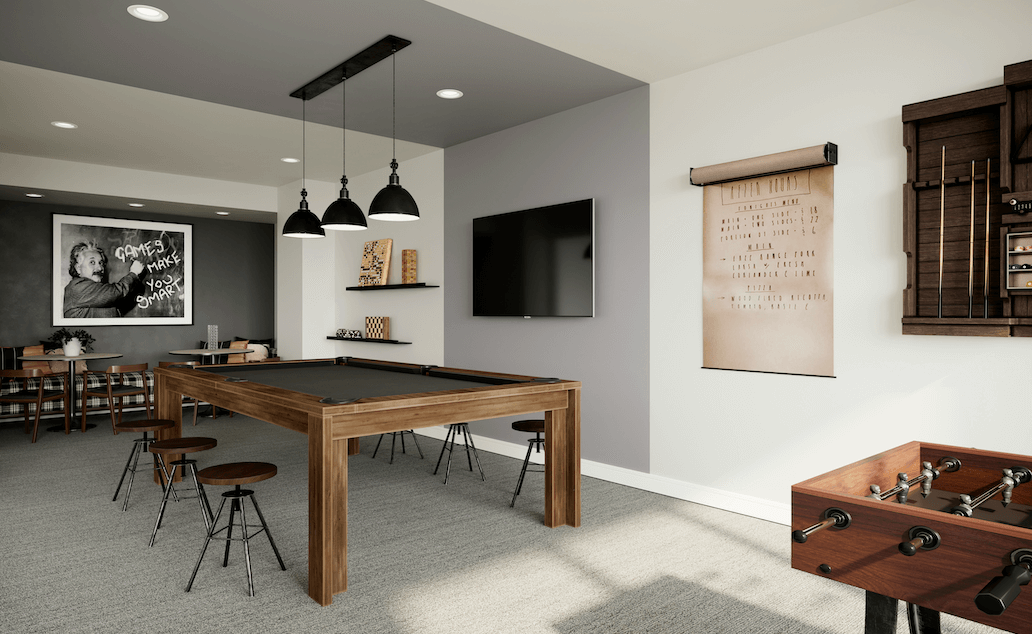
A circular LED panel with a hole for the camera, so the lens sits inside the ring and the face is lit from every side at once. Flat, even, shadowless light, the default of the streaming era.
A ring light is a circular panel of LEDs with a hole in the middle, sized so a camera lens or a phone sits inside the ring and the face in front of it gets lit from every side at once. The circle wraps around the lens, so the light source surrounds the eye line instead of sitting above or beside it, which cancels the harsh shadows a single lamp throws under the nose, the brow, and the jaw. The result is flat, even, near-shadowless illumination that fills in the face and reads as clean and open on a webcam, which is why the shape became the default light of the streaming era. The engineering numbers are what make a ring light worth buying rather than a nuisance. A good unit carries a color rendering index of 90 or above, the score that decides whether skin tones come through with their true color instead of a sickly cast, and the working color temperature range spans roughly 2,900K to 7,000K, warm enough to match a living room lamp and cool enough to match an overcast office window. Budget units under $50 usually offer three fixed temperatures and ten brightness steps; premium 18 inch units like the Neewer RL45B dim in one percent increments and tune color in 100 kelvin steps, which is the difference between matching the room and fighting it. A ring light is not a key light in the classic sense, and it is not a softbox. The key light sits 30 to 45 degrees off the camera axis to carve the face with a deliberate shadow side, while the ring sits directly on axis and flattens that contrast away. It is also not a general-purpose room light: it throws a pool of even light a few feet wide and leaves the rest of the cave in darkness, which is exactly why a video-ready man cave pairs it with background lamps instead of expecting one halo to light the whole room.
Size, CRI, and the specs that decide the look
The first decision is diameter, and it is a geometry problem, not a wattage contest. A 10.5 inch ring covers a face well when the light sits 2 to 3 feet away, which suits a desk webcam; an 18 inch ring pushes that working distance to about 3 to 5 feet and lights the shoulders and a slice of background too, which is the look streamers want. Buy a small ring for a deep desk and the face falls out of the pool; buy an 18 inch for a cramped corner and the light overfills the shot and reads harsh. The second decision is quality of light, and the numbers that matter are CRI and diffusion. CRI below 90 mangles skin tones on camera, so the honest floor for streaming is a published CRI of 90 or higher, and the best units claim 95 or better. Diffusion is the sleeker tell: a frosted front panel softens the LEDs into an even glow, while a unit with visible diodes punches harsh points into the skin and produces multiple shadows, the opposite of the effect the ring exists to create. Rim-lit panels, where the LEDs face inward along the ring's inner edge, cast the softest shadows of all, which is why the top pick in the 2026 Wirecutter tests, the Neewer RL45B at about $185, uses that design. Color temperature and dimming close the spec sheet. Streaming panels typically span 2,900K to 7,000K, and the control that matters is stepless dimming, because a ring that only offers on and off cannot balance against the monitor glow and the background lamps. A basic desk ring with a stand runs about $35 to $45, a mid 18 inch unit lands between $115 and $160, and a premium wireless model tops out near $185, so the category is cheap enough that the mistake is under-buying the wrong size, not overpaying for quality.
Ring light vs. softbox
One-line distinction: the ring flattens and the softbox models. The ring sits on the camera axis and washes the face in even, shadowless light, which is why it became the beauty light of the internet, flattening blemishes and putting that distinctive round catchlight in both eyes. A softbox sits off to one side, larger and closer than a ring, and its job is the opposite: it casts a soft but directional light that leaves a shadow side on the face, giving it shape and depth. Both are soft light sources, and neither produces the harsh shadows of a bare bulb, but they create different faces on screen. For a streaming man cave the practical answer usually favors the ring. A talking head that faces the camera, a webcam call, a podcast shot, these all want the even, on-axis look, and the ring does it with one fixture in a corner that has no room for a flag and a boom. The softbox wins when the shot is staged like a photograph: a product review, a two camera interview, or a desk scene where the operator wants a specific moody side. Many setups end up with both, a small ring as the face light and a softbox keying the background, but starting with a ring is the cheaper and more forgiving first purchase, and it pairs with bias lighting behind the monitor better than any panel.
Where the ring light came from
The lineage starts in a dentist's office. In 1952 Lester A. Dine invented the ring flash for dental photography, because a camera flash mounted above the lens threw its own shadow across the teeth he was trying to document, and a flash built as a ring around the lens removed that shadow and lit the mouth evenly. Fashion photographers picked the device up in the 1960s for its flattering, shadow-free glamour look, and the ring's reputation as a beauty light was fixed decades before anyone streamed. The consumer ring light as it exists today is a product of the 2020 pandemic. As millions of people started appearing on Zoom calls, webcams, and TikTok from badly lit homes, sales exploded: in May 2020 a $59.99 ring light kit from UBeesize became the number one seller in Amazon's cell phone accessories category, and posts with the hashtag ringlight multiplied across TikTok. It was one of the few lighting categories to go mainstream through necessity rather than fashion, and the on-camera look it created, the halo in the eyes and the even face, became the visual signature of remote work and streaming alike. The streaming setup built around a ring light grew from that moment.
Common mistakes
The first mistake is buying a ring too small for the working distance. A 10.5 inch ring lights a face only when it sits within a couple of feet, and at desk depth the face slips into shadow and the ring becomes useless. Measure the distance from the ring mount to where your face will sit, then pick the diameter that covers it, with 18 inches the safe default for a standard desk or streaming table. The second mistake is trusting wattage over CRI. A cheap panel can advertise a bright output while its color rendering index sits in the 80s, which turns skin grey-green on camera. Check the published CRI before buying, demand 90 or higher, and treat any listing that does not print the number with suspicion. The third mistake is using the ring as the only light in the room. It lights the face and blacks out the background, which reads as a face floating in the dark, and it fights the monitor glow unless you balance it with a background lamp or a bias glow behind the display. Add one low-cost lamp behind the desk and the shot goes from 'lit by a ring' to 'lit on purpose.' And avoid exposing the raw diodes: a visible LED pattern in the ring produces multiple harsh shadows, so any unit you keep should have a proper frosted diffusion panel.
Frequently asked questions
What size ring light should I get for streaming?
For a standard desk or streaming table, an 18 inch ring light is the safe default because it covers the face, shoulders, and a slice of background when the light sits 3 to 5 feet away. A 10.5 to 12 inch ring works if you can place it within about 2 to 3 feet of your face. Measure the distance from the mount to your face before buying, because a ring that is too small for the distance leaves the face half lit. Bigger rings also push the light softer, which is why 18 inch dominates streaming.
Is a ring light or softbox better for video calls?
For video calls and streaming, a ring light is the better first purchase because it sits on the camera axis and gives flat, even, shadowless light that flatters a talking head with a single fixture. A softbox lights from off to one side and carves a shadow into the face, which looks cinematic but reads as moody on a webcam call. Interviews and product reviews want that directional modeling, so a softbox earns its place there. Many creators end up with both, but the ring solves the basic problem of a poorly lit face more cheaply and simply.
How much does a good ring light cost?
A good desk ring light with a stand runs about $35 to $45, and that tier already includes an opaque diffusion panel, three color temperatures, and ten brightness steps, enough for clear video calls. The streaming sweet spot is an 18 inch unit between $115 and $160, which lights a face at 3 to 5 feet and adds stepless dimming. Premium wireless models run about $185 and add app control, wider color temperature range, and battery operation. Below the $30 mark, check the color rendering index, because cheap panels often sit below 90 CRI and make skin tones look wrong.
What does CRI mean on a ring light?
CRI stands for color rendering index, a score from 0 to 100 that measures how accurately a light reproduces the true colors of objects. A ring light with a CRI of 90 or above renders skin tones faithfully on camera, while a panel in the 80s gives faces a grey or greenish cast. For streaming and video calls, 90 is the accepted floor and premium units claim 95 or better. Because the number is published on most spec sheets, checking CRI before you buy avoids the most common cheap-panel problem.
Why does my ring light make me look washed out?
A ring light flattens the face by design, and full brightness on axis removes the shadows that give it dimension, which reads as washed out on camera. Turn the brightness down, move the ring slightly off axis so one side falls into a gentle shadow, and add a dim background lamp so the shot has depth. Set a warm temperature near 3,200K if the room lamps are warm. If it still looks harsh, the diffusion panel may be too thin, letting the LED dots show through.
Related terms
Key Light
The main light on a subject in video, placed 30-45 degrees off the camera axis and above eye level to shape the face. A 2:1 key-to-fill ratio and CRI 90+ are the working targets.
Video & Streaming SetupStreaming Setup
The full chain of camera, microphone, lighting, computer, and encoding software that broadcasts a man cave live, from a $250 starter rig to multi-cam pro builds.
LightingBias Lighting
A dim, neutral 6500K light behind a screen that raises perceived contrast and softens the jump between a bright picture and a dark room. Around 10 percent of peak white.
Audio/Visual & TechStreaming Device
A standalone box or HDMI stick that connects a TV to streaming apps over the internet, adding faster menus, wider HDR support, and one interface across the house.
Video & Streaming SetupBoom Arm
A desk-clamped articulating arm that suspends a microphone near your mouth and out of the camera frame, with published reach of 29 to 37 inches and load ratings from 2 to 6 pounds.
Audio/Visual & TechHome Theater Projector
A projection display that throws 4K onto a screen from 5 to 20 feet away, rated in ANSI lumens. Laser light sources last 20,000+ hours; lamp models deliver 2,000 to 4,000 hours before replacement.