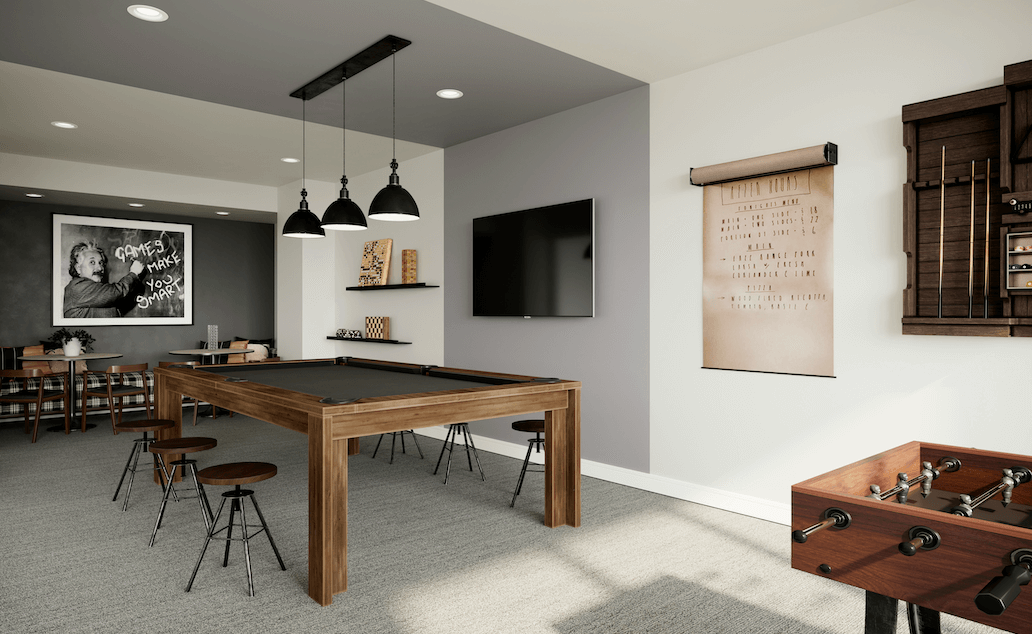
A television with a streaming OS and app store built in, so it runs streaming services, sports, and games without a separate box; the platform, HDR support, and ports decide which one to buy.
Also known as: Connected TVInternet TV
A smart TV is a television with a streaming computer built into it: an operating system, an app store, and a Wi-Fi radio, so the set runs Netflix, sports apps, YouTube, and a browser without a separate box. Nearly every television sold today qualifies, which is why the operating system has become the product. In North America the major platforms are Amazon's Fire TV, Google TV, Roku OS, LG's webOS, Samsung's Tizen, and Vizio's SmartCast, with Apple's tvOS reserved for Apple TV hardware. Roku is the most widely used connected TV OS in the United States, holding roughly 31 percent of active smart TV platform share, with Samsung's Tizen at about 13.8 percent. The platform matters more than most buyers expect, because it decides which apps you can install, how fast the interface runs, and how long the TV keeps getting updates. A budget set that was quick on day one can be painfully slow three years later when apps outgrow its processor. That is the argument for looking past the panel and treating the OS as part of the purchase. The picture quality still comes from the panel and processing, HDR formats like HDR10, Dolby Vision, and HDR10+, brightness, and local dimming, and the smart layer only touches how you reach content, so a great panel with a sluggish OS is a mixed experience. Smart TV penetration in North America now sits around 87 percent of television sales, and the first internet-connected sets shipped in 2007. A smart TV is not a guarantee of the best streaming experience, and it is not a computer monitor. The built-in software on budget models can lag a dedicated streaming device, and the interface often carries more ads than a stick does. A monitor, by contrast, has no tuner, no apps, and expects a computer signal. In a man cave the real question is not smart versus dumb TV, because dumb TVs barely exist anymore, but whether the built-in OS is good enough or a cheap stick would serve you better.
What to look for in a smart TV
Decide the panel and HDR first, then the OS, then the ports. Panel brightness and dimming decide how HDR looks: HDR10 is the baseline every set supports, while Dolby Vision and HDR10+ add scene-by-scene brightness data, and the set's ability to show it depends on hardware, not the app. Size follows the room: measure the viewing distance and pick the size that fits, with 55 and 65 inches the most common choices for a dedicated media wall, the kind a high-tech home theater blueprint plans around. Then look at the OS and its app library, because a sports app that matters to you may be missing from one platform and present on another. Finally check the ports: HDMI eARC carries soundbar audio back from the TV, HDMI 2.1 is what a 4K 120 Hz gaming setup needs, and a bias lighting strip behind the set lifts perceived contrast for little money. Voice assistant support matters too, whether it is hands-free on the set or routed through a smart home hub. Pricing bands tell the story: a 55-inch budget set can cost a few hundred dollars, a 65-inch mid-range set around $700 to $1,500, and a 65-inch OLED anywhere from $1,400 to well over $3,000, so the smart layer is often the least of the cost.
Smart TV versus streaming device
The one-line distinction: a streaming device does the same apps, usually faster, and you keep it when you replace the TV. A budget TV's built-in software is often a compromise, and a $30 to $50 stick or streamer fixes the interface without touching the panel. Fire TV Stick models start around $25 to $50, a Roku Streaming Stick runs about $40, the Google TV Streamer around $100, and an Apple TV 4K about $130. The streaming device also outlives the TV: upgrade the set and the stick moves with you, while a TV's built-in OS dies with the hardware. Where the built-in OS is current, fast, and has every app you need, skip the extra box. Where it is not, the cheapest upgrade in the whole AV chain is the one that plugs into an HDMI port, and the HDMI switcher pages cover what happens when several sources share that port.
Where the term came from
The first smart TVs, sets with integrated internet services for streaming and user content, arrived in 2007, and the category displaced the set-top boxes that had done streaming until then. Roku, one of the earliest media streamers, helped push every TV maker to bake streaming in, and by the 2010s connected TV and internet TV had given way to smart TV as the generic label. The meaning has drifted since: a smart TV once meant any TV with an app, and today it implies an app store, a voice assistant, and often an ad platform, because the OS is how manufacturers keep earning after the sale. Over 79 percent of American households own a smart TV or a streaming plug-in, which is why the platform you choose is a decision with real shelf life.
Common mistakes
The first mistake is paying for a new TV to fix an old interface. If the panel is fine, a $40 streaming stick replaces the slow OS for less than the cost of an HDMI cable upgrade. The second is choosing by brand loyalty instead of platform fit: a TV from a respected maker can ship with an OS that lacks the app you actually watch, so check the app library before the badge. The third is ignoring the ports until the soundbar or console arrives, then discovering the TV has no eARC or only HDMI 2.0. The fourth is buying smart when you plan to plug in a streaming device anyway, which leaves you paying for software you bypass and an interface full of ads on every boot. Match the OS to how you will actually use the set.
Frequently asked questions
What is the difference between a smart TV and a regular TV?
A regular TV only displays the signal you feed it. A smart TV has a computer, an operating system, and an app store built in, so it connects to Wi-Fi and runs streaming services, sports apps, and browsers by itself, no extra box required. Nearly every television sold today is smart, which is why the operating system, Roku, Google TV, webOS, Tizen, Fire TV, is now the thing to compare. A computer monitor is different again: it has no tuner and no apps, and expects a signal from a computer.
Which smart TV operating system is best?
There is no single best, only the best fit for your apps. Roku and Google TV are the most broadly useful, with large app libraries, frequent updates, and easy interfaces. Fire TV is strong if you live in Amazon's world. First-party systems like LG webOS and Samsung Tizen are fine but smaller in app selection, and usually fine if you stream the majors. If you want speed and longevity across several TVs, a streaming device running any of these systems often beats a budget TV's built-in OS.
Do I need a streaming device if I have a smart TV?
Only if the built-in OS falls short. A new TV with a current, fast OS and every app you need does not need an external streamer. A budget or older set that is slow, ad-heavy, or missing an app will feel dramatically better with a $30 to $50 stick, and the stick moves with you when you replace the TV. Most people only add a streamer when the built-in software annoys them, or when they want a particular platform like Apple TV that no TV ships with.
How much should I spend on a smart TV?
Spend on the panel, not the smart layer. A 55-inch budget set can cost a few hundred dollars, a 65-inch mid-range set roughly $700 to $1,500, and a 65-inch OLED anywhere from about $1,400 upward. The operating system adds little to the price, so buy the best panel your budget allows and accept the OS it ships with, or fix a weak OS with a streaming stick. For a dark man cave, prioritize contrast and HDR over extra inches.
Why has my smart TV gotten slow?
Apps outgrow the TV's processor. A budget TV ships with just enough power for the apps of its day, and every streaming app update adds features and weight, so the same set that felt snappy new crawls a couple of years later. Manufacturers also slow or stop updating the OS, which breaks compatibility with newer app versions. There is no software fix that restores performance; the practical answer is a $30 to $50 streaming stick, which has far more processing power than the TV's built-in system.
Related terms
Streaming Device
A standalone box or HDMI stick that connects a TV to streaming apps over the internet, adding faster menus, wider HDR support, and one interface across the house.
Audio/Visual & TechHDMI Switcher
A box with several HDMI inputs that routes one source to a single display, so a TV with too few ports connects to multiple consoles. The switch needs HDMI 2.1 and 48 Gbps to pass 4K at 120 Hz.
Audio/Visual & TechOLED vs. QLED
Two different TV display technologies: OLED uses self-emissive pixels for true black and wide viewing angles; QLED is a quantum-dot LCD that hits higher peak brightness at a lower price.
LightingBias Lighting
A dim, neutral 6500K light behind a screen that raises perceived contrast and softens the jump between a bright picture and a dark room. Around 10 percent of peak white.
Audio/Visual & TechUniversal Remote
One handset that drives a whole AV stack, working either from a preloaded database of manufacturer codes or by learning IR codes off the remotes it replaces.
Audio/Visual & TechMedia Server
Home-network computer running Plex, Jellyfin, or Emby that stores your media library and streams it to every screen. Transcoding demand picks the hardware; 4K HDR needs far more CPU than 1080p.
Audio/Visual & TechSmart Home Hub
The box that hosts the Zigbee, Z-Wave, Thread, or Wi-Fi radios in a smart home and turns a pile of gadget apps into one system of scenes, schedules, and voice commands.
Audio/Visual & TechScreen Size Calculator
Turns a viewing distance into a recommended screen diagonal using SMPTE's 30-degree or THX's 40-degree field of view. Enter the distance, get the size range.