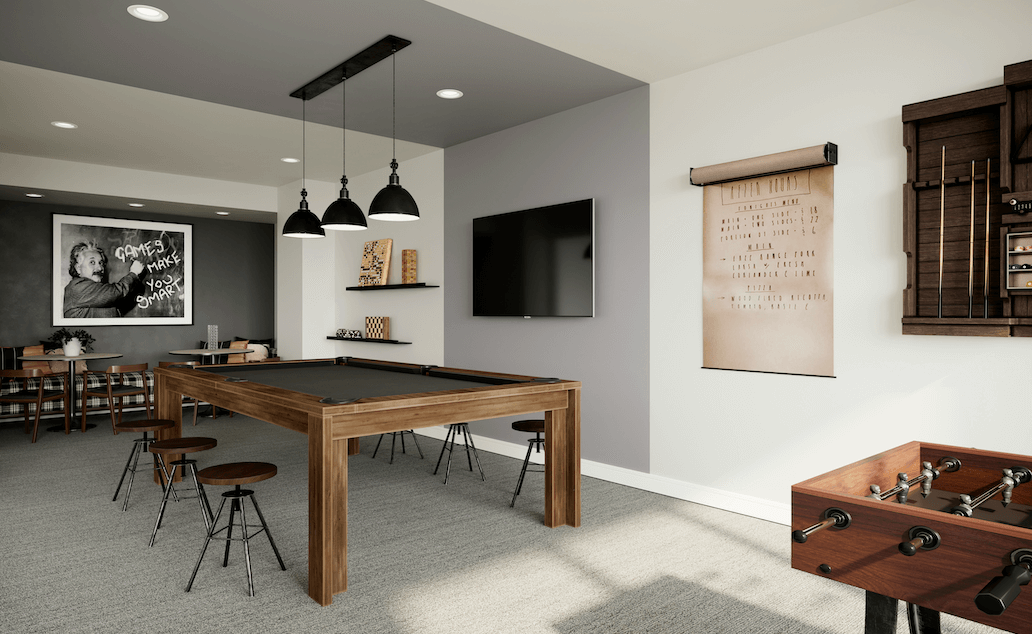
Wet Bar Plumbing for Your Basement Man Cave: Traps, Vents & Hiring Tips
Last updated June 20, 2026 · By Chris Murphy

Safety first. Before you grab a wrench or follow a YouTube walk-through, plan on hiring a licensed plumber for any regulated basement plumbing. A bad move can flood your finishes, void insurance, fail inspections, and create real safety risks. This post covers what to know before you hire: how to scope the job, what specs to ask for, and how to spot a pro who gets code, slope, vents, and future-proofing right.
Picture this: your man cave is ready, the mini-fridge is humming, and the bar sink is waiting to be hooked up. Now imagine a slow drain, constant clogs, or a backflow event that wrecks the finished floor. A little planning turns that into a low-maintenance feature instead of a recurring headache. Below you'll learn how drains and traps interact with slope and venting, what to expect for water supply and shutoffs, and which permits and inspections matter. I also give you a practical hiring checklist so you can compare quotes and specs instead of guessing.
We tackle five practical areas: safety and planning, drain/trap/slope, venting and code requirements, water supply and shutoffs, and a permits-and-hiring checklist. Expect straightforward questions to ask, specs to insist on in estimates, and common things to avoid. I’ll also point out opportunities to add future-friendly gear like smart leak detection, isolation valves, powered disposals, and loggable inspection notes so your wet bar works now and adapts later.
| Difficulty: Advanced | Time: 1 day | Cost: $300-$500 |
Start Smart: Safety and Planning Before a Basement Wet Bar
What You'll Need
Tools
- Adjustable wrench
- Pipe wrench
- Hacksaw
- Pipe cutter (for plastic or copper)
- Measuring tape
- Basin wrench (specialist tool for tight under-sink access)
- Level
Materials
- 1 P-trap kit (with slip joint connections)
- 1 sink strainer and tailpiece assembly
- 2 braided stainless steel supply lines (24-inch length)
- 2 quarter-turn shutoff valves
- 1 length of 1-1/2-inch PVC pipe (about 3 feet)
- 1 package of PVC fittings (elbows, couplings, and a cleanout adapter)
- 1 roll of Teflon tape
- 1 small container of plumber's putty
A basement wet bar mostly lives behind the finishes, so the decisions you make now matter for years. First, nail down the scope. Is this just a sink and mini-fridge, or are you adding a dishwasher, disposal, ice maker, or a dedicated cold-water tap? Every extra fixture changes drain size, venting strategy, and electrical needs. Good planning trades off footprint, service access, and routing so you cut into the floor as little as possible.
Site assessment is where the real work starts. A licensed plumber will look for the main stack, check floor construction, and locate existing drains or sump connections to find the easiest, code-compliant routing. They’ll ask about finished floor elevations, whether you’ve got a slab or a framed floor, and whether a sump or backwater valve exists or will be required. Those things affect cost and schedule, and can turn a simple under-sink tie-in into a messy reroute.
Think of this like systems work, not just pipe work. Plan for GFCI outlets, low-voltage runs for instant-hot or smart faucets, and spots for leak sensors and automatic shutoffs. Put the plan on paper so your plumber can price installations that leave room for upgrades. And have the pro spell out permit needs up front. Doing that now saves rework and makes bids actually comparable.
Safety callout. Hire a licensed plumber, electrician, or other qualified tradesperson for any regulated or dangerous work unless you are already qualified. Unpermitted or unlicensed work can void insurance, fail inspection, and create life-safety hazards. This section is what to know before you hire, not a how-to.
Plan before you cut into the slab

Basements hide the hard part. Is the main soil stack a few feet away or on the other side of the house? Routing waste up and around finished walls adds time and cost. Measure from the sink location to the nearest vented stack and floor cleanout, note slab thickness, and find out whether you’ll need a coring contractor or a floor chase. As a rule of thumb, relocating a drain 10 to 15 feet with slab cutting and a new vent tie-in often doubles labor compared with a simple under-sink tie-in.
Key specs to request in your estimate
Ask every bidder to put these minimum items in writing:
- Pipe sizes and materials. Typical small sink trap is 1 1/2 inch; use 2 inch if you plan to run a dishwasher or disposal.
- Horizontal drain slope. Typical spec: 1/4 inch per foot for 1 1/2 inch and 2 inch drains. Put that number in the contract.
- Trap seal depth and type. Request a 2 to 4 inch trap seal and a P-trap only; no S-traps.
- Venting plan and trap-to-vent distance. This varies by code, but smaller traps commonly keep trap-to-vent runs short, often within 2 to 4 feet. Ask the plumber to cite the applicable local code section.
- Cleanouts and access points. No long hidden runs without cleanouts.
- Shutoffs and isolation. Include a quarter-turn shutoff under the sink and a labeled main isolation for the wet bar branch.
Safety and future-proofing items to specify
Include these where relevant:
- GFCI-protected power for any disposal or fridge circuit.
- An air gap or approved dishwasher connector for a dishwasher drain.
- Backflow prevention if tying into floor drains or where local code requires it.
- Provision for a smart leak detector in the cabinet and a recessed isolation valve box if you want remote isolation later.
Budget and permitting reality check
Expect a simple sink tie-in to run in the neighborhood of $500. If slab cutting, new venting, or framing a chase is required, $2,500 or more is common. Garbage disposals typically add $200 to $600. Permit fees vary wildly by location, so ask contractors to include permit pull and inspection coordination in their bids.
Final tip: compare written scopes, not just the bottom line. The cheapest quote that skips vents, cleanouts, or permits will cost you more in the long run.
Step-by-Step
Step 1: Sink location and wall measurements
Measure the space where the wet bar will sit. Record the distance from the floor to the drain outlet and the distance between the hot and cold shutoff valves. Confirm the sink basin depth and width. These numbers determine the correct trap arm length and the required clearance for the vent pipe. A tape measure and a notepad are sufficient for this task.
Step 2: Trap type identification
Identify the correct trap type for your sink. A standard P-trap is the minimum requirement under most codes. A deep-seal trap is used when the drain line connects to a sewer system with higher pressure. The trap creates a water barrier that stops sewer gases. Your plumber will know which trap matches the local code. Your role is to specify the sink fixture and confirm the trap size matches the drain outlet.
Step 3: Venting method evaluation
Determine whether the drain needs a dedicated vent pipe or an air admittance valve. A vent pipe connects to the main vent stack and runs through the roof. An air admittance valve sits under the sink and opens only when the water drains. Code allows this valve only in certain basements or remodels. Check with your local building office before you proceed.
Step 4: Drain line slope verification
Verify that the drain line from the sink to the main waste pipe has a slope of 1/4 inch per foot. This slope keeps solids moving and prevents clogs. Measure the horizontal distance from the trap outlet to the point where the pipe turns or connects. Multiply that distance by 0.25 to get the minimum drop. A plumber will confirm this during rough-in.
Step 5: Water supply line assessment
Assess the hot and cold water supply lines at the wet bar location. Each line must have its own shutoff valve within reach of the sink. The valves allow you to stop water flow without shutting off the whole house. Confirm the pipe material matches the existing system, typically copper, PEX, or CPVC. Note the diameter, usually 1/2 inch, and the connection type for the faucet.
Step 6: Permit and inspection research
Research the local plumbing codes and permit requirements for a wet bar installation. Most municipalities require a permit for any new drain connection or water line. The permit triggers two inspections: a rough-in inspection before the walls are closed and a final inspection after the sink is operational. Your plumber handles the permit application, but you must know the schedule and the inspection access points.
Step 7: Code-compliant specifications list
Compile a list of code-compliant specifications that your plumber must follow. Include the required trap size, vent type, pipe material, and slope. Note the maximum distance from the trap to the vent, typically 5 feet for a 1.5 inch pipe. Add the minimum clearance between the shutoff valves and the electrical outlets. This list prevents rework and helps your plumber quote the job accurately.
Step 8: Licensed plumber selection
Interview at least two licensed plumbers before signing a contract. Ask for their license number and proof of insurance. Describe the wet bar location, the existing rough-in, and the specifications you gathered. Request a written estimate that lists the labor, materials, and permit fees. Confirm that they will pull the permit themselves. A plumber who refuses to permit the job is a risk you should avoid.
Drains, Traps, and Slope: The Backbone of Reliable Performance
The way drains and traps are laid out decides whether your sink drains fast and stays sanitary. For a bar sink, the trap size, trap arm, and drain diameter should be specified by the plumber based on fixture load and local code. Materials range from PVC or ABS to brass for exposed fixtures, but the important part is correct layout: traps must be reachable for cleaning and sized to handle whatever you plan to run into them, including a disposal or dishwasher branch.
Slope matters a lot. Drain lines need consistent fall so water and solids move without pooling or creating odors. A pro will size and route trap arms and branch drains to keep recommended slopes and to avoid long horizontal runs that invite clogs. Clean-outs and accessible junctions are cheap insurance. Ask the contractor to mark clean-out locations on the as-built drawings and to avoid burying the trap behind finished cabinetry or an inaccessible chase.
If you’re into modern conveniences, talk about disposal models, drain capacity, and smart monitoring up front. Some disposals need larger discharge lines and more power, and dishwasher branches add grease and solids that change pipe sizing and maintenance cycles. Make sure the contract calls out trap material, trap dimensions, waste line material, and where clean-outs will be placed so bids reflect reliability instead of a lowest-cost shortcut.
Safety callout
Hire a licensed plumber (and a licensed electrician if you add disposals or outlets) for any regulated or potentially dangerous work unless you are already qualified. This section is about what to know before you hire, not a how-to. Unpermitted or unlicensed work can void insurance, fail inspection, and create life-safety hazards.
Trap basics: what to specify and why it matters
Ask for a P-trap only. S-traps are out in most jurisdictions because they can siphon dry and let sewer gas into the room. Typical sink setups use a 1 1/2 inch P-trap. If you plan on a garbage disposal or dishwasher, specify a 2 inch trap and branch so the unit drains freely. Trap seal depth matters too. Request a trap with a 2 to 4 inch seal. Too shallow invites odors; too deep risks siphon. Require the plumber to state the actual seal depth on the quote.
Slope and pitch: numbers to lock into the contract
Slope matters. For horizontal runs on 1 1/2 inch and 2 inch drain piping, specify 1/4 inch per foot. For 3 inch and larger mains, 1/8 inch per foot is common. Put that number in the estimate so bids are comparable. If a chosen route forces a flatter slope because of elevation limits, require a plan for a pump or a reroute. Also insist on no long, flat runs under finished flooring. Even a few feet of poor slope equals repeated slow drains.
Trap-to-vent distance, cleanouts and materials
Trap-to-vent distance varies with trap size and local code. Don’t take anyone’s word for it; ask each bid to list the trap-to-vent measurement and cite the code or standard they used. Insist on accessible clean-outs for any run longer than a few feet. Example spec to request: "1 1/2 inch PVC trap and trap arm, 1/4 inch per foot slope, trap-to-vent ≤ 4 feet, cleanout at base of branch and at slab penetration." Above-slab or exposed runs are usually schedule 40 PVC or ABS; below-slab and public stacks may require cast iron or an approved equivalent. Get the material callout on the quote.
Practical tips I use when reviewing bids
- Demand a drawing or at least a sketch showing trap location, vent tie-in, slope callouts, and clean-outs.
- If a disposal or dishwasher is planned, require a 2 inch drain and a dishwasher air gap or approved connector.
- Ask whether a backwater valve or floor-drain protection is required where basement drains tie to the sewer system.
These specs keep the finished bar low-maintenance and let you compare contractors on the same technical grounds.
Vents and Code: What Jurisdictions Require and Why It Matters
Venting keeps traps from siphoning and keeps sewer gas out of your living space. The rules are detailed and they vary by jurisdiction, pipe size, and how many fixtures are on a branch. Some installs tie into an existing stack using a wet vent; others need a new vent to the outside or allow an air admittance valve where local code permits. A licensed plumber will determine the venting approach and whether vertical or horizontal venting, or an AAV, is legal in your area.
Trap arm length, vent sizing, and allowable wet-vent configurations are tied to local code tables and inspector expectations. Those parameters drive routing choices: a short run to an existing vent will be cheap, while installing a new vent through the roof is more invasive and costly. Always require the bidder to reference local code sections and to list whether the design uses an AAV, a gravity vent to the roof, or ties into a nearby plumbing stack.
Inspections and sign-offs matter. Noncompliant venting can show up years later as odor problems, failed resale inspections, or insurance headaches. Ask contractors for examples of similar permitted projects and for a checklist of the inspections they will request. That keeps the project transparent and code-compliant from day one.
Safety callout. Hire a licensed plumber (and a licensed electrician if you add powered disposals or outlets) for any regulated or dangerous work unless you are already qualified. This section is about what to know before you hire, not how to do the work yourself. Do not perform work that risks electrocution, flooding, structural damage, or code violations. Unpermitted or unlicensed work can void insurance, fail inspection, and create life-safety hazards.
Venting options and when they apply
Venting for a basement wet bar is rarely one-size-fits-all. Options include a traditional vent run up to the roof, tying into an existing stack, wet-venting adjacent fixtures, or using an air admittance valve where your local code allows. Which route the plumber recommends will depend on distance to the main stack, finished floor elevations, and whether other fixtures share the branch. Each choice affects cost and future maintenance. Roof penetrations add labor and flashing work, while wet-venting can simplify piping but may limit future changes.
Air admittance valves: pros and caveats
AAVs solve a lot of basement routing headaches because they avoid rooftop penetrations. They’re compact, inexpensive, and often the easiest install. But not every jurisdiction accepts them, and they cannot replace required stack vents for certain systems. If an AAV is used, require the plumber to specify the model, an accessible mounting location, and the local code section that permits it. Also ask about expected service life and maintenance access since AAVs can fail over time.
Wet venting, vent sizing and critical limits
If the wet bar shares a vent with another fixture, confirm the plumber’s plan covers trap siphonage, fixture loading, and correct vent diameter. Vent sizing and allowable fixture units vary by code, so ask contractors to state vent diameter, material, and the code table they used. If vent runs go through cold spaces, require insulation or heat tracing where frost could block the opening.
Practical permit and inspection tips
- Require the bid to include permit pull, code citations for the vent strategy, and coordination of required inspections.
- Ask for a vent termination plan (roof penetration location or AAV mounting), and request proof of final inspection before final payment.
- Insist on an as-built sketch showing vent routing and cleanout locations. That makes future work easier and protects resale value.
Small detail many owners miss: rooftop venting costs vary by roof type. Flat roofs and tile roofs often push the upper end of the range. Get that cost clarified up front so bids compare apples to apples.
Water Supply and Shutoffs: Control, Pressure, and Smart Protections
Water supply is more than hot and cold lines. Think line sizing, mixing valves if you want controlled hot delivery, isolation valves, and shutoffs for each fixture so future repairs don't mean shutting off water to the whole house. Local shutoff placement and accessibility are inspection items, so have your plumber call out quarter-turn ball valves or multi-turn brass valves as required.
Pressure, flow, and water quality affect fixture selection. Low-pressure situations may need pressure-boosting or specific faucet models, especially for touchless or electronic faucets. If you want ice makers or beverage taps, consider water treatment options. Plan trunk lines and stub-outs so adding an instant-hot dispenser or filtered tap later doesn't mean ripping out cabinetry.
Use automation where it makes sense. Specify smart leak detectors and an automatic isolation valve if remote shutoff and alerts matter to you. These devices integrate with home automation platforms for instant notifications and emergency shutoff. Make sure the pro you hire is comfortable installing them and documents isolation points on the as-built drawings.
Safety callout. Hire a licensed plumber (and a licensed electrician if you add powered valves, disposals, or instant-hot units) for any regulated or dangerous work unless you are already qualified. This section explains what to plan and specify before you hire, not how to perform the work. Unpermitted or unlicensed work can void insurance, fail inspection, and create life-safety hazards.
What to specify for water supply lines
Supply sizing and materials affect performance for years. For a basement wet bar, ask bidders to list pipe material and diameters. Typical specs to request: branch feed in 1/2 inch copper or PEX, flexible faucet connections with 3/8 inch compression, and an ice-maker line in 1/4 inch OD copper or braided tubing. If the bar will include multiple fixtures or a dedicated chilled-water tap, note the cumulative fixture units so the plumber can size the branch properly. Call out water pressure limits on the quote. Most homes run well at 40 to 60 psi. If your house pressure exceeds 80 psi, require a pressure reducing valve and mention it in the bid.
Shutoffs and isolation strategy
Insist on accessible isolation valves at these locations: the branch feed into the bar area, individual quarter-turn shutoffs under the sink for hot and cold, and a shutoff at any appliance such as an ice maker. Specify quarter-turn ball valves, full port where possible, for quick operation and durability. For finished cabinetry, request a recessed shutoff box or service panel so valves are reachable without removing finishes. Require the plumber to label valves and include a simple as-built sketch showing valve locations.
Practical items to include in the contract:
- Valve types. Quarter-turn brass ball valves for visible work, soldered or approved push-fit connections as code allows.
- Flex connectors. Braided stainless flex lines for final connections with 3/8 inch compression where appropriate.
- Branch shutoff. A labeled isolation at the main branch feeding the wet bar so the whole run can be shut off without affecting the rest of the house.
Backflow, frost protection and smart options
Call out any required backflow prevention or air gap for appliances per local code. Ice makers and beverage dispensers sometimes need a backflow device or vacuum breaker. If the branch runs through unheated space, request insulation or heat tracing to avoid freeze damage.
Consider future-proofing: include provision for a smart automatic shutoff valve tied to a leak sensor. Battery-backed models exist and can be integrated into home systems, but if you plan a powered shutdown, ask the electrician to route a small 120V GFCI outlet. Require the plumber to note warranty and testing for valves on completion, and to leave shutoffs accessible and clearly labeled on the final punch list.
Permits and Hiring Checklist: How to Select the Right Plumber and Protect the Build
Hiring the right tradesperson cuts surprises. Look for a licensed plumber with local references and specific experience with basement wet bars and slab or framed-floor work. Confirm license and insurance, ask for copies, and verify them with the issuing authority. Get three written bids that include scope, materials, labor, permit fees, expected inspections, and warranty terms so you can compare apples to apples.
Require the contractor to pull permits and schedule inspections because unpermitted work can void insurance and cause resale headaches. Your contract should say who pays permit fees, who fixes inspection corrections, and who handles relocation of concealed items. Ask for a materials/spec sheet listing trap type and size, waste pipe material and diameter, venting method, shutoff types, and whether smart leak detection or automatic shutoff valves are included.
Operational details matter. Get a project timeline, a payment schedule tied to milestones, and a clear change-order policy. Insist on a final inspection and an as-built diagram showing shutoff locations, vent paths, and clean-outs. If you plan to add smart devices, ask the contractor about low-voltage routing, power availability, and network access so your man cave ends up both functional and future-ready.
Safety callout. Hire a licensed plumber (and a licensed electrician or other qualified tradesperson when applicable) for any regulated or dangerous work unless you are already qualified. This section explains what to know before you hire, not how to do the work yourself. Do not perform step-by-step plumbing, electrical, or structural work that could cause flooding, electrocution, or code violations. Unpermitted or unlicensed work can void insurance, fail inspection, and create life-safety hazards.
Permits and inspections: what to expect and what to require
Permits are commonly required for adding a sink, tying into a stack, cutting a slab, installing disposals, or adding new venting. Ask each bidder to confirm who pulls permits and to include permit fees in the quote. Typical permit fees for a small wet bar can range from about $50 to $500, though local fees vary. Inspection windows often run 3 to 14 business days after request. Require the contractor to schedule rough and final inspections and to give you copies of the permit card and final sign-off before final payment.
When you review bids, require explicit code references for critical items the installer controls: trap size (1 1/2 vs 2 inch), horizontal slope (specify 1/4 inch per foot for 1 1/2 and 2 inch lines), trap-to-vent distance, vent type (roof vent or AAV and the local code section permitting it), and cleanout locations. If the plan involves slab cutting or roof penetrations, the bid should list how they will restore finishes, flashings, and sealants.
Hiring checklist: questions and contract items I always use
I treat hiring like buying a warranty. Here are concrete items to demand in writing:
- License number and proof. Verify online with your jurisdiction.
- Insurance. General liability and worker's comp. Ask for limits and a current certificate.
- Permit responsibility. Contractor must pull permits, coordinate inspections, and provide permit copies.
- Written scope. A sketch or diagram showing drain route, vent plan, pipe sizes, slopes, cleanouts, and shutoff locations.
- Materials list. Pipe types and sizes should be clear. Brands are optional.
- Schedule and milestones. Start date, rough-in inspection, and final inspection dates.
- Payment terms. Typical: 10 to 30 percent deposit, progress payment(s), final payment only after final inspection and receipt of lien waivers. Avoid large cash payments.
- Change order process. Fixed hourly rates, markup percent, and written change orders required.
- Warranty. At least one year on workmanship plus manufacturer warranty details.
- References and photos. Ask for two recent similar projects and pictures of the finished work.
A final practical tip: compare bids on the written scope, not price alone. A low bid that omits permits, cleanouts, venting, or a labeled shutoff will cost you more later.
Common Mistakes to Avoid
- Skipping the trap primer: A dry trap in an infrequently used basement bar releases sewer gases; install a primer line or a trap that retains water.
- Ignoring local venting codes: Vapor-locked drains gurgle and drain slowly; connect to an existing vent or install an automatic air admittance valve per code.
- Using a shallow trap for the bar: Deep P-traps block debris but fail to self-scour; a 2-inch-diameter, 4-inch-deep trap balances flow and cleaning access.
- Forgetting to install a shutoff valve: A leak at the faucet or supply line floods the bar floor; add an accessible ball valve so you can isolate the sink quickly.
- Connecting to an undersized drain line: A sink with a garbage disposal overwhelms a 1.5-inch pipe; run a 2-inch drain for wet bar sinks to prevent clogs.
Moving Forward
Safety callout: Hire a licensed plumber (and a licensed electrician or other qualified tradesperson where applicable) for any regulated or potentially dangerous work, unless you are already qualified. This post is about what to know before you hire and how to plan the project, not how to do the work yourself. Remember that unpermitted or unlicensed work can void insurance, fail inspection, and create life-safety hazards.
High-level takeaways: lock down scope and specs up front. That means trap size, trap-to-vent distance, horizontal slope (such as 1/4 inch per foot for 1 1/2 and 2 inch lines), cleanouts, and a venting strategy that notes whether an AAV is allowed. Require written pipe materials and diameters for drains and supply, accessible shutoffs and labeled isolation valves, GFCI power for disposals, and permit pull plus inspection coordination. Future-proof the spec sheet with smart gear like leak detectors and automatic isolation valves so your wet bar stays low-maintenance and ready to grow.
Next step: draft a one-page spec checklist that includes the items above - trap type and seal depth, drain slope, vent plan and code citation, cleanout locations, supply line sizes, and any smart devices you want. Then solicit three written bids that confirm permits, insurance, and a timeline. Verify licenses, insist on as-built drawings and final inspection sign-off before final payment, and hire the pro who gives you an apples-to-apples scope you trust. Plan well, hire smart, and build the wet bar that actually works.