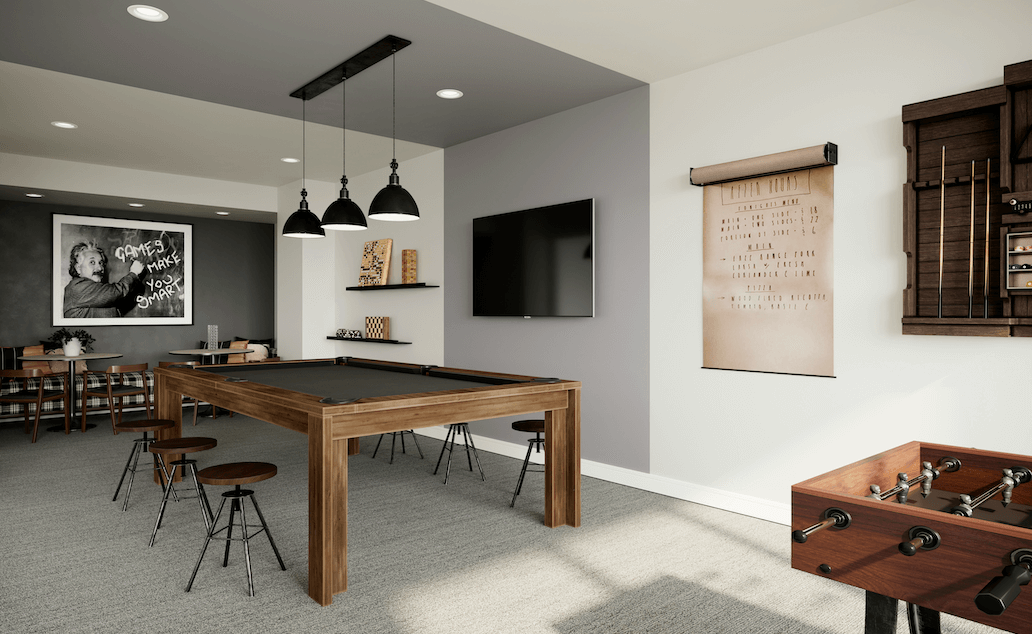
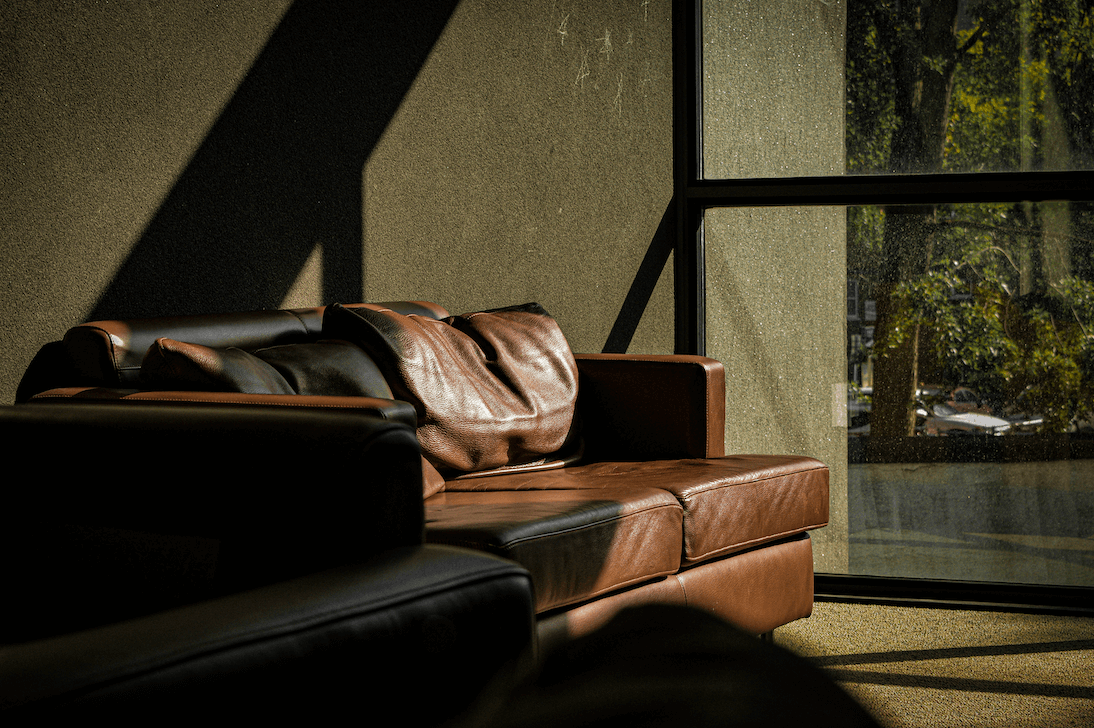
Group of light fixtures controlled together from one switch, dimmer, or scene. Zones let a single room run separate lighting moods, and energy codes cap automatic-shutoff zones at 600 square feet.
Also known as: Control ZoneLighting Zone
Fixtures, bulbs, and colour temperature for this are covered in our decor and accessories guide.
A light zone is a group of fixtures in a room that you control together, as one unit, from a single switch, dimmer, or scene. In a man cave that usually means the ceiling cans run on one zone, the shelf and sign lighting on a second, and the bar under-lights on a third, so one button dims the room for a movie while a separate control keeps the task light bright. The term comes from lighting control, where a control zone is defined as one or more light sources controlled simultaneously, and it is the concept that turns layered lighting from an idea into something you can actually operate.
The reason zones matter is that light serves different jobs at different times. The ambient wash you want for a poker game is wrong for movie night, and the task light you need at the bar is glare in the seating area, so a single switch that runs everything forces one mediocre setting. Zoning fixes that: with two or three independently controlled groups, each activity gets its own lighting scene, and the room stops being a compromise. It is the difference between a cave that has lighting and one that controls it.
A light zone is not a light layer, and the confusion is common. A layer describes what the light does, ambient lighting, task, or accent, while a zone describes what the light is grouped with, the fixtures that move together on one control. One zone can contain several layers, and one layer can stretch across several zones. The two words are not interchangeable, and mixing them up is how people end up with a dimmer that controls everything or a task switch that kills the whole room.
How to build useful light zones
Start by listing the activities the room serves and the fixtures that support each one. The ambient zone carries the general overhead light, the task zone covers the bar, desk, or pool table, and the accent zone runs the signs, shelves, and artwork, and in most caves three zones cover the range. Map each fixture to a zone before you buy a single switch, because the wiring follows the grouping: fixtures in the same zone share a circuit, a dimmer, or a smart group, and changing that after drywall is on is expensive.
Two numbers from the energy codes frame the practical minimum. Under the current International Energy Conservation Code, automatic shutoff control zones are capped at 600 square feet, and lighting must drop to a reduced level or off within 20 minutes of vacancy, which in practice means a big room wants more than one zone anyway. The modern way to zone is a smart system: smart bulbs or smart switches group fixtures in software, so a dimmer switch or a voice command can run the movie scene while a second zone stays lit. That approach costs more per fixture but needs no new wiring, which makes it the retrofit option.
Plan at least two zones in any room that mixes activities, and three when you have accent lighting worth controlling. Group by what moves together, not by what sits near each other, and put a manual control where people stand when they change the mood. The zones that get used are the ones whose switches are where you reach for them.
Light zone vs. light layer
The cleanest way to separate them is purpose versus control. A layer is the purpose of the light, the ambient wash, the task light, the accent glow, and every lighting plan draws these as categories. A zone is the control grouping, the actual fixtures that dim together when you touch one switch, and it is a wiring and hardware fact rather than a design intention.
The consequence is a planning failure mode. People design beautiful layers and then wire everything to a single switch, so the room has ambient, task, and accent light but only one control, and the layering collapses into one all-or-nothing setting. The fix is to decide zones from the layers: ambient fixtures become the base zone, task fixtures get their own control, and accent lighting goes on the zone you will actually dim for movie night. Design the layers first, then translate them into zones, and the room ends up controllable instead of merely lit.
Where the term came from
The word zone entered lighting design through regulation, not decoration. Energy codes have long required that light shut off in unoccupied spaces, which forced designers to divide buildings into control zones, one or more sources controlled simultaneously, so an office, classroom, or corridor could be grouped for occupancy sensors and daylight response. In the same era, exterior lighting adopted lighting zones: the International Commission on Illumination (CIE) developed the concept, and it first appeared in the United States in IES RP-33-99, the 1999 recommended practice, as a five-step scale from LZ0, near-total darkness, to LZ4, high-ambient commercial districts.
Home lighting borrowed the idea wholesale. When smart bulbs and app control made grouping cheap, retailers and installers started talking about lighting zones in living rooms, and the phrase light zone entered the home vocabulary as the retail-friendly name for a control zone. It has no single inventor and no official home-code definition, but the mechanics behind it, grouping fixtures by control, come straight from commercial lighting control.
Common mistakes
The first mistake is one switch for the whole room. A cave wired on a single circuit has ambient, task, and accent light but zero control, so movie night is all-or-nothing. Fix it by planning zones on paper before wiring, even if that means running a second circuit or adding a smart light switch.
The second is grouping fixtures by location instead of by purpose. People put the cans and the shelf strip in the same zone because they are on the same wall, then discover they cannot dim one without the other. Fix it by grouping the fixtures that need to move together, and by giving the accent zone its own control even when it is physically far from the rest.
The third is ignoring dimmer and driver compatibility. LED fixtures and dimmers are only reliable when matched, and an incompatible pair flickers, hums, or refuses to dim below 30 percent. Fix it by checking compatibility lists before you buy, testing the whole zone at its lowest level, and using fixtures designed for the dimming protocol your system uses. A cave with two or three honest zones and matched hardware is the one where the lights do what you ask them to.
Frequently asked questions
What is a light zone?
A light zone is a group of light fixtures in a room that you control together from a single switch, dimmer, or scene preset. A man cave might put the ceiling lights on one zone, the shelf and sign lighting on a second, and the bar lighting on a third, so you can dim the room for a movie while a separate control keeps a task light on. The term comes from commercial lighting control, where a control zone is one or more light sources controlled simultaneously.
How many light zones should a man cave have?
Most caves work well with two or three zones. The ambient zone carries the general overhead light, the task zone covers the bar, desk, or game table, and the accent zone runs the signs, shelves, and artwork. If you can only afford one split, make the accent lighting its own zone, because that is the light you want to dim or cut during movies. Bigger rooms should treat the 600 square foot code cap on automatic-shutoff zones as a guideline for dividing the space.
What is the difference between a light zone and a lighting layer?
A layer describes the purpose of the light, such as ambient, task, or accent. A zone describes the control grouping, the actual fixtures that dim or switch together from one control. One zone can hold several layers, and one layer can stretch across several zones. The mix-up matters because people design good layers and then wire everything to one switch, which collapses the design into a single all-or-nothing setting.
Can I add light zones without rewiring?
Yes, with a smart lighting system. Smart bulbs or smart switches group fixtures in software, so you can create zones, scenes, and schedules without running new wiring to the wall. Each fixture needs a smart bulb or a smart switch, which costs more per point than a conventional install, but it is the practical retrofit path. Physically separate zones, with dedicated circuits or dimmers, are cheaper at build time and do not depend on software and Wi-Fi.
Do light zones save energy?
They help. Zoning lets you run only the fixtures a task needs instead of the whole room, and the energy codes that drive the concept, such as the IECC, require automatic shutoff and vacancy-based reduction in defined zones, capping zones at 600 square feet and cutting lighting within 20 minutes of vacancy. In a man cave the bigger win is comfort and control, but the same grouping that gives you a movie scene also keeps the rest of the room off when you do not need it.
Related terms
Ambient Lighting
The base layer of light in a room: broad, diffuse output from ceiling fixtures, cove runs or wall washers that makes the space usable before task and accent lighting go anywhere near it.
LightingTask Lighting
Focused, higher-intensity light aimed at a work surface rather than a room: under-cabinet strips behind a bar, a pendant over a table, a directional fixture over a bench.
LightingAccent Lighting
The directional third lighting layer, aimed at one object or surface at roughly three to five times the surrounding light so it reads as the focal point.
LightingDimmer Switch
A wall-mounted control that lowers light output by chopping the AC power wave, with wiring and load ratings that differ for incandescent, halogen, and LED bulbs.
LightingSmart Light Switch
A wall switch that replaces the mechanical toggle, runs on the circuit's own power, and turns or dims every fixture on that circuit from an app, a voice assistant, or a schedule.
Audio/Visual & TechRGB Lighting
Lighting that mixes red, green, and blue emitters to shift color, from color-changing strips to addressable LEDs that chase, pulse, and sync with games. The building block of the modern man cave glow.
LightingColor Temperature (Kelvin)
A measure of a light source's color appearance, from warm amber at 2700K to cool blue-white at 6500K. The Kelvin number on every bulb box decides whether a room reads as pub, workshop, or hospital.
LightingBias Lighting
A dim, neutral 6500K light behind a screen that raises perceived contrast and softens the jump between a bright picture and a dark room. Around 10 percent of peak white.
Read more about Light Zone

Smart Walls for Man Caves: Transform Your Space with Interactive Tech
Upgrade your man cave with smart walls — learn interactive displays, mood lighting, sound control, installation tips, costs and gotchas to avoid. Start now.

Man Cave Collecting: Keep Memorabilia, Not Clutter
Learn ethical collecting for your man cave: decide what to keep, display items smartly, and sell or donate excess to avoid clutter while preserving value.