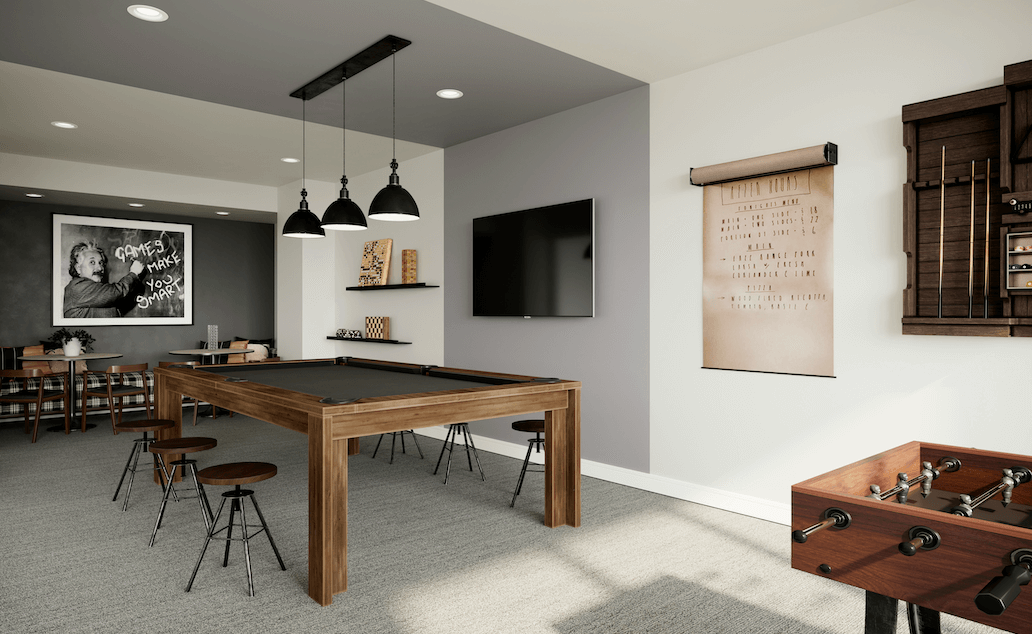
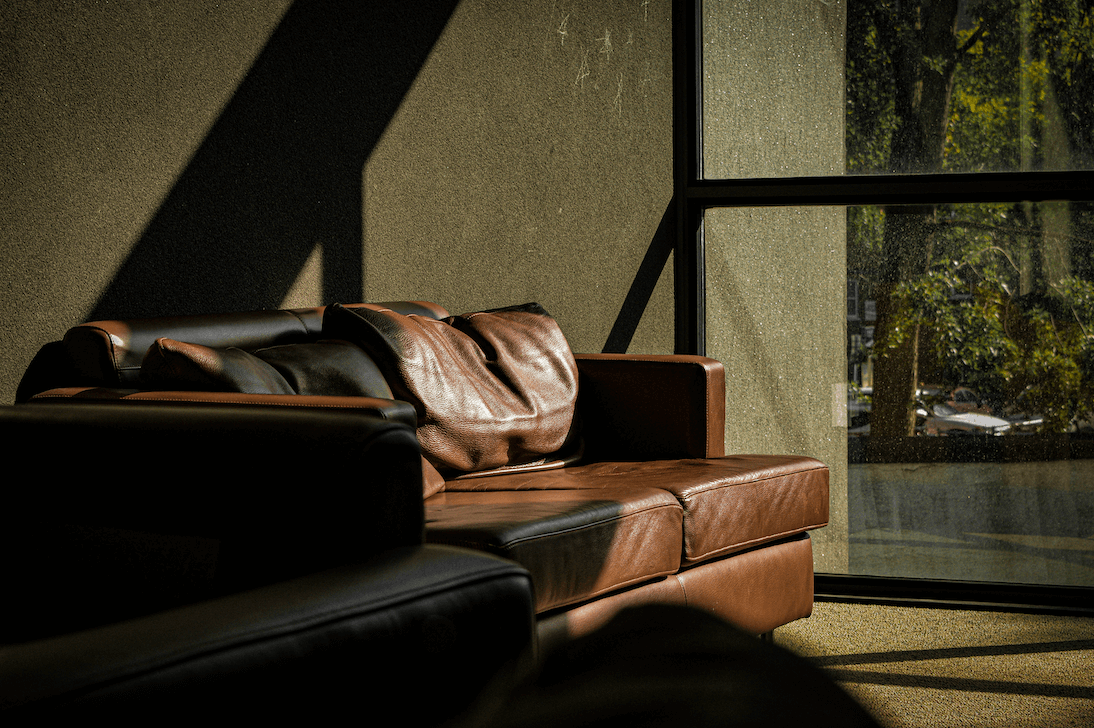
Fully synthetic plank flooring that mimics wood, waterproof through the core, with a wear layer measured in mils. Materials run about $2 to $5 per square foot; installed, $4 to $11.
Also known as: Luxury Vinyl PlankLuxury Vinyl TileLVTVinyl Plank
Luxury vinyl plank, or LVP, is a layered, fully synthetic flooring built from a transparent wear layer on top, a printed photographic layer that mimics wood grain, and a core that gives the plank its body and rigidity, with an attached pad on many modern boards. It is the default floor for basement man caves, garage conversions, and shed builds because it is waterproof through the entire core, shrugs off scratches and scuffs, and installs as a floating floor that locks together with no glue. Where hardwood fears moisture and laminate swells, LVP sits through spills, dogs, and tool drops and comes up looking the same.
The numbers that decide how long the floor lasts are small and specific. The wear layer, the clear top coating that takes the abuse, is measured in mils, thousandths of an inch. A 6-mil layer suits a low-traffic bedroom and lasts 5 to 10 years, 12 mil handles kitchens and living areas for 15 to 25, and 20 mil is the sweet spot for pets, high traffic, and most man caves, with 28 to 40 mil reserved for commercial abuse. Materials run about $2 to $5 per square foot for most homeowners, installed total lands around $4 to $11, and a premium 20-mil plank can be found as low as $3.29 a square foot, which is what makes the value argument so strong.
LVP is not laminate, and the two get confused constantly because they look alike in a showroom. Laminate is compressed wood fiber with a printed top, which makes it water-resistant rather than waterproof, so a standing puddle under a kegerator can swell its core and ruin planks. It is also not hardwood: it cannot be refinished, sanded, or repaired, and when the wear layer finally goes, the floor gets replaced rather than renewed. None of that makes it a poor product. It just means the reason to pick it is the waterproofing and the price, not the promise that it behaves like wood. The trade-offs show up in the details: the printed grain repeats across planks, the surface can fade in strong direct sun, and the underfoot feel is denser and slightly harder than real timber, none of which matters much in a cave but all of which matter if the room is ever sold.
Reading an LVP spec sheet
The three specs that matter are the wear layer, the core, and the plank dimensions. Wear layer in mils is the durability number: 12 mil minimum for any room that gets real use, 20 mil for pets and high-traffic caves, and do not pay extra for 30-mil in a room where 20 does the job. The core comes in two main types. SPC, stone plastic composite, is dense, rigid, and stable across temperature swings, ideal for garages and sunrooms, while WPC, wood plastic composite, is softer and quieter underfoot, better for lounges. Total thickness runs 4 to 12 millimeters and mostly affects feel and subfloor forgiveness rather than strength. Plank size controls how real the floor looks: standard 6 by 36 inch planks look busy, while wider 9 by 72 inch planks read as more expensive hardwood. Installation is usually click-lock, a floating floor that needs no glue and is genuinely DIY-friendly, saving $1.50 to $3.00 per square foot in labor. Premium boards often carry certifications such as GREENGUARD for indoor air quality, which matters in a closed basement cave with limited ventilation. For a basement cave, add a moisture barrier between the concrete and the floor and let the planks acclimate in the room first, exactly the same discipline any floating floor demands. Budget the whole room before you shop: a 200-square-foot cave runs about $800 to $2,200 installed for a mid-range floor, and a 1,000-square-foot project lands closer to $6,000 to $13,000, so the 10 percent overage, the underlayment, and the transition strips belong in the number from day one. If the budget is genuinely thin, the DIY durable flooring guide covers repurposed-material routes, but for most builds LVP is already the value pick.
LVP vs. laminate
Put the two side by side and the one-line distinction is material: LVP is plastic, laminate is compressed wood fiber wearing a printed photo. Waterproofing is the first consequence, because laminate's HDF core swells when moisture gets under the wear layer while LVP ignores water entirely, which makes the vinyl the obvious pick for a bar cave, a basement, or anywhere a drink gets poured. The second consequence is the floor plan: laminate starts cheaper, from about $1.50 per square foot, but sounds hollow without a thick underlayment and cannot be repaired once damaged. LVP costs a bit more and feels denser underfoot. Engineered hardwood sits above both at $5 to $12 or more per square foot, carries real wood that can be refinished once or twice, and is not waterproof, so it belongs in living areas where resale value matters more than spills. For a man cave build the honest ranking is LVP for the floor, engineered hardwood for the look you will sell later, and laminate only when the budget forces it.
Where LVP came from
Vinyl flooring started as a chemistry accident. In 1872 the German chemist Eugen Baumann synthesized polyvinyl chloride, the plastic that became vinyl, but the rigid material had no use until 1926, when Waldo Semon at B.F. Goodrich plasticized it into a flexible rubber-like compound. Vinyl composition tiles debuted to the public at the 1933 Century of Progress fair in Chicago, and the first vinyl plank appeared in the 1970s when homeowners wanted the wood look without hardwood's price and warping. Luxury vinyl as a category took shape in the 2000s as digital printing and rigid cores made the visuals convincing, and click-lock planks around 2010 let anyone install the floor without a professional. The name luxury vinyl is a marketing term, not an industry standard, which is exactly why the spec sheet, not the brand name, is what separates a floor that lasts from one that does not.
Common mistakes
Three mistakes cost man cave builders money. First, buying on wear layer alone. Across real catalogs, a 20-mil floor spans $3.29 to $8.89 per square foot, a 2.7 times spread for the same headline durability number, because brand, core, plank size, and visuals drive the rest of the price. Pick the mils your room needs, then shop within that band. Second, skipping subfloor prep. A subfloor that is not clean, flat, and dry telegraphs every bump through a floating floor, and concrete below grade needs a moisture check before any plank goes down. Third, installing cheap glue-down planks where the cave gets real use. The thin, flexible boards with 4 to 6 mil wear layers are made for rentals, not for a room with a dartboard and a dog, and they gouge within a year or two. Spend the extra dollar a square foot for a rigid core and 20 mil, and the floor outlasts the renovation.
Frequently asked questions
What is LVP flooring?
LVP stands for luxury vinyl plank, a fully synthetic flooring made of a transparent wear layer on top, a printed layer that imitates wood grain, and a rigid or flexible vinyl core, often with an attached pad. It is waterproof through the entire plank, scratch-resistant, and installs as a floating click-lock floor with no glue. It suits basements, garages, bars, and any room where moisture or heavy use would damage wood.
What is the difference between LVP and laminate?
LVP is plastic, and laminate is compressed wood fiber with a printed photo on top. The practical difference is water: LVP is waterproof through the core, while laminate is only water-resistant and its fiberboard core swells if moisture gets in. Laminate starts cheaper, from about $1.50 per square foot, but LVP costs only slightly more and survives spills, pets, and basements that would ruin laminate.
How much does LVP cost per square foot?
Materials for most homeowners run about $2 to $5 per square foot, with quality rigid-core planks around $3 to $4.50. Installed, the total lands between $4 and $11 per square foot depending on labor and prep. Budget planks start near $1.50 to $2, and premium SPC with a 20-mil-plus wear layer runs $5 to $8. For a 200-square-foot cave, expect roughly $800 to $2,200 installed for a mid-range floor.
What wear layer thickness do I need for LVP?
A 6-mil wear layer suits low-traffic bedrooms and lasts 5 to 10 years. Use 12 mil minimum for kitchens, living areas, and normal family use, which lasts 15 to 25 years. For pets, high-traffic rooms, and most man caves, choose 20 mil or thicker, rated for 20 to 30 years of residential use. Commercial spaces run 28 mil and up. Match the mils to the room's traffic, then shop price within that band.
Can LVP be installed over a basement concrete floor?
Yes, and it is one of the best basement floors for that reason, but the concrete must be clean, flat, and dry first. Check the slab for moisture with a simple plastic-sheet test or a moisture meter, because trapped vapor can damage the floor over time. Lay a moisture barrier between the concrete and the planks, allow the flooring to acclimate in the room for a couple of days, and follow the manufacturer's flatness requirement.
Related terms
Floating Floor
Click-lock LVP, laminate, or engineered wood flooring that rests on underlayment instead of nailing or gluing to the subfloor, common in basements over concrete.
Building & ConstructionSubfloor
The structural panel layer fastened to the floor joists that carries loads to the framing; 23/32-inch tongue-and-groove plywood or OSB is the residential default.
Building & ConstructionMoisture Barrier
Sheet, coating, or membrane that blocks water and vapor through walls, floors, foundations. Typical form: 6-mil polyethylene under a slab or over a crawlspace floor, rated in perms.
Building & ConstructionEpoxy Floor Coating
A two-part resin and hardener system that bonds to prepped concrete, turning garage and basement floors into a hard surface built to resist oil, hot tires, and daily wear.
Building & ConstructionVapor Barrier
A sheet material of very low permeance, measured under ASTM E96, that stops water vapor crossing an assembly. It belongs under a concrete slab, and almost never on a basement wall.
Building & ConstructionInsulation (Fiberglass / Spray Foam / Rigid Board)
Material inside the building envelope that slows heat flow: fiberglass batts, spray foam, or rigid board. 2021 IECC calls for attic R-30 to R-60 and wall R-13 and up by zone.
Room Types & SpacesGarage Conversion
A garage conversion turns a garage's concrete slab and bare shell into finished living space, typically a game room, home bar, or theater, with insulation, HVAC, flooring, and code-legal wiring.
Read more about LVP (Luxury Vinyl Plank)

Flooring Cost Showdown: Epoxy vs Carpet vs Vinyl vs Polished Concrete – Budget Tiers & Hidden Costs
Compare flooring costs for your space: epoxy, carpet, vinyl, concrete. Low to high budgets, hidden expenses, and smart trade-offs to save money.

Garage Conversion Cost Guide: Budget Tiers, Permits & Hidden Fees
Estimate garage-to-entertainment room costs: low/mid/high price ranges, permit and hidden fees, contractor vs DIY costs, timelines and priorities plus tips.

Phased Budgeting for Your Room Conversion: Cost Tiers, Timelines & Trade-offs
Plan your room conversion budget in phases: low, mid, high cost tiers. Compare DIY vs contractor, hidden fees, and realistic timelines for each stage.

Pool House to Man Cave: Permits, Plumbing & Budget Breakdown
Plan your pool-house man cave with clear cost ranges, permit and plumbing fees, hidden expenses, contractor vs DIY budgets, timelines, and priority trade-offs.

Design a Family-Friendly Home Retreat: Adult Chill, Kid-Safe Play
Build a family-friendly home retreat that balances adult downtime with kid-safe play. Learn layout, safety, entertainment, storage and budget tips. Fast.

Spare Bedroom to Man Cave: How to Add a Private Ensuite Retreat
Plan your spare bedroom conversion into a private man cave with ensuite. Learn about permits, wiring, budget, sequencing, and avoid common pitfalls.

Minimalism vs Maximalism in the man cave: What Ages Best?
Compare minimalist and maximalist man cave styles to learn what lasts, which materials hold up, and practical design rules to future-proof your space.

Warm Your Basement: Electric Radiant Floor Heat Guide
Transform a chilly basement into a warm, usable space with electric radiant floor heat. Learn materials, step-by-step installation, cost breakdown, and pitfalls.