Turn Your Attic into a Cozy Retreat: Structure, Insulation & Safe Access
Last updated July 18, 2026 · By Zach Lane

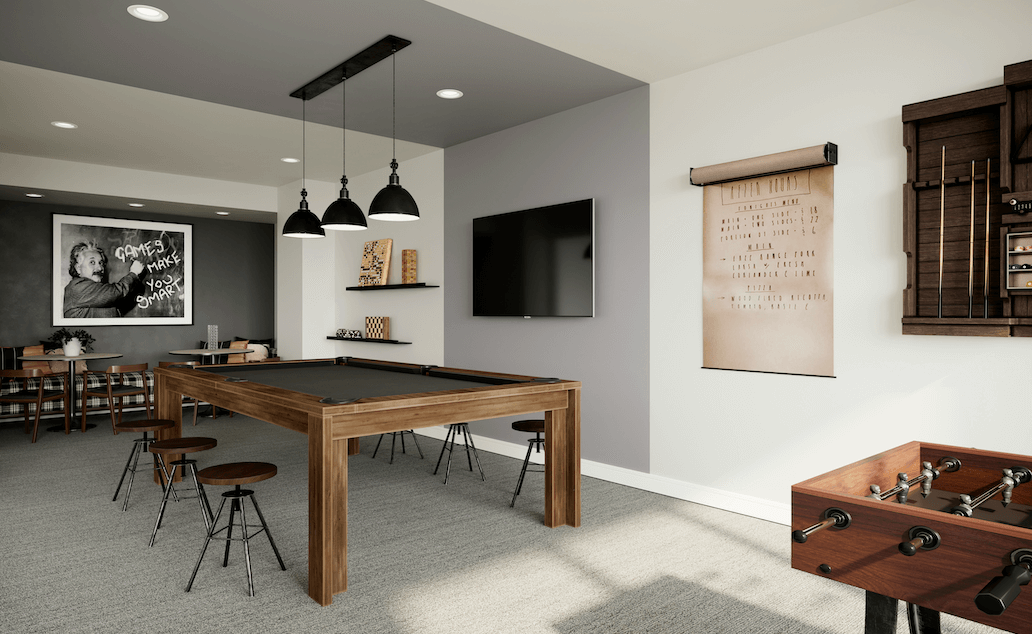
You know that little moment when you climb into the attic and realize it’s bigger, cleaner, or just more usable than you thought? I get a small thrill every time. That tiny victory is often the spark for a project that turns wasted space into the ultimate hangout. Whether you’re picturing a dimly lit game den, a cinema room with plush seating, or a quiet reading nook with a minibar, your attic has real potential to become a cozy man cave.
I’m going to walk you through what actually matters. You’ll learn how to plan and lock down the right permits, assess and beef up structure where needed, choose insulation and HVAC that keep everyone comfortable year-round, design safe and convenient access, and pick finishes with your budget in mind. Practical tips, safety notes, and layout ideas included. Let’s turn that attic into the go-to spot.
Plan Like a Pro: Permits, Zoning and a Realistic Timeline
Before you swing a hammer, breathe and plan. Good planning saves money, avoids surprises with municipal inspections, and keeps the job moving. Start by measuring the space, checking local zoning and building codes, and figuring out whether your work changes the attic from storage to habitable space. That change usually triggers rules for minimum ceiling height, egress, insulation, and structural upgrades.
Get the permits. They protect your family and your investment. Expect to need permits for building, electrical, plumbing, and HVAC. Many towns want plans stamped by a structural engineer for attic conversions. Inspections typically happen at framing, rough-ins, insulation, and final. Skip permits and you could face failed inspections, fines, or trouble selling the house later.
Make a realistic timeline with milestones. Factor in permit turnaround, lead times for materials, and contractor schedules. Add padding for unexpected structural discoveries. If you’re in an HOA, start that conversation early; it’s easier to get approval before contractors start work.
Decide what you’ll DIY and what to hire out. I recommend licensed pros for electrical, major structural work, and HVAC. Painting, trim, and some flooring are great DIY jobs and add a personal touch without risking safety.
Start with a quick feasibility check

Before you draw plans or swing a sledge, confirm the conversion is realistic. Check headroom, roof slope, and joist spans. If you plan to sleep there or use it as regular living space, most codes treat it as habitable and expect minimum ceiling heights, proper egress, and adequate structural support. Any work that changes rooflines, adds dormers, or alters load paths almost always needs formal engineering and permits.
Navigating permits. A practical step-by-step
- Contact your local building department. Ask for an attic-conversion checklist and the office’s typical review timeline. That short call will save you headaches.
- Get measurements and a simple plan. Include existing framing, proposed walls, stair location, windows, and mechanical changes. Basic scaled sketches are usually enough for a pre-application conversation.
- Figure out what professional drawings you need. Cutting rafters, changing joists, adding beams, or building a dormer means you’ll want a structural engineer or architect to stamp plans. Electrical, plumbing, and HVAC changes usually require licensed contractors’ drawings.
- Submit the permit package. Typical items: application form, site plan, floor plans (existing and proposed), structural calculations if required, and scope of mechanical or electrical work. Don’t forget HOA or neighborhood design controls if they apply.
- Schedule inspections in sequence. Common inspections include framing/structural, rough electrical/plumbing/HVAC, insulation/air barrier, and final. Don’t conceal work before inspectors have had a chance to see it.
Permit review times vary from a few weeks to a couple months depending on the project and local workload.
Practical tips and red flags
- Talk to the inspector early. A short meeting or email often prevents rework. Inspectors know the local problem spots.
- Expect fire-safety upgrades. Smoke detectors, CO alarms, and sometimes a fire-rated barrier where attic meets living space are typically required. Egress rules get strict if you add sleeping space.
- Hire a pro when load-bearing elements change. Reinforcing joists or adding beams without proper calculations leads to sagging floors and other hazards.
- Keep records. Save permits, stamped plans, and inspection reports. Unpermitted conversions cause trouble at resale and with insurance.
- Watch planning restrictions. Historic districts, setbacks, and roofline height limits can require zoning variances before a permit is granted.
Follow permits and planning from the start and the whole build will be smoother and legally solid.
Strength Underfoot: Assessing Structure and Load-Bearing Needs
You want to be certain the floor will actually hold what you plan to put up there. Many attics were designed for light storage, not people, furniture, and appliances. That difference matters because joists, beams, and point loads need to carry the extra live and dead loads you intend.
If you overload the attic it can sag, cause structural damage, or leave you with an uneven floor that kills the vibe. Habitable floors usually require higher live loads than storage-only attics. A structural engineer will calculate what’s needed and suggest fixes like sistering joists, adding beams or posts, installing ridge or valley beams, or building a subfloor system that spreads weight.
I’ve crawled into enough attics to know it’s smart to plan reinforcements early, especially if you want a pool table, built-in bar, or heavy entertainment wall.
Assess the existing structure first
Get a clear picture of what’s already there. Crawl in with a flashlight and note joist size, span, spacing, and condition (rot, insect damage, cracked members). Check how rafters, ridge, collar ties, and ceiling joists meet the walls. Most storage-only attics were sized for roughly 10 to 20 psf. Habitable floors typically require 30 to 40 psf and stricter deflection limits (many codes use L/360 for live load). Don’t guess at capacity. Measure, sketch, and photograph everything. If joists look thin, sagged, or spaced wide apart, plan structural upgrades before you put down a nice floor.
Practical upgrade options that actually work
If the sketch shows inadequate capacity, discuss these proven fixes with an engineer or competent carpenter.
- Sistering joists. Fasten new joists alongside existing members to increase stiffness and strength. It’s cost effective and keeps headroom loss minimal. Use full-length sistering where possible and structural fasteners and adhesive.
- Add a beam and posts. Install an interior beam (engineered lumber or glulam) to shorten joist spans. Transfer loads to existing bearing walls or to new posts with footings. This is the go-to for long spans or concentrated loads like a bar or pool table.
- Upgrade the subfloor. A glued and screwed 3/4 inch tongue-and-groove plywood or OSB layer over joists reduces bounce and squeaks. Combine with blocking or bridging between joists to spread loads.
- Use engineered lumber. LVLs and glulam beams carry heavier loads in smaller depths than solid lumber. They help preserve headroom while giving you strength.
- Mind connections. Use joist hangers, hurricane ties, and proper metal connectors. Secure load paths top to bottom so the house behaves predictably under load.
Rules of thumb, red flags and smart sequencing
- Never cut or notch a joist, rafter, or ridge beam without approval. One cut can ruin your load path.
- Watch for concentrated loads. Plan support under heavy items like fridges, safes, kegerators, or built-ins. Put them over a beam or add support below.
- Shore temporarily. If you replace a beam or alter bearing, install temporary posts and strongbacks before you remove anything. It looks ugly. It also prevents your floor from turning into a hammock.
- Bring in an engineer when spans, new load paths, or foundation footings are involved. Many permits will require stamped calculations anyway.
Fix the structure first and you’ll have a reliable platform to add insulation, drywall, and the finishes that make the space feel like home.
Keep It Comfortable: Insulation, Ventilation and HVAC Choices
Comfort matters more than most people think. An attic that’s a sauna in July or an icebox in January kills the vibe faster than anything else. Insulation, air sealing, ventilation, and HVAC choices determine whether your man cave is a place people want to stay.
Insulation options include fiberglass batts, blown cellulose, rigid foam, and closed-cell or open-cell spray foam. Each has trade-offs in cost, R-value per inch, air sealing, and ease of installation. For attic conversions, insulating the roofline often makes sense because it turns the whole space into conditioned area. When roofline insulation isn’t practical, insulating the attic floor can work. Air sealing and managing thermal bridging matter at least as much as R-value.
HVAC choices range from extending existing ductwork, to a dedicated air handler, to a ductless mini-split heat pump. Mini-splits are my go-to recommendation when ductwork is impractical. They’re efficient, fast to install, and give you a dedicated zone. Also plan ventilation: keep intake and exhaust paths clear or add an ERV/HRV for fresh air and moisture control, especially in colder or humid climates.
Soundproofing, ceiling insulation, and limiting radiant heat through the roof will all affect comfort and energy bills. Work with HVAC pros to right-size equipment so it runs quietly and efficiently.
Insulation: choose the right approach for a living attic
Decide whether you’re insulating the attic floor or the roofline. Insulating the attic floor keeps the space above cold and protects living spaces below. Insulating the roofline turns the attic into conditioned space, which is often better for living rooms and entertainment areas because it simplifies HVAC and improves sound isolation.
Common options and real-world pros and cons:
- Fiberglass batts. Cheap and DIY friendly for attic floors. Don’t compress them and avoid gaps. Not ideal for tight roofline installations unless fitted carefully.
- Blown-in cellulose or fiberglass. Great for irregular joist spacing and reducing drafts on attic floors. You’ll need a machine and someone who knows how deep to blow it.
- Closed-cell spray foam. High R-value per inch and serves as an air barrier. Excellent for sealing roofline and reducing moisture risk. More expensive and needs a pro.
- Rigid foam boards. Useful for creating continuous insulation on roof slopes or over rafters to reduce thermal bridging.
R-value guidance. Check local code, but as a practical rule aim higher in cold climates (attic floor R-38 to R-60 is common). In mild climates lower targets can be acceptable. When insulating the roofline, balance thickness with headroom instead of chasing a single number.
Air sealing and ventilation matter more than most people think
Seal air leaks before you add insulation. Rim joists, recessed lights, top plates, and duct penetrations are usual culprits. A few hours with spray foam, caulk, and gaskets will save you money and grief later.
If you keep the attic unconditioned, preserve roof ventilation. Soffit vents, baffles, and ridge vents must stay clear. If you make the attic conditioned, seal those vents and consider mechanical ventilation or an ERV/HRV to manage fresh air and humidity.
HVAC: practical options and pitfalls
Common choices for attic man caves:
- Extend existing ductwork. Works if your system has capacity and ducts fit. Watch for long runs and heat loss.
- Ductless mini-split. Efficient, quick to install, and a dedicated zone. Great when headroom or duct routing is tight.
- Electric baseboard or wall heaters. Simple for backup heat in mild climates. Not a great substitute for cooling.
- Packaged units or small PTACs. Good when you want a self-contained option, but plan for condensate drainage and service access.
Sizing and access matter. Do a proper load calculation after insulation choices are finalized. Undersized equipment struggles. Put thermostats away from direct sunlight and big screens so they read temperature accurately. Keep units and filters accessible for maintenance.
Practical checklist before closing walls
- Complete air sealing and rim joist insulation.
- Install chosen insulation with no gaps and correct depth.
- Decide whether the attic is conditioned or unconditioned and address ventilation accordingly.
- Run HVAC, condensate, and electrical rough-ins with service access in mind.
- Get a final blower door or thermal inspection if possible.
Treat insulation and HVAC as a system. Do that and your man cave will be comfortable and efficient.
Easy In, Safe Out: Designing Access and Egress for Your Man Cave
If people are going to flock to your space, getting there should be easy and safe. Access and egress are about convenience and code compliance. The type of access you choose affects usable floor area, headroom, and the entrance’s feel. Permanent stairs make the space feel like a real room and are far nicer for regular use.
Egress rules are serious. If the attic becomes habitable many jurisdictions require a secondary means of escape such as an egress window or exterior door. Windows and stairs must meet specific size, sill height, riser, tread, handrail, and landing requirements. Check local codes early so your design doesn’t run into last-minute headaches.
Think about how the entrance affects layout. A central stair can split the room or become a focal point. A tucked-away stair saves space but might feel cramped. Lighting and headroom at the top and bottom of the stairs are critical for safety and ambiance.
Include fire-safety items like smoke alarms and CO detectors if you have combustion equipment, and keep egress paths clear. Plan access with people in mind and you’ll avoid awkward moves during your first party.
Safe, Stylish Access: Picking the Right Stair or Ladder
If you’ll use the attic every weekend, treat access like part of the build and not an afterthought. A permanent stair is more comfortable and far safer than pull-down ladders. Typical expectations for a permanent stair are a minimum 36 inch clear width and comfortable headroom (many codes use 80 inches), but always check local rules. Think about how you’ll move big stuff up there. A couch, fridge, or pool table favors a straight or L-shaped stair over a spiral.
Spiral stairs look cool and save floor space, but they make furniture moves difficult and can be awkward in an emergency. Retractable or folding attic stairs work for occasional use, but they’re a poor choice for primary access.
Egress Requirements That Keep You Legal and Alive
Egress is non-negotiable if you add sleeping space or turn the attic into a true living area. Most jurisdictions require at least one emergency escape and rescue opening in habitable rooms. Typical targets to discuss with your inspector: a net clear opening of about 5.7 square feet, minimum opening height around 24 inches, and minimum width around 20 inches. Window wells add complexity and may need ladders or a minimum well size. Planning a dormer to fit a compliant egress window often solves two problems at once: light and an exit route.
Place your main stair and egress window so the travel path is short and obvious. Don’t route exits through a single narrow corridor or force people to pass through other rooms. Keep the route clear, well lit, and free of trip hazards.
Practical Checklist for Access and Egress
- Choose the stair type first. Prioritize permanent stairs unless the attic use is truly occasional.
- Verify local code dimensions for stair width, rise/run, headroom, landings, and handrail height.
- Locate egress windows early in the layout. If necessary, plan a dormer to meet size and headroom goals.
- Provide proper landings. Top and bottom landings are often required and must be level.
- Install handrails and guards. Baluster spacing should prevent a 4 inch sphere from passing through.
- Design the route to an exterior door or window that emergency services can reach, and keep that path clear.
- Coordinate with your structural plan. New stairs often require cutting joists or adding beams, so sequence work to install temporary shoring when needed.
Lighting, smoke detectors, and an illuminated path matter too. Tie alarms into the home system if you can. Do it right and your attic will be easy to reach, safe for guests, and code friendly.
Finish Strong: Styling, Functionality and Budgeting Your Build
This is where the personality comes alive. Finishes, fixtures, and furniture decide whether the space feels put together or half finished. Pick durable, low-maintenance materials for high-traffic entertainment zones and plan functional areas for watching games, playing pool, serving drinks, and storing gear.
Built-in storage, smart lighting controls, and well-placed outlets make hosting easier. Soundproofing and acoustic treatments let you crank the stereo without bothering the rest of the house. Think in layers: ambient, task, and accent lighting to create depth and mood.
Budgeting is the backbone of a successful finish. Start with a clear scope and get estimates for major trades: structural, electrical, HVAC, and insulation. Itemize finishes and furniture. Prioritize safety and structure first, HVAC and electrical next, then finishes and technology. Keep a contingency of 10 to 20 percent for surprises, particularly in older homes.
If you want to save money, mix DIY-friendly tasks like painting and trim with contractor work for complex systems. Decide what will make the biggest impact for guests and invest there.
Finishes. Where to spend and where to save
Let structure and mechanical systems come first. Then spend on things people touch and notice up close: comfortable seating, quality flooring underfoot, and durable countertops at the bar. Save on items that are easy to swap later, such as decorative trim, accent paint, or inexpensive shelving.
Concrete choices. Go with engineered hardwood or high-quality luxury vinyl if you want warmth and durability in an attic that sees humidity swings. Solid hardwood can cup with moisture changes. Use carpet in small lounge nooks for warmth and noise control. Standard drywall with a smooth finish works perfectly fine; don’t pay extra for exotic plaster unless you love it.
Sound treatment is a finish too. Adding mass-loaded vinyl behind drywall or an acoustic underlayment under flooring costs less than rebuilding furniture or dealing with noisy neighbors later. Lighting is another place to invest. A few quality dimmable fixtures and smart switches will change the mood more than expensive decorative pieces.
Budgeting. Realistic steps and a sample breakdown
Start with a clear scope, then get at least three bids for structural, electrical, and HVAC work. Expect local variation, but these guidelines help:
- Contingency. Plan 15 to 20 percent of the project cost for surprises. You’ll use it.
- Permit and professional fees. Expect permits and a stamped engineer plan to cost from one thousand to several thousand dollars depending on complexity.
- Rough percentage breakdown (planning tool): structure and framing 25 to 35 percent, mechanical/electrical/plumbing 20 to 30 percent, insulation and HVAC 10 to 15 percent, finishes and flooring 20 to 30 percent, permits/design 5 to 10 percent.
Practical steps. Itemize big-ticket items first (beam, stairs, HVAC). Get fixed bids for those before committing to luxury finishes. Buy flooring and trim during a sale to save 10 to 20 percent. Do paint, trim, and some lighting as DIY to cut labor costs.
Sequencing and hidden costs
Sequence matters. Complete structural work, insulation, HVAC, and electrical rough-ins before drywall. That avoids rework that kills budgets. Watch for hidden costs like reinforcing the floor for heavy items, rerouting wiring, additional smoke detectors, or upgrading the main panel. Those small items add up fast.
Be honest about what you’ll DIY and what needs a pro. Hire professionals for structural, electrical, and HVAC work, and keep painting and trim for weekends. Plan conservatively and your man cave will be both great looking and financially sane.
Wrapping Up
You now have a clear path to turn that overlooked attic into a real hangout. Start with a feasibility check, call the building department for their attic-conversion checklist, and get a structural assessment so joists and beams are ready for habitable loads. Treat insulation and HVAC as a system. Seal air leaks, pick the right insulation approach, and consider a ductless mini-split if ductwork is impractical. Plan access for people, not just tools: permanent stairs when you’ll use the space often, and a compliant egress window or dormer for safety. Finish with durable flooring, good seating, sound treatments, and lighting that sets the mood.
My practical sequence: lock in permits and structural decisions first, then do air sealing and insulation, run HVAC and electrical rough-ins, complete inspections, and only then close walls and finish. Hire a structural engineer when you change load paths or cut joists. Get at least three bids for major trades and decide which jobs you’ll DIY (painting, trim, lighting) and which you’ll hire out (structural, electrical, HVAC).
Take one concrete step today. Measure the attic, photograph the framing and access, and call your building department to request their attic-conversion checklist. Then book a short consult with a structural engineer or a trusted contractor to confirm feasibility and get quotes. Do that and you’ll move from wondering what if to a real plan. When you’re ready, share your layout or questions in the comments so others can learn, and so you can get that first invite-ready night on the calendar.