A private room in the house given over to one person's quiet: reading, meditation, a hobby, or just a chair with the door closed. The indoor sibling of the man cave and the she-shed.
A retreat room is a room the household quietly agrees belongs to one person, kept for nothing more important than unwinding. It usually starts life as a spare bedroom, an attic room, or a nook nobody was using, and it becomes a reading corner, a meditation space, a craft table, or simply a chair where the door closes on the rest of the house. Nothing about the term demands a specific size or use, which is the point: the room is defined by its purpose, a deliberate hour of quiet, rather than by its contents. The market data explains why the idea keeps spreading. A 2024 YouGov poll found half of Americans have a spare bedroom and 67 percent of owners of single-family detached homes keep at least one bedroom empty, which means most households already own the raw material for a retreat. The NAHB's Eye on Housing reported the same year that 66 percent of buyers want a home with exactly one office, another signal that a second quiet room has become a feature people plan for rather than a luxury. The cost of building one is mostly the cost of not giving the room to storage: paint, lighting, a rug, and the discipline to keep it personal. A retreat room is not a man cave, and it is not a rec room, even though the terms blur in listings. The man cave leans toward entertainment, hobbies, and guests; the rec room leans toward family and noise. A retreat tilts the other way, toward solitude and restoration, which is why it often has no television at all. It is the indoor sibling of the she-shed, the backyard building many women adopted as the answer to the man cave, and the two share the same instinct: a room that answers to one person.
How to carve one out of a spare bedroom
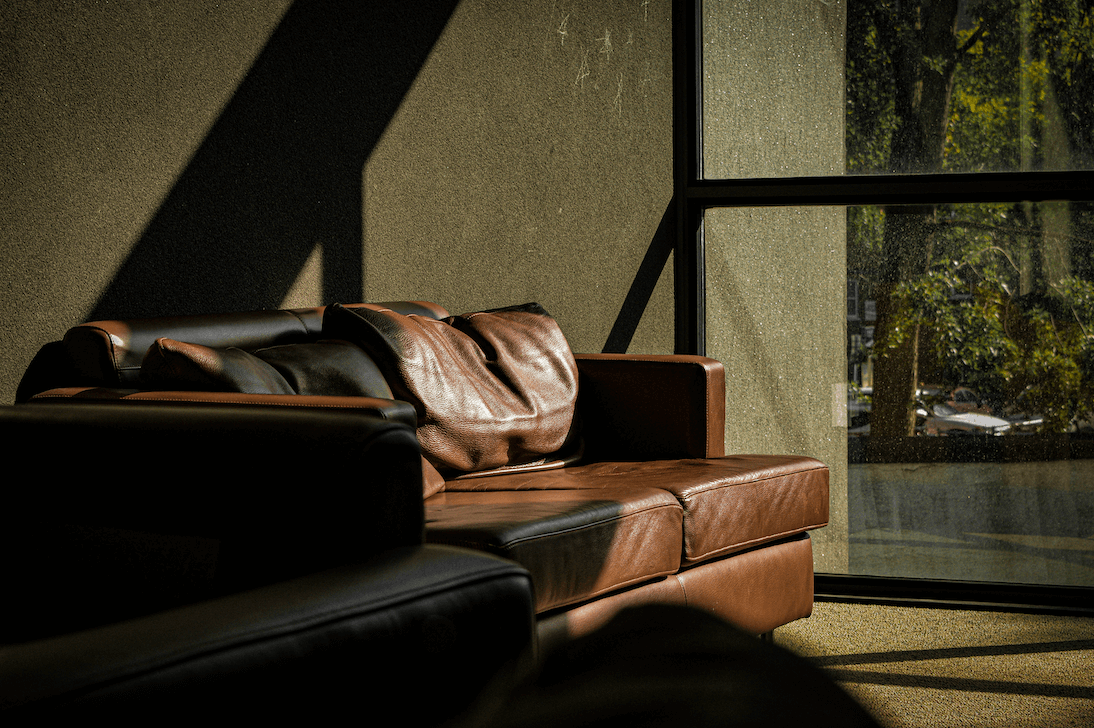
Start with the room you already have, not a renovation. A standard spare bedroom, roughly 10 by 12 feet, holds a reading chair, a bookshelf, a desk, and a small table without feeling crowded, and it already has the window and closet that make it legal living space. The upgrade list is short: a door that closes firmly, a ceiling light on a dimmer, blackout or thermal curtains if glare bothers you, and an outlet position that matches where the chair goes. Sound is the part people underestimate. The room does not need studio construction, but a hollow interior door lets every living-room conversation in. A solid-core door with weatherstripping around the jamb and a draft stopper under the sill turns a retreat from a symbolic space into a genuinely quiet one. Light matters as much: dimmable, warm light reads as calm, while a bare overhead fixture reads as an office. Small windows and a closet also leave the room able to market itself as a bedroom later, which keeps the resale story clean. Budget follows the same logic. A weekend refresh with paint, a rug, blackout curtains, and one good chair costs a few hundred dollars and delivers most of the effect. The expensive version, built-ins, new floors, electrical work, runs into the thousands, and it buys comfort and storage more than function. Decide what the room is for first; the money follows the decision, not the other way around.
Retreat room vs. man cave
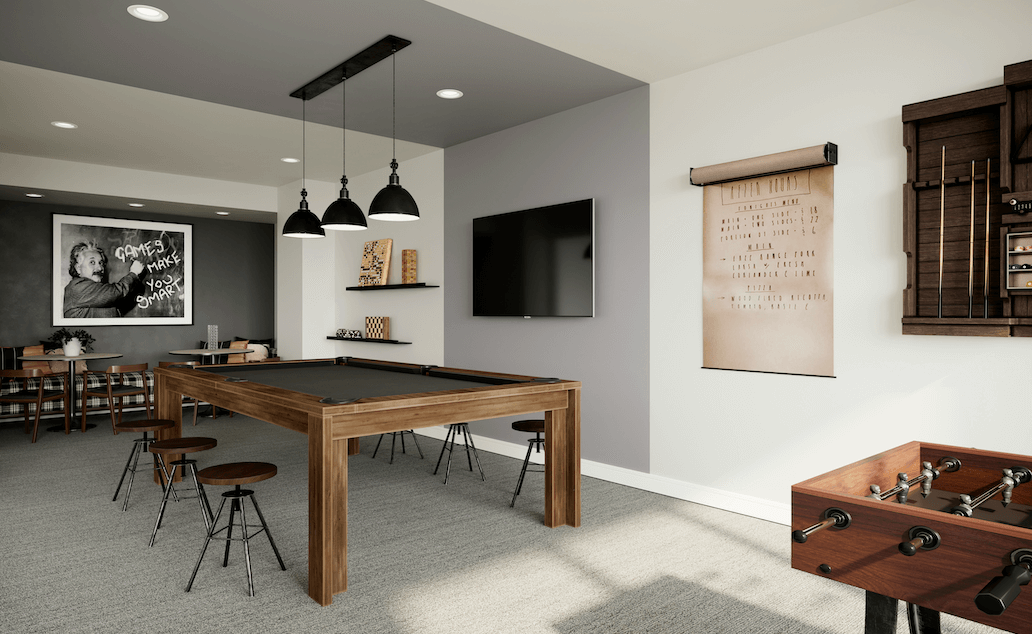
The one-line distinction: a man cave is built for what you do, and a retreat room is built for how you feel. The man cave shows off a pool table, a bar, or a theater; it is social even when you are alone in it, because its identity is the activity. The retreat room has no activity it must serve, which is precisely its value. Both are personal, and both answer the same complaint, but they solve it in opposite directions. The practical difference shows up at sale time. A man cave is an easy room to overpersonalize, and buyers price a cave covered in team memorabilia as a renovation they would tear out. A retreat, kept neutral with a warm chair and good light, reads as a flexible bedroom or study, and appraisers treat it as usable square footage. The happy medium is a retreat that could become a guest room in an afternoon: furniture that looks good empty, storage that hides the hobby, and nothing bolted to the walls.
Where the retreat idea came from
The term grew out of the man cave boom of the mid-2000s and its answer, the she-shed, a name that took off in the 2010s for a backyard building a woman claimed for herself. The indoor version never needed a coinage moment, because it is the oldest room in the house: the study, the sewing room, the den, all of them retreat rooms under older names. What changed in the last decade is that the space got a label, a budget line, and a place on buyer checklists. For design direction, the man cave ideas collections cover the same territory from the other end of the house, and the retreat borrows freely from them. The pandemic made the idea concrete for a lot of households. With work and school at home, the spare room that used to hold boxes became a scheduled resource, and survey data followed: home buyers now rank a second quiet room among the features they shop for. The trend's staying power is that it costs little. A retreat is mostly a decision about what the room is for, not a construction project, which is why an attic retreat or a converted flex room works as well as a purpose-built space.
Common mistakes
The first mistake is letting the room become a storage staging ground. A spare bedroom fills with boxes, holiday decor, and hand-me-down furniture within a year, and the retreat never happens. Assign every item a home or a curb, then furnish the room like a real space rather than a waiting room. The second is building the room for the wrong hours. A retreat without a comfortable seat, without light control, and with a door that does not close is a retreat in name only. Test it: sit in the dark with the door closed for ten minutes and fix whatever bothers you, from a rattling vent to a door that swings open. The third is overpersonalizing past the point of resale. Layer the paint, furniture, and decor as far as you like, but keep the bones neutral: a closet, a window, standard light switches, and wall space a buyer could call a study. The spare room conversion that reads as a bedroom or office today will sell tomorrow, and the room bolted to one person's hobby will not.
Frequently asked questions
What is a retreat room?
A retreat room is a private space in the house set aside for one person's quiet: reading, meditation, a hobby, or simply resting with the door closed. It has no required size or use, and it usually starts life as a spare bedroom, an attic room, or a bonus room nobody was using. It is the indoor counterpart of a man cave, but it leans toward solitude and restoration instead of entertainment and guests. A comfortable seat, good light, and a door that closes are the entire recipe.
What is the difference between a retreat room and a man cave?
A man cave is built around what you do, a bar, a theater, a pool table, and it is often social even when you are alone in it. A retreat room is built around how you feel: quiet, calm, restored. The man cave answers with activities and gear, while the retreat often has no television at all. Both are personal rooms, but they solve the same complaint in opposite directions. In real life many homes compromise with a neutral room that leans one way, which is exactly how a retreat should stay flexible enough to sell later.
How much does it cost to turn a spare bedroom into a retreat?
A weekend refresh with paint, a rug, blackout curtains, a lamp, and one good chair costs a few hundred dollars and delivers most of the effect. Going further, with built-in shelving, new flooring, upgraded lighting, or electrical work, runs into the thousands. Because the room already has a window, a closet, and a door, there is usually no construction required at all. The honest budgeting advice is to decide what the room is for first, then spend. Most retreat rooms need furniture and light control, not drywall.
Where should I put a retreat room in the house?
The best location is the room furthest from household traffic, because the point is that the door closes on the noise. A spare bedroom on the quiet side of the house is ideal; an attic room, a finished bonus room, or a den works the same way. Basement rooms can work, but check for natural light, which matters more for a calm space than for a game room. Any room with a closet and a window also keeps its resale value as a bedroom, which protects you if you sell before you are done enjoying it.
Does a retreat room add value to the home?
Modestly, and only if it stays flexible. Appraisers and buyers treat a neutral room with a closet and a window as usable square footage, so a retreat that could become a bedroom or study protects its value. The danger is the opposite: a room bolted to one person's hobby, painted, themed, and built in, reads as a renovation a buyer would tear out. Keep the bones neutral and the personality in the furniture, and the room sells as extra bedroom or office. The personalization is the part that does not travel.
Related terms
Man Cave
A room set aside for one person's hobbies and entertainment, typically a home bar, game room, theater, or all three. The term dates to a 1992 Toronto Star column.
Room Types & SpacesShe Shed
A small backyard structure, often a converted garden shed, used as a personal retreat and marketed as the female counterpart to the man cave. It houses a hobby: crafting, reading, or an office.
Room Types & SpacesAttic Retreat
A finished, code-compliant room built into the roof space, with knee walls, roofline insulation and a fixed stair. Only the floor area with real headroom counts toward it.
Room Types & SpacesFlex Room
Bedroom- or den-sized square footage a builder leaves without a fixed purpose, ready to become a home office, gym, playroom, or man cave as a household's needs change.
Room Types & SpacesSpare Room Conversion
Turning an existing bedroom or unused room into a theater, game room, or bar without adding square footage, far lighter than a basement or garage project because the envelope already exists.
Room Types & SpacesBonus Room
A finished, habitable room that falls short of the legal definition of a bedroom, giving the owner flexible space without triggering the code, tax, or septic weight an extra bedroom would.
Read more about Retreat Room

Best Enamel Pin Display Boards for Your Retreat Room
Seven enamel pin boards compared on surface, size and price, plus the pin backing that decides whether a pin stays on the wall and what actually fades enamel.

Best Bluetooth Multi-Zone Amps for Home Entertainment
Compare Bluetooth multi-zone amps, get setup tips, speaker compatibility guidance and sound comparisons to build a quality, easy-to-install audio system.