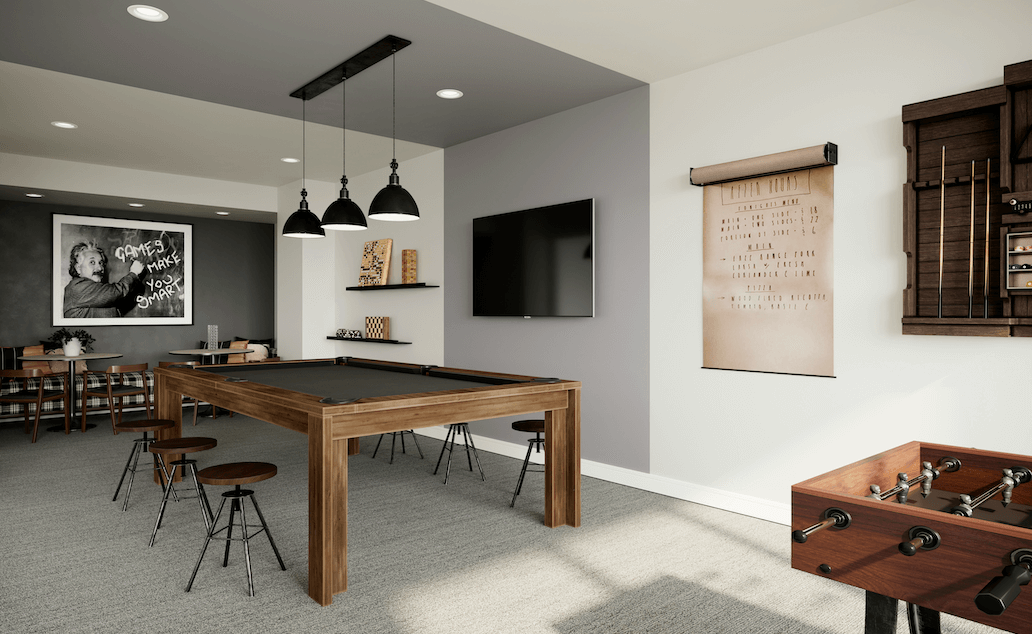
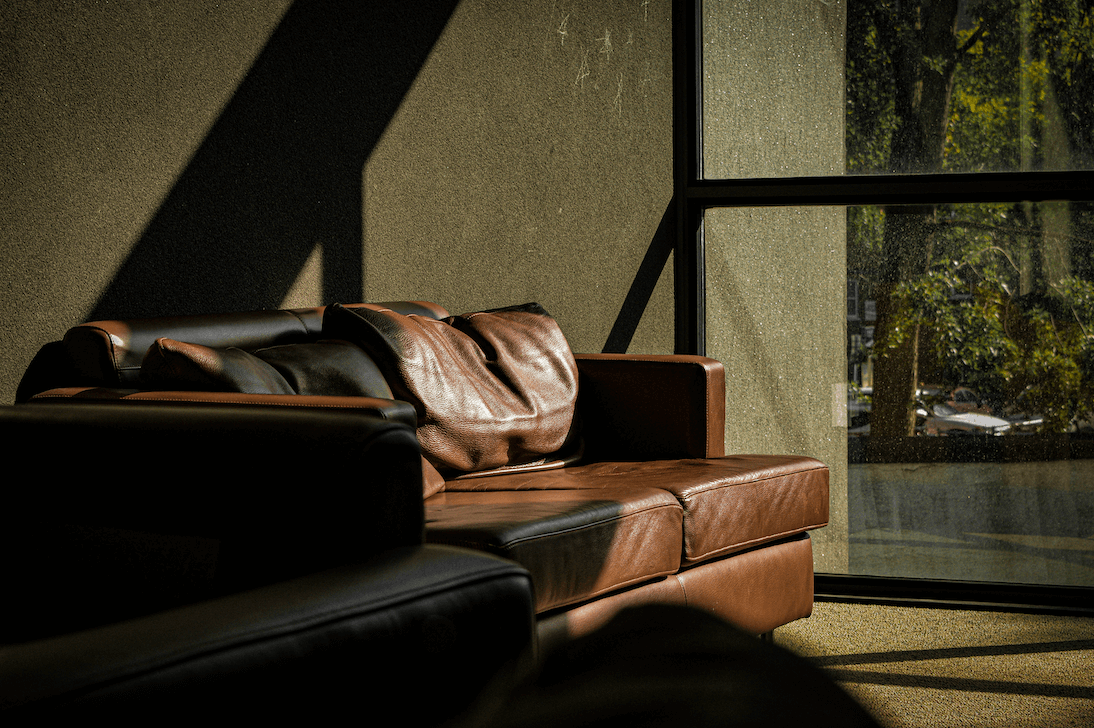
Speakeasy Prohibition Home Bar Ideas
Last updated August 20, 2026 · By Zach Lane ·How we choose products · Affiliate disclosure

That small win when you slide a perfectly weighted shaker into a leather-lined drawer and the catch clicks smooth. You know the one. That little click is when a room stops being just furniture and paint and finally feels like your chill zone.
If you’ve ever been annoyed by mood boards that scream "make it vintage" but skip the useful stuff, meaning load ratings, lumen output, and leather grades, you’re in the right place.
I treat a speakeasy-style chill zone like something you engineer, not just decorate. This guide gives you spec-driven, practical advice so the parts actually work together: how to size seating for ergonomic support and circulation, how to pick lighting based on lumen density and color temperature to control mood, what construction details help a cabinet or bar cart survive heavy use, and which materials patina well around alcohol, smoke, and foot traffic. Expect measurements, trade-offs, and DIY tips to keep both form and function on point.
I’ll walk you through the decision points that matter, call out the compromises honestly, and hand you shopping and build lists that save time and prevent costly mistakes. Vintage looks often mean more upkeep. Modern components often win on durability. Read on and you’ll know exactly what to buy or build to get that clandestine, comfortable, high-performing speakeasy chill zone you’ve been sketching in your head.
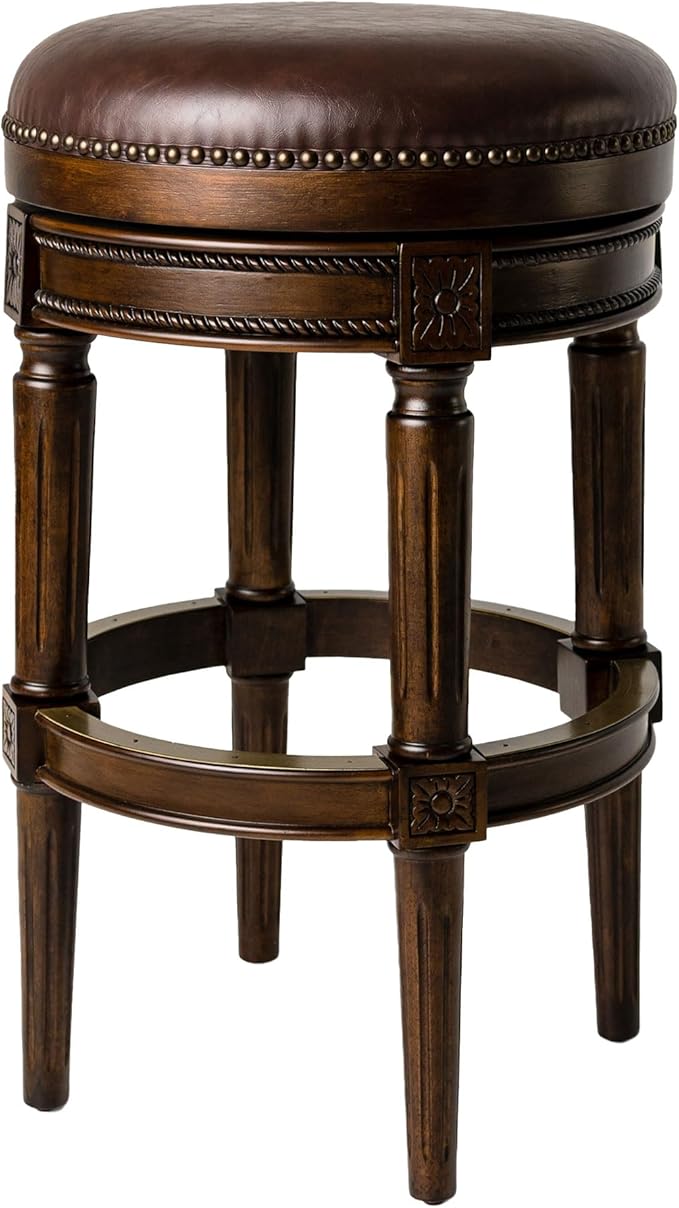
Maven Lane Pullman Backless Bar Stool 31 Inches – Swivel Stool with Footrest – Dark Brown Solid Wood Frame & Brown Faux Leather Upholstery – Perfect for Bars, Pub Tables & Tall Kitchen Counters

Gatsby Upholstered Sling Accent Chair, Camel Faux Leather Metal Frame, Low-Slung Plush Foam Seat, Matte Black Base with Gliders, Living Room Bedroom Office Lounge

IDEALHOUSE 81" Leather Sofa, Button-Tufted 3 Seater Sofa, Mid-Century Modern Leather Couch with Deep Seat, Chesterfield Sofa for Living Room, Apartment, Office, Cognac Tan

Professional Bartender Vintage Black & White Photography - 11x14 Unframed Poster - Retro Speakeasy & Prohibition Era Bar Decor for Man Cave, Pub, Alcohol, Drinks, and Home Bar Wall Art

Untrammelife 4-Light Lantern Pendant Light Black and Gold Brushed Brass Kitchen Pendant Light Modern Geometric Chandelier Adjustable Chain Cage Hanging Light Fixture for Foyer Dining Room

Vintage Gold Wireless Wall Sconces Battery Operated, Rechargeable Wall Lights Set of 2 with Amber Stripe Glass Shade, Remote and Bulb, Cordless Sconces Wall Decor for Bedroom Living Room

Custom Speakeasy Bar Neon Sign, Personalized Name Bar LED Light for Wall Deocr, Vintage Customized Light Up Beer Sign for Home Pub Lounge Basement Mancave Bistro Tavern, Bar Sign Gift for Man, 14"-50"

Waterford Connoisseur Lismore Decanter Rounded

Vintage Art Deco Coupe for Champagne, Martini, Cocktails | Set of 6 | 7 oz Classic Cocktail Glassware - Manhattan, Cosmopolitan, Sidecar, Crystal Speakeasy Style Saucer Goblets with Stems (Muted)

Bar Rugs for Home - 5x7 Rug, Whiskey Cocktail Home Decor, Vintage Wine Washable Rugs for Living Room Bedroom, Luxury Black and Gold Area Rug, Cocktail Glass Carpet, Home Bar Gifts for Men

20s Party Backdrop Decorations 10X8ft Speakeasy Door Covers Roaring Background 1920s Vintage Gangster Wall Prop Porch Sign for Home Bar Backyard Decorations Supplies

Prohibition Speakeasy Artwork Framed Poster, Vintage 1920s Wall Art, Cocktail Wall Decor, Bar Wall Hanging Ready To Hang Aesthetic Room Decor (Framed,16×24-inch)

HITOMEN Industrial Iron Pipe Shelves, 3 Set 4-Tier 41.5" Tall 12" Depth, DIY Open Bookshelf Bookcase, Wall Mounted Vintage Retro Shelving, Rustic Farmhouse Pantry Kitchen Storage, Black Shelf Brackets

LVB Black Coffee Bar Cabinet, Modern Liquor Cabinet for Liquor and Glasses, Kitchen Sideboard Buffet Cabinet with Wine Rack Storage, Farmhouse Wine Cabinet for Home Living Dining Room, Black Oak 47 In

Nathan James Sally Rolling Bar or Cart for Tea or Cocktail, 2-Tiered Glass and Metal, Black
Rolling Service: Choosing the Right Bar Cart for Heavy Use
If you’ve ever wrestled with a flimsy cart that wobbles under a decanter, you know how quickly a tiny design miss becomes a real annoyance. A proper rolling service cart balances load capacity, caster choice, and shelf geometry so it carries bottles, glassware, and a blender without sagging or tracking. Look for welded frames or mortise-and-tenon joinery, industrial casters with dual bearings and locks, and shelves thick enough (or reinforced) to avoid deflection under point loads. Pay attention to shelf lip height and bottle containment so things don’t shift while you move the cart. Finish durability matters too. Baked-enamel or powder-coat beats raw plated hardware when alcohol and moisture are involved. In the reviews below I focus on build quality, mobility, and the ergonomics that make a cart a reliable staging area during long sessions.
Nathan James Sally
Two tempered glass shelves in a slim black metal frame make the Sally bar cart an easy win for a speakeasy-style chill zone. At 28 inches wide and 19 inches deep it tucks into tight corners while still carrying essentials. The rolling casters and raised handle let you stage a service or tuck the cart away between uses. Practical details matter here, and the 66 lb weight limit gives a realistic guideline for how much glassware and bottles to load.
What I like about this for a prohibition-themed setup is the clean, industrial silhouette. The matte black finish reads vintage without feeling costume. Assembly is usually straightforward if you follow the manual, and the manufacturer tends to be responsive when small parts arrive imperfect. Tempered glass looks sharp and supports heavier trays, but expect to wipe fingerprints regularly if the cart sits under mood lighting.
Best uses: a mobile cocktail station for small gatherings, a decanter display, or a compact mixer next to a cigar nook. It’s also great as a secondary service area when you don’t want a full wet bar.
Pros: stylish, compact footprint, easy to move, clear assembly instructions, decent build for the price.
Cons: occasional alignment/screw-fit issues during build, glass shows smudges, not a substitute for heavy, solid-wood bars.
Tip: add non-slip shelf liners and secure glass edges during assembly for longevity and fewer surprises.
Counter Comfort: Picking Bar Stools That Support the Night
The wrong stool kills posture and the conversation flow. For a speakeasy vibe you want stools that look period but are built with modern specs. Critical things: seat height matched to bar overhang, solid frames (hardwood or tubular steel with welded joints), swivel mechanisms with sealed bearings, and a well-placed footrest to cut lumbar strain. Inspect upholstery for abrasion ratings and foam density; a 1.8 to 2.8 lb/ft3 foam core keeps its shape under heavy use. Bracketed or bolted bases are easier to repair than single-piece injection-mold units. I call out materials, safety of fasteners, and ergonomic dimensions so you pick stools that stay comfy and structurally sound for years.
Maven Lane Pullman Stool
The Pullman backless bar stool brings classic speakeasy vibes without giving up engineered reliability. Key specs to care about: a 31 inch seat height that fits standard bar counters (40-42 inches), a generously padded vegan leather cushion, a full swivel for easy service, and a sturdy footrest to reduce leg fatigue. The frame is kiln-dried rubberwood with mortise-and-tenon joinery and hand-applied nailhead trim. At a glance it reads vintage, and it stands up to real wear and tear.
Practical wins show up fast. These assemble quickly (most people screw on the legs), feel heavy and stable in use, and carry a 300 pound safety recommendation. The vegan leather wipes clean after an accidental splash of bitters. Kiln-dried wood resists basement humidity and warping. Little detail I love: the swivel makes topping off drinks a one-handed move, which matters when guests linger and the bar gets busy.
What sets the Pullman apart is the artisan touch plus a performance-first build. Natural grain variation gives each stool personality, and the limited lifetime warranty signals confidence in the joinery. Best for someone after a prohibition-era look with modern durability. Pairs nicely with dark woods, brass fixtures, low-lumen amber lighting, and a compact back bar.
Pros: solid construction, comfortable wide seat, true bar height fit, smooth swivel, easy assembly.
Cons: backless design gives less support during very long sessions, larger footprint may crowd narrow counters, heavy to move and handmade finishes vary.
If you want authentic style that will hold up to nights of cocktails and conversation, these are worth a close look.
The Lounge Chair That Makes Guests Stay Longer
A lounge chair should invite sinking in without collapsing. Look for a hardwood or steel frame with reinforced corners and mortise-and-tenon joints, or welded seams on metal chassis. Suspension choices matter: eight-way hand-tied springs feel sumptuous and last, sinuous springs are space-efficient and durable, while webbing is cheaper but can sag over time. Foam density and layering define the feel. Denser base foam with softer top layers works best for long sessions. Upholstery leather or performance fabric should have abrasion ratings, and seams need double stitching to avoid failures. Armrest and seat heights influence posture and how people gather around a cocktail table. I’ll rate chairs on construction, cushion specs, and how they fit in a speakeasy layout.
Fnecan Gatsby Chair
This low-slung Gatsby chair gives a vintage-adjacent silhouette that fits a speakeasy chill zone without screaming "replica." The camel faux leather looks warm and lived-in against the matte black metal frame. The single-piece cushioned sling and plush foam seat give firm lounge support for long evenings at the bar or a whiskey-fueled card game. Practical details: 30 x 33 inch footprint and 33.5 inch overall height make circulation planning simple around a bar cart or pool table. Gliders protect hardwood and let you nudge the chair into conversation clusters. Assembly is quick, the frame is powder-coated to resist humidity and spills, and the faux leather wipes clean, which is a real plus when a coaster fails.
Who this is for: someone who wants modern lines with a nod to vintage styling. It excels as secondary seating in a den, a reading nook by a brass floor lamp, or flanking a compact bar.
Pros: handsome camel tone, easy maintenance, lightweight mobility, quick setup.
Cons: faux leather will never age like top-grain hide, the 250 lb limit and low profile may not suit taller or less-mobile guests.
If you want authenticity over practicality, look elsewhere. If you want durable, handsome seating that plays nicely with dark wood, brass accents, and amber lighting, this is a smart, space-aware choice.
Leather Sofas That Age Like a Fine Whiskey
A leather sofa anchors the room, but not all leathers or frames are equal. Prioritize kiln-dried hardwood frames and corner-blocked joinery for stability, and look for spring systems like eight-way hand-tied or robust sinuous springs to avoid sag. Know your leather types: full-grain and top-grain develop patina and are repairable; corrected-grain and bonded leathers are lower maintenance but wear differently. Check stitch quality, double-needle seams, and edge-banding. Cushion fill specs (polyfoam density, wrapped coils, feather blends) determine how the sofa recovers under daily use. Dimensions matter for flow around the bar and sightlines to your focal point. The reviews below compare construction specs, leather grades, and comfort metrics so you get a sofa that looks great and performs.
IDEALHOUSE 81" Sofa
The cognac button-tufted Chesterfield styling makes this sofa an instant speakeasy anchor. The 81-inch width and extra-deep 26-inch seat give you that "sink in and stay" feeling that suits long pours, late-night card games, and smoky mood lighting. Pocket-spring foam and a solid wood frame help the seat hold shape under regular use. The low 17-inch seat height keeps leg position comfortable for most people without fighting modern bar-height views. It reads vintage on arrival and performs like everyday furniture.
Materials and maintenance are where the trade-offs show. The PU leather cleans easily with a damp cloth, so spills around the bar are less stressful. It won’t patina like full-grain leather, so expect a consistent finish rather than decades of character. Assembly gets mixed reviews; plan for two strong people and basic tools. The included pillows are thin. Practical note: the item is heavy and wide, so measure doorways and stair turns. Consider a couple dense throw pillows or a leather conditioner to improve comfort and longevity.
Who should buy it: if you want a rugged, classic look without full-leather upkeep and price, this is a solid choice for a chill zone. It fits well behind a bar cart or under damped pendant lighting, anchors a conversation area, and stands up to frequent use. If you crave authentic leather aging or zero-assembly arrival, look elsewhere. For value, durability, and that prohibition-era vibe, this is worth serious consideration.
Cocktail Cabinets That Keep Tools and Spirits Organized
A good cocktail cabinet is a compact systems solution: bottle storage, stemware suspension, and a working surface with spill containment. Evaluate carcass construction: plywood with hardwood veneers resists moisture and delamination better than MDF in damp basements. Check joinery type, drawer slide ratings, and hinge hardware (soft-close helps longevity and quiet operation). Interior layout matters: rack spacing for both standard and magnum bottles, stemware racks with the right clearance, and a top surface rated for spills and abrasion. Ventilation and locking mechanisms are practical considerations. Below I call out capacity metrics, modularity, and build-quality indicators so you pick a cabinet that behaves like a pro workstation.
Professional Bartender Print
This black-and-white Professional Bartender print nails the speakeasy mood with simple, cinematic composition. It comes as an unframed paper print in standard sizes (11x14 among others), so you get framing freedom. Choose a heavy mat and a vintage-stained wood frame for authenticity, or float-mount it for a cleaner counterpoint. Practical note: it’s printed on paper rather than canvas or wood, so plan for a proper frame and UV-safe glass if your chill zone gets sun or cigarette smoke. I like that it’s handmade in Tomball, TX; it has a crafted feel that mass-printed posters don’t.
Who should pick this up: if you’re building a speakeasy-themed bar area, this is a low-effort, high-impact anchor that pairs well with dim filament bulbs, leather seating, and a brass-accented bar cart. Pros: authentic vintage vibe, multiple sizes, lightweight to hang, easy to group with other period pieces. Cons: unframed format requires an extra framing step, and paper prints need protection in humid or smoky environments. Quick tip: mount a slim LED strip behind a framed print for a clandestine backlit glow that reads "hidden bar."
Pendant Lighting That Sets the Tone and Delivers Measured Light
Lighting defines mood and visibility. Pendant fixtures for a speakeasy need to balance decoration with photometric performance. Look at lumen output per fixture and total lumen targets for task and ambient zones, color temperature for warm amber ambience, and CRI for accurate color of spirits and textiles. Mounting hardware should have adjustable suspension length and strain-relieved wiring. Inspect the driver type for LED fixtures; constant-current drivers with dimming compatibility give reliable, flicker-free control. Also consider beam angle and shade geometry to avoid glare on glass. In the reviews I assess fixtures by lumen density, build materials, driver quality, and ease of installation so your pendants flatter the room and perform predictably.
Untrammelife 4-Light Pendant
This metal lantern-style pendant pairs matte black with brushed brass to hit that speakeasy mood without looking costume-y. At roughly 12 inches wide and 18 inches tall it reads as a statement over a compact bar, a high-top cluster, or an entry alcove. The open-sided geometric cage shows four E12 candle sockets, which is perfect if you plan to use amber filament LEDs or dimmable vintage-style bulbs to dial in warm, low-glow ambiance. The 74 inch adjustable chain means you can tuck it low over a bar or raise it for vaulted ceilings. It’s ETL listed and relatively lightweight (about 6 lbs), so a standard ceiling box and a competent DIY install or pro electrician will have you up and running quickly.
Longevity and function are where this fixture helps builders. Metal construction resists warping from heat and humidity, there’s no glass to smudge from whiskey rings, and it’s dimmer-compatible for scene setting. Be prepared for some assembly though. The unit ships in parts with small screws, and a few reviewers mention ambiguous wiring color and a flimsy ground lead. It can cast a strong shadow directly below, so consider pairing it with a subtle wall wash or side sconce if you need even task lighting. Best for folks after a vintage-industrial bar corner who want control over bulb choice. Pros: strong aesthetic, adjustable drop, dimmable. Cons: assembly fuss, minor wiring nitpicks, bulbs not included.
Wall Sconces That Deliver Layered Light Without Fuss
Sconces give you that layered, lived-in glow. Priorities: mounting rigidity, lumen output sized to the room, and control options like remote dimming or hardwired switching. Battery sconces add installation flexibility but check battery life and lumen drop-off over time. Hardwired units need proper junction box mounting and a compatible dimmer. Inspect shades and diffusers for distribution and thermal limits, and pick corrosion-resistant metal finishes. I rate lumen metrics, CCT consistency, mounting hardware quality, and maintenance so you can add atmosphere with predictable performance.
LAMSU Vintage Gold Sconces
If you want a speakeasy corner that actually feels clandestine, these sconces get you about 80% of the vibe with minimal fuss. The gold finish and amber-striped glass read 1920s without looking fake. They run on rechargeable bulbs and include a remote, so you can mount them where wiring would be a pain and still have full control. Practical for renters, basement bars, or a hallway that frames your whiskey shelf.
The lighting controls are the standout here. Three white temps (3000K-6000K) and stepless dimming let you dial in warm amber mood light for cocktail hour or bump brightness when you’re swapping bottles. Bonus: eight RGB accents if you ever want a playful color wash. Charge time is about four hours, and users report long runtime in night mode. Expect to top off more often if you run them bright all the time.
Installation is simple. They come with a mounting kit and no hardwiring, so you can position them to highlight art, a bar back, or tufted leather seating without calling an electrician. Build feels solid: glass and iron, not cheap plastic. Small caveat: inspect the finish on arrival; some buyers found paint imperfections and returned units. The replacement policy is easy.
Pros: authentic vintage look, cordless convenience, flexible color/temp control, remote.
Cons: occasional finish defects, battery life varies with use, not a replacement for permanent hardwired fixtures if you want maximum reliability.
If you want fast, high-impact mood lighting for a prohibition-era chill zone, these are worth a close look.
Neon and LED Signs That Read Well and Survive the Night
A personalized sign adds personality but can be a technical headache if underspecified. Decide between glass neon and LED neon-flex. Glass neon looks classic but needs transformer matching, fragile mounting, and ventilation for heat. LED neon-flex is lighter, lower voltage, and more efficient but varies in build quality and light uniformity. Look for solid mounts, well-encapsulated LED strips with IP ratings if moisture is a risk, and a quality power supply with surge protection. Check dimming compatibility and flicker metrics if you record video. I compare light uniformity, power needs, mounting engineering, and longevity so you pick a sign that stays bright and reliable.
MiMaik Speakeasy Neon Sign
This personalized speakeasy neon sign nails the mood lighting every prohibition-style chill zone needs. It uses flexible silicone LED strips on a 6mm acrylic backboard, so you get neon-like pop without fragility. The low-voltage 12V adapter feels safer for basements and near wet bars. Practical touches: pre-drilled holes, hanging chains, a dimmer, and an IP67 waterproof option make installation straightforward whether you hang it above the bar, lean it on a shelf, or mount it outside for backyard gatherings.
What sets this sign apart is the customization and real-world durability. Add your name and founding year and it becomes the room’s signature piece. The LED flex stays cool and resists shattering and heat, so it handles cigar smoke, splashes, and the occasional spill far better than glass neon. It dims for late-night conversations or brightens for game nights. Remember to double-check your custom text before ordering; typos stick.
Who should buy it? Anyone who values personality and practical performance. Great for whiskey shelves, home bars, and garage lounges. Pros: customizable identity, durable materials, dimmable, waterproof option, easy mounting. Cons: not true glass neon for purists, needs a nearby outlet or a tidy cable run, and customization means double-check spelling.
Decanters That Marry Optics and Seal Performance
A decanter is display and serviceware, so glass quality and sealing matter. Consider capacity in ounces or milliliters based on your pours. Leaded crystal has a higher refractive index and cuts light beautifully, but don’t use it for long-term spirit storage because of lead leaching. Machine-pressed glass is tougher and more affordable. Look at stopper design: ground glass stoppers seal better than loose corks and reduce oxidation. Base thickness and cut patterns affect stability and visual weight. I evaluate decanters by glass quality, sealing, capacity, and how they photograph under low light.
Waterford Lismore Decanter
This decanter brings the visual authority a speakeasy chill zone deserves. The Lismore diamond-and-wedge cuts catch and break light, throwing subtle patterns under warm low lighting and making a pour feel ceremonial. Crafted in crystal and sized at about 18.6 fluid ounces, it’s shaped to present whiskey and concentrate aromas, which helps tasting sessions. The rounded silhouette reads classic, so it pairs well with leather club chairs, dark wood bars, and low-glow sconces. Practical note: it’s hand-wash only and is crystal (contains lead per California guidance), so be ready for careful maintenance rather than dishwasher convenience.
Who should consider it: enthusiasts who want a focal point on a bar top or in a display cabinet. It’s best for collectors, hosts who stage tastings, or anyone building a period-accurate prohibition vibe who wants an authentic visual anchor. Pros: iconic pattern, aroma-enhancing shape, strong presentation value. Cons: fragile compared with glass, requires hand washing, and the lead content may rule it out for long-term spirit storage. If you want a statement piece and don’t mind a little extra care, this is a solid pick.
Barware Sets That Deliver Repeatable Cocktails Every Time
A performance-minded bar set is a toolkit of calibrated outcomes. Look for precision tools like double-sided jiggers with clear graduations, a heavy Boston shaker with a tight seal, strainers with consistent aperture sizing, and spoons sized for tall mixing vessels. Material grade matters: stainless steel 18/8 or 18/10 resists corrosion and keeps the finish under frequent washing. Check tolerances on jigger pours and the weight distribution of shakers for tactile balance. Also consider storage cases that protect finishes and include cleaning-friendly liners. I test tools for fit, finish, measurement accuracy, and ease of cleaning to make sure your setup behaves like a pro station.
Khen Coupe Glasses
These mouthblown, Art Deco coupe glasses are an easy way to lock in a speakeasy vibe. The muted, multi-colored glass and thin gold rim catch warm bulbs and make a backbar or cocktail cart pop. At about 7 ounces they’re perfectly sized for Manhattans, classic martinis, and champagne toasts. What stands out is the hand-cut, slightly irregular finish. Those tiny variations read as handcrafted authenticity rather than factory-perfect sameness. Use them for service and as display pieces under an amber filament bulb. They bring period-appropriate glamour without trying too hard.
Practical notes: Pros: beautiful patina as they age, great contrast against dark woods and leather, versatile for many cocktails. Cons: thin glass and gold plating mean hand washing only, and they feel delicate in heavy-use settings. Keep a few for regular service and a couple extra for display. These are best for enthusiasts building an Art Deco or prohibition-era chill zone and hosts who enjoy ritual cocktails. If you want durable barware for rowdy nights, look elsewhere. If your priority is atmosphere and collectible detail, these coupes deliver.
Rugs That Anchor the Room and Stand Up to Traffic
A rug sets the visual center and tamps down acoustic reflections, but not all floor coverings handle bar traffic. Evaluate pile density, knot count for wool rugs, or face weight for synthetics. Those metrics correlate with durability. Consider stain resistance and cleanability; washable or low-pile constructions simplify maintenance. Backing and pad compatibility affect slip resistance and cushion. Pay attention to edge binding and fringe durability. Color and pattern should hide small spills while complementing the palette. I discuss weave construction, fiber specs, and sizing so you pick a rug that reads vintage and functions under real use.
Aquailis Whiskey Bar Rug
If you’re building a speakeasy-style chill zone, this Aquailis black-and-gold whiskey rug is an easy way to lock in period mood without fuss. The low-pile flannel sits flat under bar stools and lounge chairs, which reduces trip hazards and prevents chair legs from catching. That low profile also tolerates foot traffic and makes quick cleanups easier. The bold cocktail motif and deep black/gold palette read vintage without getting kitschy, so it pairs well with leather seating, brass accents, and dark wood bars. TPR non-slip backing keeps the rug from sliding on tile or concrete, and the washable construction means an accidental spill doesn’t become a long-term headache.
Practically: this rug works best as an anchor in front of a home bar, under a small seating grouping, or as a runner in narrow spaces. Leave 12-24 inches of visible floor around seating to keep circulation and show off surrounds. Pros: machine-washable care, a variety of sizes, and a design that contributes to a cohesive prohibition-era look. Cons: flannel won’t have the density or long-term patina of handwoven wool, folding for shipping can leave creases that need time to settle, and TPR backing is less breathable than jute for delicate hardwood. If you want a durable, low-maintenance rug that reads vintage and handles a lively chill zone, this is a practical pick.
Wallpaper That Delivers Period Character Without Headaches
Wallpaper can transform a room fast but poor prep ruins the effect. Choose materials for expected humidity and abrasion: vinyl-coated or prepasted options are more forgiving in basements, while nonwoven papers are repositionable and easier to strip. Watch pattern repeat and match type; a drop match needs careful layout and more material. Prep matters: prime drywall for even porosity, fill gaps, and get the surface flat to avoid telegraphing seams. Consider washability and lightfastness to prevent fading. I compare ease of application, print quality, and durability so you know the aesthetic impact and installation overhead.
Dongbei Speakeasy Backdrop
This vinyl speakeasy door backdrop gives an instant focal wall for a prohibition-style chill zone. The high-definition print creates a convincing 3D effect that reads well in dim, moody lighting and behind leather-trimmed bars. Available in sizes up to 10x8, it covers the area behind a bar or seating bank with minimal fuss. It feels lightweight and hangs with common fixings (rope, clamps, nails, or a tension rod), so you can stage a roaring-20s vignette without rebuilding a wall. For practical folks: the print holds color and contrast, so a single accent light or a warm LED strip will really make the image pop.
A few real-world notes: the backdrop ships folded and can arrive creased; the seller recommends tightly rolling it for a few days or low-temperature ironing on the reverse to flatten (follow the included care guidance, which emphasizes dry-clean-only care). Pros: bold, realistic look; multiple sizes; easy install; great for photos or a themed bar wall. Cons: creases from folding can need work to remove, and it won’t tolerate rough laundering. Overall, a smart, low-effort upgrade if you want fast speakeasy character without permanent construction.
Framed Art That Holds Up to Low Light and High Personality
Art gives the room personality and framing is the long-term protective system. Look for archival mounting, acid-free matting, and UV-filtering glazing to protect prints from light degradation. Frame joinery should be mitered and reinforced, and hanging hardware rated beyond the art’s weight. Consider glazing types: acrylic is lighter but scratches easier, museum glass has superior anti-reflective properties for dark rooms. Think scale and sightlines relative to seating and focal lighting. I note print methods, matting and glazing specs, and hanging hardware so your wall art stays vivid and secure.
YPZZAHHPY Speakeasy Artwork
This framed Prohibition speakeasy print is one of those low-effort, high-impact pieces that instantly reads like a real bar room. The 16×24-inch size sits perfectly above a back bar or behind a cocktail station without overwhelming the wall. It arrives ready to hang with hooks and looks sharper up close than many budget prints. The high-definition image and waterproof print surface mean it handles occasional splashes or a smoky room better than cheap paper posters. If you want vintage character without hunting for an antique, this is a practical shortcut that still feels intentional.
What makes it stand out is how workmanlike it is. Framed, hung, and with decent contrast, it pops under warm bulbs. For builders who care about durability as much as vibe, this balances aesthetics with function. Best for themed wall groupings, a small bar vignette, or anyone who wants a focal print that plays well with brass accents and dark woods. Pros: ready to hang, waterproof print, authentic vintage look. Cons: limited to one standard size and frame type, and if you prefer museum-grade framing you might upgrade the frame.
Practical tip: hang it about 6 to 12 inches above the back bar shelf or center it at eye level on a feature wall, then spotlight it with a 2700K filament-style bulb for that speakeasy glow. Pair with a couple smaller vintage prints or a mirror to add depth.
Shelving Systems That Carry Weight and Look Period Correct
Shelving must be load-rated and styled to match the speakeasy aesthetic. Focus on shelf load capacities in pounds per linear foot, bracket mounting methods, and whether systems anchor to studs or use heavy-duty anchors. Solid wood shelves need moisture-stable species or proper sealing; pipe-and-wood assemblies require threaded connections and corrosion-resistant finishes. Shelf depth and spacing should fit bottle diameters and display proportions. Check for adjustable shelving to allow reconfiguration. Below I detail construction methods, anchoring hardware, and actual load testing where available so you can pick shelving that’s safe, stable, and attractive.
HITOMEN Pipe Shelves
These iron pipe brackets bring the industrial bones your speakeasy chill zone needs. The kit uses 1" iron fittings with a black matte finish and ships as three 4-tier frames that are 41.5" tall with 12" depth. Each shelf is rated up to 100 pounds when mounted properly, so it handles rows of bottles, decanters, glassware, and a few heavy books without drama. The exposed pipe look pairs perfectly with dark stains, leather seating, and low warm lighting.
What sets this apart is the modular pipe approach. The fittings are standard so you can adjust spans or swap in custom pieces. Anchors for concrete, brick, wood, and drywall are included, which saves an extra trip to the hardware store. Note that wood planks are not included. Pick 12" wide hardwood boards sealed for spills. Practical tip: mount as many flange screws into studs as possible and use a long level or laser to keep runs straight.
This is made for hands-on builders and anyone who prefers engineered vintage over flimsy knockoffs. Pros: solid iron construction, flexible layout, high load rating, classic look. Cons: some buyers report misaligned threads, fiddly assembly, and occasional missing pieces. Expect a two-person install and a little patience with threading.
If you want sturdy shelving that reads vintage but performs like modern hardware, these brackets are a good fit for a bar wall, bottle display, or cigar nook. Pair with reclaimed walnut planks and warm LED strips for the full effect.
Storage Cabinets That Combine Security, Ventilation, and Style
A storage cabinet in a chill zone needs to protect contents and handle environmental factors while looking the part. Evaluate carcass materials for moisture resistance and hinge hardware ratings for repeated use. Drawer slides with ball-bearing mechanisms and load ratings help with heavy accessories. If storing spirits long term, consider ventilation to avoid trapping ethanol fumes and adjustable shelving to fit tall bottles. Locking options and keyed hardware add security. I assess build quality, internal layout flexibility, and hardware ratings so you can pick a cabinet that performs as an organized and resilient storage hub.
LVB Black Coffee Bar Cabinet
If you want a speakeasy corner that reads vintage but performs like modern furniture, this 47-inch LVB bar cabinet is an easy win. The black oak grain with black metal mesh doors nails that industrial-prohibition vibe without looking costumey. Built from MDF with a metal frame and thick legs, it balances a lightweight footprint (13.4" deep, 30" high) with usable storage: enclosed cupboards for bottles and mixers, a removable wine rack, built-in stemware slots, and an open shelf for a shaker station or display decanter. Practical touches matter. The anti-tip kit and stout metal legs give confidence when loading bottles, and the removable rack lets you convert space for a mini fridge or an oversized decanter. If you want a base for a home bar that looks curated and survives regular use, this fits the brief.
Downsides: it’s engineered wood, not solid hardwood, so avoid heavy abuse or leaving wet spills on the top. Some buyers note it sits shorter than expected (measure your bar-height seating). Assembly is straightforward and most people report it goes together quickly, though small cosmetic imperfections can occur out of the box. Pros: authentic industrial look, smart storage layout, sturdy-feeling frame, easy assembly. Cons: MDF surface needs care, compact dimensions for larger collections. For a chill zone aiming for a clandestine speakeasy feel without custom carpentry, this cabinet is a pragmatic, style-forward anchor.
Your Turn
This guide is a blueprint, not a mood board. The reviews spelled out the performance variables that matter: load ratings and caster design for a rolling service cart like the Nathan James Sally, seat height and 300 pound safety ratings on the Maven Lane Pullman stool, foam density and frame joinery for lounge pieces such as the Fnecan Gatsby chair, and kiln-dried frames plus spring systems for leather sofas like the IDEALHOUSE 81". Lighting choices matter too. Aim for warm 2700K for classic amber ambience, check dimmer compatibility and driver quality, and size lumen output to the task. Storage and display decisions rest on material science: plywood carcasses and ball-bearing slides for cocktail cabinets, IP ratings and silicone LED flex for a neon sign, and 100 lb per-shelf ratings on pipe shelving for safe bottle storage.
If you want durable authenticity prioritize mechanical and material specs. Pick welded frames or mortise-and-tenon joinery, powder-coat finishes, 18/8 or 18/10 stainless barware, and full-grain leather when you want patina that repairs well. For lower maintenance choose PU or performance fabrics (the IDEALHOUSE and Fnecan examples show that tradeoff), LED-flex signs for safety and longevity, and washable low-pile rugs to survive spills. For modular, high-load storage choose an iron pipe system and a cabinet with removable racks and stemware slots for organized, ventilated storage.
Match choices to how you use the room. If you run frequent gatherings and heavy service, start with mobility and structural specs: a rolling cart with dual-bearing casters and a 66 lb shelf limit is non-negotiable, stools with sealed swivel bearings and correct seat heights (31 inches for 40-42 inch counters) prevent postural fatigue, and shelving rated by pounds per linear foot prevents catastrophic failures. If you love period-accurate staging, invest in a Waterford decanter and handblown coupes while accepting higher maintenance. If you rent or want plug-and-play convenience, go cordless with rechargeable sconces, LED neon signs, and engineered cabinets for the look without the carpentry commitment.
Practical plan: pick one focal zone this weekend, whether that is the bar cart and pendant, the back bar and shelving, or the seating cluster and rug. Measure carefully, procure the high-impact/high-performance pieces first, and test fit them. Try the Nathan James Sally or the LVB cabinet, hang a single Untrammelife pendant at 2700K, and place one Pullman stool to validate circulation and ergonomics. Create a checklist of critical specs, covering load capacity, foam density, IP rating, driver type, and joinery, and tick them off as you source each item. Then expand outward with finishing pieces: a statement decanter, display art, and a rug to anchor the scene.
This room is a system. When the hardware, materials, and light play together you get that satisfying click of a shaker sliding into a leather-lined drawer. Build to the spec, be honest about trade-offs, and take small, measured steps. Order one component, test it in place, and iterate until the space feels engineered and lived in. Then pour a proper glass and enjoy what you made.