Old West Saloon Design Guide
Last updated August 21, 2026 · By Chris Murphy ·How we choose products · Affiliate disclosure

Here’s an odd truth most people miss when trying to build an authentic Old West saloon in their basement or spare room. You don't need a fortune or a museum-quality artifact to get that smoky, lived-in vibe. The real trick is picking a few right pieces, using sensible finishes, dialing in the lighting, and then aging things a little with paint, stain, or a weekend DIY. That way the room feels earned, not like you bought a costume.
This guide walks you through everything that turns a room into a believable saloon. You'll learn how to choose seating that's comfortable for long nights, which counters and surfaces stand up to real use, how lighting makes wood sing, and where to hang art so it reads like it's been on a wall for a century. There’s stuff on storage that hides the mess, small DIYs that deliver big atmosphere, and sourcing tricks so your dollars go farther.
I’m coming at this with a budget-first mindset and a healthy skepticism for things that look expensive but add little. I’ll point out the high-value swaps, the places to save, and the things worth spending a bit more on. Read on and you’ll be ready to plan, shop, and build a saloon that looks earned instead of staged.

BON AUGURE Bar Cart for The Home, Rolling Home Bar Serving Cart on Wheels, 3 Tier Liquor Beverage Carts with Wine Rack and Glass Holder (Rustic Oak)

POLY & BARK Napa 88.5" Leather Sofa – Full-Grain Italian-Tanned Aniline Leather, Feather-Down Comfort, Solid Wood Frame, Walnut Legs, Cognac Tan

SAFAVIEH Home Collection Addison Farmhouse Dark Walnut Solid Wood Windsor Spindle Loveseat Bench

ART.COM Wall Giclee Print Western Saloon by Lee Dubin, 24" x 18"

Vintage Metal Sign, Western Bar Decor, Rustic Wall Art “Old Town Saloon – Cowgirls Drink Free”, Retro Tin Plaque for Home Bar, Patio or Garage, Indoor/Outdoor, 15.8 x 4 Inch

TOCHIC 6-Light Farmhouse Chandelier for Dining Room, Rustic Drum Chandelier in Bronze Metal, Western Cowboy Horse Light Fixture for Living Room, Dining Room, Bedroom, Foyers, W-26.37"

6331600 Barnwell One-Light Indoor Wall Fixture, Textured Iron and Barnwood Finish with Clear Hammered Glass

SAFAVIEH Faux Cow Hide Collection 6' x 8' Grey/Beige FCH204F Rustic Western Boho Living Room Dining Bedroom Area Rug
BLACK FOREST DECOR Horse Collar Mirror, Resin, Decorative Accent, 20" W x 5" D x 23" H

Signature Design by Ashley Kettleby Vintage Wood Storage Trunk or Coffee Table with Lift Top 19", Brown
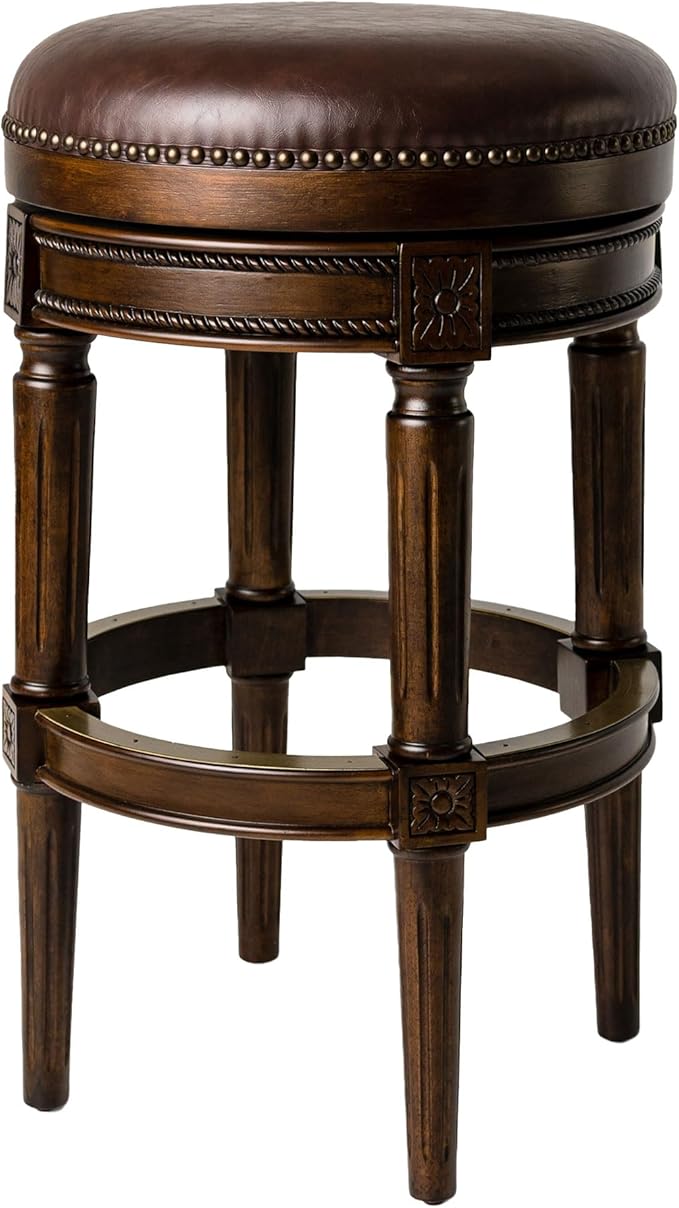
Maven Lane Pullman Backless Bar Stool 31 Inches – Swivel Stool with Footrest – Dark Brown Solid Wood Frame & Brown Faux Leather Upholstery – Perfect for Bars, Pub Tables & Tall Kitchen Counters
Sit Like a Saloon Regular: Choosing Stools That Last
If you want the room to read like a working saloon, the seats matter more than people think. Bar stools are where guests spend most of their time, so comfort and durability beat trendy finishes. Look for sturdy frames, low-maintenance upholstery, and a design that nods to the period without pretending to be a museum piece. Swivels are a nice perk but not required. Always prefer solid construction and easy-to-clean surfaces over finishes that show wear the second someone leans back.
When you shop, check seat height against your counter and think about whether footrests make sense for your layout. Materials that age gracefully, like distressed leather or stained wood, are forgiving. On a tight budget, a well-made used stool or a simple refurbishment will outperform a flashy but flimsy new model. The reviews that follow focus on value, comfort, and which styles give the most authentic look per dollar.
Maven Lane Pullman Bar Stool
This stool nails the Old West saloon look without trying too hard. The dark walnut frame and vintage-style vegan leather seat read classic and lived-in, so it blends into a rustic bar top or reclaimed counter immediately. The smooth 180° swivel keeps conversations flowing and lets you lean back into the vibe without standing up every time someone tells a tall tale.
Build quality is where this stool stands out. Kiln-dried hardwood, mortise-and-tenon joinery, and a sturdy footrest give it real heft. The seat is generously padded, which matters when the game runs long. Assembly is straightforward. Several buyers report just screwing legs on. Small business attention shows in the carved details and nailhead trim, so the piece looks more bespoke than mass market.
Practical for a man cave because it hits the right balance of comfort, durability, and style. Ideal for folks fitting a bar-height counter (about 40-42 inches). Pros: solid construction, smooth swivel, comfortable large seat, lifetime warranty. Cons: it is backless, so it is not the best choice if you need lumbar support for hours on end. Also, vegan leather is easy to clean but will patina differently than genuine leather if you are chasing a true antique look.
If you want a reliable, handsome stool that reads saloon-ready and survives real use, this is a strong pick. It upgrades atmosphere with minimal effort and pairs well with distressed wood counters, Edison bulbs, and a brass footrail. Ready to add a genuine-seeming seat to your setup?
The Heart of the Room: Counters That Carry the Look
A counter sets the tone for the whole saloon. It's a focal point and a work surface, so it needs to look right and hold up. Pay attention to depth for serving and legroom for guests. Solid wood tops or composite surfaces that mimic reclaimed timber are great because they take knocks and spills while gaining character. Avoid delicate finishes that show water rings or gouges the minute someone sets a glass down.
Function matters as much as style. Look for counters with sensible overhangs, an easy-to-finish underside, and construction that allows upgrades later, like mounted foot rails or under-counter lighting. On a budget, refinish a thrifted table or use sturdy plywood with a stained edge to get a heavy, lived-in look without overspending. Numbers, then, because a saloon counter that looks right and sits wrong is the most expensive mistake in this guide.
A bar top in a home build usually lands 42 inches off the floor at 16 to 20 inches deep. Most bars that actually seat people are two surfaces rather than one: the 42 inch guest top, and behind it a 36 inch work counter carrying the ice, the bottles and the sink. That 6 inch drop is what keeps the mess on your side of the wood. Run it all as one continuous slab and the working clutter sits in full view, which no saloon ever had.
The overhang decides whether anyone can sit at it. Allow 8.5 to 12 inches past the bar face for knees, with about 8 inches the practical floor, because below that the stool turns into a perch people lean away from. Then allow roughly 24 inches of bar length per person. The trade calls it the rule of 24, and it is why a ten foot run seats five in comfort rather than the six you can physically wedge stools beneath.
Stool height follows from the counter rather than from taste. Bar stools want a gap of 10 to 12 inches between the seat and the underside of the surface, so subtract 11 from your counter height and shop for that number. A 42 inch bar takes a 28 to 30 inch seat. A 34 to 36 inch counter takes 24 to 26 inches instead. Get it wrong and there is no fix short of replacing the stools, which is the kind of thing you find out on the first night with a full room.
Two details finish the front edge, and both are period-correct as well as useful. A bar rail is the shaped hardwood moulding that rounds off the guest edge, hiding the substrate, giving forearms somewhere to rest and raising a lip that catches most of a knocked drink. It ships raw in 6 and 8 foot lengths and gets stained to match after fitting, and the rabbet cut into its back is the spec to check before ordering, since one common profile is 3/4 inch deep by 1 and 3/4 wide and takes a top of at least 3/4 inch. Below it, a foot rail in brass tubing 1.5 or 2 inches across, bracketed roughly 6 to 7 inches off the floor, is the detail that reads saloon more than anything you can hang on a wall. It also earns its place after the first two hours of standing.
Whatever goes above all this, hang the signs high on the wall rather than behind the bottles, where the back bar swallows them.
Mobile Bar Power: Why a Cart Can Be Your Best Purchase
A bar cart is one of the most useful buys for a themed room. It acts as a mobile service station, a display for spirits, and an instant focal point. The right cart should be stable, offer sensible shelving for bottles and glassware, and ideally include room for stemware. Mobility is great if you rearrange for gatherings, but locking casters are a must if you plan to use it as a serving surface.
Check build quality closely. Thin metal frames and particle board shelves sag fast. Look for solid joints, a functional wine rack, and surfaces you can wipe down. On a budget, a DIY cart made from reclaimed wood and industrial casters usually looks more authentic than a cheap mass-market piece. In the reviews that follow I’ll flag carts that give the best utility for the money.
BON AUGURE Bar Cart
If you are building an Old West saloon man cave and want a practical centerpiece that reads authentic without fuss, this BON AUGURE bar cart is a smart pick. The rustic oak wood-grain finish with black metal framing hits that weathered, utilitarian look that works next to a leather sofa or beneath vintage saloon signs. Functionally it delivers too. Three open shelves, a horizontal wine rack for six bottles, two stemware rails (about 12 glasses), wrap-around retaining rods, and three side hooks keep bottles, glasses, towels, and bar tools organized while still feeling like a working saloon station you can wheel into the room when guests arrive.
What makes it stand out for a man cave is the balance of appearance and build. Metal support tubes under each shelf boost capacity to roughly 150 lbs per shelf, so it won’t sag under a full setup. The handle is reversible and the castors lock, so you can position it as a permanent fixture or roll it out for service during a poker night. Assembly is straightforward with clear instructions. On the flip side, the shelves are high-grade MDF, not solid hardwood, so if you want deep period authenticity you may choose to distress or top with reclaimed wood. Also, the small casters can struggle with large ice buckets on uneven floors, so plan placement accordingly.
Best for the DIY saloon builder who wants big atmosphere without custom furniture. Use it as a mobile bar, a special-occasion drink station, or staging for a vintage decanter and lantern. If you like modular pieces that anchor a themed room and still perform every day, this cart will earn its place in the corner, then earn compliments the first night you stock it.
The Sofa That Anchors the Saloon: Leather Choices That Age Well
A leather sofa gives a saloon its soul. It's where people slump after a long night and where wear actually improves the look. The key is to pick leather that will patina rather than peel. Full-grain or top-grain leathers, properly tanned, will last decades and look better with age, while cheaper faux leathers can blister under heavy use. Comfort is non-negotiable, so test cushion resilience and frame construction before committing.
Style matters too. A lower, wider profile reads older and more authentic than a modern sectional. Don't fall for the pay-more-for-the-name trap; a mid-range leather with solid construction often beats an overpriced fashion piece. I’ll lay out options that balance longevity, comfort, and that unmistakable lived-in look so you spend where it counts.
POLY & BARK Napa Sofa
If you want a single piece that instantly reads like an Old West saloon, the Napa in cognac tan is a top candidate. The full-grain Italian-tanned aniline leather develops a lived-in patina over time, so small scuffs and scratches add character rather than ruin the look. It sits deep with a 24-inch seat depth and a 19-inch height, which makes it comfortable for long nights of card games, watching Westerns, or stretching out after a DIY bar build. Construction is solid: kiln-dried wood frame, corner-blocked joinery, and walnut-finished legs give the sofa weight and presence that holds up visually against reclaimed wood counters and tin accents. Assembly is straightforward (screw-in legs only), so you can get it positioned under your vintage pendants and start staging the room the same day.
From a practical standpoint this sofa balances style and function. Pros: authentic cognac leather that ages well, feather-down topper for cushioning, removable cushions for cleaning or repair, and multiple sizes if you need a bench or sectional plan. Cons: it arrives fairly firm and may soften with use, some back cushions are not leather on the reverse, and feathers can escape over time if you want ultra-tailored upholstery. If your comfort corner focuses on an authentic saloon vibe and you plan to lean into wear and texture, this is a high-value anchor piece. Want to see if it fits your layout and finishes? Click below to check details and options.
Solid Seating: Benches That Feel Period-Right and Practical
A wooden bench captures that communal, no-frills energy of a saloon and gives you versatile seating without breaking the bank. Benches double as seating along a wall, extra space at a table, or someplace to stash boots. Look for solid joinery, a hardwood seat or slats that can be refinished, and a finish that tolerates scuffs. A simple spindle back or Windsor silhouette reads authentic and is easy to touch up when life happens.
When choosing, measure for depth and consider removable cushions. Benches are perfect for light DIY distressing or a quick restain to match existing wood tones. In the reviews I highlight benches that deliver the most authentic look for the least hassle and point out pieces that are great for short-term upgrades or long-term use.
SAFAVIEH Addison Bench
If you want a quick win toward an Old West saloon vibe, this Windsor-spindle loveseat bench delivers the silhouette you’re after. The dark walnut finish and classic spindle back read like an heirloom at a glance, while the solid rubberwood frame gives you a real-wood presence underfoot. At roughly 48 inches wide with an 18-inch seat height, it seats two comfortably and will take three in a pinch, making it a great spot for guests, card games, or a quiet drink at your saloon-style bar. Assembly is straightforward for hobbyists, and the clean lines make it an excellent base for small custom touches-think distressed stain, leather seat pads, or a few hammered brass tacks to lean it further into that lived-in frontier look.
Practical strengths sit alongside a few real-world caveats. Pros: authentic farmhouse/Windsor look, versatile placement around a man cave, and an approachable build that responds well to light DIY aging. Cons: some buyers report fit and sturdiness issues under heavy use, so if you plan to crowd the bench or lean on the arms, plan to reinforce it. Simple fixes work well. Add wood glue at joints, drive a couple of discreet corner brackets under the seat, swap in a leather cushion for durability, and you’ll have a comfortable, believable saloon bench that feels earned. Best for the man cave builder who wants character without chasing antiques, and who doesn’t mind doing a little reinforcement and patina work to make it truly theirs.
Wall Stories: Art That Makes the Room Feel Lived-In
Wall art is where character is cheap but effective. A single large print or a tight cluster of period-appropriate pieces can turn a room from themed to believable. Look for imagery that suggests narrative-saloon scenes, western portraits, or faded landscapes-rather than loud fanfare. Prints and giclees on textured paper can mimic age without the cost of original oil paintings.
Framing and placement make or break the effect, so think about scale and sightlines. A slightly worn frame or matte finish adds authenticity. Mix original small finds with manufactured prints for contrast. In the product reviews to come I’ll spotlight art that punches above its price and advise on mounting and aging for real-world impact.
ART.COM Western Saloon Print
This giclee print by Lee Dubin gives a room instant Old West character without fuss. The piece comes in multiple sizes and finishes, so you can choose an unframed paper print to slip into a reclaimed frame or a wrapped canvas that hangs ready. The premium printing uses archival inks that resist UV fading, which matters if you plan to spotlight the artwork with warm, directional lighting over a bar or seating area.
What makes this print stand out is the practical flexibility. The image reads well at 24" x 18" as a focal above a console or behind a small bar, yet you can scale up or down to suit your layout. Color accuracy and crisp detail let the wood tones and shadow play pop under amber bulbs. Pick the wrapped canvas option for a slightly more three-dimensional, durable piece if your man cave sees humidity or the occasional spill.
Who should buy it. This is a smart grab for man cave builders who want authentic mood without sourcing antiques. It’s ideal for someone layering textures (distressed wood, leather, tin signs) and looking for a visual anchor. Pros: archival print quality, multiple finishes and sizes, ready to integrate into themed galleries. Cons: the unframed print needs a frame to look finished, and smaller sizes may lose impact in very large rooms. Also, current feedback is limited but positive.
Practical tip. Pair a brown or distressed wood frame and hang at eye level above a drink station or vintage mirror to create depth. For basements, choose the stretched canvas to avoid warping from moisture. Overall, this is a high-impact, low-hassle piece that helps sell the saloon story in your comfort corner without overcommitting to one look.
Tin and Rust: Metal Signs That Add Instant Patina
A well-chosen metal sign is a classic, budget-friendly way to anchor your saloon’s personality. They add color, texture, and an instant sense of place. The best signs avoid glossy, new-looking finishes and instead mimic age with rusted edges, distressed paint, or period lettering. Size and message matter too: a narrow, cheeky ticket or a larger banner-style sign can both work if placed strategically.
When selecting signs, check for solid mounting points and weather-tolerant coatings if you plan to use them near a window or on a covered patio. Low-cost signs can look cheap if they’re too shiny, so favor pieces that lean into a worn aesthetic or that you can distress yourself. I’ll flag signs that deliver authenticity at a low price and show which are just gimmicks.
ZkleoDru Saloon Sign
This slim vintage metal sign is one of those small details that quickly makes a room read like a saloon instead of just a themed corner. Made from stamped tin and sized to fit narrow spaces, it arrives lightweight with pre-drilled holes so you can mount it in minutes. The retro wording and matte, multicolor print add instant character without screaming "new prop." It’s weather resistant enough to go on a covered patio or over a basement bar, and its compact profile makes it ideal above shelves, next to neon, or clustered with other pieces.
What sets it apart is practical realism. The metal surface has a slightly tactile feel and the colors sit flat against the finish, so from a few feet away it reads as a worn sign rather than a cheap poster. That makes it perfect for layering on reclaimed wood or corrugated metal accent walls. Best for man cave builders who want authenticity on a budget, renters who need something nonpermanent, and DIYers who like to age pieces further with sandpaper or a quick wash of stain. Pros: durable metal, easy hang, versatile placement, vintage vibe. Cons: it’s more of an accent than a centerpiece, and tin can dent if handled roughly.
If you’re assembling a saloon wall, use this sign as a finishing touch to tie a cluster together or to fill a skinny gap above a beer shelf. It’s a low-risk, high-character swap that saves you from hunting an expensive antique while still selling the story of the room.
Overhead Drama: Chandeliers That Read Western Without Breaking the Bank
The right chandelier gives the room gravity, literally and figuratively. For an Old West saloon vibe, you want a fixture that looks handcrafted and substantial. Materials like wrought iron or wood and motifs such as wagon wheels or rustic hoops read period-correct. Don't be seduced by overly ornate pieces that look expensive but are fragile. Prioritize fixtures that distribute light evenly and accept practical bulbs for ambience and task lighting.
Measure ceiling height and room footprint before you shop. A chandelier should feel proportionate and not swamp seating areas. Stick with finishes that hide dust and small dings, and consider fixtures that accept dimmers for mood control. In the reviews, I compare value, visual weight, and how easily each piece integrates into a DIY-friendly install.
Hang the Mood: Pendant Lighting That Frames the Bar
Pendant lights are the secret sauce for focused bar lighting. They give task illumination over counters while contributing to the look. In a saloon setting, pendants with clear or hammered glass, metal shades, or wood accents feel right. The things that matter most are beam spread, height adjustability, and whether wiring needs are manageable for your setup. Avoid oversized, ultra-modern pendants that clash with the rustic vibe.
When selecting pendants, consider bulb type and accessibility for swapping bulbs. Lower-cost options can look authentic if grouped correctly or paired with complementary overhead fixtures. I’ll help you decide between a single statement pendant and multiple smaller fixtures, and highlight models that give the best balance of form, function, and cost.
TOCHIC Western Chandelier
This fixture is the kind of piece that announces a room. The antique bronze drum silhouette, complete with cowboy-and-horse cutouts, delivers instant western personality while the rounded frame throws soft, patterned shadows that read like weathered saloon windows at dusk. It’s metal-built, visually substantial, and makes a strong focal point without shouting "costume prop."
On the practical side the chandelier is smartly thought out. It takes six E12 bulbs so you can mix vintage filament LEDs for flicker-free ambiance or warm CFLs for cost-effective glow. The chain is adjustable and the canopy works on sloped ceilings, so hanging it over a bar, pool table, or poker table is straightforward. It’s hardwired and dimmable if you add a compatible dimmer and bulbs, which turns bright task light into moody saloon atmosphere in seconds.
For man cave builders this is a high-value swap. It pairs beautifully with reclaimed wood, leather seating, and a darker paint palette to make the whole space feel earned. Assembly is required but manageable for anyone handy, and the design cleverly hides fasteners so the finished look feels intentional. Tip: use 2200K-2700K bulbs and a soft dim curve to maximize that golden interior finish.
Pros: authentic western motif, adjustable height, warm shadow play, dimmable and bulb-flexible. Cons: requires assembly, bulbs and dimmer not included, some buyers reported minor QC hiccups (replacement parts available). If you want a centerpiece that actually sets the saloon tone, this is an easy win.
Wall-Level Lighting: Sconces That Add Warmth and Texture
Wall sconces are where mood and practicality meet. They add layers of light, highlight decor, and create pockets of warmth without lighting the whole room. For a saloon look, go for metalwork, clear or textured glass, or lantern-like designs. Check mounting depth, switch style, and how the sconce integrates with your electrical layout.
Choose sconces that wash light upward and downward to reveal wood grain and wall texture. Dimmability is a major plus; a too-bright sconce kills atmosphere. For DIY installs, plug-in sconces offer flexibility, while hardwired models look more finished but need planning. The upcoming reviews weigh ease of installation and real-world ambiance against cost.
Westinghouse Barnwell Wall Sconce
This Barnwell one-light wall fixture brings a compact, vintage look that reads right at home in an Old West saloon man cave. The textured iron arm, barnwood-tone backplate and hand-blown hammered glass create warm, imperfect reflections that complement reclaimed wood, leather seating, and vintage signage. It accepts a standard medium-base bulb, so swapping in a filament-style LED or a dimmable vintage bulb gives you that amber, tavern-style glow without heat or fuss.
Practically speaking, the sconce is small but versatile. It can mount with the bulb up or down to suit a narrow hallway, behind a bar shelf, or flanking a mirror. It projects roughly six to seven inches from the wall, so it won’t crowd walkways. Installation is straightforward for anyone comfortable with basic wiring, though some buyers note the backplate can be fiddly and the glass globe is fragile in transit. Inspect packaging on arrival and keep spare globes in mind if you plan multiple fixtures.
Who should pick this? A man cave fan aiming for authentic rustic accents on a budget will like the look and lamp-style flexibility. Pros: authentic rustic aesthetic, easy bulb swaps, compact footprint. Cons: occasional quality variance, glass breakage in shipping, faux wood finish rather than real reclaimed wood. If you want mood lighting that reads vintage without custom fabrication, this is a smart, no-nonsense choice.
Grounding the Room: Rugs That Add Comfort and Character
The right rug ties flooring, furniture, and lighting together while protecting surfaces and reducing echo. In a saloon scheme, choose rugs that look aged or hide wear with muted patterns and warm tones. Material matters: synthetic blends may be cheaper and stain-resistant, but natural fibers like wool will patina and feel more authentic. Also think about pile height and traffic; lower pile is easier to clean in a high-use space.
Size and placement are important. A rug should be large enough to anchor seating groups and let furniture sit partly on it. Consider layering rugs for depth and to mask heavy wear in the center. In the reviews I focus on rugs that give the most character per dollar and point out durable options that survive long nights and spilled drinks.
SAFAVIEH Faux Cowhide Rug
This rug is one of those easy wins when you want to nudge a room toward an Old West saloon vibe without hunting down an actual antique. The 6' x 8' size and grey/beige faux cowhide pattern read rustic but restrained, so it anchors a bar area or seating cluster without competing with reclaimed wood, leather chairs, or a tin-stamped ceiling. Machine-woven construction and a 0.6-inch medium pile mean it wears like a practical piece, not a delicate show prop. I like that it gives you the visual texture of a hide while staying cruelty-free and lightweight enough to reposition when you rearrange seating. For a man cave it softens foot traffic, tames echoes, and frames conversation areas so your barstools and poker table feel intentional.
Practical notes. Pros: durable weave, versatile colorway, comfortable underfoot, and easy to style with Western accents. Cons: it is synthetic, so you will notice less loft than a natural shearling, and it benefits from a good non-slip rug pad to keep it from shifting on hardwood or tile. Maintenance is straightforward-vacuum on low and spot clean-so it fits active spaces where drinks and boots are common. If you want the saloon look without the fragility or expense of vintage hides, this rug delivers strong visual payoff for relatively little fuss.
Mirrors That Multiply Atmosphere and Light
A mirror does more than reflect. In a saloon, a well-placed mirror amplifies light, makes the room feel larger, and suggests depth behind the bar. Look for frames with period cues like carved wood, distressed finishes, or tack-like accents. The glass should be clear enough to reflect but can tolerate a slightly antiqued finish for authenticity.
Size and mounting matter. A large mirror behind the bar becomes a focal, while smaller decorative pieces add accents. Check the backing and hardware so it hangs safely on drywall or masonry. The reviews ahead highlight mirrors that deliver maximum visual impact without museum prices.
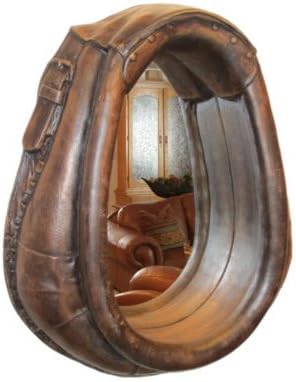
BLACK FOREST DECOR Horse Collar Mirror
This horse collar mirror is an immediate mood setter for any Old West saloon man cave. The hand-stained resin frame reproduces the ringed collar silhouette so well it reads like reclaimed tack from across the room. At about 20 by 23 inches it is large enough to act as a focal over a bar back, mirror shelf, or above a set of saddle stools without dominating the space.
Durability and ease of use are practical wins. Resin construction keeps the piece light and resilient in a damp basement or heated den, and mounting hardware is included so you can hang it securely and level. The reflective surface brightens darker corners and plays beautifully with warm incandescent or filament bulbs, making wood grain and brass fixtures pop in evening light.
What sets this apart is its specificity. It is not a vague "rustic" mirror. The horse collar motif reads western immediately, which helps a room feel earned rather than themed. It is ideal for enthusiasts who want authentic cues without scavenging real tack. Made in the USA and hand-finished, it has that crafted look while still being repeatable if you plan a cohesive saloon aesthetic.
Pros: convincing western silhouette, lightweight, durable resin, easy install, strong visual impact. Cons: resin will not have the tactile patina of aged leather or metal up close, and only one size is offered. For a man cave refresh that needs an instant period-appropriate anchor, this mirror earns its place and plays well with DIY aging, reclaimed wood backdrops, and vintage signage.
Chests and Trunks: Storage That Looks the Part
A sturdy storage chest does double duty in a saloon man cave: it hides clutter and reads like history. Look for trunks with solid lids, interior space for blankets or bar accessories, and hardware you can reuse or age. Wooden trunks with metal accents feel authentic and are easy to distress if they look too new. Functionally, a chest should be easy to open and secure if you plan to store bottles or fragile glassware inside.
Consider weight and mobility. Large wooden chests are heavy but durable; lighter options with reinforced corners are more practical for frequent access. Think about lining the interior to protect items and using the top as extra seating or a coffee-table surface. In the product breakdowns I point out chests that give the most utility and period feel per dollar spent.
Signature Design Kettleby Trunk
If you’re building an Old West saloon man cave, this Kettleby trunk is one of those low-drama pieces that does a lot of heavy lifting. The dark, plank-style wood and black metal straps read like a weathered bar chest, so it slots straight into a rustic layout and gives you a believable focal point. At roughly 34" wide by 18" deep and 19" high it’s big enough to anchor a seating grouping but compact enough to fit in front of a leather settee or between two swivel chairs. It arrives assembled, so you can position it and start styling right away.
Practically, the lift-top hides clutter such as extra glasses, cocktail tools, spare coasters, or a stack of board games, keeping the saloon vibe tidy without losing accessibility. Reviews and real-world use show it’s solidly built and can double as extra seating when needed (several owners sat on it with no problems). What makes it stand out is that authentic, aged look without the hassle of hunting down reclaimed wood. If you plan to put drinks on top, consider a tray or coasters. Some customers note the top boards aren’t perfectly level and hinge quality varies, so a quick check when it arrives is wise.
Pros: authentic rustic look, ample hidden storage, sturdy construction, no assembly. Cons: occasional uneven top boards, mixed hinge performance, and some sharp edges on metal straps (simple sanding or a file fixes this). Best for man cave builders who want a functional centerpiece that reads like a genuine saloon prop without custom carpentry.
Cabinets with Character: Practical Liquor Storage Solutions
A liquor cabinet organizes bottles, glassware, and mixers while contributing to the room’s silhouette. For a saloon look, cabinets with warm wood tones, visible joinery, and practical shelving make the most sense. Decide if you want closed storage to hide cheap mixers or an open display to show a curated spirits collection. Built-in cubbies for wine or racks for bottles add function without sacrificing style.
When evaluating cabinets, check shelf depth, weight capacity, and back ventilation if you keep bottles in warm spaces. Locking doors are handy if you have kids or rowdy guests. On a budget, a smaller cabinet or repurposed armoire refinished to match the room often beats a brand-new specialty piece. The reviews will guide you to options that maximize storage and presentation value.
Small Details, Big Impact: Accent Pieces That Sell the Theme
Accents do the heavy lifting of believability. Little things like whiskey decanters, vintage-style coasters, rope accents, and mounted curios turn a themed room into a lived-in one. The trick is restraint. Choose a few well-placed accents that support the story of your saloon rather than filling every surface with kitsch. Materials that age naturally like brass, leather, and distressed wood will feel right at home.
When picking accents, think about texture and scale. A single standout object is often more effective than many small items. Also consider multipurpose accents, like a functional candle lantern or a vintage-looking tray that holds bar tools. In the reviews, I highlight high-value accents that deliver maximum atmosphere without the markup of novelty-only items.
Glow on a Budget: Neon and Retro Signs That Pop
A neon sign or retro illuminated piece can add a playful, period-adjacent punch to a saloon setup. They work best as accents, drawing the eye to the bar or a corner display. When shopping, check brightness levels, mounting options, and whether the tubing or LED elements are replaceable. A sign that is too bright or the wrong color can feel garish, so aim for hues that complement the warm palette of the room.
Durability and serviceability matter. Traditional glass neon is beautiful but fragile and pricier to repair. LED-based neon alternatives are lighter, cheaper to run, and easier to mount. I’ll review signs that balance visual impact with long-term practicality and call out which options are gimmicks versus genuine value.
FAQ
How can I get an authentic Old West look without blowing my budget?
Problem: You want that dusty, lived-in saloon vibe but your bank account says otherwise. Solution: Hunt for character pieces at flea markets, thrift shops, and salvage yards-weathered doors, tin ceiling tiles, and reclaimed wood go a long way. Fake patina is cheap: stain pine boards, sand edges, and rub on dark wax for age. Use thrift-store frames and print vintage posters instead of buying originals, and keep one or two investment pieces (a solid bar stool or a cast-iron sign) so the room reads authentic without costing a fortune.
Tip from experience: I’ve found that one or two real pieces mixed with thrifted accents makes a room feel curated instead of contrived.
My man cave feels too dark and cramped-how do I open it up while keeping the Old West feel?
Problem: The Old West aesthetic can get heavy and gloomy, which makes small rooms feel claustrophobic. Solution: Layer lighting: warm Edison bulbs for atmosphere plus brighter task lighting over the bar or pool table on dimmers so you can switch moods. Use lighter-toned reclaimed wood or a distressed whitewash on a focal wall to reflect light while keeping texture, and keep major furniture to a few robust pieces instead of crowding with small items-store hats, boot accessories, and spare barware in rustic trunks or wall cubbies to clear floor space.
If you’ve got a small entertainment den, think vertical. Narrow shelving, a tall mirror (placed thoughtfully), and wall-hung signs instead of floor-standing pieces will make the room breathe.
How do I protect floors and furniture from boots, spills, and heavy use?
Problem: Boots with grit, spilled whiskey, and constant use can wreck floors and upholstery fast. Solution: Use durable, low-maintenance surfaces-wide-plank engineered wood or luxury vinyl planks mimic rustic wood but handle moisture and scuffs better. Put down an easy-to-clean rug or commercial-grade mat in front of the bar and by entryways, and choose leather or performance-fabric seating that wipes clean; add protective pads under heavy furniture and a simple boot brush/mat by the door to cut down on tracked-in dirt.
Practical note: Little habits save big headaches. A small towel and coaster tray by the bar prevents most stains before they happen.
Making Your Decision
You already know the secret. A believable Old West saloon comes from a handful of well-chosen, durable pieces combined with smart finishes and layered lighting, not from buying everything that looks "authentic." Prioritize seating and structural pieces that will actually get used. The Maven Lane Pullman bar stool and POLY & BARK Napa sofa are examples of items worth investing in because they deliver comfort and patina over time. Use practical staples to carry the theme. A solid counter or reclaimed top anchors serviceability. Add atmosphere with high-impact, budget-friendly items such as a BON AUGURE bar cart for mobility, ART.COM western prints, ZkleoDru metal signs, and a SAFAVIEH faux cowhide rug to tie zones together. Good lighting (a TOCHIC western chandelier for drama and Westinghouse Barnwell sconces for wall-level warmth) makes cheap materials read expensive. Small storage and staging pieces like the Signature Design Kettleby trunk and the BLACK FOREST DECOR horse collar mirror hide clutter and multiply atmosphere.
Here’s a simple plan. If durability and everyday use are your priority, splurge where it counts: seating that will be used nightly, a counter that won’t delaminate, and a chandelier that actually shapes light. If you’re renting or tight on cash, lean into transformable options: use the BON AUGURE cart and a run of ZkleoDru metal signs to create instant context, pick the SAFAVIEH Addison bench for flexible seating, and layer in metal signs and prints to build story. Treat cheaper surfaces as canvases for DIY aging (sanding, staining, dark wax) so they blend with one or two true-to-form pieces. Measure carefully (stool height to counter, rug size to seating group), request samples or swatches when possible, and test bulbs and dimmers to get the amber glow right before you commit.
Now take one practical step forward. Sketch a simple layout, choose one anchor piece (sofa, counter, or chandelier), then commit to two high-impact budget swaps (the cart, the metal signs, or a foot rail along the counter) and one weekend DIY aging project. Order swatches or a sample print, check sofa/leather feel in person if you can, and pick bulbs that flatter warm wood and leather. Start small, build intentionally, and resist buying novelty items that fade fast. Do that and your signature space will feel earned, not staged.