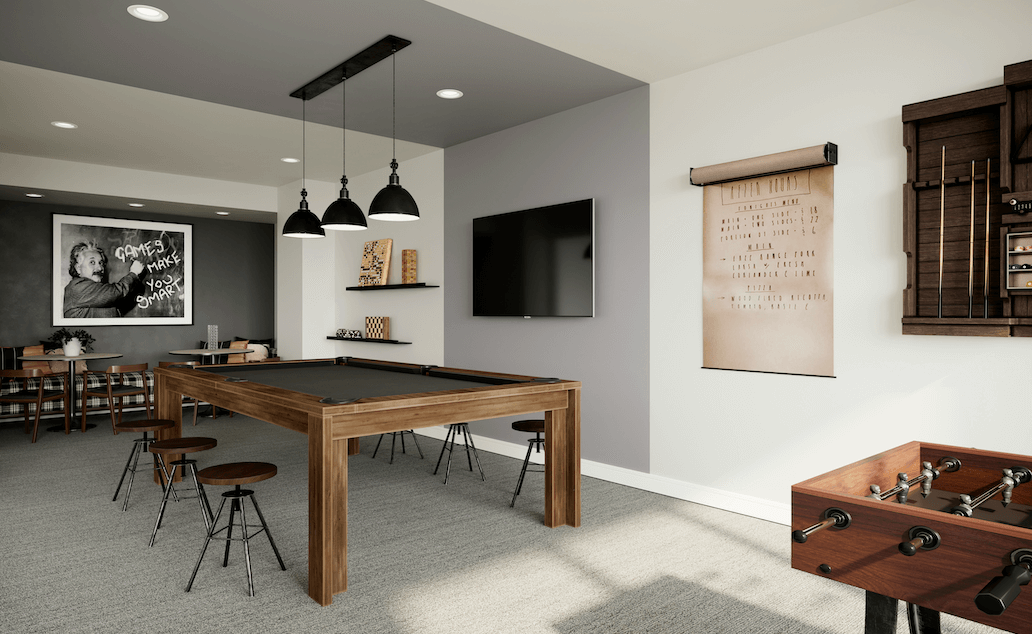
A live snake or auction event, usually hosted at home, where fantasy football owners draft real NFL players onto rosters before the season starts.
Also known as: Draft NightFantasy Draft
Eight to twelve league owners crowd around a big-screen TV and a whiteboard draft board once a year, rankings in hand, to build a fantasy football roster player by player before the real NFL season starts. That live event, the fantasy sports draft, decides nothing about who wins; it only sets what every trade, waiver claim, and Sunday lineup decision builds on for the next five months. Most drafts run as one of two formats, snake or auction, and plenty of hosts still prefer holding them at home rather than trusting a browser tab and an autopick timer.
Getting the draft right matters more than any single in-season trade, because a fantasy roster is a zero-sum problem solved once and lived with for months. The hobby is large enough to make those stakes real: the Fantasy Sports & Gaming Association counted 45.9 million American adults playing fantasy sports in 2019, 19 percent of the adult population and up from 13 percent five years earlier. A ten-to-twelve-team league with sixteen roster spots empties a pool of maybe 150 to 200 usable NFL players fast, so a manager who shows up without a plan is choosing from whatever everyone else left behind.
A fantasy draft is not the season it kicks off, and it is not a bracket pool or a single-week pick 'em contest, both of which settle in a day with no roster to manage afterward. It is also not the same as an autopick draft, where software fills every roster off pre-set rankings with no owner present at all; that produces a legal fantasy team but skips the event a real draft night is built around. The distinction matters for room planning: an autopick draft needs no space whatsoever, but a live draft is worth designing a corner of the house around.
Running a live draft night, from format to floor plan
Every live draft runs on the same skeleton no matter the format: a fixed pick order or budget, a clock, and a way to record who has who. The two dominant formats, snake and auction, differ enough to deserve their own comparison below; what they share is the demand a live draft puts on a room. A single TV works for four or five owners around a coffee table, but leagues of ten to fourteen benefit from a second or third screen, one running the official draft room and another tracking injury news, rankings, or a second league drafting the same night.
Seating should face the main screen, with the commissioner closest to the router, since a dropped wifi connection mid-draft is the single most common way to derail a party. A printed cheat sheet for every owner is the standard backup when the internet drops. Most draft platforms default to somewhere between sixty and ninety seconds per pick before autodrafting a replacement, so slower drafters need their rankings within reach, not buried three taps deep in a phone app. Food and drink matter more than most hosts plan for, the same rule that governs any tailgate party: a draft can run two to three hours for a full sixteen-round roster, and a stocked home bar or a simple snack station keeps owners in their seats instead of drifting to the kitchen and missing their pick.
Snake draft vs. auction draft
The two formats produce different rosters and reward different skills. In a snake, or serpentine, draft, the pick order set for round one simply reverses each round: the owner who picks first also picks last in round two, first again in round three, and so on, so no one drafts twice in a row without waiting a full cycle. It rewards patience and solid pre-draft rankings; whoever is still on the board when a pick arrives is who a manager gets.
An auction draft replaces turn order with money. Every owner starts with an identical fixed budget, commonly around $200 in default public-league settings, and any owner can nominate any available player for the group to bid on. Nothing is ever off the board the way it is in a snake draft, since a manager with enough budget left can win any player at any point, which is both the format's appeal and its risk, because overspending early on one star can leave a roster thin everywhere else.
Most home leagues run snake drafts because the software is simpler and the pace is faster. Auction drafts take longer and reward owners who track player value closely, which is why they show up more often in experienced or so-called expert leagues.
Where the fantasy draft came from
The live fantasy draft traces to a single meeting in the fall of 1962: Oakland Raiders limited partner Bill Winkenbach, Raiders public relations man Bill Tunnell, and Oakland Tribune sportswriter Scotty Stirling sketched rules for a fantasy football league in a New York hotel room during a Raiders road trip. The league they formed, the Greater Oakland Professional Pigskin Prognosticators League, or GOPPPL, held its first draft in August 1963 in the basement of Winkenbach's Oakland home, with eight owners picking real NFL and AFL players. The first pick in fantasy football history reportedly went to quarterback George Blanda, taken ahead of running back Jim Brown, a choice one original owner later called his biggest regret.
The format stayed a private ritual until original GOPPPL member Andy Mousalimas began running a public version out of his Oakland bar starting in 1969, switching the scoring from touchdowns alone to total yardage, a change that shaped how most leagues still score today. That bar draft grew from one division to four within five years, proof that the live draft was always as much a social occasion as a football exercise.
Common mistakes
Undersizing the room is the most common failure. A setup that works for six people in a living room turns into a scrum at ten or twelve, with owners craning to see one screen and missing picks because they could not read the board. A dedicated game room or finished basement with real seating for every owner, not folding chairs added at the last minute, solves most of this before the draft even starts.
The second failure is treating wifi as a given. A single router serving a house full of laptops, phones, and a smart TV streaming the draft board will slow down at exactly the moment everyone refreshes rankings at once. Hardwiring the draft laptop with an ethernet cable and keeping printed rankings on hand as backup costs nothing and heads off the one outage that actually ruins a draft.
The third failure is etiquette, not equipment. Showing up without reviewing rankings slows the clock for everyone else, and nominating a player in an auction purely to drain a rival's budget, rather than one you would actually roster, is a fast way to sour a room that also runs poker night and other recurring games together. A league constitution, even one informal page covering pick timers, trade deadlines, and buy-ins, heads off most of the arguments that start during a draft and last all season.
Frequently asked questions
What is a fantasy sports draft?
It is the live event where a fantasy league's owners take turns picking real professional athletes, most commonly NFL players, to build their rosters before the season starts. Each player can only be rostered by one team in the league, so every pick removes that athlete from the pool for everyone else. Most fantasy football drafts happen in the week or two before kickoff, either snake-style with a rotating pick order or auction-style with a fixed bidding budget, and many leagues still hold them in person rather than online.
What is the difference between a snake draft and an auction draft?
A snake draft assigns each owner a turn order that reverses every round, so whoever picks first in round one picks last in round two. An auction draft has no fixed turn order at all: every owner starts with the same budget, commonly around $200 in default settings, and bids against each other for any available player. Snake drafts are faster and simpler to run, while auction drafts spread star talent more evenly since no player is guaranteed to any one team.
How many teams are usually in a fantasy football league?
Ten teams is the traditional default size, according to ESPN's own settings guide, though many home leagues run anywhere from eight to fourteen. Smaller leagues, around eight teams, leave more good players on the waiver wire during the season, which makes in-season strategy easier. Larger leagues of twelve or more empty the realistic starting-caliber player pool during the draft itself, which raises the stakes of every pick and rewards owners who show up with deep research.
What do you need to host a fantasy draft party at home?
At minimum, a TV or projector running the league's draft software, a wired or strong wifi connection, and seating arranged so every owner can see the board. A second screen for injury news and rankings helps once a league passes eight or nine teams, and printed cheat sheets are the standard backup if the internet drops mid-draft. Most hosts also plan food and a drink station, since a full draft can run two to three hours for a sixteen-round roster.
Can an online autopick draft replace a live draft night?
Technically yes: fantasy platforms will fill every roster automatically off pre-set rankings with no owner present, and the resulting team is a legal fantasy roster. It is not a real substitute for most leagues, though, because autopick removes the strategy of reacting to other owners' picks in real time and skips the social event a draft night is built around. Leagues that value trash talk and shared history almost always keep the live draft, even if half the league joins by video call.
Related terms
Game Room
A room built around active games such as pool, foosball, darts, and arcade cabinets, sized and laid out for group play rather than solo retreat.
Room Types & SpacesMan Cave
A room set aside for one person's hobbies and entertainment, typically a home bar, game room, theater, or all three. The term dates to a 1992 Toronto Star column.
Lifestyle & CulturePoker Night
Recurring home gathering built around a card table, chips, and fixed stakes, usually Texas Hold’em. A 300 chip set covers six players; a 500 chip set handles a full table of eight or nine.
Lifestyle & CultureTailgate Party
A parking-lot meal before a game, built around the vehicle that carries the grill, cooler, chairs and power, and ending when the crowd walks to the gate.
Decor & Wall ArtSports Memorabilia
Autographed, game-used, and collectible sports items: signed balls, jerseys, cards, helmets, and photos, whose value rests on player, scarcity, condition, authentication, and provenance.
Bar & BeverageHome Bar
A built-in counter with cabinetry, storage and a sink or plug-in fridge that serves drinks in a finished room. The wet-versus-dry decision depends on the nearest drain stack.
Audio/Visual & TechSmart TV
A television with a streaming OS and app store built in, so it runs streaming services, sports, and games without a separate box; the platform, HDR support, and ports decide which one to buy.