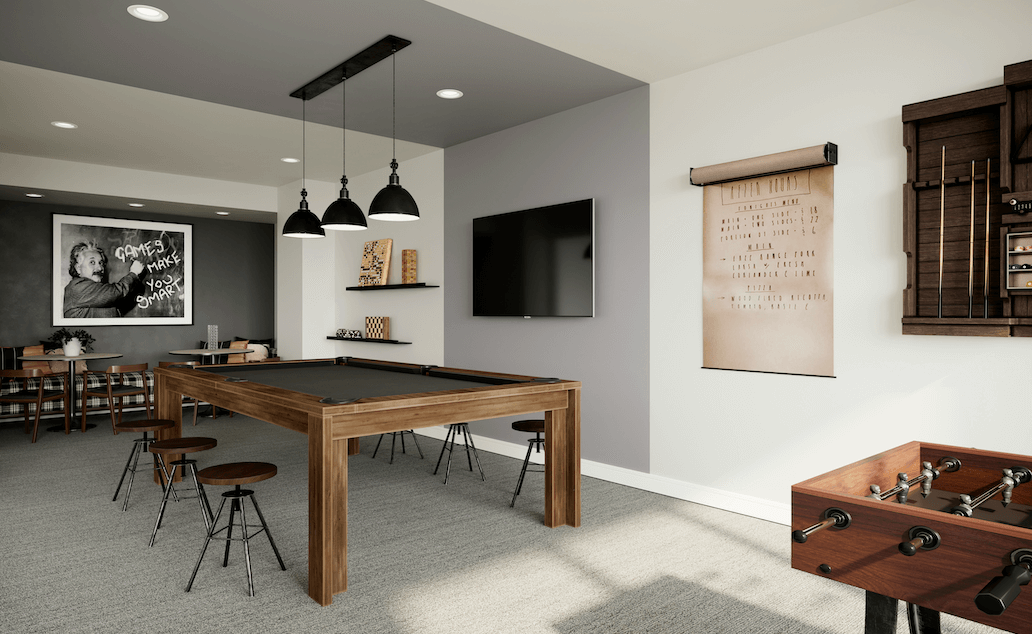
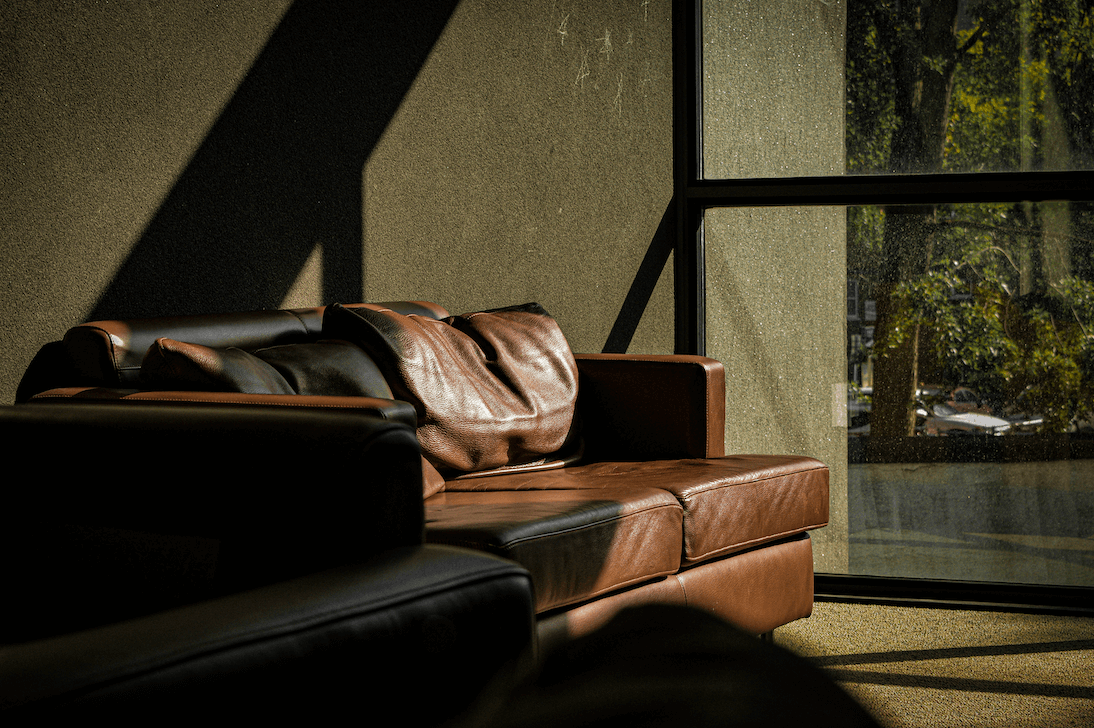
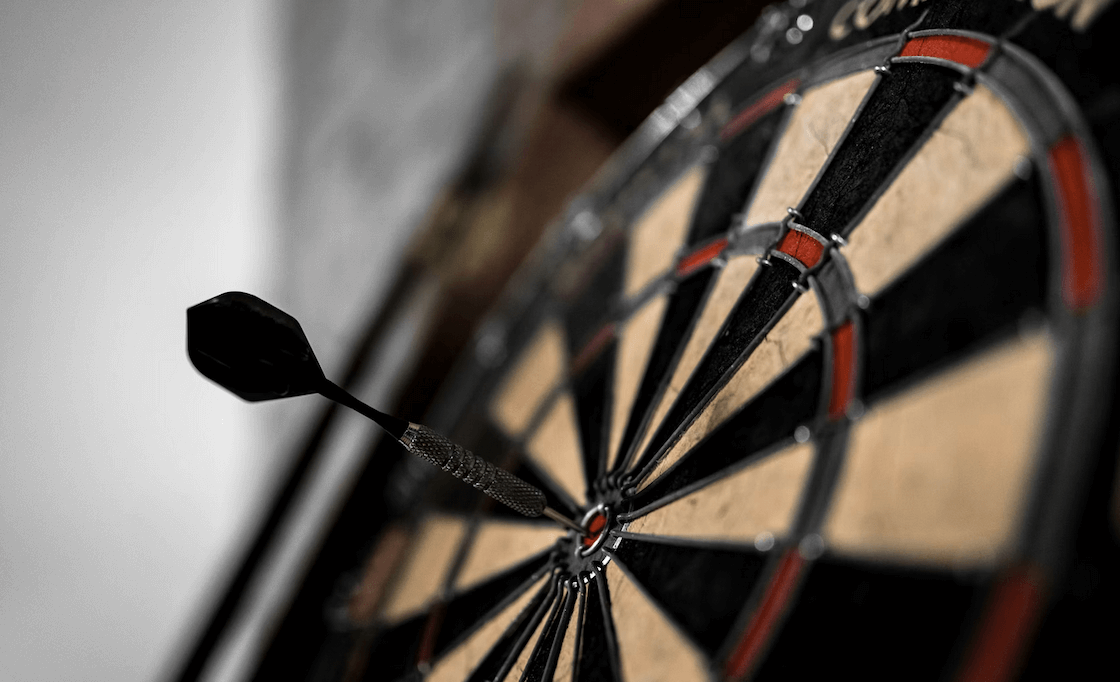
A western-frontier bar theme built on dark oak, brass foot rails, mirror-backed backbars, stamped tin ceilings, and Edison bulbs, anchored by a long counter and a card table.
Also known as: Wild West ThemeWestern Saloon Theme
What this look costs to build, the room it needs, and how it compares on fit is in our man cave ideas and themes guide.
An Old West saloon theme dresses a room in the frontier bar vocabulary: dark oak or mahogany, a long counter, a brass foot rail, a mirror-backed backbar, stamped tin ceiling panels, and warm Edison bulbs. It borrows the look of a 19th-century western drinking hall, where a wooden counter ran dozens of feet along the wall and a brass rail invited tired boots to rest at ankle height. In a man cave the formula reads instantly because the materials do the work: wood carries the warmth, low-wattage light sets the mood, and a handful of western props finish the story without turning the room into a theme park. The payoff is a room that looks finished with relatively few pieces, because the bar itself is the centerpiece, so the money goes to the counter and the backbar first. The outfitters of the era spent it the same way. Brunswick-Balke-Collender, the largest bar supplier of the 1890s, built back bars 16 to 30 feet long with beveled glass mirrors and brass rails at its Dubuque, Iowa plant, then shipped them by rail and mule train to towns like Prescott, Arizona, and its catalog operation employed some 3,000 people nationwide. A home version needs that same anchor more than it needs decor, which is why the smart budget buys a solid counter, a mirror, and a rail before a single vintage sign. The Old West saloon design guide walks through the full build, and it spells out where a weekend build can save money and where hiring a cabinetmaker pays off. The theme is not the movie version, and keeping that straight keeps the room out of cliche. The famous batwing doors were not universal. True West Magazine notes that many, perhaps most, Old West saloons had ordinary wooden doors, and the cafe doors that did appear were more common in warm climates like Texas and Arizona, where they ran from chest to knee height on double-action hinges. The look is also not a museum diorama. You do not need an artifact on every surface, and filling the walls buries the bar that should dominate the room. It is a materials theme first, a lighting theme second, and a props theme last, and remembering that order keeps the budget and the room both honest.
The saloon checklist that sells the look
Start with the bar and the surfaces around it. A straight or L-shaped counter in oak, mahogany, or walnut, at the standard bar height of 42 inches, with a brass or iron foot rail running along its base, is the anchor. Behind it, a backbar holds the bottles in front of one large mirror or several, so a drinker can watch the room without turning around. Above it, stamped tin ceiling tiles in a copper or antique finish do what drywall cannot, and a fixture of Edison bulbs, or a wagon-wheel chandelier if you have the headroom, throws the warm amber light the style demands. A card table with green felt covers the gambling side, and a dartboard or shuffleboard adds activity when the room is not at the bar top. Flooring wants to look worn in: dark stain, wide planks, or a distressed finish beat polished tile, and a runner of sawdust-look carpet holds the frontier note without the mess. Details such as a wanted poster, a longhorn skull, a horseshoe, and a whiskey barrel work as punctuation, not as the main course. Keep the palette to wood tones, brass, and amber so the room reads as a single piece, and let the warm lighting do the dressing that props would otherwise do. That restraint is what separates a saloon from a souvenir shop.
Saloon vs. British pub theme
The nearest confusable neighbor is the British pub theme, and mixing the two is the most common failure in western rooms. Both run on dark wood and warm light, but the saloon is American frontier: open ceilings, wide-plank or sawdust floors, gambling tables, western props, and amber bulbs. The pub is British: lower ceilings, etched and frosted glass, dark green and burgundy leather, dartboards, and brass fittings built around lager and bitters. The distinction matters because the two rooms host different nights. A saloon begs for poker and bourbon, while a pub reads as a place to nurse a pint and talk. Decide which you are building before you buy, and resist pairing a saddle with a pub sign, which reads as a costume rather than a room. If you are on the fence, the saloon skews louder and brighter, while the pub skews quieter and darker.
Where the saloon came from
Saloons replaced taverns as the American frontier's main social institution during the 19th century, carrying tavern culture westward and blending it with new customs. The first establishment called a saloon is said to have opened in 1822 at Brown's Hole, Wyoming, serving fur trappers passing through the region. The earliest rooms were crude, sometimes just a wood-burning stove and minimal furniture, but as towns grew the establishments grew more refined, and the bartender prided himself on his appearance and his pouring skill. By the 1890s, supply houses like Brunswick-Balke-Collender sold the whole trade from a single catalog, and the look was standardized by commerce before it was romanticized by film. The brass rail, the mirror, and the long oak counter were practical before they were iconic, which is why they still anchor a home bar today.
Common mistakes
The first mistake is the prop shop effect: buying every tin sign, pair of antlers, and saloon trinket available, then hanging them all. A room covered in artifacts stops feeling like a bar and starts feeling like a gift shop. The fix is restraint. Wood, light, and one good mirror do the heavy lifting, and the props should number in the handful, not the dozens. The second mistake is getting the rail and the heights wrong. A foot rail belongs at ankle height, roughly 8 to 12 inches off the floor, and the counter should sit near the standard 42 inches so it works for standing drinkers. Get the rail wrong and a detail meant to invite lingering becomes a shin bruiser, and get the counter wrong and the whole room feels off, no matter how much decor you pile on. The third mistake is lighting the room like a warehouse. The theme needs warm, low-wattage light, but one dim Edison bulb leaves a space where you cannot pour a drink or read a card. Layer it: accent light on the backbar, task light over the pour station, and a general amber wash elsewhere. That is the same recipe a working bar uses, and it is the difference between a saloon that looks good in photos and one that is comfortable at midnight.
Frequently asked questions
What is an Old West saloon theme?
An Old West saloon theme decorates a room like a 19th-century western drinking hall. The essentials are a long wood counter, usually oak or mahogany, a brass foot rail, a mirror-backed backbar full of bottles, stamped tin ceiling panels, and warm Edison-bulb lighting. A card table, western wall art, and a few frontier props round it out. The style works in a man cave because the bar itself becomes the centerpiece, so a well-built counter does most of the visual work without a lot of extra decor.
Did Old West saloons really have swinging doors?
Sometimes, but not as often as movies suggest. True West Magazine reports that many, perhaps most, real saloons used ordinary wooden doors, especially in cold climates like Colorado and Montana. The batwing cafe doors that did appear were more common in warmer regions like Texas and Arizona, hung from chest to knee height on double-action hinges. If you want the iconic look in a man cave, install the doors as a style accent rather than a working front entrance.
How much does a saloon-themed man cave cost?
Costs split between the bar and everything else. A solid home bar and backbar can run from roughly $1,000 for a simple counter build to several thousand for a full mirrored backbar, and that is where the money belongs. Stamped tin ceiling tiles, Edison fixtures, a card table, and western wall art add a few hundred to a couple thousand depending on how far you go. The theme rewards spending on wood, brass, and lighting, and punishes spending on props.
What are the must-have elements of a saloon bar?
The four anchors are a wood counter, a brass foot rail, a mirror-backed backbar, and warm low-wattage lighting. Around those you can add stamped tin ceiling tiles, a green felt card table, a dartboard, and a handful of western accents such as a wanted poster or longhorn skull. Keep the palette to wood tones, brass, and amber so the room reads as one piece. A straight or L-shaped counter at the standard 42-inch bar height works best for standing guests.
Can I build a saloon theme in a small room?
Yes, and a small space can actually look more convincing than a large one. In a compact room the bar becomes the whole composition, so a modest counter with a mirror and a rail carries the theme on its own. Skip the tin ceiling if headroom is tight and use a pendant Edison bulb instead. Keep props minimal, one or two accents at most, because a small room fills up fast. The design guide for the theme covers layouts that fit tighter floor plans.
Related terms
Speakeasy / Prohibition Theme
A Prohibition-era secret bar theme: dark wood, velvet, brass, low light, and a hidden entrance, built around the real speakeasies that ran from 1920 to 1933.
Design Themes & StylesBritish Pub Theme
A dark-wood, low-light design language drawn from historic English public houses, layering brass fixtures, leather seating, carved millwork and personal ephemera into a warm, lived-in room.
Bar & BeverageBar Top
The serving surface of a bar: usually 42 inches off the floor, 16 to 20 inches deep, with a 10 to 12 inch overhang for knees and a finish that survives spilled spirits.
Bar & BeverageFoot Rail
Metal tubing mounted low along a bar's front apron, in polished or satin brass, stainless or matte black, so a standing drinker has somewhere to rest one foot instead of locking both knees.
Bar & BeverageHome Bar
A built-in counter with cabinetry, storage and a sink or plug-in fridge that serves drinks in a finished room. The wet-versus-dry decision depends on the nearest drain stack.
LightingEdison Bulb
A decorative bulb with a visible loop or spiral filament and a warm amber glow, styled after Edison's 1879 design and sold today mostly as an LED filament replica.
Decor & Wall ArtNeon Sign (Custom)
Hand-bent glass tube sign that glows under high voltage, from $300 custom pieces to franchise-era icons; LED neon flex is the modern, cheaper substitute.
Design Themes & StylesIndustrial Theme
Factory-inspired decor: exposed brick and beams, raw concrete, black steel, Edison bulbs, and visible pipes and ductwork in a neutral palette of gray, black, and brown.