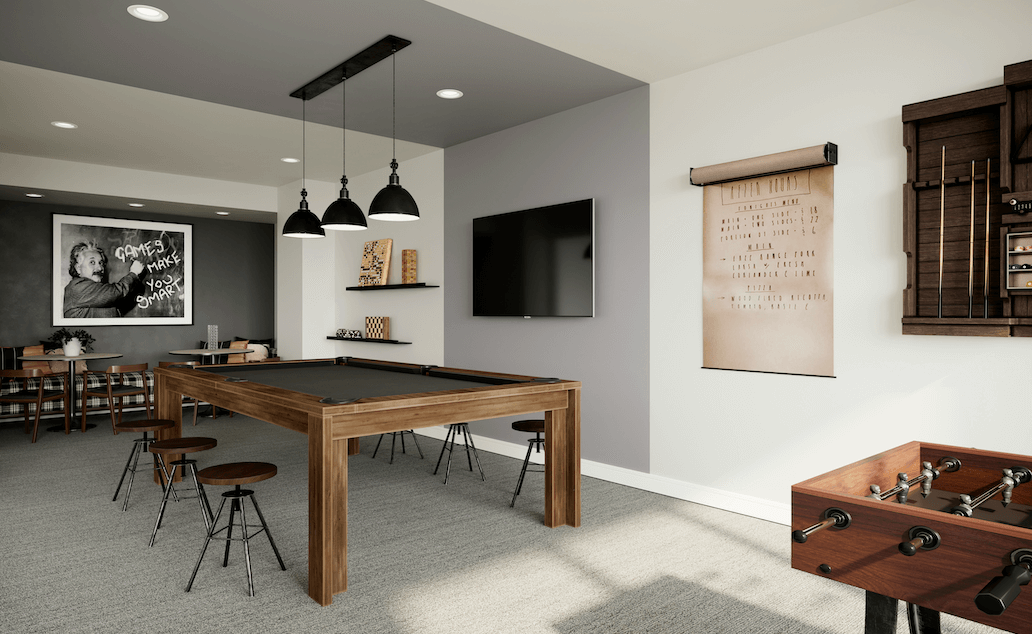
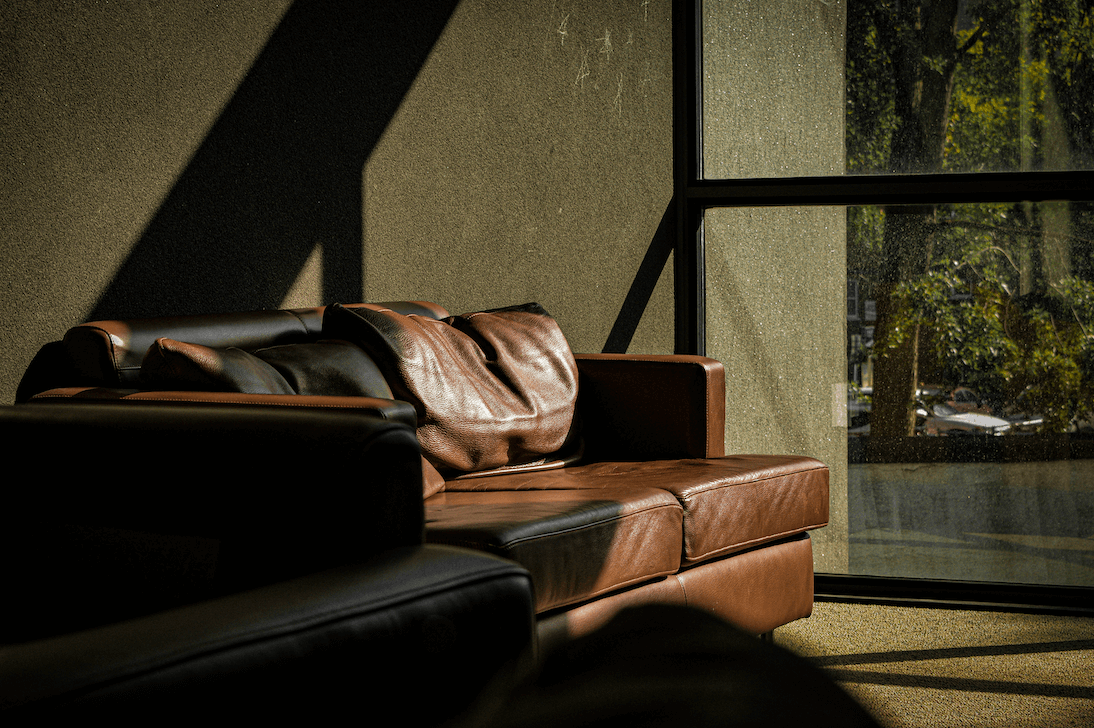
A decorating style built from natural, aged, and distressed materials: reclaimed wood, stone, iron, and leather in an earth-tone palette. Rooted in the American frontier and the National Park lodges.
Also known as: Rustic StyleRustic Decor
What this look costs to build, the room it needs, and how it compares on fit is in our man cave ideas and themes guide.
A rustic theme is a decorating style built from natural, aged, and distressed materials: reclaimed wood, stone, iron, and leather doing the textural work, with a neutral palette of warm browns, greys, cream, and deep green holding the room together. It is the look of the log cabin, the hunting lodge, and the farmhouse barn, and it works in a man cave because it tolerates heavy, honest materials and casual wear better than any polished style. The Spruce defines the style by its opposites: it is the antithesis of modern and contemporary design, built on organic, weathered, imperfect surfaces rather than clean synthetic ones. The material kit is small and repeatable. Wood is the workhorse, and the style wants it rough and honest: reclaimed planks, exposed ceiling beams, wide-plank floors, and a live-edge table or bar top carrying the knots and saw marks. Stone joins it as the second material, a stacked fireplace surround or a rough stone veneer accent, and iron and dark leather supply the hardware and seating. The palette stays in earth tones because bright colors fight the aged materials, and the textures come from jute, burlap, canvas, linen, and wool, which are cheap and read instantly as rustic. Get those four materials right and the style mostly styles itself. A rustic theme is not the same thing as a farmhouse theme, though the two overlap constantly, and it is not industrial. Farmhouse leans lighter and more polished, with shiplap, white paint, and a cleaner finish, while rustic keeps the wood dark and raw. Industrial brings in bare metal, exposed structure, and stark light-dark contrast, where rustic stays in softer earth tones. It is also not the cabin and lodge theme, which scales rustic up into grand log ceilings and taxidermy, though the two share DNA. For a rustic man cave, the honest target is usually the quieter end of rustic, not the full lodge.
The material kit, and the palette that holds it together
The first rule is that wood does the talking, and it should read old. Reclaimed wood, whether from barns, pallets, or milled rough lumber, carries the patina and grain that new wood lacks, and it is the single most reliable way to make a room read rustic without a single prop. Exposed beams on the ceiling and a wood-paneled accent wall are the two highest-impact moves, and both are cheap relative to their effect, because they replace a flat painted surface with a textured one. The wood paneling on the walls does not need to be expensive; it needs to be real and rough. The second rule is that the palette stays in earth tones. Warm browns from the wood, greys from stone, cream and deep green for the walls, and rust or muted navy as the accent, all pulled from nature rather than from a paint company's brights. The Spruce calls the rustic palette monochromatic and muted, and the discipline matters because the materials are already busy, so a bright color fights the wood instead of complementing it. Textures finish the room: jute rugs, burlap and linen throws, canvas, and wool all read rustic immediately and are cheap to swap. The third rule is that the furniture is heavy and simple. A deep leather sofa, a slab coffee table, and a solid wood bar with an iron footrail carry the theme better than many small pieces, because rustic is a style of mass and material, not of ornament. Keep the furniture streamlined and let the material be the decoration, which is the opposite of a modern room where the shape carries the design. The payoff is a room that warms instantly and hides wear, which is exactly what a man cave needs.
Rustic vs. farmhouse vs. industrial
One-line distinction: rustic is raw and heavy, farmhouse is lighter and polished, and industrial is metal and stark. Farmhouse shares rustic's wood and neutrality but washes the room in white and keeps the finishes cleaner, which is why the two get conflated in every catalog; rustic leans darker, rougher, and more grounded, while farmhouse reads as rustic's tidier cousin. Industrial shares rustic's honesty but swaps the wood for metal and concrete, with exposed structure, dark iron, and stark light-dark contrast, where rustic stays in softer earth tones. The consequence for a man cave is that the three styles demand different rooms. A rustic theme suits a basement or a converted garage, where the raw materials and low ceilings make the honest wood feel intentional. Farmhouse reads best in a brighter, whiter space and can look out of place in a basement with no natural light. Industrial works in an urban-loft space with exposed ductwork, and it can feel cold where rustic would feel warm. Most man caves sit naturally between rustic and industrial, and the industrial theme adds metal accents without losing the wood, which is why that hybrid is so common.
Where the rustic look came from
Rustic's roots are the American frontier. The first log cabins in North America appeared in 1638, built by Scandinavian settlers in New Sweden, and the rugged homesteads of the early 1800s gave the style its visual vocabulary: hand-hewn logs, stone fireplaces, iron hardware, and furniture built to survive rather than to impress. The Spruce dates the interior style to the early 1800s, when homesteaders built their homes by hand from raw, local materials, and those practical choices became the aesthetic template. The style entered the American design canon through the National Park lodges. Old Faithful Inn, designed by Robert Reamer and built in 1903-1904 from local logs and stone, is the landmark of the style the National Park Service calls Rustic architecture, a building so large, it is considered one of the biggest log structures in the world, and it turned a necessity into a national romantic ideal. That lodge lineage is why a rustic room can hold a grand fireplace and an antler chandelier without feeling like a theme park: the style carries a century of association with the mountains and the parks. From the frontier cabin to the park lodge to a shiplap bar wall in a suburban basement, the through-line is honest material used without apology.
Common mistakes
The first mistake is theme-park overload. A rustic room with antlers, ropes, and a wooden wheel on every surface tips into costume, and the style dies the moment it feels staged. Rustic works because it reads as lived-in, so pick three to five real materials, wood, stone, iron, leather, and let them carry the room instead of stacking props. The second is mixing the wrong woods and finishes. Reclaimed and raw wood wants matte, natural finishes, and a glossy polyurethane or a painted white piece fights the whole palette. Keep the wood tones close together, avoid plastic-looking faux beams, and let the finish be flat, because shine is the enemy of rustic. Stone with too much polish has the same problem, so rough, matte stone reads right where a glossy tile reads wrong. The third is going too dark without contrast. A room of dark wood, dark leather, and low light can tip into a cave, in the bad sense, so balance the heavy materials with cream or greige walls, a light rug, or a bright window treatment. The accent wall should be the wood, not every wall, and a single strong material per wall keeps the room from closing in. Keep the lighting warm and layered, and the rustic room stays cozy instead of dark.
Frequently asked questions
What is rustic style in interior design?
Rustic style is a decorating approach built from natural, aged, and distressed materials: reclaimed wood, stone, iron, and leather, in a muted earth-tone palette of browns, greys, cream, and green. The Spruce defines it as the opposite of modern and contemporary design, rooted in organic, weathered, imperfect surfaces. It descends from the hand-built homesteads of the early 1800s and reads as heavy, warm, and honest. Exposed beams, wood paneling, a stone fireplace, and simple heavy furniture are the signature elements, and the room should feel lived-in rather than staged.
What is the difference between rustic and farmhouse style?
Rustic is darker, rougher, and heavier, while farmhouse is lighter and more polished. Farmhouse borrows rustic's wood and neutral palette but washes the room in white, uses cleaner finishes like shiplap, and reads as rustic's tidier cousin. Rustic keeps the wood dark and raw, with exposed grain, knots, and matte finishes, and it grounds a room in the materials themselves. In practice the styles blur constantly in catalogs, but the test is the finish: if the wood is whitewashed and the palette is bright, it is farmhouse; if the wood is dark and raw, it is rustic.
What colors go with rustic decor?
The rustic palette stays in earth tones: warm browns from the wood, greys from stone, cream, beige, and white for the walls, and deep green, rust, or muted navy as accents. The Spruce calls the palette monochromatic and muted, and the discipline matters because the wood and stone are already busy. Bright colors fight the aged materials, so save them for small accents rather than walls. Cream or greige walls balance a dark wood-heavy room, and a light rug or linen throw keeps the space from closing in. Warm lighting finishes the scheme.
How do I make my man cave look rustic?
Start with the materials rather than the props. Add reclaimed wood, an exposed beam or two, or a wood-paneled accent wall, and pair it with a stone feature or an iron footrail to get the two-material base. Keep the palette in earth tones, warm browns, greys, cream, and deep green, and add texture with jute, burlap, or leather. Choose heavy, simple furniture, a deep leather sofa or a slab table, and let the material carry the look. Avoid piling on antlers and wooden wheels; three to five real materials beat a shelf of props every time.
What is the difference between rustic and industrial design?
Rustic is built from raw wood, stone, and leather in soft earth tones, while industrial is built from bare metal, concrete, and exposed structure in stark light-dark contrast. Both share an honesty about materials, which is why they blend so easily, but rustic warms a room while industrial can read as cold. Industrial loves exposed ductwork, dark iron, and utilitarian lighting, where rustic keeps wood and natural texture at the center. The hybrid, industrial rustic, adds metal accents and Edison bulbs to a wood-heavy room, suiting a converted garage or loft man cave best.
Related terms
Cabin / Lodge Theme
A rustic mountain aesthetic built from natural materials and substantial furniture, drawing from National Park lodges and Adirondack Great Camps to create rooms that feel warm and grounded.
Design Themes & StylesIndustrial Theme
Factory-inspired decor: exposed brick and beams, raw concrete, black steel, Edison bulbs, and visible pipes and ductwork in a neutral palette of gray, black, and brown.
Decor & Wall ArtShiplap
Wood boards with a rabbeted edge that overlap in a shallow lip, leaving a clean shadow gap between rows. The modern farmhouse wall finish, it also suits rustic and coastal man cave bars.
Building & ConstructionExposed Beam
Ceiling timbers left visible instead of hidden behind drywall: either real load-bearing framing on display or a lightweight faux shell built to mimic it in a rustic room.
Decor & Wall ArtWood Paneling
Wall-covering boards or sheets of wood that add warmth, texture, and sound deadening; run full-height or as wainscoting on the lower third of a wall.
Decor & Wall ArtAccent Wall
One wall finished differently from the other three, in paint, wood slats, veneer stone or LED panels, to give a room a single deliberate focal point.
Decor & Wall ArtStone Veneer
Thin stone-like cladding for walls, either real rock sawn into slabs or molded concrete, applied at 8 to 25 pounds per square foot so it needs no dedicated foundation and installs over framing.
Read more about Rustic Theme

Best Reclaimed Media Consoles with Vinyl Storage for Your Private Lounge
Discover the best reclaimed media consoles with vinyl storage for your private lounge. Compare sizes, styles, capacity, and prices to find your ideal setup.

Build a DIY Reclaimed-Wood Mantel for an Electric Fireplace
Learn how to build a rustic reclaimed-wood mantel for your electric fireplace. Includes materials list, tools, and step-by-step instructions for a cozy weekend upgrade.

Best Whiskey Barrel Bar Tables for Your Man Cave
Discover the top whiskey barrel bar tables that blend rustic charm with durability. Get buying tips, size comparisons, and top picks for your man cave.

Old West Saloon Design Guide
Create an authentic Old West saloon-style room: layout, furniture, lighting, wall art and DIY projects to build a rugged, entertaining home bar today.

Steampunk Man Cave Design Guide
Practical guide to styling a steampunk man cave: furniture, lighting, materials, storage, DIY projects and finishing accents for a durable, mechanic-chic den.

Best Industrial Pipe Shelving for Home Bars
Discover industrial pipe shelving for home bars. Choose durable materials, the right sizes, easy installation, styling tips and a concise buyer's guide.

Reclaimed Decor Ethics: A Guide to Responsible Sourcing and Restoration
Avoid pitfalls when using salvaged materials. Learn to source, restore, and repurpose ethically to create a stunning space without harming people or the planet.

Art Deco Luxury Lounge Design Guide
Build a luxe Art Deco lounge: style rules, color palettes, lighting, layouts, furniture picks, shopping lists, styling tips to craft a refined retreat.

Historic Home Conversion Budget: A Practical Guide to Permits, Costs & Timelines
A practical guide to real costs of converting a historic home into your dream space. Budget tiers, permit fees, hidden expenses, contractor vs DIY timelines.